Category: Diabetes Care & Medical Devices

  • Understanding an HbA1c Test Kit in Kenya

    Understanding an HbA1c Test Kit in Kenya

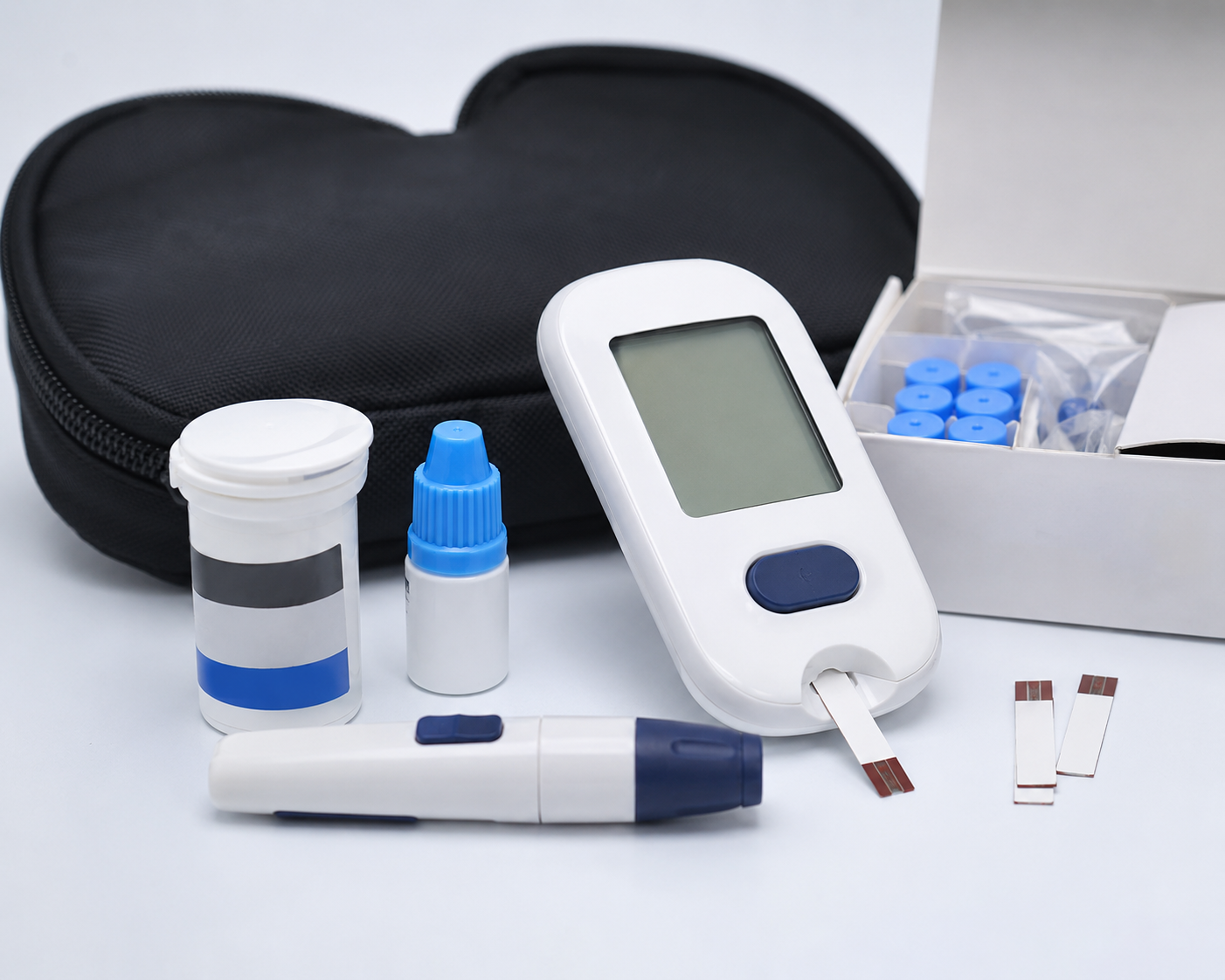
    Diabetes monitoring has become an important part of healthcare for many Kenyans. Unlike a normal blood sugar test that shows your glucose level at a specific moment, an HbA1c test provides information about your average blood sugar control over approximately the last 2–3 months.

    An HbA1c test kit in Kenya allows some patients to monitor their long-term glucose levels more conveniently, especially those who may find frequent laboratory visits challenging. These kits are increasingly discussed among people living with diabetes, caregivers, and patients interested in better understanding their health.

    At Our Mall Pharmacy, pharmacists commonly answer questions from patients in Nairobi and surrounding areas such as Rongai, Ngong, Karen, Lang’ata, Kilimani, and Westlands:

    • Is an HbA1c test kit accurate?
    • How much does an HbA1c test kit cost in Kenya?
    • Can I use an HbA1c test kit at home?
    • Is HbA1c better than daily glucose testing?
    • Where can I buy diabetes monitoring supplies?

    Patients looking for diabetes monitoring solutions can also explore related healthcare products through our chronic care category and browse available medical devices designed for home health support.

    What Is an HbA1c Test Kit in Kenya and How Does It Work?

    An HbA1c test kit in Kenya is a testing device used to measure glycated haemoglobin (HbA1c), which reflects average blood sugar levels over approximately 2–3 months. It helps patients and healthcare professionals understand long-term glucose control rather than only a single blood sugar reading.

    HbA1c stands for glycated haemoglobin. It measures how much glucose has attached to haemoglobin inside red blood cells.

    Because red blood cells circulate for several weeks, HbA1c provides a broader view of blood sugar patterns.

    An HbA1c test may help with:

    • Monitoring diabetes management
    • Tracking whether lifestyle changes are effective
    • Supporting discussions with healthcare professionals
    • Understanding long-term blood sugar trends

    For patients managing chronic conditions, combining monitoring tools with professional guidance is important. You can also explore diabetes-related healthcare options through the Our Mall Pharmacy health articles section.

    How Does an HbA1c Test Kit in Kenya Compare With a Glucose Meter?

    An HbA1c test kit in Kenya measures average blood glucose control over several months, while a glucose meter measures current blood sugar levels at the time of testing. Both tools provide valuable information but are used for different monitoring purposes.

    Feature HbA1c Test Kit Glucose Meter
    Measures Average blood sugar control Current blood glucose level
    Testing period Around 2–3 months Immediate reading
    Testing frequency Usually less frequent Often daily
    Main purpose Long-term diabetes monitoring Daily glucose decisions
    Sample type Small blood sample Finger-prick blood sample

    Many diabetes patients use glucose meters for daily monitoring and HbA1c testing for reviewing longer-term progress with their healthcare provider.

    Why Consider Buying an HbA1c Test Kit in Kenya?

    An HbA1c test kit in Kenya may be worth buying for people who need convenient monitoring of long-term blood sugar trends. However, it should complement professional healthcare advice and should not replace medical consultations when treatment decisions are needed.

    Some reasons patients consider home HbA1c testing include:

    1. Convenience for Busy Patients

    Many Nairobi residents have demanding work schedules and may prefer monitoring options that reduce unnecessary travel.

    For example, a patient working in Westlands or Kilimani may find it easier to track health information at home before discussing results with a healthcare professional.

    2. Better Understanding of Diabetes Control

    HbA1c results can help patients understand whether their diabetes management plan is working over time.

    3. Support for Chronic Care Management

    People living with diabetes often need ongoing monitoring. Combining healthy lifestyle choices, prescribed medication, and regular health reviews supports better disease management.

    Patients can also explore related diabetes support products through the Our Mall Pharmacy shop.

    Who Should Use an HbA1c Test Kit in Kenya?

    An HbA1c test kit in Kenya may be useful for adults managing diabetes, caregivers supporting diabetic patients, and people who need convenient access to long-term glucose monitoring information. It is important to discuss results with a healthcare professional when making treatment decisions.

    Potential users include:

    • Adults diagnosed with diabetes
    • Patients monitoring lifestyle improvements
    • Caregivers supporting family members
    • People requiring regular diabetes reviews
    • Patients who want additional information between clinic visits

    However, some situations require professional assessment rather than relying only on home testing.

    These include:

    • Unexpected results
    • Symptoms of uncontrolled diabetes
    • Changes in medication
    • Pregnancy-related diabetes monitoring
    • Newly diagnosed diabetes

    Real Pharmacy Experience: HbA1c Testing Trends in Nairobi

    Pharmacists in Nairobi often see increasing interest in convenient diabetes monitoring solutions.

    Common patient conversations include:

    “I want to know whether my sugar levels have improved.”

    “Can I avoid going to the laboratory every time?”

    “Which diabetes monitoring device is suitable for home use?”

    Patients from areas such as Rongai, Ngong, Karen, and Lang’ata often look for practical healthcare solutions that fit their daily routines.

    Pharmacists usually advise patients to consider:

    • The reliability of the testing device
    • Proper testing technique
    • Understanding results correctly
    • Following prescribed treatment plans

    A testing device is helpful, but it works best when combined with professional healthcare support.

    HbA1c Test Kit in Kenya Cost: How Much Should You Expect to Pay?

    The price of an HbA1c test kit in Kenya depends on the brand, testing method, number of tests included, and availability. Patients should compare cost together with accuracy, reliability, and ease of use before purchasing.

    Estimated HbA1c Testing Costs in Kenya

    Option Estimated Cost Range Suitable For
    Laboratory HbA1c Test KSh 1,000–3,000 Patients needing professional testing
    Home HbA1c Test Kit Varies by brand and pack size Patients seeking convenience
    Glucose Meter Testing Device + strips cost varies Daily monitoring

    Prices may change depending on supplier availability and healthcare providers.

    Before purchasing healthcare devices, patients can contact Our Mall Pharmacy through our contact and support page for availability guidance.
    Conclusion: Is an HbA1c Test Kit in Kenya Worth Buying?

    An HbA1c test kit in Kenya can be a valuable tool for patients who want convenient information about their long-term blood sugar control. However, the best results come from combining home monitoring with professional pharmacist guidance, regular medical reviews, and healthy diabetes management habits.

    Choosing whether to buy an HbA1c test kit depends on your personal healthcare needs, budget, and monitoring goals. For some patients, the convenience of checking long-term glucose trends at home can provide reassurance and encourage better diabetes management.

    Before purchasing an HbA1c test kit in Kenya, consider:

    • Accuracy and reliability: Choose trusted testing devices and follow instructions carefully.
    • Professional guidance: Discuss your results with a pharmacist or healthcare professional when needed.
    • Testing purpose: Understand that HbA1c complements, but does not replace, daily glucose monitoring when required.
    • Long-term care: Diabetes management involves medication adherence, diet, exercise, and regular health check-ups.

    Patients looking for diabetes monitoring solutions can explore related products through the chronic care products category and browse available healthcare equipment through medical devices.

    At Our Mall Pharmacy, we help patients make informed healthcare decisions by providing reliable medical supplies, pharmacist support, and guidance on choosing suitable monitoring products.

    You can also explore more health information through our health articles section or visit our shop page for available healthcare products.

    Contact Our Mall Pharmacy

    Call Us: +254 722 390 003
    Mon-Sat 9AM-8PM, Sun 10:30AM-6PM

    WhatsApp: Chat with a Pharmacist (Instant responses)

    Email: ourmallpharmacy@gmail.com
    (We reply within 2 hours)

    Visit Us:
    Our Mall, Off Magadi Rd, Avocado Lane, Ground Floor (Shop No. 22)

    Opening Hours:
    Mon-Sat 9AM-8PM
    Sun 10:30AM-6PM

    Our pharmacists can help you choose the right HbA1c test kit in Kenya, understand available diabetes monitoring options, and find suitable healthcare products based on your needs. For prescription support, you can also use our upload prescription service for pharmacist review.

  • Lancets in Kenya: Gauge Sizes, Pain Levels and Prices Compared (2026 Guide)

    Lancets in Kenya: Gauge Sizes, Pain Levels and Prices Compared (2026 Guide)

    Understanding Lancets in Kenya for Better Blood Glucose Testing

    Managing diabetes or monitoring blood glucose levels at home requires reliable testing supplies. Among the most important tools are lancets, small sterile devices used with blood glucose meters to obtain a tiny blood sample from the fingertip.

    Many patients searching for lancets in Kenya are not only looking for affordable options but also want answers to common concerns:

    • Which lancet gauge is the least painful?
    • Are thinner lancets better?
    • How much do lancets cost in Kenya?
    • Which lancets work with my glucose meter?
    • Where can I buy safe, single-use lancets?

    At Our Mall Pharmacy, pharmacists commonly guide patients on choosing the correct lancet based on their testing frequency, skin sensitivity, age, and blood sample requirements.

    In Nairobi and surrounding areas such as Rongai, Ngong, Karen, Lang’ata, Kilimani, and Westlands, home blood glucose monitoring has become increasingly common among people living with diabetes, caregivers, and patients monitoring lifestyle-related health risks.

    What Are Lancets in Kenya and How Do They Work?

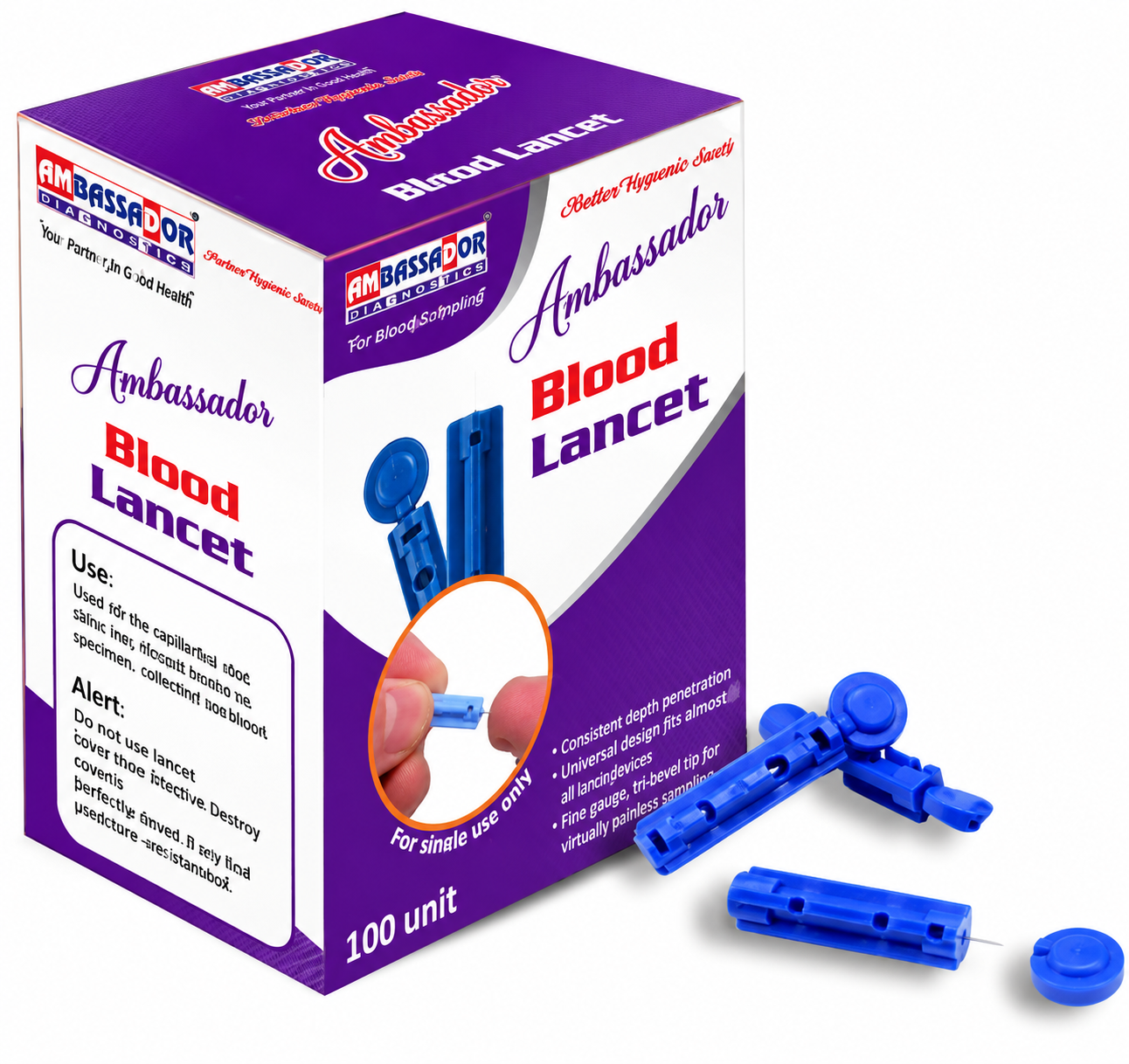
    Lancets in Kenya are small sterile medical devices designed to prick the fingertip and collect a small blood sample for glucose testing. They are used together with blood glucose meters to help patients monitor blood sugar levels safely at home.

    Lancets are usually inserted into a lancing device, which controls the depth and speed of the puncture. After the fingertip is cleaned, the device creates a small opening that produces a drop of blood placed on a glucose test strip.

    A typical blood glucose testing process involves:

    1. Washing and drying hands.
    2. Loading a new sterile lancet into the lancing device.
    3. Adjusting the puncture depth if necessary.
    4. Performing the finger prick.
    5. Applying the blood sample to the test strip.
    6. Recording the glucose reading.

    Unlike reusable medical tools, modern lancets are designed for single use. Reusing lancets can reduce sharpness, increase discomfort, and may affect hygiene.

    Why Patients in Kenya Use Lancets for Blood Sugar Monitoring

    Blood glucose monitoring helps patients and healthcare professionals understand how the body responds to:

    • Diabetes medication
    • Insulin therapy
    • Diet changes
    • Physical activity
    • Illness or infections
    • Stress and lifestyle changes

    Common users of lancets include:

    • People with Type 1 diabetes
    • People with Type 2 diabetes
    • Pregnant women with gestational diabetes
    • Elderly patients requiring regular monitoring
    • Caregivers checking glucose levels for family members

    According to pharmacist observations, many patients visiting pharmacies in Nairobi ask for lancets alongside glucose meters, test strips, and diabetes supplements.

    Some common questions pharmacists receive include:

    • “Which lancet hurts less?”
    • “Can I use any lancet with my glucose meter?”
    • “How often should I change my lancet?”
    • “Why do my fingers become sore after testing?”

    How Much Do Lancets in Kenya Cost in 2026?

    The cost of lancets in Kenya generally depends on the brand, gauge size, pack quantity, and compatibility with the lancing device. Most standard single-use lancets are affordable medical supplies available through pharmacies and healthcare retailers.

    Prices may vary depending on availability and supplier changes. Patients should compare both price and quality because cheaper options may not always provide the most comfortable testing experience.

    Average Lancet Prices in Kenya

    Lancet Type Pack Size Estimated Price Range in Kenya Best For
    Standard 28G Lancets 100 pieces KSh 300–800 Regular users needing stronger blood flow
    30G Lancets 100 pieces KSh 400–1,000 General diabetes monitoring
    31G Lancets 100 pieces KSh 500–1,200 Users wanting more comfort
    33G Thin Lancets 100 pieces KSh 600–1,500 Sensitive skin and frequent testing

    Prices may change depending on brand, supplier, and availability.

    Patients can explore diabetes care supplies and related products through the Our Mall Pharmacy healthcare categories, including medical devices and chronic care products.

    Best Lancets in Kenya: Comparing 28G, 30G, 31G and 33G Sizes

    The best lancets in Kenya depend on your skin sensitivity, testing frequency, and required blood sample size. Thinner gauges such as 31G and 33G are often preferred for comfort, while thicker gauges like 28G may provide easier blood collection for some users.

    Lancet size is measured using gauge (G). The gauge number works differently from many measurements: a higher gauge number usually means a thinner needle.

    For example:

    • 28G = thicker lancet
    • 33G = thinner lancet

    Lancet Gauge Comparison Table

    Gauge Size Needle Thickness Pain Level Suitable Users
    28G Thicker Moderate Patients needing easier blood flow
    30G Medium Low to moderate Most adult users
    31G Thin Lower discomfort Frequent testers
    33G Very thin Usually least noticeable Sensitive skin users

    33G Lancets in Kenya: Are They Less Painful?

    33G lancets in Kenya are among the thinnest commonly available options and are designed to reduce discomfort during frequent blood glucose testing. They are often preferred by patients who test multiple times daily or have sensitive fingertips.

    The main advantage of thinner lancets is reduced skin trauma. However, some users may find that very thin lancets require slightly deeper settings on the lancing device depending on skin thickness.

    A pharmacist may recommend trying different gauges based on:

    • Finger sensitivity
    • Frequency of testing
    • Blood sample requirements
    • Age of the user

    28G Lancets in Kenya: Are Thicker Lancets Better?

    28G lancets in Kenya can be useful for patients who need a slightly larger blood sample or have difficulty obtaining enough blood from thinner lancets. They may cause more noticeable discomfort compared with thinner gauges.

    Thicker lancets are sometimes chosen by:

    • Older adults
    • Patients with thicker skin
    • Users who struggle to obtain enough blood

    However, comfort preferences differ from person to person.

    What Factors Affect Lancet Pain Levels?

    Lancet pain depends on more than needle size alone. The gauge, puncture depth, testing technique, fingertip condition, and whether a fresh lancet is used all influence comfort during blood glucose testing.

    Common factors affecting discomfort include:

    1. Lancet Thickness

    A thinner lancet generally creates a smaller puncture.

    2. Lancing Device Settings

    A deeper setting may produce more discomfort than necessary.

    3. Reusing Lancets

    Repeated use can make the tip less effective and increase discomfort.

    4. Finger Location

    The sides of fingertips often have fewer nerve endings compared with the centre.

    5. Hand Condition

    Dry skin or frequent hand washing may affect comfort.

    Conclusion: Choosing the Right Lancets in Kenya for Comfortable Blood Glucose Monitoring

    Choosing the right lancets in Kenya depends on your testing needs, skin sensitivity, glucose monitoring routine, and preferred comfort level. Thinner gauges such as 31G and 33G are often selected by frequent testers, while 28G and 30G options may suit users who need easier blood collection.

    Lancets may be small, but they play an important role in effective diabetes self-management. Using the correct gauge, changing lancets regularly, and following safe testing practices can make daily blood glucose monitoring more comfortable and hygienic.

    Before purchasing lancets, consider:

    • Gauge size: Higher gauge numbers usually mean thinner lancets and may provide a more comfortable experience.
    • Compatibility: Ensure the lancets work with your lancing device or blood glucose monitoring system.
    • Quality and sterility: Choose sealed, single-use lancets from reliable healthcare suppliers.
    • Personal comfort: The best lancet is the one that provides a sufficient blood sample with minimal discomfort.

    At Our Mall Pharmacy, we understand that patients have different needs. Common questions from diabetes patients in Nairobi include finding less painful options, choosing affordable packs, and understanding which supplies are suitable for regular home monitoring.

    Whether you live in Nairobi, Rongai, Ngong, Karen, Lang’ata, Kilimani, or Westlands, getting professional guidance can help you select suitable diabetes care products with confidence.

    You can also explore related healthcare products through our shop page and find additional wellness resources through our health articles section.

    Contact Our Mall Pharmacy

    Call Us: +254 722 390 003
    Mon-Sat: 9AM-8PM, Sun: 10:30AM-6PM

    WhatsApp: Chat with a Pharmacist (Instant responses)

    Email: ourmallpharmacy@gmail.com
    (We reply within 2 hours)

    Visit Us:
    Our Mall, Off Magadi Rd, Avocado Lane, Ground Floor (Shop No. 22)

    Opening Hours:
    Mon-Sat 9AM-8PM
    Sun 10:30AM-6PM

    Our pharmacists are available to help you choose suitable lancets in Kenya, blood glucose monitoring supplies, and other healthcare products based on your needs. You can also contact our team for guidance on diabetes care products, availability, and safe usage recommendations.