Sudden Food Poisoning in Kenya
Food poisoning can hit suddenly after eating street food, restaurant meals, or even improperly stored home-cooked food. In Nairobi and surrounding areas like Westlands, Kilimani, Rongai, Ngong, Karen, and Lang’ata, it is one of the most common emergency pharmacy cases.
This guide explains food poisoning Kenya, how to stop dehydration quickly, and the essential over-the-counter kit you should have at home.
What is food poisoning Kenya?
Food poisoning Kenya is a digestive illness caused by eating contaminated food or drinking unsafe water, leading to symptoms such as vomiting, diarrhea, stomach cramps, and dehydration. In Nairobi cases, it is often caused by bacteria like Salmonella or E. coli.
Most cases begin within a few hours and worsen quickly if fluids are not replaced.
Learn more digestive health conditions at the Digestive Health section
Why is food poisoning Kenya a medical emergency risk?
Food poisoning Kenya becomes risky when vomiting and diarrhea cause rapid dehydration, weakness, and inability to keep fluids down. In Nairobi households, this often prevents patients from visiting a pharmacy physically.
At Our Mall Pharmacy, pharmacists frequently see delayed cases where dehydration has already become severe due to lack of early ORS use.
Get fast support via our online pharmacy Kenya service
What should you do immediately for food poisoning Kenya?
The first step in food poisoning Kenya is to start oral rehydration therapy immediately, avoid solid foods temporarily, and replace lost fluids using ORS to prevent dehydration.
In Nairobi’s warm climate, fluid loss happens quickly, making early intervention critical.
Immediate steps:
- Start Oral Rehydration Salts (ORS) immediately
- Sip fluids slowly and consistently
- Avoid dairy, alcohol, and oily foods
- Rest the stomach for a few hours
- Monitor urine output and weakness
Get emergency ORS via medicine delivery Nairobi
What causes food poisoning Kenya in Nairobi?
Food poisoning Kenya is mainly caused by contaminated food, poor hygiene, or unsafe water consumption. In Nairobi, street food and fast-food exposure are major contributors.
Common causes include:
- Undercooked meat or eggs
- Street food contamination
- Poor refrigeration in hot weather
- Unclean water or ice
- Cross-contamination in kitchens
Learn prevention tips in our health articles hub
What is the best over-the-counter kit for food poisoning Kenya?
The best food poisoning Kenya kit includes oral rehydration salts, anti-diarrheal medicine, probiotics, and zinc supplements to restore hydration and gut balance.
In most Nairobi cases, early use of this kit helps recovery within 24–72 hours.
Recommended OTC kit:
- Oral Rehydration Salts (ORS)
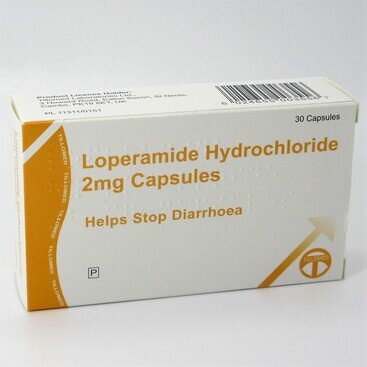
- Loperamide (anti-diarrheal)
- Probiotics capsules
- Zinc tablets
- Electrolyte drinks
Shop full kits here: buy medicine online Kenya
Why dehydration is the biggest danger in food poisoning Kenya
Dehydration is the most dangerous complication of food poisoning Kenya because vomiting and diarrhea rapidly remove fluids and electrolytes, leading to dizziness, weakness, and hospitalization if untreated.
In Nairobi’s climate, dehydration can develop faster than expected.
Signs of dehydration:
- Dry mouth and lips
- Reduced urination
- Dizziness or fatigue
- Sunken eyes
- Rapid heartbeat
Restore electrolytes via vitamins and supplements
What do pharmacists recommend for food poisoning Kenya?
Pharmacists recommend immediate oral rehydration, rest, and gradual reintroduction of food as the safest approach for food poisoning Kenya. Antibiotics are only used in severe or confirmed bacterial cases.
At Our Mall Pharmacy, most mild cases are successfully managed without hospitalization when treated early.
Pharmacist advice:
- Start ORS immediately
- Avoid self-prescribed antibiotics
- Eat bland foods once vomiting reduces
- Seek help if symptoms last beyond 48 hours
Speak to a pharmacist: contact Our Mall Pharmacy
Can food poisoning Kenya be treated at home?
Yes, most cases of food poisoning can be treated at home if symptoms are mild and hydration is maintained. Severe cases require medical attention.
Safe for home treatment:
- Mild diarrhea
- No blood in stool
- Able to drink fluids
Seek medical care if:
- Severe dehydration
- Persistent vomiting
- High fever
- Blood in stool
Get clinical review support: upload prescription
Food Poisoning Kenya Medication Table
| Product | Category | Purpose | Dosage / Use | Availability |
|---|---|---|---|---|
| Oral Rehydration Salts (ORS) | Electrolyte replacement | Prevent dehydration | After each loose stool | Available in Shop |
| Loperamide | Anti-diarrheal | Reduce diarrhea frequency | As per label instructions | Available in Pain Relief |
| Probiotics | Digestive health | Restore gut flora | Daily for 3–5 days | Available in Supplements |
| Zinc tablets | Supplement | Reduce severity & duration | Once daily | Available in Supplements |
FAQs: Food Poisoning Kenya
What is the fastest relief for food poisoning ?
The fastest relief is oral rehydration therapy using ORS combined with rest and fluid replacement.
How long does food poisoning last in Kenya?
Most mild cases resolve within 1–3 days with proper hydration and care.
Can I take antibiotics for food poisoning ?
Only if prescribed by a pharmacist or doctor. Most cases do not require antibiotics.
What should I eat after food poisoning?
Start with bland foods like rice, bananas, and toast after vomiting stops.
When should I go to hospital?
If dehydration, blood in stool, or persistent vomiting occurs.
Final Safety Message
Food poisoning is usually self-limiting, but dehydration is the real danger. Early use of ORS and proper pharmacy guidance can prevent complications and reduce hospital visits.
Call to Action
Contact Our Mall Pharmacy
+254 722 390 003
Mon-Sat 9AM-8PM, Sun 10:30AM-6PM
WhatsApp: Chat with a Pharmacist (Instant responses)
ourmallpharmacy@gmail.com
Our Mall, Off Magadi Rd, Avocado Lane, Ground Floor (Shop No. 22)