Blog

  • BP Cuff Size in Kenya: Get It Wrong and Your Reading Is Wrong (2026 Guide)

    BP Cuff Size in Kenya: Get It Wrong and Your Reading Is Wrong (2026 Guide)

    Blood pressure monitoring at home has become increasingly common in Kenya, especially among people managing hypertension, diabetes, and cardiovascular health risks. However, many patients focus only on buying a good blood pressure machine and overlook one of the most important factors affecting accuracy: BP cuff size.

    A reliable blood pressure monitor can still give inaccurate results if the cuff wrapped around your arm is too small, too large, or incorrectly fitted. The cuff is the part of the monitor that measures pressure around your upper arm, meaning its fit directly affects the reading displayed on your device.

    Understanding the correct BP cuff size is important before buying a home blood pressure monitor. It helps prevent unnecessary worry from incorrect readings and supports better decisions about your health.

    At Our Mall Pharmacy, pharmacists regularly assist patients from Nairobi, Rongai, Ngong, Karen, Lang’ata, Kilimani, and Westlands who need guidance on choosing blood pressure monitors and accessories. Many customers ask why their readings differ between home and clinic visits, and cuff size is often one of the reasons.

    If you are looking for reliable monitoring equipment, explore our range of Medical Devices or browse our All Products section.

    What Is BP Cuff Size and Why Does It Matter?

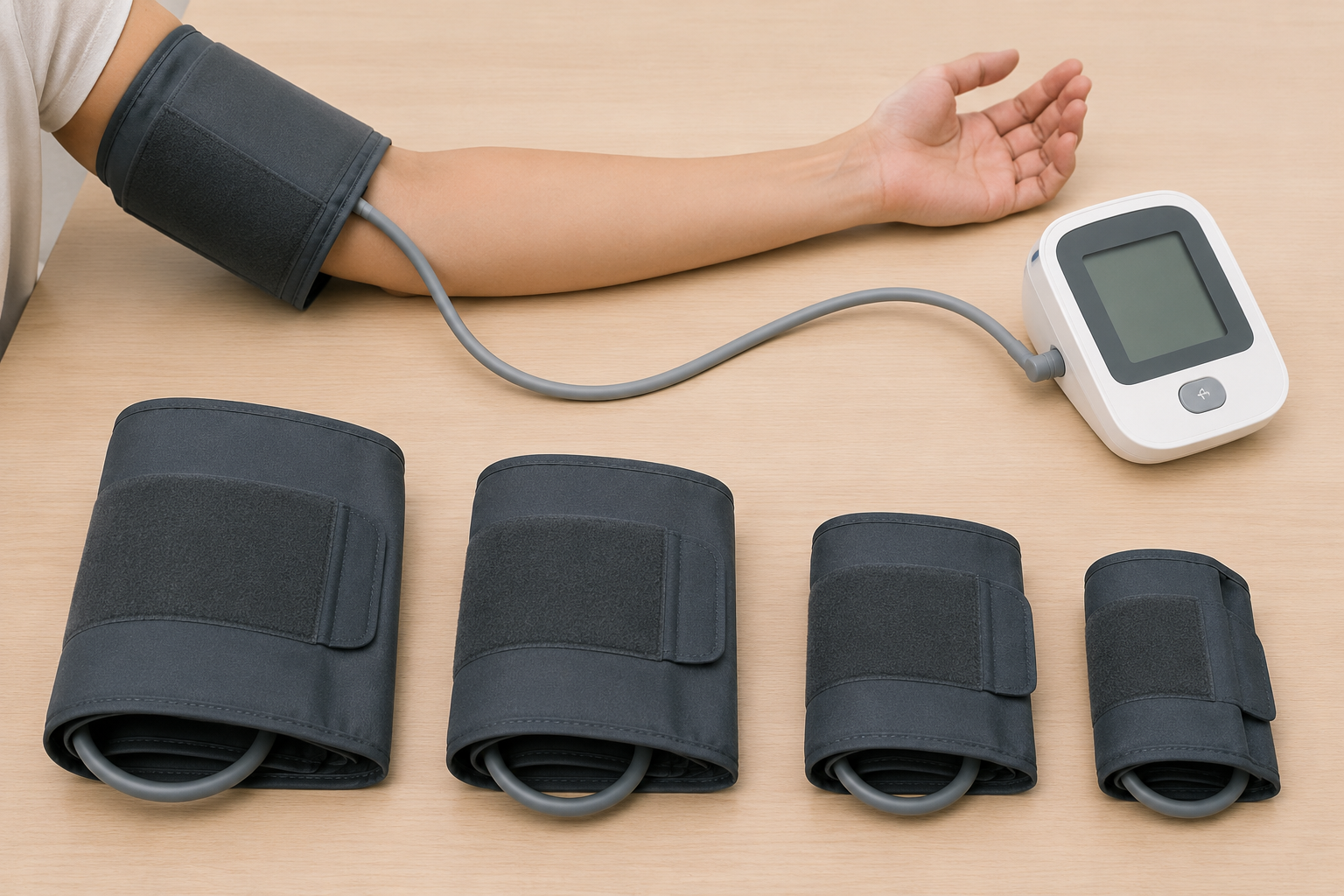
    BP cuff size refers to the measurement and fit of the inflatable cuff placed around your upper arm during a blood pressure test. Choosing the correct BP cuff size is important because the wrong fit can produce inaccurate readings and affect blood pressure management decisions.

    The cuff works by temporarily applying pressure around your arm while the monitor measures how your blood flows through your arteries. For this process to work correctly, the cuff must match the size of your upper arm.

    A properly fitted cuff should:

    • Wrap comfortably around your upper arm.
    • Stay securely in position during measurement.
    • Apply even pressure around the arm.
    • Match the manufacturer’s recommended arm range.

    Why BP Cuff Size Affects Accuracy

    The size of your cuff influences how pressure is applied.

    Situation Possible Effect
    Cuff too small May give a falsely high reading
    Cuff too large May give a falsely low reading
    Correct cuff size Provides more reliable measurement

    A difference in readings caused by an incorrect cuff can lead to confusion, especially for patients monitoring hypertension at home.

    How Does BP Cuff Size Affect Blood Pressure Readings?

    BP cuff size directly affects blood pressure accuracy because an incorrectly fitted cuff may not measure the pressure around your arm correctly. Using the right cuff size helps ensure your blood pressure readings are closer to your true levels.

    Many people assume that any cuff will work as long as it fits around their arm. However, blood pressure cuffs are designed for specific arm circumference ranges.

    Example:

    A patient with a larger arm using a small cuff may receive a reading that appears higher than their actual blood pressure. This can create unnecessary concern and may affect discussions with healthcare providers.

    On the other hand, a cuff that is too large may not provide enough pressure around the arm, potentially giving a lower reading.

    Real Pharmacy Experience in Kenya

    At Our Mall Pharmacy, common questions from patients include:

    • “Why are my home readings higher than the clinic?”
    • “Why does my blood pressure machine show different numbers each time?”
    • “Can I use the same cuff for everyone in my family?”

    In many cases, checking the BP cuff size is one of the first steps pharmacists recommend.

    For patients managing long-term conditions, visit our Chronic Care section for additional healthcare support.

    How to Measure Your Arm for the Correct BP Cuff Size

    To find the correct BP cuff size, measure the circumference of your upper arm using a measuring tape and compare the measurement with the cuff size range recommended by the monitor manufacturer.

    Follow these steps:

    Step 1: Prepare a Measuring Tape

    Use a flexible measuring tape similar to the type used for clothing measurements.

    Step 2: Find the Correct Measurement Area

    Measure around the middle of your upper arm, between your shoulder and elbow.

    Step 3: Keep the Tape Correctly Positioned

    The tape should:

    • Sit flat against your skin.
    • Not be too tight.
    • Not be loose.
    • Wrap evenly around your arm.

    Step 4: Record Your Measurement

    Write down your arm circumference and compare it with the cuff specifications before purchasing a monitor.

    Common Mistakes When Measuring BP Cuff Size

    Many people choose the wrong BP cuff size because they estimate their arm size instead of taking an accurate measurement. Measuring correctly helps improve home blood pressure monitoring accuracy.

    Common mistakes include:

    Mistake Why It Causes Problems
    Guessing your arm size May result in incorrect cuff selection
    Measuring over clothing Can affect accuracy
    Pulling the tape too tightly Gives an incorrect measurement
    Using another person’s cuff Their cuff may not fit your arm

    If you are unsure which device or cuff suits your needs, you can Contact Our Mall Pharmacy for pharmacist guidance.

    BP Cuff Size Chart: Small, Medium, Large, and Extra Large Options

    A BP cuff size chart helps you choose the correct cuff based on your upper arm circumference. Most adults use standard cuffs, but some people require smaller or larger options for accurate blood pressure measurement.

    BP Cuff Size Typical Arm Circumference Suitable Users
    Small cuff Smaller arm circumference Small adults and some younger users
    Medium cuff Average adult arm circumference Most adults
    Large cuff Larger arm circumference Adults with larger arms
    Extra-large cuff Very large arm circumference Users requiring extended cuff ranges

    Important Note

    Cuff sizes can vary between manufacturers. Always check the recommended arm circumference range listed on the blood pressure monitor packaging.

    BP Cuff Size Guide for Blood Pressure Monitors in Kenya

    When buying a blood pressure monitor in Kenya, choosing the correct BP cuff size is just as important as selecting the device itself. The best option depends on your arm measurement, health needs, and how often you monitor your blood pressure.

    Before purchasing:

    1. Check the cuff range.
    2. Measure your arm.
    3. Confirm compatibility with the monitor.
    4. Ask a healthcare professional if unsure.

    Many patients prefer digital upper-arm monitors because they are convenient for regular home monitoring.

    Explore suitable monitoring equipment through our Medical Devices category.

    Medication and Hypertension Monitoring Table

    Patients who monitor BP cuff size and blood pressure readings are often managing hypertension with prescribed medication.

    Drug Name Category Common Use Dosage Guidance Availability
    Amlodipine Calcium channel blocker Blood pressure control Use as prescribed Prescription medicine
    Losartan ARB Hypertension management Follow healthcare advice Prescription medicine
    Enalapril ACE inhibitor Blood pressure control Take according to prescription Prescription medicine
    Hydrochlorothiazide Diuretic Helps reduce blood pressure Use as directed Prescription medicine

    Safety Reminder: Blood pressure medication should only be started, stopped, or adjusted under guidance from a qualified healthcare professional.

    Kenyan Context: Why BP Cuff Size Matters for Home Monitoring

    In Kenya, more people are monitoring blood pressure at home, making correct BP cuff size selection essential for accurate results and better health decisions.

    Our pharmacists commonly assist patients from:

    Nairobi

    • Busy professionals managing hypertension.
    • Patients monitoring readings after work-related stress.
    • Families buying home monitoring equipment.

    Rongai and Ngong

    • Patients looking for convenient home monitoring solutions.
    • Families supporting older relatives with chronic conditions.

    Karen, Kilimani, Westlands, and Lang’ata

    • Health-conscious residents interested in preventive monitoring.
    • Patients tracking lifestyle changes and treatment progress.

    For more health information, visit our Wellness Hub or explore pharmacist-reviewed articles in our Health Articles.

    Contact Our Mall Pharmacy

    For help choosing the correct BP cuff size, selecting a blood pressure monitor, or understanding your blood pressure readings, contact Our Mall Pharmacy. Our pharmacists provide professional guidance to help you make informed healthcare decisions.

    Call Us: +254 722 390 003
    Opening Hours: Mon-Sat 9AM-8PM, Sun 10:30AM-6PM

    WhatsApp: Chat with a Pharmacist (Instant responses)

    Email: ourmallpharmacy@gmail.com
    (We reply within 2 hours)

    Visit Us:
    Our Mall, Off Magadi Rd, Avocado Lane, Ground Floor (Shop No. 22)

    Opening Hours: Mon-Sat 9AM-8PM, Sun 10:30AM-6PM

    You can also explore our healthcare products through our Homepage, shop available health equipment in our Medical Devices section, browse All Products, or speak with our pharmacy team through our Contact Us page.
  • Measure Blood Pressure at Home in Kenya: 7 Rules for a True Reading (2026 Guide)

    Measure Blood Pressure at Home in Kenya: 7 Rules for a True Reading (2026 Guide)

    High blood pressure (hypertension) affects many adults in Kenya and is a major risk factor for heart disease, stroke, and kidney problems. Knowing how to measure blood pressure at home correctly allows you to monitor your health regularly and identify changes before they become serious.

    When you measure blood pressure at home, you get information about your blood pressure outside the clinic environment. This can help your doctor or pharmacist understand your normal readings, monitor treatment progress, and identify possible problems early.

    Many people own blood pressure machines but do not use them correctly. Common mistakes include checking immediately after physical activity, using the wrong cuff size, talking during the reading, or sitting incorrectly.

    At Our Mall Pharmacy, pharmacists regularly guide patients from Nairobi, Rongai, Ngong, Karen, Lang’ata, Kilimani, and Westlands on proper measure blood pressure at home monitoring. We help customers choose suitable devices, understand readings, and use healthcare products safely.

    If you need a reliable home monitoring device, explore our range of Medical Devices or browse All Products available at Our Mall Pharmacy.

    Key Takeaways: How to Measure Blood Pressure at Home Correctly

    To measure blood pressure at home accurately, you need proper preparation, correct posture, a suitable cuff size, and consistent recording habits. Small mistakes can affect your results, so following the correct procedure is important.

    The most important rules include:

    • Rest for at least 5 minutes before taking your reading.
    • Sit upright with your back supported.
    • Keep both feet flat on the floor.
    • Place your arm at heart level.
    • Use the correct cuff size.
    • Avoid caffeine, exercise, and stress before testing.
    • Take two readings and record your results.
    • Measure at the same time each day.

    Keeping a record of your readings can help your healthcare provider make better decisions about your treatment.

    Why Should You Measure Blood Pressure at Home Regularly?

    When you measure blood pressure at home regularly, you get a clearer picture of your usual blood pressure levels. Home monitoring helps detect hypertension early, track medication effectiveness, and support better healthcare decisions.

    Blood pressure is not constant throughout the day. It changes depending on:

    • Physical activity
    • Stress levels
    • Sleep quality
    • Food choices
    • Medication timing
    • Caffeine intake
    • Emotional changes

    A single reading taken during a clinic visit may not always represent your usual blood pressure. This is why many healthcare professionals recommend home monitoring for people with hypertension or those at risk.

    Benefits of Measuring Blood Pressure at Home

    Benefit Explanation
    Early detection Helps identify high blood pressure sooner
    Treatment monitoring Shows whether medication is working effectively
    Better records Provides useful information for doctors and pharmacists
    Convenience Allows monitoring without frequent clinic visits
    Patient awareness Helps people understand their health status

    Real Pharmacy Experience: Home Blood Pressure Monitoring in Kenya

    Pharmacists commonly recommend home blood pressure monitoring because many patients need a convenient way to track their health between clinic appointments.

    At Our Mall Pharmacy, common situations include:

    • A patient recently diagnosed with hypertension wants to monitor progress.
    • A caregiver needs to check an elderly family member’s readings.
    • A patient wants to confirm whether lifestyle changes are helping.
    • Someone notices different readings at home compared to the clinic.

    Many Nairobi patients prefer measuring their blood pressure in the morning before work because it provides a consistent routine.

    For long-term health support, explore our Chronic Care resources.

    7 Rules to Measure Blood Pressure at Home Accurately

    Rule 1: Rest for Five Minutes Before Taking Your Reading

    Before you measure blood pressure at home, sit quietly for at least five minutes. Resting allows your body to return to a stable state and reduces the chance of getting a falsely high reading.

    Avoid taking your blood pressure immediately after:

    • Walking long distances.
    • Climbing stairs.
    • Exercising.
    • Carrying heavy items.
    • Feeling stressed or anxious.

    Before starting:

    1. Sit comfortably in a chair.
    2. Relax your shoulders.
    3. Keep your feet flat on the floor.
    4. Avoid talking.
    5. Breathe normally.

    Nairobi Example

    Many people in Nairobi travel through busy roads and experience daily commuting stress. Patients arriving from areas such as Westlands, Kilimani, and Lang’ata may have temporarily elevated readings if they measure immediately after travelling.

    Waiting a few minutes before checking helps create a more reliable result.

    Rule 2: Sit in the Correct Position

    Correct posture is essential when you measure blood pressure at home because your body position can affect the accuracy of your reading. Sitting incorrectly may produce results that are higher or lower than your actual blood pressure.

    Follow these steps:

    • Sit on a chair with your back supported.
    • Place both feet flat on the floor.
    • Keep your legs uncrossed.
    • Relax your arm.
    • Keep your palm facing upward.

    Avoid These Common Mistakes

    Mistake Why It Matters
    Crossing your legs Can affect blood pressure readings
    Talking during measurement May increase the reading
    Holding your arm unsupported Creates muscle tension
    Sitting on a soft sofa May affect posture

    Correct positioning is one of the easiest ways to improve your results.

    Rule 3: Keep Your Arm at Heart Level

    When you measure blood pressure at home, your arm should be supported at heart level. Correct arm positioning helps ensure your blood pressure monitor provides an accurate reading.

    Place your arm on:

    • A table.
    • A desk.
    • A firm pillow.

    The cuff should be placed directly on your bare upper arm.

    Avoid:

    • Measuring over clothing.
    • Letting your arm hang down.
    • Holding your arm in the air.

    If you need help choosing a device or understanding your readings, you can Contact Our Mall Pharmacy and speak with our pharmacy team.

    Rule 4: Choose the Correct Blood Pressure Cuff Size

    Using the correct cuff size is an important part of learning how to measure blood pressure at home. A poorly fitting cuff can produce inaccurate results and may affect healthcare decisions.

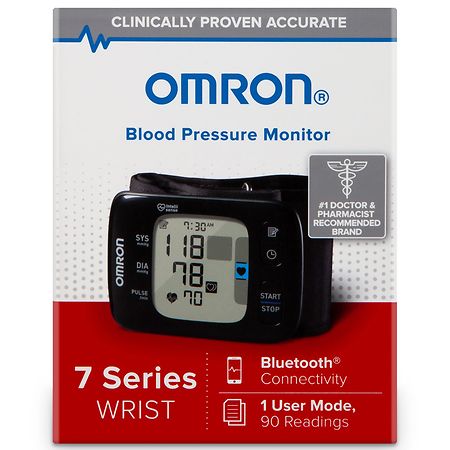
    Most healthcare professionals recommend upper-arm automatic monitors for home use because they are generally more reliable than wrist devices.

    Blood Pressure Cuff Guide

    Arm Size Suitable Cuff
    Small arm Small adult cuff
    Average adult arm Standard adult cuff
    Larger arm Large adult cuff

    Signs Your Cuff May Not Fit Correctly

    • It feels too tight.
    • It does not wrap around your arm properly.
    • It moves during measurement.
    • Your readings change greatly without explanation.

    Before buying a monitor, ask a pharmacist for guidance. Visit our Medical Devices section for available healthcare equipment.

    Blood Pressure Medication Table

    Many patients who measure blood pressure at home are also prescribed medication to control hypertension.

    Drug Name Category Common Use Dosage Guidance Availability
    Amlodipine Calcium channel blocker High blood pressure Use as prescribed Prescription medicine
    Enalapril ACE inhibitor Hypertension management Follow healthcare advice Prescription medicine
    Losartan ARB Blood pressure control Take according to prescription Prescription medicine
    Hydrochlorothiazide Diuretic Helps reduce blood pressure Use as directed Prescription medicine

    Safety Note: Never stop, increase, or change blood pressure medication without advice from a qualified healthcare professional.

    Kenyan Factors That Can Affect Blood Pressure Readings

    When you measure blood pressure at home in Kenya, your daily environment and lifestyle may influence your results. Measuring consistently under similar conditions gives a clearer picture of your health.

    Nairobi

    Common factors include:

    • Traffic-related stress.
    • Busy work schedules.
    • Limited physical activity.
    • Irregular meal patterns.

    Rongai and Ngong

    Patients may experience:

    • Cooler mornings.
    • Long commuting hours.
    • Changes in daily routines.

    Karen, Kilimani, Westlands, and Lang’ata

    Common concerns include:

    • Office-based lifestyles.
    • Work stress.
    • Preventive health monitoring.

    For more pharmacist-reviewed health information, visit our Wellness Hub and explore our Health Articles.

    Contact Our Mall Pharmacy

    For professional guidance on blood pressure monitoring, medication advice, and healthcare support, contact Our Mall Pharmacy. Our pharmacists are available to help you choose suitable health products, understand your blood pressure readings, and provide reliable pharmaceutical care.

    Call Us: +254 722 390 003
    Opening Hours: Mon-Sat 9AM-8PM, Sun 10:30AM-6PM

    WhatsApp: Chat with a Pharmacist (Instant responses)

    Email: ourmallpharmacy@gmail.com
    (We reply within 2 hours)

    Visit Us:
    Our Mall, Off Magadi Rd, Avocado Lane, Ground Floor (Shop No. 22)

    Opening Hours: Mon-Sat 9AM-8PM, Sun 10:30AM-6PM

    You can also explore our trusted healthcare services through our Homepage, browse available medicines and health products in our All Products section, or speak with our pharmacy team through our Contact Us page.
     

  • Glucose Test Strips Price Kenya: 2026 Guide to Costs, Brands, and Choosing the Right Strips

    Glucose Test Strips Price Kenya: 2026 Guide to Costs, Brands, and Choosing the Right Strips

    For people living with diabetes, regular blood sugar monitoring is an important part of daily health management. While many patients focus on buying a glucometer, the ongoing cost of test strips often becomes the biggest expense over time.

    The glucose test strips price Kenya varies depending on the brand, pack size, compatibility with the glucose meter, availability, and technology used. Patients in Nairobi and surrounding areas such as Rongai, Ngong, Karen, Kilimani, Westlands, and Lang’ata often ask pharmacists how much they should expect to pay per box and which strips provide the best value.

    Understanding strip costs before buying a blood glucose meter can help patients make better long-term decisions. A cheaper glucometer may not always be affordable if its compatible strips are expensive or difficult to find.

    This guide explains Glucose Test Strips Price Kenya, factors affecting cost, how to choose compatible strips, and ways to manage diabetes monitoring expenses.

    What Is the Glucose Test Strips Price Kenya in 2026?

    The glucose test strips price Kenya generally depends on the number of strips in a box, brand, glucometer compatibility, and availability. Prices can vary from affordable options for basic monitoring to higher-priced strips for advanced glucose meters.

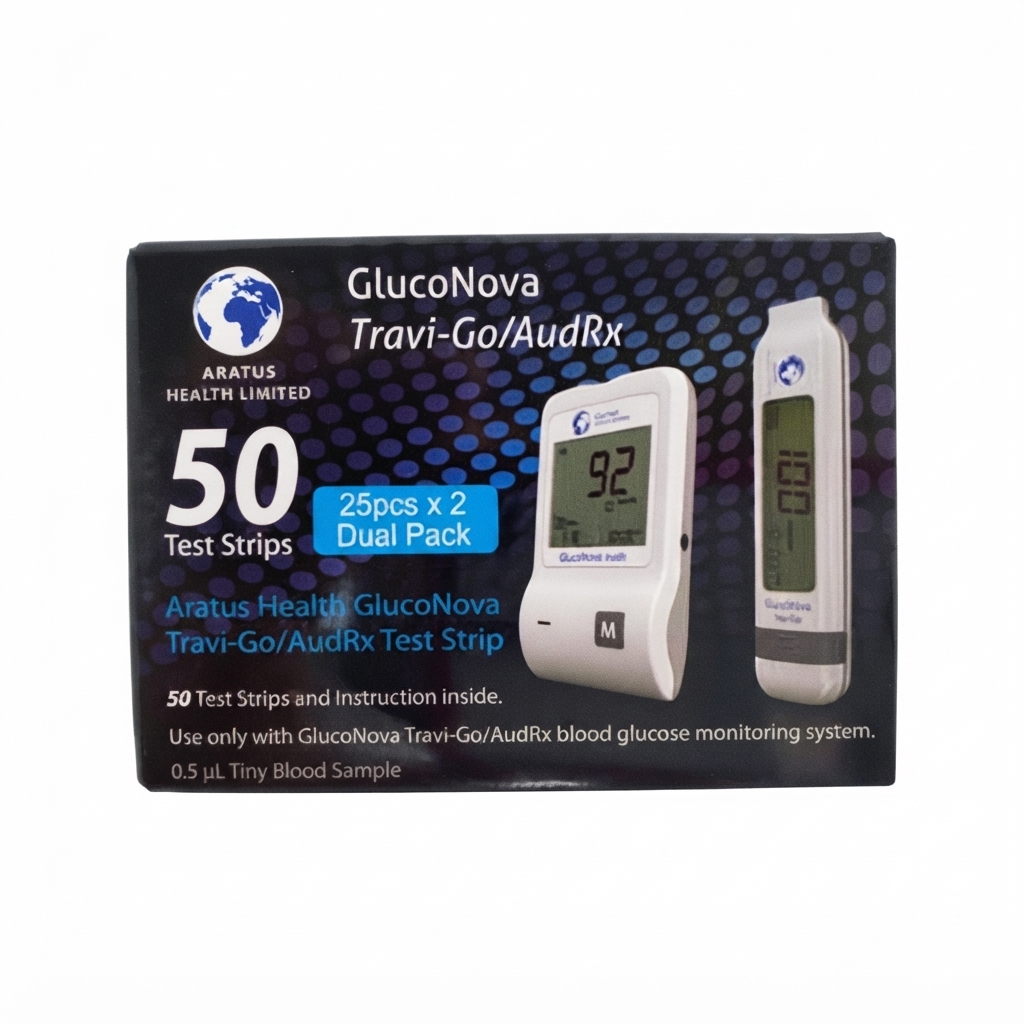
    Blood glucose test strips are small disposable strips used with a glucometer to measure blood sugar levels. Each test normally requires one strip, making the cost of strips an important consideration for anyone who monitors glucose regularly.

    A typical box may contain:

    Pack Size Common Use
    10 strips Occasional testing or trial packs
    25 strips Short-term monitoring
    50 strips Regular home monitoring
    100 strips Frequent testing and long-term use

    Patients should always confirm that the strips match their specific glucometer model before purchasing.

    You can explore diabetes care products through the Our Mall Pharmacy chronic care hub.

    Why Does Glucose Test Strips Price Kenya Change Between Brands?

    The glucose test strips price Kenya changes between brands because manufacturers use different technologies, materials, and quality controls. Strip availability, import costs, and demand also influence the final price patients pay in Kenya.

    Several factors affect the price of glucose testing strips:

    1. Brand and technology

    Different glucometer brands use specially designed strips that may not work with other devices.

    Patients should avoid buying strips based only on price because incompatible strips cannot be used safely.

    2. Number of strips per box

    Larger packs often provide better value per strip.

    For example:

    • A 10-strip pack may have a lower upfront cost.
    • A 50-strip pack may offer better value for regular users.

    3. Availability in Kenya

    Some strips are easier to find in pharmacies than others.

    Patients in Nairobi may have easier access to certain brands, while those in smaller towns may need to check availability before choosing a meter.

    4. Importation and supply factors

    Many medical devices and accessories in Kenya depend on international supply chains. Changes in availability can affect prices.

    How Much Do Glucose Test Strips Cost Per Box in Kenya?

    Glucose test strips cost per box in Kenya varies depending on pack size and brand. Patients should compare the cost per strip rather than only looking at the total box price to understand the true value.

    Estimated Glucose Test Strips Price Kenya Comparison

    Strip Pack Size Estimated Price Range Best For
    10 strips KSh 500 – KSh 1,500 Occasional testing
    25 strips KSh 1,000 – KSh 2,500 Moderate monitoring
    50 strips KSh 2,000 – KSh 5,000 Regular testing
    100 strips KSh 4,000 – KSh 8,000+ Frequent monitoring

    Prices vary depending on brand, pharmacy, availability, and supplier.

    Before purchasing diabetes monitoring supplies, patients can consult a pharmacist for guidance on compatible products.

    Why Do Glucose Test Strips Price Kenya Cost More Than the Glucometer?

    Glucose Test Strips Price Kenya often cost more than the glucometer over time because they are disposable items used repeatedly for every blood sugar test. The meter is usually purchased once, while strips require continuous replacement.

    Many patients are surprised after buying a glucose meter that the ongoing expense comes from strips.

    Example:

    A patient testing once daily may use approximately:

    • 30 strips per month
    • 360 strips per year

    This means annual strip expenses may become much higher than the original meter purchase price.

    Before selecting a glucometer, consider:

    • Initial meter cost
    • Strip price
    • Strip availability
    • Testing frequency
    • Warranty support

    You can also explore available medical devices at Our Mall Pharmacy.

    Conclusion: Choosing the Right Blood Glucose Test Strips in Kenya

    Choosing the right blood Glucose Test Strips Price Kenya is just as important as selecting a reliable glucometer. While the blood glucose test strips price in Kenya varies by brand, pack size, and compatibility, focusing on quality, accuracy, and long-term affordability can help you manage diabetes more effectively.

    Before purchasing, always confirm that the test strips are compatible with your glucometer model. It is also worth comparing the cost per strip rather than only the price per box, especially if you test your blood sugar daily. Patients in Nairobi, Rongai, Ngong, Karen, Kilimani, Westlands, and Lang’ata often consult pharmacists to find the best balance between affordability and reliable glucose monitoring.

    At Our Mall Pharmacy, we understand that diabetes management is a long-term commitment. Our pharmacy team can help you choose compatible blood glucose test strips, explain how to use them correctly, and recommend genuine diabetes care products to support your treatment plan.

    Browse our diabetes and chronic care products on our Home Page, Medical Devices, Chronic Care, and Shop pages, or speak to one of our pharmacists for personalised advice before making your purchase.

    Contact Our Mall Pharmacy

    Call Us: +254 722 390 003

    Mon–Sat: 9:00 AM – 8:00 PM
    Sunday: 10:30 AM – 6:00 PM

    WhatsApp: Chat with a Pharmacist (Instant responses)

    Email: ourmallpharmacy@gmail.com
    (We reply within 2 hours.)

    Visit Us:
    Our Mall, Off Magadi Rd, Avocado Lane, Ground Floor (Shop No. 22)

    Opening Hours:
    Mon–Sat: 9:00 AM – 8:00 PM
    Sunday: 10:30 AM – 6:00 PM

  • Glucometers in Kenya: 2026 Expert Guide to Prices, Features, and Choosing the Best Blood Sugar Monitor

    Glucometers in Kenya: 2026 Expert Guide to Prices, Features, and Choosing the Best Blood Sugar Monitor

    Managing diabetes requires regular monitoring, and having a reliable glucose monitoring device at home can help patients understand their blood sugar patterns. For many Kenyans living with diabetes, choosing the right glucometer is not only about the initial purchase price but also about accuracy, availability of test strips, ease of use, and long-term affordability.

    The demand for glucometers in Kenya has increased as more patients take an active role in managing chronic conditions. In Nairobi and surrounding areas such as Rongai, Ngong, Karen, Kilimani, Westlands, and Lang’ata, pharmacists frequently guide patients on selecting suitable blood glucose meters based on their needs and budget.

    A good glucometer should be simple to operate, supported by easily available accessories, and used alongside professional medical advice. This guide explains glucometer prices in Kenya, how to choose the right meter, strip costs, important features, and common questions patients ask pharmacists.

    What Are Glucometers in Kenya and Why Are They Important?

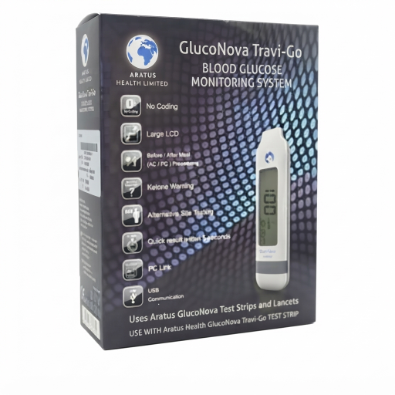
    Glucometers in Kenya are portable medical devices that measure blood glucose levels using a small blood sample. They help people with diabetes monitor their sugar levels at home and support better disease management when used correctly.

    A glucometer is also known as:

    • Blood glucose meter
    • Blood sugar monitor
    • Diabetes testing machine
    • Glucose monitoring device

    The device measures the amount of glucose in the blood and displays the result within seconds.

    Most glucometer kits include:

    Component Purpose
    Glucose meter Displays blood sugar reading
    Test strips Collect and analyze blood sample
    Lancets Used to obtain a small blood sample
    Lancing device Holds and controls lancet use
    Batteries Power the device

    For patients managing diabetes, regular monitoring can provide useful information about how meals, medication, physical activity, and daily routines affect glucose levels.

    However, a glucometer does not replace medical care. Patients should continue following guidance from healthcare professionals regarding medication, diet, and treatment plans.

    Why Are Glucometers in Kenya Becoming More Popular?

    Glucometers in Kenya are becoming more popular because they allow patients to monitor blood sugar conveniently at home without depending only on hospital visits. They are especially useful for people managing diabetes who require regular glucose checks.

    Several factors have increased demand for home glucose monitoring devices:

    1. Rising diabetes awareness

    More Kenyans are becoming aware of the importance of early detection and diabetes management.

    Patients increasingly ask pharmacies about:

    • Blood glucose meters
    • Diabetes medications
    • Supplements
    • Blood pressure monitors
    • Lifestyle support products

    You can explore diabetes and chronic care products through the Our Mall Pharmacy chronic care hub.

    2. Convenience for patients

    Home monitoring saves time and helps patients track their readings between clinic appointments.

    For many Nairobi residents with busy schedules in areas like Westlands, Kilimani, and Lang’ata, having a glucometer at home provides easier access to health information.

    3. Support for elderly patients and caregivers

    Family members caring for older adults often purchase glucometers to help monitor diabetes management.

    Pharmacists commonly recommend choosing devices with:

    • Large displays
    • Simple buttons
    • Clear instructions
    • Easily available strips

    How Much Do Glucometers in Kenya Cost in 2026?

    The price of glucometers in Kenya generally ranges from about KSh 1,500 to KSh 8,000 or more depending on the brand, features, accessories included, and availability of replacement strips. The total cost should include ongoing strip expenses, not only the purchase price of the device.

    The cost of a glucose meter depends on several factors:

    • Brand quality
    • Accuracy features
    • Memory storage
    • Connectivity options
    • Warranty
    • Included accessories

    Glucometers in Kenya Price Guide (2026)

    Type of Glucometer Estimated Price Range Best For
    Basic glucometer KSh 1,500 – KSh 3,000 Occasional home monitoring
    Mid-range glucometer KSh 3,000 – KSh 5,000 Regular diabetes monitoring
    Advanced glucometer KSh 5,000 – KSh 8,000+ Patients requiring additional features

    Prices may vary depending on brand, availability, and supplier.

    Patients looking for healthcare devices can also explore available options through the Our Mall Pharmacy medical devices category.

    What Determines Glucometers in Kenya Prices?

    Glucometers in Kenya prices are affected by the device brand, technology, included accessories, warranty coverage, and the cost of replacement test strips. A cheaper meter may cost more over time if compatible strips are expensive or difficult to find.

    Before buying a glucometer, consider the following:

    Test strip availability and cost

    Test strips are usually the largest recurring expense.

    Before purchasing, ask:

    • Are replacement strips available in Kenya?
    • How much does a pack of strips cost?
    • Is the strip compatible with this exact meter?

    A patient who tests frequently should prioritize affordable and easily available strips.

    Device accuracy

    Accuracy is one of the most important factors when choosing a glucose meter.

    Patients should consider reputable brands and follow instructions carefully because incorrect testing methods can affect readings.

    Ease of use

    A complicated device may discourage regular monitoring.

    Important features include:

    • Clear screen
    • Simple operation
    • Small blood sample requirement
    • Easy strip handling

    Warranty and support

    A warranty provides additional confidence, especially when purchasing a medical device intended for long-term use.

    Real Pharmacy Experience With Glucometers in Kenya

    Pharmacists in Kenya commonly help patients compare glucometers in Kenya based on affordability, strip availability, ease of use, and individual health needs. Many patients initially focus on the meter price but later realize that ongoing strip costs are equally important.

    Common pharmacy conversations include:

    A newly diagnosed diabetes patient

    Many first-time buyers ask:

    “Which glucometer should I buy?”

    Pharmacists usually explain that the best device depends on:

    • How often the patient needs testing
    • Budget
    • Age and ability to operate the device
    • Availability of strips

    Elderly patients

    Older adults often prefer simpler devices with:

    • Bigger numbers
    • Fewer steps
    • Easy-to-read instructions

    Long-term diabetes patients

    Patients who have used glucose monitors for years often focus on:

    • Reliable readings
    • Affordable strips
    • Consistent availability

    Patients can consult a pharmacist before choosing a glucose monitoring device.

    Conclusion: Choosing the Right Glucometer in Kenya

    Choosing the right glucometer in Kenya depends on accuracy, affordability, strip availability, ease of use, and professional guidance. The best glucose meter is not always the most expensive one, but the one that fits your monitoring needs and allows you to manage your blood sugar consistently.

    For patients living with diabetes, a reliable glucometer can become an important part of daily health management. Before buying, consider the long-term cost of test strips, warranty support, device simplicity, and whether replacement supplies are easily available in Kenya.

    In Nairobi and surrounding areas such as Rongai, Ngong, Karen, Kilimani, Westlands, and Lang’ata, pharmacists regularly help patients compare blood glucose meters and choose suitable diabetes care products based on their lifestyle and budget.

    Remember that a glucometer is a monitoring tool, not a replacement for medical advice. Always follow guidance from qualified healthcare professionals regarding medication, diet, exercise, and diabetes treatment plans.

    Whether you need a basic blood sugar monitor for home checks or an advanced glucose meter with additional features, choosing a trusted pharmacy ensures you receive genuine products and reliable support.

    Explore diabetes care products and medical devices available at Our Mall Pharmacy or speak with our pharmacy team before making your decision.

    Contact Our Mall Pharmacy

    Call Us: +254 722 390 003
    Opening Hours: Mon-Sat 9AM-8PM, Sun 10:30AM-6PM

    WhatsApp: Chat with a Pharmacist (Instant responses)

    Email: ourmallpharmacy@gmail.com
    (We reply within 2 hours)

    Visit Us:
    Our Mall, Off Magadi Rd, Avocado Lane, Ground Floor (Shop No. 22)

    Opening Hours: Mon-Sat 9AM-8PM, Sun 10:30AM-6PM

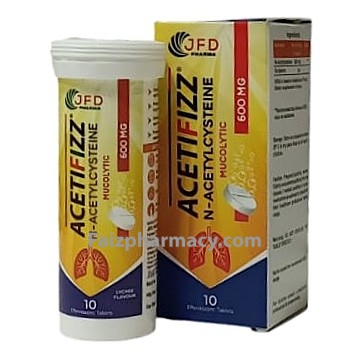
  • Acetifizz 600mg Uses, Dosage and Side Effects in Kenya

    Acetifizz 600mg Uses, Dosage and Side Effects in Kenya

    Acetifizz 600mg is a medicine commonly used to help loosen and clear thick mucus from the airways, making it easier to breathe and cough up phlegm. It contains acetylcysteine, a well-established mucolytic agent that supports the management of respiratory conditions associated with excessive mucus production.

    In Kenya, especially during Nairobi’s cold mornings, dusty seasons, and periods of increased respiratory infections, many people experience persistent coughs with thick mucus. Medicines such as Acetifizz 600mg may be recommended by healthcare professionals as part of an overall treatment plan, depending on the underlying cause.

    This guide explains what Acetifizz 600mg is, how it works, its common uses, possible side effects, important precautions, and answers frequently asked questions to help you use it safely.

    What is Acetifizz 600mg?

    Acetifizz 600mg contains acetylcysteine, a medicine that helps break down thick mucus in the lungs and airways. It is commonly used to make mucus easier to cough up in people with respiratory conditions characterized by excessive secretions.

    Acetylcysteine works by reducing the thickness and stickiness of mucus, allowing it to be cleared more effectively through coughing. While it can help relieve symptoms associated with mucus build-up, it does not treat bacterial or viral infections themselves. If an infection is present, additional treatment may be required as determined by a healthcare professional.


    How Does Acetifizz Work?

    Acetifizz works by breaking chemical bonds within mucus, making it thinner and less sticky. This helps improve mucus clearance and can make breathing more comfortable in appropriate patients.

    Healthy lungs naturally produce mucus to trap dust, germs, and other particles. During illness or chronic respiratory conditions, this mucus can become thick and difficult to remove.

    Acetylcysteine helps:

    • Thin thick mucus
    • Improve airway clearance
    • Reduce chest congestion
    • Make coughing more productive
    • Support easier breathing

    It is important to remember that productive coughing is part of the body’s natural process for clearing mucus from the airways.


    Common Uses of Acetifizz 600mg

    Acetifizz 600mg is commonly used to help manage respiratory conditions where thick mucus is difficult to clear. The specific condition being treated should always be assessed by a qualified healthcare professional.

    Your healthcare provider may recommend acetylcysteine for conditions such as:

    • Chest congestion with thick mucus
    • Certain chronic respiratory diseases
    • Bronchitis with excessive mucus production
    • Some cases of chronic obstructive pulmonary disease (COPD)
    • Bronchiectasis (as part of a broader treatment plan)

    Acetifizz is intended to help loosen mucus. It is not an antibiotic and does not kill bacteria or viruses.


    Who Can Benefit from Acetifizz?

    People who have excessive thick mucus due to certain respiratory conditions may benefit from acetylcysteine when it is recommended by a healthcare professional. It is not appropriate for every type of cough.

    It may be considered for people experiencing:

    • Thick chest mucus
    • Difficulty coughing up phlegm
    • Persistent mucus associated with chronic lung conditions
    • Recovery from some respiratory illnesses where mucus clearance is a concern

    If you have a dry cough without mucus, a different treatment approach may be more appropriate. A pharmacist or clinician can help determine the underlying cause of your symptoms.


    Medication Information Table

    Parameter Information
    Generic Name Acetylcysteine
    Brand Acetifizz 600mg
    Category Mucolytic (mucus-thinning medicine)
    Common Uses Helps loosen thick mucus in respiratory conditions
    Typical Administration Follow the instructions provided by your prescriber or the product label
    Prescription Status Depends on local regulatory requirements and the specific product
    Availability Available at licensed pharmacies in Kenya

    Possible Side Effects

    Like all medicines, Acetifizz can cause side effects, although not everyone experiences them. Most side effects are mild, but serious reactions require prompt medical attention.

    Some people may experience:

    • Nausea
    • Vomiting
    • Stomach discomfort
    • Diarrhoea
    • Unpleasant taste
    • Mild skin rash
    • Headache

    Seek urgent medical attention if you develop:

    • Difficulty breathing
    • Swelling of the face, lips, or throat
    • Severe rash or blistering
    • Signs of a serious allergic reaction

    If you notice any unusual or persistent symptoms after taking Acetifizz, contact your healthcare provider or pharmacist.


    Who Should Avoid Acetifizz?

    Acetifizz may not be suitable for everyone. People with certain medical conditions or allergies should seek medical advice before using this medicine.

    Talk to your healthcare provider if you:

    • Have a known allergy to acetylcysteine or any ingredient in the product
    • Have a history of certain stomach conditions such as peptic ulcers
    • Have asthma or recurrent wheezing
    • Have chronic medical conditions requiring regular medication
    • Are unsure whether your cough requires medical assessment

    Persistent cough, coughing up blood, high fever, chest pain, or shortness of breath should be evaluated promptly by a healthcare professional.


    Drug Interactions

    Acetifizz may interact with some medicines. Always tell your healthcare provider or pharmacist about all prescription medicines, over-the-counter products, herbal remedies, and supplements you are taking.

    Some interactions may require timing adjustments or closer monitoring. Do not start or stop medicines without professional advice.


    Pregnancy and Breastfeeding

    If you are pregnant, planning a pregnancy, or breastfeeding, consult your healthcare provider before taking Acetifizz. They can assess whether the benefits outweigh any potential risks in your individual situation.

    Never self-medicate during pregnancy without professional guidance.


    Local Pharmacy Insights in Kenya

    Respiratory symptoms are common in Nairobi and surrounding areas, particularly during colder mornings and dusty weather. Pharmacists frequently help patients identify the most appropriate treatment based on their symptoms and advise when medical evaluation is needed.

    Common trends observed in community pharmacy practice include:

    • Increased demand for cough and cold remedies during rainy seasons
    • Dust-related allergy and sinus complaints in Nairobi
    • Respiratory discomfort associated with temperature fluctuations in Rongai and Ngong
    • More requests for supportive treatments during periods of seasonal respiratory illness

    Many people initially assume every cough needs an antibiotic. In reality, many coughs are caused by viral infections or irritation, and antibiotics are not effective in these situations. Pharmacists play an important role in helping patients understand when supportive care is appropriate and when referral to a doctor is necessary.


    Tips for Managing Chest Congestion

    In addition to appropriate medication, simple self-care measures can help improve comfort and support recovery from chest congestion.

    Helpful measures include:

    1. Stay well hydrated.
    2. Get adequate rest.
    3. Avoid smoking and second-hand smoke.
    4. Reduce exposure to dust and other respiratory irritants.
    5. Follow medical advice if symptoms persist or worsen.
    6. Maintain good hand hygiene to reduce the spread of respiratory infections.

    Acetifizz vs Ordinary Cough Syrups

    Acetifizz is designed to help loosen thick mucus, whereas some cough syrups are intended to suppress coughing. The best choice depends on the type of cough and its underlying cause.

    Feature Acetifizz 600mg Typical Cough Suppressant
    Main Purpose Loosens thick mucus Reduces cough reflex
    Suitable for Productive Cough Yes Sometimes not appropriate
    Suitable for Dry Cough Usually not the first choice May be appropriate depending on the cause
    Helps Clear Airways Yes No
    Requires Professional Advice Recommended Recommended if symptoms persist

    Frequently Asked Questions

    Is Acetifizz 600mg an antibiotic?

    No. Acetifizz contains acetylcysteine, which helps thin mucus. It does not kill bacteria or treat infections directly.


    Can I use Acetifizz for a dry cough?

    Not necessarily. Acetifizz is intended for coughs with thick mucus. A dry cough may require a different treatment depending on its cause.


    Is Acetifizz available in Kenya?

    Yes. Acetylcysteine products are available through licensed pharmacies in Kenya. Availability may vary by location and supplier.


    Can children use Acetifizz 600mg?

    Some acetylcysteine formulations are available for children, but suitability depends on the child’s age, weight, and medical condition. Always seek advice from a healthcare professional before giving any medicine to a child.


    What should I do if my cough lasts for several weeks?

    A cough lasting more than three weeks, or one accompanied by fever, weight loss, chest pain, or coughing up blood, should be evaluated by a healthcare professional.


    Does Acetifizz cure chest infections?

    No. Acetifizz helps clear mucus but does not cure bacterial or viral infections. If a chest infection is suspected, medical assessment is important.


    Conclusion

    Acetifizz 600mg is an acetylcysteine-containing medicine that helps loosen thick mucus, making it easier to clear the airways. When used appropriately under the guidance of a healthcare professional, it can provide valuable symptomatic relief for people experiencing chest congestion associated with certain respiratory conditions.

    However, it is important to remember that not every cough requires a mucus-thinning medicine. The underlying cause of your symptoms should be considered before starting treatment. If symptoms are severe, persistent, or accompanied by warning signs such as difficulty breathing, high fever, or coughing up blood, seek prompt medical attention.

    If you are unsure whether Acetifizz is appropriate for your situation, consult a pharmacist or healthcare provider for personalized advice.


    Contact Our Mall Pharmacy

    Call Us: +254 722 390 003

    Mon-Sat 9AM-8PM, Sun 10:30AM-6PM

    WhatsApp: Chat with a Pharmacist (Instant responses)

    Email: ourmallpharmacy@gmail.com

    (We reply within 2 hours)

    Visit Us:
    Our Mall, Off Magadi Rd, Avocado Lane, Ground Floor (Shop No. 22)

    Mon-Sat 9AM-8PM, Sun 10:30AM-6PM

  • Men’s Wellness Supplements Kenya: How to Improve Men’s Health Naturally (2026 Guide) | Our Mall Pharmacy

    Men’s Wellness Supplements Kenya: How to Improve Men’s Health Naturally (2026 Guide) | Our Mall Pharmacy

    Men’s wellness supplements Kenya are becoming increasingly important for men experiencing fatigue, low stamina, and reduced performance due to modern lifestyle and nutritional gaps. In busy urban areas like Nairobi, Westlands, Kilimani, Rongai, and Ngong, pharmacists report a steady rise in men seeking zinc, magnesium, and multivitamins to restore energy levels and daily productivity.

    At Our Mall Pharmacy, we regularly see men who ignore early warning signs such as tiredness, poor focus, and reduced physical endurance until symptoms become more noticeable. In many cases, these issues are linked to deficiencies in key nutrients rather than serious disease.

    Men’s wellness supplements Kenya provide a practical, accessible way to correct these nutritional gaps and support long-term vitality when used correctly alongside a balanced lifestyle.

    This guide explains causes of low energy, key supplements, safety considerations, and real pharmacy insights from Kenyan communities.

    wellness-hub

    supplements

    vitamins-supplements

    health-articles

    What are men’s wellness supplements Kenya and why do men in Kenya need them?

    Men’s wellness supplements Kenya are nutritional products designed to support male energy, stamina, immunity, and overall health when diet alone is insufficient. They typically include vitamins, minerals, and herbal extracts that help correct deficiencies commonly seen in modern Kenyan lifestyles. These supplements are important because they help restore balance in men experiencing fatigue or reduced performance.

    In Nairobi pharmacies, many men report improvement in energy and focus after consistent use of basic supplementation.

    Key roles include:

    • Supporting daily energy production
    • Improving nutrient deficiencies
    • Enhancing physical performance
    • Supporting immune health

    categories

    all-products

    shop

    What causes low energy in men in Kenya?

    Low energy in men in Kenya is commonly caused by poor diet, stress, lack of sleep, and insufficient intake of essential nutrients such as zinc, magnesium, and iron. In cities like Nairobi and Westlands, long working hours and sedentary lifestyles significantly contribute to fatigue. These factors combined often lead men to seek support from supplements.

    Pharmacists in Rongai and Ngong also note fatigue linked to commuting stress and irregular eating habits.

    Common causes:

    • High stress and workload pressure
    • Poor dietary habits
    • Lack of exercise
    • Sleep deprivation
    • Nutrient deficiencies

    wellness-hub

    health-dashboard

    pain-relief

    Which men’s wellness supplements Kenya are best for energy and stamina improvement?

    The most effective men’s wellness supplements Kenya for energy include zinc, magnesium, multivitamins, omega-3 fatty acids, and herbal extracts like saw palmetto. These supplements help restore nutrient balance, improve metabolism, and support hormonal and immune function.

    In Nairobi, multivitamins are the most commonly purchased due to their convenience and broad nutrient coverage.

    Top supplements:

    • Zinc (energy and immunity support)
    • Magnesium (fatigue reduction)
    • Multivitamins (overall wellness)
    • Omega-3 (heart and brain health)
    • Saw palmetto (men’s wellness support)

    supplements

    vitamins-supplements

    sexual-health

    How do men’s wellness supplements Kenya like zinc and magnesium work in the body?

    Zinc plays a key role in men’s wellness supplements Kenya by supporting immune function, energy metabolism, and hormonal balance. It is one of the most commonly deficient minerals in men with fatigue and low stamina, especially in urban Kenyan populations.

    At Our Mall Pharmacy, zinc is frequently recommended as a foundational supplement for men experiencing general tiredness.

    Benefits include:

    • Supports energy production
    • Strengthens immune response
    • Helps maintain hormonal balance
    • Supports recovery after physical activity

    supplements

    chronic-care

    all-products

    Are men’s wellness supplements Kenya safe for daily use in Kenya?

    Magnesium is essential in men’s wellness supplements Kenya because it helps convert food into energy and supports muscle and nerve function. Low magnesium levels are commonly associated with fatigue, irritability, and poor sleep quality among men in Nairobi and surrounding areas.

    Pharmacists often recommend magnesium for men reporting stress-related fatigue.

    Benefits:

    • Reduces tiredness
    • Improves sleep quality
    • Supports muscle recovery
    • Enhances energy metabolism

    digestive-health

    medical-devices

    health-articles

    Are men’s wellness supplements Kenya safe for daily use?

    Men’s wellness supplements Kenya are generally safe for daily use when taken at recommended dosages and purchased from trusted pharmacies. However, overuse or combining multiple high-dose supplements without guidance may lead to imbalance.

    At Our Mall Pharmacy, pharmacists advise starting with one supplement at a time and monitoring results before adding others.

    Safety tips:

    • Follow dosage instructions carefully
    • Avoid duplicate multivitamins
    • Take with food when required
    • Consult a pharmacist for long-term use

    upload-prescription

    contact-us

    returns-refunds

    Nairobi lifestyle and demand for men’s wellness supplements Kenya

    Nairobi’s fast-paced lifestyle significantly increases demand for men’s wellness supplements Kenya due to stress, poor diet, and long working hours. Areas like Kilimani, CBD, and Westlands show higher demand among professionals with sedentary jobs and high stress levels.

    Pharmacists also observe similar trends in Rongai and Ngong, where commuting stress and irregular routines affect energy levels.

    Lifestyle impacts:

    • High stress environments
    • Limited physical activity
    • Irregular meals
    • Heavy reliance on caffeine

    wellness-hub

    health-dashboard

    chronic-care

    Foods that support men’s wellness supplements Kenya results

    Foods that support men’s wellness supplements Kenya include protein-rich foods, healthy fats, and mineral-rich vegetables that help improve energy levels naturally. Combining diet with supplementation improves long-term outcomes and overall vitality.

    Recommended foods in Kenya:

    • Eggs and lean meat
    • Beans and lentils
    • Spinach and sukuma wiki
    • Avocado
    • Bananas

    digestive-health

    oral-care

    medical-devices

    When should you see a pharmacist in Kenya?

    You should see a pharmacist in Kenya when fatigue persists for more than two weeks or affects daily performance despite lifestyle changes. Persistent tiredness may indicate deeper nutritional deficiencies or underlying health issues that require proper assessment.

    At Our Mall Pharmacy, we often help patients identify whether symptoms are lifestyle-related or need further medical attention.

    Warning signs:

    • Persistent fatigue
    • Poor concentration
    • Weakness despite rest
    • Sleep disturbances

    contact-us

    health-dashboard

    health-articles

    Medication & Supplement Reference Table (2026)

    Product Name Category Dosage Usage Frequency Availability
    Zinc tablets Mineral supplement 15–30mg Energy & immunity support Daily Over the counter
    Magnesium tablets Mineral supplement 200–400mg Fatigue & sleep support Daily (evening) Over the counter
    Multivitamins Supplement 1 capsule General wellness Daily Over the counter
    Omega-3 Fatty acid 1000mg Heart & brain support Daily Over the counter
    Saw Palmetto Herbal supplement 160–320mg Men’s wellness support Daily Over the counter

    FAQs

    What are men’s wellness supplements Kenya used for?

    They are used to support energy, stamina, immunity, and general health in men experiencing nutritional gaps or fatigue.

    Do men’s wellness supplements Kenya really work?

    Yes, when deficiencies are present, supplements like zinc and magnesium can significantly improve energy and performance.

    How long do men’s wellness supplements Kenya take to work?

    Most supplements take 2–4 weeks of consistent use to show noticeable improvements in energy and stamina.

    Are men’s wellness supplements Kenya safe?

    Yes, they are safe when used correctly and purchased from reputable pharmacies like Our Mall Pharmacy.

    Can I take multiple supplements together?

    Yes, but only under pharmacist guidance to avoid nutrient overlap or imbalance.

    Where can I buy men’s wellness supplements Kenya?

    They are available at trusted pharmacies in Nairobi and online through verified pharmacy platforms.

    Contact Our Mall Pharmacy
     Call Us: +254 722 390 003
     Mon-Sat 9AM-8PM, Sun 10:30AM-6PM
     WhatsApp: Chat with a Pharmacist (Instant responses)
     Email: ourmallpharmacy@gmail.com
     Visit Us:
    Our Mall, Off Magadi Rd, Avocado Lane, Ground Floor (Shop No. 22)
     Mon-Sat 9AM-8PM, Sun 10:30AM-6PM

  • Best Vitamins for Immunity in Kenya (2026 Guide): Flu Season Protection in Nairobi

    Best Vitamins for Immunity in Kenya (2026 Guide): Flu Season Protection in Nairobi

    Seasonal changes in Nairobi—moving from hot sun to cold, rainy, and windy conditions—often bring an increase in coughs, flu, sore throats, and general fatigue. While weather does not directly cause illness, it strongly affects how easily infections spread and how well the body defends itself.

    Many people searching for the Best vitamins for immunity are looking for a reliable way to protect themselves and their families from frequent seasonal infections. The truth is that immunity is not built overnight—it is strengthened through consistent nutrition, healthy lifestyle habits, and targeted supplementation.

    At Our Mall Pharmacy, we help individuals choose evidence-based supplements that support immune defense, energy, and long-term wellness. You can explore clinically selected products in our
    Vitamins & Supplements Collection

    Best vitamins for immunity: Why people get sick during seasonal changes

    The Best vitamins for immunity do not prevent infection directly, but they help the immune system respond more effectively.

    Seasonal illness increases due to:

    • More indoor crowding during cold weather
    • Reduced sunlight exposure (lower Vitamin D levels)
    • Stress and poor sleep
    • Nutritional deficiencies
    • Dehydration
    • High viral transmission in public spaces

    When the immune system is weakened, even mild exposure to viruses can lead to infection.

    Best vitamins for immunity: How your immune system actually works

    The immune system is a complex defense network made up of white blood cells, antibodies, and protective barriers.

    Its main functions include:

    • Detecting harmful pathogens
    • Destroying viruses and bacteria
    • Producing antibodies
    • Creating immune memory
    • Repairing damaged tissue

    To function properly, the immune system depends heavily on nutrients such as vitamins and minerals. Without them, immune response slows down.

    For ongoing wellness education, visit the
    Wellness Hub

    Best vitamins for immunity: Essential nutrients for immune strength

    Vitamin C – Core of Best vitamins for immunity

    Vitamin C is one of the most important immune-support nutrients.

    It helps:

    • Boost white blood cell activity
    • Reduce oxidative stress
    • Support tissue repair
    • Shorten illness duration in some cases

    Food sources include oranges, guavas, mangoes, and peppers.

    Deficiency signs:

    • Frequent infections
    • Slow healing
    • Fatigue

    Zinc – Immune protection mineral

    Zinc is essential for immune cell communication and healing.

    It supports:

    • Infection response
    • Wound healing
    • Inflammation control

    Low zinc levels may lead to frequent colds and weak immunity.

    Vitamin D – Seasonal immunity regulator

    Vitamin D helps regulate immune response.

    Deficiency is common in urban lifestyles due to limited sunlight exposure.

    It supports:

    • Immune balance
    • Bone strength
    • Mood stability

    Echinacea – Herbal immune support

    Echinacea is a plant-based supplement often used for seasonal immune support.

    It may help:

    • Support immune response
    • Reduce severity of cold symptoms
    • Complement other nutrients

    You can find trusted immune-support supplements at
    Shop All Products

    Other important immune nutrients

    • Vitamin A → strengthens barriers
    • Selenium → antioxidant protection
    • Magnesium → stress and sleep support
    • B-complex → energy and metabolism

    Best vitamins for immunity: Daily habits that strengthen your immune system

    Supplements alone are not enough. Lifestyle plays a major role in immune strength.

    Sleep and recovery

    Good sleep allows the body to:

    • Repair immune cells
    • Reduce inflammation
    • Restore energy

    Poor sleep significantly weakens immunity.

    Stress management

    Chronic stress increases cortisol levels, which suppress immune function.

    Helpful habits include:

    • Exercise
    • Meditation
    • Social connection
    • Rest breaks

    Hydration

    Water supports:

    • Detoxification
    • Nutrient transport
    • Cell function

    Exercise

    Moderate physical activity improves circulation and immune response.

    Best vitamins for immunity: Morning routine for stronger health

    A structured routine improves consistency.

    Morning habits:

    • Drink water immediately after waking
    • Eat a balanced breakfast
    • Take supplements as recommended
    • Get sunlight exposure

    Best vitamins for immunity: Family protection strategy

    Families can reduce illness risk by:

    • Maintaining hygiene practices
    • Eating balanced meals
    • Supporting sleep routines
    • Using supplements when needed

    If unsure which products are suitable, consult professionals via
    Contact Our Pharmacists

    Best vitamins for immunity: Foods that support immunity naturally

    Fruits:

    • Oranges
    • Mangoes
    • Guavas
    • Pineapple

    Vegetables:

    • Spinach
    • Broccoli
    • Carrots
    • Kale

    Proteins:

    • Eggs
    • Chicken
    • Fish
    • Beans

    Balanced nutrition is the foundation of immunity.

    Best vitamins for immunity: Common mistakes people make

    • Relying only on supplements
    • Poor sleep habits
    • Excess sugar intake
    • Ignoring stress
    • Inconsistent routines

    Best vitamins for immunity: When to start supplements

    The best time to strengthen immunity is before illness starts, not during sickness.

    Early supplementation helps:

    • Correct deficiencies
    • Build resilience
    • Improve energy
    • Strengthen response to infection

    Best vitamins for immunity: Who needs them most?

    • Students
    • Healthcare workers
    • Teachers
    • Busy professionals
    • Elderly individuals
    • People under stress

    Frequently Asked Questions

    What are the Best vitamins for immunity?

    Vitamin C, Zinc, Vitamin D, and supportive minerals like magnesium and selenium.

    Can supplements prevent illness?

    No, but they support normal immune function.

    How long before results appear?

    Usually days to weeks depending on nutrient levels.

    Final Thoughts

    Building strong immunity requires consistency, not quick fixes. The Best vitamins for immunity work best when combined with proper nutrition, sleep, hydration, and stress management.

    To explore trusted products, visit:

    At Our Mall Pharmacy, we are committed to helping you stay healthy throughout every season with safe, reliable, and pharmacist-approved wellness solutions.

    Call to Action

    Contact Our Mall Pharmacy
    Call Us: +254 722 390 003
    Mon-Sat 9AM-8PM, Sun 10:30AM-6PM
    WhatsApp: Chat with a Pharmacist (Instant responses)
    Email: ourmallpharmacy@gmail.com
    (We reply within 2 hours)
    Visit Us:
    Our Mall, Off Magadi Rd, Avocado Lane, Ground Floor (Shop No. 22)
    Mon-Sat 9AM-8PM, Sun 10:30AM-6PM

  • Feeling Constantly Fatigued? The Best Vitamins and Supplements to Reclaim Your Daily Energy

    Feeling Constantly Fatigued? The Best Vitamins and Supplements to Reclaim Your Daily Energy

    Across Kenya, especially in urban centers such as Nairobi, Mombasa, Kisumu, and Nakuru, complaints of constant fatigue, brain fog, and low energy are becoming increasingly common.

    Many people searching for vitamins for energy assume they are simply “tired from work,” but in reality, persistent fatigue is often a biological warning sign of underlying nutrient deficiencies, stress overload, poor sleep quality, or metabolic imbalance.

    At Our Mall Pharmacy, we see a growing number of patients who report:

    • Feeling exhausted even after sleeping
    • Difficulty concentrating at work or school
    • Afternoon energy crashes
    • Constant reliance on caffeine
    • Low motivation and mental fog
    • Weak immunity and frequent illness

    These symptoms often indicate deficiencies in key nutrients such as iron, vitamin B12, B-complex vitamins, magnesium, and vitamin D.

    Understanding fatigue is the first step toward correcting it — and supplements only work effectively when the root cause is addressed.

     Explore clinically selected supplements: Supplements & Vitamins

    Vitamins for energy: Understanding how energy is produced in the body

    vitamins for energy are essential because the body produces energy through cellular metabolism, which depends on vitamins and minerals to convert food into usable energy (ATP).

    Energy production happens inside every cell through a process called metabolism. Without the right nutrients, this system slows down, leading to fatigue.

    Key nutrients involved in energy production:

    • Iron (oxygen transport)
    • Vitamin B1, B2, B3, B6, B12 (energy conversion)
    • Magnesium (enzyme activation)
    • Vitamin D (hormonal balance)
    • Coenzyme Q10 (cellular energy support)

    Without these nutrients, the body struggles to produce energy efficiently, even if calorie intake is sufficient.

    Vitamins for energy: Main causes of chronic fatigue in Kenya

    Direct Answer:

    vitamins for energy are often required because fatigue in Kenya is commonly caused by nutritional deficiencies, lifestyle stress, poor diet, and environmental factors.

    1. Iron deficiency anemia (most common cause in women)

    Iron is essential for hemoglobin production, which carries oxygen in the blood.

    Low iron leads to:

    • Weakness
    • Dizziness
    • Shortness of breath
    • Pale skin
    • Constant fatigue

    Women of reproductive age are especially at risk.

    2. Vitamin B12 and B-complex deficiency

    These vitamins are essential for brain function and energy metabolism.

    Deficiency symptoms include:

    • Brain fog
    • Poor concentration
    • Low energy
    • Mood changes

    3. Vitamin D deficiency

    Despite being a sunny country, many Kenyans spend most time indoors, leading to low vitamin D levels.

    This affects:

    • Energy levels
    • Mood stability
    • Immune function

    4. Poor diet and nutrition gaps

    Many diets are:

    • High in refined carbohydrates
    • Low in protein
    • Low in micronutrients

    This leads to energy spikes followed by crashes.

    5. Stress and burnout

    Chronic stress increases cortisol levels, which drains energy reserves.

    6. Sleep deprivation

    Poor sleep quality prevents proper recovery of the nervous system.

    Vitamins for energy: Best supplements that actually improve energy levels

    vitamins for energy include iron, B-complex vitamins, magnesium, vitamin D, and CoQ10, all of which support metabolism and reduce fatigue.

    Iron supplements

    Iron restores oxygen transport in the body.

    Benefits:

    • Reduces fatigue
    • Improves stamina
    • Supports red blood cell production

    B-Complex vitamins

    These are essential for converting food into energy.

    Benefits:

    • Improves mental clarity
    • Reduces fatigue
    • Supports nervous system health

    Magnesium

    Magnesium plays a role in over 300 enzyme reactions.

    Benefits:

    • Reduces muscle fatigue
    • Improves sleep quality
    • Supports stress management

    Vitamin D

    Vitamin D acts like a hormone in the body.

    Benefits:

    • Improves mood
    • Boosts immunity
    • Enhances energy levels

    Coenzyme Q10 (CoQ10)

    CoQ10 supports mitochondrial energy production.

    Benefits:

    • Improves stamina
    • Reduces fatigue
    • Supports heart health

    Iron in vitamins for energy supplements Kenya fatigue management

    Iron is especially important for women with heavy menstrual cycles and individuals with low dietary intake.

    B-complex role in vitamins for energy supplements Kenya metabolism

    B vitamins are required for converting carbohydrates, fats, and proteins into usable energy.

    Magnesium in vitamins for energy supplements Kenya stress reduction

    Magnesium reduces stress-induced fatigue and improves sleep quality.

    Vitamins for energy: Step-by-step daily energy optimization routine

    vitamins for energy work best when combined with proper supplementation timing, diet, hydration, and sleep habits.

    Morning routine

    • Take B-complex vitamins
    • Eat a protein-rich breakfast
    • Drink 1–2 glasses of water

    Midday routine

    • Take iron supplement (if prescribed)
    • Eat balanced lunch (protein + vegetables)
    • Avoid excess sugar and caffeine spikes

    Evening routine

    • Take magnesium supplement
    • Reduce screen exposure
    • Prioritize sleep hygiene

     Wellness support: Wellness Hub

    Best morning supplementation timing for vitamins for energy Kenya

    Morning supplementation supports natural circadian energy peaks.

    Evening recovery strategy for vitamins for energy Kenya

    Magnesium and rest support nervous system recovery.

    Vitamins for energy: Why fatigue is increasing in modern Kenyan lifestyles

    Fatigue is rising due to:

    • Long working hours
    • Sedentary office jobs
    • Increased stress levels
    • Poor dietary habits
    • Over-reliance on caffeine
    • Reduced physical activity

    Urban lifestyles in Nairobi are especially linked to “hidden fatigue syndrome.”

    Vitamins for energy: Common mistakes people make

    • Using coffee instead of nutrition
    • Ignoring blood tests for deficiencies
    • Taking supplements inconsistently
    • Skipping meals
    • Overworking without recovery

     Get pharmacist advice: Contact Us

    Supplement comparison table

    Supplement Function Benefit
    Iron Oxygen transport Reduces fatigue
    B-Complex Energy metabolism Improves focus
    Magnesium Nervous system support Reduces stress
    Vitamin D Hormonal balance Improves mood
    CoQ10 Cellular energy Boosts stamina

    Vitamins for energy: Mental fatigue and brain fog explained

    Low energy is not only physical.

    It affects:

    • Memory retention
    • Decision-making ability
    • Productivity at work
    • Emotional stability

    This is why correcting deficiencies improves both mental and physical performance.

    Vitamins for energy: How long supplements take to work

    • Iron: 2–4 weeks
    • B-complex: 3–7 days
    • Magnesium: 1–2 weeks
    • Vitamin D: 2–6 weeks
    • CoQ10: 2–3 weeks

    Consistency is critical for results.

    Role of pharmacists in vitamins for energy Kenya

    Pharmacists help by:

    • Identifying deficiency patterns
    • Recommending safe combinations
    • Preventing overdosing
    • Monitoring long-term use
    • Ensuring product authenticity

     Learn more: Medical Devices Section

    Cost of vitamins for energy Kenya (2026)

    • Iron supplements: affordable
    • B-complex vitamins: affordable–mid range
    • Magnesium: mid range
    • Vitamin D: affordable–mid range
    • CoQ10: mid–premium range

     Shop products: All Products

    FAQs

    What is the best vitamin for energy?

    B-complex vitamins, iron, magnesium, and vitamin D.

    Why am I always tired even after sleeping?

    Possible nutrient deficiency or poor sleep quality.

    Can supplements replace food?

    No, they only support nutrition.

    How fast do energy supplements work?

    Some act within days, others take weeks.

    Final Call to Action

    Reclaim your energy with vitamins for energy from Our Mall Pharmacy

    +254 722 390 003
    WhatsApp pharmacist support
    ourmallpharmacy@gmail.com
    Our Mall, Off Magadi Rd, Avocado Lane, Ground Floor (Shop No. 22)
    Mon–Sat 9AM–8PM | Sun 10:30AM–6PM

  • Eczema Flare-Ups? How to Keep Dry, Flaky, and Itchy Skin Deeply Hydrated

    Eczema Flare-Ups? How to Keep Dry, Flaky, and Itchy Skin Deeply Hydrated

    Eczema, medically known as atopic dermatitis, is one of the fastest-growing chronic skin conditions affecting both adults and children in Kenya today. It is especially common in urban environments such as Nairobi, Mombasa, Kisumu, Nakuru, and surrounding peri-urban areas.

    Unlike ordinary dry skin, eczema is a chronic inflammatory skin condition caused by a weakened skin barrier combined with an overactive immune response. This means the skin reacts strongly to even mild irritants such as soap, dust, or weather changes.

    Many people searching for Eczema treatment Kenya are often dealing with long-term symptoms such as:

    • Constant itching that worsens at night
    • Dry, cracked, and sometimes bleeding skin
    • Red or dark patches on arms, legs, and face
    • Skin sensitivity to soaps and lotions
    • Sleep disruption due to itching
    • Emotional stress and reduced confidence

    At Our Mall Pharmacy, we regularly meet patients who have tried multiple over-the-counter lotions without improvement. The reason is simple: eczema is not a hydration problem alone — it is a skin barrier + immune inflammation condition that requires structured clinical management.

     Explore skincare support: Beauty & Skincare Products

    Eczema treatment Kenya: Understanding why flare-ups keep coming back

    Eczema treatment Kenya focuses on controlling inflammation, repairing the skin barrier, and avoiding triggers because eczema is a chronic condition that cannot be permanently cured but can be effectively managed.

    One of the biggest frustrations patients face is recurrence. Even after the skin improves, flare-ups return. This happens because:

    1. Skin barrier remains weak

    The outer protective layer of skin does not fully recover, allowing moisture loss and irritant penetration.

    2. Triggers are not fully removed

    Common triggers in Kenya include dust, soaps, sweat, and stress.

    3. Treatment is stopped too early

    Many patients stop moisturizers or medications as soon as symptoms improve.

    4. Inflammation cycle continues silently

    Even without visible symptoms, internal inflammation may still be active.

    Eczema behaves like a cycle:
    trigger → flare-up → scratching → barrier damage → more sensitivity

    Breaking this cycle is the key to long-term control.

    Eczema treatment Kenya: Main causes of dry, itchy, and inflamed skin

    Eczema treatment Kenya is necessary because eczema is caused by a combination of genetic, environmental, and immune system factors that weaken the skin barrier.

    Major causes include:

    1. Environmental factors in Kenya

    Kenya’s climate contributes significantly:

    • Dry air in Nairobi and central Kenya
    • Dust exposure in urban areas
    • Pollution from traffic and industrial activity
    • Seasonal humidity changes

    2. Harsh skincare products

    Many soaps and lotions contain:

    • Alcohol
    • Fragrance
    • Strong detergents

    These strip natural oils from the skin.

    3. Genetic predisposition

    Some individuals naturally have a weaker skin barrier function.

    4. Immune system overreaction

    The immune system reacts excessively to harmless triggers.

    5. Stress and lifestyle

    Stress worsens inflammation and itching intensity.

    Eczema treatment Kenya and weakened skin barrier function

    When the skin barrier is damaged, water escapes easily, and irritants enter freely. This leads to dryness, itching, and inflammation.

    Eczema treatment Kenya triggers in Nairobi’s climate

    Nairobi’s combination of dust, sun exposure, and dry air makes eczema flare-ups more frequent compared to humid regions.

    Eczema treatment Kenya and allergic reactions to skincare products

    Many commercial lotions worsen eczema due to fragrance and alcohol content.

    Eczema treatment Kenya: Best ingredients for long-term skin relief

    Eczema treatment Kenya works best when using ceramides, glycerin, petrolatum, and mild corticosteroids that repair the skin barrier and control inflammation.

    Ceramides

    Ceramides are natural lipids that restore the skin barrier.

    Benefits:

    • Reduce water loss
    • Strengthen skin protection
    • Improve healing

    Glycerin

    A powerful humectant that attracts moisture into the skin.

    Benefits:

    • Deep hydration
    • Reduces dryness
    • Improves elasticity

    Petrolatum

    Forms a protective layer over damaged skin.

    Benefits:

    • Prevents moisture loss
    • Protects irritated skin
    • Reduces cracking

    Hydrocortisone (steroid creams)

    Used for short-term flare-up control.

    Benefits:

    • Reduces redness
    • Controls inflammation
    • Relieves itching quickly

    Ceramides in Eczema treatment Kenya skin repair

    Ceramides rebuild damaged skin layers and restore natural moisture balance over time.

    Glycerin role in Eczema treatment Kenya hydration therapy

    Glycerin is essential for maintaining hydration in dry climates like Nairobi.

    Steroid creams in Eczema treatment Kenya flare-up control

    Steroids must be used carefully and only during flare-ups to avoid side effects.

    Eczema treatment Kenya: Step-by-step daily skincare routine

    Eczema treatment Kenya requires a structured routine combining gentle cleansing, deep moisturization, and controlled medication use.

    Morning routine

    • Use fragrance-free cleanser
    • Apply thick moisturizer
    • Apply sunscreen if skin is exposed

    Evening routine

    • Gentle cleansing or water rinse
    • Apply emollient cream generously
    • Use prescribed steroid creams if flare-up occurs

    Support care: Wellness Hub

    Bathing routine in Eczema treatment Kenya care

    Use lukewarm water and avoid scrubbing or long hot showers.

    Moisturizing routine in Eczema treatment Kenya recovery

    Apply moisturizer within 3 minutes after bathing to lock in hydration.

    Eczema treatment Kenya: Why symptoms worsen in urban environments

    Urban living in Kenya increases eczema severity due to:

    • Air pollution
    • Dust exposure
    • Hard water in some regions
    • Stressful lifestyle
    • Frequent use of chemical soaps

    Eczema treatment Kenya: Common mistakes that delay healing

    • Using fragranced lotions
    • Scratching affected skin
    • Overwashing or underwashing
    • Ignoring early flare-up signs
    • Stopping treatment too early
    • Self-medicating steroid creams incorrectly

     Get guidance: Contact Our Pharmacy

    Medication table: eczema treatment options

    Ingredient Function Benefit
    Ceramides Barrier repair Restores protection
    Glycerin Hydration Prevents dryness
    Petrolatum Moisture seal Protects skin
    Hydrocortisone Anti-inflammatory Reduces flare-ups

    Eczema treatment Kenya: Emotional and lifestyle impact

    Eczema affects more than skin:

    • Sleep quality (due to itching)
    • Mental health (stress and frustration)
    • Social confidence
    • Work productivity

    Proper treatment improves both physical and emotional wellbeing.

    Eczema treatment Kenya: How long treatment takes

    • Mild eczema: 1–2 weeks improvement
    • Moderate eczema: 2–4 weeks control phase
    • Chronic eczema: long-term management required

    Eczema requires maintenance, not one-time treatment.

    Role of pharmacists in Eczema treatment Kenya

    Pharmacists help by:

    • Identifying eczema severity
    • Recommending safe moisturizers
    • Advising steroid use safely
    • Preventing misuse of harsh products
    • Monitoring long-term care

     Learn more: Medical Devices Section

    Cost of Eczema treatment Kenya products (2026)

    • Emollients: affordable–mid range
    • Steroid creams: affordable
    • Dermatology moisturizers: mid–premium

     Shop products: All Products

    FAQs

    What is the best eczema treatment?

    Moisturizers with ceramides plus steroid creams for flare-ups.

    Can eczema be cured?

    No, but it can be controlled long-term.

    Is eczema contagious?

    No.

    What triggers eczema in Kenya?

    Heat, dust, stress, and harsh soaps.

    Final Call to Action

    Get clinically proven relief with Eczema treatment Kenya solutions from Our Mall Pharmacy

    +254 722 390 003
    WhatsApp pharmacist support
    ourmallpharmacy@gmail.com
    Our Mall, Off Magadi Rd, Avocado Lane, Ground Floor (Shop No. 22)
    Mon–Sat 9AM–8PM | Sun 10:30AM–6PM

  • The Truth About Anti-Aging: At What Age Should You Start Using Retinol?

    The Truth About Anti-Aging: At What Age Should You Start Using Retinol?

    Anti-aging skincare is no longer something reserved for older adults. In Kenya, especially in Nairobi, Westlands, Kilimani, Karen, and Ngong, people are beginning preventive skincare earlier due to increased sun exposure, pollution, and lifestyle stress.

    Many people searching for skincare routine Kenya are not just trying to treat wrinkles — they are trying to prevent early skin aging caused by:

    • Strong equatorial UV exposure
    • Urban pollution in Nairobi
    • Stress and lack of sleep
    • Inconsistent skincare routines
    • Use of low-quality cosmetic creams

    At Our Mall Pharmacy, we focus on clinically proven anti-aging solutions, not cosmetic creams that only give temporary hydration.

     Explore skincare solutions: Beauty & Skincare Products

    Skincare routine Kenya: What actually causes early skin aging?

    skincare routine Kenya is essential because early skin aging is caused by UV exposure, collagen breakdown, pollution, and lifestyle factors that accelerate wrinkles and fine lines.

    Main causes of premature aging in Kenya:

    • High UV index throughout the year
    • Sun damage without sunscreen
    • Smoking and stress
    • Poor hydration
    • Harsh skincare products
    • Lack of antioxidant protection

    In Nairobi’s climate, UV exposure is one of the fastest drivers of early collagen breakdown.

    Skincare routine Kenya: At what age should you start retinol?

    skincare routine Kenya should ideally include retinol from the mid-20s (around 25+) for prevention, and from the 30s onward for active anti-aging treatment.

    Age-based guide:

    • 20–25 years: Prevention (sunscreen + antioxidants)
    • 25–30 years: Start low-strength retinol
    • 30–40 years: Moderate retinol + hydration focus
    • 40+ years: Stronger anti-aging routine with clinical serums

    Skincare routine Kenya: How retinol actually works

    Retinol is a vitamin A derivative that works at a cellular level to:

    • Increase collagen production
    • Speed up skin cell turnover
    • Reduce fine lines and wrinkles
    • Improve skin texture and tone

    It is one of the most clinically proven anti-aging ingredients in dermatology.

     Explore products: All Products

    Skincare routine Kenya: Best anti-aging ingredients that actually work

    skincare routine Kenya works best when it includes active ingredients like retinol, vitamin C, hyaluronic acid, and niacinamide that are clinically proven to reduce aging signs.

    Retinol

    • Stimulates collagen
    • Reduces wrinkles
    • Improves skin texture

    Vitamin C

    • Brightens skin
    • Fights free radical damage
    • Reduces pigmentation

    Hyaluronic Acid

    • Deep hydration
    • Plumps skin
    • Reduces fine lines

    Niacinamide

    • Strengthens skin barrier
    • Reduces uneven tone
    • Controls oil balance

    Retinol in skincare routine Kenya for beginners

    Beginners should start with low concentration retinol 2–3 times per week to avoid irritation.

    Vitamin C role in skincare routine Kenya protection

    Vitamin C is best used in the morning to protect skin from UV and pollution damage.

    Hyaluronic acid in skincare routine Kenya hydration

    Hyaluronic acid helps maintain skin moisture, especially in dry Nairobi weather conditions.

    Skincare routine Kenya: Step-by-step anti-aging routine

    Morning routine

    • Gentle cleanser
    • Vitamin C serum
    • Moisturizer
    • Sunscreen

    Evening routine

    • Cleanser
    • Retinol (2–4 times weekly)
    • Hydrating moisturizer

     Get expert advice: Wellness Hub

    Skincare routine Kenya: Common mistakes that speed up aging

    • Skipping sunscreen
    • Using harsh exfoliants daily
    • Overusing retinol too early
    • Not moisturizing after actives
    • Inconsistent skincare routine

     Talk to a pharmacist: Contact Us

    Medication table: anti-aging actives

    Ingredient Function Benefit
    Retinol Cell turnover Reduces wrinkles
    Vitamin C Antioxidant Brightens skin
    Hyaluronic acid Hydration Plumps skin
    Niacinamide Barrier repair Smooths skin tone

    Skincare routine Kenya: Why Nairobi skin ages faster

    Skin aging accelerates in Nairobi due to:

    • High UV exposure year-round
    • Pollution particles in urban air
    • Stress and sleep deprivation
    • Lack of sunscreen usage
    • Harsh weather fluctuations

    Role of pharmacists in skincare routine Kenya

    Pharmacists help by:

    • Recommending safe retinol strength
    • Preventing irritation from misuse
    • Building proper skincare routines
    • Ensuring authentic skincare products
    • Monitoring skin response

     Learn more: Medical Devices Section

    Cost of anti-aging skincare in Kenya (2026)

    • Retinol serums: mid range
    • Vitamin C serums: affordable–mid
    • Hydrating creams: affordable–premium
    • Dermatology kits: premium

    FAQs

    At what age should I start retinol?

    Around 25 years for prevention.

    Can retinol remove wrinkles completely?

    It reduces and softens wrinkles significantly with consistent use.

    Is skincare routine Kenya necessary daily?

    Yes, consistency is key for anti-aging results.

    Can I use retinol every day?

    Not for beginners — start 2–3 times weekly.

    Final Call to Action

    Build your skincare routine Kenya with clinically proven anti-aging solutions from Our Mall Pharmacy

    +254 722 390 003
    WhatsApp pharmacist support
    ourmallpharmacy@gmail.com
    Our Mall, Off Magadi Rd, Avocado Lane, Ground Floor (Shop No. 22)
    Mon–Sat 9AM–8PM | Sun 10:30AM–6PM