For people living with diabetes, insulin is an essential medication that requires careful storage and handling. Unlike many tablets and capsules, insulin is sensitive to temperature changes, meaning poor storage can affect its quality and performance.
Understanding insulin storage in Kenya is especially important because patients may face challenges such as hot weather, power interruptions, travelling, and limited access to refrigeration.
In Nairobi and surrounding areas such as Rongai, Ngong, Karen, Kilimani, Westlands, and Lang’ata, pharmacists commonly advise patients on how to store insulin pens safely at home and during travel.
Common questions patients ask include:
- Can insulin be stored without a fridge in Kenya?
- How long can an opened insulin pen last?
- What happens if insulin gets too hot?
- How can I carry insulin while travelling?
This guide explains insulin storage in Kenya, safe cooling methods, the 28-day rule, common storage mistakes, and practical advice from pharmacy experience.
For more diabetes management information, patients can also explore our chronic care support resources and learn about products that support long-term health management.
What Is Insulin Storage in Kenya and Why Does It Matter?
Insulin storage in Kenya involves keeping insulin pens, cartridges, and vials under recommended conditions to maintain their effectiveness. Proper storage protects insulin from excessive heat, freezing, and other conditions that may reduce its quality.
Insulin is a temperature-sensitive medicine used by many people with diabetes to help control blood glucose levels. Because insulin contains delicate biological components, incorrect storage can affect how well it works.
Proper insulin storage helps patients:
- Maintain medication effectiveness
- Reduce unnecessary wastage
- Use insulin safely throughout its recommended period
- Better manage diabetes treatment routines
Poor storage practices may include:
- Leaving insulin in direct sunlight
- Keeping insulin inside a hot vehicle
- Storing insulin near cooking areas
- Allowing insulin to freeze
- Using insulin beyond recommended storage periods
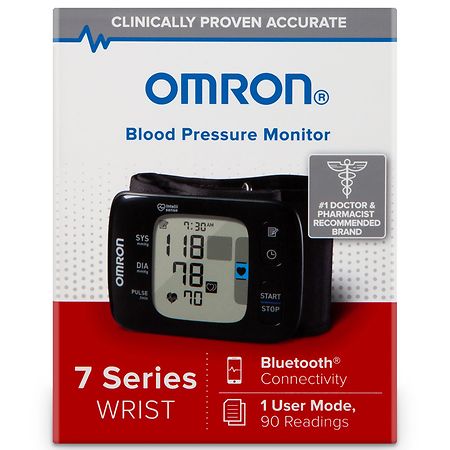
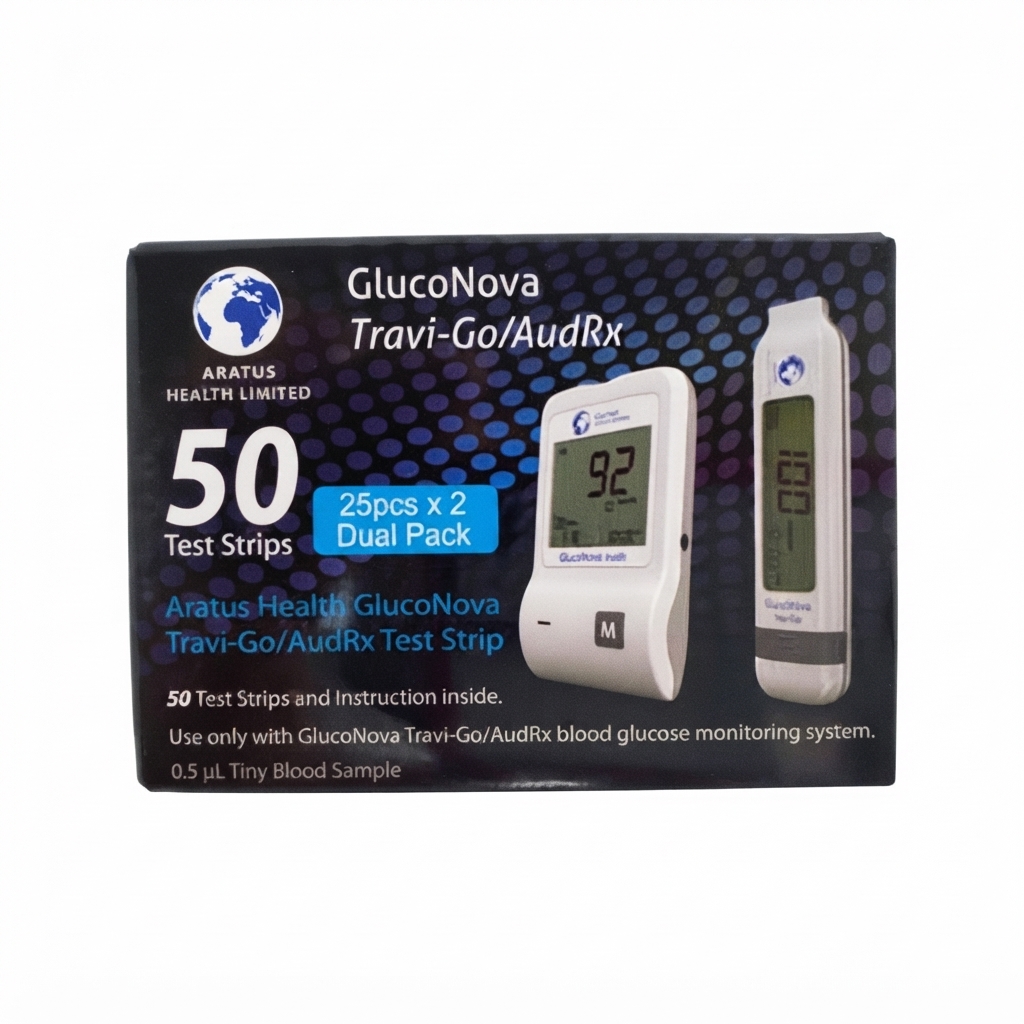
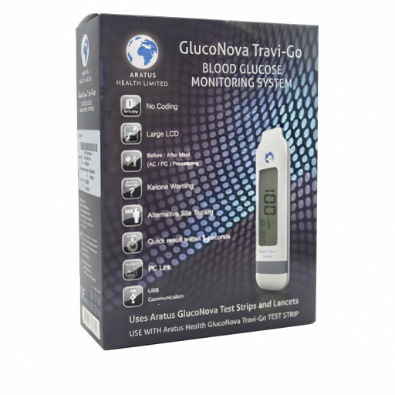
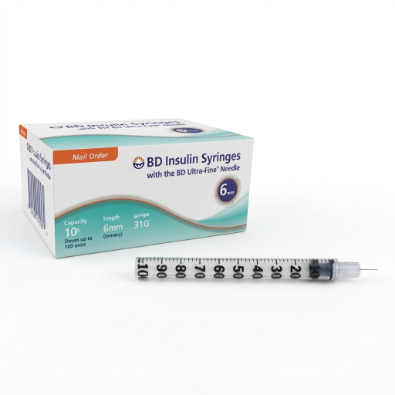
Patients who need diabetes monitoring equipment can also view suitable medical devices for diabetes care available through Our Mall Pharmacy.
How Should Insulin Storage in Kenya Be Done Correctly?
Safe insulin storage in Kenya requires protecting insulin from extreme temperatures, following manufacturer instructions, and using suitable storage methods depending on whether the insulin is unopened or already in use.
The correct storage method depends on several factors:
- Whether the insulin pen is new or already opened
- The type of insulin product
- Availability of refrigeration
- Environmental temperature
Patients should always check the storage instructions provided with their specific insulin brand.
Insulin Storage in Kenya for Unopened Insulin Pens and Vials
Unopened insulin products are commonly stored under refrigerated conditions according to manufacturer guidance.
Important practices include:
- Store unopened insulin in a suitable refrigerator compartment.
- Avoid placing insulin directly against freezing areas.
- Keep insulin away from extreme temperature changes.
- Check expiry dates before use.
A common mistake is storing insulin in freezer compartments because patients assume colder temperatures are safer. Freezing can damage insulin and affect its reliability.
Insulin Storage in Kenya After Opening a Pen
Once an insulin pen is opened, storage recommendations may change depending on the product instructions.
Many opened insulin pens may be kept at room temperature for a limited period, often around 28 days, but patients should confirm the exact instructions for their insulin type.
Good practices include:
- Keep the pen away from sunlight.
- Replace the pen cap after use.
- Store it in a clean, dry location.
- Avoid placing it near heat sources.
Patients who have questions about medication handling can consult a pharmacist for guidance.
How Long Can Insulin Stay Outside a Fridge in Kenya?
The time insulin can stay outside a fridge in Kenya depends on the insulin type, storage conditions, and manufacturer recommendations. Many opened insulin products have specific room-temperature limits, but patients should confirm guidance for their exact product.
Factors that influence insulin safety include:
| Factor | Impact on Insulin |
|---|---|
| High temperatures | May reduce insulin effectiveness |
| Direct sunlight | Can damage insulin |
| Freezing temperatures | May permanently affect insulin |
| Long storage periods | May exceed recommended use time |
If insulin has been exposed to unsuitable conditions and you are unsure whether it is still safe, avoid guessing and seek professional advice.
Can Insulin Storage in Kenya Be Done Without a Refrigerator?
Insulin storage in Kenya can sometimes be managed without a refrigerator by using appropriate cooling methods designed to protect insulin from excessive heat. Patients should use reliable solutions and avoid unsafe storage practices.
Some patients may experience challenges such as:
- Power outages
- Living in areas without reliable refrigeration
- Travelling long distances
- Working outdoors
In these situations, patients may consider:
- Insulin cooling wallets
- Insulated storage bags
- Other approved temperature-control solutions
Patients should avoid placing insulin directly on ice or using methods that may freeze the medication.
For diabetes medicines and supplies, patients can shop diabetes care products from Our Mall Pharmacy.
Best Insulin Storage in Kenya Options Without a Fridge
The best insulin storage in Kenya without a fridge involves maintaining a stable environment while protecting insulin from heat, sunlight, and freezing temperatures. Portable cooling solutions are commonly used by patients who travel or have limited refrigeration access.
Cooling Wallets for Insulin Storage in Kenya
Cooling wallets are specially designed to help maintain safer temperatures while carrying insulin.
They can be useful for:
- Daily travel
- Work routines
- Long journeys
- Outdoor activities
Benefits include:
- Portable design
- Easier insulin transport
- Protection from direct heat exposure
Clay Pot Cooling Method for Insulin Storage in Kenya
Some communities use traditional cooling methods such as clay pots where refrigeration is unavailable.
However, temperature control may not always be consistent. Patients using alternative methods should ensure insulin is protected from:
- Direct sunlight
- Extreme heat
- Freezing conditions
For additional diabetes education, patients can read more health articles on medication and chronic care.
Travel Tips for Insulin Storage in Kenya
When travelling with insulin:
- Carry insulin in a safe personal bag.
- Avoid leaving insulin inside parked vehicles.
- Protect insulin from direct sunlight.
- Carry enough supplies for the journey.
- Keep prescriptions or treatment information available when needed.
Patients travelling for longer periods can also upload a prescription for assistance with medication preparation.
Conclusion: Safe Insulin Storage in Kenya for Better Diabetes Care
Safe insulin storage in Kenya helps maintain insulin quality, supports effective diabetes management, and reduces unnecessary medication wastage. Following proper storage practices, protecting insulin from heat and freezing, and checking product instructions can help patients use their insulin safely.
For patients using insulin, storage is an important part of treatment success. Whether you have access to a refrigerator or need a travel-friendly solution, understanding temperature requirements and the correct handling of insulin pens can make daily diabetes care easier.
Patients in Nairobi and surrounding areas such as Rongai, Ngong, Karen, Kilimani, Westlands, and Lang’ata often seek pharmacy guidance on questions such as insulin storage during travel, power interruptions, and choosing suitable diabetes care supplies.
At Our Mall Pharmacy, we support patients with reliable healthcare products and professional guidance. Our pharmacy team can help you understand insulin handling, find suitable diabetes care supplies, and answer questions about medication storage.
Explore our chronic care products, browse available healthcare products, or contact our pharmacists for personalised support.
Contact Our Mall Pharmacy
Call Us: +254 722 390 003
Mon-Sat: 9AM-8PM
Sun: 10:30AM-6PM
WhatsApp: Chat with a Pharmacist (Instant responses)
Email: ourmallpharmacy@gmail.com
(We reply within 2 hours)
Visit Us:
Our Mall, Off Magadi Rd, Avocado Lane, Ground Floor (Shop No. 22)
Opening Hours:
Mon-Sat 9AM-8PM
Sun 10:30AM-6PM