Malaria remains one of the most common infectious diseases in Kenya, affecting people across both urban and rural areas. While Nairobi is generally considered a low-transmission area, many residents travel frequently to malaria-endemic counties such as Kisumu, Busia, Siaya, Homa Bay, Migori, Kilifi, Kwale, Mombasa, and parts of Taita Taveta. Because of this movement, pharmacists regularly see patients returning to Nairobi with fever and flu-like symptoms after recent travel.
Rapid malaria test kits have become an important tool for early detection. They provide results within minutes and help reduce unnecessary use of antimalarial medicines. However, these tests also have limitations, and understanding how they work is essential before making treatment decisions.
At Our Mall Pharmacy, our pharmacists regularly help patients understand malaria symptoms, interpret test results, and determine when further medical evaluation is necessary.
What Is a Malaria Test Kit?
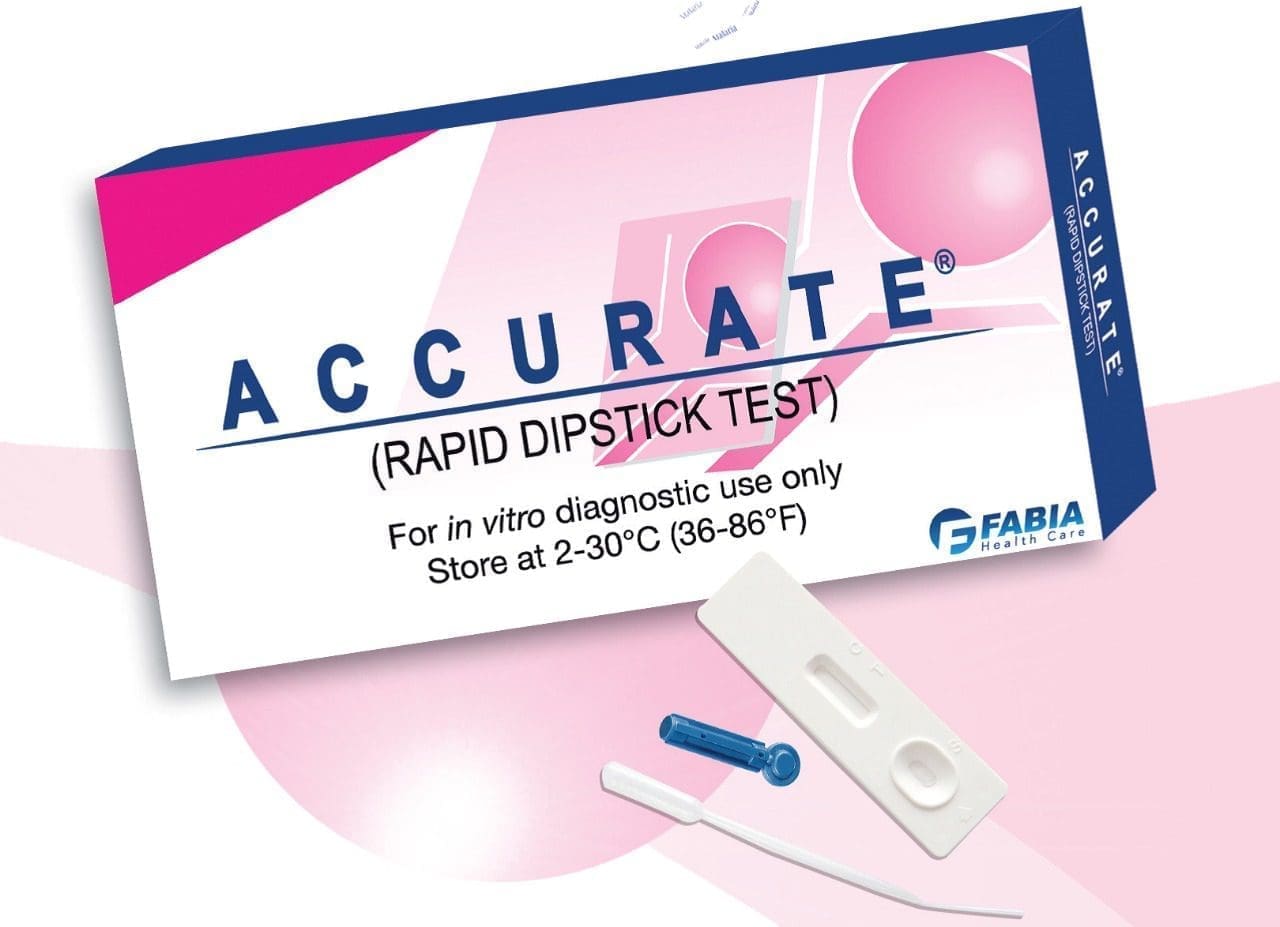
A malaria test kit is a rapid diagnostic test (RDT) that detects proteins produced by malaria parasites in a small sample of blood. Most kits provide results within 15–20 minutes and are designed to help identify malaria quickly before treatment begins.
Rapid diagnostic tests do not look for the parasite directly under a microscope. Instead, they detect specific antigens produced by Plasmodium parasites, especially Plasmodium falciparum, which causes most severe malaria cases in Kenya.
A typical malaria rapid test kit contains:
- Test cassette
- Sterile lancet
- Alcohol swab
- Capillary blood collector
- Buffer solution
- Instruction leaflet
The test requires only a small finger-prick blood sample and can be performed by trained healthcare workers. Some self-testing kits are also available, but users should follow the manufacturer’s instructions carefully.
If you need guidance on malaria testing or treatment options, you can consult a pharmacist through contact-us or explore healthcare products at shop.
How Does a Rapid Malaria Test Work?
Rapid malaria tests detect malaria antigens in blood using immunochromatographic technology. If malaria proteins are present, they bind to antibodies on the test strip, producing a visible coloured line.
The testing process is straightforward:
Step 1: Clean the Finger
The fingertip is cleaned using an alcohol swab to reduce contamination.
Step 2: Collect Blood
A sterile lancet is used to obtain a small drop of blood.
Step 3: Apply Blood
The blood is placed into the sample well on the test cassette.
Step 4: Add Buffer Solution
The supplied buffer helps the blood move across the testing strip.
Step 5: Wait
Results usually appear within 15–20 minutes.
Step 6: Interpret Results
Possible outcomes include:
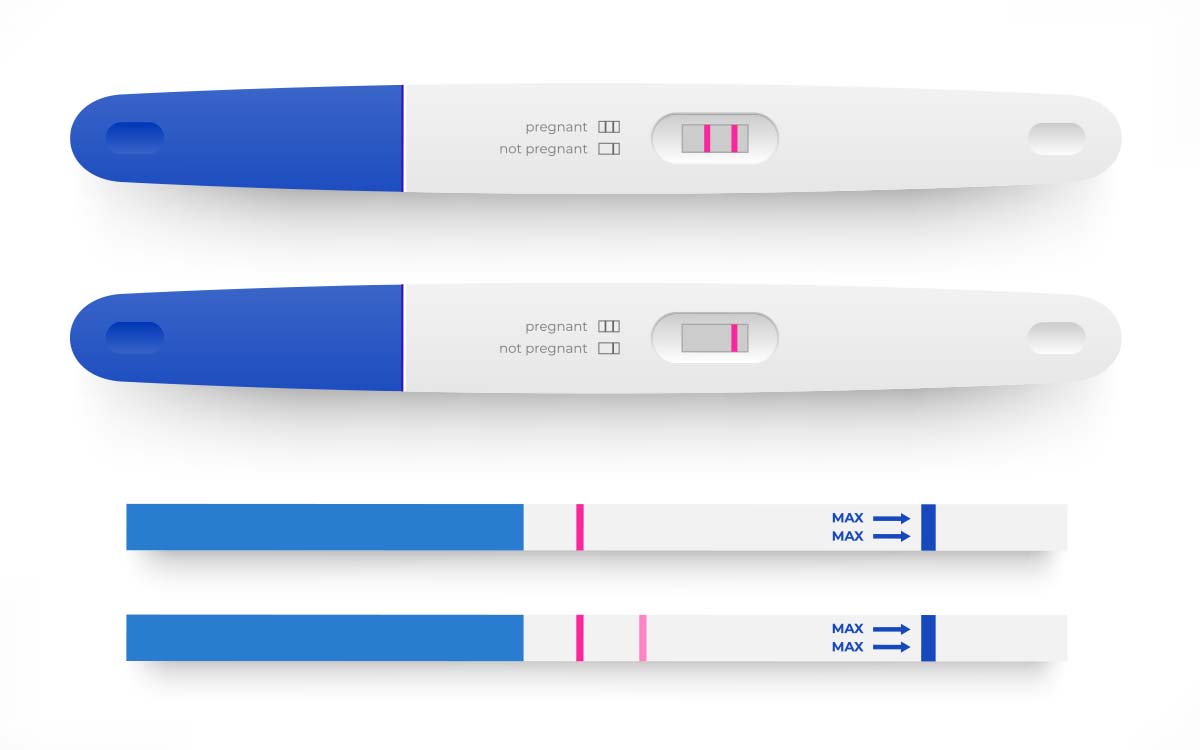
- One control line = Negative
- Control line + test line = Positive
- No control line = Invalid test
Always read the result within the time specified by the manufacturer.
Are Malaria Test Kits Accurate?
Rapid malaria tests are generally reliable when used correctly, but they are not perfect. Accuracy depends on parasite levels, the quality of the kit, and whether testing is performed at the right stage of infection.
Most quality-assured rapid diagnostic tests have high sensitivity for detecting Plasmodium falciparum. However, false-negative and false-positive results can still occur.
Common reasons include:
- Testing very early in infection
- Very low parasite levels
- Poor storage of the kit
- Expired test kits
- Incorrect testing technique
This is why Kenyan treatment guidelines recommend that persistent fever should always be evaluated by a healthcare professional even if an initial rapid test is negative.
Accuracy Factors
| Factor | Effect on Accuracy |
|---|---|
| High parasite levels | More reliable detection |
| Early infection | Increased chance of false negative |
| Expired kit | Reduced accuracy |
| Incorrect storage | Reduced performance |
| Incorrect procedure | Invalid or inaccurate result |
At Our Mall Pharmacy, pharmacists often advise patients with persistent fever to seek further assessment rather than relying solely on one rapid test result.
Can a Negative Malaria Test Still Mean You Have Malaria?
Yes. A negative rapid malaria test does not completely rule out malaria, particularly during the early stages of infection or when parasite levels are very low. Persistent symptoms should always be medically evaluated.
One of the most common misconceptions is that a negative result guarantees the absence of malaria.
In reality, parasite levels may not yet be high enough for the test to detect.
This is especially relevant for:
- Travellers returning from malaria-endemic counties
- Individuals tested within the first day of symptoms
- Patients who have partially treated themselves before testing
Pharmacists frequently encounter patients who have already taken antimalarial medicines purchased elsewhere before testing. Partial treatment can sometimes complicate interpretation of both symptoms and test results.
If fever continues despite a negative rapid test, a clinician may recommend:
- Repeat rapid testing
- Microscopy
- Additional investigations for other causes of fever
Who Should Consider Using a Malaria Test Kit?
Rapid malaria testing is appropriate for people with symptoms suggestive of malaria or those who develop fever after travelling to malaria-endemic areas. Testing should be followed by professional interpretation whenever possible.
Typical symptoms include:
- Fever
- Chills
- Sweating
- Headache
- Muscle aches
- Fatigue
- Nausea
- Vomiting
Residents of Nairobi often assume malaria is impossible because local transmission is relatively uncommon. However, pharmacists regularly see malaria cases in people returning from western Kenya and coastal regions.
Travel history is therefore one of the most important pieces of information when assessing malaria risk.
Malaria Test Kit vs Laboratory Microscopy
Rapid tests provide quick screening, while laboratory microscopy remains the reference standard for confirming malaria, identifying parasite species, and estimating parasite density.
| Feature | Rapid Test Kit | Laboratory Microscopy |
| Time | 15–20 minutes | 30–90 minutes |
| Blood sample | Finger prick | Finger prick or venous blood |
| Detects parasite proteins | Yes | No |
| Detects parasites directly | No | Yes |
| Species identification | Limited | Excellent |
| Parasite count | No | Yes |
| Suitable for home use | Some kits | No |
For severe illness or uncertain results, microscopy performed by a qualified laboratory provides more detailed diagnostic information.
Common Pharmacy Questions About Malaria Testing in Kenya
Pharmacists are often asked questions such as:
- Can I test myself at home?
- Should I start malaria medicine before testing?
- Why is my test negative but I still have fever?
- Can children use rapid malaria tests?
- Is malaria common in Nairobi?
These conversations highlight an important point: testing is only one part of malaria management. Proper interpretation of symptoms, travel history, age, pregnancy status, and underlying medical conditions is equally important.
Rather than treating every fever as malaria, current best practice is to confirm infection whenever possible before taking antimalarial medication. This approach helps reduce unnecessary drug use and supports responsible antimicrobial stewardship.
What Should You Do After a Positive Malaria Test?
A positive malaria rapid test should be followed by prompt assessment and appropriate treatment. Most uncomplicated malaria cases respond well to recommended antimalarial medicines, but severe symptoms require immediate medical attention.
A positive test means malaria is likely present, but the next steps depend on:
- Your age
- Pregnancy status
- Existing medical conditions
- Severity of symptoms
- Recent travel history
- Previous malaria treatment
In Kenya, treatment should follow the latest recommendations from the Ministry of Health and the Pharmacy and Poisons Board, using quality-assured medicines from licensed pharmacies.
Mild (Uncomplicated) Malaria
Most patients with uncomplicated malaria can be treated using recommended artemisinin-based combination therapy (ACT) prescribed by a qualified healthcare professional.
Common advice includes:
- Start treatment as soon as recommended.
- Complete the full course, even if symptoms improve.
- Drink plenty of fluids to reduce dehydration.
- Rest adequately.
- Monitor symptoms closely.
Avoid stopping medication early, as this can reduce treatment effectiveness and increase the risk of recurrent illness.
When Should You Go to Hospital Instead of Self-Managing?
Seek urgent medical care if malaria symptoms are severe, if the patient is a young child or pregnant, or if warning signs such as confusion, difficulty breathing, repeated vomiting, or seizures develop.
Malaria can become life-threatening if treatment is delayed.
Warning signs requiring immediate medical attention include:
- High persistent fever
- Difficulty breathing
- Confusion
- Extreme weakness
- Repeated vomiting
- Convulsions
- Inability to drink fluids
- Loss of consciousness
Children under five years, older adults, pregnant women, and people with weakened immune systems should seek medical assessment promptly if malaria is suspected.
Why Self-Medicating Without Testing Is Not Recommended
Taking antimalarial medicines without confirming malaria can delay diagnosis of other illnesses and contribute to inappropriate medicine use. Whenever possible, confirm malaria before starting treatment.
Many illnesses resemble malaria, including:
- Influenza
- COVID-19
- Typhoid fever
- Urinary tract infections
- Pneumonia
- Dengue (in some regions)
At Our Mall Pharmacy, pharmacists frequently meet patients who assume every fever is malaria. However, in Nairobi, many fevers are caused by viral respiratory infections, especially during colder months and rainy seasons.
Testing first helps ensure that patients receive the most appropriate care.
Malaria in Nairobi vs Other Parts of Kenya
Malaria risk varies significantly across Kenya. Nairobi has relatively low local transmission, while western Kenya and many coastal counties experience much higher malaria rates.
Understanding local malaria risk helps interpret symptoms more accurately.
| Location | Malaria Risk |
|---|---|
| Nairobi | Generally low local transmission |
| Rongai | Low, but travel-related cases occur |
| Karen | Low |
| Lang’ata | Low |
| Kilimani | Low |
| Westlands | Low |
| Kisumu | High |
| Busia | High |
| Homa Bay | High |
| Siaya | High |
| Migori | High |
| Kilifi | Moderate to High |
| Kwale | Moderate to High |
| Mombasa | Moderate |
Pharmacists commonly advise Nairobi residents to mention any recent travel when discussing fever symptoms, as this greatly influences the likelihood of malaria.
Practical Tips for Getting the Most Accurate Test Result
Correct storage, proper technique, and testing at the appropriate time improve the reliability of malaria rapid tests. Always follow the manufacturer’s instructions carefully.
Best practices include:
- Check the expiry date.
- Store the kit according to the manufacturer’s recommendations.
- Wash your hands before testing.
- Use the correct amount of blood.
- Add the recommended amount of buffer.
- Read results only within the specified time.
- Dispose of lancets safely.
If a result is invalid, repeat the test with a new kit.
Medication and Malaria Test Reference Table
| Test or Medication | Category | Typical Use | Frequency | Availability |
| Rapid Malaria Test Kit | Diagnostic Test | Detect malaria antigens | Single use | Pharmacy availability varies |
| Artemisinin-based Combination Therapy (ACT) | Antimalarial | Uncomplicated malaria | As prescribed | Prescription/Professional guidance |
| Paracetamol | Pain reliever / Fever reducer | Fever and headache | Usually every 4–6 hours as directed | Over the counter |
Note: Medicines should only be used according to the advice of a qualified healthcare professional or pharmacist. Availability may vary depending on stock and regulatory requirements.
Frequently Asked Questions (FAQs)
What is the best malaria test kit in Kenya?
Quality-assured rapid diagnostic tests supplied through licensed pharmacies and healthcare facilities are generally the most reliable. Choose products from reputable manufacturers and follow the instructions carefully.
How long does a malaria rapid test take?
Most malaria rapid tests provide results within approximately 15–20 minutes. Always read the result within the time stated in the manufacturer’s instructions.
Can I buy a malaria test kit without a prescription?
Availability varies depending on the specific product and pharmacy. A pharmacist can advise on suitable testing options and whether additional medical assessment is needed.
Can malaria be missed on a rapid test?
Yes. Early infection or very low parasite levels can occasionally produce a false-negative result. Persistent fever should always be medically evaluated.
Is malaria common in Nairobi?
Local malaria transmission is relatively uncommon in Nairobi compared with western Kenya and coastal regions. However, travel-related malaria is regularly diagnosed among people returning from endemic areas.
Should I take malaria medicine before testing?
Whenever possible, testing should come before treatment. Confirming malaria helps ensure appropriate care and reduces unnecessary use of antimalarial medicines.
Can children use malaria rapid tests?
Rapid malaria tests are commonly used in children by trained healthcare providers. Parents should seek prompt medical assessment if a child has fever or appears seriously unwell.
Why Consult Our Mall Pharmacy?
At Our Mall Pharmacy, we understand that fever can have many causes. Our pharmacists help patients:
- Understand malaria symptoms.
- Interpret rapid test results.
- Know when repeat testing is appropriate.
- Identify warning signs requiring urgent medical attention.
- Receive guidance on appropriate over-the-counter medicines where suitable.
- Understand when referral to a doctor or hospital is necessary.
Whether you live in Rongai, Ngong, Karen, Lang’ata, Kilimani, Westlands, or elsewhere in Nairobi, our pharmacy team is available to provide professional guidance on medicines and everyday healthcare needs.
Related Resources
For additional health information and pharmacy services, you may find these pages helpful:
- Home:ourmallpharmacy
- Shop medicines and healthcare products: shop
- Health Articles: health-articles
- Cold & Flu products: cold-flu
- First Aid: first-aid
- Medical Devices:medical-devices
- Upload a Prescription: upload-prescription
- Contact Our Pharmacists: contact-us
Contact Our Mall Pharmacy
Call Us: +254 722 390 003
Mon–Sat: 9:00 AM – 8:00 PM
Sun: 10:30 AM – 6:00 PM
WhatsApp: Chat with a Pharmacist (Instant responses)
Email: ourmallpharmacy@gmail.com
(We reply within 2 hours.)
Visit Us:
Our Mall, Off Magadi Rd, Avocado Lane, Ground Floor (Shop No. 22)
Final Takeaway
Rapid malaria test kits are valuable tools for detecting malaria quickly, but they are not perfect. A positive result should be followed by appropriate treatment, while a negative result does not always rule out malaria—especially if symptoms persist or recent travel increases your risk.
If you are unsure about your symptoms, have recently travelled to a malaria-endemic area, or need advice on testing and treatment, speak with a qualified pharmacist or healthcare professional before taking antimalarial medicines.