Blog

  • Best Baby Nasal Aspirator in Kenya 2026: Complete Guide (How to Clear a Blocked Nose With Saline)

    Best Baby Nasal Aspirator in Kenya 2026: Complete Guide (How to Clear a Blocked Nose With Saline)

    Blocked noses are common in babies, especially during the first year of life. Because infants mainly breathe through their noses, even a small amount of congestion can make feeding, sleeping, and settling more difficult.

    Many parents in Kenya look for a baby nasal aspirator in Kenya when their baby develops a stuffy nose due to a cold, dry air, allergies, or seasonal weather changes. When used together with saline nasal drops, a nasal aspirator can help remove mucus without the need for medication.

    At Our Mall Pharmacy, pharmacists frequently answer questions such as:

    • Is a nasal aspirator safe for newborns?
    • Should I use saline first?
    • How often can I suction my baby’s nose?
    • Which nasal aspirator is best?
    • When should I see a doctor instead?

    This guide explains how baby nasal aspirators work, how to use them safely with saline drops, and how parents can manage nasal congestion at home while recognising when professional medical care is needed.

    Explore our Mother & Baby collection:

    mother-baby


    What Is a Baby Nasal Aspirator?

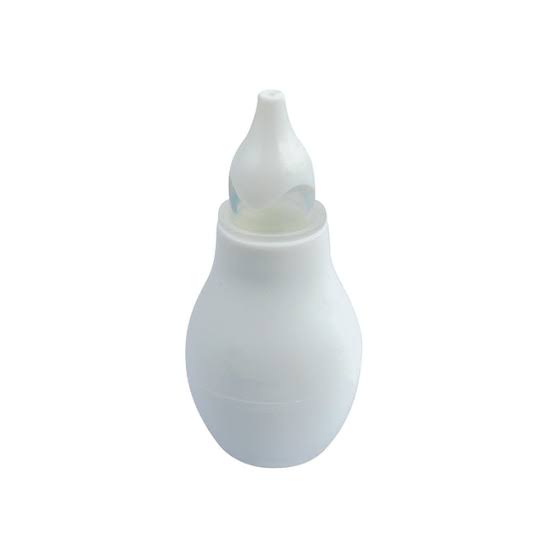
    A baby nasal aspirator is a device designed to gently remove mucus from a baby’s nose after it has been softened with saline drops. It helps babies breathe more comfortably when they have nasal congestion.

    Unlike older children and adults, babies cannot blow their own noses. A nasal aspirator removes excess mucus, making it easier for babies to:

    • Feed comfortably
    • Sleep better
    • Breathe more easily
    • Settle after feeding

    Several types of nasal aspirators are available in Kenya, each designed for safe infant use when used according to the manufacturer’s instructions.


    Why Do Babies Develop Blocked Noses?

    Babies can develop blocked noses because of viral infections, dry air, allergies, environmental irritants, or naturally narrow nasal passages. Congestion is common during infancy and is not always a sign of serious illness.

    Common causes include:

    • Common cold viruses
    • Dust exposure
    • Dry indoor air
    • Seasonal allergies
    • Milk regurgitation reaching the nose
    • Normal newborn nasal mucus

    In Nairobi and surrounding areas such as Rongai, Ngong, Karen, Lang’ata, Kilimani, and Westlands, pharmacists often see an increase in baby colds during cooler mornings and rainy seasons. Dust and changing weather can also contribute to nasal irritation in some infants.


    How Does a Baby Nasal Aspirator Work?

    A baby nasal aspirator works by creating gentle suction that removes loosened mucus from the baby’s nostrils after saline drops have softened the mucus.

    Most aspirators remove mucus without medication.

    The process generally involves:

    1. Applying saline drops.
    2. Waiting briefly for mucus to soften.
    3. Using the aspirator to gently remove mucus.
    4. Cleaning the device after use.

    Parents should always follow the manufacturer’s instructions.


    Why Are Saline Drops Used First?

    Saline nasal drops help loosen thick mucus, making it easier and more comfortable to remove using a nasal aspirator. Saline does not contain medicine and is commonly recommended for infant nasal congestion.

    Benefits of saline include:

    • Softens dried mucus
    • Moisturises nasal passages
    • Makes suction easier
    • May improve comfort during feeding

    Saline is often used before each suction session rather than using suction alone.


    Types of Baby Nasal Aspirators Available in Kenya

    Several types of baby nasal aspirators are available in Kenya, including bulb aspirators, manual suction aspirators, and electric models. Each offers different features depending on the family’s needs.

    1. Bulb Syringe Aspirators

    Traditional rubber bulb aspirators are widely used.

    Benefits:

    • Affordable
    • Simple to use
    • Easy to carry

    2. Manual Suction Aspirators

    These use gentle parent-controlled suction through a tube fitted with a hygiene filter.

    Benefits:

    • Adjustable suction
    • Often removes thicker mucus
    • Easy to control

    3. Electric Nasal Aspirators

    Battery-operated models create automatic suction.

    Benefits:

    • Consistent suction
    • Reduced manual effort
    • Convenient for frequent use

    They are often chosen by parents looking for added convenience.


    Which Baby Nasal Aspirator Is Best?

    The best baby nasal aspirator depends on your baby’s age, the frequency of congestion, ease of cleaning, and your personal preference. All approved infant nasal aspirators should be used gently and according to instructions.

    Type Advantages Considerations
    Bulb Aspirator Affordable and portable Suction strength varies
    Manual Aspirator Good control over suction Requires manual operation
    Electric Aspirator Convenient and consistent Higher purchase cost

    How Often Can You Use a Baby Nasal Aspirator?

    A baby nasal aspirator should be used only when necessary to help relieve congestion. Excessive suction may irritate the delicate lining of a baby’s nose.

    Parents commonly use nasal aspirators:

    • Before feeding
    • Before sleep
    • When congestion interferes with breathing
    • During common colds

    If congestion persists or worsens, professional medical assessment is recommended.


    Real Pharmacy Experience: What Parents in Kenya Commonly Ask

    Pharmacists regularly help parents choose suitable baby nasal care products and explain how saline drops and nasal aspirators should be used safely together.

    Common questions include:

    • “Should I use saline every time?”
    • “Can I use an aspirator on a newborn?”
    • “Which aspirator works best?”
    • “How do I clean the aspirator properly?”
    • “When does a blocked nose become serious?”

    Many parents are reassured to learn that saline and gentle suction are often enough to manage mild nasal congestion without medication.

    Step-by-Step Guide: How to Use a Baby Nasal Aspirator With Saline

    Using a baby nasal aspirator correctly starts with saline drops to loosen mucus, followed by gentle suction to remove it. The process should be gentle, hygienic, and only performed when your baby has troublesome nasal congestion.

    Step 1: Wash Your Hands

    Always wash your hands before handling your baby or the nasal aspirator.


    Step 2: Position Your Baby Comfortably

    Lay your baby on their back or hold them securely with their head slightly elevated.

    A calm baby is usually easier to assist.


    Step 3: Apply Saline Drops

    Place the recommended number of saline drops into one nostril.

    Allow the saline to sit briefly so it can soften thick mucus.


    Step 4: Use the Nasal Aspirator

    Insert the tip gently into the nostril without forcing it.

    Apply gentle suction according to the manufacturer’s instructions.

    Repeat on the other nostril if necessary.


    Step 5: Clean the Device Thoroughly

    Wash removable parts according to the manufacturer’s cleaning instructions.

    Allow everything to dry completely before storing.

    Good hygiene helps reduce contamination between uses.


    Common Mistakes Parents Make When Using a Nasal Aspirator

    Most problems occur when parents suction too frequently, skip saline drops, or fail to clean the aspirator properly. Gentle technique and good hygiene are essential.

    1. Using Too Much Suction

    Strong suction is unnecessary and may irritate the baby’s delicate nasal lining.


    2. Skipping Saline Drops

    Saline helps loosen mucus, making suction more effective and comfortable.


    3. Suctioning Too Frequently

    Using an aspirator too often may irritate the nose.

    Only use it when congestion is affecting feeding, sleeping, or breathing comfort.


    4. Not Cleaning the Aspirator

    Mucus left inside the device can encourage bacterial growth.

    Always clean the aspirator after each use.


    5. Sharing Aspirators Between Children

    Each child should have their own nasal aspirator to help reduce the spread of germs.


    Baby Nasal Care Checklist

    Good nasal care combines saline drops, gentle suction when needed, adequate hydration, and a clean environment.

    Task Good Practice
    Wash hands Before handling baby
    Use saline drops Before suctioning
    Gentle suction Only when needed
    Clean aspirator After every use
    Keep baby hydrated According to age and feeding plan
    Monitor symptoms Seek medical advice if symptoms worsen

    When Should You See a Doctor?

    Most blocked noses improve with supportive care, but some symptoms require prompt medical assessment.

    Seek medical attention if your baby:

    • Has difficulty breathing
    • Refuses to feed repeatedly
    • Develops a high fever
    • Appears unusually sleepy or difficult to wake
    • Has symptoms lasting longer than expected
    • Has persistent nasal discharge with concerning symptoms

    Young infants should always be assessed promptly if parents are worried about breathing or feeding.


    Baby Nasal Aspirator Comparison

    Feature Bulb Aspirator Manual Aspirator Electric Aspirator
    Cost Lower Medium Higher
    Ease of use Simple Moderate Very easy
    Suction control Limited Parent controlled Automatic
    Cleaning Moderate Easy Depends on model
    Travel friendly Excellent Excellent Good
    Best for Occasional use Regular use Frequent use

    Saline Drops vs Decongestant Medicines

    Saline drops help loosen mucus without medication and are commonly used for babies with blocked noses. Decongestant medicines are not routinely recommended for young infants unless specifically advised by a healthcare professional.

    Product Purpose
    Saline drops Loosen mucus
    Nasal aspirator Remove mucus
    Humidified air Help maintain moisture
    Fluids and feeding Support hydration

    Parents should never give medicines to babies unless recommended by a qualified healthcare professional.


    Real Pharmacy Experience: Common Questions From Kenyan Parents

    Pharmacists frequently reassure parents that many cases of mild nasal congestion can be managed with saline drops, gentle suction, and supportive care.

    Questions commonly asked include:

    “Can I use a nasal aspirator every day?”

    Use it only when congestion is affecting feeding, sleeping, or comfort.


    “Can saline drops harm my baby?”

    Sterile saline drops used as directed are commonly recommended for infant nasal congestion.


    “Which nasal aspirator is easiest to clean?”

    Many parents prefer models with removable parts that can be washed thoroughly.


    “Do I need medicine for every blocked nose?”

    Many babies with simple nasal congestion do not require medication. Saline and gentle suction are often sufficient, depending on the cause.


    Related Baby Care Products

    Parents often purchase these products together:

    Product Purpose
    Saline nasal drops Loosen mucus
    Baby nasal aspirator Remove mucus
    Digital thermometer Check temperature
    Humidifier Add moisture to the air
    Baby wipes Daily hygiene
    Baby vapor rub (age appropriate) Comfort measures where suitable

    Explore our Mother & Baby collection:

    mother-baby


    Frequently Asked Questions (FAQs)

    What is the best baby nasal aspirator in Kenya?

    The best baby nasal aspirator depends on your baby’s needs, your preferred suction method, and ease of cleaning. Bulb, manual, and electric aspirators are all available in Kenya.


    Should I use saline before a nasal aspirator?

    Yes. Saline drops help soften mucus, making it easier and more comfortable to remove with gentle suction.


    Is a baby nasal aspirator safe for newborns?

    Baby nasal aspirators are designed for infant use when used gently and according to the manufacturer’s instructions. If you are unsure, consult your healthcare provider or pharmacist.


    How often can I suction my baby’s nose?

    Only when congestion is interfering with feeding, sleeping, or breathing comfort. Excessive suction may irritate the nasal lining.


    Can I use medicine instead of saline?

    Saline drops are commonly used because they help loosen mucus without medication. Medicines should only be used if recommended by a healthcare professional.


    How do I clean a baby nasal aspirator?

    Clean the aspirator after every use according to the manufacturer’s instructions and allow it to dry completely before storing.


    Where can I buy a baby nasal aspirator in Kenya?

    Baby nasal aspirators are available from licensed pharmacies and baby care retailers. Purchasing from a trusted pharmacy helps ensure you receive a genuine product and professional guidance.


    When should I worry about my baby’s blocked nose?

    Seek medical advice if your baby has difficulty breathing, refuses feeds, develops a high fever, or if symptoms persist or worsen.


    Related Resources

    Learn more about baby health:


    Contact Our Mall Pharmacy

    Call Us: +254 722 390 003

    Mon-Sat 9AM-8PM, Sun 10:30AM-6PM

    WhatsApp: Chat with a Pharmacist (Instant responses)

    Email: ourmallpharmacy@gmail.com

    (We reply within 2 hours)

    Visit Us:

    Our Mall, Off Magadi Rd, Avocado Lane, Ground Floor (Shop No. 22)

    Mon-Sat 9AM-8PM, Sun 10:30AM-6PM


    Final Takeaway

    A baby nasal aspirator in Kenya can be an effective, medicine-free way to relieve a blocked nose when used with saline drops and proper technique. Choosing the right aspirator, using gentle suction, and maintaining good hygiene can help babies breathe more comfortably during common colds or mild congestion.

    At Our Mall Pharmacy, our pharmacists are available to help parents choose genuine baby nasal aspirators, saline nasal drops, and other trusted baby healthcare products while providing practical guidance for safe home care.
  • Best Prenatal Vitamins in Kenya 2026: Complete Guide (Folic Acid, Iron & What to Take When)

    Best Prenatal Vitamins in Kenya 2026: Complete Guide (Folic Acid, Iron & What to Take When)

    Pregnancy increases the body’s nutritional needs, making vitamins and minerals an important part of maternal healthcare. While eating a balanced diet is essential, healthcare providers often recommend specific prenatal supplements to support both the mother’s health and the baby’s development.

    For women searching for prenatal vitamins in Kenya, the wide variety of products can make it difficult to know which supplements are necessary, when they should be started, and how they fit into a healthy pregnancy.

    At Our Mall Pharmacy, pharmacists regularly answer questions such as:

    • Which prenatal vitamin is best?
    • When should I start folic acid?
    • Do I need iron supplements?
    • Can I take prenatal vitamins before pregnancy?
    • Which vitamins should be avoided during pregnancy?

    This expert guide explains the role of folic acid, iron, calcium, vitamin D, iodine, and other important nutrients, while highlighting current recommendations and practical considerations for expectant mothers in Kenya.

    Explore our Mother & Baby range:

    mother-baby


    What Are Prenatal Vitamins?

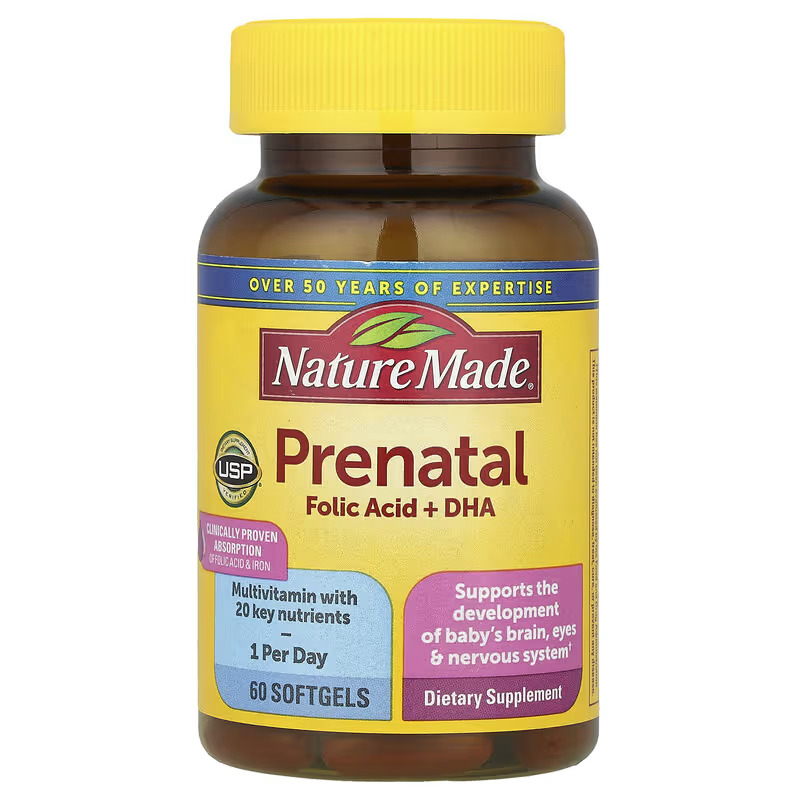
    Prenatal vitamins are specially formulated supplements that provide vitamins and minerals needed before conception, during pregnancy, and sometimes while breastfeeding. They are designed to complement a healthy diet rather than replace it.

    During pregnancy, nutritional requirements increase because the mother’s body supports the growth and development of the baby.

    Prenatal vitamins commonly contain:

    • Folic acid
    • Iron
    • Calcium
    • Vitamin D
    • Iodine
    • Vitamin B12
    • Vitamin C
    • Zinc

    The exact formulation varies between products.


    Why Are Prenatal Vitamins Important During Pregnancy?

    Prenatal vitamins help support healthy pregnancy by providing nutrients that may be difficult to obtain in adequate amounts through diet alone. They are commonly recommended alongside balanced nutrition and regular antenatal care.

    These supplements support:

    • Maternal nutritional needs
    • Healthy fetal development
    • Red blood cell production
    • Bone health
    • Normal nervous system development

    In Kenya, pharmacists frequently advise mothers to begin recommended supplements early and attend regular antenatal clinic visits for personalised care.


    When Should You Start Taking Prenatal Vitamins?

    Many healthcare professionals recommend starting prenatal vitamins before conception whenever possible, particularly folic acid, because early pregnancy is a critical period for fetal development.

    Ideally:

    • Before pregnancy: discuss supplementation during family planning.
    • Early pregnancy: begin recommended prenatal supplements as advised.
    • Throughout pregnancy: continue according to your healthcare provider’s recommendations.

    Women who discover they are pregnant should begin appropriate supplementation as soon as possible after consulting a healthcare professional.


    Why Is Folic Acid So Important?

    Folic acid is one of the most important prenatal vitamins because adequate intake before conception and during early pregnancy helps support normal development of the baby’s brain and spinal cord.

    Healthcare professionals commonly recommend folic acid before pregnancy and during the early weeks of pregnancy.

    Sources include:

    • Prenatal supplements
    • Leafy green vegetables
    • Fortified cereals
    • Legumes

    Women at higher risk may require different supplementation plans based on medical advice.


    When Should You Take Iron During Pregnancy?

    Iron supports the production of red blood cells during pregnancy. Healthcare providers may recommend iron supplementation based on individual assessment, blood tests, and antenatal care guidelines.

    Iron requirements often increase during pregnancy because the body produces more blood to support the developing baby.

    Dietary sources include:

    • Lean meat
    • Beans
    • Lentils
    • Spinach
    • Fortified cereals

    Iron supplements should only be taken according to professional advice because requirements vary between individuals.


    Prenatal Vitamin Timeline: What to Take and When

    The timing of prenatal supplements depends on the nutrient, the stage of pregnancy, and guidance from your healthcare provider.

    Pregnancy Stage Commonly Recommended Nutrients*
    Before conception Folic acid (as advised)
    First trimester Prenatal multivitamin, folic acid
    Second trimester Iron may be recommended if indicated
    Third trimester Continue supplements based on antenatal guidance
    Breastfeeding Continue selected supplements if advised

    *Supplement recommendations should always follow individual medical advice.


    Essential Prenatal Vitamins and Their Roles

    Different vitamins and minerals support different aspects of pregnancy, making a balanced prenatal supplement an important part of maternal nutrition.

    Nutrient Role During Pregnancy Common Sources
    Folic Acid Supports normal fetal neural tube development Prenatal vitamins, leafy vegetables
    Iron Supports red blood cell production Supplements, meat, legumes
    Calcium Supports bone health Dairy products, supplements
    Vitamin D Supports calcium absorption Sunlight, fortified foods
    Iodine Supports thyroid function Iodised salt, supplements
    Vitamin B12 Supports healthy nerve function Animal products

    Common Pregnancy Supplements Available in Kenya

    Prenatal supplements in Kenya are available in different formulations depending on nutritional needs and healthcare recommendations.

    Products commonly include combinations of:

    • Folic acid
    • Iron
    • Calcium
    • Vitamin D
    • Omega-3 (in some formulations)
    • Multivitamins

    A pharmacist can help explain the differences between products and advise when referral to a healthcare provider is appropriate.


    Kenyan Context: Pregnancy Nutrition and Everyday Challenges

    Pregnant women in Kenya may face nutritional challenges influenced by diet, lifestyle, and access to healthcare, making regular antenatal visits and professional guidance especially important.

    Many mothers in Nairobi juggle work, commuting, and family responsibilities while trying to maintain a balanced diet.

    Pharmacists commonly hear concerns such as:

    • Morning sickness affecting appetite
    • Difficulty swallowing tablets
    • Fatigue during pregnancy
    • Questions about combining supplements

    Rather than buying multiple products, many mothers benefit from discussing their nutritional needs with a pharmacist or antenatal care provider.

    Which Vitamins Should Be Avoided During Pregnancy?

    Some vitamins and supplements may not be suitable during pregnancy unless specifically recommended by a healthcare professional. Pregnant women should avoid starting new supplements without medical advice.

    While vitamins are important, more is not always better.

    Some supplements may contain ingredients or doses that are unsuitable during pregnancy.

    Always:

    • Read product labels carefully.
    • Inform your healthcare provider about every supplement you take.
    • Avoid combining multiple prenatal products unless advised.

    If you are unsure whether a supplement is appropriate, consult your pharmacist or antenatal care provider before use.


    Can You Take Prenatal Vitamins Before Pregnancy?

    Yes. Many healthcare professionals recommend starting prenatal vitamins, particularly folic acid, before conception because early fetal development begins before many women know they are pregnant.

    Planning ahead may help support nutritional status before pregnancy.

    Women planning pregnancy should also:

    • Eat a balanced diet.
    • Attend preconception health checks.
    • Discuss existing medical conditions with a healthcare provider.

    Do You Need Calcium and Vitamin D During Pregnancy?

    Calcium and vitamin D help support healthy bones and teeth for both mother and baby. Healthcare professionals may recommend supplementation when dietary intake is insufficient or individual needs require it.

    Good dietary sources include:

    Calcium

    • Milk
    • Cheese
    • Yoghurt
    • Fortified foods

    Vitamin D

    • Safe sunlight exposure
    • Fortified foods
    • Recommended supplements when appropriate

    Supplement needs vary between individuals.


    Common Mistakes Pregnant Women Make With Vitamins

    Many pregnancy supplement problems occur because women start supplements late, take multiple products unnecessarily, or stop taking them without consulting a healthcare professional.

    Common mistakes include:

    1. Starting Folic Acid Too Late

    Folic acid is most beneficial when started before conception or during early pregnancy.

    2. Taking Multiple Multivitamins

    Using several vitamin products together may result in unnecessary duplication of nutrients.

    3. Skipping Supplements Frequently

    Consistency is important when following a healthcare provider’s recommendations.

    4. Ignoring Side Effects

    Some supplements may cause nausea, constipation, or stomach discomfort.

    Rather than stopping treatment, speak with your pharmacist or healthcare provider.

    5. Buying Supplements Without Professional Advice

    Different pregnancies have different nutritional needs.


    Medication and Supplement Interaction Guide

    Some medicines and supplements can affect how prenatal vitamins work or how well certain nutrients are absorbed. Always inform your healthcare provider about every medicine and supplement you are taking.

    Supplement Important Consideration
    Iron May be affected by certain foods or medicines
    Calcium May affect absorption of some medicines
    Prenatal multivitamins Avoid unnecessary duplication
    Herbal supplements Discuss with healthcare provider before use
    Prescription medicines Inform your doctor or pharmacist

    Never stop prescribed medicines without medical advice.


    Step-by-Step Guide to Taking Prenatal Vitamins

    Taking prenatal vitamins consistently and correctly can help support healthy pregnancy nutrition.

    Step 1: Attend Antenatal Clinic

    Healthcare professionals assess nutritional needs throughout pregnancy.

    Step 2: Choose the Right Supplement

    Different mothers may require different formulations.

    Step 3: Follow Recommended Instructions

    Take supplements exactly as advised.

    Step 4: Maintain a Healthy Diet

    Prenatal vitamins complement a balanced diet—they do not replace healthy eating.

    Step 5: Report Any Concerns

    Tell your healthcare provider if you experience side effects or have difficulty taking supplements.


    Real Pharmacy Experience: Questions Kenyan Mothers Frequently Ask

    Pharmacists regularly help expectant mothers understand prenatal vitamins, explain ingredient differences, and answer questions about safe supplement use during pregnancy.

    At Our Mall Pharmacy, some of the most common questions include:

    “Do I need folic acid if I eat healthy?”

    A balanced diet is important, but healthcare providers often recommend folic acid supplementation because dietary intake alone may not always be sufficient.

    “Can I take iron every day?”

    Iron supplementation depends on your healthcare provider’s assessment and individual needs.

    “Can I take prenatal vitamins while breastfeeding?”

    Some mothers continue certain supplements after delivery based on professional advice.

    “Which prenatal vitamin is the best?”

    There is no single best prenatal vitamin for everyone. The right choice depends on individual nutritional needs, pregnancy stage, and medical history.


    Common Pregnancy Supplements Available at Pharmacies

    Pharmacies commonly stock prenatal nutritional products designed to support mothers before, during, and after pregnancy.

    Product Category Common Purpose
    Prenatal multivitamins General pregnancy nutrition
    Folic acid Early pregnancy support
    Iron supplements Red blood cell support
    Calcium supplements Bone health
    Vitamin D supplements Calcium absorption support
    Omega-3 supplements Included in some pregnancy products

    A pharmacist can help explain product differences and guide mothers toward appropriate options.

    Explore pregnancy and baby care products:

    mother-baby


    Frequently Asked Questions (FAQs)

    What are the best prenatal vitamins in Kenya?

    The best prenatal vitamins depend on individual nutritional needs, pregnancy stage, and healthcare recommendations. A pharmacist or healthcare provider can help determine the most suitable option.


    When should I start taking folic acid?

    Folic acid is commonly recommended before conception and during early pregnancy because it supports normal fetal neural tube development.


    Do all pregnant women need iron supplements?

    Iron needs vary between individuals. Healthcare providers may recommend iron supplementation based on antenatal assessment and blood test results.


    Can I take prenatal vitamins before getting pregnant?

    Yes. Many women begin prenatal vitamins before conception, particularly folic acid, when planning a pregnancy.


    Are prenatal vitamins enough for a healthy pregnancy?

    Prenatal vitamins support nutritional needs but should be combined with a balanced diet, regular antenatal care, and healthy lifestyle choices.


    Can prenatal vitamins cause side effects?

    Some women may experience stomach discomfort, constipation, or nausea with certain supplements. Speak with your pharmacist or healthcare provider if symptoms occur.


    Where can I buy prenatal vitamins in Kenya?

    Prenatal vitamins are available from licensed pharmacies and healthcare providers. Buying from a trusted pharmacy helps ensure product quality and access to professional advice.


    Can a pharmacist help me choose pregnancy supplements?

    Yes. Pharmacists can explain the differences between prenatal supplements, discuss safe use, and advise when referral to a doctor or antenatal clinic is appropriate.


    Related Resources

    Learn more about pregnancy and maternal health:


    Contact Our Mall Pharmacy

    Call Us: +254 722 390 003

    Mon-Sat 9AM–8PM, Sun 10:30AM–6PM

    WhatsApp: Chat with a Pharmacist (Instant responses)

    Email: ourmallpharmacy@gmail.com

    (We reply within 2 hours)

    Visit Us:

    Our Mall, Off Magadi Rd, Avocado Lane, Ground Floor (Shop No. 22)

    Mon-Sat 9AM–8PM, Sun 10:30AM–6PM


    Final Takeaway

    Prenatal vitamins in Kenya play an important role in supporting maternal nutrition before conception, throughout pregnancy, and sometimes during breastfeeding. Folic acid is commonly recommended before and during early pregnancy, while iron and other nutrients may be advised based on individual health needs and antenatal assessments.

    Choosing the right supplement should always be based on professional guidance rather than advertising or online trends. At Our Mall Pharmacy, our pharmacists are available to answer your questions about prenatal vitamins, pregnancy supplements, and maternal wellness, helping you make informed decisions for a healthy pregnancy.

  • Baby Bottle Sterilizer in Kenya 2026: Complete Guide (Steam vs Cold Water vs Boiling)

    Baby Bottle Sterilizer in Kenya 2026: Complete Guide (Steam vs Cold Water vs Boiling)

    Keeping baby feeding equipment clean is one of the biggest concerns for new parents. Bottles, teats, breast pump parts, and feeding accessories can collect milk residue that may support bacterial growth if they are not cleaned properly.

    For parents searching for a baby bottle sterilizer in Kenya, the main options include:

    • Steam sterilizers
    • Cold-water sterilizing solutions
    • Boiling methods
    • UV sterilizers

    Each method has advantages and limitations. The best choice depends on your budget, feeding routine, available space, and how often you need to sterilize.

    For working mums in Nairobi areas such as Rongai, Ngong, Karen, Lang’ata, Kilimani, and Westlands, choosing a convenient sterilization method can make daily baby care easier.

    At Our Mall Pharmacy, parents commonly ask:

    • Which bottle sterilizer is safest for newborns?
    • Is steam better than boiling?
    • How much does a baby bottle sterilizer cost in Kenya?
    • Which sterilizer is suitable for working parents?

    This expert guide explains the different sterilization methods, their benefits, costs, and what Kenyan parents should consider before buying.

    Explore mother and baby products:

    mother-baby


    What Is a Baby Bottle Sterilizer?

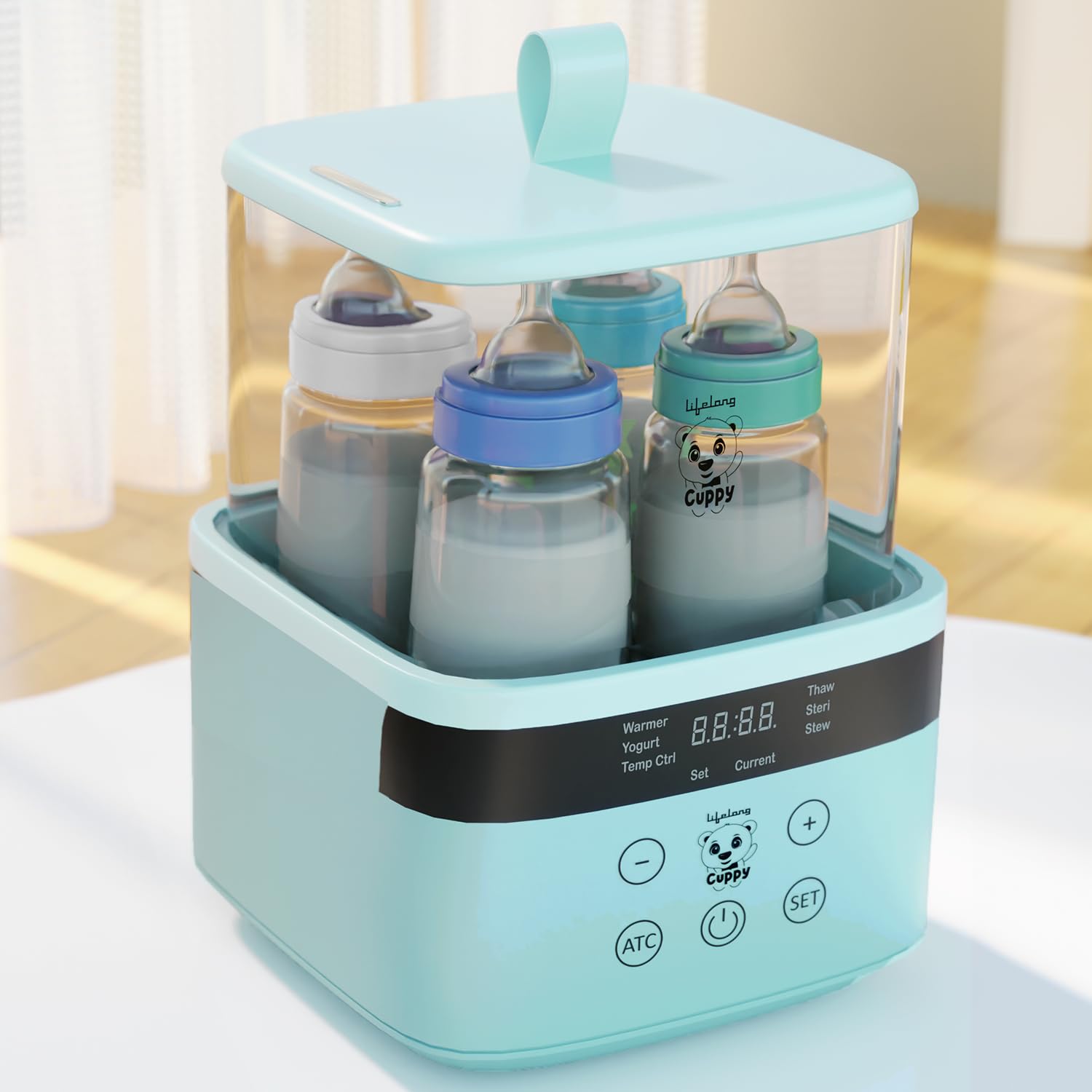
    A baby bottle sterilizer is a device or method used to reduce germs on baby feeding equipment such as bottles, nipples, and breast pump parts. Sterilizing helps maintain clean feeding equipment, especially for young babies.

    Baby bottle sterilizers are designed to help remove or reduce microorganisms that may remain after washing.

    They are commonly used for:

    • Baby bottles
    • Bottle nipples
    • Breast pump components
    • Feeding accessories
    • Pacifiers

    Newborn babies have developing immune systems, so many parents choose sterilization as part of their feeding hygiene routine.


    Why Is Bottle Sterilization Important for Babies?

    Bottle sterilization helps reduce germs on feeding equipment and supports safe feeding practices when combined with proper washing and handling.

    Milk residue can remain in small areas of bottles, especially:

    • Teat openings
    • Bottle necks
    • Bottle valves
    • Pump parts

    Proper cleaning involves:

    1. Washing equipment after use
    2. Removing milk residue
    3. Sterilizing when appropriate
    4. Allowing items to dry safely

    Parents should always follow the sterilizer manufacturer’s instructions.


    How Often Should Baby Bottles Be Sterilized?

    The frequency of bottle sterilization depends on the baby’s age, feeding method, and healthcare guidance. Many parents sterilize feeding equipment regularly, especially during the early months.

    Factors that influence sterilization frequency include:

    • Baby’s age
    • Premature birth
    • Medical conditions
    • Bottle feeding frequency
    • Manufacturer recommendations

    Many parents continue regular sterilization during the early stages of infancy because babies are more vulnerable to infections.


    Types of Baby Bottle Sterilizers Available in Kenya

    The main types of baby bottle sterilizers available in Kenya include steam sterilizers, cold-water sterilizing systems, boiling methods, and UV sterilizers. Each option works differently and suits different parenting needs.

    1. Steam Bottle Sterilizers

    Steam sterilizers use high-temperature steam to sterilize bottles and accessories.

    Benefits:

    • Fast sterilization
    • No chemical solutions required
    • Convenient for frequent bottle users

    They are popular among:

    • Working parents
    • Mothers expressing breast milk
    • Families using multiple bottles daily

    2. Cold Water Sterilizers

    Cold-water sterilizers use sterilizing tablets or solutions mixed with water.

    Benefits:

    • No electricity required
    • Useful during travel
    • Suitable where power supply is unreliable

    Considerations:

    • Requires correct mixing
    • Needs replacement sterilizing solution

    3. Boiling Method

    Boiling is a traditional sterilization method where feeding equipment is placed in boiling water.

    Benefits:

    • Affordable
    • Does not require special equipment
    • Accessible for many families

    Limitations:

    • Requires supervision
    • Equipment may wear faster
    • Less convenient for daily routines

    4. UV Bottle Sterilizers

    UV sterilizers use ultraviolet light technology.

    Benefits:

    • Chemical-free
    • Often includes drying functions
    • Can store sterilized items in some models

    Considerations:

    • Usually more expensive
    • Requires electricity

    Steam vs Cold Water vs Boiling: Which Baby Bottle Sterilizer Is Best?

    The best baby bottle sterilizer depends on your lifestyle, budget, and feeding routine. Steam sterilizers are often chosen for convenience, cold-water methods for portability, and boiling for affordability.

    Feature Steam Sterilizer Cold Water Sterilizer Boiling
    Speed Fast Takes longer Moderate
    Electricity needed Usually yes No No
    Chemical solution No Yes No
    Travel-friendly Moderate Excellent Moderate
    Cost Higher Medium Lowest
    Daily convenience High Medium Lower
    Best for Frequent use Travel Budget option

    Best Baby Bottle Sterilizer Features to Look For

    A good baby bottle sterilizer should be easy to use, safe, easy to clean, and suitable for the number of bottles your baby uses daily.

    Important features include:

    Capacity

    Consider how many bottles you need to sterilize at once.

    Drying Function

    Some models include drying features that reduce handling after sterilization.

    Safety Features

    Look for:

    • Automatic shut-off
    • Secure lids
    • Clear instructions

    Ease of Cleaning

    A sterilizer should not create extra cleaning work.

    Compatibility

    Check whether it fits:

    • Your bottle brand
    • Breast pump parts
    • Accessories

    How Much Does a Baby Bottle Sterilizer Cost in Kenya?

    The cost of a baby bottle sterilizer in Kenya depends on the sterilizer type, brand, capacity, and additional features such as drying or digital controls.

    Type General Cost Level
    Boiling method Lowest cost
    Cold-water sterilizer Affordable to medium
    Steam sterilizer Medium to higher
    UV sterilizer Higher cost

    Parents should consider long-term convenience, especially if sterilizing several times daily.

    Step-by-Step Guide: How to Sterilize Baby Bottles Correctly

    Proper bottle sterilization involves washing feeding equipment first, using the chosen sterilization method correctly, and storing clean items safely until use.

    Follow these steps:

    Step 1: Wash Your Hands

    Always wash hands before handling clean bottles and sterilized equipment.

    Step 2: Disassemble the Bottle

    Separate all parts, including:

    • Bottle body
    • Teat
    • Bottle ring
    • Valves
    • Caps

    Milk residue can remain in small areas if parts are not separated.

    Step 3: Wash Thoroughly

    Use clean water and a suitable bottle brush to remove milk residue.

    Pay attention to:

    • Bottle corners
    • Teat openings
    • Threads and lids

    Step 4: Sterilize According to Instructions

    Depending on your method:

    Steam Sterilizer:

    • Arrange bottles correctly.
    • Add the recommended amount of water.
    • Follow the manufacturer’s cycle instructions.

    Cold Water Sterilizer:

    • Prepare the solution correctly.
    • Keep items fully submerged.
    • Follow recommended soaking time.

    Boiling:

    • Ensure bottles are suitable for boiling.
    • Follow safe handling practices.

    Step 5: Store Safely

    After sterilization:

    • Allow items to dry safely.
    • Avoid touching areas that contact milk.
    • Store equipment in a clean place.

    Common Mistakes Parents Make When Sterilizing Baby Bottles

    Many bottle hygiene problems happen because parents skip cleaning steps, use incorrect methods, or handle sterilized equipment with unclean hands.

    Common mistakes include:

    1. Sterilizing Without Washing First

    Sterilization does not replace proper cleaning.

    Milk residue should be removed before sterilizing.

    2. Mixing Sterilizing Solutions Incorrectly

    Cold-water sterilizers require the correct amount of solution according to product instructions.

    3. Overloading a Sterilizer

    Too many bottles may prevent proper steam circulation.

    4. Touching Clean Bottle Parts

    Hands can transfer germs back onto sterilized equipment.

    5. Using Damaged Bottles or Teats

    Replace feeding equipment when it becomes cracked, worn, or difficult to clean.


    Baby Feeding Hygiene Checklist Kenya

    Good feeding hygiene combines clean bottles, safe preparation, proper storage, and regular replacement of worn feeding equipment.

    Task Recommended Practice
    Wash bottles After every feed
    Clean bottle parts Separate all components
    Sterilize equipment Follow baby care guidance
    Store clean items Keep in a clean dry area
    Replace damaged parts Check regularly
    Wash hands Before handling bottles

    Real Pharmacy Experience: What Kenyan Parents Ask About Bottle Sterilizers

    Pharmacists commonly guide parents on baby feeding products by explaining differences in convenience, safety, cost, and correct use.

    At Our Mall Pharmacy, common questions include:

    “Do I really need a bottle sterilizer?”

    Many parents choose sterilizers because they make bottle hygiene easier, especially when feeding frequently or using breast pumps.

    “Is boiling enough for baby bottles?”

    Boiling is a traditional method, but some parents prefer dedicated sterilizers because they offer more convenience and consistency.

    “Which sterilizer is best for a working mum?”

    Working mothers often look for time-saving options. Steam sterilizers are commonly considered because they can make frequent sterilization easier.

    “Can I sterilize breast pump parts?”

    Many breast pump parts can be sterilized, but parents should check the manufacturer’s instructions first.


    Baby Bottle Sterilizer Buying Checklist

    Before buying a baby bottle sterilizer in Kenya, consider your daily routine, bottle usage, available space, and budget.

    Use this checklist:

     Check bottle compatibility
    Consider how many bottles you use daily
    Compare electricity and non-electric options
    Look at cleaning requirements
    Check availability of replacement parts
    Choose a trusted brand
    Confirm safety instructions


    Steam, Cold Water and Boiling Comparison Summary

    Method Advantages Limitations
    Steam sterilizer Fast and convenient Requires electricity
    Cold-water sterilizer Portable and useful during travel Requires sterilizing solution
    Boiling Affordable and accessible Requires supervision
    UV sterilizer Chemical-free and modern Higher purchase cost

    Baby Products New Parents Commonly Buy Together

    Parents often purchase bottle sterilizers alongside other feeding and baby care essentials to prepare for newborn care.

    Common related products include:

    Product Purpose
    Baby bottles Feeding expressed milk or formula
    Bottle brushes Cleaning bottles
    Breast pumps Expressing breast milk
    Milk storage bags Storing expressed milk
    Breast pads Managing leakage
    Baby wipes Daily hygiene
    Nappy rash cream Protecting baby skin

    Explore mother and baby products:

    mother-baby


    Where to Buy a Baby Bottle Sterilizer in Kenya

    Parents should buy baby bottle sterilizers from trusted pharmacies and baby care retailers to access genuine products, proper instructions, and professional guidance.

    When choosing where to buy, consider:

    • Product authenticity
    • Warranty information
    • Customer support
    • Availability of accessories
    • Professional advice

    Our Mall Pharmacy supports Kenyan parents by providing trusted healthcare and baby care products.

    Shop healthcare products:

    shop


    Frequently Asked Questions (FAQs)

    What is the best baby bottle sterilizer in Kenya?

    The best baby bottle sterilizer depends on your needs. Steam sterilizers are convenient for frequent use, cold-water systems are useful for travel, and boiling remains an affordable option.


    Are steam sterilizers safe for newborn bottles?

    Steam sterilizers are commonly used for baby feeding equipment when used according to manufacturer instructions.


    Is boiling better than a bottle sterilizer?

    Boiling can be an effective traditional method, but dedicated sterilizers may provide more convenience and easier daily use for many parents.


    How long should baby bottles be sterilized?

    Sterilization time depends on the method and product instructions. Parents should follow the guidance provided with their chosen sterilizer.


    How much does a bottle sterilizer cost in Kenya?

    Prices vary depending on the type, brand, size, and features. Basic methods are cheaper, while electric and UV sterilizers usually cost more.


    Can I sterilize breast pump parts with a bottle sterilizer?

    Some breast pump parts can be sterilized, but mothers should check the pump manufacturer’s instructions before sterilizing components.


    Do I need a sterilizer if my baby uses formula?

    Parents who use formula feeding often pay close attention to bottle hygiene. A sterilizer can be a convenient tool for maintaining clean feeding equipment.


    Where can I ask about baby bottle sterilizers in Nairobi?

    A pharmacist or baby care specialist can help compare available options and guide parents based on their feeding routine and budget.


    Related Resources

    Explore more healthcare and baby care support:


    Contact Our Mall Pharmacy

    Call Us: +254 722 390 003

    Mon-Sat 9AM-8PM, Sun 10:30AM-6PM

    WhatsApp: Chat with a Pharmacist (Instant responses)

    Email: ourmallpharmacy@gmail.com

    (We reply within 2 hours)

    Visit Us:

    Our Mall, Off Magadi Rd, Avocado Lane, Ground Floor (Shop No. 22)

    Mon-Sat 9AM-8PM, Sun 10:30AM-6PM


    Final Takeaway

    Choosing the best baby bottle sterilizer in Kenya depends on your baby’s feeding routine, budget, and lifestyle. Steam sterilizers offer convenience for frequent use, cold-water methods provide flexibility, and boiling remains an affordable traditional option.

    For new parents, the most important steps are consistent cleaning, correct sterilization, and safe handling of feeding equipment.

    Our Mall Pharmacy helps Kenyan families choose reliable mother and baby products with professional healthcare guidance.

  • Breast Pumps in Kenya 2026: Complete Guide (Manual vs Electric Comparison) | Our Mall Pharmacy

    Breast Pumps in Kenya 2026: Complete Guide (Manual vs Electric Comparison) | Our Mall Pharmacy

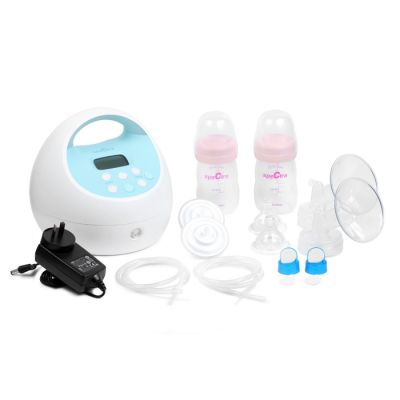
    Returning to work after maternity leave is a major transition for many Kenyan mothers. For breastfeeding mums, one of the biggest questions is how to continue providing breast milk while away from their babies.

    A breast pump can help mothers express and store breast milk when direct breastfeeding is not possible. Choosing the right option depends on lifestyle, budget, frequency of pumping, comfort, and work schedule.

    For working mothers in Nairobi areas such as Rongai, Ngong, Karen, Lang’ata, Kilimani, and Westlands, breast pumps have become an important part of planning a smooth return to work.

    At Our Mall Pharmacy, mothers often ask about the difference between manual and electric breast pumps in Kenya, including:

    • Which pump is more comfortable?
    • Which one is faster?
    • How much do breast pumps cost?
    • Which pump is better for working mums?
    • What accessories are needed?

    This guide compares manual and electric breast pumps, explains how they work, and helps mothers choose based on their individual needs.

    Explore mother and baby healthcare products:

    mother-baby


    What Is a Breast Pump?

    A breast pump is a device used to remove breast milk from the breast so it can be stored and fed to a baby later. Breast pumps help mothers maintain breastfeeding when direct feeding is not always possible.

    Breast pumps work by creating suction around the nipple and areola, allowing milk to be expressed into a collection container.

    Common reasons mothers use breast pumps include:

    • Returning to work
    • Increasing flexibility with feeding
    • Building a milk supply
    • Expressing milk when separated from the baby
    • Relieving breast fullness

    Breast pumps are available in different designs, including:

    • Manual breast pumps
    • Electric breast pumps
    • Single electric pumps
    • Double electric pumps

    Why Are Breast Pumps Popular Among Working Mums in Kenya?

    Breast pumps are popular among working mums because they allow mothers to express milk during work hours while continuing to provide breast milk for their babies.

    Many Kenyan mothers return to work after maternity leave and need practical solutions for maintaining breastfeeding routines.

    Common situations include:

    • Office-based work
    • Long commuting times
    • Shift work
    • Business owners managing busy schedules
    • Mothers travelling away from home

    In Nairobi, traffic and long commuting distances can make planning feeding schedules challenging. Expressing milk allows mothers to prepare feeds while maintaining their breastfeeding goals.


    Manual vs Electric Breast Pumps: Which Is Better?

    Manual and electric breast pumps both help mothers express breast milk, but electric pumps are generally faster for frequent pumping while manual pumps are affordable, portable, and simple to use.

    The better choice depends on how often a mother plans to pump.

    Feature Manual Breast Pump Electric Breast Pump
    Power source Hand-operated Battery or electricity
    Speed Slower Faster
    Cost Usually lower Usually higher
    Portability Very easy to carry Depends on model
    Noise level Quiet Some models make noise
    Best for Occasional pumping Frequent pumping
    Effort required More hand effort Less physical effort

    What Are Manual Breast Pumps?

    Manual breast pumps use hand-operated suction to express milk and are commonly chosen by mothers who pump occasionally or want an affordable option.

    Manual pumps are popular because they are:

    • Affordable
    • Lightweight
    • Easy to carry
    • Quiet
    • Simple to clean

    They may suit mothers who:

    • Pump occasionally
    • Stay at home most of the time
    • Need a backup pump
    • Travel frequently

    However, manual pumps require the mother to operate the handle repeatedly, which may become tiring during frequent pumping sessions.


    What Are Electric Breast Pumps?

    Electric breast pumps use a motor to create suction and are designed to make frequent expressing easier and more efficient.

    Electric pumps are often preferred by mothers who:

    • Pump multiple times daily
    • Return to work
    • Need to express larger amounts of milk
    • Want reduced hand effort

    Benefits may include:

    • Adjustable suction levels
    • Faster pumping sessions
    • Less manual effort
    • Double pumping options in some models

    Some mothers prefer electric pumps because they save time during busy working days.


    Manual vs Electric Breast Pump Cost in Kenya

    The cost of breast pumps in Kenya varies depending on the brand, features, quality, and whether the pump is manual or electric.

    Type General Price Range in Kenya
    Manual breast pump Lower cost option
    Single electric pump Medium price range
    Double electric pump Higher cost option

    Factors affecting price include:

    • Brand reputation
    • Pump technology
    • Accessories included
    • Warranty support
    • Availability of replacement parts

    A pharmacist or baby care specialist can help mothers choose a pump that matches their budget and lifestyle.


    Which Breast Pump Is Best for a Working Mum?

    For working mums who pump regularly, an electric breast pump is often more convenient because it saves time and reduces hand effort. Manual pumps may be suitable for occasional expressing or as a backup option.

    A working mother should consider:

    Choose a Manual Pump If:

    • You pump occasionally.
    • You need a portable option.
    • You have a limited budget.
    • You prefer a quiet pump.

    Choose an Electric Pump If:

    • You pump every working day.
    • You need faster expressing.
    • You want adjustable suction.
    • You have a busy schedule.

    Breast Pump Accessories Every Mother Should Consider

    Breast pump accessories help make expressing, storing, and transporting breast milk easier and more hygienic.

    Common accessories include:

    Accessory Purpose
    Milk storage bags Store expressed milk
    Breast milk bottles Collect and feed milk
    Bottle brush Cleaning equipment
    Spare valves Replacement parts
    Cooler bag Transport stored milk
    Breast pads Manage milk leakage

    Proper cleaning and storage are important for maintaining milk hygiene.


    How to Express Breast Milk Safely

    Safe milk expression involves clean hands, properly cleaned equipment, suitable storage containers, and following recommended storage practices.

    Basic steps include:

    1. Wash hands before expressing.
    2. Clean pump parts properly.
    3. Find a comfortable private space.
    4. Store expressed milk safely.
    5. Label stored milk where necessary.

    Mothers should follow guidance from healthcare providers regarding breastfeeding and milk storage.

    What Features Should You Look for When Buying a Breast Pump in Kenya?

    The best breast pump features depend on your pumping frequency, comfort needs, lifestyle, and budget. A good breast pump should be comfortable, easy to clean, reliable, and suitable for your daily routine.

    Before buying a breast pump, consider:

    1. Suction Comfort

    A pump should allow comfortable expression without causing unnecessary discomfort.

    Useful features include:

    • Adjustable suction levels
    • Different flange sizes
    • Comfortable breast shields

    Every mother’s body is different, so comfort is an important factor.


    2. Ease of Cleaning

    Breast pump parts should be easy to wash and maintain because cleanliness is essential when expressing milk for a baby.

    Look for:

    • Fewer parts to assemble
    • Easy-to-clean bottles
    • Replaceable accessories

    Complex pumps may become difficult to maintain, especially for busy working mothers.


    3. Portability

    Working mums often need pumps that can fit into their daily routine.

    Consider:

    • Weight
    • Battery options
    • Carrying case availability
    • Noise level

    For mothers commuting around Nairobi, a compact pump may be more practical.


    4. Replacement Parts Availability

    A good breast pump should have accessible replacement parts such as:

    • Valves
    • Tubing
    • Bottles
    • Breast shields

    Choosing a recognised brand can make future maintenance easier.


    Breast Pump Checklist for Working Mums in Kenya

    A working mum’s breast pump kit should include the pump itself, storage supplies, cleaning items, and accessories needed for expressing milk away from home.

    Item Purpose
    Breast pump Express breast milk
    Milk storage bags Store expressed milk
    Milk bottles Collect and feed milk
    Cooler bag Transport milk safely
    Ice packs Help maintain temperature
    Cleaning brush Clean pump parts
    Spare parts Replace worn components
    Nursing cover (optional) Privacy while expressing

    How Often Should a Working Mum Pump at Work?

    The frequency of pumping depends on the baby’s age, feeding routine, milk supply, and mother’s individual circumstances. Many mothers create a schedule that matches their baby’s normal feeding pattern.

    Working mothers often plan pumping sessions around:

    • Work breaks
    • Baby feeding needs
    • Workplace arrangements
    • Travel time

    A consistent routine may help mothers maintain their breastfeeding plans.

    Mothers should seek guidance from healthcare professionals if they experience challenges with milk supply, pain, or breastfeeding concerns.


    Common Breast Pumping Mistakes Mothers Make

    Many breastfeeding challenges occur because of incorrect pump use, poor cleaning routines, or choosing a pump that does not match the mother’s needs.

    Common mistakes include:

    1. Choosing Only Based on Price

    The cheapest option may not always provide the comfort or features needed for regular use.

    2. Using the Wrong Breast Shield Size

    An incorrect fit may affect comfort and pumping efficiency.

    3. Not Cleaning Parts Properly

    Pump parts that contact milk should be cleaned according to manufacturer instructions.

    4. Ignoring Comfort

    Pumping should not cause ongoing pain. Mothers should seek advice if they experience discomfort.

    5. Waiting Until Returning to Work

    It may help to understand how the pump works before the first working day.


    Real Pharmacy Experience: What Kenyan Mothers Ask About Breast Pumps

    Pharmacists commonly help mothers compare breast pumps, explain product differences, and choose baby care items that fit their lifestyle and budget.

    At Our Mall Pharmacy, common questions include:

    “Should I buy a manual or electric breast pump?”

    This depends on how frequently the mother plans to express milk. Working mums who pump regularly often consider electric options because they can save time.

    “Are expensive breast pumps always better?”

    Not necessarily. The best choice depends on comfort, features, reliability, and personal needs.

    “Can I travel with a breast pump?”

    Many mothers travel with portable pumps. The size, battery options, and storage requirements affect convenience.

    “What else do I need besides the pump?”

    Most mothers also need storage containers, cleaning supplies, and a way to transport expressed milk.


    Breast Pump Comparison: Manual vs Electric Summary

    Category Manual Pump Electric Pump
    Best for Occasional expressing Frequent expressing
    Working mums Suitable for some Often preferred
    Speed Slower Faster
    Noise Very quiet Varies by model
    Cost Lower Higher
    Portability Excellent Depends on model
    Effort More hand effort Less physical effort
    Maintenance Usually simple May require more care

    Where Can You Buy Breast Pumps in Kenya?

    Breast pumps in Kenya are available through pharmacies, baby stores, and healthcare retailers. Buying from a trusted pharmacy helps mothers receive guidance on product selection, safe use, and accessories.

    When choosing where to buy:

    Look for:

    • Genuine products
    • Clear product information
    • Customer support
    • Availability of accessories
    • Professional advice

    At Our Mall Pharmacy, we support mothers by helping them choose suitable mother and baby products based on their individual needs.

    Explore:


    Breastfeeding Support Products for New Mothers

    Breastfeeding support products can help mothers manage daily breastfeeding routines, especially when returning to work or combining breastfeeding with other feeding arrangements.

    Useful products may include:

    • Breast pumps
    • Breast milk storage bags
    • Nursing bras
    • Breast pads
    • Baby bottles
    • Baby care products

    Mothers should remember that every breastfeeding journey is different. Professional support can help address individual challenges.


    Frequently Asked Questions (FAQs)

    What is the best breast pump in Kenya?

    The best breast pump depends on how often you plan to express milk, your budget, comfort preferences, and lifestyle. Working mums who pump frequently often prefer electric pumps, while occasional users may prefer manual pumps.


    Are electric breast pumps better than manual pumps?

    Electric breast pumps are usually faster and require less hand effort, while manual pumps are affordable, quiet, and portable. The better choice depends on your personal needs.


    How much does a breast pump cost in Kenya?

    Breast pump prices in Kenya vary depending on whether the pump is manual or electric, the brand, features, and included accessories.


    Can I use a breast pump when I return to work?

    Yes. Many mothers use breast pumps after returning to work to express milk during the day and continue breastfeeding while away from their babies.


    How do I clean a breast pump?

    Clean breast pump parts that contact milk according to the manufacturer’s instructions. Proper cleaning helps maintain hygiene and milk safety.


    How long can expressed breast milk be stored?

    Storage time depends on conditions such as temperature and storage method. Mothers should follow recommended breastfeeding guidance from healthcare professionals.


    Do I need an electric breast pump as a working mum?

    Not every working mum needs an electric pump, but mothers who express frequently may find electric pumps more convenient because they can save time and reduce hand effort.


    Where can I get advice before buying a breast pump in Nairobi?

    A pharmacist or healthcare professional can help explain different breast pump options and guide you toward a product that matches your needs.


    Related Resources

    Explore more products and support:


    Contact Our Mall Pharmacy

    Call Us: +254 722 390 003

    Mon-Sat 9AM-8PM, Sun 10:30AM-6PM

    WhatsApp: Chat with a Pharmacist (Instant responses)

    Email: ourmallpharmacy@gmail.com

    (We reply within 2 hours)

    Visit Us:

    Our Mall, Off Magadi Rd, Avocado Lane, Ground Floor (Shop No. 22)

    Mon-Sat 9AM-8PM, Sun 10:30AM-6PM


    Final Takeaway

    Choosing between manual and electric breast pumps in Kenya depends on your breastfeeding goals, work schedule, comfort, and budget. Manual pumps can be practical for occasional use, while electric pumps may offer more convenience for mothers expressing milk regularly.

    For working mums preparing for their return to work, planning ahead and choosing the right breastfeeding supplies can make the transition easier.

    Our Mall Pharmacy provides trusted mother and baby healthcare products with professional guidance to help Kenyan families make informed choices.

  • Nappy Rash Cream Kenya: 2026 Guide (Zinc Oxide vs Petroleum Barrier) | Our Mall Pharmacy Kenya

    Nappy Rash Cream Kenya: 2026 Guide (Zinc Oxide vs Petroleum Barrier) | Our Mall Pharmacy Kenya

    Nappy rash is one of the most common skin concerns among babies in Kenya. Many parents experience it during the first months of a baby’s life, especially when nappies remain wet for long periods, during hot weather, or when a baby’s sensitive skin reacts to moisture, friction, or irritation.

    For parents in Nairobi, including areas such as Rongai, Ngong, Karen, Lang’ata, Kilimani, and Westlands, choosing the right nappy rash cream in Kenya can feel confusing because pharmacies and baby shops offer many different products.

    Two of the most commonly used barrier options are:

    • Zinc oxide creams
    • Petroleum-based barrier creams

    Both can help protect baby skin, but they work differently and may suit different situations.

    At Our Mall Pharmacy, pharmacists regularly help parents choose baby skincare products based on the severity of the rash, baby’s age, skin sensitivity, and daily care routine.

    This guide explains how nappy rash creams work, the difference between zinc oxide and petroleum barriers, what parents should look for, and when a baby’s rash needs medical attention.


    What Is Nappy Rash?

    Nappy rash is an irritation or inflammation of a baby’s skin in the nappy area, usually caused by moisture, friction, contact with urine or stool, and sensitivity to products.

    Nappy rash is also called diaper rash. It commonly affects areas covered by the nappy, including:

    • Buttocks
    • Groin folds
    • Upper thighs
    • Skin around the genitals

    A mild rash may appear as:

    • Redness
    • Slight irritation
    • Dry skin
    • Small patches of discomfort

    More severe cases may involve:

    • Bright redness
    • Skin breakdown
    • Swelling
    • Blisters
    • Signs of infection

    Babies have thinner and more delicate skin than adults, making them more vulnerable to irritation.


    Why Do Babies Get Nappy Rash in Kenya?

    Babies develop nappy rash when moisture, friction, irritants, or microorganisms affect the sensitive skin covered by the nappy. Climate, nappy changes, and skincare routines can influence how often rashes occur.

    Several factors contribute to nappy rash among Kenyan babies.

    1. Prolonged Wetness

    When urine remains against the skin for too long, it can weaken the skin barrier and increase irritation.

    2. Frequent Stool Contact

    Stool contains enzymes that can irritate delicate baby skin, especially when a baby has diarrhoea.

    3. Hot Weather

    In warmer areas and during hot seasons, sweating can increase moisture around the nappy area.

    Parents in Nairobi often notice more skin irritation during warmer periods when babies sweat more.

    Coastal areas such as Mombasa may have additional challenges because higher humidity can increase moisture around covered skin areas.

    4. New Products

    Some babies react to:

    • New wipes
    • New soaps
    • Fragranced products
    • Laundry detergents

    5. Incorrect Nappy Fit

    A nappy that is too tight can increase friction and irritation.


    What Is Nappy Rash Cream?

    Nappy rash cream is a protective skincare product designed to create a barrier between a baby’s skin and irritants such as moisture, urine, and stool.

    Most nappy rash creams work by:

    • Reducing friction
    • Protecting the skin barrier
    • Limiting moisture exposure
    • Supporting skin recovery

    Common ingredients include:

    • Zinc oxide
    • Petroleum jelly
    • Panthenol
    • Lanolin
    • Other skin-protective ingredients

    The best option depends on the baby’s skin condition and the type of rash.

    You can explore mother and baby healthcare products through:

    mother-baby


    Zinc Oxide vs Petroleum Barrier: Which Is Better for Nappy Rash?

    Zinc oxide and petroleum barriers both protect baby skin, but zinc oxide creates a protective mineral barrier while petroleum-based products mainly lock in moisture and reduce friction.

    Neither ingredient is automatically better for every baby.

    The right choice depends on:

    • Whether the rash is mild or irritated
    • How often the nappy is changed
    • Baby’s skin sensitivity
    • Whether prevention or treatment support is needed

    Zinc Oxide Nappy Rash Cream

    Zinc oxide creams form a protective layer over the skin and are commonly used to help protect irritated nappy areas from moisture and further irritation.

    Zinc oxide is a mineral ingredient widely used in baby skincare.

    Benefits may include:

    • Creates a physical barrier
    • Helps protect irritated skin
    • Reduces exposure to moisture
    • Suitable for routine nappy care

    Parents commonly choose zinc oxide creams when:

    • Baby already has redness
    • Skin appears irritated
    • Extra protection is needed

    Petroleum Barrier Cream

    Petroleum-based barriers protect baby skin by creating a moisture-resistant layer that reduces friction and helps prevent irritants from contacting the skin.

    Petroleum jelly-based products are commonly used for:

    • Daily prevention
    • Protecting healthy skin
    • Reducing friction from nappies

    They are often easy to apply and spread.

    Many parents prefer petroleum barriers for everyday nappy changes, especially when the baby’s skin is healthy but needs protection.


    Zinc Oxide vs Petroleum Barrier Comparison Table

    Feature Zinc Oxide Cream Petroleum Barrier
    Main ingredient Zinc oxide Petroleum jelly
    Main function Protective mineral barrier Moisture barrier
    Best for Mild irritation and prevention Daily protection
    Texture Usually thicker Usually smoother
    Moisture protection High High
    Application Often stays visible longer Easy spreading
    Common use Nappy rash care Routine prevention

    How Do You Choose the Best Nappy Rash Cream in Kenya?

    The best nappy rash cream depends on your baby’s skin condition, the severity of irritation, and whether you are preventing rash or managing existing redness.

    Parents should consider:

    For Prevention

    A simple barrier product may be suitable when:

    • Baby has healthy skin
    • You want protection during daily nappy changes
    • There is no significant irritation

    For Mild Rash

    A zinc oxide cream may be useful when:

    • There is redness
    • Skin looks irritated
    • Extra barrier protection is needed

    How Should You Apply Nappy Rash Cream Correctly?

    Nappy rash cream should be applied to clean, dry baby skin during nappy changes to create a protective barrier and reduce further irritation.

    Correct application helps maximise the benefit of barrier creams.

    Follow these steps:

    Step 1: Clean the Nappy Area Gently

    Use:

    • Warm water and a soft cloth, or
    • Baby wipes suitable for sensitive skin

    Avoid rubbing aggressively because friction can worsen irritation.

    Step 2: Dry the Skin Completely

    Allow the area to air dry where possible.

    Moisture trapped under a barrier cream can contribute to continued irritation.

    Step 3: Apply the Cream

    Apply a thin protective layer over areas exposed to moisture.

    For prevention:

    • A lighter layer may be enough.

    For irritated skin:

    • A thicker protective layer may be recommended depending on the product instructions.

    Step 4: Change Nappies Regularly

    Frequent changes reduce the amount of time skin is exposed to moisture.


    How Often Should You Apply Nappy Rash Cream?

    The frequency of nappy rash cream application depends on the baby’s needs, the product instructions, and whether the cream is being used for prevention or existing irritation.

    Many parents apply barrier cream:

    • During every nappy change for prevention
    • When redness appears
    • Before longer periods such as overnight sleep

    Parents should always follow the instructions provided with the specific product.


    Common Mistakes Parents Make When Treating Nappy Rash

    Many nappy rash problems continue because of avoidable skincare mistakes such as using too many products, not changing nappies often enough, or ignoring signs that require medical advice.

    Common mistakes include:

    1. Using Too Many Products

    Parents may combine several creams, powders, oils, and lotions at the same time.

    This can make it difficult to identify what is helping or irritating the skin.

    2. Using Fragranced Products

    Strong fragrances may irritate sensitive baby skin.

    Choose gentle products designed for babies.

    3. Rubbing Irritated Skin

    Aggressive cleaning can worsen inflammation.

    Use gentle movements.

    4. Leaving Wet Nappies Too Long

    Frequent changes are one of the most important prevention steps.

    5. Treating Every Rash the Same Way

    Not all rashes are simple irritation.

    Some may require assessment by a healthcare professional.


    What Baby Skincare Products Should Every Parent Have?

    Essential baby skincare products should focus on gentle cleansing, moisture protection, and safe daily care rather than using many unnecessary products.

    A basic baby skincare kit may include:

    Product Purpose
    Nappy rash cream Protects nappy area skin
    Baby wash Gentle cleansing
    Baby lotion Moisturising dry skin
    Baby wipes Convenient cleaning
    Cotton wool Gentle cleaning
    Baby towel Drying after washing
    Baby nail clippers Safe nail care

    Parents should avoid using adult skincare products on newborns unless advised by a healthcare professional.

    Explore baby and mother care products:

    mother-baby


    When Should You See a Doctor or Pharmacist About Nappy Rash?

    A healthcare professional should assess a nappy rash that is severe, persistent, spreading, or showing signs of infection.

    Parents should seek advice if:

    • The rash does not improve after several days of proper care.
    • The baby appears uncomfortable or in pain.
    • There are open areas on the skin.
    • There is swelling.
    • The rash spreads beyond the nappy area.
    • There are signs of infection.

    A pharmacist can also help parents decide whether a suitable baby skincare product is appropriate or whether medical review is needed.

    At Our Mall Pharmacy, parents often ask whether a rash is normal or requires further attention. Our pharmacists provide guidance based on symptoms and recommend appropriate next steps.


    Nappy Rash Prevention Checklist Kenya

    Preventing nappy rash involves keeping the skin clean, dry, protected, and reducing exposure to irritants.

    Use this daily checklist:

    ✅ Change nappies regularly
    ✅ Clean gently during changes
    ✅ Dry the skin properly
    ✅ Use a suitable barrier cream
    ✅ Avoid harsh soaps
    ✅ Choose appropriate nappies
    ✅ Allow some diaper-free time when possible
    ✅ Monitor changes in baby’s skin


    Real Pharmacy Experience: Questions Kenyan Parents Ask

    Pharmacists commonly help Kenyan parents choose nappy rash products by explaining ingredient differences, correct application, and when professional assessment is needed.

    Common questions include:

    “Which nappy rash cream is best for newborns?”

    Parents often ask this because newborn skin is sensitive. The best choice depends on whether the cream is needed for prevention or existing irritation.

    “Is zinc oxide safe for babies?”

    Zinc oxide is widely used in baby skincare products. Parents should use products according to manufacturer instructions.

    “Can I use petroleum jelly every day?”

    Many parents use petroleum-based barriers as part of daily nappy care. The correct choice depends on the baby’s skin condition.

    “Why does my baby keep getting nappy rash?”

    Repeated rashes may be linked to:

    • Moisture exposure
    • Nappy changes
    • Product sensitivity
    • Diarrhoea
    • Skin conditions

    Nappy Rash Cream Comparison Table

    Product Type Main Ingredient Best Used For Key Benefit
    Zinc oxide cream Zinc oxide Mild irritation and protection Strong protective barrier
    Petroleum barrier Petroleum jelly Daily prevention Reduces moisture exposure
    Baby moisturiser Skin moisturising ingredients Dry skin Supports skin hydration
    Gentle baby cleanser Mild cleansing agents Cleaning Removes dirt without harshness

    Cost of Nappy Rash Cream in Kenya

    The cost of nappy rash cream in Kenya varies depending on the brand, size, ingredients, and whether it is a basic barrier cream or a specialised baby skincare product.

    Typical factors affecting price include:

    • Brand reputation
    • Tube size
    • Ingredient quality
    • Imported vs locally available products
    • Packaging size

    Parents can choose products based on their baby’s needs rather than only price.

    A pharmacist can help identify suitable options within different budgets.

    You can browse baby care products through:

    shop


    Frequently Asked Questions (FAQs)

    What is the best nappy rash cream in Kenya?

    The best nappy rash cream depends on your baby’s skin needs. Zinc oxide creams are commonly used for protection and mild irritation, while petroleum barriers are often used for daily moisture protection.


    Is zinc oxide better than petroleum jelly for nappy rash?

    Neither option is always better. Zinc oxide provides a protective mineral barrier, while petroleum jelly creates a moisture-resistant layer that helps reduce friction.


    How quickly does nappy rash cream work?

    Mild irritation may improve with proper skincare and barrier protection, but improvement time varies depending on the cause and severity of the rash.


    Can newborn babies use nappy rash cream?

    Many nappy rash creams are designed for babies, including newborns. Parents should follow product instructions and seek advice if a newborn develops a persistent rash.


    How often should I change my baby’s nappy?

    Regular nappy changes help reduce moisture exposure and lower the risk of irritation. Frequency depends on the baby’s age, feeding pattern, and individual needs.


    When should nappy rash be treated by a doctor?

    Seek medical advice if the rash is severe, persistent, spreading, painful, or shows signs of infection.


    Where can I buy nappy rash cream in Kenya?

    Nappy rash creams are available from pharmacies and baby care retailers. Buying from a trusted pharmacy provides access to professional guidance on suitable products.


    Can a pharmacist recommend baby skincare products?

    Yes. Pharmacists can help parents choose appropriate baby care products and advise when a baby should be reviewed by a healthcare professional.


    Related Resources

    Explore more healthcare and baby products:


    Contact Our Mall Pharmacy

    Call Us: +254 722 390 003

    Mon-Sat 9AM-8PM, Sun 10:30AM-6PM

    WhatsApp: Chat with a Pharmacist (Instant responses)

    Email: ourmallpharmacy@gmail.com

    (We reply within 2 hours)

    Visit Us:

    Our Mall, Off Magadi Rd, Avocado Lane, Ground Floor (Shop No. 22)

    Mon-Sat 9AM-8PM, Sun 10:30AM-6PM


    Final Takeaway

    Choosing the right nappy rash cream in Kenya depends on your baby’s skin condition, the ingredients used, and whether you need prevention or protection for existing irritation. Zinc oxide and petroleum barriers are both commonly used options, but persistent or severe rashes require professional advice.

    A simple routine of regular nappy changes, gentle cleaning, and appropriate barrier protection can help keep your baby’s skin comfortable.

    For help choosing baby care products, speak with the pharmacists at Our Mall Pharmacy for practical guidance and trusted healthcare support.

  • Keyword Density is 0. Aim for around 1% Keyword Density.

    Keyword Density is 0. Aim for around 1% Keyword Density.

    Accessing medicines online has become increasingly popular among patients who want convenient healthcare solutions without spending extra time travelling to a physical pharmacy. However, safety remains the most important consideration. Choosing a licensed online pharmacy Kenya patients can trust helps ensure medicines are supplied responsibly, prescriptions are reviewed correctly, and professional pharmacist guidance is available when needed.

    Many Kenyans now search for a licensed online pharmacy Kenya because digital healthcare services are becoming part of everyday life. Patients in Nairobi, Rongai, Ngong, Karen, Lang’ata, Kilimani, and Westlands are increasingly using online pharmacy platforms for prescription refills, chronic medication support, supplements, and healthcare products.

    However, not every website selling medicines online operates professionally. Some online sellers may offer medicines without prescription checks, provide unclear product information, or lack qualified healthcare professionals. This is why patients should understand how to identify a licensed online pharmacy Kenya before placing an order.

    At Our Mall Pharmacy, pharmacists regularly assist patients who want to purchase medicines online safely. Common requests include prescription verification, checking medicine availability, understanding dosage instructions, and choosing suitable healthcare products. A professional online pharmacy combines digital convenience with the expertise of trained pharmacists.

    The importance of using a licensed online pharmacy Kenya becomes even clearer when considering local healthcare needs. Nairobi’s dusty environment can increase allergy and sinus complaints, while cold mornings often contribute to increased flu and cough cases. Areas such as Rongai and Ngong experience temperature changes that may affect respiratory conditions. In coastal regions like Mombasa, higher humidity may contribute to fungal skin concerns.

    A reliable licensed online pharmacy Kenya helps patients access medicines while maintaining important safety standards. This includes checking prescriptions, ensuring correct medicine supply, protecting patient information, and providing professional advice.

    This 2026 guide explains what makes an online pharmacy trustworthy, how to identify a legitimate provider, why pharmacist involvement matters, and what patients should check before ordering medicines online.

    You can explore Our Mall Pharmacy Shop to view available healthcare products or Upload Your Prescription for pharmacist review.

    What Is a Licensed Online Pharmacy Kenya Patients Can Trust?

    A licensed online pharmacy Kenya patients can trust is an online medicine provider that follows pharmacy regulations, works with qualified pharmacists, verifies prescriptions, and supplies medicines through safe and responsible procedures.

    A licensed online pharmacy Kenya operates differently from ordinary online stores. Medicines require professional handling because incorrect use, wrong dosage, or unsuitable treatment can create health risks.

    A trustworthy online pharmacy should provide:

    Requirement Importance
    Qualified pharmacists Ensures professional medicine review and advice
    Prescription verification Helps prevent unsafe dispensing
    Clear business information Allows patients to confirm legitimacy
    Secure ordering process Protects patient information
    Proper medicine storage Maintains product quality

    When patients choose a licensed online pharmacy Kenya, they receive the convenience of digital ordering while still benefiting from professional healthcare support.

    For example, a patient ordering hypertension medicine should not only select a product online and pay. The pharmacy should confirm the prescription, check the medicine strength, and ensure the instructions are clear.

    A professional licensed online pharmacy Kenya may contact a patient when:

    • The prescription image is unclear.
    • The dosage information is missing.
    • The medicine requires additional clarification.
    • There are concerns about possible medicine interactions.

    This process protects patients and supports responsible medicine use.

    At Our Mall Pharmacy, patients can access Chronic Care Services for long-term medication support and explore All Products for healthcare needs.

    How to Identify a Licensed Online Pharmacy Kenya Before Ordering

    To identify a licensed online pharmacy Kenya, check for qualified pharmacist support, clear contact information, proper prescription procedures, and evidence that the pharmacy follows professional healthcare standards.

    Before ordering medicines online, patients should confirm that the platform is a genuine pharmacy and not an unverified seller.

    Steps to Verify a Licensed Online Pharmacy Kenya

    1. Check Pharmacist Availability

    A genuine licensed online pharmacy Kenya should provide access to trained pharmacy professionals who can answer medicine-related questions.

    Patients should look for:

    • Pharmacist consultation options.
    • Professional healthcare advice.
    • Clear pharmacy information.
    • Customer support channels.

    2. Confirm Business Details

    A reliable online pharmacy should provide:

    • Physical pharmacy location.
    • Telephone contacts.
    • Email information.
    • Operating hours.

    A real address helps patients know they are dealing with an established healthcare provider.

    3. Review Prescription Requirements

    A licensed online pharmacy Kenya should not sell prescription medicines without proper checks.

    Prescription verification helps confirm:

    • The medicine is appropriate.
    • The dosage is correct.
    • The patient receives proper guidance.

    Patients can use Upload Prescription Service to submit prescription details for review.

    Why Use a Licensed Online Pharmacy Kenya for Prescription Medicines?

    A licensed online pharmacy Kenya provides safer access to prescription medicines by ensuring prescriptions are reviewed, medicines are correctly supplied, and patients receive professional pharmacist guidance.

    Prescription medicines require more attention than general healthcare products. Antibiotics, chronic medication, and specialised treatments should only be supplied after appropriate review.

    A licensed online pharmacy Kenya helps patients avoid common medicine mistakes, including:

    • Taking the wrong medicine.
    • Using incorrect dosages.
    • Mixing medicines without professional advice.
    • Using expired or poor-quality products.

    Prescription Verification at a Licensed Online Pharmacy Kenya

    Pharmacists review important details such as:

    Prescription Information Purpose
    Patient name Confirms correct patient use
    Medicine name Ensures correct product
    Strength Prevents dosage errors
    Instructions Supports proper use
    Doctor details Helps confirm prescription validity

    A licensed online pharmacy Kenya follows these checks because patient safety comes before convenience.

    Conclusion: Choosing a Licensed Online Pharmacy Kenya

    Choosing a licensed online pharmacy Kenya helps patients access medicines conveniently while ensuring prescription safety, pharmacist support, and responsible medicine dispensing. A trusted online pharmacy follows professional standards to protect patients before, during, and after every order.

    As more Kenyans turn to digital healthcare services, knowing how to choose a licensed online pharmacy Kenya is essential for safe medicine access. Online ordering can save time and make healthcare more convenient, but patients should always confirm that they are dealing with a genuine pharmacy that prioritises safety.

    A reliable licensed online pharmacy Kenya should provide:

    • Qualified pharmacist support.
    • Proper prescription verification.
    • Clear medicine information.
    • Secure handling of patient details.
    • Transparent business contacts.
    • Professional advice on medicine use.

    Patients should avoid online sellers that provide prescription medicines without checks, hide their business information, or make unrealistic health claims. A professional pharmacy does not only sell medicines; it provides guidance that helps patients use medicines correctly.

    At Our Mall Pharmacy, we combine online convenience with professional pharmacy care. Our pharmacists support patients with prescription reviews, medicine availability checks, chronic medication needs, and general healthcare guidance across Nairobi and surrounding areas, including Rongai, Ngong, Karen, Lang’ata, Kilimani, and Westlands.

    Whether you need regular medication, a prescription refill, supplements, or healthcare advice, choosing a trusted licensed online pharmacy Kenya gives you confidence that your health needs are handled professionally.

    Contact Our Mall Pharmacy

    Need help finding medicines, verifying a prescription, or choosing a reliable online pharmacy? Our qualified pharmacy team is available to provide professional assistance.

    Call Us: +254 722 390 003

    WhatsApp: Chat with a Pharmacist (Instant responses)

    Email: ourmallpharmacy@gmail.com
    (We reply within 2 hours)

    Visit Us:
    Our Mall, Off Magadi Rd, Avocado Lane, Ground Floor (Shop No. 22)

    Opening Hours:

    • Monday – Saturday: 9:00 AM – 8:00 PM
    • Sunday: 10:30 AM – 6:00 PM

    Helpful Links

    Medical Disclaimer:
    This article is for educational purposes only and does not replace professional medical advice, diagnosis, or treatment. Always consult a qualified healthcare professional or pharmacist before starting, stopping, or changing any medication.

  • Is Online Pharmacy Legal in Kenya? What Patients Must Know (2026 Guide)

    Is Online Pharmacy Legal in Kenya? What Patients Must Know (2026 Guide)

    The growth of digital healthcare has made it easier for patients to access medicines, healthcare advice, and pharmacy services from their phones. However, many Kenyans still ask an important question: is online pharmacy legal in Kenya? Understanding the rules helps patients know where they can safely order medicines and which online sellers they should avoid.

    The answer depends on whether the online pharmacy operates legally, follows professional pharmacy standards, and involves qualified pharmacists in the medicine dispensing process. A trusted online pharmacy legal in Kenya should provide the same level of safety and professional care expected from a physical pharmacy.

    At Our Mall Pharmacy, patients from Nairobi and surrounding areas such as Rongai, Ngong, Karen, Lang’ata, Kilimani, and Westlands frequently ask about ordering medicines online. Common questions include whether prescriptions are required, how medicine orders are verified, and how patients can confirm they are using a reliable pharmacy service.

    The question is online pharmacy legal in Kenya has become more important as more people use online platforms for healthcare convenience. Busy professionals, elderly patients, caregivers, and individuals managing chronic conditions often prefer digital pharmacy services because they reduce travel time and make medicine access easier.

    However, buying medicines online requires caution. Unlike ordinary products, medicines directly affect health and must be handled responsibly. A professional online pharmacy legal in Kenya does not simply process orders; it ensures prescriptions are checked, medicines are supplied correctly, and patients receive appropriate guidance.

    The Pharmacy and Poisons Board (PPB) regulates pharmacy practice in Kenya and promotes safe medicine use. A compliant online pharmacy must follow professional requirements, including responsible dispensing, prescription verification, and involvement of qualified pharmacy professionals.

    Is Online Pharmacy Legal in Kenya?

    Yes, an online pharmacy legal in Kenya can operate when it follows pharmacy regulations, works with qualified pharmacists, and follows proper prescription medicine dispensing procedures. Patients should only purchase medicines from trusted pharmacies that verify prescriptions and prioritise safety.

    Many patients searching for online healthcare services ask, is online pharmacy legal in Kenya, because they want convenience while protecting their health. Online pharmacies can provide legitimate healthcare services when they operate under proper pharmacy standards.

    A legal online pharmacy should provide:

    Requirement Why It Matters
    Qualified pharmacists Ensures professional medicine review and advice
    Prescription verification Prevents unsafe dispensing of prescription medicines
    Clear business information Helps patients identify trustworthy providers
    Secure patient information handling Protects personal healthcare details
    Proper medicine storage and handling Maintains medicine quality

    A genuine online pharmacy legal in Kenya must maintain professional responsibility. Patients should be cautious of websites or social media sellers offering prescription medicines without asking for a prescription or providing pharmacist support.

    For example, a patient ordering blood pressure medicine online should not only select the product and pay. The pharmacy should confirm the prescription details, medicine strength, dosage instructions, and whether the medicine matches the patient’s treatment plan.

    At Our Mall Pharmacy, patients can upload a prescription online for pharmacist review before medicine preparation. You can also browse medicines available online or view all healthcare products.

    Why Is Online Pharmacy Legal in Kenya Important for Patient Safety?

    Understanding is online pharmacy legal in Kenya helps patients avoid unsafe medicine sellers and choose pharmacies that provide professional guidance, prescription checks, and reliable healthcare support.

    The question is online pharmacy legal in Kenya is not only about whether patients can place orders online. It is also about ensuring medicines are supplied safely and responsibly.

    Pharmacists play an important role in online medicine services by checking:

    • Correct medicine selection.
    • Prescription validity.
    • Dosage instructions.
    • Possible medicine interactions.
    • Patient questions and concerns.

    A reliable online pharmacy legal in Kenya provides access to professional advice instead of leaving patients to make medical decisions alone.

    Common situations pharmacists handle include:

    Chronic Medication Requests

    Many patients managing diabetes, hypertension, and other long-term conditions prefer online refills because they need regular access to medicines. A pharmacist may review (is online pharmacy legal)previous prescriptions and confirm that the medicine request is appropriate.

    Patients can also explore the Chronic Care section for healthcare support products and information.

    Respiratory Medicine Requests

    In Nairobi, Rongai, and Ngong, pharmacists commonly see increased demand for flu medicines, cough products, and allergy treatments during colder months. Dust exposure can also contribute to sinus and allergy complaints.

    Patients may search is online pharmacy legal in Kenya when looking for faster access to these medicines, especially when they cannot easily travel to a pharmacy.

    Skin and Fungal Treatment Requests

    In coastal regions such as Mombasa, humidity can contribute to increased fungal skin concerns. Patients may seek online pharmacy advice but should always use professional guidance before starting treatment.

    A trusted online pharmacy legal in Kenya ensures patients receive appropriate recommendations and do not misuse medicines.

    How Does an Online Pharmacy Legal in Kenya Work?

    An online pharmacy legal in Kenya works by combining digital ordering with pharmacist supervision, prescription verification, medicine preparation, and professional patient support.

    The process usually follows these steps:

    Step 1: Select a Medicine or Submit a Prescription

    Patients can browse available products or submit prescriptions for pharmacist review. Prescription medicines require additional checks before supply.

    You can use the Upload Prescription service to submit your prescription details securely.

    Step 2: Pharmacist Verification

    A pharmacist reviews the prescription to confirm:

    • Medicine name.
    • Strength.
    • Dosage instructions.
    • Doctor information.
    • Prescription date.
    • Patient details.

    This step ensures the pharmacy follows safe dispensing practices.

    Step 3: Medicine Preparation

    After approval, the pharmacy prepares the order and provides guidance on medicine use where required.

    Step 4: Collection or Delivery

    Patients can arrange collection or delivery depending on the available pharmacy services.

    Knowing is online pharmacy legal in Kenya helps patients understand that online medicine ordering is not simply an automated purchase process. Professional pharmacists remain involved to protect patient safety.

    Conclusion: Is Online Pharmacy Legal in Kenya?

    Understanding is online pharmacy legal in Kenya helps patients make safer healthcare decisions when ordering medicines online. A trustedis online pharmacy legal follows professional regulations, verifies prescriptions, and provides pharmacist guidance to ensure responsible medicine access.

    The question is online pharmacy legal in Kenya is becoming increasingly common as more patients look for convenient ways to access healthcare products and prescription medicines. Online pharmacy services can provide valuable support when they operate according to pharmacy regulations and maintain proper medicine safety procedures.

    Patients should always choose pharmacies that provide:

    • Qualified pharmacist support.
    • Prescription verification before dispensing prescription medicines.
    • Clear medicine information.
    • Secure handling of personal health details.
    • Reliable customer support.

    A professional online pharmacy legal in Kenya does not replace the role of pharmacists; instead, it uses technology to make professional healthcare services more accessible. Whether you need regular chronic medication, prescription refills, or advice about available treatments, pharmacist guidance remains an important part of safe medicine use.

    At Our Mall Pharmacy, we help patients access medicines conveniently while maintaining professional pharmacy standards. Our pharmacists assist with prescription reviews, medicine availability checks, and healthcare guidance for patients across Nairobi and surrounding areas, including Rongai, Ngong, Karen, Lang’ata, Kilimani, and Westlands.

    Before ordering prescription medicines online, always confirm that you are using a trusted pharmacy that prioritises patient safety. If you are unsure whether a medicine is suitable for you or need help with your prescription, speak with our pharmacy team for professional support.

    Contact Our Mall Pharmacy

    Need help to buy prescription medicine online in Kenya, verify a prescription, or speak with a pharmacist? Our team is ready to assist you with reliable medicine access and professional healthcare guidance.

    Call Us: +254 722 390 003

    WhatsApp: Chat with a Pharmacist (Instant responses)

    Email: ourmallpharmacy@gmail.com
    (We reply within 2 hours)

    Visit Us:
    Our Mall, Off Magadi Rd, Avocado Lane, Ground Floor (Shop No. 22)

    Opening Hours:

    • Monday – Saturday: 9:00 AM – 8:00 PM
    • Sunday: 10:30 AM – 6:00 PM

    Helpful Links

    Medical Disclaimer:
    This article is for educational purposes only and does not replace professional medical advice, diagnosis, or treatment. Always consult a qualified healthcare professional or pharmacist before starting, stopping, or changing any medication.

  • How to Upload a Prescription Online in Kenya: What Pharmacies Must See (2026 Guide)

    How to Upload a Prescription Online in Kenya: What Pharmacies Must See (2026 Guide)

    Ordering prescription medicines online has become increasingly convenient for patients across Kenya. Whether you need treatment for an acute illness or a refill for long-term medication, knowing how to upload a prescription online in Kenya correctly helps ensure your medicines are reviewed, verified, and prepared without unnecessary delays. As more patients choose digital pharmacy services, understanding how to upload a prescription online in Kenya safely has become an important part of accessing quality healthcare.

    At Our Mall Pharmacy, pharmacists assist many patients from Nairobi, Rongai, Ngong, Karen, Lang’ata, Kilimani, Westlands, and other parts of Kenya who want to upload a prescription online in Kenya for medicine collection or delivery. One of the most common reasons for delays is an incomplete or unreadable prescription. Learning how to upload a prescription online in Kenya properly can help speed up the verification process and reduce the need for follow-up calls.

    When you upload a prescription online in Kenya, pharmacists do more than simply read the medicine name. They verify the doctor’s details, prescription date, patient information, dosage instructions, medicine strength, treatment duration, and whether the prescription complies with professional dispensing requirements. These checks are essential for patient safety and help prevent medication errors.

    Many patients believe they can upload a prescription online in Kenya using any photo from their phone. However, a blurred image, cropped document, missing doctor’s signature, or unclear dosage instructions may prevent a pharmacist from processing the prescription. A complete and legible prescription allows pharmacists to confirm that the prescribed medicines are appropriate and safe before dispensing them.

    The need to upload a prescription online in Kenya has grown significantly as patients look for faster, more convenient healthcare services. Parents ordering medicines for children, caregivers supporting elderly relatives, and patients managing chronic illnesses all benefit from secure online prescription services. Instead of travelling to multiple pharmacies, patients can upload a prescription online in Kenya, receive professional review, and arrange medicine collection or delivery where available.

    At Our Mall Pharmacy, pharmacists also notice seasonal trends that increase online prescription requests. During Nairobi’s cold mornings and rainy seasons, more patients require medicines for flu, coughs, sore throats, and respiratory infections. Dusty conditions around Nairobi, Rongai, and Ngong often trigger allergies and sinus problems, while the humid coastal climate around Mombasa contributes to fungal skin infections that may require prescription treatment. In these situations, patients frequently choose to upload a prescription online in Kenya to access medicines more conveniently.

    Professional pharmacy practice in Kenya is regulated by the Pharmacy and Poisons Board, which requires prescription medicines to be dispensed responsibly by qualified pharmacy professionals. Every time you upload a prescription online in Kenya, licensed pharmacists review the prescription to confirm authenticity, ensure appropriate medicine supply, and protect patient safety. This careful verification process is one of the reasons why reputable pharmacies may occasionally contact patients or prescribers for clarification before dispensing medicines.

    This comprehensive 2026 guide explains everything you need to know before you upload a prescription online in Kenya, including the information pharmacies must see, common mistakes to avoid, how pharmacists verify prescriptions, patient safety requirements, and practical tips for faster approval. You’ll also learn how to prepare a clear prescription image and understand why accurate documentation is essential for safe medicine dispensing.

    If you need professional assistance, you can Upload Your Prescription directly through Our Mall Pharmacy for pharmacist review. You can also browse the Our Mall Pharmacy Shop, explore All Products, or read more expert healthcare advice in our Health Articles.

    How Do You Upload a Prescription Online in Kenya?

    To upload a prescription online in Kenya, take a clear photo or scan of your valid prescription and submit it through a licensed pharmacy’s secure prescription upload service. The prescription must be complete, readable, signed by an authorised healthcare practitioner, and contain all the information required for safe medicine dispensing.

    Understanding how to upload a prescription online in Kenya correctly is essential for ensuring your medicines are processed quickly and accurately. Licensed pharmacies review every prescription before dispensing medicines to confirm that it is genuine, complete, and clinically appropriate.

    Before you upload a prescription online in Kenya, ensure that the prescription includes:

    • The patient’s full name.
    • The prescribing doctor’s name and professional details.
    • The doctor’s signature and official stamp where applicable.
    • The date the prescription was issued.
    • The medicine name and strength.
    • Clear dosage instructions.
    • Treatment duration or quantity prescribed.

    Pharmacists also check that the prescription is readable and that all pages have been uploaded where multiple pages are involved. If any information is unclear, they may contact you or the prescribing healthcare provider before preparing your medicines.

    At Our Mall Pharmacy, patients can conveniently Upload Your Prescription for professional review. Once your prescription has been verified, our pharmacy team can advise on medicine availability, answer your questions, and help arrange collection or delivery where applicable.

    What Information Is Required to Upload a Prescription Online in Kenya?

    When you upload a prescription online in Kenya, pharmacists must clearly see the patient’s information, the prescriber’s details, the prescribed medicines, dosage instructions, the prescription date, and any other information needed to verify and dispense medicines safely.

    Every time you upload a prescription online in Kenya, pharmacists carefully review the document to ensure it contains all the information required under professional pharmacy practice. Missing or unclear details can delay processing because pharmacists must confirm that the prescription is valid before supplying prescription-only medicines.

    A complete prescription should normally include:

    Information Required Why It Matters
    Patient’s full name Confirms the medicine is dispensed to the correct patient
    Doctor’s name Identifies the authorised prescriber
    Signature and stamp Helps verify prescription authenticity
    Prescription date Confirms the prescription is still valid
    Medicine name Identifies the correct medicine
    Strength and dosage Ensures safe treatment
    Quantity prescribed Confirms the amount to be supplied
    Directions for use Helps patients take medicines correctly

    Before you upload a prescription online in Kenya, check that the entire document is visible, well-lit, and easy to read. Avoid cropped photos, shadows, or blurred images that may prevent pharmacists from verifying your prescription quickly.

    Patients can also browse Prescription Medicines, explore the Chronic Care section for long-term treatment support, or Contact Our Pharmacy Team if they have questions about prescription requirements or medicine availability.

    Contact Our Mall Pharmacy

    Need help to upload a prescription online in Kenya or have questions about your prescription? Our qualified pharmacists are ready to assist you with prescription verification, medicine availability, and professional medication advice.

    Call Us: +254 722 390 003

    WhatsApp: Chat with a Pharmacist for instant responses

    Email: ourmallpharmacy@gmail.com

    Visit Us:
    Our Mall, Off Magadi Rd, Avocado Lane, Ground Floor (Shop No. 22)

    Opening Hours

    • Monday – Saturday: 9:00 AM – 8:00 PM
    • Sunday: 10:30 AM – 6:00 PM

    Helpful Links

    Medical Disclaimer: This article is for educational purposes only and should not replace professional medical advice, diagnosis, or treatment. Always use a valid prescription issued by a qualified healthcare practitioner, and consult a pharmacist if you have questions about your medication or prescription requirements.

  • Hospital Bag Checklist Kenya: 2026 Guide (Delivery & Baby Essentials) | Our Mall Pharmacy

    Hospital Bag Checklist Kenya: 2026 Guide (Delivery & Baby Essentials) | Our Mall Pharmacy

    Preparing a hospital bag before delivery is one of the most important steps expectant parents can take before welcoming a newborn. In Kenya, many mothers begin packing between 32 and 36 weeks of pregnancy to avoid last-minute stress when labour begins.

    A well-prepared hospital bag ensures that mothers have essential maternity items, baby supplies, personal care products, and important documents ready when they need them.

    At Our Mall Pharmacy, we regularly help expectant mothers from Nairobi areas such as Rongai, Ngong, Karen, Lang’ata, Kilimani, and Westlands choose maternity and baby care essentials. Many first-time parents are unsure about what hospitals provide and what they should bring themselves.

    This guide provides a practical hospital bag checklist for Kenya mums, including items commonly needed for normal delivery, caesarean delivery preparation, and newborn care.


    What Is a Hospital Bag Checklist?

    A hospital bag checklist is a prepared list of essential items a mother and baby may need during labour, delivery, and the first days after birth. It usually includes maternity supplies, baby clothing, hygiene products, documents, and comfort items.

    Every hospital has slightly different requirements, so mothers should confirm with their maternity facility before delivery.

    A typical hospital bag contains:

    • Mother’s clothing and personal items
    • Baby clothes and newborn essentials
    • Maternity hygiene products
    • Feeding supplies where needed
    • Medical documents
    • Post-delivery recovery items

    Many Kenyan mothers prefer preparing two separate bags:

    1. Labour and delivery bag
      • Items needed immediately during admission and delivery.
    2. Post-delivery baby and recovery bag
      • Items needed after birth during the hospital stay.

    This makes it easier for mothers and caregivers to find what they need quickly.

    You can also explore maternity and baby essentials through our Mother & Baby range:
    mother-baby


    When Should You Pack Your Hospital Bag in Kenya?

    Most healthcare providers recommend preparing your hospital bag around 32–36 weeks of pregnancy so you are ready if labour starts earlier than expected.

    Although many deliveries happen around the estimated due date, babies can arrive earlier. Preparing in advance gives parents time to buy missing items and organise important documents.

    Packing early is especially helpful for:

    • First-time mothers
    • Mothers expecting twins
    • Mothers with planned caesarean delivery
    • Families travelling long distances to maternity facilities

    In Nairobi and surrounding areas such as Rongai and Ngong, traffic can also affect travel time to hospitals. Having a ready hospital bag reduces delays when labour begins.


    What Should a Mother Pack in Her Hospital Bag?

    A mother’s hospital bag should include comfortable clothing, maternity hygiene products, personal care items, documents, and essentials that support recovery after delivery.

    Every mother’s needs are different, but these are commonly recommended items.

    Mother’s Clothing Checklist

    Pack:

    Item Why You Need It
    Comfortable night dresses Easier during hospital stay and breastfeeding
    Maternity underwear Provides comfort after delivery
    Nursing bras Makes breastfeeding easier
    Slippers Useful for walking around the ward
    Socks Helps keep feet warm
    Light cardigan or sweater Hospitals may feel cold
    Going-home outfit Comfortable clothing after discharge

    Choose loose, comfortable clothing rather than tight outfits.

    Many Kenyan mothers prefer cotton materials because they are breathable and comfortable in changing weather conditions.


    Which Maternity Hygiene Products Should You Pack?

    Maternity hygiene products help mothers manage postpartum bleeding, maintain comfort, and support personal care after delivery.

    Important items include:

    1. Maternity Pads

    Maternity pads are larger and more absorbent than regular sanitary pads. They are designed for postpartum bleeding after childbirth.

    Pack:

    • Several maternity pads
    • Extra packs for home use

    2. Adult or Postpartum Disposable Underwear

    Some mothers find disposable maternity underwear convenient during the first days after delivery.

    3. Toiletries

    Include:

    • Toothbrush
    • Toothpaste
    • Soap
    • Shampoo
    • Body lotion
    • Deodorant
    • Comb
    • Hair ties

    4. Personal Care Items

    Consider:

    • Lip balm
    • Tissue
    • Wet wipes
    • Hand sanitiser

    You can explore personal care and healthcare essentials through:

    shop


    What Baby Items Should Be in a Hospital Bag?

    A newborn hospital bag should include baby clothing, nappies, blankets, feeding-related items, and newborn care essentials needed during the first days after birth.

    Newborn babies need simple, comfortable items because their skin is delicate and they lose heat easily.


    Baby Clothing Checklist Kenya

    Baby Item Quantity Guide
    Newborn vests 3–5 pieces
    Baby grows/onesies 3–5 pieces
    Baby hats 2–3 pieces
    Socks or booties 2–3 pairs
    Receiving blankets 2–3 pieces
    Baby shawl 1–2 pieces
    Going-home outfit 1 set

    Choose soft fabrics, preferably cotton, that are gentle on newborn skin.


    What Baby Hygiene Products Should You Pack?

    Baby hygiene products should focus on safe newborn care, including nappies, wipes, cord care supplies, and gentle skincare products.

    Common newborn essentials include:

    • Newborn diapers
    • Baby wipes
    • Baby towel
    • Baby soap
    • Baby lotion
    • Cotton wool
    • Baby petroleum jelly where recommended
    • Cord care supplies according to healthcare advice

    Many Kenyan hospitals provide some newborn care items, but parents should confirm requirements before admission.


    Newborn Cord Care Essentials

    Umbilical cord care involves keeping the cord area clean and following healthcare provider instructions until it naturally heals.

    Parents should avoid applying unapproved substances to the baby’s cord.

    Common advice includes:

    • Wash hands before touching the cord area.
    • Keep the area clean and dry.
    • Follow hospital instructions.
    • Seek medical advice if there are signs of infection.

    At Our Mall Pharmacy, pharmacists often guide new parents on choosing appropriate baby care products and explain safe newborn hygiene practices.

    Explore baby care products here:
    mother-baby


    Hospital Documents Checklist Kenya

    Important documents help hospitals complete admission, billing, insurance, and medical records processes smoothly during delivery.

    Pack:

    • National ID or identification documents
    • NHIF/SHA or insurance details where applicable
    • Antenatal clinic card
    • Medical records
    • Doctor’s notes or referral letters
    • Birth plan if you have one
    • Emergency contacts

    Keeping documents in a waterproof folder helps prevent loss or damage.


    What Are the Most Forgotten Hospital Bag Items?

    The most commonly forgotten hospital bag items include chargers, documents, maternity pads, baby socks, toiletries, and comfortable clothes for discharge.

    A simple final check before leaving home can prevent unnecessary stress.

    Commonly forgotten items:

    • Phone charger
    • Power bank
    • Extra underwear
    • Baby blanket
    • Identification documents
    • Snacks
    • Water bottle
    • Nursing bra
    • Slippers

    Many partners or family members end up making emergency purchases because small but important items were forgotten.

    Normal Delivery vs Caesarean Section Hospital Bag Checklist

    Mothers preparing for vaginal delivery and caesarean section should pack similar essentials, but C-section recovery may require additional comfort items and post-surgery support products.

    While every birth experience is different, preparing for different possibilities helps mothers feel more confident.

    Item Normal Delivery C-Section Delivery
    Comfortable night dresses Essential Essential
    Maternity pads Essential Essential
    Nursing bras Recommended Recommended
    High-waisted comfortable underwear Helpful Very helpful after surgery
    Baby clothes Essential Essential
    Toiletries Essential Essential
    Compression socks (if advised) Sometimes useful May be recommended
    Extra recovery clothing Helpful Very helpful
    Support pillow Optional Helpful

    Always follow your healthcare provider’s advice, especially after a caesarean birth.


    What Maternity Products Are Most Important After Delivery?

    The most important postpartum products support hygiene, comfort, breastfeeding, and recovery during the weeks after childbirth.

    After delivery, mothers experience physical changes that require additional care.

    Common postpartum essentials include:

    • Maternity pads
    • Comfortable underwear
    • Nursing bras
    • Breast pads
    • Gentle skincare products
    • Baby care supplies
    • Pain relief medicines recommended by a healthcare professional
    • Supplements recommended during the postpartum period

    Many new mothers underestimate how many supplies they will need after leaving the hospital. Preparing some items in advance makes the transition home easier.

    You can explore maternity and wellness products through:

    mother-baby


    Hospital Bag Checklist Kenya: Complete Mother & Baby Table

    A complete hospital bag checklist should cover the mother’s needs, the newborn’s needs, and important items required during hospital admission and discharge.

    Category Essential Items
    Mother clothing Night dresses, nursing bras, underwear, slippers, cardigan
    Mother hygiene Maternity pads, toiletries, towels, wipes
    Baby clothing Vests, baby grows, hats, socks, blankets
    Baby hygiene Newborn diapers, wipes, cotton wool, baby towel
    Documents Antenatal card, ID, insurance details, medical records
    Comfort items Phone charger, snacks, water bottle, pillow
    Feeding support Nursing cover (optional), breast pads
    Discharge items Mother and baby going-home clothes

    How Much Does a Hospital Bag Cost in Kenya?

    The cost of preparing a hospital bag in Kenya varies depending on the brands chosen, quantity of supplies, and whether parents buy basic or premium baby products.

    Many families prepare gradually by purchasing items during pregnancy instead of buying everything at once.

    Estimated ranges:

    Hospital Bag Level Approximate Cost
    Basic essentials KSh 5,000–10,000
    Mid-range preparation KSh 10,000–20,000
    Premium preparation KSh 20,000+

    Costs vary depending on:

    • Baby clothing brands
    • Number of newborn items purchased
    • Quality of maternity products
    • Personal care preferences
    • Hospital requirements

    In Nairobi, pharmacies often help parents create practical lists based on their budget instead of buying unnecessary items.


    Common Mistakes Parents Make When Packing a Hospital Bag

    Many parents either pack too late, buy unnecessary items, or forget essential documents when preparing for delivery. Planning early helps avoid these common mistakes.

    Mistake 1: Packing Too Late

    Waiting until labour begins can create unnecessary pressure.

    Mistake 2: Buying Too Many Newborn Clothes

    Newborn babies grow quickly. A few comfortable outfits are usually enough initially.

    Mistake 3: Forgetting Hospital Documents

    Missing documents can delay admission procedures.

    Mistake 4: Ignoring Recovery Needs

    Some mothers focus only on baby items and forget their own postpartum needs.

    Mistake 5: Choosing Products Without Checking Quality

    Newborn skin is sensitive. Choose trusted baby care products from reputable sources.


    A Step-by-Step Guide to Preparing Your Hospital Bag

    Preparing a hospital bag step-by-step helps expectant parents stay organised and ensures important items are available when labour begins.

    Step 1: Confirm Hospital Requirements

    Ask your maternity facility:

    • What they provide
    • What you must bring
    • Admission requirements
    • Recommended baby supplies

    Step 2: Make Two Lists

    Create separate lists for:

    Mother

    • Clothing
    • Hygiene
    • Documents
    • Recovery supplies

    Baby

    • Clothes
    • Diapers
    • Blankets
    • Care products

    Step 3: Buy Essentials Gradually

    Spread purchases across pregnancy to make budgeting easier.

    Step 4: Wash Baby Clothes

    Wash newborn clothes with gentle detergent before use.

    Step 5: Pack and Label Items

    Organise items into separate sections so they are easy to find.

    Step 6: Keep the Bag Accessible

    Store it somewhere easy to reach before the due date.


    Real Pharmacy Experience: What Kenyan Mothers Commonly Ask

    Pharmacists commonly help expectant mothers choose maternity products, baby care items, and postpartum essentials while explaining what is necessary and what is optional.

    Common questions include:

    “How many maternity pads do I need?”

    Most mothers prefer having enough supplies for both hospital use and the first days at home.

    “Which baby products are safe for newborns?”

    Parents often ask about gentle products suitable for delicate newborn skin.

    “Do I need everything before delivery?”

    Not necessarily. Some items can be purchased after delivery, but essential hospital items should be ready before labour.

    “Which baby items should I avoid buying too many of?”

    Newborn clothing and certain baby accessories should be purchased carefully because babies grow quickly.

    At Our Mall Pharmacy, we assist families from Nairobi and surrounding areas with practical maternity preparation based on their needs and budget.


    Frequently Asked Questions (FAQs)

    When should I pack my hospital bag in Kenya?

    Most mothers should prepare their hospital bag between 32 and 36 weeks of pregnancy. Packing early helps ensure essential items are ready if labour starts unexpectedly.


    What are the most important items in a hospital bag?

    The most important hospital bag items include maternity pads, comfortable clothing, baby clothes, newborn diapers, toiletries, and important medical documents.


    How many baby clothes should I pack for delivery?

    Most newborn hospital stays require a few baby outfits, usually around three to five changes depending on the hospital stay duration and personal preference.


    What documents do I need when going to deliver in Kenya?

    Common documents include an antenatal clinic card, identification documents, insurance details where applicable, and any medical records provided during pregnancy care.


    What should a first-time mother pack for delivery?

    A first-time mother should pack maternity essentials, comfortable clothes, newborn supplies, personal care items, and documents needed for hospital admission.


    Can I buy hospital bag items after delivery?

    Some items can be purchased later, but essential maternity and newborn supplies should be prepared before labour begins to avoid unnecessary stress.


    Where can I buy maternity and baby products in Kenya?

    Maternity and baby products are available from pharmacies, baby stores, and healthcare retailers. Buying from trusted suppliers helps ensure product quality and professional guidance.


    Does Our Mall Pharmacy sell maternity and baby essentials?

    Yes. Our Mall Pharmacy provides maternity, baby care, wellness, and healthcare products to support mothers and families before and after delivery.


    Related Resources

    Prepare for delivery and newborn care with these helpful resources:


    Contact Our Mall Pharmacy

    Call Us: +254 722 390 003

    Mon-Sat 9AM-8PM, Sun 10:30AM-6PM

    WhatsApp: Chat with a Pharmacist (Instant responses)

    Email: ourmallpharmacy@gmail.com

    (We reply within 2 hours)

    Visit Us:

    Our Mall, Off Magadi Rd, Avocado Lane, Ground Floor (Shop No. 22)

    Mon-Sat 9AM-8PM, Sun 10:30AM-6PM


    Final Takeaway

    A well-prepared hospital bag helps Kenyan mothers approach delivery day with confidence by ensuring essential maternity supplies, baby items, and documents are ready when needed.

    Every pregnancy and delivery experience is unique, so mothers should combine this checklist with advice from their healthcare provider and maternity hospital.

    Whether you are preparing for your first baby or adding to your family, Our Mall Pharmacy is here to support your journey with trusted maternity, baby care, and healthcare essentials.

  • Genuine Medical Devices in Kenya: 2026 Guide to Avoid Counterfeit Healthcare Equipment | Our Mall Pharmacy

    Genuine Medical Devices in Kenya: 2026 Guide to Avoid Counterfeit Healthcare Equipment | Our Mall Pharmacy

    Medical devices have become an essential part of everyday healthcare in Kenya. Whether you’re monitoring blood pressure at home, checking blood sugar levels, using a nebulizer for asthma, or measuring body temperature, the accuracy of your medical device can directly affect your health decisions.

    Unfortunately, the growing popularity of online marketplaces and informal sellers has also increased the circulation of counterfeit and substandard medical devices. While some fake products closely resemble genuine brands, they may produce inaccurate readings, fail unexpectedly, or lack proper safety testing.

    At Our Mall Pharmacy, we regularly help patients choose reliable medical devices that meet quality standards and are suitable for home use. Our pharmacists often meet customers who are unsure whether a blood pressure monitor, glucometer, thermometer, or pulse oximeter purchased online is genuine. Knowing what to look for before buying can help protect your health and your investment.


    What Are Genuine Medical Devices?

    Genuine medical devices are products manufactured and supplied through authorized channels, designed to meet recognised quality and safety standards. They include proper manufacturer information, clear instructions for use, and appropriate product identification such as model or serial numbers where applicable.

    Medical devices range from simple home-use products to advanced diagnostic equipment used in hospitals.

    Common examples include:

    • Digital blood pressure monitors
    • Blood glucose meters (glucometers)
    • Blood glucose test strips
    • Digital thermometers
    • Pulse oximeters
    • Nebulizers
    • Pregnancy test kits
    • Weighing scales
    • First aid equipment

    Unlike counterfeit products, genuine devices are manufactured under quality management systems and are intended to provide consistent performance when used according to the manufacturer’s instructions.

    If you’re looking for healthcare equipment, explore our Medical Devices collection at medical-devices or browse all healthcare products at shop.


    Why Are Fake Medical Devices a Growing Problem in Kenya?

    Counterfeit medical devices are becoming more common because of increasing online sales, attractive low prices, and difficulty verifying unknown sellers. These products may look genuine but can provide inaccurate results or fail when you need them most.

    Across Nairobi and other major towns, many consumers compare prices online before making a purchase. While competitive pricing can be beneficial, unusually cheap devices should prompt extra caution.

    Pharmacists frequently hear stories from customers who purchased devices through informal online marketplaces only to discover problems such as:

    • Missing instruction manuals
    • No warranty documentation
    • Inaccurate readings
    • Batteries that fail quickly
    • Poor build quality
    • No customer support

    For example, someone managing hypertension may unknowingly rely on a blood pressure monitor that consistently displays readings lower than the actual blood pressure. This false reassurance could delay necessary medical care.

    Similarly, an inaccurate glucometer may display blood sugar readings that are significantly different from the true value, making diabetes management more difficult.

    Buying from a licensed pharmacy helps reduce these risks because pharmacists can explain how to use the device correctly and advise on after-sales support where available.


    Why Buying Genuine Medical Devices Matters

    Using genuine medical devices improves the likelihood of obtaining reliable measurements and reduces the risk of incorrect healthcare decisions based on inaccurate readings.

    Many people assume that all digital medical devices perform the same way. However, manufacturing quality, calibration, and quality control can significantly affect performance.

    Reliable devices are particularly important for people living with chronic conditions such as:

    • Hypertension
    • Diabetes
    • Asthma
    • Chronic obstructive pulmonary disease (COPD)
    • Heart disease

    For these individuals, home monitoring often forms part of their long-term care plan.

    Imagine a patient in Rongai monitoring blood pressure every morning. If their monitor consistently underestimates readings, they may believe their treatment is working well when their blood pressure is actually uncontrolled.

    Likewise, a parent in Karen using a poor-quality thermometer may underestimate a child’s fever, delaying medical assessment.

    These examples highlight why choosing a trusted device is an important part of safe healthcare.

    You can also explore our Chronic Care resources atchronic-care for products that support long-term health management.


    How to Identify a Genuine Medical Device

    Genuine medical devices usually include complete manufacturer information, quality packaging, instructions for use, and appropriate product identification. Purchasing from a licensed pharmacy or authorised distributor provides additional confidence in product authenticity.

    While packaging varies between manufacturers, there are several practical checks you can make before purchasing.

    1. Examine the Packaging

    Look for:

    • Professional printing
    • Clear manufacturer information
    • Product model
    • Batch or lot information where applicable
    • Barcode
    • No obvious spelling mistakes

    Poor-quality printing or damaged packaging should raise questions.

    2. Read the User Manual

    Most reputable manufacturers provide:

    • Step-by-step instructions
    • Safety warnings
    • Maintenance guidance
    • Troubleshooting advice
    • Contact information

    A photocopied leaflet or missing manual may indicate a problem.

    3. Check Product Identification

    Many medical devices include:

    • Serial number
    • Product model
    • Manufacturer details
    • Country of manufacture

    The presence of these details does not by itself guarantee authenticity, but their absence on products that normally include them is a warning sign.

    4. Ask About Warranty

    Many established manufacturers provide warranty support for eligible devices.

    Before buying, ask:

    • Is there a warranty?
    • How long does it last?
    • Who provides after-sales support?
    • Where can repairs be carried out if required?

    Knowing these answers before purchase can save both time and money later.


    Warning Signs That May Suggest a Counterfeit Device

    Although no single feature confirms that a product is counterfeit, several warning signs can indicate that additional caution is needed before purchasing.

    Be cautious if you notice:

    • Prices that are dramatically lower than similar products.
    • Missing manufacturer details.
    • No user manual.
    • No warranty information where one would normally be expected.
    • Poor packaging quality.
    • Missing accessories.
    • Broken safety seals.
    • Seller unwilling to answer product questions.
    • No receipt offered.
    • Unclear return policy.

    At Our Mall Pharmacy, customers often ask whether buying the cheapest device online saves money. In reality, replacing an unreliable device—or making healthcare decisions based on incorrect readings—can cost much more in the long run.


    Where Should You Buy Medical Devices in Kenya?

    Purchasing medical devices from licensed pharmacies and reputable suppliers helps improve confidence that the product has been sourced through legitimate distribution channels and that professional advice is available when needed.

    Trusted pharmacies offer more than just products.

    They also provide:

    • Professional guidance on choosing the right device.
    • Demonstrations where appropriate.
    • Advice on maintenance.
    • Help understanding results.
    • Information on replacement accessories such as cuffs, test strips, or nebulizer masks.

    Many customers also appreciate knowing they can return to the same pharmacy if they need assistance using the device.

    If you already have a prescription or recommendation from your clinician, you can upload it through upload-prescription or contact our pharmacy team via contact-us for guidance on suitable healthcare products.


    Genuine vs Counterfeit Medical Devices

    While counterfeit devices may appear similar to genuine products, important differences often exist in quality assurance, documentation, accuracy, and after-sales support.

    Feature Genuine Device Counterfeit Device
    Manufacturer information Complete and clear Often incomplete or unclear
    User manual Comprehensive Missing or poor quality
    Warranty Usually available Often unavailable
    Packaging Professional May contain printing errors or poor finishing
    Product identification Model or serial number where applicable May be missing or inconsistent
    Performance Designed to meet manufacturer specifications Reliability uncertain
    Customer support Available through authorised channels Usually unavailable

    Remember that no single characteristic proves authenticity. When in doubt, seek advice from a pharmacist before purchasing or using a medical device.

    Which Medical Devices Are Commonly Counterfeited in Kenya?

    Some of the most commonly counterfeited medical devices in Kenya include blood pressure monitors, glucometers, thermometers, pulse oximeters, nebulizers, and diabetes test strips. Buying these products from trusted pharmacies helps reduce the risk of receiving unreliable equipment.

    Counterfeiters often target products that are in high demand and widely used at home. These devices may look almost identical to genuine brands but can perform poorly or stop working unexpectedly.

    1. Blood Pressure Monitors

    Blood pressure monitors are among the most purchased home healthcare devices in Kenya. They are especially important for people managing hypertension.

    At Our Mall Pharmacy, many customers from Rongai, Ngong, Karen, Lang’ata, Kilimani, and Westlands purchase blood pressure monitors to keep track of their readings between clinic visits.

    When buying a monitor:

    • Choose a recognised manufacturer.
    • Ensure the cuff size is appropriate.
    • Read the user manual carefully.
    • Ask about warranty support.
    • Keep the purchase receipt.

    If you’re looking for home monitoring equipment, browse our Medical Devices section or view products such as the Omron BP Monitor M3 Comfort, available through our online store.


    2. Glucometers and Test Strips

    People living with diabetes depend on accurate blood sugar readings to help manage their condition.

    Poor-quality glucometers or incompatible test strips may provide inaccurate results, making it difficult to know whether blood sugar is within the target range.

    Pharmacists frequently advise customers to:

    • Purchase compatible test strips for their specific meter.
    • Check expiry dates before use.
    • Store strips according to the manufacturer’s instructions.
    • Avoid buying loose or unpackaged strips from unknown sellers.

    You can also explore our Chronic Care section for products that support long-term diabetes management.


    3. Digital Thermometers

    Digital thermometers are commonly used by families to monitor fever at home.

    An inaccurate thermometer may underestimate or overestimate body temperature, which could affect decisions about when to seek medical care.

    This is particularly important during Nairobi’s colder months, when pharmacies often see increased demand for products related to colds, flu, and respiratory infections.


    4. Pulse Oximeters

    Pulse oximeters measure oxygen saturation and pulse rate.

    They are commonly used by people with:

    • Asthma
    • Chronic lung disease
    • Heart conditions
    • Respiratory infections

    Low-quality devices may provide inconsistent readings, especially if sensors are poorly manufactured.


    5. Nebulizers

    Nebulizers help deliver inhaled medication for conditions such as asthma.

    When selecting a nebulizer, consider:

    • Availability of replacement masks.
    • Availability of spare tubing.
    • Warranty support.
    • Manufacturer reputation.
    • Ease of cleaning.

    Pharmacists can also demonstrate proper assembly and cleaning techniques to help maintain device performance.


    Real Pharmacy Experience: What Patients Commonly Ask

    Many customers are unsure whether a lower-priced medical device offers the same quality as a recognised brand. Pharmacists help explain the differences, demonstrate correct use, and answer questions before purchase.

    Some of the most common questions we receive include:

    • Why is one blood pressure monitor much cheaper than another?
    • Does a higher price always mean better quality?
    • Can I trust a device sold through social media?
    • How often should I replace my thermometer?
    • Can I share a glucometer with another family member?
    • Are replacement parts available?

    These conversations highlight the value of buying from a pharmacy where professional guidance is available before and after purchase.


    Step-by-Step Guide: Buying a Genuine Medical Device

    Following a simple checklist before purchasing can help you choose a reliable device that meets your healthcare needs and reduces the risk of buying counterfeit products.

    Step 1: Buy From a Licensed Pharmacy

    Choose a reputable pharmacy or authorised healthcare supplier.

    Step 2: Compare Products Carefully

    Consider:

    • Intended use.
    • Features.
    • Warranty.
    • Ease of use.
    • Availability of accessories.

    Step 3: Inspect the Packaging

    Check that the packaging appears professionally printed and includes manufacturer information.

    Step 4: Read the Instructions

    Ensure clear instructions are included before using the device.

    Step 5: Ask Questions

    Your pharmacist can explain:

    • How to operate the device.
    • How often to calibrate or replace accessories where applicable.
    • Cleaning recommendations.
    • Storage advice.

    Step 6: Keep Your Documentation

    Retain:

    • Receipt.
    • Warranty information.
    • User manual.

    These documents may be useful if you require support in the future.


    Medical Device Reference Table

    Medical Device Common Use Home Use Professional Guidance Recommended
    Blood Pressure Monitor Monitor blood pressure
    Glucometer Measure blood glucose
    Blood Glucose Test Strips Blood sugar testing
    Digital Thermometer Measure body temperature Helpful for correct use
    Pulse Oximeter Measure oxygen saturation Helpful for interpretation
    Nebulizer Deliver inhaled medication
    Pregnancy Test Kit Pregnancy screening Helpful if results are unclear

    Caring for Your Medical Devices

    Proper care and maintenance help extend the life of your medical device and improve the reliability of its measurements. Always follow the manufacturer’s cleaning, storage, and maintenance instructions.

    General tips include:

    • Store devices in a clean, dry place.
    • Avoid excessive heat or moisture.
    • Replace batteries when needed.
    • Keep accessories together.
    • Clean devices according to the user manual.
    • Replace disposable components as recommended.

    Regular maintenance helps ensure that devices continue to perform as intended.


    Frequently Asked Questions

    How can I tell if a medical device is genuine?

    Look for complete manufacturer information, appropriate product identification, clear instructions for use, and purchase from a licensed pharmacy or authorised supplier. If you are unsure, ask a pharmacist before buying.


    Is the cheapest medical device always the best value?

    Not necessarily. A very low price may indicate lower quality or lack of after-sales support. Consider reliability, warranty, and professional guidance alongside cost.


    Can counterfeit medical devices give inaccurate results?

    Yes. Poor-quality or counterfeit devices may produce unreliable measurements, which can affect healthcare decisions.


    Should I buy medical devices from online marketplaces?

    Some online sellers offer genuine products, while others may not. Check the seller’s reputation, product documentation, warranty information, and seek professional advice if you are uncertain.


    Why is a warranty important?

    A warranty provides support if an eligible device develops a manufacturing fault and can indicate that the supplier stands behind the product. Warranty terms vary between manufacturers.


    Which medical devices are most useful for home healthcare?

    This depends on your needs. Common home-use devices include blood pressure monitors, thermometers, glucometers, pulse oximeters, and nebulizers for people who require them.


    Can a pharmacist help me choose the right medical device?

    Yes. Pharmacists can explain the features of different devices, demonstrate proper use where appropriate, and help you choose equipment that suits your healthcare needs.


    Why Choose Our Mall Pharmacy?

    Choosing the right medical device is about more than price. It is about accuracy, reliability, professional advice, and ongoing support.

    At Our Mall Pharmacy, we are committed to helping individuals and families make informed healthcare decisions by offering:

    • Professional pharmacist guidance.
    • Carefully selected healthcare products.
    • Trusted medical devices.
    • Support for chronic disease management.
    • Friendly customer service.
    • Convenient shopping options.

    Whether you live in Rongai, Ngong, Karen, Lang’ata, Kilimani, Westlands, or elsewhere in Nairobi, our team is here to help you choose healthcare products with confidence.

    You can also:


    Contact Our Mall Pharmacy

    Call Us: +254 722 390 003

    Mon-Sat: 9:00 AM – 8:00 PM
    Sun: 10:30 AM – 6:00 PM

    WhatsApp: Chat with a Pharmacist (Instant responses)

    Email: ourmallpharmacy@gmail.com
    (We reply within 2 hours.)

    Visit Us:
    Our Mall, Off Magadi Rd, Avocado Lane, Ground Floor (Shop No. 22)

    Mon-Sat: 9:00 AM – 8:00 PM
    Sun: 10:30 AM – 6:00 PM


    Final Takeaway

    Choosing genuine medical devices is an investment in your health. Reliable equipment, purchased from trusted sources and used according to the manufacturer’s instructions, helps you make informed decisions about your wellbeing.

    If you’re unsure which blood pressure monitor, glucometer, thermometer, pulse oximeter, or other medical device is right for you, speak to the pharmacists at Our Mall Pharmacy. Our team is ready to help you select quality healthcare products and provide practical guidance on their safe and effective use.