Blog

  • Pill Organiser in Kenya: Never Miss a Dose Again

    Pill Organiser in Kenya: Never Miss a Dose Again

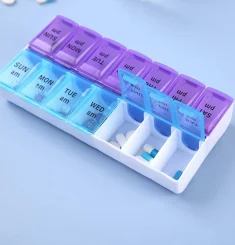
    Managing multiple medications can become challenging, especially for older adults living with chronic conditions such as high blood pressure, diabetes, heart disease, or arthritis. Forgetting a dose, taking medication twice, or confusing similar tablets can affect treatment outcomes and increase health risks. A pill organiser in Kenya is a simple but effective tool that helps patients and caregivers keep medications organised and on schedule.

    Whether you’re caring for an ageing parent or managing your own daily medicines, choosing the right pill organiser can make medication routines safer and less stressful.

    At Our Mall Pharmacy, pharmacists frequently receive questions such as:

    • Which pill organiser is best for elderly parents?
    • Should I choose a weekly or monthly pill box?
    • Are alarm pill organisers worth buying?
    • How do I avoid missed doses?
    • Can different medicines be stored together?

    This guide explains the different types of pill organisers available in Kenya, how to choose one, and practical medication management tips.

    Explore our Medical Devices collection:

    medical-devices


    What Is a Pill Organiser?

    A pill organiser is a reusable container with separate compartments that help organise medicines by day, time, or dosage schedule. It helps reduce missed doses, accidental double dosing, and medication confusion.

    Pill organisers are especially useful for:

    • Older adults
    • People taking multiple medications
    • Individuals with memory difficulties
    • Family caregivers
    • People managing chronic illnesses

    A pill organiser does not replace medical advice but supports better medication adherence.


    Why Medication Reminders Matter

    Taking medicines exactly as prescribed improves treatment effectiveness and helps reduce complications caused by missed or incorrect doses. Medication reminders are particularly valuable for people managing several daily prescriptions.

    Good medication routines may help:

    • Improve adherence
    • Reduce missed doses
    • Prevent accidental double dosing
    • Simplify daily routines
    • Support caregiver confidence

    Types of Pill Organisers

    Pill organisers come in different sizes and designs depending on how many medications are taken and how often they need to be scheduled.

    Weekly Pill Organisers

    Weekly organisers contain compartments for each day of the week and are suitable for most people taking regular daily medication.

    Advantages:

    • Easy to refill once a week
    • Compact
    • Simple to use
    • Suitable for most medication schedules

    Monthly Pill Organisers

    Monthly pill organisers provide medication storage for several weeks, making them useful for people with stable long-term medication routines.

    Advantages:

    • Fewer refilling sessions
    • Convenient for long-term planning
    • Helpful for caregivers

    Considerations:

    • Larger storage size
    • Requires careful organisation

    Alarm Pill Organisers

    Alarm pill organisers include electronic reminders that alert users when it is time to take their medication. They are particularly helpful for individuals who frequently forget doses.

    Advantages:

    • Audible reminders
    • Supports medication adherence
    • Helpful for memory difficulties

    Considerations:

    • Batteries may require replacement.
    • Users should still confirm they have taken each dose.

    Pill Organiser Comparison Table

    Different pill organisers are suitable for different medication routines and lifestyles.

    Pill Organiser Best For Main Advantage Reminder Feature
    Weekly Pill Box Daily medication Simple weekly planning No
    Monthly Pill Box Long-term medication Less frequent refilling No
    Alarm Pill Organiser Memory support Audible reminders Yes
    AM/PM Pill Organiser Multiple daily doses Morning and evening separation Optional

    Medication Management Table

    Feature Why It Matters
    Daily Compartments Prevents confusion
    AM/PM Sections Supports multiple daily doses
    Clear Labels Easy identification
    Secure Lid Prevents accidental spills
    Portable Design Easy travel
    Alarm Function Medication reminders

    How to Choose the Right Pill Organiser

    The best pill organiser depends on the number of medications taken, dosing frequency, eyesight, hand strength, and whether caregiver support is available.

    Consider:

    • Number of daily medications
    • Once-daily or multiple-dose schedules
    • Ease of opening compartments
    • Visibility of labels
    • Travel needs
    • Reminder features

    Always keep medicines in their original packaging until transferring them according to your pharmacist’s advice.


    Tips for Safe Medication Organisation

    Correct use helps reduce medication errors and improves safety. Medicines should only be organised after carefully checking labels and prescriptions.

    Helpful tips include:

    • Refill the organiser on the same day each week.
    • Double-check medication labels before filling compartments.
    • Keep an updated medication list.
    • Store medicines away from heat and moisture.
    • Replace damaged organisers.

    If you’re unsure whether medicines can safely be stored together, consult a pharmacist.


    Local Kenyan Context

    Many families in Nairobi, Rongai, Ngong, Karen, Lang’ata, Kilimani, and Westlands help elderly parents manage medicines for conditions such as hypertension, diabetes, and heart disease. Pill organisers have become increasingly popular for improving medication routines and reducing caregiver stress.

    For elderly people who attend multiple clinics or take medicines prescribed by different specialists, a clearly labelled can help simplify complex treatment schedules.


    Real Pharmacy Experience

    Pharmacists often meet caregivers who worry that elderly relatives are forgetting medicines or accidentally taking duplicate doses, combined with clear medication counselling, can make daily treatment routines easier to follow.

    Common questions include:

    • “Should I buy a weekly or monthly organiser?”
    • “Can different tablets be stored together?”
    • “Which organiser is easiest for arthritis patients?”
    • “Will an alarm organiser help someone with memory problems?”
    • “How often should I refill the organiser?”

    Common Mistakes When Using

    Using a pill organiser incorrectly can still lead to medication errors. Careful preparation and regular review help improve safety.

    Avoid:

    • Filling compartments without checking labels.
    • Mixing medicines that require original packaging unless advised otherwise.
    • Forgetting weekly refills.
    • Ignoring medication changes after clinic visits.
    • Using damaged organisers with broken lids.

    Frequently Asked Questions (FAQs)

    What is the best pill organiser in Kenya?

    The best depends on the user’s medication schedule, memory needs, and lifestyle. Weekly organisers suit most people, while alarm organisers provide additional reminders for those prone to forgetting doses.


    Can it prevent missed doses?

    It can significantly improve medication adherence by organising medicines clearly, although it should be used together with the prescribed treatment plan and reminders where necessary.


    Are alarm is suitable for elderly people?

    Yes. Alarm  may be helpful for older adults who frequently forget medication times, provided they can hear and respond to the reminders.


    Can different medicines be stored together?

    Some medicines can be organised together, while others should remain in their original packaging due to moisture, light, or stability concerns. Ask your pharmacist for individual advice.


    Where can I buy in Kenya?

    Are available from licensed pharmacies such as Our Mall Pharmacy, where pharmacists can recommend suitable medication management products and explain their proper use.


    Related Resources


    Contact Our Mall Pharmacy

    Call Us: +254 722 390 003

    Mon-Sat 9AM–8PM, Sun 10:30AM–6PM

    WhatsApp: Chat with a Pharmacist (Instant responses)

    Email: ourmallpharmacy@gmail.com (We reply within 2 hours)

    Visit Us:
    Our Mall, Off Magadi Rd, Avocado Lane, Ground Floor (Shop No. 22)

    Mon-Sat 9AM–8PM, Sun 10:30AM–6PM


    Final Takeaway

    Choosing the right in Kenya can make medication routines safer, simpler, and more reliable for older adults and caregivers. Whether you choose a weekly, monthly, or alarm pill organiser, selecting a model that matches the user’s medication schedule and abilities helps reduce missed or double doses. Combined with regular pharmacist reviews and updated prescriptions, a pill organiser is a practical tool for supporting long-term health.

    At Our Mall Pharmacy, our pharmacists can help you choose genuine pill organisers and medication management products while offering professional advice on safe medicine storage and adherence.
  • Antiseptics in Kenya: Iodine vs Chlorhexidine

    Antiseptics in Kenya: Iodine vs Chlorhexidine

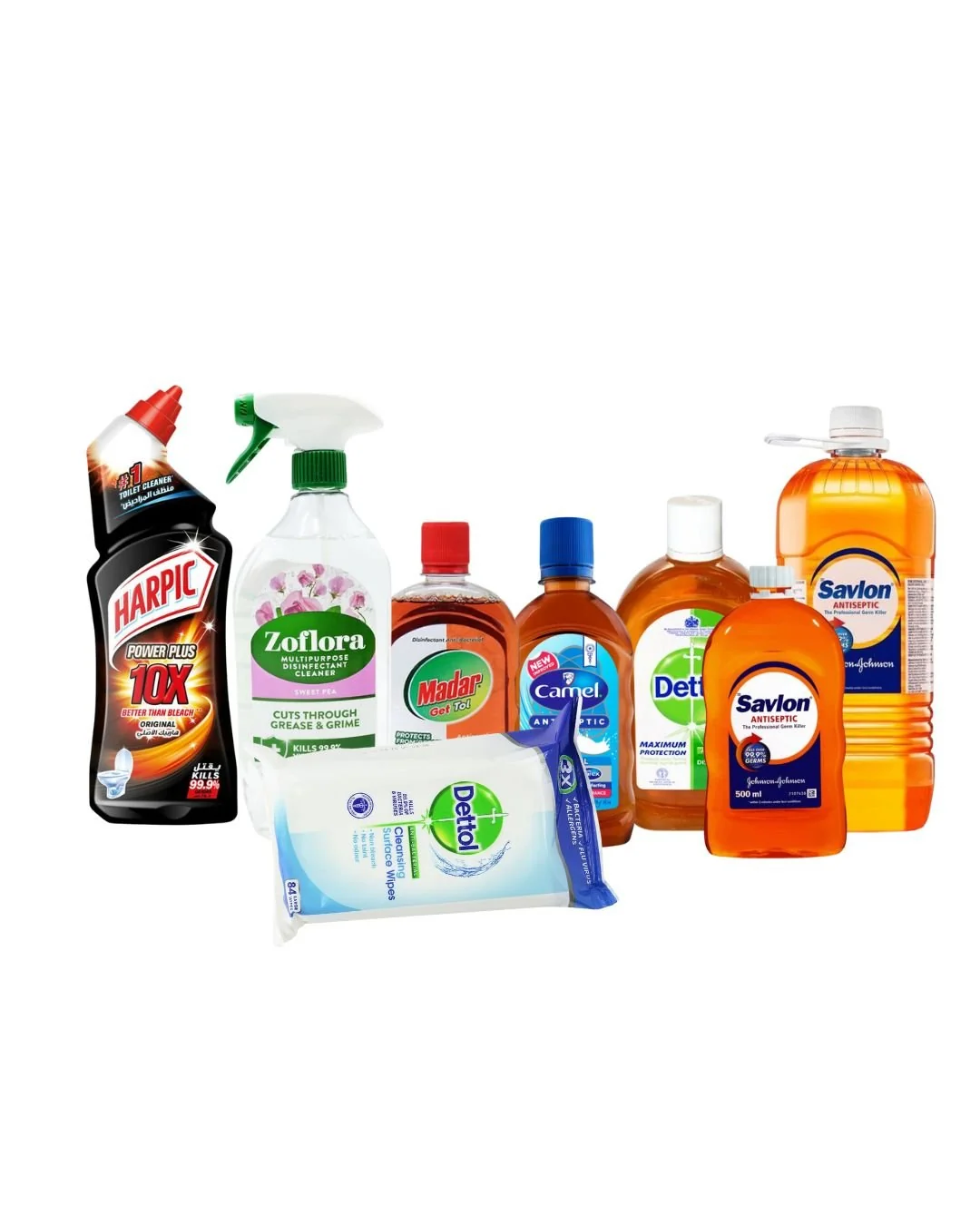
    Minor cuts, scrapes, burns, and abrasions are common injuries at home, school, work, and on the road. Cleaning a wound properly is one of the most important steps in preventing infection, but many people are unsure which antiseptic to use. Some reach for hydrogen peroxide, others prefer iodine, while many healthcare professionals recommend chlorhexidine for certain situations.

    If you’re searching for antiseptics in Kenya, understanding how different antiseptics work can help you choose the most appropriate product for first aid while avoiding practices that may slow wound healing.

    At Our Mall Pharmacy, pharmacists are commonly asked:

    • Which antiseptic is best for cuts?
    • Is hydrogen peroxide still recommended?
    • What’s the difference between iodine and chlorhexidine?
    • Which antiseptic should I keep in my first aid kit?
    • When should I seek medical care instead of treating a wound at home?

    This guide compares the most common antiseptics available in Kenya and explains how to use them safely.

    Explore our First Aid collection:

    first-aid


    What Are Antiseptics?

    Antiseptics are products applied to living skin or minor wounds to reduce the number of microorganisms and lower the risk of infection. They are different from antibiotics, which treat bacterial infections inside the body or in infected tissues.

    Antiseptics are commonly used for:

    • Minor cuts
    • Grazes
    • Abrasions
    • Small burns
    • Skin preparation before minor procedures

    Cleaning a wound with clean running water before applying an antiseptic remains an important first aid step.


    Why Proper Wound Cleaning Matters

    Proper wound cleaning removes dirt, bacteria, and debris that may increase the risk of infection. Gentle cleaning followed by appropriate wound care supports natural healing.

    Good wound care helps:

    • Reduce infection risk
    • Remove contaminants
    • Promote healing
    • Protect surrounding skin

    For deeper or heavily contaminated wounds, professional medical assessment is recommended.


    Povidone-Iodine

    Povidone-iodine is a broad-spectrum antiseptic commonly used to disinfect skin and minor wounds. It has been widely used in healthcare settings and first aid for many years.

    Advantages:

    • Broad antimicrobial activity
    • Commonly used for skin preparation
    • Suitable for many minor wounds when used appropriately

    Considerations:

    • Can temporarily stain the skin.
    • May not be suitable for people with iodine allergy or certain thyroid conditions without medical advice.

    Chlorhexidine

    Chlorhexidine is a widely used antiseptic that provides long-lasting activity on the skin and is commonly used before medical procedures and for cleaning certain minor wounds.

    Advantages:

    • Persistent antimicrobial effect
    • Commonly used in healthcare
    • Suitable for skin disinfection

    Considerations:

    • Avoid contact with the eyes and ears unless specifically formulated for those uses.
    • Use according to the manufacturer’s instructions.

    Hydrogen Peroxide

    Hydrogen peroxide releases oxygen bubbles that help lift debris from some wounds, but it is no longer recommended for routine wound cleaning because it may also affect healthy healing tissue.

    Advantages:

    • Bubbling action helps loosen debris in some situations

    Considerations:

    • Not recommended for regular wound care.
    • Repeated use may delay healing in some wounds.
    • Should only be used according to healthcare advice or product instructions.

    Antiseptic Comparison Table

    Each antiseptic has different characteristics and appropriate uses. Choosing the right product depends on the type of wound and individual circumstances.

    Antiseptic Common Uses Advantages Important Considerations
    Povidone-Iodine Minor wounds, skin preparation Broad antimicrobial activity May stain skin
    Chlorhexidine Skin disinfection, wound cleaning Long-lasting activity Avoid eyes and ears
    Hydrogen Peroxide Limited wound cleaning situations Helps loosen debris Not recommended for routine wound care

    Antiseptic Product Information Table

    Product Category Typical Use Availability
    Povidone-Iodine Solution Antiseptic Minor wounds Over the counter
    Chlorhexidine Solution Antiseptic Skin cleansing Pharmacy
    Hydrogen Peroxide Solution Antiseptic Limited first aid use Pharmacy
    Sterile Saline Wound Irrigation Cleaning wounds Pharmacy

    How to Clean a Minor Wound

    Most minor wounds can be managed by cleaning them carefully and protecting them with a suitable dressing. Proper hygiene reduces the chance of infection.

    Recommended steps:

    1. Wash your hands.
    2. Stop any bleeding with gentle pressure.
    3. Rinse the wound with clean running water.
    4. Remove visible dirt carefully.
    5. Apply an appropriate antiseptic if needed.
    6. Cover with a clean dressing.
    7. Change the dressing regularly.

    When Should You Avoid Self-Treating a Wound?

    Some wounds require professional medical care regardless of the antiseptic available. Delaying treatment may increase the risk of complications.

    Seek medical attention if you have:

    • Deep wounds
    • Heavy bleeding
    • Animal or human bites
    • Puncture wounds
    • Signs of infection
    • Burns larger than the palm of your hand
    • Wounds that do not improve

    Local Kenyan Context

    In Nairobi, Rongai, Ngong, Karen, Lang’ata, Kilimani, and Westlands, pharmacists frequently help customers treat cuts caused by kitchen accidents, gardening, sports, construction work, and children’s play.

    Dusty conditions during dry seasons can increase the likelihood of dirt entering wounds, making prompt cleaning and appropriate wound care especially important. In coastal areas such as Mombasa, warm and humid conditions make keeping wounds clean and dry equally important.


    Real Pharmacy Experience

    Pharmacists regularly explain that no single antiseptic is best for every wound. The type of injury, the person’s medical history, and proper wound cleaning all influence which product is most appropriate.

    Common questions include:

    • “Can I still use hydrogen peroxide?”
    • “Which antiseptic heals wounds faster?”
    • “Should I use iodine every day?”
    • “Is chlorhexidine safe for children?”
    • “When do I need antibiotics?”

    Common Mistakes When Using Antiseptics

    Incorrect use of antiseptics may delay healing or irritate healthy skin. Following product instructions and good wound care practices helps achieve the best outcome.

    Avoid:

    • Using hydrogen peroxide repeatedly on healing wounds.
    • Applying multiple antiseptics at the same time.
    • Ignoring wound cleaning before applying antiseptics.
    • Touching wounds with unwashed hands.
    • Continuing self-treatment when infection develops.

    Frequently Asked Questions (FAQs)

    Which antiseptic is best for cuts in Kenya?

    The best antiseptic depends on the type of wound and individual circumstances. Povidone-iodine and chlorhexidine are commonly used, while hydrogen peroxide is generally not recommended for routine wound care.


    Is hydrogen peroxide good for wounds?

    Hydrogen peroxide may help remove debris in certain situations, but it is generally not recommended for routine wound cleaning because repeated use may affect healthy healing tissue.


    What is the difference between iodine and chlorhexidine?

    Both are antiseptics, but they differ in their antimicrobial properties, duration of action, and recommended uses. A pharmacist can advise which is most suitable for your situation.


    Should I apply antiseptic every day?

    Follow the instructions provided with the product or advice from your healthcare professional. Some wounds require only gentle cleaning and appropriate dressings rather than repeated antiseptic application.


    Where can I buy antiseptics in Kenya?

    Licensed pharmacies such as Our Mall Pharmacy stock a range of antiseptics and first aid products, and pharmacists can help you choose the most appropriate option for your needs.


    Related Resources


    Contact Our Mall Pharmacy

    Call Us: +254 722 390 003

    Mon-Sat 9AM–8PM, Sun 10:30AM–6PM

    WhatsApp: Chat with a Pharmacist (Instant responses)

    Email: ourmallpharmacy@gmail.com (We reply within 2 hours)

    Visit Us:
    Our Mall, Off Magadi Rd, Avocado Lane, Ground Floor (Shop No. 22)

    Mon-Sat 9AM–8PM, Sun 10:30AM–6PM


    Final Takeaway

    Choosing the right antiseptics in Kenya starts with proper wound cleaning. Povidone-iodine and chlorhexidine remain widely used for skin disinfection and minor wound care, while hydrogen peroxide is no longer recommended for routine use on healing wounds. Good first aid, appropriate dressings, and timely medical assessment for serious injuries all contribute to safer healing.

    At Our Mall Pharmacy, our pharmacists can help you choose genuine antiseptics, wound care products, and first aid supplies while providing practical advice on safe wound management.

  • Burn Care Products in Kenya: The First 20 Minutes

    Burn Care Products in Kenya: The First 20 Minutes

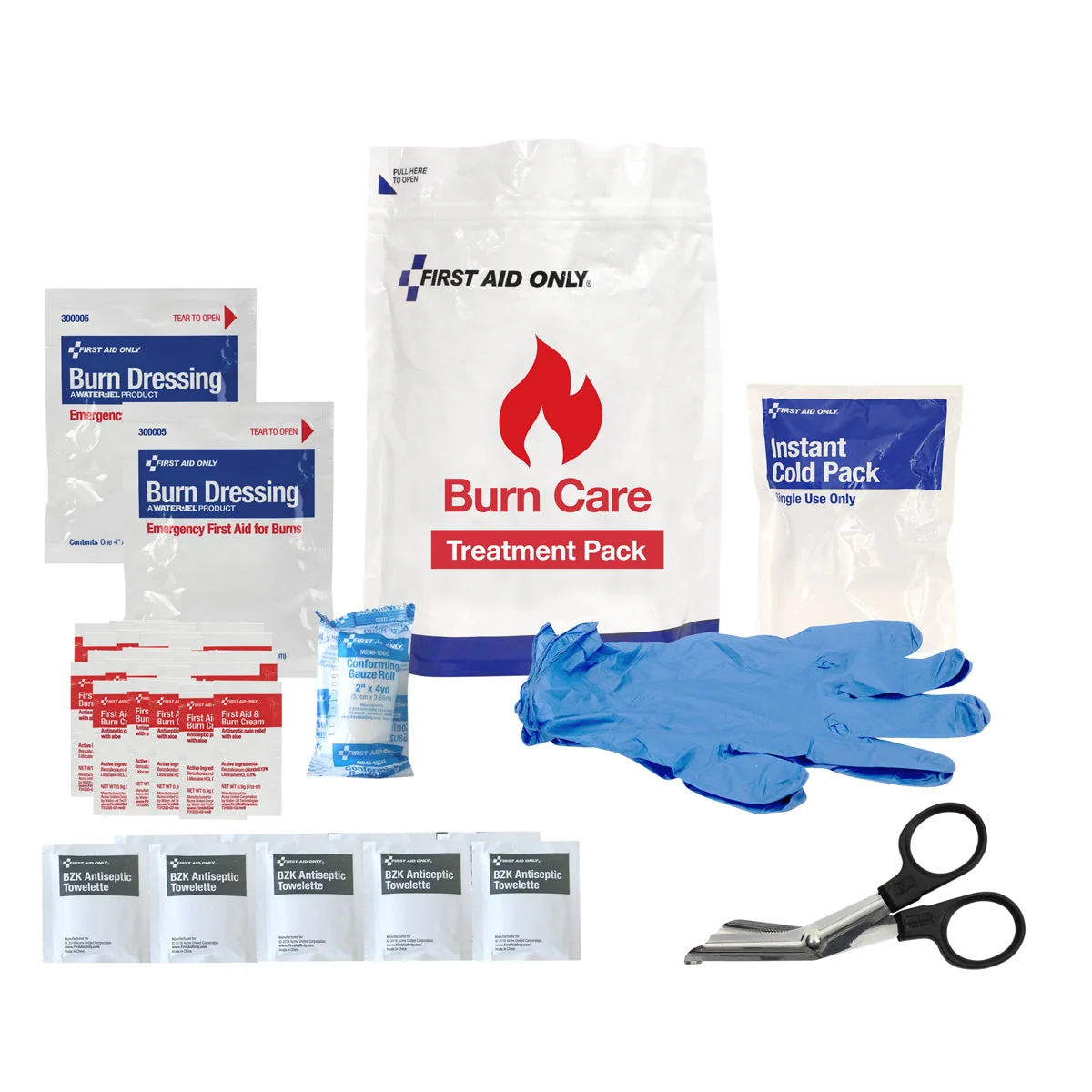
    Burns are among the most common household injuries in Kenya. Hot cooking oil, boiling water, steam, charcoal jikos, gas cookers, electrical appliances, and industrial accidents can all cause burns that range from minor to life-threatening. While specialised dressings are important, what you do immediately after the injury has the greatest impact on healing.

    If you’re searching for burn care products in Kenya, it is important to know that the first treatment is not a cream or dressing—it is cooling the burn with cool running water for 20 minutes. After proper cooling, suitable burn dressings can help protect the wound and support healing.

    At Our Mall Pharmacy, pharmacists are commonly asked:

    • Which burn cream works best?
    • Should I use hydrogel or silver dressings?
    • Can I apply toothpaste or cooking oil?
    • How long should I cool a burn?
    • When should I go to hospital?

    This guide explains evidence-based burn first aid, compares common burn care products, and highlights situations where urgent medical care is essential.

    Explore our First Aid collection:

    first-aid


    What Should You Do Immediately After a Burn?

    The most important first aid for a recent burn is to cool the affected area under cool running water for 20 minutes as soon as possible. Early cooling helps limit heat damage to the skin and is recommended by international burn care guidelines.

    Immediate steps include:

    1. Move away from the source of the burn.
    2. Cool the burn under cool running water for 20 minutes.
    3. Remove jewellery, watches, or tight clothing before swelling develops if they are not stuck to the skin.
    4. Cover the burn with a clean, non-stick dressing or clean cling film if appropriate.
    5. Seek medical care for serious burns.

    Do not use ice directly on burns because it may worsen tissue injury.


    Why the First 20 Minutes Matter

    Cooling a burn quickly helps stop heat from continuing to damage the skin after the injury. Early first aid may reduce burn depth, improve comfort, and support better healing outcomes.

    Prompt cooling may help:

    • Reduce ongoing tissue damage
    • Ease pain
    • Limit swelling
    • Improve healing

    The sooner cooling begins, the more effective it is likely to be.


    Burn Care Products in Kenya

    Burn care products protect the injured skin after proper cooling. The right product depends on the size, depth, and severity of the burn.

    Common burn care products include:

    • Hydrogel dressings
    • Sterile non-stick dressings
    • Silver-containing dressings (when recommended by healthcare professionals)
    • Sterile gauze
    • Medical tape

    Always follow the manufacturer’s instructions or advice from a healthcare professional.


    Hydrogel Dressings

    Hydrogel dressings help keep burns moist, provide cooling comfort, and protect the wound after appropriate first aid has been given.

    Advantages:

    • Helps maintain a moist wound environment
    • Can improve comfort
    • Easy to apply
    • Suitable for selected minor burns

    Hydrogel dressings do not replace proper first aid or medical assessment where required.


    Silver Dressings

    Silver dressings are advanced wound dressings used in selected burns where infection risk is a concern. They should generally be used under the guidance of a healthcare professional.

    Advantages:

    • Designed for advanced wound care
    • Suitable for selected burns
    • May require fewer dressing changes

    Not every burn requires a silver dressing.


    Burn Care Product Comparison Table

    Different burn care products serve different purposes during burn management.

    Product Main Purpose Best Used For
    Cool Running Water Immediate first aid Fresh burns
    Hydrogel Dressing Moist wound care Minor burns
    Silver Dressing Advanced wound management Selected burns under professional guidance
    Non-Stick Dressing Protect wound Minor burns after cooling
    Sterile Gauze Secondary dressing Dressing support

    Burn Care Information Table

    Product Type Category Typical Use Availability
    Hydrogel Dressing Burn Dressing Minor burn care Pharmacy
    Silver Dressing Advanced Dressing Selected burns Pharmacy
    Sterile Gauze Wound Dressing Dressing support Over the counter
    Non-Adherent Dressing Burn Care Burn protection Pharmacy

    What Should Never Be Applied to Burns?

    Many traditional home remedies may worsen burns or increase the risk of infection. Only evidence-based first aid should be used.

    Avoid applying:

    • Ice
    • Toothpaste
    • Butter
    • Cooking oil
    • Raw egg
    • Flour
    • Herbal pastes

    If unsure, cool the burn with running water and seek professional advice.


    When Should You Go to Hospital?

    Some burns require immediate medical assessment regardless of the first aid provided. Serious burns should never be treated at home alone.

    Seek urgent medical attention for:

    • Large burns
    • Deep burns
    • Electrical burns
    • Chemical burns
    • Burns involving the face, hands, feet, genitals, or major joints
    • Burns causing difficulty breathing
    • Burns in infants or older adults when significant

    Local Kenyan Context

    In Nairobi, Rongai, Ngong, Karen, Lang’ata, Kilimani, and Westlands, pharmacists frequently advise families on treating burns caused by hot cooking oil, boiling water, gas cookers, charcoal stoves, and steam from everyday cooking.

    In restaurants, schools, and workplaces, burns may also result from industrial equipment or hot liquids. Having a properly stocked first aid kit with suitable burn care products allows early treatment while arranging medical care when necessary.


    Real Pharmacy Experience

    Pharmacists commonly assist customers seeking burn dressings after kitchen accidents, hot tea spills, or steam burns. Many people ask whether they should use burn cream immediately, but the first recommendation is always cooling the burn under running water before considering dressings.

    Common questions include:

    • “Should I use toothpaste?”
    • “Is hydrogel better than burn cream?”
    • “When do I need silver dressings?”
    • “How long should I cool the burn?”
    • “Does every burn require antibiotics?”

    Common Burn Care Mistakes

    Incorrect first aid can delay healing and increase complications. Following recognised burn care recommendations improves safety and recovery.

    Avoid:

    • Using ice.
    • Bursting blisters.
    • Applying traditional remedies.
    • Covering burns with dirty materials.
    • Delaying medical care for severe burns.

    Frequently Asked Questions (FAQs)

    What is the best first aid for burns?

    The recommended first aid is to cool the burn under cool running water for 20 minutes as soon as possible, then protect it with a clean dressing if appropriate.


    Are hydrogel dressings better than burn creams?

    Hydrogel dressings are commonly used to provide a moist wound environment and cooling comfort after appropriate first aid. The best treatment depends on the burn and should follow healthcare advice.


    Should I use toothpaste on a burn?

    No. Toothpaste and other home remedies are not recommended because they may irritate the burn or increase the risk of infection.


    When should silver dressings be used?

    Silver dressings are generally reserved for selected burns where advanced wound care is appropriate and are best used under professional guidance.


    Where can I buy burn care products in Kenya?

    Burn care products are available from licensed pharmacies such as Our Mall Pharmacy, where pharmacists can recommend suitable dressings and first aid supplies.


    Related Resources


    Contact Our Mall Pharmacy

    Call Us: +254 722 390 003

    Mon-Sat 9AM–8PM, Sun 10:30AM–6PM

    WhatsApp: Chat with a Pharmacist (Instant responses)

    Email: ourmallpharmacy@gmail.com (We reply within 2 hours)

    Visit Us:
    Our Mall, Off Magadi Rd, Avocado Lane, Ground Floor (Shop No. 22)

    Mon-Sat 9AM–8PM, Sun 10:30AM–6PM


    Final Takeaway

    Choosing the right burn care products in Kenya starts with knowing that the first 20 minutes after a burn are the most important. Cool running water should always be the first treatment, followed by appropriate dressings such as hydrogel or other suitable wound coverings depending on the burn. Serious burns require prompt medical attention, while avoiding unproven home remedies helps reduce the risk of complications.

    At Our Mall Pharmacy, our pharmacists can help you choose genuine burn care products, first aid supplies, and wound dressings while advising when a burn should be assessed by a healthcare professional.

  • Adult Diapers in Kenya: Sizes and Absorbency Guide

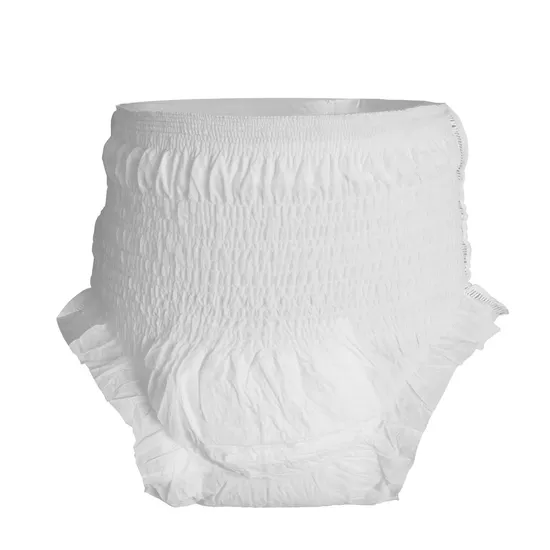
    Adult Diapers in Kenya: Sizes and Absorbency Guide

    Urinary or bowel incontinence can affect people of all ages, whether due to ageing, surgery, pregnancy, neurological conditions, or temporary illness. Choosing the right adult diapers in Kenya can improve comfort, confidence, skin health, and quality of life while reducing the risk of leaks and irritation.

    Today’s adult diapers are designed to provide discreet protection, better absorbency, and improved skin care compared to older products. However, selecting the correct size and absorbency level is just as important as choosing a trusted brand.

    At Our Mall Pharmacy, pharmacists frequently receive questions such as:

    • Which adult diaper size should I buy?
    • What absorbency level do I need?
    • How can I prevent leaks?
    • How do I avoid skin rashes?
    • Are pull-up pants better than taped diapers?

    This guide explains the different types of adult diapers available in Kenya, how sizing works, absorbency levels, and practical tips for maintaining healthy skin.

    Explore our Medical Devices and Home Healthcare products:

    medical-devices


    What Are Adult Diapers?

    Adult diapers are absorbent products designed to manage urinary or bowel incontinence by helping keep the skin dry and reducing leakage. They are available in different sizes, absorbency levels, and designs to suit individual needs.

    They may benefit people with:

    • Urinary incontinence
    • Faecal incontinence
    • Reduced mobility
    • Dementia
    • Stroke recovery
    • Post-surgical recovery

    Selecting the correct product improves both comfort and confidence.


    Types of Adult Diapers

    Adult diapers in Kenya are available in taped, pull-up, and disposable pad styles. Each type is designed for different mobility levels and personal preferences.

    Pull-Up Adult Pants

    Advantages:

    • Easy to wear
    • Discreet appearance
    • Suitable for active users
    • Comfortable under clothing

    Considerations:

    • May be harder to change for people with limited mobility.

    Taped Adult Diapers

    Advantages:

    • Easy for caregivers to apply
    • Suitable for people who are bedridden
    • Adjustable fit

    Considerations:

    • Less convenient for independent users.

    Incontinence Pads

    Advantages:

    • Lightweight
    • Suitable for light bladder leakage
    • Worn inside regular underwear

    Considerations:

    • Not designed for heavy incontinence.

    Choosing the Right Size

    Choosing the correct size is one of the most important factors in preventing leaks and maintaining comfort. Adult diapers that are too small or too large may not fit properly and can reduce protection.

    Sizing is generally based on:

    • Waist measurement
    • Hip measurement
    • Manufacturer’s size guide

    Always follow the sizing chart supplied by the manufacturer.


    Understanding Absorbency Levels

    Absorbency refers to how much fluid an adult diaper is designed to hold before needing replacement. Selecting the correct absorbency helps reduce leaks and supports skin health.

    Common absorbency levels include:

    • Light
    • Moderate
    • Heavy
    • Overnight or maximum absorbency

    Choose the lowest absorbency level that comfortably meets your needs to promote comfort and reduce unnecessary bulk.


    Adult Diaper Comparison Table

    Different adult diaper designs offer different benefits depending on mobility, absorbency needs, and caregiver support.

    Product Type Best For Absorbency Options Main Advantage
    Pull-Up Pants Active users Light to Heavy Discreet and comfortable
    Taped Diapers Bedridden users Moderate to Maximum Easy caregiver changes
    Incontinence Pads Light leakage Light to Moderate Lightweight protection

    Product Features Table

    Feature Why It Matters
    Correct Size Better fit and leak prevention
    Absorbent Core Fluid management
    Leak Guards Reduced side leakage
    Breathable Materials Improved skin comfort
    Wetness Indicator Easier product changes
    Odour Control Greater confidence

    How to Prevent Leaks

    Leaks are often caused by poor sizing, incorrect absorbency selection, or delayed product changes. Using the correct product and changing it regularly helps improve protection.

    Helpful tips:

    • Choose the correct size.
    • Select appropriate absorbency.
    • Ensure the diaper is fitted properly.
    • Change products promptly after use.
    • Follow manufacturer instructions.

    Protecting Skin Health

    Healthy skin care is an important part of managing incontinence. Keeping the skin clean and dry helps reduce irritation, discomfort, and moisture-associated skin damage.

    Good skin care includes:

    • Gentle cleansing
    • Thorough drying
    • Regular diaper changes
    • Using appropriate barrier creams where recommended
    • Monitoring for redness or irritation

    Persistent skin problems should be assessed by a healthcare professional.


    Local Kenyan Context

    Families in Nairobi, Rongai, Ngong, Karen, Lang’ata, Kilimani, and Westlands often purchase adult diapers for elderly relatives, people recovering from surgery, or individuals living with chronic medical conditions.

    Kenya’s warmer weather may increase sweating, making breathable materials and regular product changes especially important for maintaining comfort and skin health.


    Real Pharmacy Experience

    Pharmacists regularly assist caregivers and individuals living with incontinence by recommending suitable diaper sizes, absorbency levels, and skin care products.

    Common questions include:

    • “Which size should I buy?”
    • “How often should adult diapers be changed?”
    • “Why are leaks happening?”
    • “Which diaper is best for overnight use?”
    • “How can I prevent rashes?”

    Common Mistakes When Choosing Adult Diapers

    Many users experience leaks or discomfort because the wrong product is selected. Choosing the correct size and absorbency improves both comfort and confidence.

    Avoid:

    • Buying based only on price.
    • Choosing the wrong size.
    • Using insufficient absorbency.
    • Delaying product changes.
    • Ignoring skin irritation.

    Frequently Asked Questions (FAQs)

    What are the best adult diapers in Kenya?

    The best adult diapers depend on the user’s mobility, absorbency needs, and comfort preferences. Pull-up pants, taped diapers, and incontinence pads each serve different purposes.


    How do I choose the correct adult diaper size?

    Measure the waist and hips and compare the measurements with the manufacturer’s sizing guide. A proper fit helps reduce leaks and improves comfort.


    Which absorbency level should I choose?

    Select an absorbency level based on the amount of urinary or bowel leakage. Heavier leakage usually requires higher absorbency products.


    How often should adult diapers be changed?

    Adult diapers should be changed promptly after becoming wet or soiled to maintain hygiene, comfort, and skin health.


    Where can I buy adult diapers in Kenya?

    Adult diapers are available from licensed pharmacies such as Our Mall Pharmacy, where pharmacists can help you choose suitable products for your individual needs.


    Related Resources


    Contact Our Mall Pharmacy

    Call Us: +254 722 390 003

    Mon-Sat 9AM–8PM, Sun 10:30AM–6PM

    WhatsApp: Chat with a Pharmacist (Instant responses)

    Email: ourmallpharmacy@gmail.com (We reply within 2 hours)

    Visit Us:
    Our Mall, Off Magadi Rd, Avocado Lane, Ground Floor (Shop No. 22)

    Mon-Sat 9AM–8PM, Sun 10:30AM–6PM


    Final Takeaway

    Choosing the right adult diapers in Kenya involves more than selecting the highest absorbency. A proper fit, appropriate absorbency level, breathable materials, and regular changes all help prevent leaks, improve comfort, and protect skin health. Whether caring for yourself or a loved one, selecting the right product can significantly improve daily confidence and quality of life.

    At Our Mall Pharmacy, our pharmacists are available to help you choose genuine adult diapers, incontinence products, and skin care solutions tailored to your needs.

  • Wheelchairs in Kenya: Prices, Sizes and How to Choose

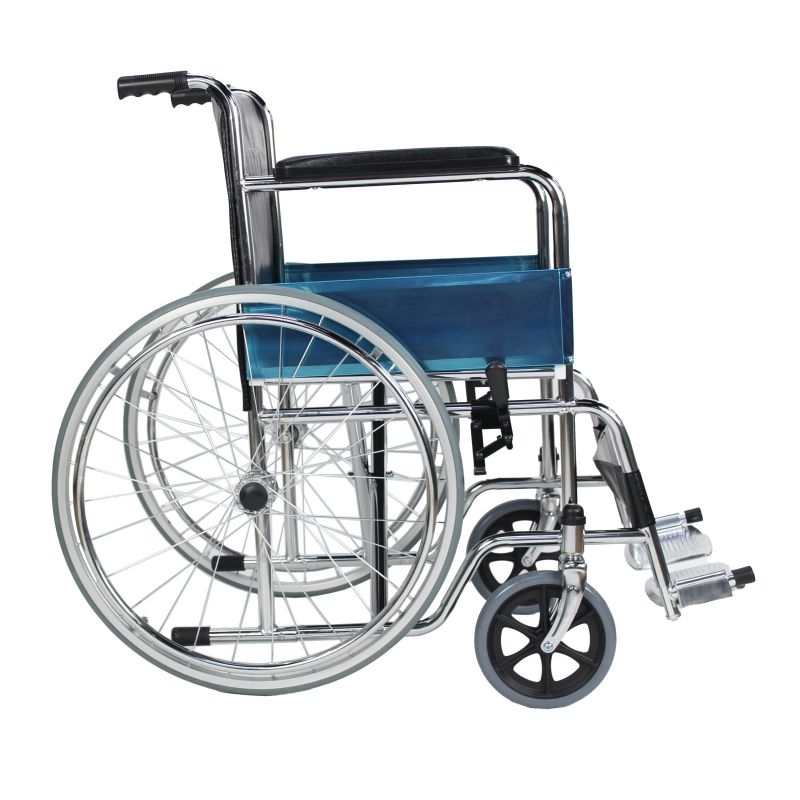
    Wheelchairs in Kenya: Prices, Sizes and How to Choose

    A wheelchair is more than a mobility device—it is an essential tool that improves independence, comfort, and quality of life for people recovering from injury, living with disability, or experiencing reduced mobility. Choosing the correct wheelchair involves more than comparing prices. Seat width, weight capacity, user strength, and where the chair will be used all play an important role.

    If you’re searching for wheelchairs in Kenya, understanding the differences between transit and self-propelled models, as well as how to measure correctly, can help you make a confident purchasing decision.

    At Our Mall Pharmacy, pharmacists and medical equipment advisors commonly receive questions such as:

    • Which wheelchair is best for everyday use?
    • What seat width do I need?
    • Should I buy a transit or self-propelled wheelchair?
    • What weight capacity should I choose?
    • Can wheelchairs be used on uneven roads?

    This guide explains wheelchair types, sizing, essential features, and practical buying considerations for Kenyan users.

    Explore our Medical Devices collection:

    medical-devices


    What Is a Wheelchair?

    A wheelchair is a mobility aid designed for people who cannot walk safely or comfortably over short or long distances. Choosing the correct wheelchair improves mobility, reduces fatigue, and supports independence.

    Wheelchairs may be needed for:

    • Recovery after surgery
    • Arthritis
    • Stroke rehabilitation
    • Neurological conditions
    • Permanent disabilities
    • Temporary injuries

    Healthcare professionals may recommend different wheelchair types depending on an individual’s mobility needs.


    Transit vs Self-Propelled Wheelchairs

    Transit wheelchairs are designed to be pushed by a caregiver, while self-propelled wheelchairs have large rear wheels that allow users to move independently. The best option depends on the user’s strength, mobility, and daily activities.

    Transit Wheelchairs

    Advantages:

    • Lightweight
    • Easy to transport
    • Foldable for travel
    • Ideal for appointments and short outings

    Considerations:

    • Requires assistance from another person.
    • Smaller rear wheels limit independent movement.

    Self-Propelled Wheelchairs

    Advantages:

    • Greater independence
    • Larger rear wheels
    • Suitable for regular daily use
    • Better for active users

    Considerations:

    • Heavier than transit models.
    • Requires upper-body strength.

    Why Seat Width Matters

    Correct seat width improves comfort, posture, and pressure distribution. A wheelchair that is too narrow may cause discomfort, while one that is too wide may reduce stability and make self-propelling more difficult.

    General fitting considerations include:

    • Comfortable hip clearance
    • Proper posture
    • Adequate arm support
    • Safe pressure distribution

    Measurements should be taken according to the manufacturer’s instructions or by a trained healthcare professional.


    Wheelchair Comparison Table

    Different wheelchair types are designed for different mobility requirements and environments.

    Wheelchair Type Best For Independence Transport Typical User
    Transit Wheelchair Short trips Low Excellent Assisted user
    Self-Propelled Wheelchair Daily mobility High Good Independent user
    Lightweight Folding Wheelchair Travel Moderate Excellent Frequent travellers
    Heavy-Duty Wheelchair Higher weight capacities High Moderate Bariatric users

    Wheelchair Specification Table

    Feature Why It Matters
    Seat Width Comfort and correct posture
    Weight Capacity Safe user support
    Foldable Frame Easier transport and storage
    Footrests Leg positioning and comfort
    Armrests Additional support
    Wheel Size Indoor and outdoor performance
    Brakes User safety

    How to Choose the Right Wheelchair

    The right wheelchair depends on the user’s physical needs, body measurements, lifestyle, and where the wheelchair will be used most often. Professional assessment is recommended for long-term wheelchair users.

    Consider:

    • Seat width
    • Weight capacity
    • Indoor or outdoor use
    • Foldability
    • Transport requirements
    • Caregiver assistance
    • Cushion compatibility

    Local Kenyan Context

    People in Nairobi, Rongai, Ngong, Karen, Lang’ata, Kilimani, and Westlands often require wheelchairs that can cope with pavements, shopping centres, hospitals, and uneven outdoor surfaces.

    Those living in rural areas or travelling frequently may benefit from durable wheels, stronger frames, and puncture-resistant tyres suitable for rougher terrain.


    Real Pharmacy Experience

    Pharmacists frequently assist customers purchasing wheelchairs for elderly relatives, post-surgical recovery, or long-term mobility needs while helping them understand sizing and wheelchair features.

    Common questions include:

    • “What seat width should I choose?”
    • “Which wheelchair folds easily?”
    • “Can this wheelchair fit inside my car?”
    • “Is a transit wheelchair enough?”
    • “Which wheelchair is suitable for everyday use?”

    Caring for Your Wheelchair

    Routine maintenance helps keep wheelchairs safe, comfortable, and reliable. Regular inspections can reduce unexpected breakdowns and improve long-term performance.

    Maintenance tips:

    • Check tyre condition.
    • Tighten loose bolts.
    • Test brakes regularly.
    • Clean the frame.
    • Inspect footrests and armrests.
    • Lubricate moving parts where recommended.

    Common Buying Mistakes

    Many buyers focus only on price instead of selecting a wheelchair that properly fits the user’s physical needs and lifestyle.

    Avoid:

    • Choosing the wrong seat width.
    • Ignoring weight capacity.
    • Buying without measuring the user.
    • Overlooking transport needs.
    • Failing to consider future mobility requirements.

    Frequently Asked Questions (FAQs)

    What is the best wheelchair in Kenya?

    The best wheelchair depends on the user’s mobility level, body size, and daily activities. Transit and self-propelled wheelchairs each suit different needs.


    What is the difference between a transit and self-propelled wheelchair?

    Transit wheelchairs require assistance from another person, while self-propelled wheelchairs allow users to move independently using the large rear wheels.


    How do I choose the correct wheelchair seat width?

    Seat width should allow comfortable sitting with adequate support while avoiding excessive tightness or looseness. Professional fitting is recommended whenever possible.


    Can wheelchairs be used outdoors?

    Yes. Many wheelchairs are suitable for outdoor use, although larger wheels and durable frames generally perform better on uneven surfaces.


    Where can I buy wheelchairs in Kenya?

    Wheelchairs are available through licensed pharmacies and medical equipment suppliers, including Our Mall Pharmacy, where our team can help source suitable models and provide guidance.


    Related Resources


    Contact Our Mall Pharmacy

    Call Us: +254 722 390 003

    Mon-Sat 9AM–8PM, Sun 10:30AM–6PM

    WhatsApp: Chat with a Pharmacist (Instant responses)

    Email: ourmallpharmacy@gmail.com (We reply within 2 hours)

    Visit Us:
    Our Mall, Off Magadi Rd, Avocado Lane, Ground Floor (Shop No. 22)

    Mon-Sat 9AM–8PM, Sun 10:30AM–6PM


    Final Takeaway

    Choosing the right wheelchair in Kenya involves balancing comfort, independence, safety, and practicality. Seat width, weight capacity, frame design, and where the wheelchair will be used all influence the best choice. Transit wheelchairs are ideal for assisted mobility, while self-propelled models provide greater independence for users who can operate them safely.

    At Our Mall Pharmacy, our pharmacists and medical equipment team can help you source genuine wheelchairs, explain key features, and guide you towards a mobility solution that meets your needs.

  • Mobility Aids in Kenya: Sticks, Frames and Rollators

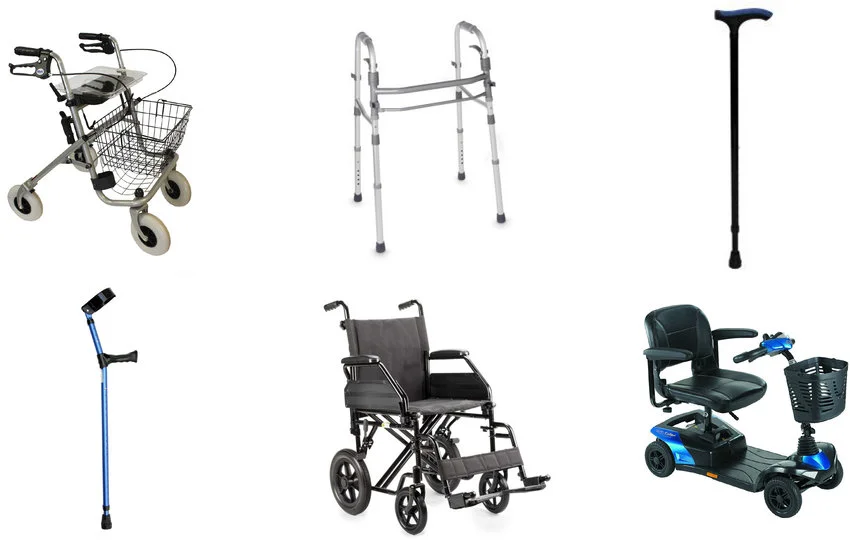
    Mobility Aids in Kenya: Sticks, Frames and Rollators

    Mobility aids help people move safely, maintain independence, and reduce the risk of falls. Whether recovering from surgery, managing arthritis, living with a neurological condition, or coping with age-related mobility changes, choosing the right mobility aid can make everyday activities safer and more comfortable.

    If you’re searching for mobility aids in Kenya, understanding the differences between walking sticks, walking frames, and rollators will help you select equipment that matches your mobility needs, environment, and lifestyle.

    At Our Mall Pharmacy, pharmacists frequently receive questions such as:

    • Which walking aid is best for me?
    • Should I choose a walking stick or a frame?
    • What is the difference between a walker and a rollator?
    • How do I adjust the height correctly?
    • Which mobility aid works best on rough roads?

    This guide explains the most common mobility aids available in Kenya, how they work, and what to consider before making a purchase.

    Explore our Medical Devices collection:

    medical-devices


    What Are Mobility Aids?

    Mobility aids are devices designed to improve balance, stability, and independence while walking. They help reduce strain on joints and lower the risk of falls for people with temporary or long-term mobility challenges.

    Mobility aids may benefit people who have:

    • Arthritis
    • Hip or knee injuries
    • Stroke recovery
    • Balance difficulties
    • Muscle weakness
    • Age-related mobility limitations

    The most suitable device depends on an individual’s mobility level and advice from a healthcare professional.


    Why Choosing the Right Mobility Aid Matters

    Using the correct mobility aid improves stability, confidence, and safety while walking. A poorly fitted or unsuitable device may increase discomfort or make walking more difficult.

    A properly selected mobility aid may help:

    • Improve balance
    • Reduce pressure on painful joints
    • Support rehabilitation
    • Increase independence
    • Lower the risk of falls

    Walking Sticks

    Walking sticks provide light support for people who need assistance with balance or mild weakness on one side of the body. Adjustable models allow the height to be matched to the user.

    Advantages:

    • Lightweight
    • Easy to transport
    • Affordable
    • Suitable for mild balance problems

    Considerations:

    • Provide limited support compared with walkers.
    • Must be adjusted to the correct height.

    Walking Frames

    Walking frames offer greater stability than walking sticks because they provide support on both sides of the body. They are commonly recommended for people recovering from surgery or those with significant balance difficulties.

    Advantages:

    • Excellent stability
    • Supports weight-bearing
    • Suitable for rehabilitation
    • Simple to use

    Considerations:

    • Slower movement.
    • Less convenient on stairs.
    • Requires lifting with standard models.

    Rollators

    Rollators are walking aids fitted with wheels, handlebars, brakes, and often a seat. They provide mobility support while allowing smoother movement over longer distances.

    Advantages:

    • Easy to manoeuvre
    • Built-in seat for resting
    • Storage basket on many models
    • Suitable for outdoor walking

    Considerations:

    • Require good hand control for braking.
    • Less suitable for very uneven terrain without appropriate wheels.

    Mobility Aid Comparison Table

    Different mobility aids suit different mobility levels, environments, and physical needs.

    Mobility Aid Best For Stability Portability Outdoor Use
    Walking Stick Mild balance support Moderate Excellent Good
    Walking Frame Maximum stability Excellent Moderate Fair
    Rollator Independent walking with support High Good Excellent

    Medical Device Information Table

    Device Category Typical Use Adjustable Height Availability
    Walking Stick Mobility Aid Mild balance support Yes Pharmacy/Medical suppliers
    Walking Frame Mobility Aid Rehabilitation and stability Yes Pharmacy/Medical suppliers
    Rollator Mobility Aid Long-distance walking support Yes Selected suppliers

    How to Choose the Right Mobility Aid

    The best mobility aid depends on your strength, balance, walking ability, home environment, and daily activities. Professional assessment is recommended when choosing long-term mobility equipment.

    Consider:

    • Height adjustment
    • Weight capacity
    • Indoor or outdoor use
    • Ease of transport
    • Storage space
    • Brake system (for rollators)

    Always adjust the device according to the manufacturer’s instructions.


    Local Kenyan Context

    People in Nairobi, Rongai, Ngong, Karen, Lang’ata, Kilimani, and Westlands often need mobility aids that can handle pavements, uneven paths, and varying terrain. Choosing a device with suitable wheels or stable support is particularly important for outdoor use.

    For people living in rural areas or travelling on rough roads, stronger frames and durable walking sticks may provide better support than lightweight models designed mainly for smooth indoor flooring.


    Real Pharmacy Experience

    Pharmacists regularly assist customers recovering from surgery, managing arthritis, or caring for elderly family members by helping them choose appropriate mobility aids and explaining proper use.

    Common questions include:

    • “Which walking stick height is correct?”
    • “Is a walker better than a rollator?”
    • “Can a rollator be used outdoors?”
    • “How much weight can a walking frame support?”
    • “Which aid is best after knee replacement surgery?”

    Common Mistakes When Choosing Mobility Aids

    Using the wrong size or type of mobility aid can reduce comfort and stability. Correct fitting and routine maintenance help improve safety.

    Avoid:

    • Choosing the wrong height.
    • Ignoring weight capacity.
    • Using worn rubber tips.
    • Failing to check wheel brakes.
    • Buying equipment without professional advice when significant mobility problems exist.

    Caring for Mobility Aids

    Regular inspection helps keep mobility aids safe and reliable. Replace worn components promptly and follow the manufacturer’s maintenance recommendations.

    Maintenance tips:

    • Check rubber tips regularly.
    • Tighten loose screws.
    • Test brakes before use.
    • Clean frames routinely.
    • Inspect wheels for wear.

    Frequently Asked Questions (FAQs)

    Which mobility aid is best in Kenya?

    The best mobility aid depends on your balance, strength, mobility needs, and where the device will be used. Walking sticks, frames, and rollators each suit different situations.


    What is the difference between a walking frame and a rollator?

    A walking frame provides maximum stability and usually requires lifting with each step, while a rollator has wheels that allow smoother movement and often includes brakes and a seat.


    How do I know if my walking stick is the correct height?

    Most adjustable walking sticks should allow your elbow to remain slightly bent when standing naturally. Always follow the manufacturer’s fitting instructions or seek professional advice.


    Can rollators be used outdoors?

    Yes. Many rollators are designed for outdoor use, although performance depends on wheel size and the type of terrain.


    Where can I buy mobility aids in Kenya?

    Mobility aids are available through licensed pharmacies and medical equipment suppliers, including Our Mall Pharmacy, where our team can help source suitable products and provide guidance.


    Related Resources


    Contact Our Mall Pharmacy

    Call Us: +254 722 390 003

    Mon-Sat 9AM–8PM, Sun 10:30AM–6PM

    WhatsApp: Chat with a Pharmacist (Instant responses)

    Email: ourmallpharmacy@gmail.com (We reply within 2 hours)

    Visit Us:
    Our Mall, Off Magadi Rd, Avocado Lane, Ground Floor (Shop No. 22)

    Mon-Sat 9AM–8PM, Sun 10:30AM–6PM


    Final Takeaway

    Choosing the right mobility aids in Kenya can improve independence, confidence, and day-to-day safety. Walking sticks provide light support, walking frames offer maximum stability, and rollators combine support with easier movement for many users. Selecting the correct height, checking weight limits, and considering the terrain where the aid will be used are all essential for safe mobility.

    At Our Mall Pharmacy, our pharmacists can help you source genuine mobility aids and provide practical guidance to help you choose equipment that matches your mobility needs and lifestyle.

  • Wound Dressings in Kenya 2026: Complete Guide to Gauze vs Hydrocolloid vs Foam | Our Mall Pharmacy Kenya

    Wound Dressings in Kenya 2026: Complete Guide to Gauze vs Hydrocolloid vs Foam | Our Mall Pharmacy Kenya

    Proper wound care plays a vital role in reducing infection risk and supporting the body’s natural healing process. One of the most important decisions is choosing the right wound dressing, as different dressings are designed for different wound types and healing stages.

    If you’re searching for wound dressings in Kenya, understanding the differences between gauze, hydrocolloid, and foam dressings can help you care for cuts, burns, ulcers, surgical wounds, and other injuries more effectively.

    At Our Mall Pharmacy, pharmacists frequently answer questions such as:

    • Which wound dressing heals faster?
    • Is gauze still the best option?
    • When should I use a hydrocolloid dressing?
    • What are foam dressings used for?
    • How often should I change a dressing?

    This guide compares the most common wound dressings available in Kenya and explains when each type is most appropriate.

    Explore our First Aid collection:

    first-aid


    What Are Wound Dressings?

    Wound dressings are medical products placed over a wound to protect it from contamination, absorb excess fluid, support healing, and reduce the risk of infection. Different dressings are designed for different wound conditions.

    Dressings may be used for:

    • Cuts
    • Surgical wounds
    • Burns
    • Pressure injuries
    • Diabetic foot ulcers
    • Grazes

    Choosing the correct dressing depends on the wound’s size, depth, moisture level, and location.


    Why Choosing the Right Dressing Matters

    Using the appropriate wound dressing helps maintain an environment that supports healing while protecting the wound from dirt, bacteria, and further injury. A dressing that is unsuitable for the wound may delay healing or require more frequent changes.

    A suitable dressing may help:

    • Protect the wound
    • Absorb excess wound fluid
    • Reduce irritation
    • Improve comfort
    • Support healing

    Gauze Dressings

    Gauze dressings are among the most commonly used wound dressings in Kenya. They are versatile, affordable, and suitable for many minor wounds when used correctly.

    Advantages:

    • Widely available
    • Cost-effective
    • Suitable for many cuts and abrasions
    • Easy to apply

    Considerations:

    • May require frequent changes.
    • Can stick to drying wounds if not used appropriately.
    • Often requires additional bandaging or tape.

    Hydrocolloid Dressings

    Hydrocolloid dressings create a moist wound environment that supports healing and may remain in place for several days, depending on the wound and manufacturer’s instructions.

    Advantages:

    • Helps maintain moisture
    • Comfortable
    • Less frequent dressing changes
    • Suitable for selected low to moderately exuding wounds

    Considerations:

    • Not appropriate for every wound.
    • Should be used according to healthcare advice or product guidance.

    Foam Dressings

    Foam dressings are designed to absorb moderate to heavy wound fluid while cushioning the wound and helping maintain a moist healing environment.

    Advantages:

    • Highly absorbent
    • Comfortable
    • Suitable for wounds with more drainage
    • Provides cushioning

    Considerations:

    • Usually more expensive than gauze.
    • Must be selected according to wound type.

    Wound Dressing Comparison Table

    Each wound dressing has strengths depending on wound type, fluid levels, and healing needs.

    Dressing Type Best For Absorbency Typical Change Frequency
    Gauze Minor cuts and abrasions Low to Moderate Usually more frequent
    Hydrocolloid Low to moderate wound drainage Moderate Several days if appropriate
    Foam Moderate to heavy wound drainage High According to wound condition

    Medication & Dressing Information Table

    Product Type Category Common Use Availability
    Sterile Gauze Wound Dressing Minor wounds Over the counter
    Hydrocolloid Dressing Advanced Wound Care Selected wounds Pharmacy
    Foam Dressing Advanced Wound Care Moderate wound drainage Pharmacy
    Medical Tape Dressing Accessory Dressing fixation Over the counter

    How Often Should You Change a Wound Dressing?

    The frequency of dressing changes depends on the wound type, the amount of wound fluid, and the specific dressing being used. Dressings should also be changed if they become wet, loose, or contaminated.

    Factors influencing dressing changes include:

    • Wound drainage
    • Dressing type
    • Healthcare advice
    • Signs of contamination

    Always follow the manufacturer’s instructions or healthcare guidance.


    Local Kenyan Context

    In Nairobi, Rongai, Ngong, Karen, Lang’ata, Kilimani, and Westlands, pharmacists regularly advise customers on selecting wound dressings for minor injuries sustained at home, school, work, or during sports activities.

    Warmer weather and increased sweating in some parts of Kenya may require extra attention to keeping dressings clean and dry. For people travelling to humid coastal regions such as Mombasa, checking dressings regularly is particularly important.


    Real Pharmacy Experience

    Pharmacists commonly help customers choose wound dressings based on the wound’s size, location, and level of drainage while providing guidance on proper wound care.

    Frequently asked questions include:

    • “Which dressing heals faster?”
    • “Can I use gauze on every wound?”
    • “How long should I leave a hydrocolloid dressing on?”
    • “Which dressing is best after surgery?”
    • “When should I see a doctor?”

    Common Mistakes When Using Wound Dressings

    Improper wound care may delay healing. Choosing the right dressing and changing it correctly helps reduce avoidable complications.

    Avoid:

    • Reusing single-use dressings.
    • Applying dressings to dirty wounds.
    • Ignoring signs of infection.
    • Removing dressings unnecessarily often.
    • Using unsuitable dressing types for the wound.

    When Should You Seek Medical Care?

    Professional medical assessment is important for wounds that are deep, heavily contaminated, show signs of infection, or fail to heal as expected.

    Seek medical attention if you notice:

    • Increasing redness
    • Swelling
    • Pus
    • Fever
    • Persistent pain
    • Deep wounds
    • Animal or human bites

    Frequently Asked Questions (FAQs)

    Which wound dressing is best in Kenya?

    The best wound dressing depends on the type of wound, the amount of drainage, and where the wound is located. Gauze, hydrocolloid, and foam dressings each have appropriate uses.


    Are hydrocolloid dressings better than gauze?

    Hydrocolloid dressings may be suitable for certain wounds because they help maintain a moist healing environment, while gauze remains useful for many minor injuries.


    When should foam dressings be used?

    Foam dressings are generally used for wounds with moderate to heavy drainage because they provide greater absorbency.


    How often should wound dressings be changed?

    The frequency depends on the dressing type and wound condition. Dressings should also be replaced if they become wet, dirty, or loose.


    Where can I buy wound dressings in Kenya?

    Wound dressings are available from licensed pharmacies such as Our Mall Pharmacy, where pharmacists can recommend suitable products for different wound types.


    Related Resources


    Contact Our Mall Pharmacy

    Call Us: +254 722 390 003

    Mon-Sat 9AM-8PM, Sun 10:30AM-6PM

    WhatsApp: Chat with a Pharmacist (Instant responses)

    Email: ourmallpharmacy@gmail.com (We reply within 2 hours)

    Visit Us:
    Our Mall, Off Magadi Rd, Avocado Lane, Ground Floor (Shop No. 22)

    Mon-Sat 9AM-8PM, Sun 10:30AM-6PM


    Final Takeaway

    Choosing the right wound dressings in Kenya depends on understanding the wound’s condition and selecting the most appropriate dressing for healing. Gauze remains a reliable choice for many minor wounds, hydrocolloid dressings help maintain a moist healing environment for selected wounds, and foam dressings are useful for wounds with moderate to heavy drainage. Regular dressing changes, good hygiene, and timely medical attention when needed all contribute to better wound care outcomes.

    At Our Mall Pharmacy, our pharmacists are available to help you choose genuine wound dressings, first aid supplies, and wound care products suitable for your needs.

  • Best Sunscreen in Kenya 2026: Complete Guide (How Much SPF Does the Equator Really Need?)

    Best Sunscreen in Kenya 2026: Complete Guide (How Much SPF Does the Equator Really Need?)

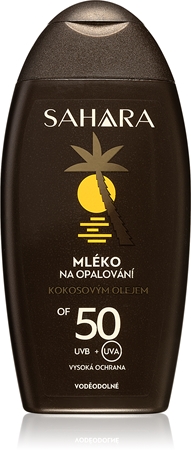
    Kenya enjoys sunshine throughout the year, but being close to the equator also means exposure to strong ultraviolet (UV) radiation. On many days, the UV Index can reach very high levels, increasing the risk of sunburn, premature skin ageing, and long-term skin damage without proper protection.

    For people searching for the best sunscreen in Kenya, choosing the right product involves more than simply picking the highest SPF number. Understanding SPF ratings, PA protection, skin type, and correct application helps ensure sunscreen provides effective daily protection.

    At Our Mall Pharmacy, customers regularly ask:

    • Is SPF 30 enough in Kenya?
    • Should I choose SPF 50?
    • What does PA+++ mean?
    • How often should sunscreen be reapplied?
    • Which sunscreen is best for oily or sensitive skin?

    This guide explains how sunscreen works, what SPF and PA ratings mean, and how to choose the right sunscreen for Kenya’s climate.

    Explore our skincare collection:

    beauty-skincare


    What Is Sunscreen?

    Sunscreen is a skincare product that helps protect the skin from harmful ultraviolet (UV) rays. It reduces the amount of UV radiation reaching the skin when applied correctly and combined with other sun protection measures.

    Sunlight contains different types of ultraviolet rays, including:

    • UVA rays
    • UVB rays

    Good sunscreen products are designed to provide broad-spectrum protection, meaning they help protect against both.

    Sunscreen is available as:

    • Creams
    • Lotions
    • Gels
    • Sprays
    • Sticks
    • Fluids

    Why Is Sunscreen Important in Kenya?

    Sunscreen is especially important in Kenya because the country’s equatorial location exposes people to strong UV radiation throughout much of the year. Daily sun protection helps reduce cumulative UV exposure.

    People in Nairobi, Rongai, Ngong, Karen, Kilimani, Westlands, and other parts of Kenya are exposed to UV radiation even on cool or cloudy days.

    Daily exposure occurs during:

    • Walking outdoors
    • Driving
    • Outdoor work
    • Sports
    • School activities

    Even when temperatures feel comfortable, UV radiation can still be high.


    What Does SPF Mean?

    SPF stands for Sun Protection Factor. It measures how well a sunscreen helps protect the skin against UVB rays, which are the primary cause of sunburn.

    Common SPF levels include:

    • SPF 15
    • SPF 30
    • SPF 50
    • SPF 50+

    Higher SPF products provide increased UVB protection when applied correctly, but no sunscreen blocks 100% of UV rays.

    Correct application remains just as important as the SPF number.


    Is SPF 30 Enough in Kenya?

    For many people, SPF 30 provides good daily protection when applied correctly and reapplied as needed. People with prolonged outdoor exposure or certain skin conditions may benefit from higher SPF products based on individual needs.

    The best SPF depends on factors such as:

    • Time spent outdoors
    • Skin sensitivity
    • Occupation
    • Outdoor sports
    • Medical conditions
    • Healthcare recommendations

    Regardless of SPF, sunscreen should be reapplied according to product instructions, especially after swimming, sweating, or prolonged sun exposure.


    What Does PA Rating Mean?

    PA ratings indicate the level of protection against UVA rays, which contribute to premature skin ageing and long-term skin damage. More plus signs indicate higher UVA protection.

    Common PA ratings include:

    PA Rating UVA Protection Level
    PA+ Moderate
    PA++ Good
    PA+++ Very Good
    PA++++ Extremely High

    Many dermatologists recommend choosing a broad-spectrum sunscreen that provides both SPF and PA protection.


    Chemical vs Mineral Sunscreen: What’s the Difference?

    Chemical and mineral sunscreens both protect the skin from UV rays but work in different ways. The best choice depends on your skin type, preferences, and healthcare advice.

    Feature Chemical Sunscreen Mineral Sunscreen
    Texture Usually lighter Often thicker
    Application Blends easily May leave a visible cast
    Sensitive skin Some people may prefer mineral options Often chosen for sensitive skin
    Daily wear Popular Popular

    Individual skin responses vary, and a pharmacist or dermatologist can help recommend suitable products.


    Which Sunscreen Is Best for Your Skin Type?

    The best sunscreen depends on your skin type, lifestyle, and daily activities. Choosing a suitable formulation encourages regular use and better sun protection.

    Oily Skin

    Look for:

    • Lightweight formulations
    • Non-comedogenic products
    • Gel or fluid textures

    Dry Skin

    Consider:

    • Moisturising formulations
    • Cream-based sunscreens
    • Products containing hydrating ingredients

    Sensitive Skin

    Some people prefer:

    • Fragrance-free products
    • Mineral sunscreens
    • Products formulated for sensitive skin

    If irritation occurs, discontinue use and seek professional advice.


    Real Pharmacy Experience: Questions We Hear Every Day

    Pharmacists frequently help customers compare sunscreen products based on SPF, skin type, daily activities, and cosmetic preferences.

    At Our Mall Pharmacy, common questions include:

    • “Is SPF 50 better than SPF 30?”
    • “Do darker skin tones need sunscreen?”
    • “Can I wear sunscreen every day?”
    • “Should children use different sunscreen?”
    • “Can I apply sunscreen under makeup?”

    Daily sunscreen use is increasingly common among people seeking to protect their skin during work, travel, and outdoor activities.


    How Much Should You Apply?

    Most adults need approximately two finger lengths of sunscreen for the face and neck, and about 30 ml (roughly a shot glass) to cover the entire body. Applying too little sunscreen significantly reduces the protection stated on the label.

    Dermatologists consistently find that under-application is one of the biggest reasons sunscreen fails.

    A practical guide:

    Body Area Approximate Amount
    Face and neck Two finger lengths
    Each arm One finger length
    Each leg Two finger lengths
    Chest and abdomen Two finger lengths
    Back Two finger lengths

    Remember to cover areas people often miss:

    • Ears
    • Back of the neck
    • Hairline
    • Tops of feet
    • Hands
    • Lips (with SPF lip balm)

    How Often Should You Reapply?

    Most sunscreens should be reapplied every two hours during prolonged outdoor exposure, and immediately after swimming, heavy sweating, or towel drying, even if labelled water resistant.

    Reapplication is especially important if you:

    • Spend long hours outdoors
    • Exercise outside
    • Swim
    • Sweat heavily
    • Work in direct sunlight

    In Nairobi and surrounding areas such as Rongai, Karen, Ngong, Kilimani, and Westlands, many commuters spend considerable time walking between public transport and workplaces. Even short periods of repeated sun exposure add up over time.


    Does Dark Skin Need ?

    Yes. People of all skin tones benefit from sunscreen because ultraviolet (UV) rays can damage every type of skin. While darker skin contains more melanin, it is still vulnerable to sun damage, uneven pigmentation, and skin cancer.

    Daily sunscreen may help reduce:

    • Hyperpigmentation
    • Dark spots
    • Premature ageing
    • Sunburn
    • Long-term UV damage

    Many Kenyan customers mistakenly believe sunscreen is only necessary for lighter skin. In reality, sun protection is recommended for everyone.


    Common Mistakes

    Many people use sunscreen incorrectly by applying too little, forgetting to reapply, or only using it on sunny days. Proper application is just as important as choosing the right SPF.

    1. Applying Too Little

    A thin layer provides less protection than the SPF on the bottle indicates.


    2. Skipping Cloudy Days

    Up to 80% of UV rays can penetrate clouds.


    3. Applying Too Late

    Apply sunscreen about 15–20 minutes before going outdoors unless the product instructions advise otherwise.


    4. Forgetting Certain Areas

    Commonly missed areas include:

    • Ears
    • Neck
    • Hands
    • Feet
    • Hairline

    5. Relying Only on Sunscreen

    It works best alongside:

    • Wide-brimmed hats
    • Sunglasses
    • Protective clothing
    • Seeking shade during peak UV hours

    Step-by-Step Routine

    Applying it correctly every day provides the best protection against harmful UV rays. A simple routine can make sun protection part of your daily skincare habits.

    Step 1: Cleanse Your Skin

    Wash your face using a suitable cleanser.

    Step 2: Apply Moisturiser (If Needed)

    Allow it to absorb before sunscreen.

    Step 3: Apply Generously

    Cover all exposed skin evenly.

    Step 4: Wait Before Going Outdoors

    Allow time to form a protective layer according to product instructions.

    Step 5: Reapply Throughout the Day

    Reapply every two hours during outdoor activities or sooner if necessary.


    Comparison Table

    Feature SPF 30 SPF 50
    UVB protection High Very High
    Daily office use Excellent Excellent
    Extended outdoor activities Good Often preferred
    Suitable for sensitive skin Yes (depending on formulation) Yes (depending on formulation)
    Reapplication required Yes Yes

    Higher SPF does not eliminate the need for regular reapplication.


    Choosing the Right Sunscreen in Kenya

    The best is one that you will apply consistently every day. Consider your skin type, daily routine, and level of sun exposure when choosing a product.

    Look for:

    • Broad-spectrum protection
    • SPF 30 or higher
    • Appropriate PA rating
    • Water resistance if required
    • A texture suitable for your skin type

    Our pharmacists can help explain the differences between available products and recommend options suited to your needs.

    Explore our skincare collection:

    beauty-skincare


    Real Pharmacy Experience: Common Questions From Kenyan Customers

    Pharmacists regularly advise customers on choosing  for everyday commuting, outdoor work, sports, and family use.

    Frequently asked questions include:

    “Can I wear it every day?”

    Yes. Daily use is recommended because UV exposure occurs year-round, even on cloudy days.


    “Is SPF 100 necessary?”

    For most people, SPF 30 or SPF 50 provides excellent protection when applied correctly and reapplied regularly.


    “Can sunscreen replace a hat?”

    No. should be combined with hats, sunglasses, and protective clothing for better sun protection.


    “Should children use ?”

    Children may benefit from sun protection suitable for their age. Parents should follow healthcare advice and product age recommendations.


    Frequently Asked Questions (FAQs)

    What is the best sunscreen in Kenya?

    The best depends on your skin type, lifestyle, and daily sun exposure. Broad-spectrum products with SPF 30 or higher are commonly recommended for everyday use.


    Is SPF 30 enough in Kenya?

    Yes. SPF 30 provides excellent daily protection when applied generously and reapplied as directed. People with prolonged outdoor exposure may choose higher SPF products.


    What does PA+++ mean?

    PA ratings indicate UVA protection. More plus signs represent higher protection against UVA rays associated with skin ageing and pigmentation.


    How often should it be reapplied?

    Most should be reapplied every two hours during outdoor exposure and after swimming, sweating, or towel drying.


    Do darker skin tones need it?

    Yes. All skin tones benefit from sunscreen because UV radiation can damage every type of skin and contribute to pigmentation and premature ageing.


    Can I wear it under makeup?

    Yes. Sunscreen should be applied before makeup as the final skincare step unless otherwise directed by the product instructions.


    Where can I buy in Kenya?

    It is available from licensed pharmacies and reputable skincare retailers. Buying from a trusted pharmacy helps ensure you receive genuine products and professional advice.


    Can pharmacists help me choose ?

    Yes. Pharmacists can recommend suitable options based on your skin type, daily activities, and skincare goals.


    Related Resources

    Learn more about skincare and wellness:


    Contact Our Mall Pharmacy

    Call Us: +254 722 390 003

    Mon-Sat 9AM–8PM, Sun 10:30AM–6PM

    WhatsApp: Chat with a Pharmacist (Instant responses)

    Email: ourmallpharmacy@gmail.com

    (We reply within 2 hours)

    Visit Us:
    Our Mall, Off Magadi Rd, Avocado Lane, Ground Floor (Shop No. 22)

    Mon-Sat 9AM–8PM, Sun 10:30AM–6PM


    Final Takeaway

    Choosing it in Kenya is about more than selecting the highest SPF. Broad-spectrum protection, the correct amount , regular reapplication, and consistent daily use all play an important role in protecting your skin from the country’s intense equatorial UV exposure.

    At Our Mall Pharmacy, we’re committed to helping you find genuine  products that suit your skin type and lifestyle. Whether you’re looking for a lightweight everyday , a mineral formula for sensitive skin, or family-friendly sun protection, our pharmacists are available to provide trusted advice and help you make an informed choice.

  • First Aid Kit in Kenya 2026: Home and Car Checklist for Every Family | Our Mall Pharmacy Keny

    First Aid Kit in Kenya 2026: Home and Car Checklist for Every Family | Our Mall Pharmacy Keny

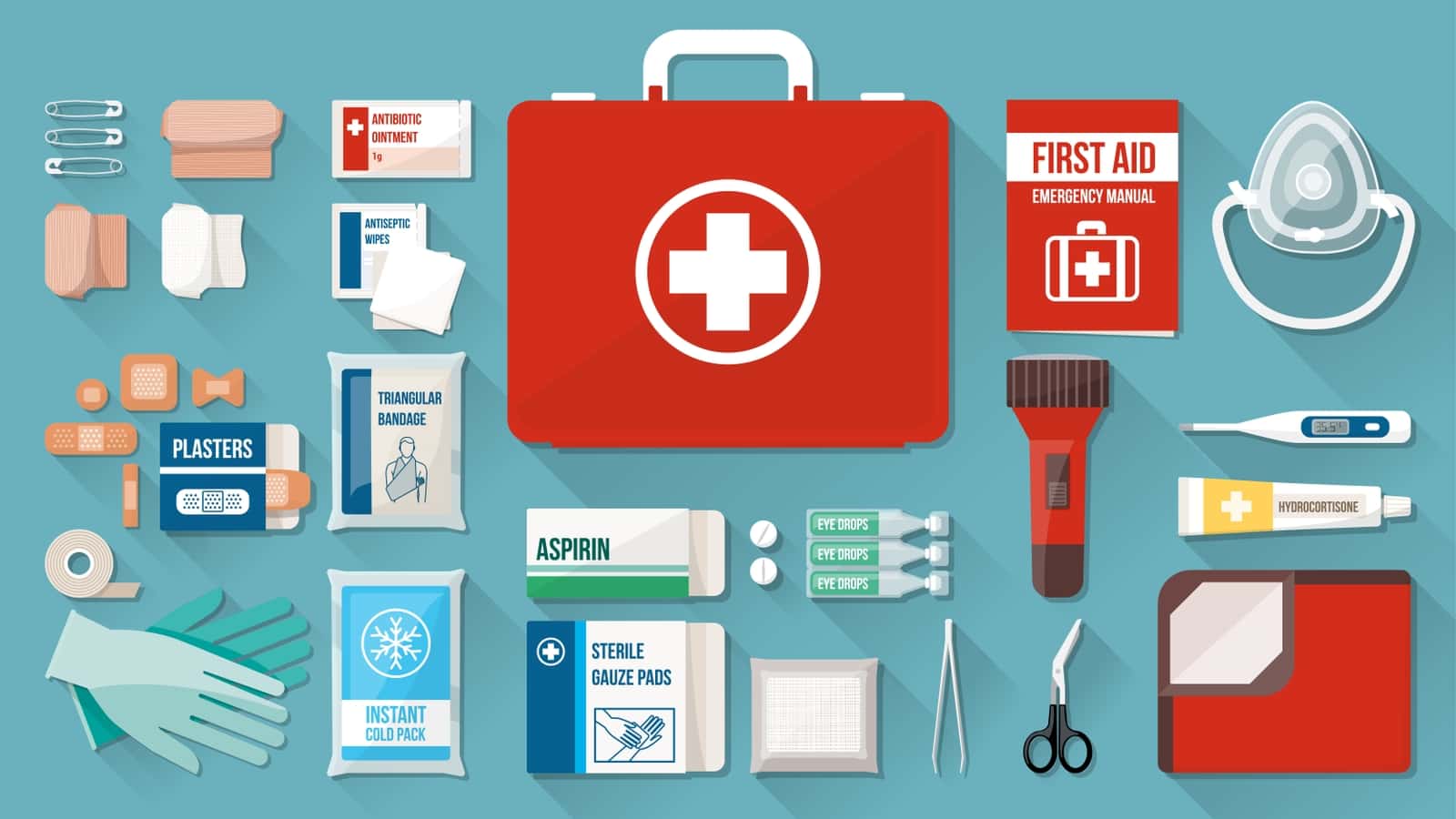
    Accidents and minor medical emergencies can happen at home, on the road, at school, or while travelling. A well-stocked first aid kit in Kenya allows you to respond quickly to cuts, burns, sprains, insect bites, nosebleeds, and other common injuries before professional medical care is available.

    Many Kenyan households own a first aid box but often discover that essential items are missing or expired when an emergency occurs. The same problem is common in vehicles, especially for people who travel long distances between Nairobi, Rongai, Ngong, Karen, Kiserian, Nakuru, Mombasa, Kisumu, or Eldoret.

    At Our Mall Pharmacy, pharmacists are frequently asked:

    • What should a first aid kit contain?
    • Is a car first aid kit different from a home kit?
    • Which medicines should be included?
    • How often should I replace expired supplies?
    • Which items are essential for families with children?

    This guide explains exactly what belongs in a first aid kit, how to organise supplies, what to avoid storing, and how often to inspect and restock your kit.

    Explore our First Aid collection:

    first-aid


    What Is a First Aid Kit?

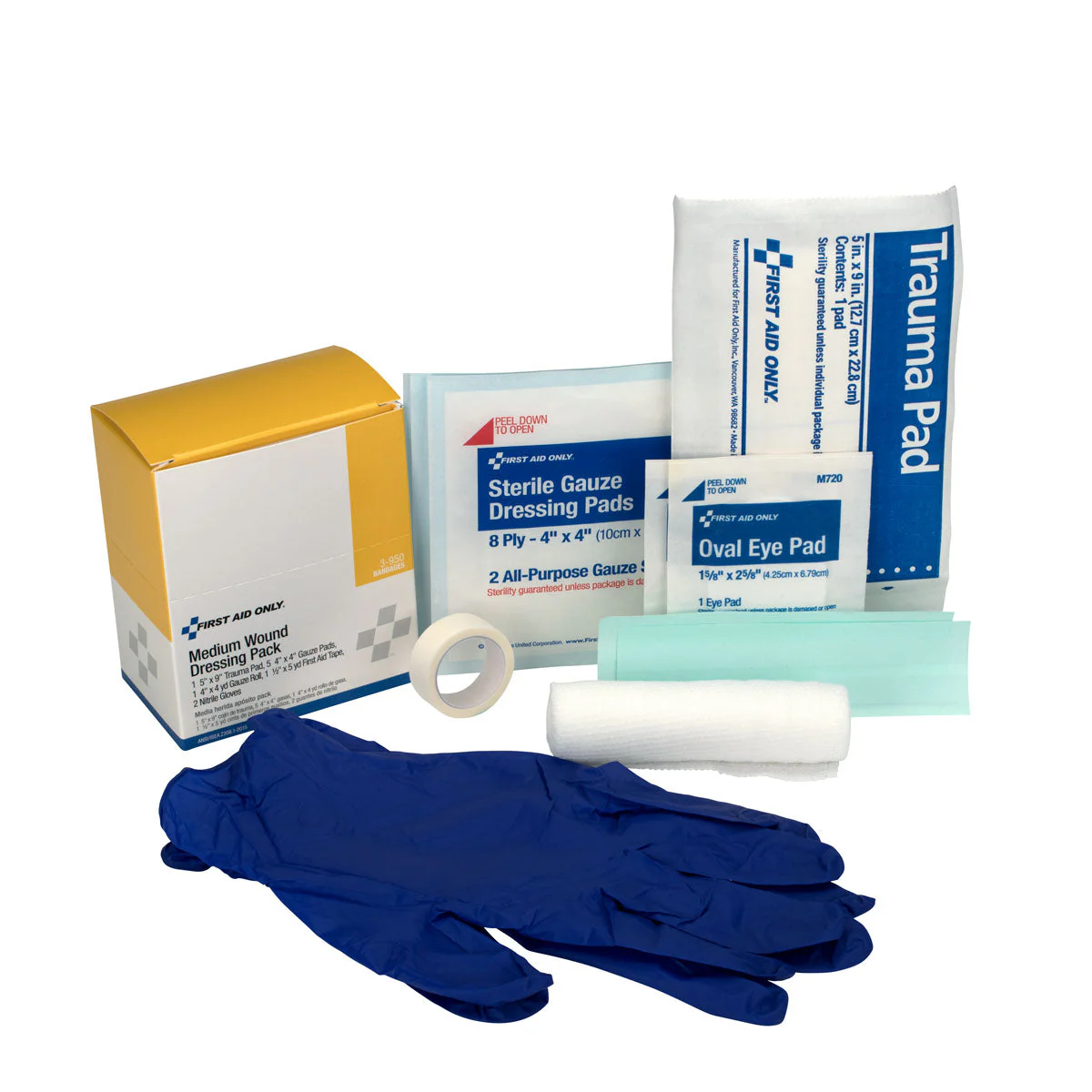
    A first aid kit is a collection of medical supplies and basic equipment used to provide immediate care for minor injuries or illnesses before professional medical treatment is available. A properly stocked kit can reduce complications and improve emergency preparedness.

    A good first aid kit helps manage:

    • Cuts and grazes
    • Minor burns
    • Sprains
    • Nosebleeds
    • Insect bites
    • Small wounds
    • Minor allergic reactions

    It is not a replacement for emergency medical care.


    Why Every Home and Car Needs a First Aid Kit

    Keeping a first aid kit at home and in your vehicle ensures that essential supplies are available whenever an injury occurs. Immediate access to first aid materials can reduce bleeding, protect wounds, and provide temporary care until further treatment is available.

    Common situations include:

    • Kitchen cuts
    • Playground injuries
    • Road trips
    • Sports injuries
    • Minor burns
    • Household accidents

    In Kenya, where traffic delays may affect access to healthcare facilities, carrying a stocked vehicle first aid kit provides additional peace of mind.


    Essential Home First Aid Kit Checklist

    A home first aid kit should contain wound care supplies, basic medicines, protective equipment, and emergency tools suitable for common household injuries.

    Recommended items include:

    Wound Care

    • Adhesive plasters (various sizes)
    • Sterile gauze
    • Sterile dressings
    • Medical tape
    • Antiseptic solution
    • Wound cleansing wipes

    Protective Equipment

    • Disposable gloves
    • Face mask
    • CPR face shield (where available)

    Basic Medical Tools

    • Digital thermometer
    • Tweezers
    • Small scissors
    • Safety pins

    Medicines

    • Paracetamol
    • Ibuprofen (where appropriate)
    • Oral rehydration salts
    • Antihistamines
    • Prescribed medicines for household members

    Always follow medicine instructions and seek professional advice when needed.


    Essential Car First Aid Kit Checklist

    A vehicle first aid kit should include compact emergency supplies suitable for road travel and should be stored where they are easily accessible but protected from excessive heat.

    Recommended contents include:

    • Adhesive bandages
    • Sterile gauze
    • Elastic bandage
    • Antiseptic wipes
    • Disposable gloves
    • Burn dressing
    • Emergency blanket
    • Digital thermometer
    • Small torch
    • Emergency contact list

    Drivers travelling between Nairobi and other counties should inspect vehicle first aid kits regularly because high temperatures inside parked vehicles may affect some products.


    First Aid Kit Contents Table

    A well-organised first aid kit contains supplies for cleaning wounds, controlling bleeding, monitoring health, and managing minor illnesses.

    Item Purpose Home Kit Car Kit
    Adhesive Plasters Cover small cuts
    Sterile Gauze Dress wounds
    Medical Tape Secure dressings
    Antiseptic Solution Clean wounds
    Disposable Gloves Infection prevention
    Digital Thermometer Monitor temperature
    Elastic Bandage Support sprains
    Burn Dressing Minor burns
    Oral Rehydration Salts Dehydration Optional
    Emergency Blanket Warmth Optional

    What Should You Avoid Keeping in a First Aid Kit?

    Not every medicine or household product belongs in a first aid kit. Expired medicines, damaged packaging, and products without clear labels should be removed immediately.

    Avoid storing:

    • Expired medicines
    • Unlabelled tablets
    • Broken medical equipment
    • Used dressings
    • Damaged sterile products

    Inspect supplies regularly and replace anything that is expired or damaged.


    How Often Should You Restock a First Aid Kit?

    A first aid kit should be checked at least every six months and immediately after items have been used. Medicines and sterile products should also be monitored for expiry dates.

    During each inspection:

    • Replace used items.
    • Check expiry dates.
    • Inspect packaging.
    • Test digital devices.
    • Update emergency contact information.

    Medication Table for a Home First Aid Kit

    Medicine Category Common Use Typical Strength Availability
    Paracetamol Pain reliever Fever and mild pain 500 mg Over the counter
    Ibuprofen NSAID Pain and inflammation 200–400 mg Over the counter
    Oral Rehydration Salts Rehydration Dehydration Sachet Over the counter
    Antihistamine Allergy relief Mild allergic reactions Varies Over the counter

    Always use medicines according to the instructions or advice from a healthcare professional.


    Local Kenyan Context

    Families living in Nairobi, Rongai, Ngong, Karen, Lang’ata, and surrounding areas often benefit from keeping separate home and vehicle first aid kits because of busy commuting, school activities, and weekend travel.

    People travelling to warmer regions such as Mombasa should avoid exposing medicines to prolonged heat, while hikers and campers should consider carrying additional supplies such as insect bite treatment and blister plasters.


    Real Pharmacy Experience

    Pharmacists frequently help customers assemble first aid kits based on family size, travel habits, workplace needs, and existing medical conditions.

    Common questions include:

    • “Which medicines should I include?”
    • “Can I keep antibiotics in my first aid kit?”
    • “How long do sterile dressings last?”
    • “Which antiseptic is best?”
    • “Should children’s medicines be stored separately?”

    Common First Aid Kit Mistakes

    Many first aid kits become less effective because important supplies are missing or expired. Routine maintenance keeps the kit ready for emergencies.

    Avoid:

    • Forgetting expiry dates.
    • Leaving medicines in excessive heat.
    • Storing damaged sterile items.
    • Mixing prescription medicines without labels.
    • Keeping only one kit for both home and vehicle.

    Frequently Asked Questions (FAQs)

    What should a first aid kit in Kenya contain?

    A first aid kit should contain wound care supplies, gloves, antiseptics, bandages, basic medicines, and emergency equipment suitable for treating minor injuries.


    How often should I replace first aid kit supplies?

    Inspect your first aid kit at least every six months and replace any used, damaged, or expired items immediately.


    Can I keep medicines in my car first aid kit?

    Some medicines may be affected by excessive heat. Follow storage instructions on the packaging and replace products that have been exposed to unsuitable conditions.


    Is a home first aid kit different from a car first aid kit?

    Yes. Vehicle kits are usually more compact and include items suitable for travel emergencies, while home kits may contain additional supplies for everyday injuries.


    Where can I buy a first aid kit in Kenya?

    First aid kits and first aid supplies are available from licensed pharmacies such as Our Mall Pharmacy, where pharmacists can help you choose suitable products.


    Related Resources


    Contact Our Mall Pharmacy

    Call Us: +254 722 390 003

    Mon-Sat 9AM-8PM, Sun 10:30AM-6PM

    WhatsApp: Chat with a Pharmacist (Instant responses)

    Email: ourmallpharmacy@gmail.com (We reply within 2 hours)

    Visit Us:
    Our Mall, Off Magadi Rd, Avocado Lane, Ground Floor (Shop No. 22)

    Mon-Sat 9AM-8PM, Sun 10:30AM-6PM


    Final Takeaway

    A properly stocked first aid kit in Kenya is one of the simplest ways to prepare for everyday emergencies at home and on the road. By including essential wound care supplies, basic medicines, and emergency equipment, checking expiry dates regularly, and replacing used items promptly, you can respond confidently to many common injuries while waiting for professional medical care if needed.

    At Our Mall Pharmacy, our pharmacists are available to help you build or restock a reliable first aid kit with genuine medical supplies tailored to your family’s needs.

  • Menstrual Products in Kenya: Cups, Pads and Relief

    Menstrual Products in Kenya: Cups, Pads and Relief

    Menstrual care is an important part of women’s health, and today’s consumers have more choices than ever before. From disposable sanitary pads and tampons to reusable menstrual cups, selecting the right menstrual product depends on comfort, lifestyle, menstrual flow, and personal preference.

    If you’re looking for menstrual products in Kenya, understanding the advantages and limitations of each option can help you make an informed decision while managing your period comfortably and safely.

    At Our Mall Pharmacy, pharmacists frequently receive questions such as:

    • Which menstrual product is best?
    • Are menstrual cups safe?
    • How often should I change a pad?
    • Are tampons suitable for everyone?
    • What helps relieve period cramps?

    This guide compares the most common menstrual products available in Kenya and explains practical ways to manage menstrual discomfort.

    Explore our Women’s Health products:

    mother-baby


    What Are Menstrual Products?

    Menstrual products are hygiene products used to absorb or collect menstrual blood during a period. Different products suit different lifestyles, comfort levels, and menstrual flow.

    Common menstrual products include:

    • Disposable sanitary pads
    • Organic pads
    • Tampons
    • Menstrual cups
    • Panty liners
    • Period underwear

    Each option has unique benefits and considerations.


    Types of Menstrual Products in Kenya

    Menstrual products in Kenya are available in reusable and disposable forms, allowing women to choose products based on comfort, convenience, and budget.

    Sanitary Pads

    Pads remain one of the most commonly used menstrual products.

    Advantages:

    • Easy to use
    • Available in different absorbencies
    • Suitable for beginners

    Organic Pads

    Organic pads are made with materials designed to minimise exposure to certain synthetic ingredients.

    Advantages:

    • Comfortable
    • Suitable for sensitive skin
    • Breathable

    Tampons

    Tampons are worn internally and allow greater freedom during physical activities.

    Advantages:

    • Discreet
    • Suitable for sports and swimming
    • Available in multiple absorbencies

    Menstrual Cups

    Menstrual cups are reusable silicone or rubber devices inserted into the vagina to collect menstrual fluid.

    Advantages:

    • Reusable
    • Cost-effective over time
    • Environmentally friendly

    Menstrual Product Comparison Table

    Each menstrual product has strengths depending on flow, lifestyle, comfort, and budget.

    Product Reusable Suitable For Main Benefit
    Sanitary Pad No Everyday use Easy to use
    Organic Pad No Sensitive skin Gentle materials
    Tampon No Active lifestyles Discreet
    Menstrual Cup Yes Long-term use Cost-effective
    Panty Liner No Light flow Everyday freshness

    Which Menstrual Product Is Best?

    The best menstrual product depends on individual preferences, menstrual flow, daily activities, and comfort. There is no single product that suits everyone.

    Consider:

    • Flow intensity
    • Skin sensitivity
    • Lifestyle
    • Budget
    • Environmental concerns

    Many women use different products depending on the day of their cycle.


    Period Pain Relief Options

    Mild to moderate period pain can often be managed using self-care measures and pharmacist-recommended pain relief medicines where appropriate. Persistent or severe pain should be medically evaluated.

    Common approaches include:

    • Heat therapy
    • Gentle exercise
    • Adequate hydration
    • Rest
    • Pharmacist-recommended pain relief medicines

    Period Pain Relief Medication Table

    Medication Category Common Use Typical Strength Availability
    Paracetamol Pain reliever Mild menstrual pain 500 mg Over the counter
    Ibuprofen NSAID Menstrual cramps 200–400 mg Over the counter
    Naproxen NSAID Period pain Varies Pharmacy

    Always follow the product instructions or advice from a healthcare professional.


    Local Kenyan Context

    Many women in Nairobi, Rongai, Ngong, Karen, Lang’ata, Kilimani, and Westlands look for menstrual products that balance comfort, affordability, and convenience. Climate can also influence product choice.

    For example:

    • Hot weather may make breathable pads more comfortable.
    • Long work or school days may encourage use of higher absorbency products.
    • Reusable menstrual cups are becoming increasingly popular because of their long-term cost savings.

    Real Pharmacy Experience

    Pharmacists commonly help customers choose menstrual products based on age, menstrual flow, comfort, and skin sensitivity while answering questions about safe product use.

    Frequently asked questions include:

    • “How long can I wear a menstrual cup?”
    • “Are tampons safe?”
    • “Which pad is best for heavy flow?”
    • “What medicine helps period cramps?”
    • “Can teenagers use menstrual cups?”

    Tips for Better Menstrual Hygiene

    Good menstrual hygiene reduces discomfort and supports reproductive health. Products should be changed according to the manufacturer’s recommendations and personal menstrual flow.

    Helpful habits include:

    • Wash hands before and after changing products.
    • Change pads or tampons regularly.
    • Clean reusable menstrual cups properly.
    • Store products in a clean, dry place.
    • Monitor for unusual symptoms.

    When Should You See a Doctor?

    While menstrual discomfort is common, severe pain, unusually heavy bleeding, or significant cycle changes should be assessed by a healthcare professional.

    Seek medical advice if you experience:

    • Very heavy bleeding
    • Severe pelvic pain
    • Periods lasting unusually long
    • Bleeding between periods
    • Fever or signs of infection when using internal products

    Frequently Asked Questions (FAQs)

    What are the best menstrual products in Kenya?

    The best menstrual products depend on your lifestyle, menstrual flow, comfort, and personal preference. Pads, tampons, and menstrual cups all have advantages for different users.


    Are menstrual cups safe?

    Yes. Menstrual cups are generally considered safe when used, cleaned, and stored according to the manufacturer’s instructions.


    Which menstrual product is most affordable?

    Disposable pads usually have a lower upfront cost, while menstrual cups may offer long-term savings because they are reusable.


    What helps relieve period pain?

    Heat therapy, hydration, gentle exercise, and pharmacist-recommended pain relief medicines may help relieve mild to moderate menstrual cramps.


    How often should I change my menstrual product?

    Follow the manufacturer’s instructions and change products regularly depending on menstrual flow to maintain hygiene and comfort.


    Where can I buy menstrual products in Kenya?

    Menstrual products are available from licensed pharmacies, including Our Mall Pharmacy, where pharmacists can help you choose suitable options.


    Related Resources


    Contact Our Mall Pharmacy

    Call Us: +254 722 390 003

    Mon-Sat 9AM-8PM, Sun 10:30AM-6PM

    WhatsApp: Chat with a Pharmacist (Instant responses)

    Email: ourmallpharmacy@gmail.com (We reply within 2 hours)

    Visit Us:
    Our Mall, Off Magadi Rd, Avocado Lane, Ground Floor (Shop No. 22)

    Mon-Sat 9AM-8PM, Sun 10:30AM-6PM


    Final Takeaway

    Choosing menstrual products in Kenya is a personal decision based on comfort, menstrual flow, lifestyle, and budget. Whether you prefer disposable pads, tampons, reusable menstrual cups, or organic products, understanding the benefits and limitations of each option can help you manage your period confidently. Combining the right menstrual product with appropriate period pain relief and good menstrual hygiene supports overall reproductive health.

    At Our Mall Pharmacy, our pharmacists are available to provide confidential advice on menstrual products, period pain relief, and women’s health products to help you select options that best meet your needs.