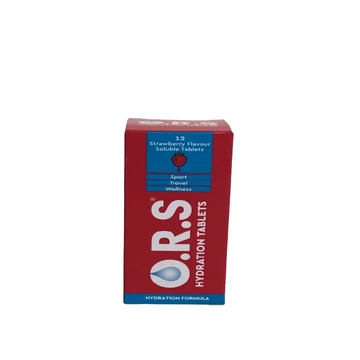
ORS Kenya guidance is important because diarrhoea can cause the body to lose water and essential salts quickly. Correctly prepared oral rehydration solution can replace these losses and help prevent or treat dehydration while you monitor the illness and seek medical care when necessary.
Diarrhoea is common among both adults and children, but the greatest immediate concern is often not the diarrhoea itself.
It is dehydration.
When someone has repeated loose or watery stools, the body loses:
- Water
- Sodium
- Chloride
- Potassium
- Other electrolytes
Vomiting can increase these losses.
This is why ORS Kenya is an important part of basic diarrhoea care.
Oral rehydration salts are designed to be mixed with the correct quantity of clean water to produce an oral rehydration solution.
However, preparing ORS incorrectly can make it less effective or potentially unsafe.
This guide explains how to use ORS correctly, how to recognise dehydration and when home treatment is no longer enough.
What Is ORS?
ORS stands for oral rehydration salts, a mixture of salts and glucose that is dissolved in clean water to help replace fluids and electrolytes lost through diarrhoea and vomiting. ORS Kenya products should always be prepared according to the instructions on the specific sachet.
ORS does not directly cure the cause of diarrhoea.
Instead, it addresses one of the most important complications: fluid and electrolyte loss.
The glucose and salts in ORS help the intestine absorb water efficiently.
This makes oral rehydration particularly useful when diarrhoea is causing fluid loss.
For families looking for ORS Kenya, the most important issue is not simply buying a sachet.
It is preparing and administering it correctly.
How Does ORS Work for Diarrhoea?
ORS works by helping the intestine absorb water together with electrolytes, replacing fluids lost through diarrhoea and vomiting. ORS Kenya is therefore primarily a rehydration treatment rather than an antibiotic or medicine that stops diarrhoea immediately.
A diarrhoeal illness can cause substantial fluid loss.
Drinking plain water can replace some of the lost fluid, but it does not replace electrolytes in the same way as an appropriately prepared ORS solution.
ORS contains carefully balanced amounts of:
- Glucose
- Sodium
- Potassium
- Chloride
- Other components depending on the formulation
The balance matters.
That is why homemade mixtures should not be treated as interchangeable with a correctly formulated commercial ORS product.
How Do You Prepare ORS Correctly?
Prepare ORS by dissolving the entire sachet in exactly the amount of clean water specified on its packaging, using a clean container and clean drinking water. ORS Kenya sachets can differ in formulation and required water volume, so never guess the amount of water.
This is one of the most important rules.
Step-by-step ORS preparation
- Wash your hands.
- Use a clean container.
- Use safe drinking water.
- Check the sachet instructions carefully.
- Measure the exact amount of water specified.
- Empty the entire sachet into the water.
- Stir until completely dissolved.
- Do not add extra sugar or salt.
- Do not make the solution stronger or weaker.
- Use or discard the prepared solution according to the product instructions.
Do not assume that every ORS sachet requires the same amount of water.
Some products may be designed for different volumes.
Always follow the instructions printed on the particular product.
For available healthcare products, you can view all products at Our Mall Pharmacy.
Why Is the Amount of Water Important When Preparing ORS?
The amount of water is critical because ORS is formulated to contain a specific concentration of glucose and electrolytes after mixing. ORS Kenya should therefore never be prepared using an estimated amount of water or by adding extra salt or sugar.
Adding too little water makes the solution too concentrated.
Adding too much water makes it too diluted.
Neither approach follows the intended formulation.
For example, do not prepare ORS by simply filling a glass and adding part of a sachet.
Instead:
Use the entire sachet according to the manufacturer’s stated water volume.
This simple step helps ensure the correct concentration.
Can You Use Hot Water to Prepare ORS?
Use clean, safe drinking water at a suitable temperature according to the product instructions rather than preparing ORS with very hot water. Once prepared, allow the solution to be suitable for drinking before giving it to the patient.
If water safety is uncertain, use an appropriate safe-water method according to local health guidance.
The priority is both:
- Correct ORS concentration
- Safe water
Clean preparation equipment also matters.
How Long Can Prepared ORS Be Kept?
Prepared ORS should be stored and used according to the instructions on the specific product, because once water is added the solution can become contaminated if it is kept improperly. When in doubt, prepare a fresh solution rather than keeping an old batch for too long.
Keep prepared ORS:
- Covered
- In a clean container
- Away from contamination
- According to the product’s storage instructions
Do not repeatedly top up an old container with newly prepared ORS.
Wash the container before preparing a fresh batch.
For exact storage instructions, check the product packaging or ask a pharmacist.
How Much ORS Should You Give a Person With Diarrhoea?
The amount of ORS needed depends on the person’s age, weight, degree of dehydration and ongoing fluid losses. ORS Kenya should be given frequently in appropriate amounts, with children and severely dehydrated patients requiring particular attention to professional guidance.
There is no single amount that is appropriate for every person.
A practical approach is to give small, frequent amounts.
For example:
- Give small sips frequently.
- Continue offering ORS after loose stools.
- If vomiting occurs, pause briefly and restart with smaller, more frequent sips.
- Continue breastfeeding infants.
- Seek medical care if the person cannot drink adequately.
For children, follow advice from a healthcare professional or the product instructions.
Young children can become dehydrated faster than adults.
What Should You Do If the Person Vomits ORS?
If someone vomits after drinking ORS, do not necessarily stop rehydration completely. Allow a short pause and then restart with small, frequent sips, while seeking medical advice if vomiting continues or the person cannot keep fluids down.
Large amounts of fluid taken quickly may trigger more vomiting.
Instead:
- Give a small amount.
- Wait briefly.
- Give another small amount.
- Continue gradually.
- Monitor hydration.
If the patient continues vomiting and cannot keep fluids down, home treatment may no longer be sufficient.
This is particularly important for babies and young children.
Can Babies and Children Take ORS?
Yes, appropriately prepared ORS can be used for children with diarrhoea and dehydration, including young children, when given according to appropriate guidance. ORS Kenya should be prepared exactly according to the product instructions, and children with significant dehydration or warning signs need prompt medical assessment.
Continue breastfeeding during diarrhoea.
Breast milk provides fluid and nutrition and should generally not be stopped simply because a child has diarrhoea.
Parents should monitor:
- Urination
- Drinking
- Alertness
- Tears
- Mouth moisture
- Stool frequency
- Vomiting
- General behaviour
For children’s healthcare products, visit Our Mall Pharmacy’s Mother & Baby category.
What Are the Signs of Dehydration in a Child?
Dehydration signs child symptoms can include reduced urination, dry mouth, lack of tears, unusual sleepiness, weakness, thirst and sunken eyes. Severe dehydration can become life-threatening and requires urgent medical assessment rather than continued home treatment.
Parents should watch for:
- Fewer wet nappies
- Reduced urination
- Dry mouth
- No or fewer tears when crying
- Sunken eyes
- Excessive thirst
- Unusual sleepiness
- Irritability
- Weakness
- Poor drinking
A child who becomes difficult to wake or cannot drink needs urgent medical assessment.
The dehydration signs child caregivers should recognise can develop quickly when diarrhoea and vomiting are severe.
What Are the Signs of Severe Dehydration?
Severe dehydration can cause extreme weakness, confusion, very little or no urine, inability to drink, marked drowsiness or other serious changes in consciousness and circulation. These dehydration signs child and adult symptoms require urgent medical care rather than relying only on ORS at home.
Seek urgent medical attention when someone:
- Cannot drink
- Is repeatedly vomiting
- Becomes confused
- Is unusually difficult to wake
- Has very little or no urine
- Becomes extremely weak
- Shows signs of shock
- Has severe dehydration
ORS can be extremely useful, but it is not a substitute for urgent medical treatment when dehydration is severe.
What Is the Best Home Treatment for Diarrhoea?
The main priorities in diarrhoea home treatment are replacing lost fluids and electrolytes, continuing appropriate food or breastfeeding and monitoring for dehydration and other warning signs. ORS Kenya is an important rehydration option, but persistent or severe diarrhoea may require medical assessment.
Basic diarrhoea home treatment includes:
- Start appropriate rehydration.
- Give ORS according to instructions.
- Continue breastfeeding.
- Continue suitable food as tolerated.
- Encourage fluids.
- Monitor urine output.
- Monitor the person’s alertness.
- Watch for blood in stool.
- Seek medical care when warning signs occur.
The goal is to prevent dehydration while the underlying illness resolves or is treated.
Should You Stop Feeding a Child During Diarrhoea?
Children with diarrhoea generally need continued feeding and breastfeeding rather than being deliberately starved. Appropriate nutrition supports recovery, while ORS replaces fluids and electrolytes lost through diarrhoea.
Parents sometimes stop feeding because they fear food will make diarrhoea worse.
This can reduce nutritional intake unnecessarily.
Instead, continue age-appropriate foods as tolerated.
Depending on the child’s age and usual diet, suitable foods may include:
- Soft foods
- Porridge
- Rice
- Potatoes
- Bananas
- Other familiar foods
Breastfeeding should continue.
If a child refuses food completely or is too weak to drink, seek medical advice.
Can You Make ORS at Home Without a Sachet?
A correctly formulated commercial ORS product is preferable when available because it provides a measured balance of glucose and electrolytes. If commercial ORS is unavailable, follow recognised health guidance for emergency homemade oral rehydration rather than guessing the amounts of salt and sugar.
This is an important safety point.
Do not improvise with:
- Extra salt
- Extra sugar
- Very concentrated mixtures
- Soft drinks
- Energy drinks
- Undiluted fruit juice
Incorrectly mixed solutions can be harmful.
For ORS Kenya, the safest approach is to use a properly formulated product and follow its instructions precisely.
If you are uncertain about preparation, ask a pharmacist.
Is Plain Water Enough for Diarrhoea?
Plain water can help replace fluid, but diarrhoea also causes electrolyte losses, which is why appropriately prepared ORS is particularly useful. ORS Kenya provides a balanced combination designed to support fluid and electrolyte replacement.
Water is still valuable.
Adults and children should maintain appropriate fluid intake when possible.
However, frequent watery diarrhoea can cause substantial sodium and other electrolyte losses.
ORS is designed to address these losses.
Can You Give Juice or Soda Instead of ORS?
Sugary drinks, soft drinks and undiluted fruit juices are not substitutes for correctly prepared ORS because their sugar and electrolyte composition is not designed specifically for oral rehydration. ORS Kenya remains the preferred option for replacing fluid and electrolyte losses caused by diarrhoea.
Avoid relying on:
- Soda
- Energy drinks
- Very sugary juice
- Sports drinks
These products are formulated for different purposes.
For diarrhoea, appropriate oral rehydration is more important.
When Should You See a Doctor for Diarrhoea?
Medical assessment is important when diarrhoea is severe, persistent or accompanied by dehydration, blood in the stool, high fever, severe abdominal pain, repeated vomiting or significant weakness. ORS Kenya can help with fluid replacement, but it does not remove the need for medical care when warning signs appear.
Seek medical advice if:
- Diarrhoea continues or worsens.
- There is blood in the stool.
- There is significant dehydration.
- The person cannot drink.
- Vomiting prevents fluid replacement.
- There is severe abdominal pain.
- There is high or persistent fever.
- The patient is unusually weak or sleepy.
- The patient is a very young child.
- The patient is elderly or medically vulnerable.
Do not wait for dehydration to become severe.
When Is Diarrhoea an Emergency?
Diarrhoea becomes an emergency when it causes severe dehydration, inability to drink, repeated vomiting, confusion, collapse, severe weakness, significant blood loss or other serious symptoms. In these situations, ORS Kenya should be used as appropriate while urgent medical care is sought.
Urgent warning signs include:
- Confusion
- Fainting
- Severe dehydration
- Very little urine
- Inability to drink
- Repeated vomiting
- Blood in stool
- Severe abdominal pain
- Serious weakness
- Rapid deterioration
Children can deteriorate quickly.
Do not rely on home treatment when severe symptoms are present.
Can Diarrhoea Be Caused by Contaminated Food or Water?
Yes, contaminated food or water can cause diarrhoeal illnesses through infections or toxins. Good hand hygiene, safe drinking water, proper food storage and careful food preparation can reduce the risk of diarrhoeal disease.
Common prevention measures include:
- Wash hands with soap.
- Drink safe water.
- Wash fruits and vegetables appropriately.
- Cook food thoroughly.
- Store food safely.
- Avoid cross-contamination.
- Keep preparation surfaces clean.
This is especially important for children.
Can Diarrhoea Be Caused by Antibiotics?
Yes, antibiotics can sometimes cause diarrhoea because they can alter the normal balance of microorganisms in the digestive system. Antibiotic-associated diarrhoea that is severe, persistent or accompanied by blood, fever or significant abdominal pain should be medically assessed.
Do not stop or change a prescribed antibiotic without appropriate medical advice.
If diarrhoea begins while taking antibiotics, tell your healthcare professional.
They can determine whether the symptoms are a common side effect or require further investigation.
Should You Take Anti-Diarrhoea Medicine?
Not every person with diarrhoea needs medicine to stop bowel movements, and some anti-diarrhoeal medicines are unsuitable in certain situations. ORS Kenya and appropriate fluid replacement are generally more important initial priorities, while blood in stool, fever or severe illness requires professional assessment.
Do not automatically take anti-diarrhoeal medicine if:
- There is blood in the stool.
- There is significant fever.
- You are severely unwell.
- The patient is a young child.
- The cause is uncertain.
Ask a pharmacist or doctor before using such medicines.
ORS Medication and Rehydration Table
ORS is a rehydration product rather than an antibiotic or conventional diarrhoea-stopping medicine. ORS Kenya should be prepared with the exact amount of water specified by the manufacturer and administered appropriately according to the patient’s needs.
| Parameter | ORS |
|---|---|
| Full name | Oral Rehydration Salts |
| Category | Oral rehydration therapy |
| Main use | Replace fluid and electrolytes |
| Used for | Diarrhoea and dehydration prevention/treatment |
| Preparation | Follow sachet instructions exactly |
| Water | Use the exact specified volume |
| Frequency | Give frequently according to need and guidance |
| Main safety issue | Incorrect dilution |
| Does it cure infection? | No |
| Availability | Pharmacy/healthcare product |
Always check the specific product packaging because formulations and preparation volumes can differ.
Top 10 ORS Kenya Safety Rules
Safe ORS use depends mainly on correct preparation, clean water, appropriate administration and recognising when medical treatment is needed. These ORS Kenya rules help reduce preventable dehydration and preparation errors.
- Read the sachet instructions.
- Use the exact amount of water specified.
- Use clean drinking water.
- Use the entire sachet unless the product specifically instructs otherwise.
- Do not add extra sugar.
- Do not add extra salt.
- Use a clean container.
- Give small, frequent amounts when necessary.
- Continue breastfeeding.
- Seek medical care for warning signs.
Frequently Asked Questions About ORS Kenya
What is ORS used for?
ORS is used to replace water and electrolytes lost through diarrhoea and vomiting. ORS Kenya is especially useful for preventing or treating dehydration when the person can drink.
How do I prepare ORS?
Dissolve the entire sachet in exactly the amount of clean water stated on the packaging. Do not guess the water quantity or add additional salt or sugar.
Can I use less water to make ORS stronger?
No. Using less water makes the solution more concentrated than intended and can be unsafe. Always use the exact amount specified by the manufacturer.
Can children take ORS?
Yes, appropriately prepared ORS can be given to children with diarrhoea, including young children, according to appropriate guidance. Children showing severe dehydration or other warning signs need urgent medical assessment.
What are the dehydration signs child caregivers should watch for?
Important dehydration signs child caregivers should watch for include reduced urination, dry mouth, fewer tears, unusual sleepiness, weakness, excessive thirst and sunken eyes. Severe symptoms require urgent medical care.
Is ORS a medicine that stops diarrhoea?
No. ORS replaces fluids and electrolytes lost during diarrhoea but does not directly stop the underlying cause.
Is water enough for diarrhoea?
Water helps replace fluid, but diarrhoea also causes electrolyte losses. Appropriately prepared ORS is designed to replace both fluid and important electrolytes.
When should I take someone with diarrhoea to a doctor?
Seek medical care for severe dehydration, blood in stool, persistent vomiting, inability to drink, severe abdominal pain, high fever, significant weakness or worsening symptoms.
Final Takeaway: ORS Kenya and Safe Diarrhoea Care
ORS Kenya is an important tool for preventing and treating dehydration caused by diarrhoea, but it must be prepared correctly and used alongside careful monitoring. Correct preparation, continued feeding and breastfeeding, adequate fluid replacement and early recognition of dehydration signs can make home care safer.
Remember these key points:
- Diarrhoea causes fluid and electrolyte loss.
- ORS helps replace those losses.
- Use the exact water volume specified on the sachet.
- Never guess the dilution.
- Do not add extra salt or sugar.
- Give small, frequent amounts when needed.
- Continue breastfeeding.
- Continue suitable food.
- Watch carefully for dehydration.
- Seek medical care when warning signs appear.
If you are unsure how to prepare or administer ORS, speak with a pharmacist rather than guessing.
Contact Our Mall Pharmacy
Call Us: +254 722 390 003
Mon-Sat: 9AM-8PM, Sun 10:30AM-6PM
WhatsApp: Chat with a Pharmacist (Instant responses)
Email: ourmallpharmacy@gmail.com
We reply within 2 hours.
Visit Us:
Our Mall, Off Magadi Rd, Avocado Lane, Ground Floor (Shop No. 22)
Mon-Sat: 9AM-8PM
Sun: 10:30AM-6PM