Blog

  • Newborn Skin Care Kenya: Essential 2026 Guide to Dry Skin, Nappy Rash and What to Skip

    Newborn Skin Care Kenya: Essential 2026 Guide to Dry Skin, Nappy Rash and What to Skip

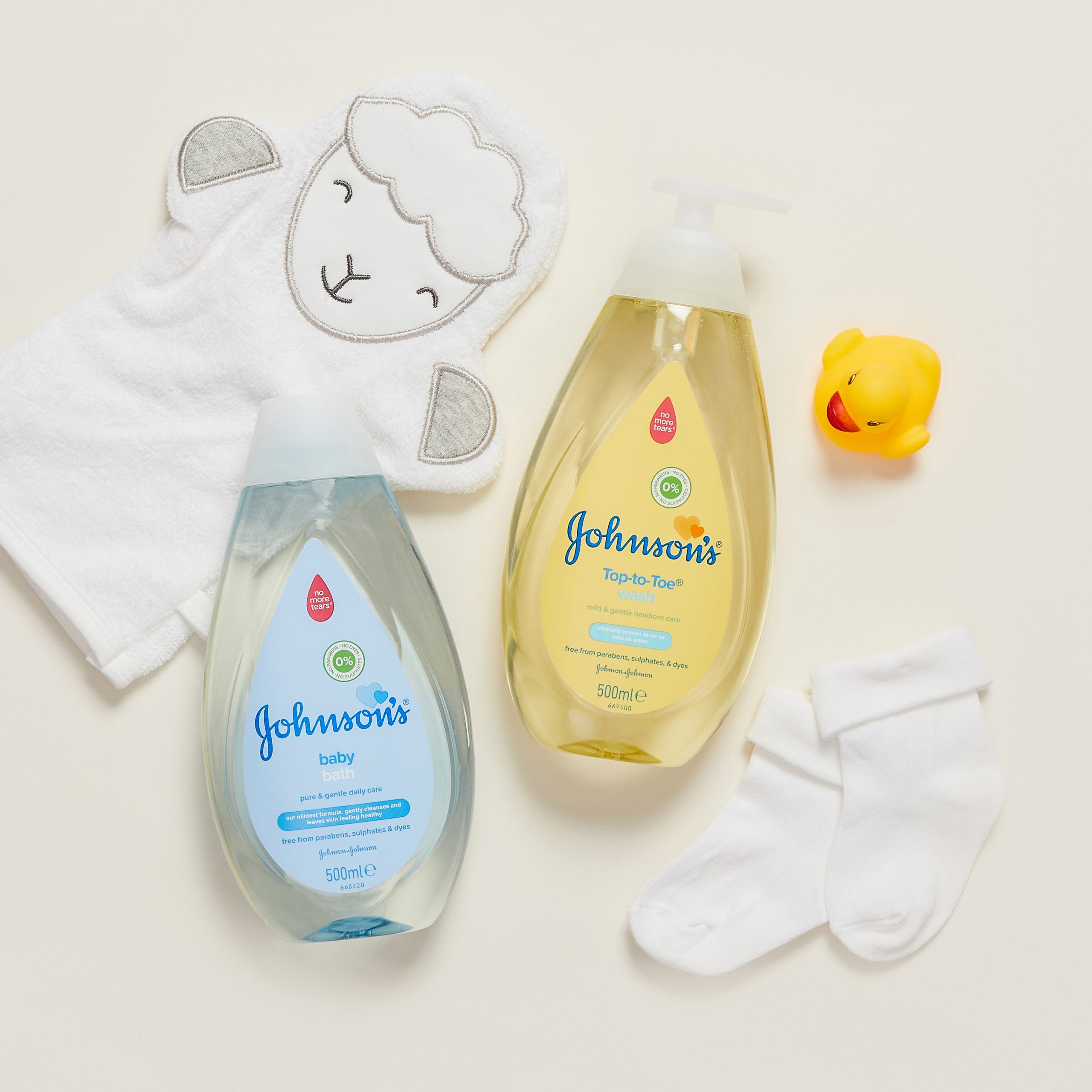
    Newborn skin care Kenya requires a gentle approach because newborn skin is delicate and can become dry, irritated or affected by nappy rash easily. Simple bathing, careful moisturising, clean nappies and avoiding unnecessary products can help protect a baby’s skin.

    A newborn’s skin can look very different from an adult’s skin. Peeling, dryness, mild redness and small spots can occur during the first weeks of life.

    Kenyan weather can also affect baby skin. Dry conditions may make already-delicate skin feel rough, while heat and sweating can contribute to irritation around the neck, groin and nappy area.

    Parents therefore need practical guidance on what to use, what to avoid and when a rash needs medical assessment.

    This newborn skin care Kenya guide covers everyday bathing, baby dry skin, nappy rash, moisturisers and common products parents should think twice about using.

    Important: This article is for general education and does not diagnose skin conditions. A newborn with a concerning, spreading or infected-looking rash should be assessed by a healthcare professional.


    What Is the Best Newborn Skin Care Kenya Routine?

    The best newborn skin care Kenya routine is simple: use gentle products, avoid excessive bathing, keep skin folds clean and dry, and moisturise dry areas when necessary. Newborn skin generally does not need a large collection of creams, oils, powders and fragrances.

    A basic routine can include:

    1. Gentle bathing.
    2. Careful drying.
    3. Regular nappy changes.
    4. Gentle cleansing of the nappy area.
    5. An appropriate fragrance-free moisturiser when needed.
    6. Keeping skin folds dry.
    7. Monitoring unusual rashes.

    More products do not necessarily mean better skin care.


    How Often Should You Bathe a Newborn?

    A newborn does not usually need a full bath every day, particularly when the skin is dry or sensitive. Frequent gentle cleaning of the face, neck, skin folds and nappy area can be combined with a few full baths each week, depending on the baby’s needs.

    Daily bathing can sometimes make dry skin worse by removing natural oils.

    When bathing:

    • Use lukewarm rather than hot water.
    • Keep the bath relatively short.
    • Use a gentle cleanser where necessary.
    • Avoid vigorous scrubbing.
    • Support the baby securely.
    • Dry the skin gently afterward.

    Never leave a newborn unattended in or near water.


    How Do You Manage Baby Dry Skin in Kenya?

    Baby dry skin can often be managed by reducing excessive bathing, avoiding harsh cleansers and applying a suitable fragrance-free emollient when needed. Newborn skin care Kenya should take local weather conditions into account, particularly during dry periods when skin may lose moisture more easily.

    Signs of dry skin can include:

    • Rough texture.
    • Fine peeling.
    • Mild flaking.
    • Tight-looking skin.
    • Dry patches.

    After bathing, gently pat the skin dry rather than rubbing it.

    If the skin remains dry, a simple fragrance-free moisturiser may help.

    If dryness becomes severe, cracked, bleeding or associated with a persistent rash, consult a healthcare professional.


    Is Baby Lotion Safe for Newborns?

    Some baby lotions may be suitable for newborns, but parents should choose simple, fragrance-free products designed for sensitive skin. Baby lotion safe use depends on the ingredients and the baby’s individual skin sensitivity, so introducing one new product at a time is sensible.

    When choosing a lotion, consider:

    • Fragrance-free formulas.
    • Products intended for babies.
    • Minimal ingredients.
    • Products designed for sensitive skin.
    • Avoiding unnecessary active ingredients.

    Apply a small amount first.

    If redness, swelling or irritation develops, stop using the product and seek advice if the reaction is significant.


    Should You Use Oil on Newborn Skin?

    Baby oils are not automatically necessary for newborn skin and may not be appropriate for every baby. If you use an oil or emollient, choose a product intended for infant skin and stop using it if irritation occurs.

    Some families traditionally use oils as part of newborn care.

    However, traditional use does not guarantee that every product is suitable for every baby’s skin.

    Be cautious with:

    • Strongly fragranced oils.
    • Essential oils.
    • Homemade mixtures.
    • Products with multiple botanical ingredients.
    • Products not intended for infants.

    Essential oils should not be casually applied to newborn skin.


    What Causes Nappy Rash in Newborns?

    Nappy rash is commonly caused by prolonged exposure to moisture, urine or stool, combined with friction and irritation. Newborn skin care Kenya should therefore include frequent nappy changes and gentle cleaning of the nappy area.

    Factors that can contribute include:

    • Wet nappies.
    • Soiled nappies.
    • Friction.
    • Diarrhoea.
    • Sensitive skin.
    • New products.
    • Antibiotic use in some circumstances.
    • Yeast overgrowth.

    A mild nappy rash may improve with careful hygiene and keeping the area dry.


    How Do You Treat Nappy Rash at Home?

    Mild nappy rash can often be managed by changing nappies frequently, gently cleaning the area, allowing the skin to dry and using an appropriate barrier cream. Persistent, severe or unusual nappy rash should be assessed by a healthcare professional.

    A practical routine is:

    1. Change the nappy regularly

    Do not leave a wet or soiled nappy on unnecessarily.

    2. Clean gently

    Use water or an appropriate gentle cleanser.

    3. Dry carefully

    Pat rather than rub.

    4. Apply a barrier product

    Use an appropriate nappy barrier cream as directed.

    5. Give the skin some air

    When practical and safe, allowing the area to remain uncovered briefly can reduce moisture.


    What Is a Barrier Cream?

    A barrier cream creates a protective layer between sensitive skin and moisture, helping reduce irritation from urine, stool and friction. Barrier creams are commonly used as part of nappy rash prevention and care.

    Barrier products may contain ingredients such as zinc oxide.

    Use the product according to its label.

    Do not apply large amounts of multiple creams simultaneously unless advised by a healthcare professional.

    If the rash is not improving, reassess the situation rather than continuously adding new products.


    How Can You Tell If Nappy Rash May Need Medical Attention?

    A nappy rash needs medical assessment when it is severe, spreading, blistered, bleeding, infected-looking or not improving with basic care. A newborn who appears unwell alongside a rash should be assessed promptly.

    Seek professional advice if you notice:

    • Pus.
    • Blisters.
    • Open sores.
    • Significant bleeding.
    • Rapid spreading.
    • Severe swelling.
    • Fever.
    • The baby feeding poorly.
    • Unusual sleepiness.
    • Persistent pain or distress.

    A rash can have different causes, so treatment should match the cause.


    What Should You Skip on Newborn Skin?

    Newborn skin usually does not need heavily fragranced lotions, harsh soaps, talcum powder, essential oils or multiple unnecessary skincare products. Keeping newborn skin care Kenya routines simple can reduce exposure to potential irritants.

    Consider avoiding:

    • Strong perfumes.
    • Harsh soaps.
    • Adult skincare products.
    • Essential oils.
    • Strong antiseptics unless medically indicated.
    • Homemade mixtures with unknown ingredients.
    • Talcum powder around the baby.
    • Products containing unnecessary active ingredients.

    A newborn’s skincare routine should be about protection rather than complexity.


    Is Baby Powder Safe for Newborns?

    Baby powder is generally unnecessary for newborn skin and loose powder can create an inhalation hazard if it becomes airborne. Parents can manage moisture through regular nappy changes, gentle cleaning and appropriate barrier products instead.

    If powder is used, it should never be shaken directly near a baby’s face.

    Avoid creating clouds of powder around the baby.

    There are simpler ways to manage moisture around the nappy area.


    Should You Use Antiseptic on a Newborn’s Skin?

    Routine use of strong antiseptics on healthy newborn skin is generally unnecessary unless specifically recommended by a healthcare professional. Newborn skin care Kenya should focus on gentle cleansing rather than repeatedly applying strong products without a clear reason.

    For everyday bathing, clean water and an appropriate gentle cleanser may be sufficient.

    A healthcare professional may recommend specific antiseptic treatment for particular circumstances.

    Follow that advice rather than applying antiseptics routinely.


    Can Heat Cause Baby Skin Problems in Kenya?

    Hot conditions can contribute to sweating and irritation, particularly around skin folds and areas covered by clothing or nappies. Keeping the baby comfortably cool, using breathable clothing and avoiding excessive layers can support healthy skin.

    In warmer conditions:

    • Dress the baby appropriately.
    • Avoid unnecessary layers.
    • Keep the neck and skin folds clean and dry.
    • Change wet clothing.
    • Monitor for signs of overheating.

    Heat rash can appear as small red spots or bumps.

    If the rash is severe or the baby appears unwell, seek medical advice.


    Newborn Skin Care Kenya: Dry Season vs Humid Conditions

    Newborn skin care Kenya may need to change slightly with local weather conditions. Dry conditions can increase skin dryness, while hot and humid environments can increase sweating and irritation in skin folds.

    Environment Common Skin Concern Helpful Approach
    Dry weather Dry or flaky skin Gentle bathing and appropriate moisturising
    Hot weather Heat and sweat Lightweight clothing and ventilation
    Humid conditions Moisture in skin folds Keep folds clean and dry
    Nappy area Irritation Frequent nappy changes and barrier protection
    Dusty conditions Irritation in sensitive babies Gentle cleansing without over-washing

    The goal is to respond to the baby’s skin rather than applying every product available.


    What Ingredients Should Parents Be Cautious About?

    Parents should be cautious with unnecessary fragrances, essential oils, harsh cleansing ingredients and strong active medicines on newborn skin. Newborn skin care Kenya should prioritise products specifically designed for delicate infant skin.

    When buying a product, check the label.

    Look for:

    • Intended age group.
    • Active ingredients.
    • Fragrance information.
    • Directions for use.
    • Warnings.
    • Expiry date.

    If you do not understand an ingredient or its purpose, ask a pharmacist.


    How Should You Introduce a New Baby Skincare Product?

    Introduce one new skincare product at a time and monitor the baby’s skin for irritation. If redness, swelling, blistering or significant irritation develops, stop the product and seek professional advice when necessary.

    Avoid introducing several new products simultaneously.

    Otherwise, if the baby develops a reaction, it can be difficult to determine which product caused it.

    A simple routine also makes it easier to identify problems.


    When Should a Newborn Skin Rash Be Checked by a Doctor?

    A newborn should be assessed when a rash is severe, rapidly spreading, blistering, associated with fever or accompanied by changes in feeding or behaviour. Because newborns are particularly vulnerable to serious infections, parents should have a low threshold for seeking medical advice when the baby appears unwell.

    Seek prompt medical assessment for:

    • Fever.
    • Difficulty breathing.
    • Poor feeding.
    • Unusual sleepiness.
    • Blisters.
    • Purple or unusual skin discoloration.
    • Rapidly spreading redness.
    • Significant swelling.
    • Pus.
    • A baby who seems seriously unwell.

    Do not rely on OTC creams to manage a potentially serious infection.


    Newborn Skin Care Kenya: Essential Products Checklist

    A newborn’s basic skincare collection can be surprisingly small. Newborn skin care Kenya generally requires gentle cleansing, nappies, an appropriate barrier cream and a simple moisturiser when needed rather than a large range of cosmetic products.

    Product Main Purpose What to Look For
    Gentle baby cleanser Bathing Mild, baby-friendly formula
    Fragrance-free moisturiser Dry skin Simple emollient
    Barrier cream Nappy protection Appropriate barrier ingredient
    Soft cloth Cleaning Gentle fabric
    Nappies Hygiene Correct fit and absorbency
    Clean water Everyday cleaning Safe water

    Parents do not need to buy every baby skincare product marketed to them.


    Frequently Asked Questions About Newborn Skin Care Kenya

    How often should I bathe my newborn?

    A newborn does not necessarily need a full bath every day. A few gentle baths per week combined with regular cleaning of the face, skin folds and nappy area may be sufficient.

    What is the best lotion for newborn dry skin?

    A simple, fragrance-free moisturiser designed for babies or sensitive skin is generally preferable to heavily fragranced products. Ask a pharmacist or healthcare provider if your baby’s skin is persistently dry or irritated.

    How do I treat nappy rash?

    Change nappies frequently, clean the area gently, dry it carefully and use an appropriate barrier cream. Seek professional advice if the rash is severe, persistent or infected-looking.

    Can I use baby powder on my newborn?

    Baby powder is generally unnecessary, and loose powder can become airborne and create an inhalation hazard. Frequent nappy changes and barrier products are safer ways to manage moisture.

    Is baby oil safe for newborn skin?

    Some baby oils may be suitable, but oil is not essential for newborn skincare and some fragranced or heavily formulated products can irritate sensitive skin. Check the product ingredients before use.

    Can I use Vaseline on newborn skin?

    Petroleum-based products can be useful as moisturisers or protective barriers for some babies, but use should match the intended purpose and the baby’s skin needs. Ask a pharmacist or healthcare professional if the skin is irritated or unusually dry.

    When should I worry about a newborn rash?

    Seek medical advice for a rash accompanied by fever, poor feeding, unusual sleepiness, blisters, rapidly spreading redness, swelling, pus or other signs that the baby is unwell.

    What should I avoid putting on newborn skin?

    Avoid unnecessary fragrances, essential oils, harsh soaps, adult skincare products, strong antiseptics and homemade mixtures with unknown ingredients. Keep newborn skincare simple.


    Final Takeaway

    Newborn skin care Kenya does not have to be complicated. Gentle bathing, frequent nappy changes, appropriate moisturising, careful management of dry skin and avoiding unnecessary products can help protect delicate newborn skin.

    Remember:

    • Keep bathing gentle.
    • Avoid very hot water.
    • Moisturise dry skin when appropriate.
    • Change nappies regularly.
    • Use a suitable barrier cream for nappy-area protection.
    • Avoid unnecessary fragrances and essential oils.
    • Do not use strong medicines or antiseptics without professional advice.
    • Seek medical assessment when a newborn appears unwell.

    For baby skincare and related products, visit the Mother & Baby category or explore the Mother & Baby Hub. You can also browse all products or contact Our Mall Pharmacy if you need help choosing an appropriate product.

    Contact Our Mall Pharmacy

    Call/WhatsApp: +254 740 686 263

    WhatsApp: Chat with a Pharmacist for instant responses

    Email: ourmallpharmacy@gmail.com

    Visit Us:
    Our Mall, Off Magadi Rd, Avocado Lane, Ground Floor (Shop No. 22)

    Hours:
    Mon–Sat: 9AM–8PM
    Sun: 10:30AM–6PM

  • Safe Medicine Pregnancy Kenya: Which OTC Products Are Safe During Pregnancy

    Safe Medicine Pregnancy Kenya: Which OTC Products Are Safe During Pregnancy

    Safe medicine pregnancy Kenya guidance is important because not every over-the-counter medicine is automatically suitable during pregnancy. Pregnant women should check medicines, supplements and herbal products with a pharmacist, doctor or antenatal healthcare provider before using them.

    Pregnancy often comes with headaches, heartburn, constipation, allergies, colds, nausea and other everyday symptoms. It is natural to look for something that can provide relief, particularly when visiting a pharmacy is easier than arranging a clinic appointment.

    However, pregnancy changes how medicines are handled by the body, and some medicines can affect the developing baby. The safest approach is not to assume that an OTC product is harmless simply because it does not require a prescription.

    This safe medicine pregnancy Kenya guide explains how to approach common OTC products, what requires caution, and when a pregnant woman should seek professional medical advice.

    Important: This article provides general educational information. It does not replace personalised advice from a doctor, midwife, pharmacist or antenatal healthcare provider.


    What Does Safe Medicine Pregnancy Kenya Mean?

    Safe medicine pregnancy Kenya means choosing a medicine during pregnancy only after considering its active ingredient, dose, duration, pregnancy stage and individual health circumstances. An OTC medicine is not automatically safe simply because it is sold without a prescription.

    Medicine safety during pregnancy can depend on several factors.

    These include:

    • How many weeks pregnant you are.
    • The medicine’s active ingredient.
    • The amount taken.
    • How frequently it is taken.
    • How long it is used.
    • Other medicines being taken.
    • Existing medical conditions.
    • Previous allergies or reactions.

    This is why a medicine that was appropriate before pregnancy may need to be reconsidered after pregnancy begins.


    Can Pregnant Women Use Over-the-Counter Medicines?

    Pregnant women can use some OTC medicines when they are appropriate for the particular situation, but they should check with a pharmacist or healthcare professional first. Safe medicine pregnancy Kenya decisions should be based on the individual medicine rather than whether it is labelled OTC.

    OTC products include medicines for:

    • Pain.
    • Fever.
    • Cough.
    • Colds.
    • Allergies.
    • Heartburn.
    • Constipation.
    • Minor skin problems.

    Some may be appropriate during pregnancy, while others require caution or professional supervision.

    When visiting a pharmacy, tell the pharmacist that you are pregnant before purchasing a medicine.


    What Should You Tell a Pharmacist Before Buying Medicine During Pregnancy?

    A pharmacist needs basic information about your pregnancy and health to provide safer medicine advice. Tell the pharmacist that you are pregnant, how many weeks pregnant you are, what symptoms you have and which medicines or supplements you already take.

    Useful information includes:

    1. Your pregnancy stage.
    2. Your main symptom.
    3. How long you have had the symptom.
    4. Your current medicines.
    5. Your supplements.
    6. Any known allergies.
    7. Existing health conditions.
    8. Any previous serious reactions to medicines.

    For example, saying “I need a painkiller” provides less useful information than saying “I am 20 weeks pregnant and have had a headache since yesterday.”

    This allows the pharmacist to assess the situation more appropriately.


    Is Paracetamol Safe During Pregnancy?

    Paracetamol is commonly used during pregnancy when clinically appropriate and taken at the recommended dose. Safe medicine pregnancy Kenya advice still requires checking the dose and avoiding accidental duplication with other products containing paracetamol.

    Paracetamol may be used for:

    • Headache.
    • Fever.
    • Mild to moderate pain.

    The important issue is appropriate use.

    Some cold and flu products contain paracetamol as one of several active ingredients. Taking such a product together with separate paracetamol can unintentionally increase the total amount taken.

    Always read the medicine label.

    If you are unsure about the correct product or dose, ask a pharmacist.


    Which Painkillers Need Caution During Pregnancy?

    Painkillers such as ibuprofen, diclofenac and naproxen require pregnancy-specific caution and should not be self-selected without professional advice. The suitability of some medicines can change according to the stage of pregnancy and the woman’s individual circumstances.

    Common NSAIDs include:

    • Ibuprofen.
    • Diclofenac.
    • Naproxen.

    Aspirin also requires special consideration.

    Low-dose aspirin may be prescribed for particular pregnancy-related medical reasons. That is different from taking aspirin independently for pain.

    Therefore:

    Do not start, stop or change a prescribed medicine without speaking with your healthcare provider.


    Can Pregnant Women Take Cold and Flu Medicine?

    Some medicines used for cold and flu symptoms may be appropriate during pregnancy, but combination products can contain several active ingredients that require individual assessment. Safe medicine pregnancy Kenya guidance therefore recommends checking the ingredients with a pharmacist before using a cold or flu product.

    A cold may sometimes be managed with supportive measures such as:

    • Rest.
    • Adequate fluids.
    • Warm drinks.
    • Saline nasal products where appropriate.
    • Appropriate fever or pain treatment after professional advice.

    Avoid choosing a multi-symptom cold medicine solely because it is marketed for adults.

    The label may contain ingredients that you do not need.


    Are Decongestants Safe During Pregnancy?

    Decongestants require pregnancy-specific advice because not every decongestant is appropriate for every pregnant woman. Pregnant women should ask a pharmacist or doctor before using oral or nasal decongestant products.

    Decongestants may be found in:

    • Cold and flu tablets.
    • Syrups.
    • Nasal sprays.
    • Combination medicines.

    This is another reason to check the active ingredients.

    A product marketed as a “cold and flu” medicine may contain several medicines in one formulation.


    Are Antihistamines Safe During Pregnancy?

    Some antihistamines may be used during pregnancy when clinically appropriate, but the choice depends on the specific active ingredient and individual circumstances. Safe medicine pregnancy Kenya advice should therefore involve checking the exact antihistamine with a pharmacist or healthcare provider.

    Antihistamines can be used for symptoms such as:

    • Allergic rhinitis.
    • Sneezing.
    • Itching.
    • Hives.
    • Other allergic symptoms.

    Do not assume that all antihistamines have identical pregnancy safety information.

    Always identify the active ingredient.


    Can Pregnant Women Take Antacids for Heartburn?

    Some antacids and other heartburn treatments can be used during pregnancy, but the appropriate choice depends on the symptoms and individual circumstances. Persistent, severe or unusual heartburn should be assessed by a healthcare professional rather than repeatedly treated with OTC products.

    Pregnancy can make heartburn more common.

    Lifestyle changes may help:

    • Eat smaller meals.
    • Avoid lying down immediately after eating.
    • Reduce foods that trigger symptoms.
    • Avoid very large meals before bedtime.
    • Sit upright after eating.

    If symptoms persist, ask a pharmacist or antenatal provider about appropriate treatment.


    Are Laxatives Safe During Pregnancy?

    Some laxatives may be used during pregnancy when necessary, but the choice should be based on the type of constipation and the woman’s individual circumstances. Pregnant women should discuss persistent constipation with a pharmacist or healthcare provider before regularly using laxatives.

    First-line lifestyle measures may include:

    • Drinking sufficient fluids.
    • Eating fibre-rich foods.
    • Maintaining appropriate physical activity.
    • Establishing regular toilet habits.

    Seek medical attention for constipation accompanied by severe abdominal pain, repeated vomiting or blood in the stool.


    Are Herbal Medicines Safe During Pregnancy?

    Herbal medicines are not automatically safe during pregnancy because many herbal ingredients have limited pregnancy safety information and some can have significant biological effects. Safe medicine pregnancy Kenya advice should include checking herbal products, traditional remedies and supplements with a healthcare professional.

    “Natural” does not mean risk-free.

    Pregnant women should be cautious with:

    • Herbal mixtures.
    • Detox products.
    • Weight-loss teas.
    • Traditional preparations.
    • Concentrated botanical supplements.
    • Products with unclear ingredient lists.

    Some products may contain multiple substances that are difficult to identify.


    Are Vitamins and Supplements Safe During Pregnancy?

    Pregnancy supplements should be selected according to antenatal guidance because both insufficient and excessive intake can be harmful. Safe medicine pregnancy Kenya decisions should include checking all supplements to prevent unnecessary duplication or excessive doses.

    Pregnant women may be advised to take particular nutrients, depending on their healthcare needs.

    Common examples include:

    • Folic acid.
    • Iron.
    • Other vitamins or minerals when indicated.

    Do not assume that taking several multivitamins provides additional benefit.

    Combining multiple products can result in excessive intake of certain nutrients.


    Safe Medicine Pregnancy Kenya: Quick OTC Reference Table

    The following table provides a general guide to common OTC categories, but it is not a personal treatment plan. Safe medicine pregnancy Kenya decisions should always consider the specific product, active ingredient, dose and stage of pregnancy.

    Medicine/Product Category General Consideration During Pregnancy Recommended Approach
    Paracetamol Commonly used when appropriate Follow professional and label guidance
    Ibuprofen Requires pregnancy-specific caution Check with a healthcare professional
    Diclofenac Requires pregnancy-specific assessment Do not self-start
    Naproxen Requires pregnancy-specific assessment Ask a healthcare professional
    Antihistamines Depends on the specific ingredient Confirm with pharmacist
    Antacids Some options may be appropriate Ask pharmacist
    Cold and flu combinations May contain several active ingredients Check the full ingredient list
    Decongestants Require pregnancy-specific advice Check before use
    Herbal products Safety varies Ask before taking
    High-dose supplements Excess intake can be harmful Follow antenatal guidance
    Weight-loss products Not appropriate for self-treatment during pregnancy Avoid and seek professional advice

    What Medicines Should Pregnant Women Avoid Self-Medicating With?

    Pregnant women should avoid independently starting medicines when their pregnancy safety is unclear, particularly NSAIDs, combination cold medicines, herbal preparations, high-dose supplements and products containing multiple active ingredients. Safe medicine pregnancy Kenya decisions should be discussed with a qualified professional when there is uncertainty.

    This does not mean every product in these categories is prohibited.

    It means the medicine should be assessed before use.

    The most useful question to ask is:

    “Is this specific medicine appropriate for me at this stage of pregnancy?”


    Should You Stop Prescription Medicine After Discovering You Are Pregnant?

    No. Pregnant women should not automatically stop prescribed medicines after discovering they are pregnant. Some medicines are important for controlling maternal health conditions, so any change should be discussed with the prescribing doctor or pharmacist.

    This is particularly important for medicines used to manage:

    • Diabetes.
    • Asthma.
    • Epilepsy.
    • High blood pressure.
    • Thyroid disorders.
    • Other chronic conditions.

    Stopping some medicines suddenly can create risks.

    If you have just discovered that you are pregnant, contact your healthcare provider and review your medicines with them.


    How Do You Check an OTC Medicine Before Taking It?

    Before taking an OTC medicine during pregnancy, check the active ingredient, strength, dose and pregnancy warnings, then confirm its suitability with a pharmacist or healthcare professional. Safe medicine pregnancy Kenya practice also means checking whether another product you take contains the same ingredient.

    Use this simple five-step process:

    Step 1: Identify the symptom

    Know what you are actually treating.

    Step 2: Check the active ingredient

    Look beyond the brand name.

    Step 3: Check the strength

    Two products with similar names can have different strengths.

    Step 4: Tell the pharmacist you are pregnant

    Mention how many weeks pregnant you are.

    Step 5: Check your other medicines

    This helps prevent duplicate ingredients and interactions.


    When Should a Pregnant Woman See a Doctor Instead of Self-Treating?

    Some symptoms should not be managed solely with OTC products during pregnancy. Severe pain, significant bleeding, difficulty breathing, persistent vomiting, high fever, severe headache or other concerning symptoms require prompt professional assessment.

    Seek medical attention for symptoms such as:

    • Vaginal bleeding.
    • Severe abdominal pain.
    • Severe or persistent headache.
    • Vision changes.
    • Difficulty breathing.
    • High or persistent fever.
    • Severe vomiting.
    • Fainting or loss of consciousness.
    • Reduced fetal movement later in pregnancy.
    • Sudden or concerning swelling.

    Do not repeatedly treat serious symptoms with OTC medicines while delaying medical assessment.


    How Can a Pharmacist Help With Safe Medicine Pregnancy Kenya Questions?

    A pharmacist can help pregnant women review OTC medicines, identify active ingredients, check for duplicate medicines and determine whether a symptom should be referred to a doctor. Safe medicine pregnancy Kenya support from a pharmacist can be particularly useful for common minor symptoms.

    A pharmacy consultation can help with:

    • Medicine selection.
    • Dose instructions.
    • Ingredient checks.
    • Potential interactions.
    • Supplement questions.
    • Identifying duplicate ingredients.
    • Referral when symptoms require medical attention.

    Always mention your pregnancy before asking for medicine advice.

    You can also explore the Mother & Baby section at Our Mall Pharmacy.


    What Should You Check on a Medicine Label During Pregnancy?

    Pregnant women should check the active ingredient, strength, dosage instructions, warnings and other ingredients before using an OTC medicine. Safe medicine pregnancy Kenya practice means understanding what is actually inside the product rather than relying only on its brand name or advertising.

    Look for:

    • Active ingredient.
    • Strength.
    • Dose instructions.
    • Age restrictions.
    • Pregnancy warnings.
    • Expiry date.
    • Storage instructions.

    If anything is unclear, ask a pharmacist.


    Why Are Combination Medicines Risky for Self-Treatment?

    Combination medicines contain two or more active ingredients, which can make it harder to identify whether every ingredient is appropriate during pregnancy. They can also increase the risk of accidentally taking the same ingredient from more than one product.

    For example, a cold medicine may contain:

    • A pain or fever medicine.
    • An antihistamine.
    • A decongestant.
    • A cough medicine.

    You may not need all four.

    A pharmacist can help identify a simpler option when appropriate.


    Frequently Asked Questions About Safe Medicine Pregnancy Kenya

    What is the safest painkiller during pregnancy?

    Paracetamol is commonly used during pregnancy when appropriate and at the recommended dose. Pregnant women should still check with a healthcare professional, particularly if pain is severe or persistent.

    Can I take ibuprofen while pregnant?

    Ibuprofen requires pregnancy-specific caution and should not be self-started without professional advice. Its suitability can vary depending on the stage of pregnancy and individual circumstances.

    Can pregnant women take cold medicine?

    Some cold medicines may be appropriate, but combination products can contain ingredients that require caution. Ask a pharmacist to check the active ingredients before taking them.

    Are herbal medicines safe during pregnancy?

    Not necessarily. Many herbal products have limited pregnancy safety information, so pregnant women should check with a healthcare professional before using them.

    Can I take paracetamol when pregnant?

    Paracetamol is commonly used during pregnancy when appropriate, but it should be taken according to recommended dosing guidance and not duplicated through other medicines.

    What should I avoid taking when pregnant?

    Avoid self-starting medicines with unclear pregnancy safety, including some NSAIDs, decongestants, herbal products and high-dose supplements. Ask a pharmacist or doctor before using them.

    Can I buy medicine from a pharmacy while pregnant?

    Yes, pharmacies can provide appropriate OTC medicines and professional guidance. Always tell the pharmacist that you are pregnant before purchasing or using a medicine.

    Should I stop my regular medicine because I am pregnant?

    No. Do not stop prescribed medicine suddenly without speaking to your doctor or pharmacist. Some medicines are necessary to control conditions during pregnancy.


    Final Takeaway

    Safe medicine pregnancy Kenya starts with checking before taking a medicine rather than assuming that an OTC product is automatically safe. Tell your pharmacist or doctor that you are pregnant, check active ingredients and seek medical care when symptoms are severe, unusual or persistent.

    Remember these five rules:

    1. Tell every healthcare professional that you are pregnant.
    2. Check the active ingredient, not just the brand name.
    3. Do not combine medicines without checking their ingredients.
    4. Avoid self-starting unfamiliar herbal or high-dose products.
    5. Do not stop prescribed medicines without professional advice.

    For pregnancy and baby-care products, visit the Mother & Baby category or explore the Mother & Baby Hub.

    Contact Our Mall Pharmacy

    Call/WhatsApp: +254 740 686 263

    WhatsApp: Chat with a Pharmacist for instant responses

    Email: ourmallpharmacy@gmail.com

    Visit Us:
    Our Mall, Off Magadi Rd, Avocado Lane, Ground Floor (Shop No. 22)

    Hours:
    Mon–Sat: 9AM–8PM
    Sun: 10:30AM–6PM
  • Baby Fever Kenya: Essential 2026 Guide to Fever Under 3 Months

    Baby Fever Kenya: Essential 2026 Guide to Fever Under 3 Months

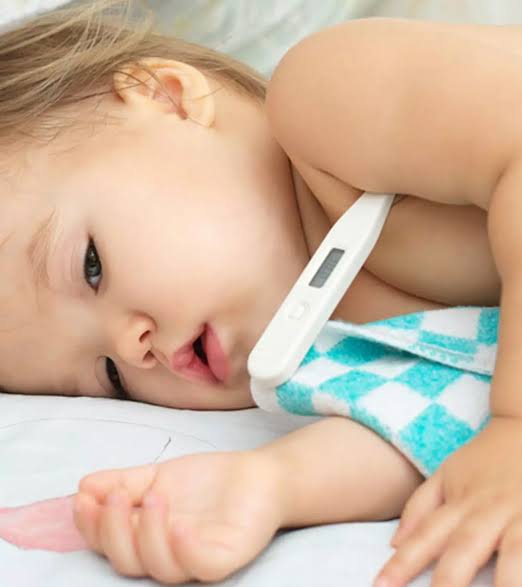
    Baby fever Kenya guidance is especially important for infants younger than three months because fever in this age group can sometimes indicate a serious infection. A baby under three months with a measured temperature of 38°C (100.4°F) or higher should receive urgent medical assessment rather than being managed at home without professional advice.

    A fever in a newborn or young infant can be frightening.

    Parents may wonder:

    • Is the temperature really a fever?
    • Should I give paracetamol?
    • Can I wait until morning?
    • Should I visit a pharmacy?
    • What if the baby looks well?
    • What if the temperature comes down?

    For an infant under three months, the safest approach is straightforward:

    Do not wait and see. Seek urgent medical assessment.

    This article provides general information for parents and caregivers. It does not replace an examination by a qualified healthcare professional.


    What Temperature Counts as a Fever in a Baby Under Three Months?

    A temperature of 38°C (100.4°F) or higher is generally considered a fever in a baby younger than three months and requires urgent medical assessment. The measurement should be taken with a reliable thermometer, but uncertainty about the reading should not delay medical care when the baby appears seriously unwell.

    Temperature can vary depending on:

    • Measurement method.
    • Thermometer type.
    • Recent activity.
    • Environmental conditions.
    • Clothing.
    • Recent bathing.

    For very young infants, however, a confirmed temperature of 38°C or above should be taken seriously.

    If you are unsure how to measure temperature accurately, a pharmacist or healthcare professional can explain appropriate thermometer use.


    Why Is Baby Fever Kenya Considered Urgent Under Three Months?

    Baby fever Kenya is treated as an urgent concern in infants under three months because young babies can develop serious bacterial or viral infections without showing obvious symptoms. Early medical assessment allows healthcare professionals to examine the baby and decide whether testing or treatment is necessary.

    Young babies have developing immune systems.

    A serious infection may sometimes present with relatively few symptoms.

    A baby may not necessarily appear extremely sick at first.

    That is why parents should not use appearance alone to decide whether medical attention is necessary.


    What Should You Do If a Baby Under Three Months Has a Fever?

    If a baby under three months has a measured temperature of 38°C or higher, seek urgent medical assessment at an appropriate healthcare facility. Do not wait for the fever to disappear on its own or rely solely on home treatment.

    Follow these steps:

    1. Confirm the temperature if you can do so quickly.

    Use a reliable thermometer.

    2. Contact or go to an appropriate healthcare facility.

    Tell the healthcare professional:

    • Baby’s age.
    • Temperature.
    • How the temperature was measured.
    • When the fever started.
    • Other symptoms.

    3. Keep the baby comfortable.

    Avoid excessive clothing or overheating.

    4. Continue breastfeeding if the baby is able to feed.

    Breastfeeding can help maintain hydration.

    5. Do not delay medical assessment to try multiple home remedies.

    The priority is professional evaluation.


    Should You Take a Baby With Fever to a Hospital?

    Yes. A baby younger than three months with a temperature of 38°C or higher should be urgently assessed by a healthcare professional, which may mean attending a hospital or another facility equipped to evaluate young infants.

    The appropriate facility depends on:

    • Your location.
    • The baby’s condition.
    • Available emergency services.
    • The time of day.

    If the baby has severe symptoms such as breathing difficulty, seizures, unconsciousness or extreme weakness, seek emergency care immediately.


    Can a Baby Under Three Months Have a Serious Infection Without Looking Very Sick?

    Yes. A young infant can have a significant infection without dramatic symptoms at first. This is one reason baby fever Kenya guidance emphasises prompt professional assessment rather than waiting for additional symptoms to appear.

    Parents should not assume:

    “The baby is still smiling, so the fever cannot be serious.”

    A young infant may initially:

    • Feed reasonably well.
    • Sleep normally.
    • Have no obvious rash.
    • Have only a temperature elevation.

    Professional assessment is still important.


    What Are the Emergency Warning Signs in a Baby With Fever?

    A baby with fever needs immediate emergency attention if they have difficulty breathing, seizures, become difficult to wake, develop blue or grey colouring, become unusually floppy or show other signs of severe illness. These warning signs are emergencies regardless of the exact temperature.

    Seek emergency help if the baby:

    • Is struggling to breathe.
    • Has a seizure.
    • Is unconscious or difficult to wake.
    • Is unusually floppy.
    • Has blue, grey or very pale skin.
    • Cannot feed.
    • Has repeated vomiting.
    • Has severe dehydration signs.
    • Develops a rapidly spreading or concerning rash.
    • Has a dramatic change in behaviour.

    Do not wait for the temperature to rise further.


    What If the Baby Has a Temperature Below 38°C?

    A temperature below 38°C is not generally classified as fever, but a young infant who appears unwell still requires medical attention. Baby fever Kenya guidance should never be based on the thermometer reading alone when the baby’s behaviour or physical condition is concerning.

    Contact a healthcare professional if the baby:

    • Is feeding poorly.
    • Is unusually sleepy.
    • Is difficult to wake.
    • Is breathing unusually fast.
    • Is persistently irritable.
    • Has repeated vomiting.
    • Has fewer wet nappies.
    • Looks significantly different from normal.

    Parents know their baby’s usual behaviour best.

    If something feels seriously wrong, seek help.


    Can You Give Paracetamol to a Baby Under Three Months?

    Parents should not routinely give paracetamol to a baby under three months for fever without first obtaining medical advice. The correct dose depends on factors including the baby’s age, weight, formulation and clinical situation.

    This is especially important because infant medicines come in different concentrations.

    Do not estimate a dose using:

    • An adult tablet.
    • A household spoon.
    • Someone else’s prescription.
    • An internet dosing chart without professional confirmation.

    A pharmacist or doctor can advise on the appropriate medicine and dose.

    Most importantly, fever reduction should not delay assessment of a young infant.


    Can You Give Ibuprofen to a Baby With Fever?

    Ibuprofen is not routinely appropriate for very young infants and should not be given to a baby under three months unless specifically advised by a healthcare professional. Parents should seek medical advice rather than choosing an anti-inflammatory medicine themselves.

    Different medicines have different:

    • Age restrictions.
    • Doses.
    • Contraindications.
    • Formulations.
    • Side effects.

    If you are unsure what medicine is appropriate, speak to a pharmacist or doctor.


    Should You Sponge a Baby With Cold Water?

    Cold-water sponging is not recommended as a routine treatment for fever in babies because it can cause discomfort and shivering. Keep the baby comfortably dressed and focus on obtaining appropriate medical assessment.

    Avoid:

    • Ice baths.
    • Very cold water.
    • Alcohol rubs.
    • Excessive wrapping.
    • Unverified traditional remedies.

    The goal is not simply to force the temperature down.

    The underlying cause of the fever needs to be assessed.


    Should You Continue Breastfeeding a Baby With Fever?

    If a breastfeeding baby is able to feed, continuing breastfeeding can help provide fluids and nutrition while you seek medical care. A baby who is unable to feed or is feeding substantially less needs urgent professional assessment.

    Watch for signs such as:

    • Poor feeding.
    • Repeated vomiting.
    • Fewer wet nappies.
    • Dry mouth.
    • Unusual sleepiness.
    • Weakness.

    These can indicate that the baby needs medical evaluation.


    What Should Parents Tell the Doctor About Baby Fever Kenya?

    Parents should tell the healthcare professional the baby’s exact age, measured temperature, how the temperature was measured, when the fever began and any accompanying symptoms. This information can help the clinician assess the situation more efficiently.

    Write down:

    Information Example
    Baby’s age 7 weeks
    Temperature 38.2°C
    Measurement method Digital thermometer
    Time measured 10:30 AM
    Feeding Feeding less than usual
    Other symptoms Irritability
    Medication given None

    If you gave any medicine, tell the clinician exactly what was given and how much.


    What Causes Fever in Young Babies?

    Fever in a young baby can have several causes, including viral and bacterial infections, and the cause cannot reliably be determined from temperature alone. Because some infections can be serious in young infants, medical assessment is important.

    Possible causes include infections affecting:

    • The respiratory system.
    • Urinary tract.
    • Bloodstream.
    • Skin.
    • Gastrointestinal system.
    • Other parts of the body.

    A healthcare professional may decide that investigations are necessary based on the baby’s age and symptoms.

    Parents should not attempt to identify the infection solely from the temperature.


    Does Teething Cause Fever in a Newborn?

    Teething does not provide a safe explanation for a significant fever in a baby under three months. A temperature of 38°C or higher in this age group should be medically assessed rather than attributed to teething.

    Teething usually occurs later than the newborn period.

    If a very young baby has a fever, do not assume:

    • Teething.
    • Warm weather.
    • Breastfeeding.
    • Vaccination.
    • Overdressing.

    is automatically the explanation.

    A healthcare professional should assess the child.


    Can Vaccination Cause a Baby to Have a Fever?

    Some babies can develop a mild fever after vaccination, but a young infant with a temperature of 38°C or higher should still receive appropriate medical advice based on their age and vaccination history. Parents should tell the healthcare professional when the vaccine was given.

    Useful information includes:

    • Vaccine received.
    • Date and time.
    • Temperature.
    • Time fever started.
    • Other symptoms.

    Do not assume every post-vaccination fever is harmless.


    Baby Fever Kenya: What Medicines Are Commonly Discussed?

    Medicine decisions for a baby under three months should be made carefully because age, weight and clinical condition affect what treatment is appropriate. Parents should seek professional advice before administering fever medicines to a very young infant.

    Medicine/Product General Category Key Consideration
    Paracetamol Pain/fever medicine Ask a healthcare professional about use and dose in infants under 3 months
    Ibuprofen Anti-inflammatory medicine Not routinely appropriate for very young infants without professional advice
    Oral rehydration solution Rehydration product Not a substitute for urgent assessment of fever in a young infant
    Thermometer Medical device Useful for measuring temperature accurately

    This table is educational and is not a dosing guide.


    How Can Parents Measure an Infant’s Temperature?

    Parents should use a reliable thermometer and follow the manufacturer’s instructions for the chosen measurement method. If a young baby has a temperature of 38°C or higher, do not delay medical assessment simply because you want to repeat the measurement several times.

    For home temperature monitoring:

    1. Use a functioning thermometer.
    2. Follow the manufacturer’s instructions.
    3. Record the reading.
    4. Note the time.
    5. Tell the healthcare professional how the temperature was measured.

    Different thermometer methods can produce different readings, so tell the clinician which method you used.


    What Should You Pack Before Going to the Clinic?

    When taking a young baby with fever for urgent assessment, bring the baby’s health records, vaccination information, any medicines already given and the thermometer reading if available. Having this information ready can make the clinical assessment easier.

    Consider taking:

    • Immunisation card.
    • Clinic booklet.
    • Medication packaging.
    • Prescription information.
    • Thermometer.
    • Feeding supplies.
    • Nappies.
    • Identification or insurance information where applicable.

    The most important thing is not to delay departure while preparing a perfect bag.


    How Does Baby Fever Kenya Differ From Fever in an Older Child?

    The age of the child changes how fever should be assessed, and infants younger than three months receive particular attention because serious infections can occur without obvious symptoms. Baby fever Kenya should therefore be treated more cautiously than an isolated mild fever in an older child.

    Parents should not apply the same home-care approach to:

    • A newborn.
    • A 2-month-old.
    • A 2-year-old.
    • A 10-year-old.

    Age matters.

    If you are uncertain about how urgently your baby needs assessment, contact a healthcare professional.


    Frequently Asked Questions About Baby Fever Kenya

    What temperature is a fever in a newborn?

    A temperature of 38°C (100.4°F) or higher is generally considered a fever in a baby younger than three months and requires urgent medical assessment.

    Is 38°C dangerous for a baby?

    A temperature of 38°C or higher in a baby under three months requires urgent medical assessment because serious infection is possible. The baby’s overall condition also matters.

    Should I wait for the fever to go down?

    No. Parents should not wait for a fever of 38°C or higher to disappear before seeking medical assessment in a baby under three months.

    Can I give paracetamol to my newborn?

    Do not give paracetamol to a newborn without first obtaining appropriate medical advice. The baby’s age, weight and clinical situation must be considered.

    Can teething cause fever in a newborn?

    A significant fever should not be attributed to teething in a very young infant. A temperature of 38°C or higher requires medical assessment.

    What are the emergency signs of infant fever?

    Difficulty breathing, seizures, unconsciousness, extreme weakness, blue or grey colouring and inability to feed are emergency warning signs requiring immediate medical attention.

    Can I breastfeed my baby during a fever?

    Yes, if the baby is able to breastfeed, continuing feeds can help provide fluids and nutrition. Poor feeding or inability to feed requires urgent medical assessment.

    What should I do if my thermometer says 37.9°C?

    37.9°C is below the usual fever threshold of 38°C, but an infant under three months who appears unwell still needs medical advice. Monitor the baby closely and seek care if concerning symptoms develop.


    Final Takeaway

    Baby fever Kenya guidance is simple when the infant is under three months: a measured temperature of 38°C or higher needs urgent medical assessment. Do not rely on home treatment, teething explanations or the baby’s appearance to decide that it is safe to wait.

    Remember:

    • 38°C or higher in an infant under three months = urgent assessment.
    • Keep the baby comfortably dressed.
    • Continue breastfeeding if the baby can feed.
    • Do not use ice baths or alcohol rubs.
    • Do not give medicines without appropriate advice.
    • Take the child’s vaccination and medical records.
    • Tell the healthcare professional exactly how the temperature was measured.
    • Seek emergency care immediately for severe symptoms.

    For thermometers and other relevant healthcare products, you can explore the Medical Devices section at Our Mall Pharmacy.

    You can also visit the Mother & Baby section for relevant baby-care products.

    Contact Our Mall Pharmacy

    Call/WhatsApp: +254 740 686 263

    WhatsApp: Chat with a Pharmacist for instant responses

    Email: ourmallpharmacy@gmail.com

    Visit Us:
    Our Mall, Off Magadi Rd, Avocado Lane, Ground Floor (Shop No. 22)

    Hours:
    Mon–Sat: 9AM–8PM
    Sun: 10:30AM–6PM
  • KEPI Schedule Kenya: Complete 2026 Guide to Childhood Immunisation

    KEPI Schedule Kenya: Complete 2026 Guide to Childhood Immunisation

    The KEPI schedule Kenya provides a structured timetable for routine childhood vaccination in Kenya, beginning at birth and continuing through infancy and early childhood. Following the recommended vaccine dates helps protect children against serious vaccine-preventable diseases and provides opportunities for healthcare workers to monitor immunisation progress.

    For a new parent, a vaccination card can quickly become filled with unfamiliar abbreviations, dates and vaccine names.

    You may see terms such as:

    • BCG.
    • OPV.
    • Pentavalent.
    • PCV.
    • Rotavirus.
    • IPV.
    • Measles-rubella.
    • Yellow fever in applicable programmes or areas.

    Understanding the KEPI schedule Kenya makes it easier to know what each visit is for and why keeping the child’s vaccination record matters.

    This guide is intended as a parent-friendly reference. Vaccine recommendations can be updated by Kenya’s Ministry of Health, so parents should always confirm the current schedule with an authorised health facility or healthcare professional.


    What Is the KEPI Schedule Kenya?

    The KEPI schedule Kenya is the national framework used to guide routine childhood immunisation in Kenya. It specifies when children should receive recommended vaccines and helps healthcare workers provide protection against important vaccine-preventable diseases.

    KEPI stands for Kenya Expanded Programme on Immunization.

    The programme supports routine vaccination through health facilities and other immunisation services across the country.

    The KEPI schedule Kenya is important because vaccines are not simply given once and forgotten.

    Some vaccines require:

    • An initial dose.
    • Additional doses.
    • Booster doses.
    • Vaccination at specific childhood stages.

    Parents should therefore keep the child’s immunisation card safe and take it to every clinic visit.


    What Vaccines Does a Baby Receive at Birth in Kenya?

    At birth, routine childhood immunisation in Kenya includes vaccines such as BCG and the birth dose of oral polio vaccine, according to the national immunisation schedule. These vaccines are designed to provide early protection against tuberculosis and poliovirus.

    The birth visit is an important starting point in the KEPI schedule Kenya.

    BCG

    BCG helps protect children against severe forms of tuberculosis, particularly serious childhood TB.

    OPV 0

    The birth dose of oral polio vaccine helps provide early protection against poliovirus.

    Parents should confirm that the vaccines given have been recorded correctly on the child’s immunisation card.


    What Vaccines Are Given at 6 Weeks?

    At around 6 weeks, the KEPI schedule Kenya includes important primary infant vaccines, including pentavalent vaccine, oral polio vaccine, pneumococcal conjugate vaccine and rotavirus vaccine. These vaccines begin or continue protection against several serious childhood infections.

    The 6-week visit is one of the major milestones in the KEPI schedule Kenya.

    Vaccines commonly associated with this visit include:

    Vaccine Main Protection
    Pentavalent Diphtheria, tetanus, pertussis, hepatitis B and Hib
    OPV Polio
    PCV Pneumococcal disease
    Rotavirus Rotavirus diarrhoea

    The exact vaccine products and programme details can change, so parents should confirm the current schedule with their healthcare provider.


    What Vaccines Are Given at 10 Weeks?

    At around 10 weeks, children receive the next doses of several vaccines started at 6 weeks, according to the KEPI schedule Kenya. The visit helps build and maintain protection against diseases including polio, pneumococcal disease, rotavirus and infections covered by the pentavalent vaccine.

    The 10-week visit commonly continues the infant’s primary series.

    Parents may encounter:

    • Pentavalent dose 2.
    • OPV dose 2.
    • PCV dose 2.
    • Rotavirus dose 2.

    The vaccination card should be updated after the visit.


    What Vaccines Are Given at 14 Weeks?

    At around 14 weeks, the KEPI schedule Kenya continues the infant primary vaccination series with additional doses of key vaccines. This visit commonly includes the third doses of pentavalent, OPV and PCV, together with IPV according to the national programme.

    The 14-week visit is another important milestone.

    Vaccines commonly associated with this visit include:

    Vaccine Purpose
    Pentavalent Continues protection against five serious infections
    OPV Continues polio protection
    PCV Continues protection against pneumococcal disease
    IPV Provides protection against poliovirus

    Parents should not rely solely on memory.

    The vaccination card should be the primary record for the child’s immunisation history.


    What Happens at the 6-Month Immunisation Visit?

    The 6-month point in the KEPI schedule Kenya may include additional routine childhood immunisation requirements depending on the current national programme and the child’s vaccination history. Parents should use the child’s immunisation card and confirm the required vaccines with the health facility.

    Not every immunisation visit looks identical for every child.

    A healthcare worker may consider:

    • Vaccines already received.
    • Missed doses.
    • Previous vaccination records.
    • Current national recommendations.
    • The child’s age.

    This is why parents should bring the vaccination card to every appointment.


    What Vaccines Are Given at 9 Months?

    The 9-month visit is a major milestone in the KEPI schedule Kenya, with measles-rubella vaccination forming an important part of routine childhood immunisation. Depending on the national programme and location, other vaccines may also be relevant.

    Measles is highly contagious and can cause serious complications.

    Rubella infection can also be particularly concerning during pregnancy because infection can affect an unborn baby.

    Parents should therefore take the 9-month vaccination visit seriously even when the child appears completely healthy.


    What Happens at 18 Months?

    The 18-month vaccination visit provides an opportunity for additional routine childhood immunisation according to the national schedule and for healthcare workers to review the child’s vaccination record. Parents should confirm the exact vaccines due at this age with their child’s health facility.

    The 18-month visit is an important opportunity to:

    • Review previous doses.
    • Identify missed vaccines.
    • Receive vaccines due at that age.
    • Ask questions about future immunisation.
    • Update the child’s record.

    If your child has missed earlier appointments, do not assume that vaccination is no longer possible.

    Ask a healthcare professional for a catch-up plan.


    KEPI Schedule Kenya: Childhood Immunisation Reference Table

    The KEPI schedule Kenya is designed around specific childhood ages, with vaccines given at birth and during subsequent infant and early-childhood visits. Because national recommendations can be updated, parents should use this table as a general reference and confirm current requirements with an authorised health facility.

    Child’s Age Common Routine Immunisation Milestones
    Birth BCG, OPV birth dose
    6 weeks Pentavalent, OPV, PCV, Rotavirus
    10 weeks Pentavalent, OPV, PCV, Rotavirus
    14 weeks Pentavalent, OPV, PCV, IPV
    6 months Follow current national schedule and health-worker advice
    9 months Measles-rubella and applicable programme vaccines
    18 months Additional routine vaccines according to current schedule

    Important: Vaccine schedules can be revised by health authorities. Always confirm the current schedule with the child’s vaccination card and healthcare provider rather than relying on an old internet chart.


    Why Is Following the KEPI Schedule Kenya Important?

    Following the KEPI schedule Kenya helps children receive vaccines at the recommended stages rather than unnecessarily delaying protection. Keeping appointments also allows healthcare workers to identify missed doses and advise parents on appropriate catch-up vaccination.

    Parents sometimes miss appointments because of:

    • Travel.
    • Work schedules.
    • Illness.
    • Forgetting dates.
    • Transport difficulties.
    • Relocation.
    • Misunderstanding the next appointment.

    Missing a date does not mean the parent has failed.

    The important step is to return to a healthcare facility and ask what should happen next.


    What Should You Do If Your Child Misses a Vaccine Date?

    If a child misses a vaccination appointment, parents should contact a healthcare facility as soon as practical rather than restarting the entire vaccination programme themselves. A healthcare professional can review the child’s record and determine which doses are due.

    Bring:

    • The child’s immunisation card.
    • Previous medical records if available.
    • Information about vaccines received elsewhere.

    Do not guess which vaccine is missing.

    Do not give a child an adult vaccine.

    Do not buy a vaccine online and attempt to administer it at home.

    A healthcare professional should determine the appropriate catch-up schedule.


    Does a Missed Vaccine Mean You Must Start Again?

    Usually, a missed vaccination appointment does not automatically mean that a child must restart every vaccine series from the beginning. The appropriate catch-up approach depends on the child’s age, previous doses and current national guidance.

    This is one of the most important things for parents to understand.

    Suppose a child received earlier doses but missed a scheduled appointment.

    The correct response is generally:

    Check the record → visit a health facility → identify missed doses → follow the recommended catch-up plan.

    Do not simply abandon the vaccination schedule because one appointment was missed.


    Can a Sick Child Receive Vaccines?

    Whether a sick child should receive a vaccine depends on the child’s illness and overall condition, so parents should discuss the situation with the healthcare worker at the vaccination visit. Mild illness does not necessarily mean every vaccine must be postponed, but the healthcare professional should make the final assessment.

    Tell the healthcare worker if your child has:

    • Fever.
    • Significant illness.
    • A previous vaccine reaction.
    • A known allergy.
    • Current medication.
    • A recent hospital admission.

    The healthcare worker can determine whether vaccination should proceed.


    What Are Common Vaccine Side Effects in Babies?

    Common vaccine reactions can include temporary pain, redness or swelling at the injection site and mild fever or irritability. Most reactions are short-lived, but parents should seek medical attention if a child develops a severe or concerning reaction.

    After vaccination, your baby may:

    • Cry more than usual.
    • Be sleepy.
    • Have mild fever.
    • Have tenderness at the injection site.
    • Eat slightly less for a short period.

    These reactions can be temporary.

    Parents should ask the healthcare worker what to expect after each vaccination.


    When Should a Parent Seek Medical Help After Vaccination?

    Parents should seek urgent medical attention if a child develops a severe or rapidly worsening reaction after vaccination, particularly difficulty breathing, severe weakness, loss of consciousness or other alarming symptoms. When uncertain, contact a healthcare professional promptly.

    Do not rely on an online article to diagnose a serious reaction.

    Seek professional assessment if you are worried.

    A pharmacist can also help with general medicine questions, but severe symptoms require appropriate medical care.


    How Should Parents Store a Child’s Vaccination Card?

    Parents should keep the child’s vaccination card clean, dry and safely accessible because it provides an important record of previous immunisations and future appointments. Take the card to every vaccination visit, clinic appointment and healthcare facility whenever possible.

    Consider keeping:

    • The original card in a safe place.
    • A clear photograph as a backup.
    • Relevant hospital discharge records.
    • Other important child health documents.

    If you lose the card, tell the healthcare facility.

    Do not recreate vaccination history from memory when records can be verified.


    Can a Child Receive Vaccines at a Different Health Facility?

    A child may receive vaccination services at another appropriate health facility when the family has moved or is travelling, but the healthcare worker should review the child’s existing vaccination record. Parents should carry the immunisation card to help prevent unnecessary duplication or missed doses.

    This is particularly useful for families who:

    • Move between counties.
    • Travel frequently.
    • Relocate for work.
    • Visit relatives.
    • Change healthcare facilities.

    The vaccination card makes continuity of care easier.


    KEPI Schedule Kenya for Parents in Nairobi

    Parents in Nairobi can follow the KEPI schedule Kenya through appropriate public or private health facilities that provide childhood immunisation services. Families in areas such as Rongai, Karen, Ngong, Lang’ata, Kilimani and Westlands should confirm vaccine availability and clinic schedules before visiting.

    Urban families can still miss vaccine appointments.

    Common reasons include:

    • Busy work schedules.
    • Traffic.
    • School routines.
    • Travel.
    • Forgetting appointment dates.

    A simple calendar reminder can help.

    For parents who also need child healthcare products, Our Mall Pharmacy provides a Mother & Baby category and a Mother & Baby Hub.


    How Can Parents Keep Track of Vaccine Dates?

    The easiest way to stay on track with the KEPI schedule Kenya is to record every vaccination date and immediately note the next appointment. Parents can also use phone calendar reminders while keeping the official immunisation card as the primary record.

    Try this routine:

    On vaccination day

    Record:

    • Date.
    • Vaccines received.
    • Next appointment.

    Before the next appointment

    Set reminders:

    • One week before.
    • Two days before.
    • On the appointment morning.

    After each visit

    Check that the vaccination card has been updated.

    This simple system can reduce missed appointments.


    What Is the Difference Between Vaccination and Immunisation?

    Vaccination is the process of receiving a vaccine, while immunisation refers more broadly to the process of becoming protected against a disease, usually through vaccination. Parents may hear both terms used when discussing the KEPI schedule Kenya.

    In everyday healthcare conversations, the words are often used interchangeably.

    The important thing for parents is understanding:

    Vaccines are given to help the child’s immune system develop protection against specific diseases.


    Why Are Multiple Vaccine Doses Needed?

    Some vaccines require multiple doses because protection may need to be built and reinforced over time. The KEPI schedule Kenya spaces doses according to the national immunisation programme so that children receive recommended protection at different stages of development.

    A parent should not assume:

    “My child already received one dose, so another is unnecessary.”

    If the schedule calls for additional doses, those doses matter.

    Always follow the healthcare professional’s recommendations.


    Can Parents Buy Childhood Vaccines From a Pharmacy?

    Vaccines are not ordinary over-the-counter medicines and require appropriate storage, handling and administration by trained healthcare professionals. Parents should not purchase a vaccine online and attempt to administer it to a child at home.

    Vaccines can require:

    • Controlled temperatures.
    • Appropriate storage.
    • Professional handling.
    • Correct administration.
    • Documentation.
    • Monitoring after administration.

    If you are looking for information about vaccination, speak to an authorised healthcare provider.


    KEPI Schedule Kenya: Vaccine Protection Overview

    The KEPI schedule Kenya uses different vaccines to help protect children against multiple serious infectious diseases. Each vaccine has a specific purpose, so parents should follow the complete recommended schedule rather than focusing on only one vaccine.

    Vaccine Main Disease Protection
    BCG Severe childhood tuberculosis
    OPV Polio
    IPV Polio
    Pentavalent Diphtheria, tetanus, pertussis, hepatitis B and Hib
    PCV Pneumococcal disease
    Rotavirus Rotavirus disease
    Measles-Rubella Measles and rubella

    This is a simplified educational table.

    Parents should ask their healthcare provider for details about the specific vaccine administered to their child.


    What Should Parents Do Before an Immunisation Visit?

    Before an immunisation visit, parents should bring the child’s vaccination card, note any recent illness or previous vaccine reactions and inform the healthcare worker about relevant medical information. Arriving prepared makes it easier to maintain an accurate vaccination record.

    Bring:

    • Immunisation card.
    • Child’s relevant medical records.
    • Information about previous reactions.
    • Questions you want answered.

    Tell the healthcare worker about:

    • Current illness.
    • Allergies.
    • Previous serious vaccine reactions.
    • Current medication.
    • Recent hospitalisation.

    What Questions Should Parents Ask About Vaccination?

    Parents should feel comfortable asking healthcare workers which vaccine is due, what disease it protects against, what side effects to expect and when the next dose is scheduled. Asking questions helps parents understand the KEPI schedule Kenya rather than simply following dates without context.

    Useful questions include:

    1. Which vaccine is due today?
    2. What does it protect against?
    3. Is this the first dose or a subsequent dose?
    4. What reactions should I expect?
    5. When should I return?
    6. What should I do if my child becomes unwell?
    7. What should I do if we miss the next appointment?

    Frequently Asked Questions About KEPI Schedule Kenya

    What is the KEPI schedule Kenya?

    The KEPI schedule Kenya is the national framework for routine childhood immunisation. It guides when children should receive recommended vaccines from birth through early childhood.

    What vaccines are given at birth in Kenya?

    Routine birth immunisation includes BCG and the birth dose of oral polio vaccine under the national programme. Parents should confirm the current schedule with their healthcare provider.

    What vaccines are given at 6 weeks?

    The 6-week visit commonly includes pentavalent, OPV, PCV and rotavirus vaccines. The child’s vaccination card and current national guidance should be used to confirm the vaccines due.

    What happens if my baby misses a vaccine?

    Take the child and vaccination card to a healthcare facility as soon as possible. A healthcare professional can determine the appropriate catch-up doses rather than requiring parents to restart vaccination themselves.

    Do vaccines have side effects?

    Vaccines can cause temporary reactions such as mild fever, soreness or irritability. Severe or concerning symptoms require prompt medical assessment.

    Where should I keep my child’s vaccination card?

    Keep the original vaccination card in a safe, dry place and take it to every clinic visit. A photograph can provide a useful backup, but it should not replace the original record where the original is available.

    Can I vaccinate my child at another clinic?

    A different appropriate health facility may be able to provide vaccination services, particularly if the family has moved or is travelling. Take the child’s vaccination card so the healthcare worker can review previous doses.

    Does one missed vaccine mean my child has to start again?

    A missed appointment does not automatically mean the entire vaccination series must be restarted. The healthcare worker should review the child’s record and determine the appropriate catch-up schedule.


    Final Takeaway for Parents

    The KEPI schedule Kenya gives parents a practical framework for keeping childhood vaccinations on track from birth through early childhood. The most important habit is to keep the child’s immunisation card safe, attend scheduled appointments and contact a healthcare facility promptly when a vaccine date is missed.

    Remember:

    • Keep the vaccination card safe.
    • Attend appointments on time.
    • Record every vaccine received.
    • Note the next appointment.
    • Use reminders on your phone.
    • Do not abandon vaccination after a missed date.
    • Ask a healthcare professional about catch-up vaccination.
    • Report concerning reactions promptly.
    • Confirm the current schedule because national recommendations can change.

    For child and family healthcare products, you can explore the Mother & Baby section or Mother & Baby Hub at Our Mall Pharmacy.

    Contact Our Mall Pharmacy

    Call/WhatsApp: +254 740 686 263

    WhatsApp: Chat with a Pharmacist for instant responses

    Email: ourmallpharmacy@gmail.com

    Visit Us:
    Our Mall, Off Magadi Rd, Avocado Lane, Ground Floor (Shop No. 22)

    Hours:
    Mon–Sat: 9AM–8PM
    Sun: 10:30AM–6PM

  • Nationwide Medicine Delivery Kenya: What Can and Cannot Be Shipped?

    Nationwide Medicine Delivery Kenya: What Can and Cannot Be Shipped?

    Nationwide medicine delivery Kenya services make it possible for patients to access appropriate pharmacy products without visiting a physical pharmacy, but different medicines have different transport requirements. Prescription status, storage conditions, temperature sensitivity, packaging, delivery distance and professional dispensing requirements all affect how an order can be handled.

    The growth of online pharmacy services has changed how many Kenyans access everyday healthcare products.

    A patient in Nairobi may need a regular medicine delivered to their home. A caregiver in Rongai may need products for an elderly family member. Someone travelling to another county may need a refill arranged before leaving.

    This is where nationwide medicine delivery Kenya becomes useful.

    However, ordering medicine online is different from ordering ordinary consumer goods.

    A pair of shoes can spend several days in a courier depot without significant consequences.

    A temperature-sensitive medicine may not be able to tolerate the same conditions.

    Likewise, some medicines can only be supplied after prescription verification.

    Therefore, nationwide medicine delivery Kenya requires the pharmacy to consider both the patient’s needs and the medicine’s requirements.

    This guide explains what patients should know before ordering medicines for delivery anywhere in Kenya.


    What Is Nationwide Medicine Delivery Kenya?

    Nationwide medicine delivery Kenya refers to pharmacy services that allow eligible medicines and healthcare products to be ordered remotely and delivered to customers in different parts of the country. The exact delivery area, timing and product eligibility depend on the pharmacy, courier network and requirements of the individual product.

    The basic process usually involves:

    1. Selecting a medicine or healthcare product.
    2. Providing prescription information where required.
    3. Pharmacist review.
    4. Confirming product availability.
    5. Confirming delivery details.
    6. Appropriate packaging.
    7. Dispatch.
    8. Courier transportation.
    9. Delivery to the customer.
    10. Correct storage after receipt.

    With nationwide medicine delivery Kenya, the objective should not simply be to move a parcel from one location to another.

    The medicine must reach the patient in an appropriate condition.

    For Our Mall Pharmacy customers, this can begin with browsing available healthcare products or uploading a prescription where applicable.


    Can Nationwide Medicine Delivery Kenya Reach All 47 Counties?

    Nationwide medicine delivery Kenya can potentially serve customers across Kenya, but actual coverage depends on the pharmacy’s delivery network, courier routes, destination and the medicine being ordered. Some locations may have different delivery times or requirements from major urban centres.

    Kenya has 47 counties, but delivery infrastructure is not identical everywhere.

    A pharmacy may have easier access to:

    • Nairobi.
    • Mombasa.
    • Kisumu.
    • Nakuru.
    • Eldoret.
    • Other major towns.

    More remote locations may require additional transit time.

    Before placing an order, ask:

    • Does the pharmacy deliver to my county?
    • Does it deliver to my specific town?
    • What is the expected delivery time?
    • Is the product temperature-sensitive?
    • Does the medicine require a prescription?
    • Will somebody be available to receive the parcel?

    This is particularly important when using nationwide medicine delivery Kenya services for medicines that require special storage.


    What Medicines Can Be Included in Nationwide Medicine Delivery Kenya?

    Many medicines and pharmacy products can be included in nationwide medicine delivery Kenya services when their storage, packaging and dispensing requirements can be safely met. Ordinary tablets, capsules and many non-temperature-sensitive healthcare products are generally easier to transport than products requiring specialized conditions.

    Depending on the pharmacy and applicable requirements, products may include:

    • Tablets.
    • Capsules.
    • Some syrups.
    • Creams.
    • Ointments.
    • Vitamins.
    • Supplements.
    • Oral-care products.
    • First-aid products.
    • Medical devices.
    • Personal-care products.

    However, product availability and delivery eligibility should always be confirmed with the pharmacy.

    A medicine being physically easy to transport does not necessarily mean that it can be supplied without a prescription.


    Which Medicines Need Special Handling During Nationwide Medicine Delivery Kenya?

    Some medicines require special handling because they are sensitive to temperature, light, moisture, physical damage or other environmental conditions. Nationwide medicine delivery Kenya providers should determine the appropriate transport method based on the medicine’s storage and handling requirements.

    Special handling may apply to products that:

    • Require refrigeration.
    • Are sensitive to freezing.
    • Are affected by excessive heat.
    • Require protection from light.
    • Are fragile.
    • Require specific packaging.
    • Have particular regulatory transport requirements.

    The medicine’s packaging and manufacturer’s storage instructions are important.

    Patients should never assume that every medicine can be transported under ordinary courier conditions.


    What Is Cold Chain Delivery Kenya?

    Cold chain delivery Kenya is the controlled transportation of temperature-sensitive healthcare products within their required temperature range. It may involve insulated packaging, temperature monitoring and appropriate transport arrangements to protect the product during delivery.

    Cold-chain management can be particularly important for certain:

    • Insulin products.
    • Vaccines.
    • Biological medicines.
    • Some injectable medicines.
    • Other temperature-sensitive healthcare products.

    The exact temperature range depends on the individual product.

    For that reason, cold chain delivery Kenya is not simply a matter of putting medicine into a cooler bag.

    The pharmacy needs to consider:

    • Packaging.
    • Transit duration.
    • Ambient temperature.
    • Delivery route.
    • Temperature exposure.
    • Handover.
    • Storage immediately after delivery.

    Can Insulin Be Delivered Through Nationwide Medicine Delivery Kenya?

    Insulin can be delivered when the appropriate temperature-control and handling requirements can be maintained throughout transportation. Patients ordering insulin through nationwide medicine delivery Kenya services should confirm the pharmacy’s cold-chain arrangements before placing an order.

    Insulin is particularly sensitive to inappropriate storage conditions.

    Before ordering, ask:

    1. How will the insulin be packaged?
    2. How will temperature be controlled?
    3. How long will delivery take?
    4. What happens if the courier is delayed?
    5. Where should the insulin be stored immediately after arrival?

    Patients should follow the specific storage instructions supplied with their insulin.

    Do not leave insulin inside a hot vehicle or in direct sunlight.


    Can Prescription Medicines Be Shipped Through Nationwide Medicine Delivery Kenya?

    Prescription medicines may be delivered through nationwide medicine delivery Kenya services when the pharmacy can appropriately verify and dispense them according to applicable requirements. Ordering online does not remove the need for a valid prescription where one is required.

    The process may look like:

    Prescription upload → Pharmacist review → Verification → Dispensing → Packaging → Delivery

    If you have a prescription, you can use the Our Mall Pharmacy prescription upload service for review.

    The pharmacist may need to confirm:

    • Patient information.
    • Medicine name.
    • Strength.
    • Dosage instructions.
    • Quantity.
    • Prescriber information.
    • Other relevant prescription details.

    Do not assume that a medicine can be supplied simply because it appears on an online product catalogue.


    Can Over-the-Counter Medicines Be Delivered?

    Many eligible over-the-counter medicines can be ordered through nationwide medicine delivery Kenya services when the pharmacy offers them for delivery. Patients should still use medicines according to the label and ask a pharmacist when they are unsure about suitability or dosing.

    Examples can include certain products for:

    • Headache.
    • Minor pain.
    • Colds.
    • Allergies.
    • Digestive symptoms.
    • Minor skin conditions.

    However, “over the counter” does not mean “safe for everyone.”

    Age, pregnancy, existing medical conditions and other medicines can affect suitability.

    When uncertain, speak to a pharmacist before ordering.


    Can Vitamins and Supplements Be Delivered Nationwide?

    Many vitamins and supplements are suitable for ordinary delivery when they are properly packaged and stored. Nationwide medicine delivery Kenya services can make these products more accessible, but customers should still check expiry dates, packaging and storage instructions after delivery.

    Our Mall Pharmacy provides supplements and vitamins and supplements categories for customers looking for wellness products.

    Remember that supplements can still interact with medicines.

    For example, someone taking long-term medication should not automatically add multiple supplements without checking whether they are appropriate.


    Can Creams, Ointments and Skincare Products Be Delivered?

    Many creams, ointments and skincare products can be delivered through nationwide medicine delivery Kenya services when their storage requirements can be maintained. Products should be protected against excessive heat, leakage and physical damage during transport.

    This matters particularly during hot weather.

    A product may remain sealed but still be affected by excessive temperatures.

    After receiving a topical product:

    • Check the packaging.
    • Check the expiry date.
    • Check the product appearance.
    • Read storage instructions.
    • Keep it away from unsuitable heat.

    Customers can also explore the beauty and skincare category for available products.


    Can Syrups and Liquid Medicines Be Delivered?

    Many liquid medicines can be delivered when they are properly sealed and packaged, but they require protection against leakage, breakage and unsuitable temperatures. Nationwide medicine delivery Kenya providers should use packaging appropriate for the product.

    Liquid products may require:

    • Leak-resistant packaging.
    • Protective wrapping.
    • Upright positioning where appropriate.
    • Temperature protection where specified.
    • Careful handling.

    When a liquid medicine arrives, inspect the bottle before opening it.

    Do not use it if the container is cracked, leaking or visibly compromised.


    Can Medical Devices Be Delivered Nationwide?

    Many medical devices can be transported through nationwide medicine delivery Kenya networks when they can be appropriately packaged and handled. Fragile, electronic or specialized devices may require additional protective packaging.

    Examples include:

    • Blood pressure monitors.
    • Thermometers.
    • Glucometers.
    • Pulse oximeters.
    • Nebulizers.
    • First-aid equipment.

    Our Mall Pharmacy’s medical devices section can help customers identify healthcare equipment.

    When a device arrives, check:

    • Packaging.
    • Accessories.
    • User instructions.
    • Physical condition.
    • Model or product details.

    What Cannot Be Shipped Through Ordinary Nationwide Medicine Delivery Kenya?

    Products that require strict temperature control, specialized handling or particular regulatory safeguards may not be suitable for ordinary courier delivery. Nationwide medicine delivery Kenya providers should assess the specific product before deciding how it can be transported.

    Potentially unsuitable items for ordinary courier delivery may include products that:

    • Require strict cold-chain management.
    • Are highly temperature-sensitive.
    • Require specialized transport.
    • Need immediate clinical supervision.
    • Have specific legal transport restrictions.
    • Could be compromised by prolonged transit.

    This does not mean every product in these categories can never be delivered.

    It means the delivery method needs to be appropriate.


    How Does Heat Affect Nationwide Medicine Delivery Kenya?

    Heat can affect medicines that require controlled storage, particularly when products are exposed to high temperatures for extended periods. Nationwide medicine delivery Kenya services should consider weather, packaging and transit duration when handling temperature-sensitive products.

    Kenya’s climate varies considerably.

    Nairobi can experience warm days and significant temperature changes.

    Coastal areas such as Mombasa can combine heat with high humidity.

    During delivery, medicines may encounter:

    • Hot vehicles.
    • Direct sunlight.
    • Poorly ventilated storage.
    • Delays.
    • Warehouses without suitable conditions.

    Patients should never leave medicine parcels in a parked vehicle.


    How Does Humidity Affect Medicine Delivery in Coastal Kenya?

    Humidity can affect some medicines and packaging, making appropriate storage particularly important in coastal environments. Nationwide medicine delivery Kenya services should protect products during transport, while patients should store medicines in a cool, dry location after receiving them unless the product requires different conditions.

    Coastal areas such as Mombasa have different environmental conditions from Nairobi.

    Patients should avoid storing medicines:

    • In bathrooms.
    • Near sinks.
    • In damp cupboards.
    • On windowsills.
    • In direct sunlight.

    Always follow the product’s storage instructions.


    What Should You Check When Your Medicine Arrives?

    When a medicine delivery arrives, check the medicine name, strength, quantity, expiry date, packaging and storage instructions before using it. If the medicine is damaged, leaking, incorrectly supplied or appears to have been exposed to unsuitable conditions, contact the pharmacy before using it.

    Use this checklist:

    1. Check the medicine name

    Make sure it matches your order.

    2. Check the strength

    Confirm that the strength matches your prescription where applicable.

    3. Check the quantity

    Make sure you received the expected number of packs or units.

    4. Check the expiry date

    Do not use expired medicine.

    5. Check the packaging

    Look for broken seals, cracks or damage.

    6. Check storage instructions

    Store the medicine appropriately immediately after receipt.

    7. Check temperature-sensitive products

    If the medicine requires refrigeration or another controlled condition, follow the pharmacy’s instructions.


    What Should You Do If a Medicine Arrives Damaged?

    Do not automatically use medicine that arrives visibly damaged, leaking, unsealed or otherwise compromised. Contact the pharmacy promptly, keep the packaging and product and follow the pharmacy’s instructions regarding replacement or assessment.

    Take photographs showing:

    • Outer packaging.
    • Damaged container.
    • Medicine label.
    • Batch information.
    • Expiry date.

    Do not throw the product away immediately unless instructed to do so.

    Our Mall Pharmacy customers can review the returns and refunds information for applicable procedures.


    How Long Does Nationwide Medicine Delivery Kenya Take?

    Delivery times for nationwide medicine delivery Kenya vary according to the destination, courier network, product availability and delivery method. Temperature-sensitive or prescription medicines may require additional processing before dispatch, so patients should confirm the expected delivery time before ordering.

    Delivery may be influenced by:

    • County.
    • Town.
    • Road access.
    • Courier schedules.
    • Weekend or public-holiday timing.
    • Product availability.
    • Prescription verification.
    • Special packaging requirements.

    A customer should not assume that every order will arrive within the same timeframe.


    How Does Nationwide Medicine Delivery Kenya Work in Nairobi?

    Nairobi generally offers extensive courier coverage, making nationwide medicine delivery Kenya services convenient for many residents in areas such as Rongai, Ngong, Karen, Lang’ata, Kilimani and Westlands. Exact delivery availability and timing still depend on the customer’s address and the products ordered.

    Online delivery can be particularly useful for:

    • Chronic medicine refills.
    • Household healthcare products.
    • First-aid supplies.
    • Supplements.
    • Medical devices.
    • Personal-care products.

    Our Mall Pharmacy is located at:

    Our Mall, Off Magadi Rd, Avocado Lane, Ground Floor (Shop No. 22).

    Customers can contact Our Mall Pharmacy to confirm current delivery arrangements.


    How Should You Order Medicine Online Safely?

    Safe nationwide medicine delivery Kenya starts with using a legitimate pharmacy, providing accurate patient and delivery information and submitting prescriptions when required. Patients should verify their order when it arrives and follow the medicine’s storage and usage instructions.

    Follow these steps:

    Step 1: Use the official pharmacy website

    Avoid unknown sellers offering prescription medicines through informal channels.

    Step 2: Select your product

    Check the medicine name and strength.

    Step 3: Upload your prescription

    Where required, use the pharmacy’s official prescription upload page.

    Step 4: Wait for pharmacist review

    Do not assume an uploaded prescription is automatically approved.

    Step 5: Confirm delivery details

    Provide an accurate address and contact number.

    Step 6: Confirm delivery expectations

    Ask about timing and special storage requirements.

    Step 7: Inspect the order

    Check the medicine when it arrives.

    Step 8: Store it correctly

    Follow the label and pharmacist’s instructions.


    What Are the Advantages of Nationwide Medicine Delivery Kenya?

    Nationwide medicine delivery Kenya can save travel time, improve convenience and help patients access pharmacy products from home. It can be particularly useful for people managing chronic conditions, caregivers, busy professionals and patients who have difficulty travelling to a pharmacy.

    Potential benefits include:

    • Convenience.
    • Reduced travel.
    • Easier repeat ordering.
    • Home access.
    • Support for caregivers.
    • Greater access to pharmacy products.
    • Ability to plan refills.
    • Easier access for some patients outside major towns.

    However, delivery should complement professional pharmacy care rather than replace it.


    What Are the Limitations of Nationwide Medicine Delivery Kenya?

    Nationwide medicine delivery Kenya is not suitable for every healthcare situation, and delivery does not replace medical assessment when a patient needs urgent care. Some medicines may require specialized handling, while some symptoms require a doctor or healthcare facility rather than an online pharmacy order.

    Delivery may not be appropriate when:

    • The patient is seriously unwell.
    • Emergency treatment is needed.
    • The medicine requires immediate clinical administration.
    • A prescription cannot be verified.
    • The product requires unavailable cold-chain facilities.
    • The patient needs a physical examination.

    For urgent symptoms, seek appropriate medical care rather than waiting for a delivery.


    Nationwide Medicine Delivery Kenya: What Can and Cannot Be Shipped?

    Nationwide medicine delivery Kenya depends on the specific medicine, its storage requirements, prescription status, packaging needs and delivery route. Tablets and many ordinary pharmacy products may be easier to transport, while cold-chain or highly sensitive products may require specialized arrangements.

    Product Standard Delivery Special Handling
    Tablets Often suitable Usually not
    Capsules Often suitable Usually not
    Some syrups Often suitable Leak/heat protection
    Creams Often suitable Heat protection where required
    Ointments Often suitable Product-specific
    Vitamins Often suitable Follow storage label
    Supplements Often suitable Follow storage label
    Medical devices Often suitable Protective packaging
    Insulin Not ordinary handling Cold chain may be required
    Vaccines Specialized Cold chain
    Some biological medicines Product-dependent Temperature control may be required
    Sensitive injectables Product-dependent Specialized handling

    This is a general guide rather than a complete classification of medicines.

    The pharmacy should determine the appropriate delivery method for each product.


    Frequently Asked Questions About Nationwide Medicine Delivery Kenya

    Can I order medicine online in Kenya?

    Yes, eligible pharmacy products can be ordered online through appropriate pharmacy services. Prescription medicines may require a valid prescription and pharmacist verification before dispensing.

    Does nationwide medicine delivery Kenya cover all counties?

    A pharmacy may offer delivery across multiple counties, but actual coverage depends on its courier network and destination. Customers should confirm whether their specific location is covered.

    Can prescription medicine be delivered?

    Prescription medicines can potentially be delivered after the appropriate prescription and dispensing checks have been completed. Online ordering does not remove prescription requirements.

    What is cold chain delivery Kenya?

    Cold chain delivery Kenya involves transporting temperature-sensitive products within their required temperature range. It may require insulated packaging, monitoring and appropriate transport arrangements.

    Can insulin be delivered?

    Insulin can require temperature-controlled handling. Customers should confirm that the pharmacy has an appropriate delivery process before ordering insulin.

    Can vitamins be delivered?

    Many vitamins and supplements can be delivered using ordinary pharmacy delivery services. Check the packaging, expiry date and storage instructions after receiving them.

    What happens if medicine arrives damaged?

    Do not automatically use damaged, leaking or unsealed medicine. Photograph the package and contact the pharmacy promptly for instructions.

    Can medicine be delivered to rural areas?

    Delivery may be available to rural locations depending on the pharmacy’s courier network. Delivery may take longer than in major towns, which is especially important for temperature-sensitive medicines.

    Can I order prescription medicine without uploading a prescription?

    If a medicine requires a prescription, the pharmacy may need to receive and verify the prescription before dispensing. Customers should not expect online ordering to bypass prescription requirements.


    Final Takeaway

    Nationwide medicine delivery Kenya can make pharmacy access more convenient for customers in Nairobi and other parts of the country, but safe delivery depends on matching the transport method to the medicine. Patients should check prescription requirements, delivery coverage, storage conditions and temperature-control needs before placing an order.

    The key points are simple:

    • Not every medicine can be shipped in the same way.
    • Prescription medicines may require verification.
    • Cold-chain medicines require appropriate temperature control.
    • Heat and humidity can affect certain products.
    • Delivery time matters for sensitive medicines.
    • Always inspect your order when it arrives.
    • Store medicines according to their labels.
    • Do not use damaged or suspicious products.
    • Ask a pharmacist if you are uncertain.

    For eligible products, you can shop Our Mall Pharmacy online, upload a prescription or contact the pharmacy for assistance.

    Contact Our Mall Pharmacy

    Call/WhatsApp: +254 740 686 263

    WhatsApp: Chat with a Pharmacist for instant responses

    Email: ourmallpharmacy@gmail.com

    Visit Us:
    Our Mall, Off Magadi Rd, Avocado Lane, Ground Floor (Shop No. 22)

    Hours:
    Mon–Sat: 9AM–8PM
    Sun: 10:30AM–6PM
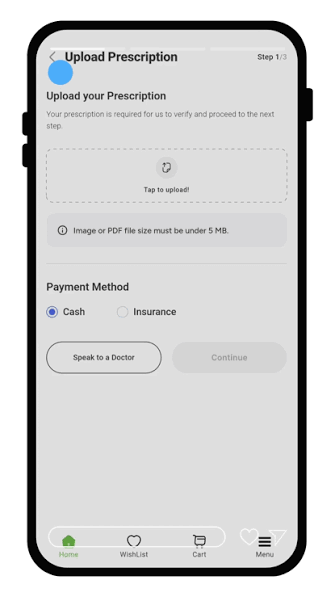
  • Upload Prescription Kenya: What Makes an Online Prescription Valid in Kenya?

    Upload Prescription Kenya: What Makes an Online Prescription Valid in Kenya?

    To upload prescription Kenya patients should provide a clear, complete prescription containing the information needed to identify the patient, prescriber, medicine and directions for use. An online pharmacy may need to verify the prescription and clarify details with the patient or prescriber before dispensing certain prescription medicines.

    Online pharmacy services can make medicine ordering more convenient.

    Instead of physically carrying a prescription to a pharmacy, a patient may be able to upload a photograph, scan or digital copy for review.

    However, uploading a prescription does not mean that every medicine will automatically be approved for dispensing.

    The pharmacy still needs to establish that the prescription is:

    • Clear.
    • Complete.
    • Authentic enough to verify.
    • Appropriate for the requested medicine.
    • Within its validity requirements.
    • Consistent with applicable pharmacy and prescribing rules.

    This guide explains what patients should know before using an online prescription pharmacy in Kenya.


    What Is a Valid Prescription in Kenya?

    A valid prescription is a prescription that contains sufficient information for a pharmacist to identify the patient, prescriber, medicine and directions for use and that meets applicable legal and professional requirements. A prescription that is incomplete, unclear or cannot be appropriately verified may require clarification before the medicine can be supplied.

    Depending on the medicine and prescribing circumstances, important information can include:

    • Patient’s name.
    • Date.
    • Medicine name.
    • Strength.
    • Dosage form.
    • Dose.
    • Frequency.
    • Duration.
    • Quantity.
    • Route of administration.
    • Prescriber’s identification.
    • Prescriber’s professional details.
    • Appropriate signature or authentication where required.

    The exact requirements can vary according to the medicine and applicable Kenyan regulations.


    What Information Should a Prescription Show?

    A prescription should provide enough information for the pharmacist to dispense the intended medicine safely and correctly. Important details generally include the patient’s identity, medicine name, strength, dosage form, directions, quantity or duration and information identifying the prescriber.

    A useful prescription checklist is:

    Prescription Detail Why It Matters
    Patient name Identifies intended patient
    Date Establishes when it was issued
    Medicine name Identifies treatment
    Strength Prevents wrong-strength dispensing
    Dosage form Identifies tablet, capsule, liquid, etc.
    Dose States amount to use
    Frequency States how often
    Duration States how long
    Quantity Indicates amount to dispense
    Route States how medicine is administered
    Prescriber details Supports verification
    Signature/authentication Helps establish authorization where applicable

    If one of these details is missing, the pharmacist may need additional information.


    Can You Upload a Prescription to an Online Pharmacy?

    Yes, an online pharmacy may provide a prescription-upload service that allows patients to submit a photograph, scan or digital copy for pharmacist review. Uploading a prescription does not guarantee immediate dispensing because the pharmacy may need to verify the prescription before processing the order.

    A typical process may look like this:

    Upload → Pharmacist review → Verification → Clarification if needed → Dispensing → Delivery

    For example, Our Mall Pharmacy provides an online prescription upload service for customers who want to submit prescription information electronically.


    How Do You Upload Prescription Kenya Patients Can Use Safely?

    To upload prescription Kenya patients should take a clear image or scan showing the entire prescription and all relevant information. The file should be readable, complete and free from glare, shadows or cropped sections that could make the prescription difficult to verify.

    Step 1: Place the prescription on a flat surface

    Avoid photographing it while holding it in your hand.

    Step 2: Use good lighting

    Natural or bright indoor lighting can improve readability.

    Step 3: Keep the entire prescription visible

    Do not crop out:

    • Patient details.
    • Medicine details.
    • Prescriber information.
    • Date.
    • Signature or authentication.

    Step 4: Check the image

    Zoom in before uploading.

    Make sure:

    • Words are readable.
    • Numbers are clear.
    • Strengths are visible.
    • Dosage instructions can be read.

    Step 5: Upload the file

    Use the pharmacy’s designated prescription-upload facility.

    Step 6: Wait for verification

    Do not assume that submission means approval.

    A pharmacist may contact you for clarification.


    What Makes a Prescription Photo Unacceptable?

    A prescription image may be difficult to process if it is blurry, cropped, poorly lit, altered or missing essential information. If the pharmacist cannot confidently identify the medicine and instructions, the pharmacy may request a clearer image or additional verification.

    Common problems include:

    • Blurry photographs.
    • Flash glare.
    • Cropped edges.
    • Folded sections hidden from view.
    • Handwriting that cannot be read.
    • Missing pages.
    • Missing prescriber details.
    • Missing date.
    • Damaged paper.
    • Screenshots with incomplete information.

    Before submitting, look at the image as if you were the pharmacist receiving it.

    Can you clearly read every important number?

    If not, take another photograph.


    Can You Upload a Screenshot of a Prescription?

    A screenshot or digital prescription may be acceptable when it contains sufficient information and can be appropriately verified, but acceptance depends on the pharmacy, prescriber and applicable requirements. Patients should not edit or alter a prescription screenshot before submitting it.

    If you receive a digital prescription:

    • Keep the original digital document.
    • Do not modify the text.
    • Do not crop important information.
    • Submit the complete document where possible.
    • Follow the pharmacy’s instructions.

    If the pharmacy cannot verify the document, additional confirmation may be required.


    Can You Upload a Photograph of a Handwritten Prescription?

    A photograph of a handwritten prescription may be submitted if the pharmacy’s system accepts it and the writing is sufficiently clear for professional review. If the handwriting is ambiguous, the pharmacist may need clarification before dispensing.

    Do not attempt to “interpret” unclear handwriting yourself.

    A pharmacist may need to establish whether the prescription says:

    • 5 mg or 50 mg.
    • 1 tablet or ½ tablet.
    • Once daily or twice daily.
    • 5 mL or 15 mL.

    Small differences can significantly change medication instructions.


    Why Does an Online Pharmacy Need to Verify a Prescription?

    Prescription verification helps the pharmacy confirm that the medicine being requested corresponds to an appropriate prescription and that the information is sufficiently clear for safe dispensing. Verification can also identify discrepancies, unclear directions or other issues requiring professional clarification.

    Verification is part of responsible dispensing.

    The pharmacist may check:

    • Medicine name.
    • Strength.
    • Dosage form.
    • Dose.
    • Quantity.
    • Duration.
    • Prescriber information.
    • Patient details.
    • Potential duplication.
    • Relevant interactions or safety concerns.

    The pharmacist may contact the patient if something needs clarification.


    Does Uploading a Prescription Mean the Medicine Is Automatically Approved?

    No. Uploading a prescription is only the submission step and does not automatically authorize dispensing. The pharmacy may need to review and verify the prescription before supplying the medicine.

    This distinction is important.

    Think of the process as:

    Submission ≠ Verification ≠ Dispensing

    The pharmacy must still complete the appropriate professional checks.


    What Happens After You Upload a Prescription?

    After you upload a prescription, the pharmacy can review the document and determine whether the medicine and instructions can be appropriately processed. If information is unclear or additional verification is needed, the pharmacy may contact you before completing the order.

    A typical workflow is:

    1. Prescription received

    The pharmacy receives your uploaded document.

    2. Document checked

    The pharmacist checks whether the information is readable.

    3. Medicine reviewed

    The requested medicine, strength and directions are assessed.

    4. Verification

    The prescription may require additional confirmation.

    5. Clarification

    The pharmacy may contact you if information is missing or unclear.

    6. Dispensing

    Once appropriate checks are complete, the medicine can proceed through the pharmacy’s dispensing process.

    7. Delivery or collection

    The order can then follow the pharmacy’s available fulfilment process.


    What If the Prescription Is Missing the Medicine Strength?

    A prescription that does not clearly state the required strength may need clarification before dispensing because medicines can be available in multiple strengths. Patients should not guess the strength based on a previous prescription or product they already have at home.

    For example, a medicine might be available as:

    • 5 mg.
    • 10 mg.
    • 20 mg.

    The pharmacist needs to know which strength was intended.

    If the prescription does not make this clear, clarification is safer than guessing.


    What If the Prescription Has No Duration?

    If a prescription does not clearly state how long a medicine should be used, the pharmacist may need to clarify the intended treatment duration, particularly when duration affects safe use. Do not assume that a medicine should be continued indefinitely simply because there is no stop date.

    This is particularly important for medicines where treatment duration matters.

    Patients should ask:

    “How long am I supposed to take this?”

    if the prescription does not make the answer clear.


    What If the Prescription Is Expired or Too Old?

    Whether a prescription remains usable depends on the medicine, prescribing circumstances and applicable requirements, so an old prescription should not automatically be treated as valid for a new order. The pharmacy may need to confirm that the prescription can still be dispensed.

    If you are trying to refill an old prescription, provide:

    • The original prescription.
    • Your previous medicine details.
    • Any relevant treatment information.

    The pharmacist can determine whether further authorization or a new prescription is needed.


    Can You Upload a Prescription for Someone Else?

    A pharmacy may allow a caregiver to submit a prescription for another person, but the pharmacy still needs enough information to identify the intended patient and safely process the prescription. Additional verification may be required depending on the medicine and circumstances.

    This can be useful for:

    • Parents ordering for children.
    • Adult children helping older relatives.
    • Caregivers assisting patients.
    • Family members arranging delivery.

    Do not alter the prescription to replace the patient’s details with your own.


    Can You Upload a Prescription for a Child?

    A child’s prescription should clearly identify the child and provide appropriate medicine and dosing information. Because children’s doses can depend on age, weight, formulation and concentration, unclear paediatric prescriptions may require additional verification before dispensing.

    This is particularly important for liquid medicines.

    For example:

    125 mg/5 mL

    is not the same concentration as:

    250 mg/5 mL.

    Never substitute concentrations based simply on the number of millilitres.


    What Should You Do If the Pharmacy Rejects Your Uploaded Prescription?

    If an online pharmacy cannot process an uploaded prescription, ask why it was rejected and whether a clearer copy, additional information or a new prescription is required. Do not edit the prescription yourself to make it appear complete.

    Possible reasons include:

    • Image is unreadable.
    • Prescription is incomplete.
    • Prescriber details cannot be verified.
    • Medicine information is unclear.
    • Prescription requires additional authorization.
    • The requested medicine requires a different dispensing process.
    • The pharmacy needs clarification from the prescriber.

    A rejection does not necessarily mean the treatment itself is inappropriate.

    It may simply mean the pharmacy cannot safely verify the document.


    Can a Pharmacist Contact the Doctor About a Prescription?

    Where clarification is necessary and appropriate, a pharmacist may need to communicate with the prescriber or healthcare facility to resolve a prescription issue. The purpose is to ensure that the medicine can be dispensed according to the intended prescription and applicable professional requirements.

    Examples of issues that may need clarification include:

    • Unclear strength.
    • Unclear dose.
    • Potential duplication.
    • Missing information.
    • Possible prescribing error.
    • Incompatible directions.

    Patients should cooperate with verification requests rather than attempting to resolve unclear instructions themselves.


    What Medicines May Need Extra Prescription Verification?

    Certain prescription medicines may require additional verification because of their risks, legal requirements or the need for careful monitoring. The pharmacy determines the appropriate verification process based on the medicine and applicable Kenyan requirements.

    Extra attention may be appropriate for medicines involving:

    • Controlled or restricted use.
    • Complex dosing.
    • High-risk treatment.
    • Long-term monitoring.
    • Special storage.
    • Specific prescribing requirements.

    Do not assume that because a medicine was supplied previously, the same online ordering process will always apply.


    Can You Upload a Prescription and Request Delivery?

    An online pharmacy may allow patients to submit a prescription and request delivery, but delivery does not replace prescription review and dispensing requirements. The pharmacy must still process the medicine appropriately before it is dispatched.

    A typical prescription delivery Kenya process may involve:

    Prescription upload

    Pharmacist review

    Prescription verification

    Medicine availability check

    Order confirmation

    Dispensing

    Delivery

    The exact process, delivery areas, charges and timelines depend on the pharmacy.

    You can review Our Mall Pharmacy’s shipping and delivery information before placing an order.


    What Should You Do Before Ordering Prescription Medicine Online?

    Before ordering prescription medicine online, confirm that you are using a legitimate pharmacy service, have a current prescription where required and can provide a clear copy for professional review. Patients should also confirm the medicine name, strength and quantity before finalizing an order.

    Use this checklist:

    • Confirm the pharmacy.
    • Have your prescription ready.
    • Check the prescription date.
    • Photograph or scan it clearly.
    • Confirm the medicine name.
    • Confirm the strength.
    • Check the quantity.
    • Include all pages.
    • Submit the complete document.
    • Wait for pharmacist verification.
    • Ask questions if anything is unclear.

    How Should You Protect Your Prescription Information Online?

    Patients should upload prescriptions only through the pharmacy’s official website or designated secure channel and avoid posting prescription documents publicly on social media or messaging groups. Prescription documents can contain personal and health information, so patients should treat them as confidential.

    Avoid posting prescription photographs on:

    • Public Facebook groups.
    • Public WhatsApp groups.
    • Social media.
    • Open online forums.

    When submitting a prescription, check that you are using the correct pharmacy website.

    For Our Mall Pharmacy, use the official prescription upload page.


    Can You Edit a Prescription Before Uploading It?

    No, patients should not alter the medicine name, dose, strength, date, quantity or prescriber information on a prescription before uploading it. If something is incorrect, contact the prescriber or pharmacist and ask for the appropriate correction or clarification.

    Do not:

    • Change numbers.
    • Add medicines.
    • Remove medicines.
    • Change dates.
    • Modify quantities.
    • Add signatures.
    • Edit prescriber information.

    Even an innocent-looking change can affect the pharmacy’s ability to verify the prescription.


    What Makes a Good Prescription Upload?

    A good prescription upload is complete, readable, unaltered and includes all relevant pages and information. The image should be sharp enough for a pharmacist to identify the patient, medicine, strength, directions and prescriber information without guessing.

    Before pressing upload:

    Check the corners.

    Make sure the entire page is visible.

    Check the lighting.

    Avoid shadows and glare.

    Check the writing.

    Make sure medicine names and numbers are readable.

    Check the details.

    Confirm the patient and prescriber information is visible.

    Check the file.

    Make sure the correct prescription has been selected.


    Upload Prescription Kenya: Step-by-Step Guide

    To upload prescription Kenya patients can follow a simple process: prepare the complete prescription, capture a clear image or scan, submit it through the pharmacy’s official upload page and wait for pharmacist verification. Do not assume that uploading alone means the medicine has been approved or dispatched.

    Step 1: Find the prescription

    Use the current prescription provided by your healthcare professional.

    Step 2: Check completeness

    Ensure all pages are available.

    Step 3: Capture a clear image

    Use adequate lighting and keep the document flat.

    Step 4: Review the image

    Zoom in and confirm that all information is readable.

    Step 5: Upload

    Use the pharmacy’s official prescription-upload facility.

    Step 6: Provide your contact details

    Ensure the pharmacy can contact you if clarification is needed.

    Step 7: Wait for review

    Allow the pharmacist to complete the appropriate checks.

    Step 8: Respond to questions

    If the pharmacist asks for clarification, provide the requested information.

    Step 9: Confirm the order

    Review the medicine and quantity before final confirmation.

    Step 10: Arrange delivery or collection

    Follow the pharmacy’s available fulfilment options.


    Upload Prescription Kenya: Valid Prescription Requirements Table

    A prescription should contain enough information for a pharmacist to identify the intended patient, medicine and treatment instructions. The following checklist helps patients understand what an online pharmacy may need to verify before processing an order.

    Requirement What the Pharmacist Checks
    Patient name Intended recipient
    Prescription date Recency and validity
    Medicine name Correct product
    Active ingredient Medicine identity
    Strength Correct concentration
    Dosage form Tablet, capsule, liquid, etc.
    Dose Amount to administer
    Frequency How often to take it
    Duration Treatment period
    Quantity Amount prescribed
    Route How medicine is administered
    Prescriber details Professional identification
    Signature/authentication Appropriate authorization
    Legibility Whether instructions can be safely interpreted

    Frequently Asked Questions About Upload Prescription Kenya

    Can I upload a prescription online in Kenya?

    Yes, some online pharmacies provide prescription-upload services for pharmacist review. The pharmacy may verify the prescription before dispensing and may contact you if additional information is required.

    What makes a prescription valid?

    A valid prescription should contain sufficient information to identify the patient, medicine, dose and prescriber and must meet applicable professional and legal requirements. Incomplete or unclear prescriptions may require clarification.

    Can I upload a photo of my prescription?

    Yes, if the pharmacy accepts image uploads, but the photograph should be clear, complete and readable. Avoid glare, shadows, cropped sections and blurry writing.

    Can I upload a prescription for another person?

    A caregiver may be able to submit a prescription for another person, but the pharmacy will need appropriate patient information and may conduct additional verification depending on the medicine.

    Can I edit my prescription before uploading it?

    No. Do not alter a prescription yourself. If something is wrong or missing, contact the prescriber or pharmacist for appropriate correction or clarification.

    Does uploading a prescription mean my medicine will be delivered?

    No. Uploading is only the first step. The prescription must be reviewed and, where necessary, verified before the medicine can be dispensed and delivered.

    What happens if my prescription is unclear?

    The pharmacy may ask you to provide a clearer copy or obtain clarification from the prescriber. Do not guess unclear medicine names, strengths or doses.

    Can I use an old prescription?

    Whether an old prescription can still be used depends on the medicine and applicable requirements. Ask the pharmacist before attempting to reorder prescription medicine from an old prescription.

    Can a pharmacy deliver prescription medicine?

    Prescription delivery Kenya services may be available through online pharmacies, but delivery does not remove the requirement for appropriate prescription review and dispensing.

    How can I upload a prescription safely?

    Use the pharmacy’s official upload facility rather than posting your prescription publicly online. Make sure the document is complete and remember that prescriptions contain personal health information.


    Final Takeaway: Uploading a Prescription Safely

    Upload prescription Kenya services can make accessing medicines more convenient, but the process still requires professional review and appropriate verification. A clear, complete and unaltered prescription gives the pharmacist the information needed to assess the order and identify anything that needs clarification.

    Before uploading, remember:

    Use a current prescription.

    Capture every page clearly.

    Show the medicine name and strength.

    Keep the prescriber’s information visible.

    Do not edit the prescription.

    Upload through the pharmacy’s official website.

    Wait for pharmacist verification.

    Ask questions when anything is unclear.

    For online prescription services, you can upload your prescription to Our Mall Pharmacy.

    You can also browse all available medicines and healthcare products or contact Our Mall Pharmacy if you need assistance.

    Contact Our Mall Pharmacy

    Call/WhatsApp: +254 740 686 263

    WhatsApp: Chat with a Pharmacist for instant responses

    Email: ourmallpharmacy@gmail.com

    Visit Us:
    Our Mall, Off Magadi Rd, Avocado Lane, Ground Floor (Shop No. 22)

    Hours:
    Mon–Sat: 9AM–8PM
    Sun: 10:30AM–6PM
  • Generic vs Brand Medicine Kenya: Best 2026 Guide to Safer, Cheaper Alternatives

    Generic vs Brand Medicine Kenya: Best 2026 Guide to Safer, Cheaper Alternatives

    Generic vs brand medicine Kenya comparisons often come down to price, appearance and brand recognition, but a properly approved generic medicine is expected to meet regulatory requirements for quality and demonstrate equivalence to its reference medicine where applicable. The lower price of a generic does not automatically mean that it is weaker or less effective.

    A patient standing at a pharmacy counter may be offered two medicines containing the same active ingredient.

    One may be familiar and heavily advertised.

    The other may have a less familiar name and cost considerably less.

    This naturally raises questions:

    • Is the cheaper medicine safe?
    • Does the generic work the same way?
    • Why is the originator more expensive?
    • Can a pharmacist recommend a cheaper alternative?
    • Are the ingredients exactly the same?
    • Does bioequivalence mean identical?
    • Should you switch medicines yourself?

    These are reasonable questions.

    The important distinction is between the active medicine itself and everything surrounding it, including the manufacturer, formulation, packaging, brand and development history.

    The World Health Organization states that multisource generic products should meet the same standards applicable to originator products and demonstrate therapeutic interchangeability or bioequivalence where required.


    What Is the Difference Between a Generic and an Originator Medicine?

    A generic medicine contains the same active pharmaceutical ingredient as its reference medicine and is developed to meet applicable quality and equivalence requirements. An originator medicine is the product associated with the original development and authorization of a new active ingredient, while a generic is generally introduced later.

    The terms can be confusing.

    Originator medicine

    An originator, sometimes called an innovator medicine, is associated with the original development of a new active pharmaceutical ingredient.

    The manufacturer typically invests heavily in:

    • Research.
    • Laboratory development.
    • Preclinical studies.
    • Clinical trials.
    • Regulatory development.
    • Manufacturing infrastructure.
    • Marketing.

    Generic medicine

    A generic medicine is developed to provide the same active medicine as the reference product while meeting applicable regulatory requirements.

    The generic manufacturer does not normally need to repeat the entire original development programme.

    Instead, evidence such as pharmaceutical quality and bioequivalence can be used to establish that the generic is appropriately comparable with the reference medicine.


    Are Generic Drugs Safe?

    Yes, an appropriately approved generic medicine can be a safe and effective treatment option when it meets the relevant regulatory quality and equivalence requirements. Generic drugs safe enough for use are not defined by their low price; safety depends on product quality, regulatory approval, correct storage and proper use.

    This is an important distinction.

    A low price is not evidence that a medicine is unsafe.

    Likewise, a high price is not by itself proof that a medicine is better.

    WHO states that multisource generic products must satisfy the same standards applicable to originator products and provide assurance of therapeutic equivalence or bioequivalence to the appropriate comparator.

    Patients should therefore consider:

    • Whether the medicine is legitimately supplied.
    • Whether it is appropriately registered.
    • Whether it has been stored correctly.
    • Whether the strength is correct.
    • Whether the medicine is suitable for the patient.
    • Whether the pharmacist has confirmed the substitution.

    What Does Bioequivalence Mean?

    Bioequivalence means that a generic medicine has been shown to have comparable exposure to the active ingredient in the body within accepted regulatory criteria when compared with an appropriate reference product. Bioequivalence is one of the scientific tools used to support therapeutic interchangeability of qualifying generic medicines.

    This is one of the most misunderstood terms in the generic-versus-brand discussion.

    A bioequivalence study looks at how the active ingredient becomes available in the body.

    It considers factors such as:

    • Rate of absorption.
    • Extent of absorption.
    • Concentration in the bloodstream.
    • Timing of exposure.

    WHO explains that bioequivalence studies provide evidence connecting a generic product with the comparator medicine for which established clinical safety and efficacy information exists.


    Does Bioequivalent Mean Exactly Identical?

    No. Bioequivalent does not necessarily mean that every physical characteristic of two medicines is identical. It means the products meet the applicable equivalence criteria for the active ingredient and intended therapeutic use.

    Two products may differ in:

    • Tablet colour.
    • Shape.
    • Packaging.
    • Manufacturer.
    • Inactive ingredients.
    • Flavour.
    • Price.
    • Brand name.

    The important question is whether the products meet the appropriate pharmaceutical and regulatory requirements for equivalence.

    This is why patients should not judge medicine quality simply by appearance.


    Why Are Generic Medicines Cheaper?

    Generic medicines can be cheaper because their manufacturers do not normally need to repeat the full research and development programme originally required to establish a new active ingredient. Competition between manufacturers can also put downward pressure on prices and improve access to treatment.

    The price difference can come from several factors.

    1. Development costs

    An originator company may spend years developing a new medicine.

    A generic manufacturer enters the market later.

    2. Competition

    Multiple manufacturers may produce the same active ingredient.

    Competition can reduce prices.

    3. Branding

    Originator companies may spend substantially on:

    • Marketing.
    • Advertising.
    • Brand development.
    • Market education.

    4. Manufacturing scale

    Different manufacturers have different:

    • Production costs.
    • Distribution networks.
    • Procurement arrangements.
    • Operating costs.

    5. Market competition in Kenya

    Patients may see significant price differences between products containing the same active ingredient.

    That does not automatically mean one is fake or inferior.


    Is the Cheapest Medicine Always the Best Choice?

    No. The cheapest medicine is not automatically the best choice for every patient, and the most expensive medicine is not automatically superior. The appropriate choice should consider the active ingredient, strength, dosage form, regulatory status, patient needs, availability and professional advice.

    Price is important.

    For many Kenyan households, affordability determines whether a patient completes treatment or continues long-term medication.

    But cost should not be the only consideration.

    A pharmacist may consider:

    • The prescribed medicine.
    • Available strengths.
    • Dosage form.
    • Patient age.
    • Allergies.
    • Other medicines.
    • Previous reactions.
    • Availability.
    • Cost.
    • Patient preference.

    Why Can Two Medicines With the Same Molecule Have Different Prices?

    Two medicines containing the same active ingredient can have different prices because manufacturers have different production, distribution, marketing and commercial costs. The active ingredient alone therefore does not determine the final retail price.

    For example, the retail price can be influenced by:

    Factor Possible Effect on Price
    Manufacturer Different production costs
    Brand Brand investment
    Packaging Different packaging costs
    Distribution Different supply chains
    Importation Logistics and related costs
    Competition More competitors can reduce prices
    Market demand Demand affects commercial pricing
    Pack size Larger or smaller packs have different prices

    This explains why patients can encounter substantial price differences at pharmacies.


    Are the Ingredients Exactly the Same?

    The active pharmaceutical ingredient is intended to be the same for an equivalent generic product, but inactive ingredients such as fillers, colours, binders or flavouring agents can differ. These differences do not necessarily mean that the generic is less effective.

    Inactive ingredients are also called excipients.

    They may be used to:

    • Give a tablet its shape.
    • Improve stability.
    • Help manufacturing.
    • Improve taste.
    • Control how a formulation behaves.
    • Provide colour.

    For most patients, these differences are not clinically important.

    However, they can matter for someone with a known allergy or intolerance to a particular excipient.

    Tell your pharmacist about relevant allergies.


    Can a Pharmacist Recommend a Generic Alternative?

    A pharmacist can help patients understand available generic alternatives and whether a particular product is appropriate, but substitution must follow applicable prescribing, dispensing and regulatory requirements. Patients should not independently replace a prescription medicine simply because another product appears cheaper.

    When you receive a prescription, you can ask:

    “Is there a suitable generic alternative?”

    You can also ask:

    “Does this medicine contain the same active ingredient?”

    And:

    “Is the strength the same?”

    These questions help you make an informed decision.


    Should You Switch From a Brand to a Generic Medicine?

    Switching from an originator to a suitable generic may be appropriate when the generic meets the relevant equivalence and regulatory requirements, but patients should confirm the substitution with a pharmacist or prescriber. This is particularly important for medicines with complex dosing or special clinical considerations.

    Do not make a substitution based solely on:

    • Similar packaging.
    • Similar names.
    • Lower price.
    • A friend’s recommendation.
    • Internet comments.

    Instead, compare:

    1. Active ingredient.
    2. Strength.
    3. Dosage form.
    4. Route.
    5. Intended use.
    6. Professional advice.

    What Should You Ask a Pharmacist Before Switching?

    Before switching between an originator and generic medicine, ask the pharmacist to confirm that the active ingredient, strength and dosage form are appropriate and that the proposed alternative is suitable for your prescription. Patients should also mention allergies and other medicines they are taking.

    Useful questions include:

    1. Does it contain the same active ingredient?
    2. Is the strength the same?
    3. Is the dosage form the same?
    4. Is this an appropriate generic alternative?
    5. Are there differences in inactive ingredients?
    6. How should I take it?
    7. Will the dose remain the same?
    8. How should I store it?
    9. What should I do if I experience a reaction?
    10. Why is the price different?

    A pharmacist can explain the practical differences.


    Generic vs Brand Medicine Kenya: Comparison Table

    The main differences between generic and originator medicines usually relate to manufacturer, branding, price and development history rather than the therapeutic purpose of the active ingredient. A suitable generic must still meet applicable quality and equivalence requirements.

    Feature Generic Medicine Originator Medicine
    Active ingredient Same active ingredient as reference product Original active ingredient
    Manufacturer Usually a different manufacturer Original developer/manufacturer
    Brand name May use generic or separate brand name Established originator brand
    Price Often lower Often higher
    Development Developed after reference product Original development
    Bioequivalence Required where applicable Serves as comparator/reference
    Packaging May differ Originator packaging
    Appearance May differ Brand-specific
    Excipients May differ Product-specific
    Therapeutic purpose Same intended therapeutic purpose when equivalent Reference therapeutic purpose

    WHO notes that generic products must satisfy applicable quality standards and demonstrate appropriate interchangeability with the comparator product.


    Generic vs Brand Medicine Kenya: Medication Information Table

    When comparing medicines, patients should focus on the active ingredient, strength, dosage form and professional confirmation rather than price or appearance alone. The following table shows the information worth checking before accepting an alternative.

    Parameter What to Check
    Medicine name Brand or generic name
    Active ingredient Same intended active medicine
    Strength For example, 500 mg
    Dosage form Tablet, capsule, liquid, etc.
    Route Oral, topical, inhaled, etc.
    Indication What the medicine is intended to treat
    Bioequivalence Relevant evidence where required
    Expiry date Ensure product is within date
    Batch number Product traceability
    Storage Follow labelled conditions
    Price Compare available options
    Pharmacist advice Confirm suitability

    Are Generic Medicines Less Effective?

    A properly approved generic medicine that meets the relevant equivalence requirements is not considered inherently less effective simply because it costs less. Its lower price generally reflects differences in development and market economics rather than a requirement for weaker therapeutic performance.

    The misconception often comes from comparing price with quality.

    But price is not a scientific measure of effectiveness.

    WHO’s guidance states that multisource generic products must meet applicable standards and provide assurance of therapeutic interchangeability or bioequivalence with the appropriate comparator.


    Are Generic Medicines Tested?

    Generic medicines undergo regulatory assessment appropriate to the product and jurisdiction, including requirements relating to quality, safety, efficacy and, where applicable, bioequivalence. WHO’s prequalification process, for example, requires qualifying multisource products to demonstrate bioequivalence, API quality, finished-product quality and adherence to good manufacturing practices.

    Testing and assessment can involve:

    • Active pharmaceutical ingredient quality.
    • Finished-product quality.
    • Manufacturing standards.
    • Stability.
    • Bioequivalence where required.
    • Packaging.
    • Labelling.
    • Regulatory documentation.

    The exact regulatory pathway depends on the medicine and jurisdiction.


    Are All Generics Exactly the Same?

    No. Different generic manufacturers can produce products containing the same active ingredient but with differences in excipients, formulation details, appearance and packaging. These differences do not automatically indicate a difference in therapeutic effectiveness when the products meet the relevant regulatory requirements.

    For example, two generic tablets may have:

    • Different colours.
    • Different shapes.
    • Different packaging.
    • Different inactive ingredients.
    • Different manufacturers.

    Yet both can contain the same active ingredient and strength.


    Can Generic Medicines Cause Different Side Effects?

    Generic and originator medicines can have differences in inactive ingredients, so some patients may notice differences in tolerability even when the active ingredient is equivalent. If you develop a suspected side effect after switching products, contact a pharmacist or healthcare professional rather than assuming the medicine is unsafe.

    Possible reasons for different experiences can include:

    • Individual sensitivity.
    • Excipients.
    • Different formulations.
    • Other medicines.
    • The underlying condition.
    • Coincidental symptoms.

    Never ignore a serious reaction.

    Seek urgent medical care for symptoms such as:

    • Difficulty breathing.
    • Severe swelling.
    • Collapse.
    • Severe allergic reactions.

    Are Generic Medicines Safe for Chronic Conditions?

    A suitable generic medicine can be used for chronic conditions when it has been appropriately prescribed or dispensed and meets applicable regulatory requirements. Patients taking long-term medicines should avoid switching products repeatedly without discussing the change with their pharmacist or prescriber.

    This matters for conditions requiring consistent treatment.

    Examples include:

    • Hypertension.
    • Type 2 diabetes.
    • Asthma.
    • Epilepsy.
    • Some cardiovascular conditions.
    • Other long-term conditions.

    The objective is not simply to find the cheapest product.

    The objective is to maintain safe and consistent treatment.


    What About Medicines With a Narrow Therapeutic Index?

    Some medicines have a relatively narrow margin between effective and potentially harmful concentrations, so switching products may require additional professional consideration. Patients taking such medicines should not change products or doses without advice from their prescriber or pharmacist.

    This is an area where patients should be particularly cautious.

    If your pharmacist identifies a medicine as requiring close monitoring, follow their instructions carefully.

    Do not assume that every medicine can be switched in exactly the same way.


    Why Do Some Patients Prefer Originator Medicines?

    Some patients prefer originator medicines because they recognize the brand, have previously used it successfully or associate higher prices with higher quality. Familiarity can be understandable, but price and brand recognition alone do not establish that an originator is therapeutically superior to an appropriately approved generic.

    Patients may also prefer a particular product because:

    • They know the packaging.
    • They find the tablet easier to swallow.
    • They prefer its formulation.
    • They have experienced good tolerability.
    • Their doctor specifically prescribed it.

    These preferences can be discussed with a pharmacist.


    Why Do Some Patients Prefer Generic Medicines?

    Many patients prefer generic medicines because they can reduce treatment costs while providing an appropriate equivalent option when regulatory requirements are met. Lower prices can be particularly valuable for patients who need medicines regularly or for long-term conditions.

    A cheaper medicine can help a patient:

    • Afford a full course.
    • Continue chronic treatment.
    • Reduce monthly medication costs.
    • Avoid delaying refills.

    However, affordability should always be combined with proper medicine selection.


    Can You Ask a Pharmacy for a Cheaper Alternative?

    Yes, patients can ask whether a suitable lower-cost alternative is available. A pharmacist can compare the active ingredient, strength, dosage form and other relevant factors before recommending an appropriate option.

    At the counter, you can simply say:

    “Is there a more affordable equivalent for this prescription?”

    This is a reasonable healthcare question.

    It allows the pharmacist to explain available options without you making an unsafe substitution yourself.


    Generic vs Brand Medicine Kenya: What About Price?

    Generic medicines are often less expensive than originator products, but actual prices vary between medicines, manufacturers, pack sizes, pharmacies and market conditions. Patients should compare like-for-like products rather than assuming every generic will have the same price.

    When comparing prices, check:

    • Same active ingredient.
    • Same strength.
    • Same dosage form.
    • Same quantity.
    • Same route.
    • Same intended use.

    For example, comparing a box of 10 tablets with a box of 30 tablets does not provide a meaningful per-pack comparison.


    How Can You Tell Whether a Generic Medicine Is Legitimate?

    Patients should purchase medicines through legitimate, appropriately licensed pharmacy channels and check the packaging, product information, batch details and expiry date. If a product looks suspicious or its source is unclear, ask a pharmacist rather than relying on a low price as proof of authenticity.

    Warning signs can include:

    • Damaged packaging.
    • Missing information.
    • Unusual spelling.
    • Missing batch details.
    • Missing expiry information.
    • Unclear source.
    • Unexpected changes in appearance.
    • Suspiciously low pricing.

    Do not buy medicines from unknown sellers simply because they offer a large discount.


    Generic vs Brand Medicine Kenya: A Simple Decision Guide

    The best choice between a generic and an originator medicine depends on the individual medicine, prescription, availability, cost and professional advice. Patients should compare active ingredient, strength and dosage form and confirm suitability with a pharmacist before switching.

    Choose the discussion, not the guess:

    Step 1: Look at the prescription.

    Step 2: Identify the active ingredient.

    Step 3: Check the strength.

    Step 4: Ask whether a suitable generic exists.

    Step 5: Compare the price.

    Step 6: Ask about any important formulation differences.

    Step 7: Confirm how to take the medicine.

    Step 8: Use the selected medicine consistently.


    Common Myths About Generic Medicines

    Many misconceptions about generic medicines come from confusing price, branding and appearance with medicine quality. The scientific and regulatory question is whether the product meets the appropriate requirements for quality and equivalence, not whether the package looks expensive.

    Myth 1: “Cheap means weak.”

    Fact: Price does not by itself determine therapeutic effectiveness.

    Myth 2: “Generics are fake brands.”

    Fact: A legitimate generic is a regulated medicine, not simply an imitation package.

    Myth 3: “The originator always works better.”

    Fact: An appropriately equivalent generic is not inherently less effective simply because it is cheaper.

    Myth 4: “Every generic is identical in every way.”

    Fact: Excipients, appearance, packaging and some formulation characteristics can differ.

    Myth 5: “I can switch any medicine myself.”

    Fact: Patients should confirm substitutions with a pharmacist or prescriber.

    Myth 6: “The pharmacist recommends generics only because they are cheap.”

    Fact: Pharmacists consider medicine suitability, availability, patient needs and applicable professional and regulatory requirements.


    Generic vs Brand Medicine Kenya: What Patients Should Remember

    Generic vs brand medicine Kenya decisions should focus on the active ingredient, strength, dosage form, regulatory quality, patient suitability and affordability rather than brand recognition alone. A pharmacist can help determine whether a lower-cost generic is an appropriate alternative for your prescription.

    The key points are:

    • Generics can be legitimate alternatives to originator medicines.
    • Generic medicines are often less expensive.
    • Bioequivalence is an important part of demonstrating interchangeability for applicable products.
    • Generics can differ in appearance and inactive ingredients.
    • Price does not determine effectiveness.
    • Patients should not switch prescription medicines without appropriate professional guidance.
    • Always buy medicines through legitimate pharmacy channels.
    • Ask questions when the price difference or product difference is unclear.

    WHO continues to recognize quality-assured generic medicines as important for improving access to medicines, while its current regulatory guidance emphasizes quality, safety, efficacy and equivalence.


    Frequently Asked Questions About Generic vs Brand Medicine Kenya

    Are generic drugs safe?

    Yes, appropriately approved generic medicines can be safe and effective when they meet applicable quality and equivalence requirements. Always obtain medicines from legitimate pharmacy sources and use them according to professional instructions.

    Are generic medicines cheaper than brands?

    Generic medicines are often cheaper because manufacturers do not normally repeat the entire original development programme and competition can reduce prices. Actual prices vary between products and pharmacies.

    Does generic mean fake?

    No. A legitimate generic medicine is a regulated pharmaceutical product and should not be confused with counterfeit medicine. The source and regulatory status of the product matter.

    What is bioequivalence?

    Bioequivalence is evidence that a generic and appropriate reference product have sufficiently comparable exposure to the active ingredient under established regulatory criteria. It helps support therapeutic interchangeability where applicable.

    Can I ask my pharmacist for a cheaper medicine?

    Yes. Ask whether an appropriate lower-cost generic alternative is available. The pharmacist can check the active ingredient, strength, dosage form and other relevant considerations.

    Are generic and brand medicines exactly the same?

    Not necessarily in every physical characteristic. They can differ in colour, packaging and inactive ingredients while containing the same active ingredient and meeting applicable equivalence requirements.

    Should I switch from a brand to a generic?

    A switch may be appropriate for many medicines, but confirm it with a pharmacist or prescriber first. This is particularly important for medicines requiring close monitoring or individualized treatment.

    Why is one medicine much more expensive than another?

    Price can differ because of manufacturing, branding, research and development, distribution, pack size and competition. A higher price does not automatically mean better therapeutic effectiveness.


    Final Takeaway: Generic Does Not Mean Inferior

    Generic vs brand medicine Kenya comparisons should begin with the medicine’s active ingredient, strength, dosage form and regulatory suitability rather than the price tag. If you want a cheaper alternative, ask a pharmacist to confirm whether an appropriate generic is available instead of switching medicines on your own.

    For patients looking for affordable medicines and professional guidance, you can view all products at Our Mall Pharmacy.

    You can also consult the pharmacy through the contact page or upload your prescription for assistance.

    Contact Our Mall Pharmacy

    Call/WhatsApp: +254 740 686 263

    WhatsApp: Chat with a Pharmacist for instant responses

    Email: ourmallpharmacy@gmail.com

    Visit Us:
    Our Mall, Off Magadi Rd, Avocado Lane, Ground Floor (Shop No. 22)

    Hours:
    Mon–Sat: 9AM–8PM
    Sun: 10:30AM–6PM
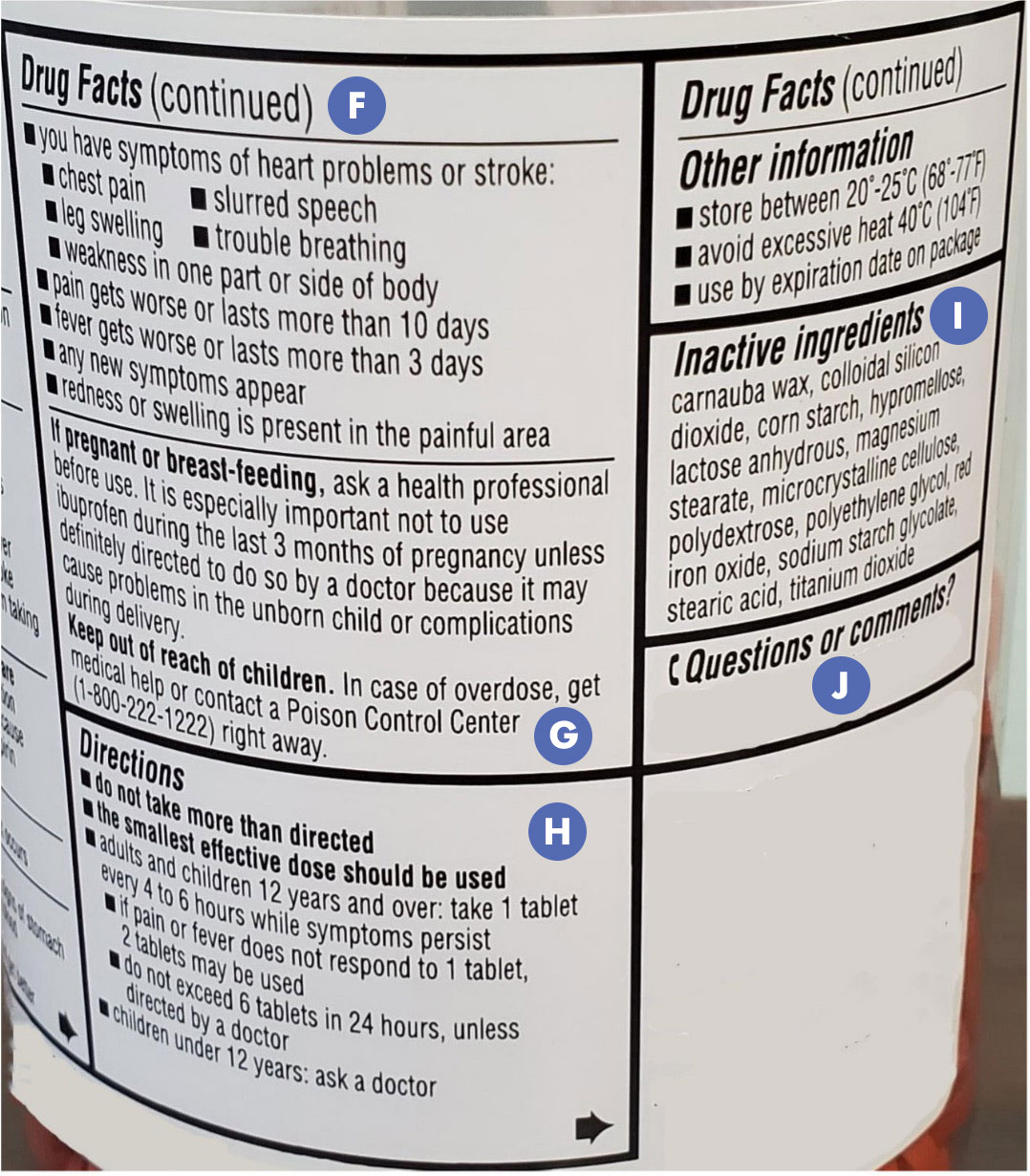
  • Medicine Label Kenya: How to Read a Medicine Label and Patient Information Leaflet

    Medicine Label Kenya: How to Read a Medicine Label and Patient Information Leaflet

    A medicine label Kenya patients receive contains important information about the medicine’s name, strength, dosage form, directions, expiry date, storage and warnings. Reading the label together with the patient information leaflet can help patients use medicines correctly and identify when they should ask a pharmacist or doctor for clarification.

    A medicine package contains much more information than the product name.

    You may see:

    • Medicine name.
    • Strength.
    • Dosage form.
    • Quantity.
    • Directions.
    • Batch number.
    • Expiry date.
    • Storage instructions.
    • Manufacturer.
    • Warnings.
    • Prescription information.

    For prescription medicines, there may also be a pharmacy label containing instructions specifically prepared for the patient.

    Understanding these details is an important part of medication safety.

    This is particularly useful when you are:

    • Starting a new medicine.
    • Refilling a prescription.
    • Taking several medicines.
    • Caring for a child.
    • Caring for an older family member.
    • Travelling with medication.
    • Checking an unfamiliar medicine.

    What Information Is on a Medicine Label Kenya Patients Should Check?

    A medicine label Kenya patient should check includes the medicine name, strength, dosage form, directions, quantity, expiry date, storage instructions and relevant warnings. Prescription labels may also contain patient-specific instructions provided by the pharmacy.

    Before taking a medicine, check:

    1. Medicine name
    2. Strength
    3. Dosage form
    4. Dose
    5. Frequency
    6. Route of administration
    7. Duration
    8. Expiry date
    9. Storage instructions
    10. Warnings and precautions

    If any information is unclear, ask a pharmacist before using the medicine.


    What Does the Medicine Name Mean?

    The medicine name identifies the active ingredient or product, although a medicine may have both a generic name and a brand name. A medicine label Kenya patient should be able to identify which medicine they have before taking it.

    For example, a package may display:

    Paracetamol 500 mg tablets

    Here:

    • Paracetamol = active medicine.
    • 500 mg = strength.
    • Tablets = dosage form.

    Some products may display a brand name prominently while the active ingredient appears elsewhere on the package.

    Do not assume two medicines are different simply because their brand names are different.

    Ask a pharmacist if you suspect that two products contain the same active ingredient.


    What Does Medicine Strength Mean?

    Medicine strength describes the amount of active ingredient contained in a specified unit, volume or dose of a medicine. Strength may be expressed in milligrams, grams, micrograms, millilitres or other units depending on the product.

    Examples include:

    • 500 mg.
    • 250 mg/5 mL.
    • 10 mg/mL.
    • 5 mg.
    • 100 micrograms.

    The number alone is not the complete instruction.

    For example:

    Paracetamol 500 mg

    does not automatically mean:

    Take one tablet every six hours.

    The dose and frequency must come from the prescription, label or appropriate professional guidance.


    What Is the Difference Between Strength and Dose?

    Strength describes how much active ingredient is contained in a medicine unit or volume, while dose describes how much the patient is instructed to take at a particular time. A medicine label Kenya patient should not confuse the strength printed on the package with the prescribed dose.

    Consider this example:

    A bottle says:

    Amoxicillin 250 mg/5 mL

    That describes the concentration of the liquid.

    The prescription may instruct a patient to take a particular number of millilitres at specified intervals.

    Therefore:

    Strength ≠ Dose

    This distinction is particularly important with children’s liquid medicines.


    What Is a Dosage Form?

    A dosage form describes the physical form in which a medicine is supplied, such as a tablet, capsule, syrup, cream, ointment, drops or injection. The dosage form matters because different forms are used and administered differently.

    Common dosage forms include:

    Dosage Form Example
    Tablet Solid medicine swallowed
    Capsule Medicine enclosed in a capsule
    Syrup/oral liquid Liquid taken by mouth
    Cream Applied to skin
    Ointment Applied to skin
    Eye drops Administered to the eye
    Ear drops Administered to the ear
    Inhaler Medicine inhaled
    Injection Administered by an appropriate professional

    Do not crush, split, open or alter a dosage form unless the product instructions or healthcare professional says it is appropriate.


    What Does “Take Twice Daily” Mean?

    “Twice daily” generally means the medicine should be taken two times during the day according to the prescribed schedule, but the exact timing can depend on the medicine. A medicine label Kenya patient should follow the specific pharmacy label or prescription rather than guessing the timing.

    Instructions can vary.

    For example, a label might say:

    • Once daily.
    • Twice daily.
    • Three times daily.
    • Every 8 hours.
    • Every 12 hours.
    • At bedtime.
    • With food.
    • Before meals.

    These instructions are not always interchangeable.

    If you are unsure whether “twice daily” means a particular number of hours apart, ask your pharmacist.


    What Does “Take With Food” Mean?

    “Take with food” generally means the medicine should be taken during or around a meal as instructed because food may affect tolerance, absorption or the medicine’s intended use. Follow the medicine-specific instructions rather than assuming that every medicine should be taken with food.

    Some medicines can cause stomach irritation when taken without food.

    Others may work differently depending on whether food is present.

    Therefore, do not change:

    • Meal timing.
    • Dose.
    • Frequency.

    without appropriate guidance.


    What Does “Take After Food” Mean?

    “Take after food” means the medicine should be taken after eating according to the instructions provided. The reason can vary between medicines, so patients should follow the specific directions on their prescription label or patient information leaflet.

    If the instruction is unclear, ask:

    “How soon after eating should I take this medicine?”

    A pharmacist can explain how the instruction applies to your specific medicine.


    What Does “For External Use Only” Mean?

    “For external use only” means the medicine is intended for application to the outside of the body and should not be swallowed unless the product specifically states otherwise. Products carrying this warning should be used only according to their intended route of administration.

    This warning is commonly relevant to products such as:

    • Some creams.
    • Ointments.
    • Certain lotions.
    • Some antiseptic preparations.

    Keep these products away from children.


    What Does “Do Not Swallow” Mean?

    “Do not swallow” means the product should not be taken by mouth and should only be used according to the stated route. If you are unsure how a topical, oral-care or other product should be used, ask a pharmacist before applying it.

    Never assume that a product is safe to swallow simply because it is used around the mouth.


    How Do You Read a Prescription?

    To read a prescription safely, identify the medicine name, strength, dosage form, dose, frequency, route and duration, then compare those instructions with the pharmacy label. If handwriting, abbreviations or directions are unclear, ask the pharmacist rather than guessing.

    A prescription may contain information about:

    • Medicine.
    • Strength.
    • Dose.
    • Frequency.
    • Duration.
    • Route.
    • Quantity.

    The pharmacy may then translate those instructions into clearer directions on the dispensing label.


    What Should You Do If You Cannot Read a Prescription?

    If you cannot clearly understand a prescription, do not guess what it says. Ask the pharmacist or prescriber to clarify the medicine, strength, dose and frequency before taking it.

    This is especially important when:

    • The handwriting is unclear.
    • Two medicines have similar names.
    • The strength is difficult to identify.
    • Instructions contain unfamiliar abbreviations.
    • The dose appears unusual.
    • The prescription conflicts with previous instructions.

    A quick clarification can prevent a medication error.


    What Is a Patient Information Leaflet?

    A patient information leaflet is a document supplied with certain medicines that provides information about how the medicine should be used, possible side effects, precautions and other important safety information. It complements the instructions given by a healthcare professional and does not replace personalised medical advice.

    A patient information leaflet may explain:

    • What the medicine is.
    • What it is used for.
    • Who should not use it.
    • How to take it.
    • Possible side effects.
    • Interactions.
    • Storage.
    • Pregnancy-related precautions.
    • What to do if you take too much.
    • Other important warnings.

    Keep the leaflet with the medicine where practical.


    Which Parts of a Patient Information Leaflet Should You Read?

    Patients should pay particular attention to the sections explaining what the medicine is for, how to use it, who should avoid it, possible side effects, interactions, storage and what to do in an emergency. The patient information leaflet should be read before starting an unfamiliar medicine.

    A useful reading order is:

    1. What the medicine is.
    2. What it is used for.
    3. Important warnings.
    4. How to use it.
    5. Possible side effects.
    6. Other medicines and interactions.
    7. Storage instructions.
    8. What to do if you take too much.
    9. Further information.

    You do not necessarily need to memorise the entire leaflet.

    Know where to find the important information.


    What Is the Drug Expiry Date?

    The drug expiry date indicates the date up to which the manufacturer expects the medicine to meet its specified quality requirements when stored correctly. Patients should check the expiry date before using medicines and avoid using products after the labelled expiry date.

    The expiry date may appear as:

    • EXP.
    • Expiry.
    • Exp.
    • Use before.

    Some packages show only month and year.

    If you are uncertain how an expiry date should be interpreted, ask a pharmacist.


    How Do You Find the Batch Number?

    The batch number is a code used to identify a particular production batch of a medicine. A medicine label Kenya patient may find the batch number near the expiry date or elsewhere on the packaging, and it can be important for product tracking and recalls.

    It may appear as:

    • Batch No.
    • Lot No.
    • Batch.
    • LOT.

    Do not confuse:

    Batch number ≠ expiry date

    Both pieces of information are important.


    Why Is the Batch Number Important?

    The batch number allows manufacturers, regulators and healthcare providers to identify a particular group of products. Patients should retain the packaging where possible because batch information can be useful if a medicine is recalled or a product-quality concern arises.

    If you experience a suspected product-quality problem, keep:

    • The medicine.
    • Packaging.
    • Batch number.
    • Expiry information.
    • Purchase information where available.

    Then seek advice from a pharmacist or appropriate healthcare authority.


    What Does the Storage Instruction on a Medicine Label Mean?

    The storage instruction tells you the conditions needed to help maintain the medicine’s quality, such as temperature, moisture and light protection. Medicine label Kenya instructions should be followed rather than applying the same storage method to every medicine.

    Examples may include:

    • Store at room temperature.
    • Keep below a specified temperature.
    • Keep refrigerated.
    • Protect from light.
    • Keep container tightly closed.
    • Keep dry.

    Do not automatically refrigerate every medicine.

    Likewise, do not leave temperature-sensitive medicines in a hot room.


    What Does “Keep Out of Reach of Children” Mean?

    “Keep out of reach of children” means medicines should be stored where children cannot access them. Ideally, medicines should be kept in a secure location and returned there immediately after use.

    This is particularly important for:

    • Painkillers.
    • Iron supplements.
    • Prescription medicines.
    • Liquid medicines.
    • Topical products.
    • Household first-aid products.

    Do not rely solely on child-resistant packaging.

    Storage location still matters.


    What Are Medicine Warnings and Precautions?

    Warnings and precautions identify circumstances where a medicine may require extra care, avoidance or professional advice. These sections can be particularly important for people who are pregnant, have chronic conditions, have allergies or take multiple medicines.

    Look for warnings relating to:

    • Allergies.
    • Kidney problems.
    • Liver problems.
    • Pregnancy.
    • Breastfeeding.
    • Age restrictions.
    • Other medicines.
    • Alcohol.
    • Existing medical conditions.

    If a warning applies to you, speak with your healthcare professional before using the medicine.


    How Do You Check for Medicine Allergies?

    Before taking a medicine, check whether you have previously experienced an allergic reaction to that medicine or related ingredients and tell your pharmacist or doctor about known allergies. A medicine label Kenya patient should not ignore a warning about previous allergic reactions.

    Potential serious allergic-reaction symptoms can include:

    • Difficulty breathing.
    • Swelling of the face, lips or tongue.
    • Widespread hives.
    • Severe dizziness.
    • Collapse.

    These symptoms require urgent medical attention.

    Do not simply stop at reading the label if you are experiencing a potentially serious reaction.


    What Does “Do Not Drive or Operate Machinery” Mean?

    This warning means the medicine may affect alertness, coordination or vision in some people, making driving or operating machinery unsafe. Patients should follow the warning and ask a healthcare professional if they are unsure how their medicine may affect them.

    Some medicines can cause:

    • Drowsiness.
    • Dizziness.
    • Reduced concentration.
    • Blurred vision.

    The effect can vary between individuals.


    What Does a Medicine Interaction Mean?

    A medicine interaction occurs when one medicine, food, supplement or substance changes the effect of another medicine. The patient information leaflet may identify important interactions, but patients should also tell their pharmacist about all medicines and supplements they use.

    Tell your pharmacist about:

    • Prescription medicines.
    • Over-the-counter medicines.
    • Vitamins.
    • Herbal products.
    • Supplements.
    • Other treatments.

    This helps the pharmacist assess potential interactions.


    Can You Take Two Medicines With the Same Ingredient?

    Two medicines can contain the same active ingredient even when their brand names are different, creating a risk of accidentally taking too much. Check the active ingredients on both packages or ask a pharmacist before combining medicines.

    This is particularly important with cold and flu products.

    For example, multiple products may contain the same pain-relieving ingredient.

    Do not judge medicines by brand names alone.


    How Should You Read a Children’s Medicine Label?

    A children’s medicine label should be checked carefully for the child’s age or weight requirements, medicine strength, dose, frequency and measuring instructions. Liquid medicines with different concentrations should not be assumed to have the same dose.

    Before giving a child medicine, check:

    • Child’s age.
    • Child’s weight where relevant.
    • Medicine name.
    • Strength.
    • Dose.
    • Measuring device.
    • Frequency.
    • Duration.
    • Expiry date.

    Do not use a household kitchen spoon to measure medicine unless specifically instructed.

    Use the supplied measuring device when provided.


    Why Is Liquid Medicine Strength Important?

    Liquid medicines may be supplied in different concentrations, so the same volume does not necessarily contain the same amount of active ingredient. A medicine label Kenya caregiver should always check the strength, such as milligrams per 5 millilitres, before measuring a dose.

    For example:

    250 mg/5 mL

    and

    125 mg/5 mL

    are not the same concentration.

    Giving the same number of millilitres from both bottles would provide different amounts of active ingredient.

    This is why checking the label is essential.


    What Should You Do If the Medicine Label and Prescription Differ?

    If the pharmacy label appears to conflict with your prescription or previous instructions, do not guess which instruction is correct. Stop and ask the pharmacist or prescriber to verify the medicine, strength and directions before taking the next dose when appropriate.

    Possible explanations include:

    • A prescription change.
    • A dispensing error.
    • A misunderstanding.
    • A different strength.
    • A different dosage form.

    Always clarify discrepancies.


    Medicine Label Kenya: Quick Reading Checklist

    Before taking an unfamiliar medicine, check the name, strength, dosage form, dose, frequency, route, duration, expiry date, storage requirements and warnings. If any part of the medicine label Kenya information is unclear, ask a pharmacist rather than guessing.

    Check these 10 items:

    Parameter What to Check
    Medicine name What medicine is it?
    Active ingredient What does it contain?
    Strength How much active ingredient?
    Dosage form Tablet, capsule, liquid, cream, etc.
    Dose How much should you take?
    Frequency How often?
    Route Oral, topical, eye, ear, etc.
    Duration How long?
    Expiry Is it still within date?
    Storage Where and how should it be kept?

    Medicine Label Kenya: Common Reading Mistakes to Avoid

    Many medication errors can be reduced by slowing down and checking the label before use. Common mistakes include confusing strength with dose, overlooking expiry dates, misunderstanding frequency and failing to check whether two products contain the same active ingredient.

    Avoid:

    1. Reading only the brand name.
    2. Ignoring the strength.
    3. Confusing milligrams with millilitres.
    4. Guessing a dose.
    5. Ignoring the expiry date.
    6. Storing the medicine incorrectly.
    7. Missing warning statements.
    8. Mixing medicines without checking ingredients.
    9. Using a child’s old prescription for a new illness.
    10. Ignoring unclear instructions.

    Medicine Label Kenya: Technical Information Table

    The most important information on medicine packaging has a specific purpose, from identifying the product to explaining how it should be used and stored. Understanding these terms makes medicine label Kenya information easier to interpret safely.

    Label Information Meaning Why It Matters
    Medicine name Identifies the product Prevents mix-ups
    Active ingredient Main medicinal substance Helps identify duplicate ingredients
    Strength Amount/concentration of active ingredient Prevents dosing errors
    Dosage form Tablet, liquid, cream, etc. Determines administration method
    Dose Amount to use Guides treatment
    Frequency How often to use Supports correct scheduling
    Route How medicine enters the body Prevents incorrect administration
    Batch number Identifies production batch Useful for recalls
    Expiry date End of labelled shelf life Supports expired medicine safety
    Storage Required conditions Protects medicine quality
    Warnings Important precautions Supports safe use

    When Should You Ask a Pharmacist About a Medicine Label?

    Ask a pharmacist whenever you cannot clearly understand the medicine name, strength, dose, frequency, route, storage instruction or warning. Pharmacists can also help explain patient information leaflet content and identify potential medicine-related problems.

    You should particularly ask before using the medicine if:

    • The label is unclear.
    • The medicine looks different from previous supplies.
    • The strength has changed.
    • The dose seems unusually high or low.
    • You are taking other medicines.
    • You have allergies.
    • You are pregnant or breastfeeding.
    • You have a chronic condition.
    • You are unsure how to measure a liquid.

    Asking one question can prevent a medication error.


    Frequently Asked Questions About Medicine Label Kenya

    What should I check first on a medicine label?

    Start with the medicine name, active ingredient, strength and dosage form, then check the dose and directions. Also check the expiry date and storage instructions before using the medicine.

    What is a patient information leaflet?

    A patient information leaflet provides important information about a medicine, including its uses, directions, warnings, side effects and storage. It should be read alongside the instructions provided by your healthcare professional.

    How do I read a prescription?

    Check the medicine name, strength, dosage form, dose, frequency, route and duration. If handwriting or abbreviations are unclear, ask the pharmacist or prescriber rather than guessing.

    What is the drug expiry date?

    The drug expiry date indicates the date up to which the manufacturer expects the medicine to meet its specified quality requirements when properly stored. Medicines should not be used after their labelled expiry date.

    What does the batch number mean?

    The batch number identifies a particular production batch of a medicine. It can be important for product tracking, quality investigations and recalls.

    Is medicine strength the same as dosage?

    No. Strength describes the amount or concentration of active ingredient in the product, while dosage describes how much the patient is instructed to take. Confusing the two can cause medication errors.

    Can two medicines have the same active ingredient?

    Yes. Different brands can contain the same active ingredient. Check the ingredients or ask a pharmacist before combining products to avoid accidental duplication.

    What should I do if I cannot understand my medicine label?

    Do not guess. Take the medicine or packaging to a pharmacist and ask them to explain the name, strength, dose, frequency, duration and storage instructions.

    How do I read a children’s liquid medicine label?

    Check the medicine’s concentration, such as milligrams per 5 millilitres, and follow the dose appropriate for the child’s age or weight as instructed. Use the supplied measuring device where available.

    Can I use medicine after the expiry date?

    Expired medicine should not be used because its quality, safety or effectiveness is no longer assured after the labelled expiry date. Ask a pharmacist about replacement and appropriate disposal.


    Final Takeaway: Read Before You Take

    Understanding a medicine label Kenya patients receive is an important part of safe medicine use. Always check the medicine name, strength, dose, frequency, expiry date, storage requirements and warnings, and use the patient information leaflet to understand additional precautions.

    A simple routine can help:

    Read the name.
    Check the strength.
    Understand the dose.
    Check the expiry.
    Check the storage.
    Read the warnings.
    Ask when unsure.

    For medicines and pharmacist support, you can view all medicines and healthcare products at Our Mall Pharmacy.

    You can also upload a prescription for pharmacy assistance or contact Our Mall Pharmacy if you need clarification.

    Contact Our Mall Pharmacy

    Call/WhatsApp: +254 740 686 263

    WhatsApp: Chat with a Pharmacist for instant responses

    Email: ourmallpharmacy@gmail.com

    Visit Us:
    Our Mall, Off Magadi Rd, Avocado Lane, Ground Floor (Shop No. 22)

    Hours:
    Mon–Sat: 9AM–8PM
    Sun: 10:30AM–6PM
  • Medicine Storage Kenya: How to Store Medicines Safely During Power Outages and Coastal Humidity

    Medicine Storage Kenya: How to Store Medicines Safely During Power Outages and Coastal Humidity

    Medicine storage Kenya households can manage safely starts with keeping medicines in their original packaging, following the labelled storage conditions and protecting them from excessive heat, moisture and direct sunlight. During power outages, temperature-sensitive medicines such as insulin require additional care because inappropriate temperatures can reduce their effectiveness.

    Medicines are designed to remain stable when stored under specified conditions.

    That means the place where you keep medication matters.

    A medicine cabinet next to a cooker may become too hot.

    A bathroom cabinet may expose medicines to moisture.

    A car can become extremely hot.

    And during a prolonged Kenya Power outage, medicines that normally require refrigeration may need special attention.

    The issue becomes even more important in coastal areas, where heat and humidity can be higher.

    This guide explains practical medicine storage Kenya households can use to protect medicines at home.


    What Is the Best Way to Store Medicines at Home in Kenya?

    The best medicine storage Kenya households can use is a cool, dry, clean location away from direct sunlight, children and household chemicals. Medicines should generally remain in their original labelled packaging unless a pharmacist or healthcare professional has advised otherwise.

    A suitable storage location should ideally be:

    • Cool.
    • Dry.
    • Away from direct sunlight.
    • Away from cooking heat.
    • Away from children.
    • Away from pets.
    • Away from chemicals.
    • Easy for the responsible adult to access.
    • Consistent with the medicine’s labelled storage requirements.

    Do not assume that every medicine should be stored in a refrigerator.

    Some medicines can be damaged by excessive cold.

    Always check the label first.


    Does Heat Affect Medicines?

    Excessive heat can affect the stability of some medicines, which is why products may have specific temperature-storage requirements. Medicine storage Kenya households manage should therefore avoid hot areas such as car dashboards, window sills, kitchens and areas exposed to direct sunlight.

    Kenyan homes can experience significant temperature differences.

    For example, a room may be comfortable in the morning but become considerably hotter during the afternoon.

    Potentially unsuitable locations include:

    • Inside a parked vehicle.
    • Near a cooker.
    • Above a refrigerator.
    • Near an oven.
    • On a sunny windowsill.
    • In a roof space.
    • Next to a heat-producing appliance.

    If the label specifies a storage temperature, follow it.


    Can Humidity Damage Medicines?

    Yes, moisture and high humidity can affect certain medicines and their packaging, particularly products that are sensitive to moisture. Good drug storage humidity control means keeping medicines away from bathrooms, sinks, damp rooms and other humid locations.

    This is particularly relevant to coastal Kenya.

    Areas such as:

    • Mombasa.
    • Kilifi.
    • Malindi.
    • Kwale.
    • Lamu.

    can experience higher humidity than many inland locations.

    However, humidity can also become a concern in Nairobi and other areas during rainy periods.

    Avoid storing medicines:

    • In the bathroom.
    • Beside a shower.
    • Next to a kitchen sink.
    • In damp cupboards.
    • In unsealed containers.
    • Where condensation occurs.

    A dry bedroom cupboard may be more appropriate, provided the medicine’s label permits room-temperature storage.


    Why Is Coastal Humidity Important for Medicine Storage Kenya?

    Coastal humidity can make moisture control particularly important when storing medicines at home. Medicine storage Kenya practices in humid areas should keep products tightly closed in their original packaging and away from bathrooms, damp cupboards and direct exposure to humid air.

    A coastal home may require extra attention to:

    • Moisture.
    • Condensation.
    • Damp storage spaces.
    • Packaging integrity.
    • Container closure.

    Do not transfer tablets from their original packaging into unlabelled containers simply to save space.

    The original packaging often provides important protection and information.


    Should Medicines Be Stored in the Refrigerator?

    Only medicines that require refrigeration should be routinely stored in a refrigerator, and the required temperature should be checked on the label or product information. Refrigerating a medicine that does not require refrigeration can be unnecessary or potentially inappropriate.

    This is one of the most common storage misunderstandings.

    There is a difference between:

    “Keep refrigerated”

    and

    “Store below a specified room temperature.”

    Do not automatically put all medicines into the refrigerator.

    Examples of medicines that may have special temperature requirements include some:

    • Insulin products.
    • Certain biological medicines.
    • Some vaccines.
    • Certain injectable medicines.

    Storage requirements vary by product.


    How Should Insulin Be Stored During a Power Outage?

    During a power outage, insulin should be protected from excessive heat and freezing while following the manufacturer’s specific storage instructions. Do not place insulin directly against ice or a freezer compartment because freezing can damage insulin.

    If power goes out:

    1. Keep the refrigerator door closed as much as possible.
    2. Check the insulin’s storage instructions.
    3. Do not freeze insulin.
    4. Avoid placing insulin directly against frozen items.
    5. Consider an appropriate insulated storage solution if the outage is prolonged.
    6. Contact a pharmacist or healthcare professional if you are unsure whether the insulin remained within its recommended temperature range.

    The exact handling depends on the insulin product.

    Do not assume all insulin products have identical storage rules.


    What Should You Do If the Refrigerator Loses Power?

    During a refrigerator power outage, keep the refrigerator closed as much as possible to preserve the internal temperature. Temperature-sensitive medicines should be assessed according to their specific storage requirements, and a pharmacist should be contacted if there is uncertainty about whether the medicine was exposed to unsafe temperatures.

    Avoid repeatedly opening the refrigerator to check the medicine.

    Instead:

    • Keep the door closed.
    • Monitor the situation.
    • Use an appropriate thermometer if available.
    • Follow the medicine’s storage instructions.
    • Ask a pharmacist for advice if the temperature exposure is uncertain.

    Do not use appearance alone to determine whether a temperature-sensitive medicine remains suitable.


    How Long Can Insulin Stay Out of the Refrigerator?

    The allowable time outside refrigeration varies by insulin product, formulation and manufacturer instructions, so there is no single safe time that applies to every insulin. Check the specific insulin’s product information or ask a pharmacist rather than applying a general rule.

    This distinction is important.

    Different insulin products can have different:

    • Temperature limits.
    • In-use storage periods.
    • Storage instructions.
    • Handling requirements.

    If you cannot identify how long a particular insulin has been exposed to heat, speak to a pharmacist before making assumptions about its suitability.


    Can Insulin Be Frozen?

    Insulin should not be frozen because freezing can damage the product and affect its performance. If insulin has frozen, do not assume that thawing makes it safe to use; ask a pharmacist or follow the manufacturer’s guidance.

    Avoid storing insulin:

    • Against freezer walls.
    • Directly beside ice packs.
    • In a freezer compartment.
    • Where accidental freezing can occur.

    Cold-chain protection means avoiding both excessive heat and freezing.


    What Is Cold-Chain Storage?

    Cold-chain storage is the controlled handling of temperature-sensitive medicines within their required temperature range from storage through transport and use. For medicine storage Kenya households, maintaining the appropriate temperature is particularly important for products whose effectiveness depends on controlled conditions.

    Cold-chain products may include certain:

    • Vaccines.
    • Biological medicines.
    • Insulin products.
    • Other temperature-sensitive treatments.

    The exact requirements depend on the product.

    Cold-chain management does not simply mean “keep it cold.”

    It means:

    Keep it within the specified temperature range.


    What Is the Safest Place to Keep Medicines During a Power Outage?

    The safest location depends on the medicine’s storage requirements, but medicines that normally require room-temperature storage should remain in a cool, dry area away from sunlight and heat. Refrigeration-dependent medicines require specific temperature protection and should be managed according to their product instructions.

    For ordinary medicines:

    • Keep them away from windows.
    • Avoid kitchens.
    • Avoid hot vehicles.
    • Keep them in their original packaging.
    • Choose the coolest suitable room.

    For refrigerated medicines:

    • Keep the refrigerator closed.
    • Avoid unnecessary door opening.
    • Follow the product-specific instructions.
    • Seek pharmacist guidance if the storage temperature becomes uncertain.

    Should You Use a Cooler Box During a Power Outage?

    A cooler or insulated container may help protect some temperature-sensitive medicines during a prolonged outage, but it must be used correctly and according to the medicine’s storage requirements. Direct contact with frozen ice packs can create a freezing risk for medicines that must not freeze.

    If using an insulated container:

    1. Check the medicine’s required temperature.
    2. Use suitable temperature-control materials.
    3. Prevent direct contact with frozen packs where inappropriate.
    4. Use a thermometer if recommended.
    5. Keep the container closed.
    6. Monitor the duration of the outage.

    Do not improvise a cold-chain system without considering both heat and freezing risks.


    What About Medicines That Do Not Require Refrigeration?

    Medicines that do not require refrigeration should generally be kept at the labelled storage temperature in a cool, dry place. Refrigerating them unnecessarily does not automatically improve their stability.

    For example, if the label says:

    “Store below 25°C”

    that is different from:

    “Store refrigerated.”

    Always follow the product’s storage instructions.

    If you cannot understand the storage wording, ask a pharmacist.


    How Should Tablets Be Stored?

    Tablets should generally remain in their original packaging and be protected from heat, moisture and direct sunlight unless the manufacturer provides different instructions. Drug storage humidity is especially important for medicines that can be affected by moisture.

    Good practice includes:

    • Keep blister packs intact where possible.
    • Keep bottles tightly closed.
    • Avoid bathroom storage.
    • Check the expiry date.
    • Keep medicines away from children.
    • Avoid mixing different tablets in one unlabelled container.

    Do not remove tablets from their packaging long before they are needed.


    Can You Store Medicines in a Bathroom Cabinet?

    A bathroom cabinet is generally not an ideal location for medicines because repeated exposure to heat and humidity can affect some products. For safer medicine storage Kenya households should usually choose a cool, dry area away from shower steam and water.

    Even when a bathroom feels cool, humidity can fluctuate considerably.

    Instead, consider a dry cupboard in a bedroom or another suitable room, provided the medicine’s label permits that storage condition.


    Can You Store Medicines in a Car?

    Medicines should generally not be left in a parked car because vehicle interiors can become very hot or cold and may expose medicines to conditions outside their recommended storage range. Medicine storage Kenya practices should avoid leaving medication in vehicles for extended periods.

    This is particularly important when travelling.

    Do not leave medicine:

    • On a dashboard.
    • In a glove compartment for long periods.
    • In direct sunlight.
    • In luggage inside a hot vehicle.

    If medication must be transported, follow its storage requirements.

    Temperature-sensitive medicines may require appropriate insulated transport.


    What Should You Do With Medicine That Got Wet?

    If medicine has become wet or the packaging has been exposed to significant moisture, do not automatically assume it remains safe to use. Separate the affected medicine and ask a pharmacist whether it should be replaced.

    Look for:

    • Discoloured tablets.
    • Swelling.
    • Crumbling.
    • Damaged packaging.
    • Altered texture.
    • Unusual odour.
    • Broken capsules.

    Do not rely solely on appearance.

    A pharmacist can advise whether the product should be discarded.


    How Can You Protect Medicines From Humidity?

    Protect medicines from humidity by keeping them in their original, properly closed packaging and storing them in a dry room away from bathrooms and sinks. Drug storage humidity becomes particularly important during wet weather and in humid coastal environments.

    Practical steps:

    1. Keep containers closed.
    2. Do not store medicines in bathrooms.
    3. Avoid damp cupboards.
    4. Keep medicines off wet surfaces.
    5. Do not mix medicines unnecessarily.
    6. Check packaging for damage.
    7. Follow manufacturer instructions.

    Do not add loose desiccant packets to medicine containers unless they were supplied with the product.


    Can You Keep Medicines in a Pill Organiser?

    A pill organiser can be useful for some patients, but transferring medicines from their original packaging may expose certain products to moisture, light or other conditions that affect stability. Ask a pharmacist whether a particular medicine is suitable for organiser storage.

    This is especially important for:

    • Moisture-sensitive medicines.
    • Light-sensitive medicines.
    • Medicines requiring special packaging.
    • Medicines with complicated storage requirements.

    For chronic-care patients, medication organisation should balance convenience with product stability.


    What Does “Store in a Cool, Dry Place” Mean?

    “Cool, dry place” generally means an environment away from excessive heat and moisture, but the exact temperature requirement should be determined from the medicine’s label or product information. It does not automatically mean that the medicine should be refrigerated.

    A suitable location should not be:

    • Damp.
    • Exposed to direct sunlight.
    • Near a cooker.
    • Inside a hot vehicle.
    • Subject to extreme temperature changes.

    If the label gives a specific temperature, follow that instruction.


    What Happens When Medicines Expire?

    Expired medicines should not be used simply because they look normal, because their quality and effectiveness may no longer be assured after the labelled expiry date. Expired medicine safety therefore means checking expiry dates regularly and asking a pharmacist about appropriate disposal.

    Check:

    • Expiry date.
    • Packaging condition.
    • Storage history.
    • Appearance.

    Do not use expired medicines just because you cannot immediately obtain a replacement.

    For essential chronic medicines, plan refills before supplies run out.


    Expired Medicine Safety: What Should You Do?

    For expired medicine safety, separate expired products from medicines that are still in use and seek appropriate disposal advice from a pharmacist or healthcare provider. Do not flush or discard medicines carelessly unless disposal guidance specifically recommends that method.

    A useful home routine is:

    Check → Separate → Ask → Dispose appropriately

    Do not give expired medicine to another person.


    How Often Should You Check Your Medicine Cabinet?

    A medicine cabinet should be reviewed regularly to identify expired products, damaged packaging and medicines that are no longer needed. A periodic review supports better medicine storage Kenya practices and reduces the chance of accidentally using unsuitable medication.

    During a medicine-cabinet review, check:

    • Expiry dates.
    • Packaging.
    • Storage conditions.
    • Labels.
    • Unused medicines.
    • Temperature-sensitive products.
    • Medicines prescribed to different family members.

    Keep prescription medicines separate and clearly identified where appropriate.


    Medicine Storage Kenya: Home Storage Checklist

    A simple storage checklist can help Kenyan households protect medicines from heat, humidity, children and accidental misuse. The most important principle is to follow the specific storage instructions supplied with each medicine.

    Every household should:

    • Keep medicines in original packaging.
    • Check expiry dates.
    • Avoid bathroom storage.
    • Avoid direct sunlight.
    • Avoid excessive heat.
    • Keep medicines away from children.
    • Keep medicines away from pets.
    • Protect refrigerated products appropriately.
    • Avoid freezing medicines that must not freeze.
    • Ask a pharmacist about uncertain storage conditions.

    Medicine Storage Kenya: Medication Storage Table

    Different medicines have different storage requirements, so this table provides general guidance rather than a universal storage rule. Always check the specific product label and manufacturer’s instructions before deciding where to store a medicine.

    Medicine/Product Type Typical Storage Consideration Main Risk What to Check
    Tablets Cool, dry place where labelled Heat/moisture Product label
    Capsules Dry, protected packaging Humidity Packaging instructions
    Syrups Product-specific Heat/freezing Label
    Insulin Product-specific temperature range Heat/freezing Manufacturer instructions
    Vaccines Controlled cold chain Temperature excursion Healthcare provider
    Creams Product-specific Heat/moisture Label
    Eye drops Product-specific Heat/contamination Label
    Injections Product-specific Temperature/light Product information
    Medical devices Manufacturer-specific Heat/moisture Device instructions

    What Should Chronic-Care Patients Do During Long Power Outages?

    Patients taking temperature-sensitive chronic medicines should have a storage plan before a prolonged power outage occurs. The plan should identify the medicine’s required temperature range, an appropriate backup storage option and who to contact if the medicine is exposed to unsuitable temperatures.

    This is particularly useful for patients using:

    • Insulin.
    • Certain biological medicines.
    • Other temperature-sensitive products.

    A practical emergency plan can include:

    Step 1: Know the storage requirement

    Check the medicine label.

    Step 2: Prepare a backup option

    Have an appropriate insulated container if recommended.

    Step 3: Avoid unnecessary refrigerator opening

    This helps maintain the internal temperature.

    Step 4: Protect against freezing

    Do not place medicines directly against ice or frozen packs when freezing is unsafe.

    Step 5: Know who to call

    Keep your pharmacist or healthcare provider’s contact details accessible.


    How Can Nairobi Families Improve Medicine Storage?

    Nairobi households can improve medicine storage by choosing a dry indoor cupboard away from direct sunlight, cooking areas and bathroom humidity. During power interruptions, temperature-sensitive medicines should be managed according to their specific storage instructions rather than using one storage rule for every medicine.

    Nairobi’s temperatures can vary between morning and afternoon.

    A cupboard in a consistently moderate indoor environment may therefore be preferable to:

    • A balcony.
    • A windowsill.
    • A vehicle.
    • A kitchen shelf.

    For chronic-care medicines, planning is especially important.


    How Does Medicine Storage Differ on the Kenyan Coast?

    Coastal medicine storage requires particular attention to humidity, heat and moisture because environmental conditions can be more challenging for certain products. Drug storage humidity can be managed by keeping medicines tightly closed in their original packaging and storing them in a cool, dry indoor location.

    In areas such as Mombasa and Malindi:

    • Avoid bathroom cabinets.
    • Avoid damp cupboards.
    • Keep containers closed.
    • Avoid direct sunlight.
    • Check packaging regularly.
    • Follow specific temperature instructions.

    Air conditioning may make a room cooler, but medicines should still be stored according to their labelled requirements.


    What Are the Biggest Medicine Storage Mistakes?

    The most common medicine storage mistakes include keeping medicines in bathrooms, exposing them to excessive heat, storing all medicines in the refrigerator and ignoring product-specific storage instructions. Good medicine storage Kenya practice means following each product’s labelled requirements.

    Avoid these mistakes:

    1. Storing medicines beside a cooker.
    2. Keeping medicines in a bathroom.
    3. Leaving medicines in a hot car.
    4. Leaving medicine containers open.
    5. Freezing medicines that should not be frozen.
    6. Refrigerating medicines unnecessarily.
    7. Ignoring expiry dates.
    8. Keeping damaged medicines.
    9. Transferring medicines into unlabelled containers.
    10. Guessing whether heat exposure has damaged a medicine.

    Frequently Asked Questions About Medicine Storage Kenya

    What is the best medicine storage Kenya method?

    Keep medicines in their original packaging in a cool, dry location away from heat, moisture, direct sunlight and children. Always follow the storage instructions on the specific medicine.

    Can humidity damage medicines?

    Yes, humidity can affect some medicines and their packaging. Store medicines away from bathrooms, sinks and damp areas, particularly in humid coastal environments.

    What should I do with insulin during a power outage?

    Follow the specific insulin manufacturer’s storage instructions and protect the product from both excessive heat and freezing. If you are uncertain about its temperature exposure, contact a pharmacist before assuming it remains suitable.

    Can insulin be frozen?

    Insulin should not be frozen because freezing can damage the product. If insulin has frozen, ask a pharmacist or follow the manufacturer’s guidance before using it.

    Should all medicines be stored in a refrigerator?

    No. Only medicines that specifically require refrigeration should be refrigerated. Always check the product label because unnecessary refrigeration may be inappropriate for some medicines.

    Is a bathroom a safe place to store medicine?

    A bathroom is generally not ideal because heat and humidity can fluctuate. A cool, dry indoor cupboard is usually preferable when consistent with the medicine’s storage instructions.

    Can I use medicine that got wet?

    Do not automatically use medicine that has been exposed to significant moisture. Keep it separate and ask a pharmacist whether it remains suitable.

    Can expired medicines still work?

    Expired medicines may no longer have their quality, safety or effectiveness assured. Check expiry dates regularly and seek appropriate disposal advice rather than relying on expired medication.

    What should I do if medicine was left in a hot car?

    Do not automatically assume that the medicine is safe after significant heat exposure. Check its storage requirements and ask a pharmacist or manufacturer for guidance, especially for temperature-sensitive medicines.

    How should I store medicines at the Kenyan Coast?

    Keep medicines tightly closed in their original packaging and store them in a cool, dry room away from bathrooms, sinks and direct sunlight. Humidity control is particularly important in coastal environments.


    Final Takeaway: Safe Medicine Storage Kenya Households Can Follow

    Safe medicine storage Kenya households can maintain starts with reading the label and protecting medicines from the conditions that can damage them, especially excessive heat, moisture and inappropriate freezing. Power outages and coastal humidity require extra planning for temperature-sensitive medicines, but the correct approach depends on each product’s specific storage requirements.

    Remember these five rules:

    1. Read the label.
    2. Keep medicines dry.
    3. Protect them from excessive heat.
    4. Avoid freezing medicines that should not freeze.
    5. Ask a pharmacist when storage conditions are uncertain.

    For medicines, chronic-care products and healthcare supplies, you can view all products at Our Mall Pharmacy.

    You can also explore chronic-care products and contact Our Mall Pharmacy for pharmacist support.

    Contact Our Mall Pharmacy

    Call/WhatsApp: +254 740 686 263

    WhatsApp: Chat with a Pharmacist for instant responses

    Email: ourmallpharmacy@gmail.com

    Visit Us:
    Our Mall, Off Magadi Rd, Avocado Lane, Ground Floor (Shop No. 22)

    Hours:
    Mon–Sat: 9AM–8PM
    Sun: 10:30AM–6PM

  • Family Planning Options in Kenya: 5 Essentials

    Family Planning Options in Kenya: 5 Essentials

    Family planning in Kenya is about helping people make informed decisions about whether, when and how far apart to have children. Contraception options are varied, and the appropriate choice depends on factors such as health history, preferences, future pregnancy plans and access to a qualified healthcare professional. WHO describes family planning as a way for people to determine the number and spacing of their children, with both temporary and permanent methods available.

    There is no single contraception option that is right for everyone. Birth control advice should be based on an individual’s health, preferences, pregnancy plans and the guidance of a qualified clinician or pharmacist. Reproductive health decisions should be made without pressure or judgement.

    What Does Family Planning Mean?

    Family planning covers more than preventing pregnancy. It includes information and services that help individuals and couples decide whether they want children and, if so, when to have them and how to space pregnancies.

    In Kenya, family planning conversations may take place at public or private health facilities, pharmacies and other authorised healthcare settings. The aim is to make informed choices rather than to promote one particular method.

    Good birth control advice starts with understanding the available categories. A healthcare professional can then help determine which options may be medically appropriate.

    Main Contraception Options to Discuss

    Contraception options can broadly be divided into short-term, long-acting and permanent methods. Some are hormonal, while others are non-hormonal.

    Category Examples Key consideration
    Barrier methods Condoms Used when needed and also help reduce the risk of many STIs, including HIV
    Oral methods Contraceptive pills Require regular use and professional guidance on suitability
    Injectables Injectable contraceptives Administered by a healthcare provider according to the relevant method
    Implants Contraceptive implants Long-acting reversible options inserted by a trained provider
    Intrauterine devices Copper or hormonal IUDs Long-acting options placed by a healthcare provider
    Permanent methods Sterilisation procedures Intended for people who do not want future pregnancies
    Fertility-awareness methods Cycle-based approaches Require understanding of fertility patterns and consistent use

    WHO notes that condoms are the only contraceptive method that also provides protection against sexually transmitted infections, including HIV.

    The table is an overview, not a recommendation. Birth control advice should take individual circumstances into account before a method is started or changed.

    How Do You Choose Between Contraception Options?

    Choosing contraception options should begin with a conversation rather than a product. A clinician may ask about your health history, current medicines, previous pregnancies, menstrual history, plans for future pregnancy and any concerns about a particular method.

    Questions worth asking include:

    • How long do I want pregnancy prevention to last?
    • Do I want a method that I use myself or one administered by a healthcare provider?
    • Do I want to become pregnant in the future?
    • Do I also need protection against sexually transmitted infections?
    • Could another health condition or medicine affect my choice?
    • What should I know about possible side effects or changes in bleeding?
    • How easily can I access follow-up care if I have concerns?

    These questions can make a family planning consultation more useful without assuming that one method will suit everyone.

    Condoms and STI Protection

    Condoms have an important role in reproductive health because they can help prevent pregnancy while also reducing the risk of many sexually transmitted infections when used correctly and consistently.

    Other contraception options do not provide STI protection. Someone may therefore need to discuss condom use separately even when another pregnancy-prevention method is being considered.

    If you are concerned about possible STI exposure, symptoms or testing, speak with a qualified healthcare professional rather than relying on contraception alone.

    What About Hormonal Methods?

    Hormonal contraception includes several categories, including pills, injections, implants and some intrauterine devices. Different methods work in different ways and have different schedules and eligibility considerations.

    This is why birth control advice should not simply be based on what worked for a friend or relative. A method that is suitable for one person may not be appropriate for another.

    If you are considering a hormonal method, ask a qualified clinician about your medical history, other medicines, possible side effects and what follow-up may be required.

    Long-Acting and Permanent Options

    Some contraception options are designed to provide pregnancy prevention for an extended period. Implants and intrauterine devices are examples of long-acting reversible methods. Permanent options include sterilisation procedures for people who are certain they do not want future pregnancies.

    Long-acting methods can be useful to discuss when someone does not want to think about contraception every day or every month. However, the decision should still be individual and informed.

    A healthcare provider can explain how a particular method is inserted or provided, how long it is intended to last and what follow-up involves.

    Emergency Contraception Is Different

    Emergency contraception is intended for situations where pregnancy may occur after unprotected sex or contraceptive failure. It is different from an ongoing family planning method.

    WHO identifies emergency contraceptive pills and the copper IUD as emergency contraception methods and notes that they need to be used within a specified time window to be effective.

    Because timing and individual circumstances matter, seek prompt professional advice if you think emergency contraception may be relevant.

    Common Myths About Family Planning

    Misinformation can make contraception decisions more difficult. One common concern is that modern contraceptive methods cause permanent infertility. WHO states that modern contraceptive methods do not cause infertility.

    Another misconception is that contraception is only relevant to married couples or people who already have children. Family planning is about informed reproductive choices, and healthcare discussions should be respectful and non-judgemental.

    There is also no reason to assume that a method is automatically suitable because it is popular. Good reproductive health information recognises that people’s circumstances differ.

    When to Speak to a Pharmacist or Doctor

    Speak with a qualified healthcare professional before starting, stopping or changing a contraceptive method, particularly if you have an existing health condition, take other medicines, are pregnant or think you may be pregnant.

    You should also seek professional advice if you experience concerning symptoms after using a contraceptive method, are worried about possible pregnancy, need emergency contraception, or have concerns about an STI.

    A pharmacist can help explain available healthcare services and answer appropriate medicine-related questions. A clinician can assess your individual circumstances and discuss which contraception options may be medically appropriate.

    For general health information, you can also explore the health articles published by Our Mall Pharmacy or browse the categories for related health topics.

    How to Prepare for a Family Planning Consultation

    You do not need to know which method you want before speaking with a professional. It can help to prepare a few questions instead.

    Consider writing down:

    1. Whether you want to prevent pregnancy temporarily or for a longer period.
    2. Whether you may want a pregnancy in the future.
    3. Any medicines or supplements you currently use.
    4. Any previous problems or concerns with contraception.
    5. Questions about side effects, follow-up and STI protection.

    You can then discuss these points openly with the healthcare professional.

    If you need information about available pharmacy services, you can visit the our website or contact us to ask about appropriate next steps.

    Family Planning in Kenya: A Practical, Non-Judgemental Approach

    Family planning is ultimately about informed choice. There are multiple contraception options, and the best option cannot be determined from a product name or a general online list alone.

    For some people, a barrier method may fit their needs. Others may prefer a longer-acting reversible method or discuss a permanent option. The right conversation depends on individual circumstances, health considerations and future pregnancy plans.

    Reliable birth control advice should therefore focus on education rather than pressure. If you are unsure where to begin, start with a qualified healthcare professional who can discuss your reproductive health needs confidentially and respectfully.

    Frequently Asked Questions

    What is family planning?

    Family planning helps individuals and couples make informed decisions about whether to have children and about the timing and spacing of pregnancies. It includes contraception as well as broader reproductive health information.

    Which contraception option is best?

    There is no universally best method. The appropriate option depends on individual health, preferences, pregnancy plans and other circumstances. A qualified healthcare professional can help assess suitable choices.

    Do condoms protect against pregnancy and STIs?

    Yes. When used correctly and consistently, condoms help prevent pregnancy and reduce the risk of many sexually transmitted infections, including HIV.

    Can contraception cause infertility?

    WHO states that modern contraceptive methods do not cause infertility.

    Should I choose a contraceptive method based on what works for someone else?

    No. Birth control advice should be individualised. A method that suits one person may not be medically appropriate for another.

    Where can I get reproductive health advice?

    A qualified healthcare professional can provide personalised reproductive health advice and help you understand available family planning services and contraception options.

    Important Disclaimer

    This article is for educational purposes only and is not a substitute for professional consultation, diagnosis or prescription. Do not start, stop or change a contraceptive medicine or method based solely on information in this article. Speak with a qualified healthcare professional for advice specific to your circumstances.

    Contact Our Mall Pharmacy

    Call Us: +254740686263

    Mon-Sat 9AM-8PM, Sun 10:30AM-6PM

    WhatsApp: Chat with a Pharmacist (Instant responses)

    Email: ourmallpharmacy@gmail.com
    We reply within 2 hours.

    Visit Us:
    Our Mall, Off Magadi Rd, Avocado Lane, Ground Floor (Shop No. 22)