
Blog

  • 7 Trusted Mental Health Services in Kenya to Get Help

    7 Trusted Mental Health Services in Kenya to Get Help

    Mental health services in Kenya are available through public hospitals, private facilities, community-based programmes and qualified mental health professionals. Knowing where to start can make seeking support less confusing, whether you are looking for counselling, a psychologist, a psychiatrist or a general healthcare assessment.

    Mental health is part of overall health. The World Health Organization describes it as a state of wellbeing that supports a person’s ability to cope with everyday stresses, learn, work and participate in their community. Mental health concerns can affect people of different ages and backgrounds, and seeking professional support is an appropriate part of looking after your health.

    At Our Mall Pharmacy, we believe health information should help people make informed decisions without replacing professional assessment. Our health articles provide educational information, while a qualified healthcare professional can help determine what support is appropriate for an individual situation.

    Where can you get mental health help in Kenya?

    Mental health support can begin at different points depending on your needs and location. Options include a primary healthcare facility, county hospital, private clinic, counselling service, psychologist, psychiatrist or another appropriately qualified mental health practitioner.

    Kenya’s Mental Health Act recognises a range of qualified mental health practitioners, including psychiatrists, medical practitioners, psychologists, clinical officers specialising in psychiatry, counsellors and psychiatric nurses. The law also recognises a person’s right to accessible and affordable mental health services, including counselling, rehabilitation and after-care support.

    The most appropriate starting point does not always have to be a specialist. A general healthcare facility can be a useful first step when you are unsure which service you need.

    1. Start with a primary healthcare facility

    A public or private primary healthcare facility may be a practical starting point for someone experiencing persistent emotional, behavioural or psychological difficulties.

    Healthcare professionals can listen to your concerns, assess your general health and determine whether further mental health assessment or referral is appropriate. Kenya’s Mental Health Act places emphasis on community-based and primary mental healthcare rather than relying exclusively on specialist institutions.

    This can be particularly useful outside major cities, where specialist services may be less readily available.

    The Ministry of Health has also developed national clinical guidelines intended to strengthen identification, management and referral of common mental health conditions at different levels of healthcare.

    2. Consider counselling when you need someone to talk to

    Counselling can provide a structured setting for discussing personal, emotional, relationship, school, work or family concerns with a qualified professional.

    When searching for a counselling helpline in Kenya or a counselling service, check that the person providing the service has the appropriate professional qualifications and registration.

    Counselling is not limited to people with a diagnosed mental health condition. Someone may seek professional support because they are struggling with stress, grief, major life changes, relationships or other difficulties affecting everyday life.

    If you are unsure whether counselling is suitable, a healthcare professional can help you understand the available options.

    3. See a psychologist for psychological assessment and support

    A psychologist may provide psychological assessment and structured psychological interventions depending on their qualifications and area of practice.

    When choosing a provider, consider their professional qualifications, registration, experience with the type of concern you want to discuss, location and fees.

    Do not feel pressured to select a provider simply because they advertise a particular result. Responsible mental health care should avoid guarantees and should be based on an appropriate assessment of the individual.

    For general information about healthcare and pharmacy services, you can also explore our about us page to learn more about Our Mall Pharmacy.

    4. When should you see a psychiatrist in Nairobi?

    A psychiatrist is a medical doctor who specialises in mental health. Someone searching for a psychiatrist in Nairobi may find services through specialist mental health facilities, hospitals and private practices.

    A psychiatrist may be appropriate when a person needs specialist medical assessment of a mental health concern or when another healthcare professional recommends specialist review.

    However, specialist care is not limited to Nairobi. Kenya’s healthcare system includes mental health services across different levels of care, although availability varies by location. A recent WHO-supported assessment found significant differences in the availability and distribution of mental health services across the country.

    If you live outside Nairobi, start with a nearby healthcare facility and ask about referral options where specialist care is needed.

    5. Use county and public hospital services

    County health facilities are an important part of Kenya’s mental healthcare system.

    The Mental Health Act requires county governments to provide mental healthcare, treatment and rehabilitation services through county health facilities and specifically provides for outpatient mental health services at several levels of county healthcare.

    This means that someone does not necessarily need to travel to Nairobi to begin seeking mental health care.

    Availability can differ between counties and facilities, so it is sensible to contact the facility before travelling if you need a particular specialist or service.

    6. Look for community-based mental health support

    Mental healthcare is increasingly being approached as part of community and primary healthcare rather than something available only at specialist institutions.

    Kenya’s legal framework specifically promotes community-based mental health services and calls for stronger family and community-based care and support systems.

    Community-based support may be particularly relevant for people who face transport, cost or geographical barriers to specialist facilities.

    However, community support should not be confused with professional diagnosis or treatment. If concerns are persistent or significantly affecting everyday life, seek assessment from an appropriately qualified healthcare professional.

    7. Ask a pharmacist where to start

    A pharmacist is not a replacement for a psychologist, counsellor, psychiatrist or doctor, but a pharmacist can be a useful first point of contact when you are unsure where to seek healthcare advice.

    A pharmacist can help explain the role of pharmacy services, identify when a concern needs professional medical assessment and advise you on how to approach an appropriate healthcare service.

    Pharmacy-based support should not be used to self-diagnose a mental health condition or start, stop or change prescription treatment without professional advice.

    You can browse our categories to understand the healthcare products and services available through Our Mall Pharmacy.

    What should you expect at your first appointment?

    A first appointment may begin with questions about what has been happening, how long you have noticed the concern and how it is affecting your everyday life.

    The professional may also ask about your general health, previous healthcare experiences, medicines you use and relevant personal or family circumstances. The exact assessment depends on the type of professional you see.

    You do not need to have the perfect words to describe how you feel. Before an appointment, it can help to write down:

    • What concerns you most
    • When you first noticed the problem
    • How it affects school, work, sleep, relationships or daily activities
    • Any questions you want to ask
    • Any medicines or health products you currently use

    Be honest with the healthcare professional. Accurate information helps them understand your situation and determine what type of support may be appropriate.

    How do you choose a mental health professional in Kenya?

    When looking for mental health services in Kenya, consider these practical questions:

    What to check Why it matters
    Professional qualification Helps you identify an appropriately trained provider
    Registration or licensing Supports confidence that the provider is professionally recognised
    Type of service Counselling, psychological care and psychiatric care are not identical
    Location Consider travel time and whether follow-up appointments are practical
    Cost Ask about consultation fees and any additional costs beforehand
    Referral arrangements Useful if you need a different level of care
    Privacy practices Ask how your personal information is handled

    Do not judge a provider solely by online reviews or promotional claims. Professional qualifications and appropriate registration are more important indicators when choosing healthcare.

    What if mental health services are difficult to access?

    Access remains a challenge in parts of Kenya. WHO-supported analysis has identified gaps in the availability, affordability and geographical distribution of mental health services, with specialist services concentrated in some larger urban areas.

    If a specialist is unavailable nearby, consider starting with a local healthcare facility and asking about referral options. County hospitals and primary healthcare services can provide an entry point into the wider healthcare system.

    Cost and distance can also affect continuity of care. Before starting a course of appointments, ask about consultation fees, follow-up arrangements and whether the provider offers options that fit your circumstances.

    When should you seek professional help?

    Consider speaking with a qualified healthcare professional when emotional, psychological or behavioural difficulties persist, become difficult to manage or begin interfering with everyday activities, relationships, education or work.

    You should not wait until a concern becomes overwhelming before asking for help. Early professional advice can help you understand what support is available.

    If you or someone with you is in immediate danger or needs urgent medical attention, seek emergency medical care at the nearest appropriate health facility.

    What mental health support is available for young people?

    Young people may experience mental health difficulties related to school, relationships, family circumstances, social pressures, grief or other life experiences.

    A trusted parent, guardian, teacher, school counsellor or healthcare professional can be an appropriate starting point when a young person needs support.

    A young person does not have to diagnose themselves before asking for help. The role of a qualified professional is to listen, assess the situation appropriately and explain the available options.

    Frequently Asked Questions

    Where can I find mental health services in Kenya?

    Mental health services are available through public and private healthcare facilities, county hospitals, specialist facilities, psychologists, psychiatrists, counsellors and community-based programmes. Availability varies by location, so a nearby healthcare facility can be a useful starting point.

    How do I find a counselling helpline in Kenya?

    If you are looking for a counselling helpline in Kenya, verify who operates the service and whether appropriately qualified professionals are involved. For ongoing concerns, consider arranging an appointment with a qualified counsellor or other mental health professional.

    How do I find a psychiatrist in Nairobi?

    A psychiatrist in Nairobi may practise through hospitals, specialist mental health facilities or private services. Check professional qualifications and registration, and ask a healthcare professional about referral options if you are unsure which specialist you need.

    What is the difference between a psychologist and a psychiatrist?

    Psychiatrists are medical doctors specialising in mental health. Psychologists provide psychological services within their professional training and scope of practice. The right professional depends on the individual’s circumstances and the type of assessment or support required.

    Can a pharmacist diagnose a mental health condition?

    A pharmacist should not be treated as a substitute for a mental health assessment by an appropriately qualified professional. A pharmacist can provide general health information and help direct someone towards appropriate professional care.

    Is mental healthcare available outside Nairobi?

    Yes. Kenya’s legal framework provides for mental healthcare through county and community-based services. However, the availability of specific specialists and services varies between counties and facilities.

    A final word on getting help

    Finding mental health services in Kenya can feel difficult when you do not know which professional to approach first. You can start with a nearby healthcare facility, qualified counsellor, psychologist or other appropriate healthcare professional and ask about the next step.

    Mental health care is part of healthcare, and seeking professional support should not be a source of shame. Kenya’s Mental Health Act recognises the right to accessible and affordable mental health services and promotes community and primary healthcare approaches.

    For general health information, you can continue exploring the health articles from Our Mall Pharmacy or contact us for information about our pharmacy services.

    Educational disclaimer: This article is provided for educational purposes only. It is not a substitute for professional consultation, diagnosis or prescription. If you have a health concern, speak with a qualified healthcare professional.

    Contact Our Mall Pharmacy

    Call Us: +254740686263

    Mon-Sat 9AM-8PM, Sun 10:30AM-6PM

    WhatsApp: Chat with a Pharmacist (Instant responses)

    Email: ourmallpharmacy@gmail.com
    We reply within 2 hours.

    Visit Us:
    Our Mall, Off Magadi Rd, Avocado Lane, Ground Floor (Shop No. 22)
  • Stress Management in Kenya: 5 Powerful Ways to Recover

    Stress Management in Kenya: 5 Powerful Ways to Recover

    Stress management in Kenya starts with recognising when everyday pressure is becoming persistent and affecting sleep, concentration, relationships, school, work, or general wellbeing. A pharmacy can provide useful health education and help with appropriate non-prescription products for some physical concerns, but it cannot replace a mental-health assessment, counselling, or medical care.

    If stress continues for weeks, becomes difficult to manage, or starts interfering with normal life, seeking professional support is a sensible next step. WHO notes that stress is a natural response to difficult situations, but persistent stress can contribute to physical and mental health problems and may worsen existing conditions.

    A pharmacy can offer general health guidance, help you understand appropriate over-the-counter options for minor physical symptoms, and direct you towards professional care. It should not diagnose burnout, prescribe mental-health treatment without the appropriate professional assessment, or promise that a supplement or medicine will resolve ongoing stress.

    Stress, Burnout and Mental Health Are Not the Same Thing

    Stress is a normal human response to challenging circumstances. Exams, demanding work, financial pressure, family responsibilities, relationship difficulties, uncertainty about the future, and major life changes can all create stress.

    The important question is what happens when the pressure does not ease.

    WHO describes stress as a state of worry or mental tension caused by a difficult situation. Common effects can include difficulty relaxing, irritability, problems concentrating, headaches, body pains, stomach upset, changes in appetite, and difficulty sleeping.

    Burnout is more specific. WHO classifies burn-out as an occupational phenomenon rather than a medical condition. It relates specifically to chronic workplace stress that has not been successfully managed and is characterised by exhaustion, increased mental distance or negativity towards work, and reduced professional effectiveness.

    That distinction matters. Not every period of tiredness is burnout, and not every stressful experience means that someone has a mental-health disorder.

    However, persistent symptoms deserve attention rather than being dismissed as simply “being busy.”

    5 Practical Approaches to Stress Management in Kenya

    There is no single solution for stress. Effective stress management in Kenya may involve changes to routines, support from trusted people, adjustments at school or work, and professional care when needed.

    1. Identify What Is Creating the Pressure

    Start by separating the sources of stress rather than treating everything as one problem.

    For example, someone might be dealing with:

    • Heavy school or work demands
    • Financial worries
    • Family responsibilities
    • Lack of sleep
    • Conflict at home, school, or work
    • Long commuting times
    • Social pressure
    • Uncertainty about employment or education
    • Ongoing physical health concerns

    Writing down the main pressures can make them easier to discuss with a trusted person or healthcare professional.

    Stress management in Kenya also needs to reflect local circumstances. A person’s routine may involve long travel, irregular working hours, caregiving responsibilities, academic pressure, or limited access to services. A realistic plan should fit the person’s actual circumstances rather than relying on generic advice.

    2. Rebuild a Consistent Daily Routine

    A predictable routine can make demanding periods easier to manage.

    WHO recommends maintaining a daily routine that includes regular meals, time with family, physical activity, chores, and recreation. Adequate sleep is also part of healthy stress management.

    A simple routine might include:

    Area Practical approach
    Sleep Keep reasonably consistent sleeping and waking times
    Meals Avoid regularly skipping meals
    Activity Include regular movement that is appropriate for you
    Study/work Break large tasks into smaller sections
    Rest Schedule genuine breaks rather than working continuously
    Social connection Make time for supportive friends or family
    Screen use Create periods away from constant notifications

    These changes are not a replacement for professional care when someone is struggling significantly. They are practical foundations that can support wellbeing.

    3. Take Persistent Burnout Signs Seriously

    Recognising burnout signs early can help someone seek support before difficulties become more disruptive.

    Possible warning signs include persistent exhaustion, increasing negativity or detachment from work, and feeling that your effectiveness has declined. These correspond with the three dimensions WHO uses when describing occupational burnout.

    Other experiences such as poor sleep, difficulty concentrating, irritability, or physical discomfort can occur with stress, but they do not automatically prove that someone has burnout.

    The source of the problem also matters. WHO highlights factors such as excessive workload, limited control over work, inadequate support, job insecurity, and poor working environments as risks to mental health.

    That means stress management in Kenya cannot always be reduced to individual habits. Sometimes the environment contributing to the stress also needs to change.

    Where possible, consider discussing workload, deadlines, schedules, responsibilities, or available support with a parent, teacher, supervisor, employer, or another trusted adult.

    4. Know What a Pharmacy Can Actually Help With

    A pharmacist can be an accessible first point of health information, particularly when someone is unsure whether a physical symptom needs further assessment.

    A pharmacy may help with:

    • General health information
    • Appropriate use of suitable non-prescription products
    • Questions about medicine labels and safe medicine use
    • Identifying situations that require referral
    • Directing someone towards a doctor or other qualified healthcare professional

    However, a pharmacy should not be treated as a substitute for psychological or medical assessment.

    For example, someone experiencing persistent sleep difficulties may want to ask a pharmacist about available options. But ongoing insomnia can have multiple possible causes, and the right response may involve assessment rather than simply buying a product.

    Likewise, feeling exhausted does not automatically mean a person needs a supplement. Persistent fatigue can have many possible explanations, and a healthcare professional can determine whether further assessment is appropriate.

    For general health information, you can explore the health articles available through Our Mall Pharmacy’s Wellness Hub. For broader product information, the categories section provides access to the pharmacy’s product categories.

    5. Get Professional Support When Stress Is Persistent

    Seeking professional support does not mean that someone has failed to cope.

    Kenya’s Mental Health Act recognises access to mental-health services and specifically includes counselling among the services to which people may have a right. The law also supports community and primary-care approaches to mental-health services.

    Depending on the situation, appropriate support may involve a doctor, psychologist, counsellor, psychiatrist, clinical officer, or another qualified healthcare professional.

    For someone searching for mental health help in Kenya, the starting point can be a trusted healthcare facility, qualified mental-health practitioner, or primary-care provider who can assess the situation and guide the next step.

    If you are specifically looking for counselling in Nairobi, verify that the person providing counselling is appropriately qualified and registered for the services they provide. Location alone should not be the deciding factor when choosing a mental-health professional.

    When Stress Needs More Than Self-Care

    Self-care strategies can be useful, but they should not delay professional assessment when difficulties are persistent or significantly interfere with everyday functioning.

    Consider speaking with a qualified healthcare professional if:

    • Stress continues and does not improve
    • Sleep problems persist
    • Concentration becomes increasingly difficult
    • School, work, or family responsibilities are being affected
    • You are withdrawing from activities you normally enjoy
    • You feel persistently overwhelmed
    • Physical symptoms are persistent or unexplained
    • You are finding it increasingly difficult to cope with everyday responsibilities

    WHO advises people who are having difficulty coping with stress to seek help from a trusted healthcare provider or another trusted person.

    Mental health help in Kenya can therefore begin with a conversation rather than waiting until difficulties become overwhelming.

    What a Pharmacy Should Not Promise

    Health information should be particularly careful when discussing stress, burnout, sleep, anxiety, and mental wellbeing.

    A responsible pharmacy should not suggest that a particular supplement, herbal product, vitamin, or over-the-counter medicine can “cure” burnout or guarantee a mental-health outcome.

    Products sold in a pharmacy can have legitimate uses, but that does not mean every product is appropriate for every person.

    This is especially important when people are considering multiple products at once. Some medicines and supplements can interact, and some symptoms that appear to be caused by stress may have another underlying explanation.

    If you are unsure whether a product is appropriate, speak with a pharmacist or another qualified healthcare professional before using it.

    You can also visit the shop to browse available pharmacy products, but product availability should never be interpreted as a recommendation that a particular product is suitable for an individual’s mental-health concern.

    Stress Management in Kenya: Making Support Easier to Access

    Access can be one of the biggest practical considerations.

    Someone living in Nairobi may have different options from someone in a rural county. A person working long shifts may struggle to attend appointments during conventional working hours. A student may need support that involves a parent, guardian, school, or healthcare professional. A caregiver may have difficulty leaving home for an appointment.

    These realities are part of stress management in Kenya.

    The most useful support is often support that a person can realistically access and continue using. Depending on individual circumstances, this could mean speaking to a primary-care provider, asking a pharmacist for guidance, arranging counselling, or discussing workload and support with a trusted person.

    For questions about Our Mall Pharmacy’s services, you can use the contact us page. Information about the organisation and its services can also be found on the about us page.

    Frequently Asked Questions

    Can a pharmacist help with stress?

    Yes, a pharmacist can provide general health information, discuss appropriate non-prescription products where relevant, identify potential medicine-safety concerns, and advise when professional medical or mental-health assessment is appropriate.

    A pharmacist should not be expected to diagnose a mental-health condition or replace a qualified mental-health professional.

    What are the main burnout signs?

    WHO describes occupational burnout using three main dimensions: exhaustion or depleted energy, increased mental distance or negativity towards one’s job, and reduced professional effectiveness.

    Experiencing one of these symptoms does not by itself establish burnout.

    Where can I find mental health help in Kenya?

    Mental health help in Kenya can begin with a primary-care provider, qualified counsellor, psychologist, psychiatrist, clinical officer, or another appropriately qualified healthcare professional.

    Kenya’s Mental Health Act recognises counselling and other mental-health services as part of mental-health care.

    Is counselling in Nairobi only for people with a mental illness?

    No. Counselling can provide professional support for people dealing with difficult circumstances, emotional challenges, relationships, work or school pressures, and other concerns. A qualified professional can determine what type of support is appropriate.

    Can vitamins or supplements solve burnout?

    There is no basis for promising that a vitamin or supplement will cure burnout. Persistent exhaustion or other symptoms should not automatically be attributed to a nutritional deficiency.

    If you are considering a supplement, discuss your situation with a pharmacist or healthcare professional, particularly if you already take medicines or other supplements.

    How can I start stress management in Kenya?

    Begin by identifying the pressures affecting you, establishing a manageable routine, maintaining supportive relationships, and seeking professional guidance when stress persists or affects daily functioning.

    Stress management in Kenya should be practical, realistic, and suited to the person’s circumstances rather than based on a single product or quick fix.

    When to See a Pharmacist or Doctor

    Speak with a pharmacist when you need general medicine information, advice about an appropriate non-prescription product, or help deciding whether a symptom warrants referral.

    Speak with a doctor or qualified mental-health professional when stress is persistent, significantly affects daily life, repeatedly disrupts sleep, affects school or work, or is accompanied by symptoms that concern you.

    If there is an immediate medical emergency or a person is in immediate danger, seek urgent help through the appropriate emergency or healthcare service rather than relying on pharmacy self-care.

    Sources and Evidence

    This article is based on guidance and legislation from authoritative sources, including:

    • World Health Organization guidance on stress and coping.
    • World Health Organization information on occupational burnout.
    • WHO guidance on mental health at work and workplace psychosocial risks.
    • Kenya’s Mental Health Act, including provisions concerning access to mental-health services and counselling.
    • Kenya Ministry of Health mental-health policy resources.

    Important Disclaimer

    This article is for educational purposes only. It is not a substitute for consultation, diagnosis, or prescription from a qualified healthcare professional. Individual symptoms and circumstances can have different causes and may require professional assessment.

    Contact Our Mall Pharmacy

    Call Us: +254740686263

    Mon-Sat 9AM-8PM, Sun 10:30AM-6PM

    WhatsApp: Chat with a Pharmacist (Instant responses)

    Email: ourmallpharmacy@gmail.com
    We reply within 2 hours.

    Visit Us:
    Our Mall, Off Magadi Rd, Avocado Lane, Ground Floor (Shop No. 22)
  • Insomnia Kenya: 7 Powerful Sleep Hygiene Tips to Try

    Insomnia Kenya: 7 Powerful Sleep Hygiene Tips to Try

    If you are experiencing insomnia in Kenya, start with consistent sleep habits and a suitable sleep environment before considering medicines. Simple sleep hygiene tips can support better sleep, but persistent insomnia may need assessment by a qualified healthcare professional rather than self-treatment.

    Sleep affects concentration, mood, energy and general wellbeing. Poor sleep can also become frustrating when you start worrying about whether you will sleep the following night. The good news is that practical changes to your daily routine can create better conditions for sleep.

    However, sleep hygiene is not a guaranteed treatment for every sleep problem. For persistent insomnia, professional assessment is important because sleep difficulties can occur alongside other physical or mental-health concerns. The American Academy of Sleep Medicine notes that sleep hygiene should not be treated as a stand-alone therapy for chronic insomnia in adults.

    What is insomnia?

    Insomnia generally involves difficulty falling asleep, staying asleep or getting the amount of sleep you need despite having an opportunity to sleep. It can also leave you feeling tired, irritable or unable to concentrate during the day.

    Short-term sleep disruption can happen during periods of stress, changes in routine, illness, travel or other life events. If poor sleep keeps returning or begins affecting your everyday life, speak with a healthcare professional.

    For people searching for insomnia in Kenya, it is important to distinguish occasional poor sleep from a persistent sleep problem that deserves clinical assessment.

    7 sleep hygiene tips to try first

    1. Keep your sleep and wake times consistent

    One of the most useful sleep hygiene tips is to create a predictable routine.

    Try to go to bed and wake up at approximately the same times each day. Keeping your schedule reasonably consistent, including on weekends, can help establish a regular sleep pattern. WHO recommends consistent bedtimes and wake times as part of good sleep habits.

    Your routine does not have to be perfect. The goal is consistency rather than trying to force yourself to sleep at an exact minute every night.

    2. Make your bedroom comfortable for sleep

    Your sleeping environment matters.

    Where possible, keep the bedroom:

    • Quiet
    • Dark or comfortably dim
    • At a comfortable temperature
    • Free from unnecessary distractions

    Kenyan households can have different sleep environments depending on location and season. Someone in Nairobi may experience cooler nights, while coastal areas can be considerably more humid. Adjust bedding, ventilation and clothing according to your environment while keeping the room comfortable.

    WHO specifically recommends a sleeping environment that is quiet, dark, relaxing and at a comfortable temperature.

    3. Reduce screens before bedtime

    Phones, televisions, computers and other devices can keep your attention engaged when your body should be winding down.

    Instead of scrolling immediately before bed, consider creating a short period without screens. You could use that time for quiet reading, preparing for the next day or another relaxing activity.

    Reducing electronic-device use before sleep is included among WHO’s recommended sleep habits.

    If your phone is also your alarm clock, you do not necessarily need to remove it completely. The practical goal is to reduce stimulating activity close to bedtime.

    4. Watch caffeine and large evening meals

    Coffee, tea, energy drinks and some soft drinks can contain caffeine. For some people, consuming caffeine later in the day can make it harder to fall asleep.

    Consider whether afternoon or evening caffeine coincides with your sleep difficulties. WHO also recommends avoiding caffeine and large meals before bedtime as part of good sleep habits.

    This does not mean everyone responds to caffeine in exactly the same way. Keeping a simple sleep diary can help you notice whether particular drinks or meals appear to affect your sleep.

    5. Stay physically active during the day

    Regular physical activity is another useful part of healthy sleep habits.

    Walking, household activities, sports and other appropriate forms of movement can contribute to overall wellbeing. WHO notes that physical activity can improve sleep as well as mood and general health.

    If you notice that intense activity immediately before bedtime makes it harder for you to settle down, consider moving it earlier in the day.

    6. Give your mind time to wind down

    Stress and constant worrying can make bedtime feel like a test you have to pass.

    Create a simple wind-down routine. This might involve putting away work or school materials, reducing stimulating content, preparing clothes for the following day and spending some quiet time before bed.

    Relaxation techniques may also be useful in appropriate circumstances. WHO guidance on insomnia following significant stress includes relaxation techniques and sleep-hygiene advice, while also emphasising assessment for other possible causes when sleep problems persist.

    If worries about sleep become a major part of your bedtime routine, that is another reason to discuss the problem with a healthcare professional.

    7. Avoid turning sleep problems into a medicine-shopping exercise

    When sleep is difficult, it can be tempting to look for a tablet that will solve the problem immediately. That approach can overlook why the sleep problem is happening.

    Sleeping pills prescription in Kenya is not something to approach as a simple over-the-counter shopping decision. Medicines used for sleep should be discussed with an appropriate healthcare professional, particularly when sleep problems are persistent or occur alongside other symptoms.

    Do not use someone else’s medicine or change prescribed treatment without professional advice.

    The goal should be to understand the reason for the sleep problem and choose appropriate care, rather than simply looking for a product that makes you sleepy.

    Sleep hygiene tips are helpful, but they are not everything

    It is important to keep expectations realistic.

    Sleep hygiene tips can remove common barriers to good sleep, but persistent insomnia may require more than changes to bedtime habits. The American Academy of Sleep Medicine states that sleep hygiene alone is not an effective stand-alone treatment for chronic insomnia and identifies cognitive behavioural therapy for insomnia (CBT-I) as an important evidence-based approach.

    This distinction matters for anyone researching insomnia in Kenya. If your sleep problem continues despite reasonable lifestyle changes, seeking professional advice is more appropriate than repeatedly adding new sleep products to your routine.

    WHO also describes self-care as something that complements, rather than replaces, professional health services.

    When should you speak to a pharmacist or doctor?

    Consider professional advice if:

    • Poor sleep keeps recurring or is affecting your daily activities.
    • You regularly feel excessively tired or unable to concentrate.
    • Sleep difficulties are accompanied by significant changes in mood or persistent stress.
    • You suspect another health problem may be affecting your sleep.
    • You are considering using a medicine or supplement specifically to make yourself sleep.
    • You have already tried reasonable sleep hygiene tips but your sleep remains problematic.

    A pharmacist can discuss medicines and appropriate next steps within their professional scope, while a doctor or other qualified healthcare professional can assess persistent sleep problems and determine whether further evaluation is appropriate.

    Kenya’s Ministry of Health recognises mental health as an important part of the country’s health system and provides national mental-health policy and clinical resources.

    What about sleeping tablets?

    Searching for sleeping pills prescription in Kenya can lead to a lot of conflicting information online. Avoid treating online recommendations as a substitute for professional assessment.

    Sleep medicines are not appropriate for everyone, and whether medication is considered depends on the individual situation. A healthcare professional may need to consider the nature and duration of the sleep problem, other health concerns, existing medicines and other relevant factors.

    Do not take a medicine prescribed to another person, and do not assume that a product advertised as a sleep aid is suitable for you.

    For general medicine-safety information, you can explore medicine and pharmacy resources and speak with a qualified healthcare professional when you need individual advice.

    A simple Kenyan bedtime routine

    A practical routine could look like this:

    Time of day Sleep-friendly habit
    Morning Wake at a reasonably consistent time
    Daytime Stay physically active and maintain your normal routine
    Afternoon Consider reducing caffeine if it affects your sleep
    Evening Have your normal evening meal without making it excessively large
    Before bed Reduce stimulating screen use and begin winding down
    Bedtime Keep the bedroom comfortable, quiet and suitably dark
    During persistent problems Seek professional advice rather than repeatedly self-medicating

    The exact routine will differ between people. The objective is to create regular habits that make sleep easier rather than attempting to force sleep.

    Where can Kenyan patients get more health information?

    Our Mall Pharmacy’s health articles provide educational health information for Kenyan patients and caregivers.

    You can also browse our categories to explore the pharmacy’s wider range of health and wellness products. For information about the organisation and its services, visit about us.

    If you need assistance with a pharmacy-related question, you can contact us and seek appropriate professional guidance.

    Frequently Asked Questions

    What is the first thing to try for insomnia?

    Start by establishing consistent sleep and wake times, creating a comfortable sleep environment, reducing stimulating screen use before bed and reviewing factors such as caffeine and evening routines. Persistent problems should be discussed with a healthcare professional.

    Can sleep hygiene cure insomnia?

    Not necessarily. Sleep hygiene tips can support healthy sleep habits, but sleep hygiene alone is not considered a stand-alone treatment for chronic insomnia. Persistent insomnia may require professional assessment and evidence-based psychological or behavioural care.

    When should I seek help for insomnia in Kenya?

    Seek professional advice when sleep difficulties keep recurring, interfere with daytime functioning or occur alongside other concerning physical or mental-health symptoms. A healthcare professional can help determine whether further assessment is needed.

    Are sleeping pills the first option for poor sleep?

    Not automatically. Sleeping pills prescription in Kenya should be approached through appropriate professional assessment rather than self-medicating. Treatment decisions depend on the individual’s circumstances.

    Can stress cause poor sleep?

    Stress can interfere with sleep, and sleep problems can in turn make stress harder to manage. WHO recognises sleep as an important part of mental and physical wellbeing and recommends healthy sleep habits as part of managing stress.

    Should I take a sleep supplement if I cannot sleep?

    Do not assume that a supplement is appropriate simply because it is marketed for sleep. If sleep problems persist, discuss them with a qualified healthcare professional before starting a product specifically for this purpose.

    Final takeaway

    For people experiencing insomnia in Kenya, the most sensible starting point is not automatically a tablet. Build consistent sleep and wake times, create a comfortable bedroom, reduce stimulating screen use, review caffeine and evening habits, stay active during the day and give yourself time to wind down.

    These sleep hygiene tips can support healthier sleep habits, but persistent insomnia deserves professional attention. If you are researching sleeping pills prescription in Kenya, speak with a qualified healthcare professional rather than self-medicating or using someone else’s medicine.

    Important: This article is for educational purposes only and is not a substitute for consultation, diagnosis or prescription. Individual sleep problems can have different causes and should be assessed by an appropriately qualified healthcare professional where necessary.

    Contact Our Mall Pharmacy

    Call Us: +254740686263

    Mon-Sat 9AM-8PM, Sun 10:30AM-6PM

    WhatsApp: Chat with a Pharmacist (Instant responses)

    Email: ourmallpharmacy@gmail.com
    We reply within 2 hours.

    Visit Us:
    Our Mall, Off Magadi Rd, Avocado Lane, Ground Floor (Shop No. 22)
  • Protein Powder in Kenya: 7 Powerful Gym Supplement Facts

    Protein Powder in Kenya: 7 Powerful Gym Supplement Facts

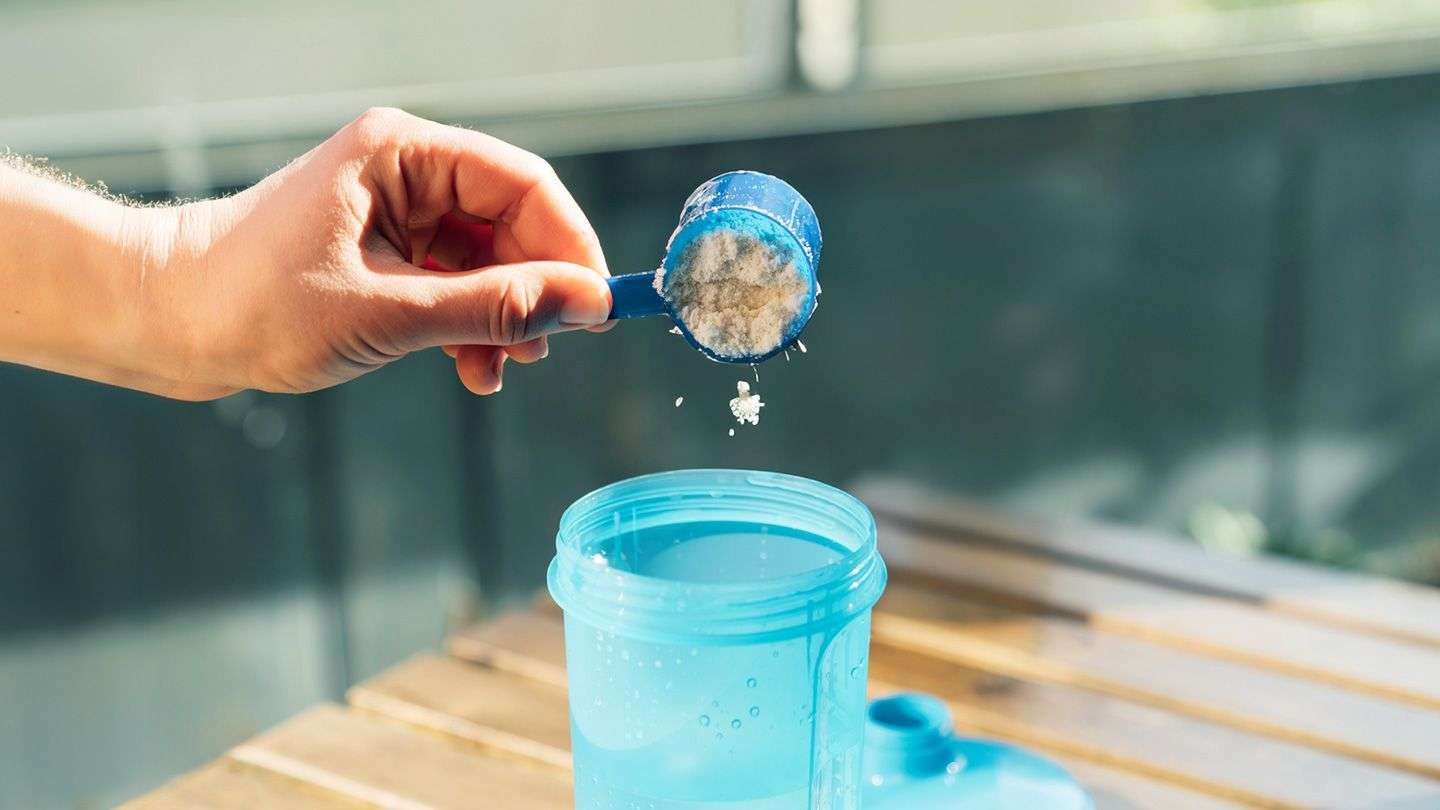
    Protein powder in Kenya and creatine supplements can have evidence-based roles, but neither replaces proper training, sufficient food, recovery or professional advice. A sensible approach to sports nutrition in Kenya starts with understanding your actual needs rather than buying the product with the boldest marketing claims.

    The evidence is stronger for some products than others. Protein can help when food alone does not meet nutritional needs, while creatine has substantial evidence for certain forms of high-intensity exercise when combined with structured training. However, many products sold as gym supplements in Nairobi combine several ingredients with limited evidence, exaggerated claims or unclear individual benefit.

    The biggest marketing myth: supplements do the training for you

    The supplement industry often makes the path to progress look simple: buy a powder, take a scoop and expect visible results. In reality, a supplement sits on top of a much larger foundation that includes food, training, sleep and recovery.

    Before choosing protein powder in Kenya, ask a more useful question: Is there actually a nutritional gap that food cannot reasonably cover?

    Foods such as eggs, milk, yoghurt, fish, meat, beans, lentils, peas and other protein-containing foods contribute to overall protein intake. For many active people, a well-planned diet can provide sufficient protein without requiring a powder. A supplement may be useful for convenience, but convenience is not the same as necessity.

    For a wider range of products, you can explore the supplements category and discuss your individual needs with a qualified pharmacist.

    Protein powder: useful food supplement or unnecessary expense?

    Protein powder in Kenya is best understood as a convenient source of dietary protein rather than a shortcut to guaranteed muscle growth.

    Evidence shows that adequate protein is important for muscle maintenance, repair and adaptation to exercise. However, having more protein than your body requires does not automatically mean proportionally better results.

    When considering protein powder in Kenya, check:

    • the amount and type of protein listed on the label;
    • whether you already obtain enough protein from food;
    • the full ingredient list, including added ingredients;
    • whether the product is appropriate for your health situation;
    • whether a pharmacist or clinician should review its use alongside your medicines.

    Whey, casein and plant-based products can all appear in protein powder in Kenya, but the “best” choice depends on dietary preferences, tolerability and the wider diet. Marketing that promises rapid or guaranteed transformation should be treated cautiously.

    A product is also not automatically superior because it is expensive. Read the label and compare what you are actually paying for. For general product browsing, visit the shop.

    Creatine: one of the better-studied gym supplements

    A creatine supplement is among the most extensively studied sports-performance supplements. Evidence indicates that creatine can support performance during repeated short, high-intensity efforts and can contribute to training adaptations when used alongside appropriate resistance training. Results vary between individuals, and it is not equally useful for every activity.

    That evidence is important, but it does not justify exaggerated claims.

    A creatine supplement does not:

    • replace training;
    • guarantee a specific body shape;
    • produce identical results for every person;
    • make an unsuitable exercise programme safe;
    • replace medical or nutritional assessment.

    Research also shows that changes in body mass can occur with creatine use, including changes associated with water retention. This is one reason dramatic “before and after” marketing can be misleading when it presents every change as newly created muscle.

    If you are considering a creatine supplement, especially if you have a medical condition or take regular medicines, speak with a qualified healthcare professional before use.

    How to judge gym supplements in Nairobi before you buy

    The market for gym supplements in Nairobi includes straightforward products and increasingly complicated formulations. Some contain multiple ingredients, which can make it difficult to know which component is responsible for a claimed effect.

    A good first step is to ignore the front-label promises temporarily and read the ingredient list.

    Ask:

    1. What is the product actually intended to provide?
    2. Is there credible evidence for that specific ingredient and intended use?
    3. Does the label clearly identify the ingredients?
    4. Am I already getting this nutrient from food?
    5. Could this product interact with medicines or be unsuitable for my health circumstances?
    6. Are the claims realistic, or do they promise unusually fast results?

    Be particularly sceptical of products promoted as “magic” muscle builders, instant fat-loss solutions or guaranteed performance enhancers. Kenyan law also places restrictions on misleading or exaggerated advertising of medicines and related products, making evidence-based communication especially important for regulated health businesses.

    For more information about choosing a pharmacy and checking health-product safety, you can also read our health articles or browse our knowledge base.

    Evidence is not the same as a guarantee

    The phrase “clinically proven” can sound more certain than the underlying research actually is.

    Evidence for a supplement may depend on:

    • the ingredient;
    • the amount and formulation studied;
    • the type of exercise;
    • the participant’s training history;
    • diet and energy intake;
    • consistency of training;
    • individual health factors.

    This means an ingredient with supportive research can still produce different outcomes for different people.

    For sports nutrition in Kenya, context matters. A student, recreational gym-goer, competitive athlete and older adult may have very different nutritional needs. A product that suits one person may be unnecessary or inappropriate for another.

    Food first, supplement second

    The strongest sports nutrition in Kenya approach is usually to establish the basics before adding products.

    That means looking at:

    • whether you eat enough overall;
    • the quality and variety of your diet;
    • hydration;
    • your training plan;
    • recovery and sleep;
    • any health conditions;
    • medicines and possible interactions.

    Only after these foundations should you consider whether protein powder in Kenya, a creatine supplement or another product has a useful role.

    This approach can also prevent unnecessary spending. A supplement should solve a specific problem, not create one.

    A practical checklist before buying protein powder in Kenya

    Before purchasing protein powder in Kenya, consider the following:

    • What role is this product supposed to play in my diet?
    • Can I obtain the same nutritional benefit from ordinary food?
    • Is the ingredient list clear and understandable?
    • Are the claims supported by credible evidence?
    • Is the product being marketed with unrealistic transformation promises?
    • Do I have a medical condition or take medicines that should be reviewed by a professional?
    • Am I using the product as a substitute for a balanced diet or proper recovery?

    The same checklist applies broadly to gym supplements in Nairobi. A clear purpose is usually more valuable than a long list of ingredients.

    When to see a pharmacist or doctor

    Speak with a pharmacist or doctor before using a supplement if you:

    • have an ongoing medical condition;
    • take regular prescription or over-the-counter medicines;
    • are pregnant or breastfeeding;
    • have previously had an unexpected reaction to a supplement;
    • are considering combining several products;
    • have concerns about an ingredient or label claim.

    For personalised guidance, you can contact us to speak with the pharmacy team. You can also learn more about the pharmacy through our about us page.

    The bottom line

    Protein powder in Kenya can be useful when it fills a genuine dietary gap, while a creatine supplement has stronger evidence than many other performance products for certain types of high-intensity exercise. Neither should be treated as a guaranteed shortcut.

    The smartest approach to sports nutrition in Kenya is to build the basics first, evaluate marketing claims carefully and seek professional guidance where your health circumstances require it. Among the many gym supplements in Nairobi, the best choice is not necessarily the most expensive, most popular or most aggressively advertised—it is the one, if any, that has a clear and appropriate role in your overall health and training plan.

    Frequently Asked Questions

    Is protein powder necessary for muscle growth?

    No. Protein powder in Kenya can be a convenient way to increase dietary protein, but many people can meet their needs through food. Whether a supplement is useful depends on the individual’s diet and circumstances.

    Is a creatine supplement backed by evidence?

    Yes, creatine is one of the more extensively studied performance supplements and has evidence supporting its role in repeated, high-intensity activity and resistance-training adaptations. Individual results can vary.

    Are expensive gym supplements in Nairobi always better?

    No. Price and packaging do not establish effectiveness. Check the ingredient list, evidence supporting the product’s intended purpose and whether you actually need it.

    Can sports nutrition in Kenya be managed without supplements?

    Yes. A balanced diet can meet many people’s nutritional needs. Supplements may be useful in specific situations, but they do not replace adequate food, training and recovery.

    Should I ask a pharmacist about protein powder in Kenya?

    Yes, particularly if you have a medical condition, take regular medicines or are unsure whether a supplement is appropriate for you.


    Educational disclaimer: This content is for educational purposes only and is not a substitute for professional consultation, diagnosis or prescription. For personalised advice, speak with a qualified healthcare professional.

    Contact Our Mall Pharmacy

    Call Us: +254740686263

    Mon-Sat 9AM-8PM, Sun 10:30AM-6PM

    WhatsApp: Chat with a Pharmacist (Instant responses)

    Email: ourmallpharmacy@gmail.com
    We reply within 2 hours.

    Visit Us:
    Our Mall, Off Magadi Rd, Avocado Lane, Ground Floor (Shop No. 22)
  • Thermometer Kenya: Digital, Infrared and Underarm Readings Compared

    Thermometer Kenya: Digital, Infrared and Underarm Readings Compared

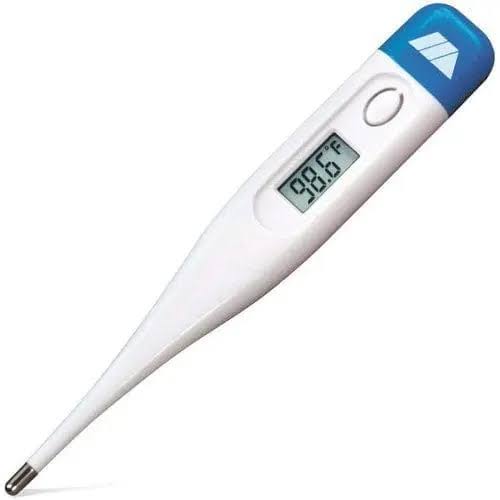
    A thermometer Kenya family uses at home can help measure body temperature when the device is appropriate for the person and used according to its instructions. Digital thermometers are practical for many households, while infrared forehead thermometers offer quick, contact-free readings but require correct positioning and technique.

    A thermometer is one of the simplest health-monitoring devices to keep at home.

    It can be particularly useful when someone develops:

    • Fever
    • Chills
    • Feeling unusually hot
    • Respiratory symptoms
    • Infection-related symptoms
    • Post-vaccination temperature changes
    • Illness in a child

    However, not every thermometer measures temperature in exactly the same way.

    A thermometer Kenya household buys may measure temperature from the:

    • Underarm
    • Forehead
    • Ear
    • Mouth
    • Other approved measurement sites

    The method matters because readings from different body sites are not always directly interchangeable.

    This guide compares common thermometer types and explains what Kenyan families should consider before buying one.


    What Is the Best Thermometer Kenya Families Can Buy?

    The best thermometer Kenya families choose depends on who will use it, how quickly a temperature needs to be measured and whether contact or contact-free measurement is preferred. For many households, a reliable digital thermometer is a practical choice, while infrared models can be convenient for quick screening.

    There is no single thermometer that is automatically best for every family.

    Consider:

    Need Suitable Option
    General home use Digital thermometer
    Baby temperature checks Digital thermometer designed for the recommended measurement site
    Fast screening Infrared thermometer
    Contact-free measurement Infrared forehead thermometer
    Budget-conscious household Basic digital thermometer
    Multiple family members Easy-to-clean digital or infrared model
    Night-time checks Infrared thermometer with suitable display

    The most important consideration is not simply the technology.

    It is whether the device can be used correctly and consistently.


    How Does a Digital Thermometer Work?

    A digital thermometer uses an electronic temperature sensor to estimate body temperature and displays the result on a digital screen. A digital thermometer Kenya household uses should be operated according to the manufacturer’s instructions and used at the measurement site recommended for that model.

    Digital thermometers are widely used because they are:

    • Simple.
    • Portable.
    • Relatively affordable.
    • Easy to read.
    • Suitable for routine household monitoring.

    Depending on the model, a digital thermometer may be designed for:

    • Oral measurement.
    • Underarm measurement.
    • Rectal measurement.
    • Other approved sites.

    Never assume that a thermometer designed for one measurement method is automatically suitable for every method.


    What Is an Infrared Thermometer?

    An infrared thermometer estimates temperature by detecting infrared energy from the body surface, commonly at the forehead or temple. Infrared thermometers are quick and contact-free, but infrared thermometer accuracy can be affected by positioning, environmental conditions and how the device is used.

    Infrared thermometers can be particularly convenient when:

    • A child is sleeping.
    • You want to avoid physical contact.
    • Several people need screening.
    • A quick reading is needed.

    However, the manufacturer’s instructions should be followed carefully.

    The distance between the device and forehead, positioning and environmental conditions can affect the reading.


    Is an Infrared Thermometer Accurate?

    An infrared thermometer can provide useful temperature measurements when it is designed for the intended body site and used correctly. Infrared thermometer accuracy can be affected by incorrect distance, forehead sweat, environmental temperature and other factors.

    Common factors that can affect infrared readings include:

    • Incorrect positioning.
    • Incorrect distance.
    • Sweaty forehead.
    • Direct sunlight.
    • Very cold surroundings.
    • Very hot surroundings.
    • Covering the forehead with clothing.
    • Moving during measurement.
    • Using the wrong measurement mode.

    If an infrared result does not match the person’s symptoms, follow the manufacturer’s guidance and consider confirming the temperature with an appropriate alternative method.


    How Do You Use a Digital Thermometer Correctly?

    To use a digital thermometer correctly, place the sensor at the measurement site specified by the manufacturer and wait until the device signals that the measurement is complete. A thermometer Kenya user should clean the device according to its instructions and avoid switching measurement sites without understanding how the readings differ.

    For an underarm measurement:

    1. Ensure the armpit is reasonably dry.
    2. Place the thermometer tip correctly in the armpit.
    3. Hold the arm firmly against the body.
    4. Keep the thermometer in position until the device signals completion.
    5. Read and record the result if necessary.
    6. Clean the thermometer according to its instructions.

    Different models may have different operating procedures.

    Always check the manual.


    How Accurate Are Underarm Temperature Readings?

    Underarm temperature measurement can be useful for home monitoring, but it may be less representative of core body temperature than some other measurement sites. A thermometer Kenya user should use the same measurement method consistently and interpret the result alongside the person’s symptoms.

    Underarm readings can be affected by:

    • Incorrect positioning.
    • Loose contact.
    • Sweat.
    • Movement.
    • Clothing.
    • The person’s age.
    • The thermometer design.

    This is particularly important when monitoring children.

    If a child appears seriously unwell, do not rely solely on a thermometer reading.


    What Is the Best Thermometer for a Baby?

    A suitable digital thermometer can be a practical choice for measuring a baby’s temperature when used at the measurement site recommended for that device and age group. A digital thermometer baby caregivers use should be selected and operated according to manufacturer and healthcare guidance.

    When choosing a thermometer Kenya families will use for babies, consider:

    • Ease of use.
    • Measurement method.
    • Speed.
    • Readability.
    • Cleaning requirements.
    • Manufacturer’s age recommendations.
    • Availability of replacement batteries.
    • Device instructions.

    A thermometer is a measurement tool, not a diagnosis.

    A baby’s overall condition matters just as much as the number displayed.


    Digital vs Infrared Thermometers: Which Is Better?

    Digital and infrared thermometers can both be useful at home, but they have different advantages. Digital models generally offer a straightforward contact measurement, while infrared models are faster and more convenient when contact-free screening is preferred.

    Feature Digital Thermometer Infrared Thermometer
    Contact Usually required Usually contact-free
    Speed Moderate to fast Very fast
    Ease of use Simple Simple once positioned correctly
    Environmental influence Generally lower Can be more sensitive
    Cleaning Requires cleaning Usually easier between users
    Sleeping child May disturb Usually convenient
    Battery Required Required
    Positioning Important Very important
    Cost Often lower Often higher

    The best choice depends on your household.


    Thermometer Kenya Comparison: Digital, Infrared and Underarm

    The main difference between digital and infrared thermometers is how they obtain the temperature measurement, while underarm refers primarily to a measurement site rather than a separate electronic technology. Understanding this distinction helps a thermometer Kenya buyer choose the right device.

    Digital thermometer

    A digital thermometer is a device type.

    Infrared thermometer

    An infrared thermometer is another device type.

    Underarm thermometer

    An underarm thermometer generally refers to a thermometer being used at the axillary measurement site.

    A digital thermometer can therefore be an underarm thermometer.

    This distinction is important when comparing products.


    What Can Cause a Wrong Thermometer Reading?

    Incorrect positioning, movement, environmental conditions, poor contact and using a device in a way that differs from its instructions can contribute to an inaccurate temperature reading. A thermometer Kenya user should repeat an unexpected reading correctly rather than immediately assuming the person has a fever.

    Common causes include:

    1. Incorrect measurement site.
    2. Incorrect infrared distance.
    3. Sweaty skin.
    4. Recent physical activity.
    5. Exposure to extreme temperatures.
    6. Device battery problems.
    7. Poor sensor contact.
    8. Incorrect operating mode.
    9. Measuring immediately after a hot or cold drink when using an oral method.
    10. Not following the manufacturer’s instructions.

    Does Sweat Affect Infrared Thermometer Accuracy?

    Yes, sweat on the forehead can affect infrared temperature measurement because the device is measuring surface temperature. If an infrared thermometer gives an unexpected result, follow the manufacturer’s instructions regarding forehead preparation and repeat the measurement appropriately.

    Before using a forehead infrared thermometer:

    • Keep the forehead reasonably clear.
    • Remove heavy coverings.
    • Follow the recommended distance.
    • Position the device correctly.
    • Avoid measuring immediately after significant environmental exposure where the manufacturer warns against it.

    This can improve infrared thermometer accuracy.


    Can Weather Affect a Thermometer Reading?

    Environmental temperature can influence some temperature-measurement methods, particularly infrared devices that measure surface temperature. A thermometer Kenya household uses should be operated within the environmental conditions specified by the manufacturer.

    This is relevant in Kenya because household conditions vary.

    For example:

    • Nairobi mornings can be cool.
    • Afternoon temperatures can become considerably warmer.
    • Coastal locations such as Mombasa can be hot and humid.
    • Outdoor-to-indoor temperature changes can affect the skin surface.

    If someone has just returned from outside, allow the person and device to acclimatise where the manufacturer recommends it before taking an infrared reading.


    How Should You Use an Infrared Forehead Thermometer?

    An infrared forehead thermometer should be positioned at the distance and location specified by its manufacturer, with the forehead prepared appropriately. Correct technique is essential because infrared thermometer accuracy can decline when the device is held too far away, too close or at the wrong angle.

    A typical process involves:

    1. Turn on the thermometer.
    2. Select the correct body-temperature mode.
    3. Position it according to the instructions.
    4. Aim at the recommended forehead area.
    5. Maintain the required distance.
    6. Take the measurement.
    7. Record the result if required.

    Do not guess the distance.

    Different models can have different requirements.


    Can You Use a Forehead Thermometer on a Sleeping Child?

    One advantage of a forehead infrared thermometer is that it can often measure temperature without waking or physically disturbing a sleeping child. However, the device must still be positioned and operated according to its instructions to obtain a useful reading.

    This makes infrared thermometers attractive for parents.

    However, convenience should not replace proper technique.

    If a child appears very unwell, has difficulty breathing, is unusually difficult to wake or has other concerning symptoms, seek medical assessment rather than relying only on a thermometer.


    How Do You Clean a Digital Thermometer?

    Clean a digital thermometer according to the manufacturer’s instructions, especially when it is shared between family members. Do not immerse a thermometer in water unless the manufacturer specifically states that the device is waterproof.

    General principles include:

    • Follow the cleaning instructions.
    • Use only recommended cleaning products.
    • Avoid damaging the sensor.
    • Allow the device to dry appropriately.
    • Store it safely.

    Do not use harsh chemicals unless specifically approved.


    How Should an Infrared Thermometer Be Cleaned?

    An infrared thermometer should be cleaned according to its manufacturer’s instructions, paying particular attention to the sensor area. Avoid scratching or damaging the sensor because contamination or physical damage can affect performance.

    Do not:

    • Touch the sensor unnecessarily.
    • Spray liquid directly into the device.
    • Immerse the device unless specifically designed for it.
    • Use abrasive materials.

    A clean sensor is important for consistent measurements.


    Can You Use One Thermometer for the Whole Family?

    Yes, one thermometer can often be used by several family members if it is appropriate for all users and is cleaned according to the manufacturer’s instructions between uses. A thermometer Kenya household shares should be easy to clean and suitable for the age groups being monitored.

    For a family thermometer, consider:

    • Ease of cleaning.
    • Speed.
    • Readability.
    • Age suitability.
    • Measurement method.
    • Battery availability.

    If using a digital contact thermometer, hygiene becomes especially important.


    What Temperature Counts as a Fever?

    Fever is generally defined using a body-temperature threshold, but the exact interpretation depends on the measurement site, age and clinical context. A thermometer Kenya reading should therefore be considered alongside symptoms and the person’s overall condition rather than treated as a diagnosis by itself.

    Measurement method matters.

    An underarm result should not automatically be interpreted as identical to an oral or other measurement.

    If you are concerned about a child’s temperature, particularly in a very young infant, seek professional guidance rather than relying solely on general temperature thresholds.


    What Should You Do When a Thermometer Shows a High Reading?

    If a thermometer shows a high temperature, repeat the measurement using correct technique and consider the person’s symptoms and age. Persistent fever, worsening symptoms or concerning signs should prompt medical advice rather than relying only on repeated home temperature checks.

    Look at the whole picture.

    Ask:

    • Is the person alert?
    • Are they drinking fluids?
    • Are they breathing normally?
    • Is there severe pain?
    • Is there persistent vomiting?
    • Is the person unusually sleepy?
    • Is the condition worsening?

    These questions can be more important than one isolated number.


    When Does a Child With Fever Need Medical Attention?

    A child with fever may need medical assessment when they are very young, appear seriously unwell, have breathing difficulty, are unusually difficult to wake, have a seizure, show signs of dehydration or have other concerning symptoms. A thermometer Kenya device can help measure temperature, but it cannot determine how serious an illness is.

    Seek prompt medical advice when a child has concerning symptoms such as:

    • Difficulty breathing.
    • Severe lethargy.
    • Seizure.
    • Significant dehydration.
    • Persistent vomiting.
    • Severe pain.
    • Unusual rash.
    • Difficulty waking.
    • Rapid deterioration.

    For very young babies, fever should be taken particularly seriously and assessed according to appropriate clinical guidance.


    Can Adults Use a Baby Thermometer?

    An adult can sometimes use a thermometer marketed for children if the manufacturer states that it is suitable for adults and the measurement method is appropriate. However, a thermometer Kenya buyer should always check the device’s intended users and instructions before purchasing.

    The important issue is not simply the label “baby.”

    Check:

    • Measurement range.
    • Measurement site.
    • Manufacturer instructions.
    • Device design.
    • Accuracy information.

    A device intended for one age group may not be ideal for another.


    How Long Does a Digital Thermometer Take?

    Digital thermometer measurement times vary between models, with many designed to provide a result within a relatively short period. The user should wait for the device’s completion signal rather than removing it early.

    Some devices beep when the reading is ready.

    Others may use:

    • Visual indicators.
    • Digital countdowns.
    • Automatic shut-off.

    Follow the instructions for your specific model.


    How Long Does an Infrared Thermometer Take?

    Infrared thermometers can provide readings very quickly, often within seconds, which is one of their main advantages. However, speed should not come at the expense of correct positioning because infrared thermometer accuracy depends on proper technique.

    A fast reading is useful when:

    • A child is restless.
    • A person is sleeping.
    • Several people need screening.
    • Frequent monitoring is required.

    Thermometer Kenya Buying Guide: 7 Things to Check

    Before buying a thermometer Kenya families should consider measurement method, age suitability, ease of use, cleaning, display, battery availability and manufacturer instructions. The right device is one that your household can use correctly and consistently.

    1. Measurement method

    Decide whether you prefer digital contact or infrared measurement.

    2. Age suitability

    Check whether it is appropriate for babies, children and adults.

    3. Speed

    Consider how quickly the household needs results.

    4. Display

    Choose a display that is easy to read.

    5. Cleaning

    Check how the device should be disinfected.

    6. Batteries

    Consider the availability and type of replacement batteries.

    7. Instructions

    Make sure clear operating instructions are available.


    Thermometer Kenya Technical Comparison Table

    A thermometer Kenya buyer can compare devices by considering measurement method, contact requirements, speed, ease of cleaning and common use cases. No single thermometer type is automatically best for every family or clinical situation.

    Feature Digital Infrared Forehead Underarm Measurement
    Technology Electronic sensor Infrared sensor Usually digital sensor
    Contact Usually yes Usually no Yes
    Speed Fast Very fast Varies
    Baby-friendly Depends on model and site Often convenient Commonly used
    Cleaning Important Sensor care needed Important
    Technique sensitivity Moderate High Moderate
    Best for Routine home use Quick screening Simple home monitoring
    Main consideration Correct placement Correct distance Correct positioning

    Thermometer Kenya: Common Buying Mistakes

    The most common thermometer buying mistakes include choosing a device without checking age suitability, ignoring the measurement method and focusing only on price. A good thermometer Kenya purchase should consider long-term usability, instructions and the needs of everyone who will use it.

    Avoid:

    • Buying without checking the measurement method.
    • Assuming all infrared thermometers work identically.
    • Choosing a device without age guidance.
    • Ignoring cleaning requirements.
    • Buying a difficult-to-read display.
    • Forgetting battery requirements.
    • Assuming the cheapest device is automatically the best value.

    How Should You Store a Thermometer?

    Store a thermometer in a clean, dry and protected location according to the manufacturer’s instructions. A thermometer Kenya household keeps for regular use should be protected from excessive heat, moisture, drops and unnecessary handling of sensitive components.

    Good storage locations include:

    • A clean medicine cabinet.
    • A designated medical-device box.
    • A dry drawer.

    Avoid storing thermometers:

    • In direct sunlight.
    • In a humid bathroom.
    • Near cooking appliances.
    • Where children can damage them.
    • In places where they can easily fall.

    Thermometer Kenya Safety: What a Thermometer Cannot Tell You

    A thermometer measures temperature but does not identify the cause of a fever or determine how serious an illness is. A thermometer Kenya household uses should therefore be treated as one part of assessing illness, alongside symptoms, age, medical history and professional advice.

    A high temperature can occur with many conditions.

    A normal temperature does not always mean that someone is healthy.

    For example, someone may have:

    • Significant breathing difficulty.
    • Dehydration.
    • Severe pain.
    • Confusion.
    • A serious infection.

    without relying on a fever reading alone.

    When someone appears seriously unwell, seek medical assessment.


    Frequently Asked Questions About Thermometer Kenya Options

    What is the best thermometer Kenya families can buy?

    The best thermometer Kenya families choose depends on age, measurement method, convenience and budget. A reliable digital thermometer is practical for many households, while infrared models are useful when fast, contact-free measurement is preferred.

    Is an infrared thermometer accurate?

    An infrared thermometer can provide useful readings when used correctly, but infrared thermometer accuracy depends on factors such as distance, positioning, skin condition and environmental conditions. Always follow the manufacturer’s instructions.

    What is the best digital thermometer for a baby?

    A digital thermometer baby caregivers use should be suitable for the child’s age and the intended measurement site. Check the manufacturer’s instructions and ask a healthcare professional if you are unsure about the appropriate method.

    Are underarm thermometers accurate?

    Underarm temperature measurements can be useful for home monitoring, but the reading can be influenced by positioning and other factors. Use the same method consistently and interpret the result alongside symptoms.

    Can an infrared thermometer be used on a sleeping baby?

    A forehead infrared thermometer can be convenient for checking a sleeping child because it can measure temperature without physical contact. Correct positioning and the manufacturer’s instructions are still essential.

    Can sweat affect an infrared thermometer?

    Yes, sweat can affect surface-temperature measurement. Follow the manufacturer’s instructions about forehead preparation and repeat an unexpected reading appropriately.

    Can I use one thermometer for the entire family?

    Yes, one thermometer can often be shared if it is appropriate for everyone and cleaned according to the manufacturer’s instructions. Contact thermometers require particular attention to hygiene between users.

    How often should I check a fever?

    The frequency depends on the person’s age, symptoms and clinical situation. Follow healthcare advice and avoid repeatedly checking temperature without a clear reason.

    Does a high temperature always mean an infection?

    No. Fever can have different causes, and temperature alone cannot diagnose an infection. Consider other symptoms and seek medical advice when the person is very unwell or symptoms are concerning.

    Should I buy a digital or infrared thermometer?

    Choose a digital thermometer for straightforward routine measurement or an infrared model if speed and contact-free measurement are priorities. The most important factor is using the selected device correctly and consistently.


    Final Takeaway: Choosing a Thermometer Kenya Families Can Trust

    A thermometer Kenya household keeps at home should be easy to use, appropriate for the people being monitored and operated according to its manufacturer’s instructions. Digital thermometers offer straightforward measurement, while infrared thermometers provide speed and convenience, but correct technique remains essential for useful readings.

    Before buying or using a thermometer, remember:

    Choose the right device. Use the right method. Follow the instructions. Interpret the reading with the symptoms.

    A thermometer is a useful monitoring tool, but it is not a substitute for professional medical assessment.

    For medical devices and home-health products, you can explore medical devices at Our Mall Pharmacy.

    You can also visit Our Mall Pharmacy for available healthcare products and pharmacist support.

    Contact Our Mall Pharmacy

    Call Us: +254 722 390 003
    Mon-Sat 9AM-8PM, Sun 10:30AM-6PM

    WhatsApp: Chat with a Pharmacist (Instant responses)

    Email: ourmallpharmacy@gmail.com
    We reply within 2 hours.

    Visit Us:
    Our Mall, Off Magadi Rd, Avocado Lane, Ground Floor (Shop No. 22)
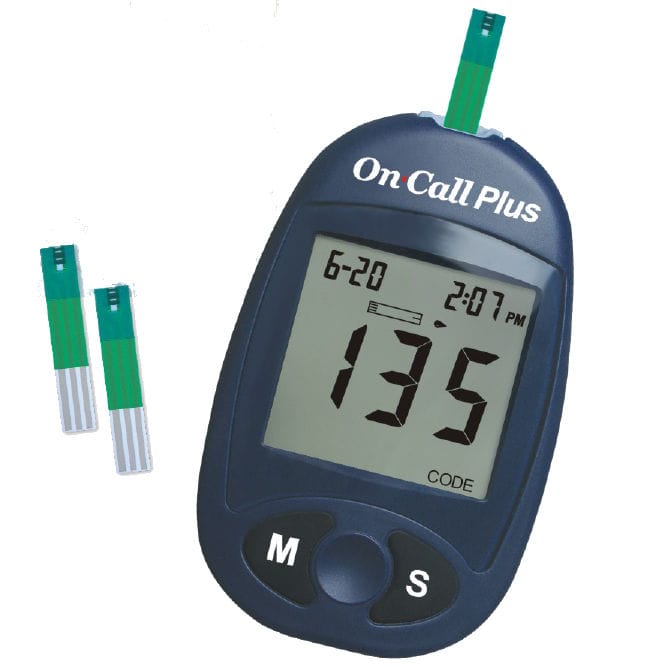
    Mon-Sat 9AM-8PM, Sun 10:30AM-6PM

  • Glucometer Kenya: Using a Glucometer Properly for Accurate Blood Sugar Testing

    Glucometer Kenya: Using a Glucometer Properly for Accurate Blood Sugar Testing

    A glucometer Kenya patients use at home can provide useful blood glucose readings when the meter, test strips and lancing technique are used correctly. Washing and drying the hands, using compatible strips, storing them properly and following the manufacturer’s instructions are essential for reliable blood sugar testing at home.

    For someone living with diabetes, checking blood glucose can become part of an everyday routine.

    A glucometer Kenya users keep at home can help them monitor their blood sugar according to a healthcare professional’s instructions.

    However, a number displayed on a meter is only useful when the testing process is performed correctly.

    Something as simple as:

    • Wet fingers
    • Dirty hands
    • Expired test strips
    • Poor strip storage
    • Too little blood
    • Incorrect strip handling
    • A damaged meter

    can affect the result.

    This guide explains how to use a glucometer Kenya patients can rely on more effectively and how to avoid common errors.


    What Is a Glucometer?

    A glucometer is a portable device used to measure the concentration of glucose in a small blood sample, usually obtained from a fingertip. A glucometer Kenya users operate at home typically works together with compatible disposable test strips and a lancing device.

    The basic testing system normally includes:

    1. Glucose meter.
    2. Test strips.
    3. Lancing device.
    4. Lancets.
    5. Control solution where applicable.
    6. Carrying case.

    Different meters have different instructions.

    Before using a glucometer Kenya device for the first time, read the manufacturer’s instructions and understand how the specific model works.


    How Does a Glucometer Work?

    A glucometer measures glucose in a small blood sample placed on a test strip, then displays the result on the meter. The exact testing technology and operating procedure vary between devices, so users should follow the instructions supplied with their particular glucometer Kenya model.

    The general process is:

    Blood sample → Test strip → Meter analysis → Glucose reading

    The test strip is an important part of this process.

    The meter and strip are designed to work together, meaning that strips from one system should not automatically be assumed to work with another meter.


    How Do You Use a Glucometer Kenya Patients Can Rely On?

    Using a glucometer Kenya patients can rely on starts with clean, dry hands, a compatible test strip, correct blood sampling and proper meter operation. Following the manufacturer’s instructions every time helps improve glucose meter accuracy.

    Basic testing procedure

    1. Wash your hands with soap and water.
    2. Dry your hands completely.
    3. Prepare the meter.
    4. Check the test strip expiry date.
    5. Insert the correct strip.
    6. Prepare a new lancet.
    7. Use the lancing device as instructed.
    8. Obtain the required blood sample.
    9. Apply blood to the test strip correctly.
    10. Wait for the meter to display the result.
    11. Record the reading if required.
    12. Dispose of the lancet safely.

    Do not rush the process.

    A consistent technique makes glucometer Kenya readings easier to interpret over time.


    Why Should You Wash Your Hands Before Blood Sugar Testing?

    Hands should be washed and completely dried before blood sugar testing because food, sugar, lotions and other substances on the fingers can contaminate the blood sample. Clean, dry hands are one of the simplest ways to improve glucometer Kenya reading reliability.

    This is especially important if you have recently:

    • Eaten fruit.
    • Handled sweets.
    • Prepared food.
    • Applied lotion.
    • Used hand sanitiser.
    • Touched sugary drinks.

    Even small amounts of glucose-containing material on the fingers can potentially affect a reading.

    Wash with soap and water where possible.

    Then dry your hands thoroughly.


    Can Wet Fingers Affect a Glucose Reading?

    Yes, moisture on the finger can interfere with the blood sample and potentially affect a glucose meter result. When using a glucometer Kenya device, hands should be washed and dried thoroughly before obtaining the blood sample.

    Do not test immediately after washing while your fingers are still wet.

    Instead:

    Wash → Dry completely → Test

    This simple sequence should become part of your normal glucometer Kenya routine.


    Where Should You Prick Your Finger?

    Blood glucose testing is commonly performed using a fingertip, although some meters and testing systems may permit alternative sites under specific conditions. Follow your meter’s instructions and your healthcare professional’s advice about the appropriate testing site.

    When using a fingertip:

    • Use a clean finger.
    • Follow the lancing device instructions.
    • Avoid repeatedly using exactly the same spot.
    • Rotate testing sites where appropriate.
    • Dispose of the lancet safely.

    Some people find that the side of the fingertip is more comfortable than the centre.

    Do not change testing sites if your healthcare professional has given you different instructions.


    How Can You Make Finger Pricks More Comfortable?

    Using a suitable lancet setting, testing from the side of the fingertip and rotating fingers can make repeated blood glucose testing more comfortable. The lancing depth should be sufficient to obtain the required sample without unnecessarily deep punctures.

    Helpful habits include:

    • Use a new lancet as recommended.
    • Avoid excessive squeezing.
    • Rotate fingers.
    • Follow the lancing device instructions.
    • Keep hands warm before testing if they are cold.

    Cold hands can sometimes make obtaining a blood sample more difficult.


    How Much Blood Does a Glucometer Need?

    The required blood volume varies between glucose meters and test strips, so users should follow the manufacturer’s instructions rather than trying to estimate the amount themselves. If the meter indicates that the sample is insufficient, follow the device’s instructions instead of repeatedly adding blood unless specifically permitted.

    Modern meters may require only a small sample.

    The exact amount depends on the system.

    Always check:

    • The meter manual.
    • The test-strip instructions.
    • Error messages.
    • Manufacturer guidance.

    Using the correct blood volume is important for glucometer Kenya accuracy.


    What Happens If You Do Not Get Enough Blood?

    An insufficient blood sample can produce an error message or an unreliable test depending on the device. If the meter requires a fresh test, use a new strip and follow the manufacturer’s instructions rather than repeatedly applying blood to a strip that has already been used.

    Do not:

    • Add blood repeatedly unless the instructions specifically allow it.
    • Reuse a strip.
    • Guess the result.
    • Ignore an error message.

    If obtaining enough blood is repeatedly difficult, discuss your technique with a pharmacist, nurse or diabetes care professional.


    Can You Squeeze Your Finger Too Hard?

    Excessive squeezing of the fingertip can interfere with obtaining a good blood sample and may introduce tissue fluid into the sample. Use the lancing technique recommended for your glucometer Kenya system and avoid aggressively squeezing the finger.

    If you have difficulty obtaining enough blood:

    • Warm your hands.
    • Lower your hand briefly.
    • Use the appropriate lancing depth.
    • Follow the device instructions.
    • Avoid excessive pressure.

    A healthcare professional can demonstrate an appropriate technique if needed.


    How Should You Store Glucose Test Strips?

    Test strips should be stored according to the manufacturer’s temperature, humidity and handling instructions, with the container kept closed when strips are not being used. In Kenya, where humidity can be high in some environments, careful test strip storage is particularly important for glucometer Kenya users.

    General precautions include:

    • Keep strips in their original container where instructed.
    • Close the container immediately after removing a strip.
    • Keep strips away from moisture.
    • Avoid excessive heat.
    • Do not use expired strips.
    • Do not transfer strips unnecessarily to another container.
    • Follow the storage temperature stated by the manufacturer.

    Do not leave the container open on a kitchen counter or in a humid bathroom.


    Why Does Kenyan Humidity Matter for Test Strips?

    Humidity can affect some glucose test strips because they are sensitive to environmental conditions, which is why manufacturers specify storage requirements. For glucometer Kenya users, keeping strips tightly sealed and away from humid environments is an important part of protecting glucose meter accuracy.

    Kenya has different climatic conditions.

    For example:

    • Nairobi can experience varying humidity and temperature.
    • Coastal areas such as Mombasa are generally more humid.
    • Indoor environments can also become humid during rainy periods.

    A sealed strip container helps protect the strips from environmental exposure.

    Always follow the specific storage instructions supplied with your test strips.


    Can You Store Test Strips in the Refrigerator?

    Do not automatically refrigerate glucose test strips unless the manufacturer specifically instructs you to do so. Sudden temperature changes and condensation can also create storage problems for some testing systems.

    The correct storage temperature varies between products.

    Therefore:

    Read the strip manufacturer’s instructions first.

    Do not improvise storage methods based on general advice for other medicines or medical devices.


    Can Expired Test Strips Give Wrong Readings?

    Yes, expired or improperly stored test strips may produce inaccurate readings or errors. A glucometer Kenya user should always check the expiry date and follow the manufacturer’s instructions regarding the usable period after opening a test-strip container.

    Before testing, check:

    • Expiry date.
    • Container condition.
    • Storage conditions.
    • Whether the strips are intended for your meter.
    • Any open-container expiration instructions.

    Never assume that unused-looking strips are automatically suitable.


    What Happens If the Test Strip Container Is Left Open?

    Leaving a test-strip container open can expose strips to environmental conditions that may affect their performance. For a glucometer Kenya user, closing the container immediately after removing a strip is an important storage habit.

    Avoid:

    • Leaving the lid open.
    • Handling several strips unnecessarily.
    • Keeping strips loose in a bag.
    • Exposing strips to moisture.
    • Storing them in a bathroom.

    Take out one strip and close the container promptly.


    Can You Use Any Test Strip With Any Glucometer?

    No. Test strips are generally designed for specific glucose meters and should only be used with compatible devices. Using incompatible strips can cause errors or unreliable readings from a glucometer Kenya system.

    Before buying replacement strips, check:

    • Meter brand.
    • Exact model.
    • Strip name.
    • Packaging instructions.
    • Compatibility information.

    If you are unsure, ask a pharmacist or check the manufacturer’s documentation.


    What Are Common Glucometer Errors?

    Common glucose testing errors include dirty hands, wet fingers, expired strips, incorrect strip storage, insufficient blood, incorrect strip use and meter problems. Identifying the cause of an error before repeating the test can improve glucometer Kenya accuracy.

    Common problems include:

    Error Possible Cause What to Check
    Unexpectedly high result Food residue on fingers Wash and dry hands
    Unexpectedly low result Sampling or device issue Repeat according to instructions
    Strip error Incorrect strip or damaged strip Check compatibility
    Insufficient sample Too little blood Follow sampling instructions
    Repeated errors Device or strip problem Check manual and contact support
    Inconsistent readings Technique variation Standardise testing method
    Strange results Storage problem Check strip storage
    No reading Battery/device issue Check meter

    Do not assume every unusual result is caused by the meter.


    What Can Cause an Incorrectly High Blood Sugar Reading?

    Contamination on the fingers, incorrect testing technique, unsuitable strips and certain device or storage problems can contribute to unexpectedly high readings. If a result is surprising, review the testing process and repeat the measurement according to your care plan.

    Potential factors include:

    • Sugar residue on fingers.
    • Food residue.
    • Incorrect strip storage.
    • Expired strips.
    • Incorrect testing technique.
    • Device problems.

    If unexpectedly high readings continue, discuss them with your healthcare professional.

    Do not repeatedly test without following a clear monitoring plan.


    What Can Cause an Incorrectly Low Blood Sugar Reading?

    An unexpectedly low reading can have multiple explanations, including genuine low blood glucose, testing problems or device-related issues. Because low blood sugar can be medically important, a surprising result should be handled according to the patient’s diabetes care plan and professional advice.

    If you experience symptoms such as:

    • Shaking.
    • Sweating.
    • Confusion.
    • Weakness.
    • Dizziness.
    • Fast heartbeat.
    • Unusual hunger.

    follow your prescribed hypoglycaemia action plan if you have one.

    If you are unsure whether the result is accurate, follow the meter instructions for repeating the test and seek professional advice when necessary.


    What Should You Do When Your Glucometer Gives an Error?

    When a glucometer displays an error, check the strip, sample, battery, meter and manufacturer’s troubleshooting instructions before assuming the blood glucose result is valid. If errors continue, stop relying on questionable readings and seek advice from the manufacturer or a healthcare professional.

    Check:

    1. Is the strip compatible?
    2. Is it expired?
    3. Was it stored correctly?
    4. Was enough blood applied?
    5. Is the battery adequate?
    6. Is the meter clean?
    7. Is the strip inserted correctly?

    If the error continues, consult the manual.


    How Can You Check Glucose Meter Accuracy?

    Glucose meter accuracy depends on the device, strips, testing technique and storage conditions. If you repeatedly receive unexpected readings, a healthcare professional can help compare your technique and device with an appropriate clinical measurement or recommend further assessment.

    Some glucose meters can also be checked using control solution where the manufacturer provides this option.

    Control testing may help identify certain problems with:

    • Meter function.
    • Test strips.
    • Storage.
    • Technique.

    Follow the manufacturer’s instructions for control solution testing.


    What Is a Control Solution?

    Control solution is a testing liquid supplied or recommended for some glucose meters to check whether the meter and strips are functioning within the manufacturer’s expected range. It is not a substitute for a blood glucose test and should only be used according to the meter’s instructions.

    If your system uses control solution:

    1. Check the control solution expiry date.
    2. Check the strip requirements.
    3. Follow the manufacturer’s procedure.
    4. Compare the result with the expected range.
    5. Investigate unexpected results.

    Not every meter requires routine control-solution testing.


    Should You Calibrate a Glucometer?

    Some glucose meters may have specific coding or setup requirements, while others are designed to work without manual calibration. Follow the instructions for your particular glucometer Kenya model rather than assuming that calibration is required.

    If your meter uses coded strips:

    • Follow the manufacturer’s instructions.
    • Confirm the code where applicable.
    • Do not guess settings.

    Many newer systems are designed to simplify this process.


    How Often Should You Test Blood Sugar at Home?

    The appropriate frequency of blood sugar testing depends on the person’s diabetes type, medication, treatment plan and healthcare professional’s recommendations. A glucometer Kenya user should follow an individual monitoring schedule rather than copying another person’s testing routine.

    Your healthcare professional may recommend testing:

    • Before meals.
    • After meals.
    • Before exercise.
    • When experiencing symptoms.
    • At specific times during medication changes.
    • At other clinically appropriate intervals.

    More testing is not automatically better.

    The goal is to collect information that helps manage your diabetes safely.


    Should You Record Your Glucose Readings?

    Yes, recording blood glucose readings can help patients and healthcare professionals identify patterns and understand how food, medication, activity and other factors may relate to glucose levels. A glucometer Kenya user can record the date, time, reading and relevant circumstances.

    A useful record might include:

    Date Time Glucose Reading Before/After Meal Notes
    Monday 7 AM Before breakfast Routine
    Monday 2 PM After lunch Normal activity
    Monday 9 PM Before bed Medication taken

    Use your actual readings rather than copying example numbers.


    Glucometer Kenya: Top 10 Testing Mistakes to Avoid

    Avoiding simple testing mistakes can make blood sugar monitoring more consistent and reduce misleading results. These habits are especially useful for anyone using a glucometer Kenya device regularly at home.

    1. Testing with dirty hands.
    2. Testing with wet fingers.
    3. Using expired strips.
    4. Leaving the strip container open.
    5. Storing strips in humid conditions.
    6. Using incompatible strips.
    7. Applying too little blood.
    8. Squeezing the finger excessively.
    9. Ignoring repeated meter errors.
    10. Changing diabetes treatment based on one unexpected reading.

    Glucometer Kenya: Best Test Strip Storage Practices

    Proper test strip storage is essential for reliable blood sugar testing, particularly in environments where heat and humidity can vary. Glucometer Kenya users should keep strips sealed, dry and within the manufacturer’s recommended storage conditions.

    Best practices

    • Keep strips in the original container when instructed.
    • Close the container immediately.
    • Keep strips away from bathrooms.
    • Avoid direct sunlight.
    • Avoid excessive heat.
    • Follow the specified temperature range.
    • Check expiry dates.
    • Follow any instructions about how long strips remain usable after opening.

    For people living in humid environments, careful glucometer Kenya strip storage should be part of the testing routine.


    What Should You Do Before Buying a Glucometer?

    Before buying a glucometer, consider the meter’s strip availability, ongoing strip cost, ease of use, required blood sample, display and support arrangements. For glucometer Kenya buyers, the long-term availability and storage of compatible strips are especially important.

    Consider:

    1. Availability of compatible strips.
    2. Cost of replacement strips.
    3. Ease of obtaining lancets.
    4. Cuff-free testing procedure.
    5. Display readability.
    6. Battery requirements.
    7. Memory functions.
    8. Manufacturer instructions.
    9. Local pharmacy availability.
    10. Your healthcare professional’s recommendation.

    The cheapest meter is not necessarily the most practical if compatible strips are difficult to obtain.


    Glucometer Kenya Medication and Testing Safety Table

    A glucometer measures glucose but does not independently determine the correct medication dose for every patient. Diabetes treatment decisions should follow the patient’s prescribed plan and professional advice.

    Parameter Guidance
    Device Use the correct meter
    Test strips Use compatible strips
    Hands Wash and dry thoroughly
    Blood sample Follow required sample size
    Lancet Use according to safety instructions
    Storage Keep strips sealed and dry
    Expiry Do not use expired strips
    Results Record readings where advised
    Unexpected result Review technique and follow care plan
    Medication Do not change doses without professional guidance

    When Should You Contact a Healthcare Professional?

    Contact a healthcare professional when glucose readings are repeatedly outside your individual target range, you experience symptoms of high or low blood sugar or your glucometer repeatedly gives unexpected results. Do not use a faulty or unreliable glucometer Kenya device as the basis for major treatment changes.

    Seek professional advice if:

    • Readings are repeatedly unexpected.
    • You have repeated low readings.
    • You have repeated high readings.
    • You experience symptoms.
    • Your meter repeatedly produces errors.
    • You cannot obtain adequate blood samples.
    • You are unsure about your testing technique.

    Urgent symptoms should receive prompt medical attention.


    Frequently Asked Questions About Glucometer Kenya Use

    What is the best glucometer Kenya patients can use?

    The best glucometer Kenya patients choose should be suitable for their needs, easy to use and supported by reliably available compatible test strips. Ask a pharmacist or diabetes healthcare professional for help choosing an appropriate device.

    How do I test blood sugar at home?

    Wash and dry your hands, prepare the meter and compatible test strip, obtain a blood sample using the lancing device and apply the sample according to the manufacturer’s instructions. Record the result if required by your diabetes care plan.

    Can dirty hands affect a glucose reading?

    Yes. Food, sugar and other substances on the fingers can contaminate the sample and affect the result. Wash and completely dry your hands before testing.

    Can humidity damage glucose test strips?

    Humidity can affect some glucose test strips if they are not stored according to the manufacturer’s instructions. Keep the container tightly closed and store strips within the recommended environmental conditions.

    Can I use expired test strips?

    You should not use expired test strips because they may produce errors or unreliable results. Always check the expiry date and any instructions about the usable period after opening.

    Why does my glucometer say “error”?

    An error can result from an incompatible strip, insufficient blood, incorrect strip insertion, battery problems or other device issues. Check the manufacturer’s troubleshooting instructions and seek support if errors continue.

    Why is my blood sugar reading unexpectedly high?

    Dirty fingers, testing technique, strip problems and genuine changes in blood glucose can all contribute to an unexpected high reading. Review your technique and repeat the test according to your monitoring plan.

    Why is my blood sugar reading unexpectedly low?

    A low reading may represent genuine low blood glucose or, in some circumstances, a testing problem. If you have symptoms of low blood sugar, follow your prescribed hypoglycaemia plan and seek professional advice when necessary.

    How often should I test my blood sugar?

    Testing frequency depends on your diabetes type, medication and individual care plan. Follow the testing schedule recommended by your healthcare professional rather than copying another patient’s routine.

    Can I share my lancet with another person?

    No. Lancets are intended for individual use and should not be shared because blood exposure creates an infection risk. Follow safe disposal instructions for used lancets.


    Final Takeaway: Glucometer Kenya Testing Done Correctly

    A glucometer Kenya patient uses at home can be a valuable diabetes-monitoring tool when the meter, strips and sampling technique are handled correctly. Clean and dry hands, properly stored test strips, adequate blood samples and consistent testing procedures all contribute to more useful glucose readings.

    Before testing, remember:

    Wash. Dry. Check. Test. Record.

    Check your test-strip expiry date.

    Keep the strip container closed.

    Use only compatible strips.

    Follow the manufacturer’s instructions.

    And do not change prescribed diabetes medication based solely on one unexpected glucose reading unless your healthcare professional has given you a specific action plan.

    For blood glucose monitoring equipment and other medical devices, explore Our Mall Pharmacy’s medical devices.

    You can also visit Our Mall Pharmacy for available healthcare products and pharmacy support.

    Contact Our Mall Pharmacy

    Call Us: +254 722 390 003
    Mon-Sat 9AM-8PM, Sun 10:30AM-6PM

    WhatsApp: Chat with a Pharmacist (Instant responses)

    Email: ourmallpharmacy@gmail.com
    We reply within 2 hours.

    Visit Us:
    Our Mall, Off Magadi Rd, Avocado Lane, Ground Floor (Shop No. 22)
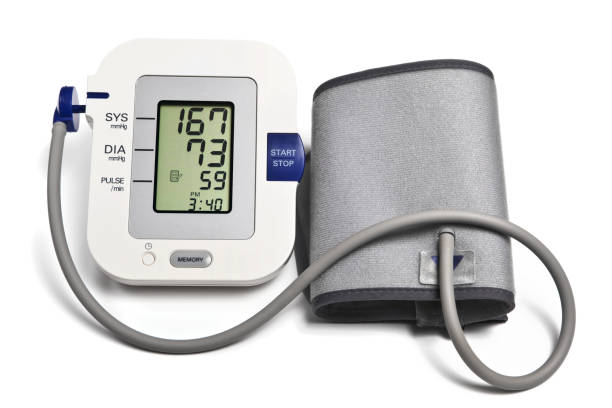
    Mon-Sat 9AM-8PM, Sun 10:30AM-6PM

  • Home Blood Pressure Monitor Kenya: How to Measure Blood Pressure Correctly With an Omron Monitor

    Home Blood Pressure Monitor Kenya: How to Measure Blood Pressure Correctly With an Omron Monitor

    A home blood pressure monitor Kenya patients use at home can provide useful readings when the cuff is correctly positioned, the person is rested and the measurement process is consistent. An Omron BP monitor should be used according to its model-specific instructions, with readings recorded over time rather than judged from one measurement.

    Checking blood pressure at home can be particularly useful for people living with hypertension, patients monitoring treatment, older adults and people who have been advised by a healthcare professional to track their readings.

    A home blood pressure monitor Kenya users keep at home can make regular monitoring more convenient than relying entirely on occasional clinic measurements.

    However, owning a device is only part of the process.

    Your:

    • Sitting position
    • Cuff size
    • Cuff position
    • Arm position
    • Rest period
    • Measurement timing
    • Movement
    • Talking
    • Stress level

    can all influence a reading.

    That is why home blood pressure monitor Kenya users should learn the correct measurement technique before relying on their readings.


    What Is a Home Blood Pressure Monitor?

    A home blood pressure monitor is a digital device that measures blood pressure outside a clinic, usually through an inflatable cuff placed around the upper arm. A suitable home blood pressure monitor Kenya patients use correctly can help create a record of blood pressure readings for discussion with a healthcare professional.

    Blood pressure is usually displayed as two numbers.

    Systolic blood pressure

    This is the upper number. It represents pressure in the arteries when the heart contracts.

    Diastolic blood pressure

    This is the lower number. It represents pressure when the heart relaxes between beats.

    A digital home blood pressure monitor Kenya households use may also display:

    • Pulse rate
    • Irregular heartbeat indicators
    • Cuff-position warnings
    • Memory records
    • Other model-specific information

    The features depend on the particular device.

    For people who have been advised to monitor their blood pressure regularly, a home blood pressure monitor Kenya option can make it easier to collect readings consistently.


    Is an Omron BP Monitor Good for Home Monitoring?

    An Omron BP monitor can be appropriate for home monitoring when the specific model is suitable, the cuff fits correctly and the device is used according to its instructions. The reliability of a home blood pressure monitor Kenya patients use also depends heavily on correct positioning and measurement technique.

    Omron produces different blood pressure monitor models, so do not assume that every model has exactly the same features.

    Before using an Omron BP monitor, check:

    • The model number.
    • Recommended cuff size.
    • Arm circumference range.
    • Battery requirements.
    • Measurement instructions.
    • Device-specific warnings.
    • Any available validation information.

    A home blood pressure monitor Kenya patients purchase should be selected with the user’s arm size and monitoring needs in mind.

    You can explore medical devices at Our Mall Pharmacy when looking for home healthcare equipment.


    How Do You Use a Home Blood Pressure Monitor Kenya Patients Can Rely On?

    Using a home blood pressure monitor Kenya patients can rely on starts with five minutes of quiet rest, correct sitting posture, proper cuff placement and a supported arm at approximately heart level. Remain silent and still during the measurement and record the result immediately afterward.

    Use this basic procedure:

    1. Empty your bladder if necessary.
    2. Sit quietly for approximately five minutes.
    3. Keep your back supported.
    4. Place both feet flat on the floor.
    5. Keep your legs uncrossed.
    6. Place the cuff on the bare upper arm.
    7. Support the arm at heart level.
    8. Start the monitor.
    9. Remain silent and still.
    10. Record the reading.

    The same procedure should be followed whenever possible.

    Consistency is one of the most important principles when using a home blood pressure monitor Kenya patients depend on for long-term tracking.


    How Long Should You Rest Before Using a Home Blood Pressure Monitor Kenya Device?

    Rest quietly for about five minutes before taking a reading unless your healthcare professional has given you different instructions. A home blood pressure monitor Kenya reading taken immediately after exercise, rushing or climbing stairs may not represent your resting blood pressure.

    Do not walk quickly into a room and immediately start measuring.

    Instead:

    • Sit down.
    • Relax your shoulders.
    • Place your feet on the floor.
    • Avoid conversation.
    • Let your breathing settle.
    • Then begin the measurement.

    This preparation can improve the consistency of your home blood pressure monitor Kenya results.


    Where Should the Cuff Go?

    The cuff should normally be placed around the bare upper arm according to the monitor manufacturer’s instructions, with the lower edge positioned appropriately above the elbow. A home blood pressure monitor Kenya reading can be affected when the cuff is loose, incorrectly positioned or placed over bulky clothing.

    Avoid placing the cuff:

    • Over a thick shirt.
    • Around the wrist unless your device specifically requires wrist measurement.
    • Too loosely.
    • Too tightly.
    • In a position that does not follow the device instructions.

    For an Omron BP monitor, check the instructions supplied with your particular model.

    Correct cuff placement is essential for useful home blood pressure monitor Kenya measurements.


    Why Does Cuff Size Matter?

    Cuff size matters because the inflatable bladder needs to fit the user’s arm correctly to produce a useful blood pressure measurement. A cuff that is too small or too large can affect the results from a home blood pressure monitor Kenya patients use regularly.

    Before buying or using a device, measure your upper-arm circumference if required.

    This is particularly important when:

    • Several people share one device.
    • A child or teenager is being monitored.
    • The user’s arm size has changed significantly.
    • A replacement cuff is being purchased.

    Do not assume that the cuff supplied with one home blood pressure monitor Kenya device will fit every person.


    Should Your Arm Be at Heart Level?

    Yes, your arm should generally be supported at approximately heart level during measurement. Allowing the arm to hang down or holding it unsupported can affect the reading and reduce the consistency of your home blood pressure monitor Kenya results.

    A table or desk can provide useful support.

    Position yourself so:

    • Your shoulder is relaxed.
    • Your elbow is supported.
    • Your forearm rests comfortably.
    • The cuff remains correctly positioned.
    • Your arm is approximately level with your heart.

    Do not hold your arm in the air if this causes muscle tension.

    Correct arm positioning should become part of your normal home blood pressure monitor Kenya routine.


    What Is the Correct Sitting Position?

    Sit with your back supported, feet flat on the floor and legs uncrossed when using a home blood pressure monitor Kenya device. Your arm should be supported and you should remain relaxed and silent until the measurement is complete.

    Use this position:

    Body Position Recommended Practice
    Back Supported
    Feet Flat on the floor
    Legs Uncrossed
    Arm Supported
    Cuff Correctly positioned
    Body Relaxed
    Talking Avoid
    Movement Avoid

    A consistent sitting position makes repeated home blood pressure monitor Kenya readings easier to compare.


    What Should You Avoid Before Taking a BP Reading?

    Exercise, caffeine, smoking, rushing and other stimulating activities can temporarily affect blood pressure, so avoid measuring immediately after them whenever practical. Consistent preparation helps improve the usefulness of a home blood pressure monitor Kenya reading.

    Where possible, avoid taking a measurement immediately after:

    • Exercise.
    • Running.
    • Climbing stairs.
    • Drinking caffeinated beverages.
    • Smoking.
    • A stressful activity.
    • Significant physical exertion.

    If your healthcare professional has given you a specific monitoring protocol, follow that protocol.

    The aim is to make each home blood pressure monitor Kenya measurement comparable with the previous one.


    Can Talking Affect a Blood Pressure Reading?

    Yes, talking during a blood pressure measurement can interfere with obtaining a reliable resting reading. When using a home blood pressure monitor Kenya device, remain silent and still until the measurement is complete.

    Avoid:

    • Answering phone calls.
    • Talking to family members.
    • Moving your arm.
    • Laughing or arguing.
    • Repeatedly checking the screen during measurement.

    A short period of silence makes the measurement process more consistent.


    How Many Readings Should You Take?

    Many home-monitoring plans use two readings separated by a short interval rather than relying on one measurement. The exact schedule for a home blood pressure monitor Kenya user should follow the instructions provided by their healthcare professional.

    If you have been instructed to take repeated readings:

    1. Take the first reading.
    2. Remain seated.
    3. Wait briefly.
    4. Take another reading.
    5. Record the readings as instructed.

    Do not continuously repeat measurements because you are anxious about the first number.

    Repeated checking without a plan can create unnecessary worry.


    When Is the Best Time to Use a Home Blood Pressure Monitor Kenya Device?

    The best time depends on why you are monitoring and the instructions given by your healthcare professional. Using a home blood pressure monitor Kenya device at consistent times can make trends easier to identify.

    Some monitoring plans use:

    • Morning readings.
    • Evening readings.
    • Readings before medication.
    • Readings after medication.
    • Several days of structured monitoring.

    The important point is consistency.

    If your healthcare professional tells you to measure before taking your morning medicine, follow that instruction.

    Do not change your medication schedule just to obtain a preferred reading.


    Should You Check Blood Pressure Before or After Medication?

    The correct timing depends on the purpose of monitoring and the medication being used. If your healthcare professional wants to assess treatment response, they may specify whether a home blood pressure monitor Kenya reading should be taken before or after medication.

    For example, your clinician may request:

    Morning reading → medication → evening reading

    or another schedule.

    Follow the instructions given to you.

    If you have not received a specific plan, ask your pharmacist or healthcare professional.


    What Is a Normal Blood Pressure Reading?

    Blood pressure targets differ between individuals and depend on factors such as age, medical conditions and treatment plans. A home blood pressure monitor Kenya reading should therefore be interpreted in context rather than used to make treatment decisions from one number alone.

    A blood pressure result is usually expressed as:

    Systolic / Diastolic mmHg

    For example:

    125/78 mmHg

    The first number is systolic pressure.

    The second number is diastolic pressure.

    Your personal treatment target should come from your healthcare professional.


    Why Does Blood Pressure Change Between Readings?

    Blood pressure naturally changes throughout the day and can be affected by activity, stress, posture, pain, caffeine and other factors. Small differences between readings from a home blood pressure monitor Kenya device do not automatically mean the machine is faulty.

    Your readings can change because:

    • You became more relaxed.
    • You moved.
    • You talked.
    • Your cuff position changed.
    • You were anxious.
    • You had recently been active.
    • Your body was responding to normal physiological changes.

    This is why a series of properly taken home blood pressure monitor Kenya readings can be more informative than one isolated result.


    How Can You Improve BP Reading Accuracy?

    BP reading accuracy improves when the correct cuff is used, the patient rests beforehand, the arm is supported and the measurement conditions remain consistent. A properly used home blood pressure monitor Kenya device can provide more useful information when readings are logged over time.

    Seven practical accuracy tips

    1. Use the correct cuff.
    2. Place it on the bare upper arm.
    3. Rest before measuring.
    4. Sit with your back supported.
    5. Keep your feet flat.
    6. Support the arm at heart level.
    7. Remain silent during measurement.

    These simple habits can make your home blood pressure monitor Kenya readings more useful for clinical discussions.


    How Should You Log Home BP Readings?

    A useful blood pressure log records the date, time, reading and relevant circumstances surrounding the measurement. Good records allow your healthcare professional to identify patterns in your home blood pressure monitor Kenya results rather than focusing on a single high or low number.

    A simple log can look like this:

    Date Time BP Reading Pulse Notes
    Monday 7:00 AM 128/79 72 Before medication
    Monday 7:00 PM 124/76 70 Rested
    Tuesday 7:00 AM 131/82 74 Normal routine

    You can maintain the record using:

    • A notebook.
    • A spreadsheet.
    • A phone application.
    • The monitor’s memory function where available.

    Keep the records available for medical appointments.

    A detailed log makes home blood pressure monitor Kenya data much more useful.


    What If Your Home BP Reading Is High?

    If a reading is unexpectedly high, sit quietly and repeat the measurement using correct technique rather than immediately taking extra medication. A home blood pressure monitor Kenya result should be interpreted alongside symptoms, previous readings and your healthcare professional’s advice.

    First check:

    • Did you rest before measuring?
    • Was the cuff correctly positioned?
    • Was the cuff the correct size?
    • Were you talking?
    • Had you just exercised?
    • Was your arm supported?
    • Were you unusually stressed or in pain?

    Then repeat the measurement according to your monitoring plan.

    If your readings remain unusually high, contact your healthcare professional.


    What If the Reading Is Extremely High?

    A very high blood pressure reading is especially concerning when accompanied by symptoms such as chest pain, severe breathing difficulty, confusion, weakness, difficulty speaking or major vision changes. In such circumstances, do not rely on repeated home blood pressure monitor Kenya readings or attempt to change medication yourself; seek urgent medical assessment.

    Concerning symptoms include:

    • Chest pain.
    • Severe shortness of breath.
    • Fainting.
    • Confusion.
    • New weakness or numbness.
    • Difficulty speaking.
    • Significant vision changes.
    • Severe or unusual headache.

    Do not take extra blood pressure medication unless your healthcare professional has specifically given you an action plan.


    Can an Omron Monitor Be Used on Either Arm?

    Many upper-arm Omron monitors can be used on either arm, but the manufacturer’s instructions should be followed. For ongoing home blood pressure monitor Kenya tracking, using the same arm consistently can make comparisons easier unless your healthcare professional recommends otherwise.

    When beginning home monitoring, a healthcare professional may sometimes check both arms.

    If there is a persistent significant difference between arms, discuss it with them.

    Once a monitoring arm has been selected, consistency can make your results easier to interpret.


    Can You Measure Blood Pressure Over Clothing?

    For more consistent measurements, the cuff should generally be placed directly on the bare upper arm rather than over clothing. Clothing can interfere with the positioning of the cuff and affect home blood pressure monitor Kenya results.

    Before measuring:

    • Remove bulky clothing from the upper arm.
    • Do not roll a tight sleeve around the arm.
    • Place the cuff directly against the skin where possible.

    The cuff should sit naturally and evenly around the arm.


    How Often Should You Check Blood Pressure?

    The appropriate frequency depends on your medical condition and the reason for monitoring. A home blood pressure monitor Kenya user should follow the monitoring schedule recommended by their healthcare professional instead of repeatedly checking blood pressure without a clear purpose.

    Some patients may be asked to monitor:

    • Daily.
    • Twice daily.
    • For several consecutive days.
    • Before a medical appointment.
    • During medication changes.

    Other patients with stable blood pressure may be advised to monitor less frequently.

    Follow the plan designed for you.


    Home Blood Pressure Monitor Kenya Accuracy Table

    A reliable home blood pressure monitor Kenya setup combines suitable equipment with correct measurement technique. Cuff size, body position, arm support, rest and consistent timing all influence the usefulness of home BP readings.

    Parameter Correct Practice Common Mistake
    Device Appropriate upper-arm monitor Using unsuitable equipment
    Cuff Correct size Cuff too small or large
    Placement Bare upper arm Cuff over clothing
    Back Supported Sitting unsupported
    Feet Flat on floor Legs crossed
    Arm Supported at heart level Arm hanging down
    Rest Quiet rest beforehand Measuring immediately after activity
    Talking Remain silent Talking during measurement
    Timing Consistent schedule Random measurements
    Records Log readings Remembering only one result

    Top 10 Home Blood Pressure Monitor Kenya Mistakes to Avoid

    Many inaccurate readings come from measurement technique rather than a defective monitor. Avoiding common home blood pressure monitor Kenya mistakes can improve consistency and make your readings more useful to your healthcare professional.

    1. Measuring immediately after exercise.
    2. Using the wrong cuff size.
    3. Putting the cuff over clothing.
    4. Sitting with legs crossed.
    5. Letting the arm hang unsupported.
    6. Talking during the reading.
    7. Measuring while rushing.
    8. Failing to rest beforehand.
    9. Taking readings at completely different times.
    10. Changing medication because of one reading.

    How Do You Know if Your BP Monitor Is Working Properly?

    Unexpected readings do not automatically mean a home blood pressure monitor Kenya device is faulty. If readings seem consistently unusual or differ significantly from clinic measurements, take the device to a healthcare appointment and ask a professional to check your technique and, where appropriate, compare measurements.

    Consider having your device reviewed if:

    • Readings suddenly become very different.
    • The device repeatedly displays errors.
    • The cuff no longer fits correctly.
    • The monitor has been damaged.
    • Your readings consistently differ from professional measurements.

    Correct technique should be checked before assuming the machine is defective.


    Can You Share One Blood Pressure Monitor With Family Members?

    A home blood pressure monitor can sometimes be shared by family members if the device supports their use and each person has an appropriate cuff. Each person should maintain separate readings and follow their own healthcare professional’s monitoring plan.

    For shared equipment:

    • Check each user’s arm circumference.
    • Use the appropriate cuff.
    • Keep records separate.
    • Clean the device as recommended.
    • Do not confuse one person’s readings with another’s.

    A single device should never lead family members to assume they have the same blood pressure treatment requirements.


    How Should You Store a Home Blood Pressure Monitor Kenya Device?

    Store a home blood pressure monitor Kenya device in a clean, dry and protected location according to the manufacturer’s instructions. Avoid excessive moisture, heat, impact and unnecessary damage to the cuff or tubing.

    Good storage habits include:

    • Keeping the monitor away from water.
    • Protecting it from falls.
    • Storing the cuff properly.
    • Checking batteries when needed.
    • Cleaning according to the manufacturer’s instructions.
    • Keeping the user manual available.

    If your monitor displays an error, check the instructions before repeating measurements unnecessarily.


    Why Is Home Monitoring Useful for Hypertension?

    Home monitoring can provide additional information about blood pressure outside the clinic and help healthcare professionals identify patterns over time. A home blood pressure monitor Kenya patient uses correctly can therefore complement, but not replace, professional medical assessment.

    Home readings can help with:

    • Monitoring treatment.
    • Identifying patterns.
    • Supporting medical appointments.
    • Tracking changes over time.
    • Understanding how blood pressure behaves outside the clinic.

    However, home monitoring should not become a reason to avoid scheduled clinical reviews.


    Home Blood Pressure Monitor Kenya: Step-by-Step Daily Routine

    A consistent daily routine can make home blood pressure monitoring easier and improve the quality of your records. The same preparation, posture, cuff position and recording method should be used whenever possible when operating a home blood pressure monitor Kenya device.

    Step 1: Prepare

    Sit down and relax.

    Step 2: Rest

    Wait approximately five minutes unless instructed otherwise.

    Step 3: Position yourself

    Keep your back supported and feet flat.

    Step 4: Position the cuff

    Place the correct cuff on the bare upper arm.

    Step 5: Support your arm

    Keep it approximately level with your heart.

    Step 6: Measure

    Remain quiet and still.

    Step 7: Record

    Write down the reading, time and relevant notes.

    Step 8: Repeat if instructed

    Follow the monitoring plan provided by your healthcare professional.

    This routine can turn home blood pressure monitor Kenya use into a predictable part of chronic-care management.


    Frequently Asked Questions About Home Blood Pressure Monitor Kenya Use

    How do I use a home blood pressure monitor Kenya device correctly?

    Rest quietly, sit with your back supported and feet flat, place the correctly sized cuff on your bare upper arm and support your arm at heart level. Remain silent and still while the home blood pressure monitor Kenya device takes the measurement.

    Is an Omron BP monitor accurate?

    An Omron BP monitor can provide useful home measurements when the specific model is appropriate and used correctly. Cuff size, positioning and measurement technique also affect BP reading accuracy.

    What is the best home blood pressure monitor Kenya patients can use?

    The best home blood pressure monitor Kenya users choose should be appropriate for the user’s needs, have a correctly fitting cuff and be used according to manufacturer instructions. Ask a pharmacist or healthcare professional for help selecting a suitable device.

    How long should I rest before using a home blood pressure monitor Kenya device?

    Rest quietly for about five minutes before measuring unless your healthcare professional has provided different instructions. Avoid measuring immediately after exercise or strenuous activity.

    Should my arm be at heart level?

    Yes, the arm should generally be supported at approximately heart level during measurement. An unsupported or incorrectly positioned arm can affect the result from a home blood pressure monitor Kenya device.

    Can I take blood pressure over clothing?

    It is generally better to place the cuff directly on the bare upper arm. Thick or restrictive clothing can interfere with correct cuff placement and affect the reading.

    Why are my BP readings different each time?

    Blood pressure naturally changes with activity, stress, posture and other factors. Consistent conditions and repeated measurements can help reveal a more useful pattern.

    Should I take two BP readings?

    Many home-monitoring protocols use two readings separated by a short interval. Follow the specific monitoring schedule recommended by your healthcare professional.

    What should I do if my home blood pressure is high?

    Sit quietly and repeat the measurement using correct technique, unless serious symptoms require urgent care. Do not take extra medication unless a healthcare professional has specifically instructed you to do so.

    Can the whole family use one BP monitor?

    A monitor may be shared if the device supports the users and each person has an appropriate cuff. Keep each person’s readings separate and follow their individual monitoring plans.


    Final Takeaway: Home Blood Pressure Monitor Kenya

    A home blood pressure monitor Kenya patients use correctly can be a valuable tool for tracking blood pressure between healthcare visits. The best results come from using an appropriate cuff, resting before measurement, maintaining correct posture, supporting the arm, staying silent and recording readings consistently.

    Before taking a reading, remember:

    Rest. Sit. Support. Position. Stay still. Record.

    Do not change or stop prescribed blood pressure medicine simply because of one home reading.

    If your readings repeatedly concern you, discuss them with a healthcare professional.

    For home monitoring equipment, you can explore medical devices at Our Mall Pharmacy.

    You can also visit Our Mall Pharmacy for information about available healthcare products and pharmacy support.

    Contact Our Mall Pharmacy

    Call Us: +254 722 390 003
    Mon-Sat 9AM-8PM, Sun 10:30AM-6PM

    WhatsApp: Chat with a Pharmacist (Instant responses)

    Email: ourmallpharmacy@gmail.com
    We reply within 2 hours.

    Visit Us:
    Our Mall, Off Magadi Rd, Avocado Lane, Ground Floor (Shop No. 22)
    Mon-Sat 9AM-8PM, Sun 10:30AM-6PM

  • Hypertension Medication Kenya: Powerful 2026 Guide to Staying Consistent With BP Treatment

    Hypertension Medication Kenya: Powerful 2026 Guide to Staying Consistent With BP Treatment

    Hypertension medication Kenya patients use is most effective when taken consistently according to the prescribed treatment plan. Forgetting doses, side effects, cost, running out of medicine and feeling well can all contribute to poor adherence, but practical routines can make treatment easier to maintain.

    High blood pressure is often called a “silent” condition because many people do not notice symptoms even when their blood pressure is elevated.

    That creates a particular challenge.

    A person may think:

    “I feel fine, so maybe I don’t need my tablets today.”

    But feeling well does not necessarily mean blood pressure is controlled.

    For people taking long-term treatment, the goal is to make medication use part of an established daily routine rather than something that depends on how they feel.


    What Does Adherence Mean in Hypertension Treatment?

    Medication adherence means taking a prescribed medicine at the right dose and at the appropriate time, while following the treatment plan agreed with your healthcare professional. For hypertension medication Kenya patients, good adherence also includes attending reviews and obtaining refills before treatment runs out.

    Adherence involves more than swallowing a tablet.

    It can include:

    • Taking medicine as prescribed.
    • Refilling medicine on time.
    • Attending blood pressure reviews.
    • Monitoring blood pressure when advised.
    • Reporting side effects.
    • Following lifestyle recommendations.
    • Asking questions when instructions are unclear.

    A person can miss doses for many reasons without deliberately ignoring medical advice.

    The solution should therefore focus on identifying the reason and making the treatment routine easier.


    Why Do Patients Stop Blood Pressure Medicine?

    Patients may stop BP medicine because they feel better, experience side effects, forget doses, face cost or supply problems, or misunderstand the purpose of long-term treatment. Identifying the specific reason is the first step toward rebuilding blood pressure adherence safely.

    Common reasons include:

    1. Feeling completely well.
    2. Forgetting a dose.
    3. Experiencing side effects.
    4. Running out of tablets.
    5. Medicine becoming expensive.
    6. Travelling.
    7. Changes in daily routine.
    8. Confusion about instructions.
    9. Believing treatment has “cured” hypertension.
    10. Fear of becoming dependent on medicine.

    These problems are common enough that they should be discussed openly.

    A pharmacist or healthcare professional can often help identify practical solutions.


    Does Feeling Better Mean You Can Stop BP Medicine?

    No. Feeling better does not mean hypertension has disappeared, and patients should not stop prescribed blood pressure medicine without speaking with their healthcare professional. Hypertension can have few or no noticeable symptoms even when blood pressure remains elevated.

    This is one of the most important adherence messages.

    Unlike an infection where symptoms may disappear after treatment, high blood pressure can remain unnoticed.

    Stopping treatment may therefore happen without an immediate warning sign.

    If you believe your blood pressure has improved enough to change treatment, arrange a review rather than stopping the medicine yourself.


    What Happens If You Stop BP Medicine Suddenly?

    The effects of stopping BP medicine depend on the specific medicine and the individual’s health, and some medicines should not be stopped abruptly without medical advice. Stopping treatment can allow blood pressure to rise again and, with certain medicines, sudden withdrawal can cause additional problems.

    Do not assume that every blood pressure medicine behaves the same way.

    If you have stopped your medicine already, contact your pharmacist or healthcare provider for advice about what to do next.

    Do not automatically take extra tablets to compensate for missed doses.


    Why Does Blood Pressure Adherence Become Difficult?

    Blood pressure adherence can become difficult when treatment is complicated, the patient experiences side effects, daily routines change or the benefits of treatment are not immediately noticeable. Simplifying reminders, refills and communication can make hypertension medication Kenya routines easier to maintain.

    Consider a patient who normally takes medicine at 7 AM.

    If they:

    • Leave home earlier than usual,
    • Travel,
    • Change jobs,
    • Sleep somewhere else,
    • Fast,
    • Become ill,
    • Or change their morning routine,

    the medication reminder can easily be forgotten.

    The problem is not always a lack of commitment.

    Sometimes the routine simply needs to be redesigned.


    How Can You Build a Reliable BP Medicine Routine?

    The most reliable BP medicine routine connects the dose to an activity that already happens every day, such as breakfast or another established routine, while using reminders as backup. Patients should follow the prescribed timing rather than changing the schedule themselves.

    Try this seven-step system.

    1. Choose a consistent routine

    Take the medicine at the prescribed time.

    2. Connect it to an established habit

    For example:

    • Breakfast
    • Brushing teeth
    • Evening preparation for bed

    Only use this approach if it fits the prescribed timing.

    3. Set a phone alarm

    Create a recurring reminder.

    4. Keep medicines appropriately organised

    Store them according to the product instructions.

    5. Track refills

    Do not wait until the last few tablets.

    6. Record missed doses

    This can help identify patterns.

    7. Review problems with a pharmacist

    If the routine repeatedly fails, discuss why.


    Can a Pharmacist Help With Blood Pressure Adherence?

    Yes. A pharmacist can help patients understand their prescribed medicines, identify common adherence barriers, organise refill routines and discuss medication-related concerns. A pharmacist can also refer a patient to a clinician when blood pressure or treatment requires medical review.

    Pharmacist support may include:

    • Explaining how to take medicines.
    • Checking whether instructions are understood.
    • Reviewing medicine-related concerns.
    • Helping organise refills.
    • Discussing potential side effects.
    • Supporting monitoring routines.
    • Identifying when medical review is appropriate.

    For chronic-care products, you can visit Our Mall Pharmacy’s Chronic Care section.


    What If BP Medicine Causes Side Effects?

    Side effects should be discussed with a healthcare professional rather than causing the patient to stop treatment independently. Depending on the medicine and symptoms, the clinician may adjust the treatment plan or investigate another cause.

    Possible medicine-related effects vary considerably between drugs.

    Patients should report:

    • Persistent dizziness
    • Unusual swelling
    • Excessive tiredness
    • Persistent cough
    • Very slow heartbeat
    • Significant weakness
    • Other new or troubling symptoms

    Do not assume every symptom is caused by your blood pressure medicine.

    A healthcare professional can help determine the likely cause.


    Is Dizziness a Reason to Stop BP Medicine?

    Dizziness can have many causes and may sometimes be associated with blood pressure treatment, but it is not a reason to stop medicine without professional advice. If dizziness is severe, recurrent or associated with fainting, chest pain, breathing difficulty or confusion, seek medical attention.

    If you experience dizziness:

    1. Sit or lie down safely.
    2. Avoid driving while significantly dizzy.
    3. If possible, record your blood pressure as advised.
    4. Note when the dizziness occurs.
    5. Contact your healthcare professional.

    Do not respond by automatically skipping your next dose.


    How Can You Manage the Cost of Hypertension Medication in Kenya?

    Managing the cost of hypertension medication Kenya patients face starts with planning refills, discussing appropriate lower-cost alternatives and avoiding treatment interruptions caused by last-minute purchases. Patients should never reduce their prescribed dose solely to make medicine last longer without discussing affordability with a healthcare professional.

    Practical strategies include:

    • Ask whether an appropriate generic is available.
    • Compare prices for the prescribed medicine.
    • Plan refills early.
    • Avoid unnecessary emergency purchases.
    • Keep your prescription information organised.
    • Discuss financial difficulties with your pharmacist or clinician.

    If cost is causing missed doses, say so.

    It is useful information for your healthcare team.


    How Do You Prevent Running Out of BP Medicine?

    Preventing a refill gap requires checking your remaining supply before it becomes critically low and arranging the next refill early. A consistent refill date is one of the simplest ways to improve hypertension medication Kenya adherence.

    Try this routine:

    Two weeks before running out:
    Check your remaining tablets and prescription.

    One week before running out:
    Confirm pharmacy availability and cost.

    Before the final few doses:
    Collect or arrange the next supply.

    Immediately after refilling:
    Set the next reminder.

    This turns refilling into a predictable monthly task.

    You can shop healthcare products at Our Mall Pharmacy and use the pharmacy’s available support services for prescription-related needs.


    What Should You Do When Travelling With BP Medicine?

    Travellers should plan their blood pressure medicine supply before leaving and carry enough appropriately stored medication for the trip. Patients should avoid relying on finding the same medicine at their destination at the last minute.

    Before travelling:

    • Check your remaining supply.
    • Arrange a refill early.
    • Keep medicines in labelled packaging.
    • Carry relevant prescription information.
    • Follow storage instructions.
    • Set reminders based on your new routine.
    • Plan for unexpected travel delays.

    If you are travelling across Kenya, your usual refill routine may change.

    Plan for that change before departure.


    How Should You Handle a Missed BP Dose?

    The correct action after a missed dose depends on the specific blood pressure medicine and how close you are to the next scheduled dose. Check the medicine instructions or ask a pharmacist rather than automatically doubling the next dose.

    A safe general principle is:

    Do not double doses unless specifically instructed to do so.

    If missed doses happen repeatedly, the more important question is why.

    Was it:

    • Forgetfulness?
    • A busy morning?
    • Side effects?
    • Cost?
    • Travel?
    • Confusion?
    • Difficulty obtaining the medicine?

    Fixing the underlying problem is more useful than simply remembering one missed dose.


    Can You Take BP Medicine at a Different Time Every Day?

    Some blood pressure medicines can be taken at flexible times, while others have specific timing considerations, so patients should follow the instructions provided for their particular medicine. Do not change the timing simply to make the medicine more convenient without confirming that the change is appropriate.

    If your schedule makes the prescribed timing difficult, ask your pharmacist or clinician whether there is a suitable alternative routine.

    The goal is consistency without compromising the treatment plan.


    Should You Keep Taking BP Medicine If Your Reading Is Normal?

    A normal blood pressure reading while taking treatment may indicate that the treatment is helping control your blood pressure, not that the medicine is no longer necessary. Do not stop or change treatment based on one normal reading without discussing the result with your healthcare professional.

    Blood pressure naturally changes throughout the day.

    One reading does not provide the complete picture.

    Your healthcare professional may consider:

    • Multiple readings
    • Home monitoring
    • Clinic measurements
    • Your treatment history
    • Other health factors

    Keep following your prescribed treatment unless instructed otherwise.


    What Blood Pressure Readings Require Urgent Attention?

    Very high blood pressure accompanied by symptoms such as chest pain, severe shortness of breath, confusion, weakness, vision changes or severe headache requires urgent medical assessment. A single high reading without severe symptoms should still be rechecked and discussed with a healthcare professional, especially if it remains elevated.

    Seek urgent medical help for severe symptoms such as:

    • Chest pain
    • Difficulty breathing
    • New weakness or numbness
    • Severe confusion
    • Difficulty speaking
    • Significant vision changes
    • Fainting
    • Severe headache with concerning symptoms

    Do not try to correct a dangerously high reading by taking extra medication unless a healthcare professional has specifically instructed you to do so.


    What Is the Best Way to Track Blood Pressure at Home?

    Home blood pressure monitoring can help patients and healthcare professionals understand blood pressure patterns when performed correctly and consistently. Patients should use a validated device and follow appropriate measurement instructions rather than making treatment changes based on individual readings.

    A basic routine includes:

    1. Sit quietly before measuring.
    2. Use the correct cuff size.
    3. Position the arm appropriately.
    4. Avoid talking during measurement.
    5. Take readings as advised.
    6. Record the results.
    7. Bring the record to medical appointments.

    A home BP monitor can be part of a chronic-care routine.

    You can explore medical devices at Our Mall Pharmacy.


    Hypertension Medication Safety Table

    Blood pressure medicines should be taken according to the individual prescription, and the correct response to missed doses, side effects or abnormal readings depends on the medicine involved. This table is an educational overview and does not replace personalised medical advice.

    Medication Category Common Role Important Adherence Point
    ACE inhibitors Help lower blood pressure Take exactly as prescribed; report concerning side effects
    ARBs Help control blood pressure Do not change dose without professional advice
    Calcium-channel blockers Lower blood pressure through effects on blood vessels/heart Take consistently according to prescription
    Thiazide-type diuretics Help the body remove excess sodium and water Timing may matter because of increased urination
    Beta blockers Affect heart rate and blood pressure Some should not be stopped suddenly
    Other antihypertensives Various mechanisms Follow the specific prescription

    The medicine category does not determine the correct dose for an individual.

    Your prescribed strength and schedule are what matter.


    Top 10 Ways to Rebuild Blood Pressure Adherence

    Rebuilding adherence is easier when the routine addresses the actual reason doses are missed rather than relying on willpower alone. Small systems such as reminders, refill planning and medication lists can make hypertension medication Kenya routines more dependable.

    1. Identify why doses are being missed.
    2. Set a daily phone reminder.
    3. Connect the dose to an established routine where appropriate.
    4. Keep a medication list.
    5. Plan refills early.
    6. Discuss side effects promptly.
    7. Ask about affordability.
    8. Prepare for travel.
    9. Monitor blood pressure as advised.
    10. Review your treatment regularly with your healthcare team.

    How Can Family Members Support BP Adherence?

    Family members can help by providing reminders, assisting with refills and supporting appointments when the patient wants that assistance. However, they should not independently change another person’s medication dose or treatment plan.

    Support might include:

    • Reminding the patient about refills.
    • Helping collect medicine.
    • Keeping a shared calendar.
    • Helping record blood pressure readings.
    • Supporting clinic appointments.

    The patient should remain involved in decisions about their treatment.


    Frequently Asked Questions About Hypertension Medication Kenya

    Why do people stop taking blood pressure medicine?

    Common reasons include feeling well, side effects, forgetting doses, cost, running out of medicine and misunderstanding long-term treatment. Identifying the reason can help the patient and healthcare professional find a practical solution.

    Can I stop BP medicine if my blood pressure is normal?

    No, not without medical advice. A normal reading may mean that the prescribed treatment is controlling your blood pressure.

    What happens if I stop BP medicine?

    Blood pressure may rise again, and some medicines can cause problems if stopped abruptly. Contact a healthcare professional before stopping or changing treatment.

    What should I do if I forget my BP medicine?

    Follow the missed-dose instructions for your particular medicine or ask a pharmacist. Do not automatically take a double dose to compensate.

    How can I remember my blood pressure medicine?

    Use a recurring phone alarm, medication chart or another established routine that fits the prescribed timing. A refill reminder can also prevent running out.

    Can a pharmacist help with blood pressure medication?

    Yes. A pharmacist can explain prescribed medicines, support refill planning, discuss medication-related concerns and identify situations requiring medical referral.

    How can I reduce the cost of hypertension medication in Kenya?

    Ask your pharmacist or healthcare provider whether an appropriate lower-cost option is available. Do not reduce your dose or skip tablets to save money without discussing the issue with your healthcare team.

    How often should I check my blood pressure?

    The appropriate frequency depends on your condition and treatment plan. Follow the monitoring schedule recommended by your healthcare professional and record readings consistently when home monitoring is advised.


    Final Takeaway: Rebuilding Blood Pressure Adherence

    Good blood pressure adherence is not simply about remembering a tablet; it is about building a reliable system around medication, refills, monitoring, cost and follow-up care. For hypertension medication Kenya patients, addressing the reason adherence slips is often the most practical way to rebuild it.

    If your treatment routine has become difficult, start with one question:

    “What is making it hard for me to take my medicine consistently?”

    Then address that specific barrier.

    If it is forgetfulness, use reminders.

    If it is cost, discuss affordable options.

    If it is side effects, speak to your healthcare professional.

    If it is running out, create a refill calendar.

    If it is confusion, ask your pharmacist to explain the treatment again.

    Do not silently stop treatment.

    Contact Our Mall Pharmacy

    Call Us: +254 722 390 003
    Mon-Sat 9AM-8PM, Sun 10:30AM-6PM

    WhatsApp: Chat with a Pharmacist (Instant responses)

    Email: ourmallpharmacy@gmail.com
    We reply within 2 hours.

    Visit Us:
    Our Mall, Off Magadi Rd, Avocado Lane, Ground Floor (Shop No. 22)
    Mon-Sat 9AM-8PM, Sun 10:30AM-6PM

  • Diabetes Medication Kenya: Powerful 2026 Guide to Building a Refill Routine That Holds

    Diabetes Medication Kenya: Powerful 2026 Guide to Building a Refill Routine That Holds

    Diabetes medication Kenya routines work best when refills are planned before the medicine runs out, rather than waiting until the last few tablets or doses. A reliable routine should account for prescription requirements, pharmacy availability, treatment costs, travel and what to do when a medicine is temporarily unavailable.

    Living with type 2 diabetes involves more than taking medicine every day.

    For many people, successful diabetes management also depends on consistently obtaining the medicines that have been prescribed.

    A missed refill can create a difficult situation.

    You may discover that:

    • Your tablets are almost finished.
    • Your usual pharmacy does not have the medicine.
    • The price has changed.
    • You are travelling.
    • Your prescription needs renewal.
    • Your preferred brand is unavailable.
    • You cannot remember exactly when your next refill is due.

    For someone managing a chronic condition, these problems are avoidable with planning.

    A good diabetes medication Kenya refill routine turns medicine collection into a predictable monthly task rather than an emergency.


    Why Does a Diabetes Refill Routine Matter?

    A diabetes refill routine helps patients obtain prescribed medicines consistently and reduces the risk of running out unexpectedly. For diabetes medication Kenya patients, planning ahead is particularly useful because treatment may need to continue over long periods.

    Type 2 diabetes is generally a long-term condition.

    Your treatment may include:

    • Oral medicines
    • Injectable medicines
    • Blood glucose monitoring
    • Dietary changes
    • Physical activity
    • Regular clinical reviews

    The exact treatment varies between individuals.

    Some people take one medicine.

    Others take several medicines at different times of the day.

    The more complicated the treatment plan becomes, the more useful a structured refill system can be.


    When Should You Start Planning Your Diabetes Refill?

    A practical approach is to start planning before your current supply is nearly finished, allowing enough time to check stock, prescription requirements, cost and travel arrangements. Diabetes medication Kenya patients should avoid waiting until the final dose to begin looking for their next supply.

    A simple routine is:

    Two weeks before running out

    Check:

    • How many doses remain?
    • When is your next appointment?
    • Is your prescription still valid?
    • Will you be travelling?
    • Will you need more than your normal monthly supply?

    One week before running out

    Confirm:

    • Pharmacy stock
    • Price
    • Prescription requirements
    • Collection or delivery arrangements

    Before the final few doses

    Make sure the next supply is already arranged.

    The exact timing depends on the medicine, prescription and your healthcare professional’s instructions.


    How Do You Calculate When Your Diabetes Medicine Will Run Out?

    You can estimate your refill date by checking the quantity supplied and how many doses you take each day, while following the prescribed regimen rather than changing doses to extend your supply. Diabetes medication Kenya planning should be based on the actual prescription.

    For example:

    If your prescription provides 60 tablets and your prescribed dose is two tablets per day:

    60 ÷ 2 = 30 days

    That means the supply represents approximately 30 days of treatment.

    If you take multiple medicines, calculate each separately.

    A simple phone reminder or calendar entry can help.

    Do not reduce your prescribed dose simply because you are running low.

    If you are going to run out before you can obtain another supply, contact your healthcare professional or pharmacist.


    What Should You Include in a Diabetes Refill List?

    A diabetes refill list should contain the medicine name, strength, prescribed dose, quantity, refill date and pharmacy or prescriber details. Keeping this information together makes diabetes medication Kenya refills easier to organise and reduces avoidable errors.

    A useful refill list can look like this:

    Information Example
    Medicine Name prescribed by clinician
    Strength Strength shown on package
    Dose As prescribed
    Frequency Once/twice daily, etc.
    Quantity Number supplied
    Next refill Planned date
    Prescriber Clinic/doctor
    Pharmacy Preferred pharmacy
    Notes Other instructions

    Keep the information updated.

    If your treatment changes, update your list immediately.


    Can a Pharmacy Help You Organise Diabetes Refills?

    A chronic care pharmacy can help patients understand their prescribed medicines, check availability, plan purchases and identify when a prescription may need attention. Pharmacists can also explain how to use medicines safely, but they should not independently change a prescribed diabetes regimen.

    A pharmacist may help with:

    • Refill planning
    • Medicine availability
    • Administration instructions
    • Storage guidance
    • Potential medicine interactions
    • Identifying duplicate products
    • Referral when a prescription needs review

    For chronic-care products, you can visit the Chronic Care section at Our Mall Pharmacy.


    What If Your Diabetes Medicine Is Out of Stock?

    If a prescribed diabetes medicine is unavailable, contact your pharmacist or prescriber rather than simply stopping it or switching to another medicine yourself. Diabetes medication Kenya patients may have alternative products available, but any substitution should be appropriate for the individual prescription.

    If your usual pharmacy does not have your medicine:

    1. Ask when stock is expected.
    2. Ask whether another branch has it.
    3. Ask whether an appropriate equivalent is available.
    4. Contact your prescriber if a change may be necessary.
    5. Do not buy an alternative solely because the package looks similar.

    Different medicines may have different:

    • Active ingredients
    • Strengths
    • Release mechanisms
    • Dosing schedules
    • Contraindications

    A pharmacist can help clarify the options.


    Should You Switch Diabetes Medicines Because Another Brand Is Cheaper?

    A cheaper diabetes medicine should not automatically be substituted without confirming that it contains the appropriate active ingredient, strength and formulation. Managing diabetes cost Kenya patients face is important, but affordability decisions should be made without compromising treatment safety.

    Patients may encounter several brands containing the same active ingredient.

    However, do not assume that two products are interchangeable.

    Check:

    • Active ingredient
    • Strength
    • Dosage form
    • Release type
    • Directions
    • Prescription instructions

    If you are unsure, ask a pharmacist.


    How Can You Manage Diabetes Medication Costs in Kenya?

    Managing diabetes cost Kenya households face starts with planning, comparing appropriate options and avoiding emergency purchases caused by running out. Patients should discuss affordable treatment options with their healthcare professional or pharmacist rather than skipping doses to save money.

    Practical strategies include:

    • Plan refills in advance.
    • Ask about appropriate generic options.
    • Compare prices for the prescribed medicine.
    • Avoid unnecessary supplements.
    • Keep a regular refill date.
    • Ask about available pharmacy services.
    • Review your treatment costs during clinical appointments.
    • Keep prescriptions organised.

    Do not reduce doses to make medicine last longer.

    Skipping treatment can create additional health risks.


    What Should You Do Before Travelling With Diabetes Medicine?

    Before travelling, confirm that you have enough prescribed medicine for the trip plus an appropriate contingency supply, and keep medicines properly labelled and stored. Diabetes medication Kenya patients travelling between counties or outside Kenya should plan refills before departure rather than relying on finding the exact medicine at their destination.

    Before travelling:

    1. Count your remaining medicines.
    2. Check your travel dates.
    3. Calculate how much you will need.
    4. Arrange the refill early.
    5. Keep medicines in their original packaging where possible.
    6. Carry your prescription or relevant treatment information.
    7. Follow storage instructions.
    8. Plan for unexpected travel delays.

    If you use temperature-sensitive medicines, follow the manufacturer’s storage requirements and obtain professional advice about travelling with them.


    What Should You Do If You Forget Your Diabetes Medicine?

    If you forget a dose, do not automatically double the next dose unless your healthcare professional or the medicine’s instructions specifically tell you to do so. The appropriate response depends on the particular medicine, how late the dose is and the prescribed schedule.

    Different diabetes medicines have different instructions for missed doses.

    Therefore:

    • Check the medicine’s patient information.
    • Ask your pharmacist.
    • Contact your healthcare provider when uncertain.

    Do not assume that taking two doses together is always safe.

    This is especially important when a medicine can cause low blood glucose.


    Should You Stop Diabetes Medicine When You Feel Better?

    People with type 2 diabetes should not stop prescribed diabetes medication simply because they feel well or their blood glucose improves unless their healthcare professional instructs them to do so. Diabetes can exist without obvious symptoms, making consistent treatment and monitoring important.

    Feeling well does not necessarily mean diabetes has disappeared.

    Some people with diabetes feel completely normal even when their blood glucose is outside their target range.

    Treatment decisions should be based on:

    • Blood glucose monitoring
    • Clinical assessment
    • Laboratory results where appropriate
    • Medication response
    • Side effects
    • Your healthcare professional’s advice

    Never discontinue long-term treatment solely because symptoms have improved.


    What Happens If You Run Out of Diabetes Medicine?

    Running out of diabetes medicine can interrupt treatment and may affect blood glucose control, so patients should contact their pharmacist or healthcare provider promptly rather than simply waiting for the next appointment. Diabetes medication Kenya refills are safest when shortages are anticipated before the final doses.

    If you realise you are running out:

    1. Check how much medicine remains.
    2. Contact your pharmacy.
    3. Confirm whether a refill can be supplied.
    4. Check whether a prescription renewal is needed.
    5. Contact your clinician if necessary.
    6. Monitor your health according to your existing care plan.
    7. Seek urgent medical attention if you become seriously unwell.

    Do not borrow diabetes medicine from another person.


    How Can You Build a Monthly Diabetes Refill Routine?

    The easiest refill routine is to attach medicine collection to a fixed date or monthly reminder and review your supply before it becomes low. A consistent diabetes medication Kenya routine can reduce last-minute purchases and treatment interruptions.

    Try this system:

    Step 1: Choose a refill date

    Select a date before your medicine normally runs out.

    Step 2: Set a phone reminder

    Use your phone calendar or alarm.

    Step 3: Check your supply

    Count remaining doses.

    Step 4: Check your prescription

    Make sure the prescription information is current.

    Step 5: Contact the pharmacy

    Confirm availability and any relevant arrangements.

    Step 6: Collect or arrange delivery

    Complete the refill before your existing supply is exhausted.

    Step 7: Record the next refill date

    Immediately schedule the next reminder.

    This creates a repeating cycle.


    What Should You Keep in Your Diabetes Medication Bag?

    A diabetes medication bag should contain your prescribed medicines in their original packaging, relevant treatment information and any monitoring equipment you regularly use. Keeping supplies organised makes diabetes medication Kenya management easier at home and during travel.

    Depending on your treatment plan, this may include:

    • Prescribed medicines
    • Prescription information
    • Blood glucose monitoring equipment
    • Test strips
    • Lancets
    • Relevant emergency information
    • A written medication list

    Do not carry loose tablets without identifying information when avoidable.


    How Can You Avoid Confusing Diabetes Medicines?

    Keeping medicines in their original labelled packaging and maintaining a written or digital medication list can reduce confusion. Diabetes medication Kenya patients taking several medicines should avoid transferring unidentified tablets into unlabelled containers.

    A medication list should record:

    • Name
    • Strength
    • Dose
    • Timing
    • Purpose
    • Prescriber

    This is particularly useful when visiting a different pharmacy or healthcare facility.

    You can also upload a prescription to Our Mall Pharmacy when using the pharmacy’s prescription service.


    What If Your Diabetes Prescription Changes?

    When a clinician changes your diabetes treatment, update your refill routine immediately and separate discontinued medicines from your current treatment. Do not continue taking an old diabetes medicine simply because you still have tablets remaining.

    Treatment changes may involve:

    • A new medicine
    • A different strength
    • A changed dose
    • A different dosing frequency
    • Discontinuation of a medicine

    Ask your healthcare professional what to do with medicines that are no longer part of your treatment.


    How Can Family Members Help With Diabetes Refills?

    Family members can support diabetes medication adherence by helping track refill dates, transport, pharmacy visits and treatment information when the patient wants that support. However, the patient should remain involved in treatment decisions and medication changes.

    Family support can be particularly useful for:

    • Older adults
    • People taking several medicines
    • Patients with mobility challenges
    • People who travel frequently
    • Patients who struggle to remember refill dates

    A shared calendar can make the process simple.


    Diabetes Medication Refill Safety Table

    Diabetes medication refills should preserve the exact prescribed medicine, strength and dosing instructions rather than simply replacing one product with another. The safest diabetes medication Kenya routine is one that combines advance planning with pharmacist and clinician guidance.

    Refill Parameter What to Check
    Medicine name Match the prescription
    Active ingredient Confirm when comparing brands
    Strength Ensure it matches the prescription
    Dose Follow the prescribed dose
    Quantity Confirm the amount supplied
    Expiry date Check before use
    Storage Follow product instructions
    Prescription Confirm it remains valid
    Pharmacy stock Check before running out
    Next refill Set a reminder

    Top 10 Diabetes Refill Mistakes to Avoid

    Most refill problems can be prevented by planning ahead and keeping treatment information organised. Avoiding common mistakes can make diabetes medication Kenya management more reliable and reduce unnecessary interruptions.

    1. Waiting until the final tablets.
    2. Forgetting the next refill date.
    3. Changing brands without checking.
    4. Reducing doses to save money.
    5. Sharing medicines.
    6. Taking an old prescription without confirmation.
    7. Storing medicines incorrectly.
    8. Travelling without enough supply.
    9. Assuming an out-of-stock medicine should simply be replaced.
    10. Stopping treatment because you feel well.

    How Does a Chronic Care Pharmacy Support Diabetes Patients?

    A chronic care pharmacy provides ongoing support for people who need medicines over extended periods, including refill planning, medication information and access to appropriate healthcare products. For diabetes medication Kenya patients, this support can make regular medicine collection more predictable.

    A pharmacy can be part of your wider care team.

    Useful pharmacy support may include:

    • Refill reminders
    • Medication counselling
    • Stock checks
    • Prescription processing
    • Advice about administration
    • Storage guidance
    • Referral to a healthcare professional when needed

    For chronic-care products, explore Our Mall Pharmacy’s Chronic Care section.


    What Should You Do If Diabetes Medicine Becomes Too Expensive?

    If diabetes medication becomes difficult to afford, discuss the problem with your pharmacist or healthcare provider rather than skipping doses. Managing diabetes cost Kenya patients face may involve reviewing appropriate generic options, prescription choices or available purchasing arrangements.

    Tell your healthcare professional honestly:

    “I am struggling to afford this treatment.”

    This information matters.

    Your healthcare team may be able to identify appropriate alternatives.

    Do not secretly reduce your treatment to make it last longer.


    Can You Order Diabetes Medicines Online?

    Online pharmacy services can make refills more convenient, but patients should use legitimate pharmacies and ensure that prescription medicines are supplied according to applicable requirements. Diabetes medication Kenya purchases should prioritise medicine authenticity, correct prescription handling and appropriate storage.

    Before ordering:

    • Verify the pharmacy.
    • Confirm the medicine.
    • Check the strength.
    • Provide the correct prescription where required.
    • Check delivery arrangements.
    • Confirm storage requirements.
    • Avoid suspiciously cheap products.

    You can shop medicines and healthcare products at Our Mall Pharmacy.


    Frequently Asked Questions About Diabetes Medication Kenya

    How often should I refill my diabetes medicine?

    Refill frequency depends on the quantity prescribed and your daily dosing schedule. Plan the next refill before your current supply runs out rather than waiting until the final doses.

    What should I do if my diabetes medicine is out of stock?

    Contact your pharmacist or prescriber rather than stopping treatment or choosing another medicine yourself. An appropriate alternative may exist, but substitution should be confirmed by a healthcare professional.

    Can I reduce my diabetes medicine if it is too expensive?

    Do not reduce your prescribed dose simply to make the medicine last longer. Discuss affordability with your pharmacist or healthcare provider so appropriate options can be considered.

    Can I switch to a cheaper brand?

    A cheaper brand may sometimes contain the same active ingredient, but you should confirm the ingredient, strength and formulation with a pharmacist before switching.

    What should I do if I run out of diabetes medicine?

    Contact your pharmacy or healthcare provider as soon as possible. Do not borrow another person’s medicine or double doses when you obtain a replacement.

    Can I stop diabetes medicine when my blood sugar improves?

    Do not stop prescribed diabetes medicine without your healthcare professional’s advice. Improved blood glucose may reflect that the treatment is working rather than that treatment is no longer needed.

    How can I manage diabetes medication costs in Kenya?

    Managing diabetes cost Kenya patients face can involve planning refills, asking about appropriate lower-cost alternatives and avoiding emergency purchases. Never skip prescribed doses solely to reduce costs without discussing the problem with your healthcare team.

    Can I travel with my diabetes medicine?

    Yes, but plan your supply before travelling and keep medicines appropriately labelled and stored. Carry enough for the trip and allow for unexpected delays where appropriate.


    Final Takeaway: Diabetes Medication Kenya Refill Planning

    A dependable diabetes medication Kenya routine starts before the medicine runs out. Planning refills, checking pharmacy stock, managing costs early, keeping prescriptions organised and preparing for travel can help patients maintain continuity of treatment.

    A simple routine is:

    1. Check your medicine supply regularly.
    2. Choose a fixed refill date.
    3. Set a phone reminder.
    4. Confirm prescription requirements.
    5. Check pharmacy availability.
    6. Plan for travel.
    7. Discuss affordability problems early.
    8. Never change doses to stretch your supply.
    9. Ask before switching products.
    10. Contact your healthcare team if treatment changes or you run out.

    Diabetes management is a long-term process.

    Your refill routine should therefore be just as dependable as the rest of your treatment plan.

    Contact Our Mall Pharmacy

    Call Us: +254 722 390 003
    Mon-Sat: 9AM-8PM, Sun 10:30AM-6PM

    WhatsApp: Chat with a Pharmacist (Instant responses)

    Email: ourmallpharmacy@gmail.com
    We reply within 2 hours.

    Visit Us:
    Our Mall, Off Magadi Rd, Avocado Lane, Ground Floor (Shop No. 22)
    Mon-Sat: 9AM-8PM
    Sun: 10:30AM-6PM

  • Skin Rash Kenya: What a Pharmacist Can Assess and What Needs a Clinic

    Skin Rash Kenya: What a Pharmacist Can Assess and What Needs a Clinic

    Skin rash Kenya concerns are common and can have many different causes, from irritation and allergies to infections and medication reactions. A pharmacist can assess many uncomplicated rashes and advise on appropriate care, but certain warning signs require assessment by a doctor or clinic.

    A rash can be worrying because the appearance of the skin does not always reveal its cause.

    A red, itchy area could result from:

    • An allergic reaction
    • Contact irritation
    • Heat
    • Insect bites
    • Fungal infection
    • Bacterial infection
    • Viral illness
    • Eczema
    • Medication reactions
    • Other skin conditions

    This is why treating every rash with the same cream is not a good approach.

    For people searching for skin rash Kenya advice, the first step is to describe the rash accurately and determine whether it is suitable for pharmacy-level advice or requires clinical assessment.


    What Is a Skin Rash?

    A skin rash is a visible change in the skin’s appearance, texture or colour that may occur because of irritation, allergy, infection, inflammation or another condition. A skin rash Kenya patient should not assume its cause from appearance alone.

    A rash may appear as:

    • Redness
    • Small bumps
    • Patches
    • Blisters
    • Scaly areas
    • Dry skin
    • Hives
    • Crusting
    • Peeling
    • Swelling

    The rash may be:

    • Itchy
    • Painful
    • Burning
    • Warm
    • Tender
    • Completely symptom-free

    These details help healthcare professionals understand what may be happening.


    What Can a Pharmacist Assess About a Rash?

    A pharmacist can ask about the rash’s appearance, location, duration, symptoms, recent exposures and medicines and may recommend appropriate self-care or referral. A pharmacist cannot replace a clinical diagnosis when the rash is severe, unusual, spreading rapidly or associated with systemic symptoms.

    A pharmacist may ask:

    1. When did the rash start?
    2. Where did it begin?
    3. Has it spread?
    4. Is it itchy?
    5. Is it painful?
    6. Are there blisters?
    7. Is there swelling?
    8. Is there discharge?
    9. Have you started a new medicine?
    10. Have you used a new soap or cosmetic?
    11. Has anyone else around you developed a similar rash?
    12. Do you have fever or feel unwell?

    These questions can help determine whether pharmacy advice is appropriate.

    You can contact Our Mall Pharmacy when you need pharmacist guidance.


    How Should You Describe a Skin Rash to a Pharmacist?

    The most useful description includes where the rash is located, when it started, whether it is spreading, what it looks like and whether it itches, hurts, blisters or produces fluid. Accurate descriptions help pharmacists determine whether a skin rash Kenya case may be suitable for self-care or requires referral.

    Instead of saying:

    “I have a bad rash.”

    Try describing:

    • Location: arms, legs, face, chest, groin or elsewhere
    • Duration: two days, one week, several weeks
    • Appearance: spots, patches, bumps or blisters
    • Colour: red, pink, brown or darker/lighter than surrounding skin
    • Texture: dry, scaly, smooth or crusted
    • Sensation: itchy, painful, burning or tender
    • Spread: staying in one place or increasing
    • Triggers: heat, food, medicine, soap or cosmetics

    This makes the conversation much more useful.


    What Does an Allergic Reaction Rash Look Like?

    An allergic reaction rash can appear as itchy red patches, raised welts or hives and may occur after exposure to a medicine, food, cosmetic, insect bite or another trigger. A rash accompanied by breathing difficulty, facial swelling or throat swelling requires urgent medical attention.

    An allergic reaction may include:

    • Itching
    • Hives
    • Redness
    • Raised patches
    • Swelling

    Some reactions are mild.

    Others can become serious very quickly.

    Emergency warning signs

    Seek urgent medical attention if a rash occurs together with:

    • Difficulty breathing
    • Wheezing
    • Swelling of the lips
    • Swelling of the tongue
    • Throat tightness
    • Difficulty swallowing
    • Fainting
    • Severe dizziness
    • Rapid deterioration

    Do not wait for a topical cream to work if these symptoms occur.


    When Should You See a Doctor for a Rash?

    A rash should be assessed by a clinician when it is rapidly spreading, severe, painful, associated with fever or other systemic symptoms, involves sensitive areas or does not improve with appropriate self-care. Knowing when to see a doctor for a rash helps prevent delayed treatment of infections and serious reactions.

    You should consider clinical assessment when:

    • The rash is rapidly spreading.
    • You have a high or persistent fever.
    • The skin is extremely painful.
    • There are large blisters.
    • The skin is peeling extensively.
    • There is pus or significant discharge.
    • You feel very unwell.
    • The rash appeared after starting a new medicine.
    • The rash affects the eyes or mouth.
    • The rash involves the genitals.
    • Symptoms keep worsening.
    • Appropriate pharmacy treatment has not helped.

    This is the key rash when to see doctor question.


    What Are the Signs of a Skin Infection?

    Skin infection signs can include increasing redness, warmth, swelling, pain, pus, spreading inflammation, fever or red streaks extending from an affected area. A suspected skin infection should be assessed when symptoms are worsening or accompanied by systemic illness.

    Possible warning signs include:

    Symptom Why it matters
    Increasing redness May indicate inflammation or infection
    Warm skin Can occur with infection
    Increasing pain Requires attention
    Swelling May indicate inflammation
    Pus Can occur with bacterial infection
    Fever May indicate systemic infection
    Rapid spread Requires prompt assessment
    Red streaks May indicate spreading infection

    Do not automatically apply antibiotic cream to every rash.

    The appropriate treatment depends on the underlying cause.


    Can a Pharmacist Treat a Fungal Rash?

    A pharmacist may be able to recommend an appropriate antifungal product for some uncomplicated fungal skin infections after assessing the symptoms. A rash that is extensive, recurrent, unusually located or not improving should be assessed by a clinician.

    Fungal infections can affect areas such as:

    • Feet
    • Groin
    • Body
    • Scalp
    • Skin folds

    They may cause:

    • Itching
    • Scaling
    • Ring-shaped patches
    • Redness
    • Cracking

    However, many other skin conditions can look similar.

    That is why repeated use of antifungal creams without improvement should prompt reassessment.


    What About Rashes in Hot or Humid Conditions?

    Heat and humidity can increase sweating and skin irritation and may contribute to conditions such as heat rash and some fungal infections. In Kenya, particularly in warm or humid environments, keeping affected skin clean, dry and appropriately ventilated may help reduce irritation.

    Environmental factors can matter.

    For example:

    • Heat increases sweating.
    • Tight clothing can trap moisture.
    • Humidity can encourage moisture to remain in skin folds.
    • Friction can worsen irritation.

    Coastal areas such as Mombasa can have substantially more humid conditions than Nairobi.

    However, location alone does not diagnose a rash.


    Can Nairobi Dust Cause Skin Rashes?

    Dust and environmental irritants can aggravate sensitive skin and may contribute to irritation in some people. However, a persistent or unexplained skin rash Kenya residents experience should not automatically be attributed to dust.

    Nairobi residents may encounter:

    • Road dust
    • Construction dust
    • Workplace exposure
    • Airborne particles
    • Household cleaning products

    If symptoms repeatedly occur after a particular exposure, tell the pharmacist or clinician.

    Reducing exposure may help identify whether an irritant is contributing to the problem.


    Can a New Soap Cause a Rash?

    Yes, soaps, detergents, fragrances and cosmetics can irritate the skin or trigger contact dermatitis in susceptible people. If a rash begins after introducing a new product, stopping the suspected irritant and seeking professional advice if symptoms persist may be appropriate.

    Potential triggers include:

    • New soap
    • Laundry detergent
    • Perfume
    • Body lotion
    • Deodorant
    • Hair products
    • Cosmetics
    • Cleaning chemicals

    Do not automatically assume that a product labelled “natural” cannot irritate the skin.


    Can a Medicine Cause a Skin Rash?

    Yes, some medicines can cause skin reactions ranging from mild rashes to serious allergic reactions. A new rash that appears after starting a medicine should be discussed promptly with a healthcare professional, particularly if it is widespread, blistering or accompanied by other symptoms.

    Keep a record of:

    • Medicine name
    • Dose
    • Date started
    • Date the rash appeared
    • Other medicines being taken
    • Other symptoms

    Do not independently stop an essential prescription medicine without appropriate medical advice unless emergency symptoms require urgent action.

    If you suspect a medicine reaction, tell the pharmacist or doctor exactly what you have taken.


    What Skin Rash Symptoms Need Urgent Attention?

    Urgent assessment is needed for a rash accompanied by breathing difficulty, facial or throat swelling, severe skin pain, extensive blistering or peeling, confusion, fainting or rapid deterioration. These features can indicate a serious reaction rather than a simple skin irritation.

    Seek urgent care if the rash is accompanied by:

    1. Difficulty breathing
    2. Tongue or throat swelling
    3. Fainting
    4. Severe weakness
    5. Extensive blistering
    6. Significant skin peeling
    7. Severe pain
    8. Rapidly spreading rash
    9. Confusion
    10. Serious illness

    These are not situations for trial-and-error treatment with different creams.


    Should You Use Steroid Cream on a Rash?

    Steroid creams can reduce inflammation in certain skin conditions, but they are not appropriate for every rash and can worsen or mask some infections. A pharmacist or clinician should help determine whether a steroid-containing product is appropriate before prolonged use.

    This is particularly important with suspected fungal infections.

    Using a steroid-containing cream on an undiagnosed rash can sometimes temporarily reduce redness while allowing an infection to continue.

    Avoid assuming:

    “Red and itchy means I need a steroid.”

    The cause matters.


    Should You Use Antibiotic Cream on a Rash?

    Antibiotic creams should not be used automatically for every rash because many rashes are not caused by bacteria. Unnecessary antibiotic use can cause irritation, allergic reactions and contribute to antimicrobial resistance.

    A pharmacist can help determine whether a suspected infection needs professional assessment.

    If the skin is:

    • Increasingly painful
    • Hot
    • Swollen
    • Producing pus
    • Rapidly becoming red
    • Associated with fever

    seek appropriate medical advice.


    What Can You Do at Home for a Mild Rash?

    For a mild rash without warning signs, avoiding suspected irritants, keeping the skin clean and dry and using appropriate symptom relief may help. A pharmacist can advise on suitable products when the cause appears uncomplicated.

    General measures include:

    • Avoid scratching.
    • Use gentle cleansing products.
    • Avoid newly introduced cosmetics.
    • Keep affected areas clean.
    • Keep moist skin folds dry.
    • Wear comfortable clothing.
    • Avoid unnecessary creams.
    • Monitor whether the rash is spreading.

    Do not apply several different products at once.

    If you do, it becomes difficult to determine what is helping or worsening the condition.

    For general skin and beauty products, visit Our Mall Pharmacy’s Beauty & Skincare section.


    Skin Rash Medication and Product Safety Table

    Skin treatments should match the suspected cause, and an undiagnosed rash should not automatically be treated with antibiotics or steroid creams. The appropriate skin rash Kenya treatment depends on symptoms, location, duration and whether infection or allergy is suspected.

    Product/Medicine Category Common Purpose Important Safety Point
    Emollient/moisturiser Dry or irritated skin Choose a suitable fragrance-free option when appropriate
    Antihistamine May reduce itching from some allergic conditions Ask about suitability and interactions
    Antifungal Treats certain fungal infections Use only when fungal infection is suspected/appropriate
    Mild topical steroid Reduces inflammation in selected conditions Can worsen or mask some infections
    Antibacterial treatment Used for appropriate bacterial infections Not suitable for every rash
    Calamine-type products May soothe some itchy skin Provides symptom relief rather than diagnosis
    Gentle cleanser Skin hygiene Avoid harsh or irritating products

    The table is for general education, not a diagnosis.

    If you are unsure what type of rash you have, ask a pharmacist or clinician.


    How Can You Tell an Allergy Rash From a Skin Infection?

    An allergy rash often causes itching and may appear as hives or widespread irritated areas, while a skin infection may produce increasing warmth, pain, swelling, pus or spreading redness. However, appearance alone cannot reliably distinguish every condition.

    Feature Allergy/irritation may involve Infection may involve
    Itching Common Possible
    Pain Usually less prominent Can be prominent
    Warmth Less typical Common with some infections
    Pus Not typical May occur
    Swelling Possible Possible
    Fever Uncommon in simple allergy Can occur
    Rapid spread Possible Can occur
    Hives Common in some allergies Not typical

    There can be overlap.

    A pharmacist or clinician may need additional information before recommending treatment.


    How Should You Monitor a Rash at Home?

    Monitoring a rash means tracking whether it is spreading, changing in appearance, becoming painful or developing new symptoms. For a skin rash Kenya patient managing a mild condition at home, monitoring can help determine whether the rash is improving or needs professional assessment.

    You can:

    • Take a daily photo in similar lighting.
    • Note the affected area.
    • Record itching or pain.
    • Check whether redness is spreading.
    • Monitor for fever.
    • Record new medicines or products.
    • Stop suspected irritants where appropriate.

    If the rash is clearly worsening, seek medical advice rather than continuing the same treatment.


    Top 10 Questions to Ask a Pharmacist About a Rash

    A short, accurate description helps a pharmacist assess whether a rash may be suitable for pharmacy care or requires referral. Asking the right questions also reduces the risk of using an inappropriate cream.

    1. What could be causing this type of rash?
    2. Does it look suitable for pharmacy treatment?
    3. Should I see a doctor?
    4. Could this be an allergy?
    5. Could it be fungal?
    6. Could my medicine be causing it?
    7. What symptoms should make me seek urgent care?
    8. How long should I try the recommended treatment?
    9. What products should I avoid?
    10. When should I return for reassessment?

    Frequently Asked Questions About Skin Rash Kenya

    Can a pharmacist diagnose a skin rash?

    A pharmacist can assess symptoms and provide advice for many uncomplicated skin problems, but a definitive diagnosis may require a clinician. Unusual, severe or worsening rashes should be medically assessed.

    When should I see a doctor for a rash?

    See a doctor when the rash is rapidly spreading, painful, blistering, associated with fever or other serious symptoms, or does not improve with appropriate care. A rash affecting the eyes, mouth or genitals may also require clinical assessment.

    What are the signs of a skin infection?

    Skin infection signs can include increasing redness, warmth, swelling, pain, pus, spreading inflammation and fever. Worsening symptoms should be assessed by a healthcare professional.

    What does an allergic reaction rash look like?

    An allergic reaction rash may cause itchy patches, raised welts or hives. If it occurs with difficulty breathing or swelling of the lips, tongue or throat, seek urgent medical attention.

    Can I use steroid cream for any rash?

    No. Steroid creams are not suitable for every rash and can worsen or mask certain infections. Ask a pharmacist or clinician before using a steroid-containing product on an undiagnosed rash.

    Can a fungal infection look like an allergy?

    Yes. Some fungal infections can resemble other itchy skin conditions. If a suspected fungal rash does not improve with appropriate treatment, seek reassessment rather than repeatedly changing creams.

    Can a medicine cause a skin rash?

    Yes. Some medicines can cause skin reactions. A new rash after starting a medicine should be discussed with a healthcare professional, especially if the rash is widespread or accompanied by other symptoms.

    Is every itchy rash an allergy?

    No. Itching can occur with allergies, fungal infections, eczema, insect bites, irritation and other conditions. The cause should not be assumed from itching alone.


    Final Takeaway: Skin Rash Kenya

    A skin rash Kenya patient experiences may be caused by something minor such as irritation or something requiring medical treatment such as an infection or significant allergic reaction. A pharmacist can help assess uncomplicated symptoms, but rapidly spreading, painful, blistering or systemic rashes need clinical attention.

    Remember:

    • Describe the rash accurately.
    • Note when it started.
    • Identify possible new products or medicines.
    • Avoid randomly mixing creams.
    • Do not automatically use antibiotics.
    • Be cautious with steroid creams.
    • Watch for signs of infection.
    • Know the emergency signs of allergic reactions.
    • Seek clinical assessment when the rash is severe or worsening.

    When in doubt, getting professional advice is safer than repeatedly trying different treatments.

    Contact Our Mall Pharmacy

    Call Us: +254 722 390 003
    Mon-Sat: 9AM-8PM, Sun 10:30AM-6PM

    WhatsApp: Chat with a Pharmacist (Instant responses)

    Email: ourmallpharmacy@gmail.com
    We reply within 2 hours.

    Visit Us:
    Our Mall, Off Magadi Rd, Avocado Lane, Ground Floor (Shop No. 22)

    Mon-Sat: 9AM-8PM
    Sun: 10:30AM-6PM