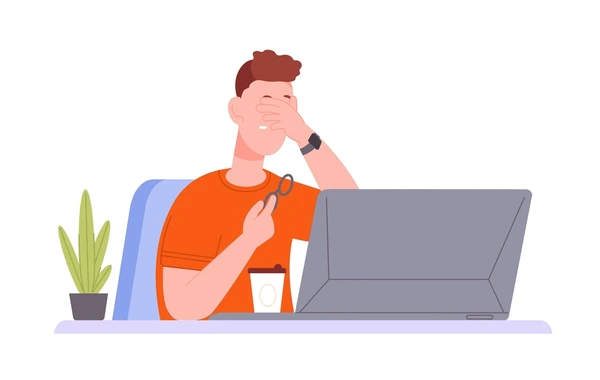
Eye and ear symptoms are common, but not every red eye, blocked ear or irritation should be treated at home. Mild dryness or uncomplicated earwax may sometimes be managed with appropriate self-care, while pain, vision changes, significant discharge, sudden hearing loss or other red flags require professional assessment.
For Kenyan patients, dust, pollution, prolonged screen use, allergies and environmental conditions can contribute to eye discomfort. Our Mall Pharmacy’s eye-care resources similarly identify screen exposure, dust and pollution among common contributors to eye irritation.
This guide explains what you can safely do at home, what to avoid and when to speak to a pharmacist, doctor or eye-care professional.
Dry Eyes: Simple Steps That Can Help
Dry eyes can feel gritty, irritated, burning or uncomfortable. Long periods of screen use, air conditioning, dust and reduced blinking can contribute to symptoms.
Try practical measures such as:
- Take regular breaks from screens.
- Blink consciously when concentrating on a screen.
- Avoid sitting directly in front of blowing air from a fan or air conditioner.
- Wear suitable eye protection in dusty environments.
- Avoid rubbing your eyes.
- Keep your hands clean before touching the area around your eyes.
- Ask a pharmacist about an appropriate lubricating eye drop if dryness is persistent.
The 20-20-20 approach—taking a break from near-screen work approximately every 20 minutes and looking into the distance—can be a useful way to reduce prolonged visual strain.
Our Mall Pharmacy has an Eye Care & Vision Health resource with additional information about dry-eye symptoms and eye-care products.
Choosing Eye Drops in Kenya
There is no single eye drop that is appropriate for every eye problem.
Different products may be intended for different purposes, including lubrication or allergy-related symptoms. Some eye drops contain prescription medicines and should only be used following professional assessment.
Before choosing an eye drop, consider:
- What symptoms are present?
- How long have they lasted?
- Is there pain?
- Has vision changed?
- Is there discharge?
- Is one eye or both eyes affected?
- Has there been an injury or exposure to a chemical?
- Are you already using another eye medicine?
Avoid borrowing someone else’s eye drops or using leftover prescription drops.
Our Mall Pharmacy’s Eye Care / Vision Health section provides a starting point for exploring eye-care information and products.
Red Eye: When Should You Worry?
A red eye can have many causes, ranging from irritation and dryness to conditions requiring urgent assessment.
A mild red eye without pain or vision changes may sometimes be related to irritation. However, redness accompanied by significant pain, blurred or reduced vision, strong sensitivity to light or substantial discharge should not simply be self-treated.
Seek professional medical assessment if:
- Eye pain is severe or increasing.
- Vision becomes blurred, reduced or distorted.
- Light becomes unusually painful to tolerate.
- There is thick or significant discharge.
- Redness persists or is getting worse.
- The eye has been injured.
- A chemical has entered the eye.
- You develop symptoms after wearing contact lenses.
- The symptoms are severe or rapidly developing.
Our Mall Pharmacy’s published eye-care guidance also identifies severe eye pain, persistent blurred vision and increased light sensitivity as warning signs requiring professional help.
Do Not Assume Every Red Eye Is an Infection
Redness alone does not tell you what is causing the problem.
Dryness, allergy, irritation and infection can produce overlapping symptoms. Antibiotic eye drops are not appropriate for every red eye.
In particular, do not start prescription antibiotic or steroid-containing eye drops simply because an eye looks red. The appropriate treatment depends on the cause and should be determined by a qualified healthcare professional.
Some combination eye-and-ear drops available through Kenyan pharmacies are prescription-only. For example, Our Mall Pharmacy lists Ciprolen D as containing ciprofloxacin and dexamethasone and states that it requires pharmacist review of a valid prescription.
Safe Ear Care at Home
A blocked ear can feel uncomfortable and may affect hearing. One possible cause is accumulated earwax, but blockage can have other causes.
For uncomplicated earwax concerns:
- Avoid putting objects inside the ear canal.
- Do not use cotton buds to dig out wax.
- Do not share ear-cleaning tools.
- Ask a pharmacist about an appropriate earwax product if wax is suspected.
- Follow product instructions carefully.
- Seek professional assessment if symptoms are severe, unusual or persistent.
The ear canal has a natural cleaning process. Attempting to remove wax aggressively can push it deeper or injure the ear.
What About Cotton Buds?
Cotton buds and similar objects should not be used to dig inside the ear.
They can:
- Push wax deeper into the canal.
- Irritate the skin.
- Cause injury.
- Potentially damage the eardrum if inserted too far.
If you cannot hear properly because you suspect impacted wax, professional assessment is safer than repeatedly inserting objects into the ear.
You can also browse Our Mall Pharmacy’s Eye & Ear Care products and speak with a pharmacist about choosing an appropriate non-prescription option. The pharmacy’s online shop currently lists
Earwax Removal: When Home Care Is Not Enough
Do not assume every blocked ear is caused by wax.
Professional assessment is particularly important if the blockage is associated with:
- Sudden hearing loss
- Significant ear pain
- Fluid, pus or blood coming from the ear
- Dizziness or severe balance problems
- Fever or feeling significantly unwell
- Recent injury
- A foreign object in the ear
- Symptoms that do not improve
Sudden hearing loss should be assessed promptly rather than treated as ordinary earwax.
Keep Water and Irritants Out When the Ear Is Painful
If an ear is painful or there is discharge, avoid experimenting with household substances or inserting objects into the canal.
Do not use leftover ear drops from an old illness unless a healthcare professional has advised you to do so for the current problem.
The same principle applies to eye symptoms: a product that was appropriate for a previous episode may not be appropriate for a new one.
Eye or Ear Injury: Act Quickly
Eye and ear injuries require a different approach from routine self-care.
For an eye exposed to a chemical, seek urgent medical help and follow appropriate first-aid guidance immediately. Do not delay assessment while trying multiple household remedies.
For an object that has entered the eye or ear, avoid trying to remove a deeply embedded object yourself.
If there has been significant trauma, bleeding, sudden hearing loss or a sudden change in vision, seek urgent medical assessment.
Children Need Extra Caution
Children may not be able to describe eye or ear symptoms accurately.
Pay attention to:
- Persistent eye rubbing
- Redness or discharge
- Difficulty seeing
- Sensitivity to light
- Ear pulling accompanied by distress
- Reduced response to sounds
- Ear discharge
- Persistent pain
- Sudden changes in behaviour
Do not put adult eye or ear medicines into a child’s eye or ear without checking with a qualified healthcare professional.
For parents, Our Mall Pharmacy also provides a Mother & Baby health section covering products and healthcare information for children and families.
When to See a Pharmacist
A pharmacist can help when you are unsure whether an over-the-counter eye or ear product is appropriate.
Speak with a pharmacist if:
- You need help selecting a lubricating eye drop.
- You suspect uncomplicated earwax.
- You are unsure whether two products can be used together.
- Symptoms are mild but persistent.
- You want to know whether a product is appropriate for a child or older adult.
- You have an existing medical condition or take regular medicines.
A pharmacist can also advise when the symptoms are outside the scope of pharmacy self-care and require a doctor or specialist.
When to See a Doctor
Do not delay professional assessment when there are significant red flags.
Eye red flags
Seek prompt medical assessment for:
- Severe eye pain
- Sudden or significant vision changes
- Marked light sensitivity
- Serious eye injury
- Chemical exposure
- Significant swelling
- Heavy or unusual discharge
- Symptoms that rapidly worsen
Ear red flags
Seek prompt assessment for:
- Sudden hearing loss
- Severe ear pain
- Blood or significant discharge
- Severe dizziness
- Significant injury
- A foreign object
- Symptoms accompanied by serious illness
When symptoms are severe or rapidly developing, seek urgent medical care rather than relying on an online article or pharmacy self-treatment.
Eye and Ear Care Checklist
| Concern | Safer first step |
|---|---|
| Dry, gritty eyes | Reduce screen strain and ask a pharmacist about suitable lubrication |
| Mild eye irritation | Avoid rubbing and environmental irritants |
| Persistent red eye | Seek professional assessment |
| Painful red eye | Prompt medical assessment |
| Sudden vision change | Urgent assessment |
| Suspected earwax | Ask a pharmacist about appropriate wax management |
| Blocked ear with sudden hearing loss | Prompt medical assessment |
| Ear pain or discharge | Professional assessment |
| Object in eye or ear | Do not force removal; seek professional help |
| Child with persistent eye/ear symptoms | Consult a healthcare professional |
Frequently Asked Questions
What are the best drops for dry eyes in Kenya?
The appropriate product depends on the cause and the person’s circumstances. Lubricating eye drops may be suitable for uncomplicated dryness, but persistent, painful or unusual symptoms should be professionally assessed. Our Mall Pharmacy’s eye-care information identifies lubricating drops as an option for dry-eye discomfort.
When should I worry about a red eye?
Redness accompanied by severe pain, vision changes, significant light sensitivity, substantial discharge, injury or rapidly worsening symptoms needs professional assessment.
Can I remove earwax with a cotton bud?
It is better not to insert cotton buds into the ear canal. They can push wax deeper and may injure the ear.
Is every blocked ear caused by earwax?
No. Ear blockage can have several possible causes. Sudden hearing loss, significant pain, discharge or dizziness should not simply be assumed to be wax.
Can I use antibiotic eye drops for a red eye?
Do not self-start antibiotic eye drops simply because an eye is red. The cause needs to be assessed, and prescription eye medicines should be used only under appropriate professional guidance.
Contact Our Mall Pharmacy
Call Us: +254740686263
Mon–Sat: 9AM–8PM
Sun: 10:30AM–6PM
WhatsApp: Chat with a Pharmacist — Instant responses
Email: ourmallpharmacy@gmail.com
We reply within 2 hours.
Visit Us:
Our Mall, Off Magadi Rd, Avocado Lane, Ground Floor (Shop No. 22)
Opening Hours:
Mon–Sat: 9AM–8PM
Sun: 10:30AM–6PM