Blog

  • Personal Lubricants in Kenya: Water vs Silicone

    Personal Lubricants in Kenya: Water vs Silicone

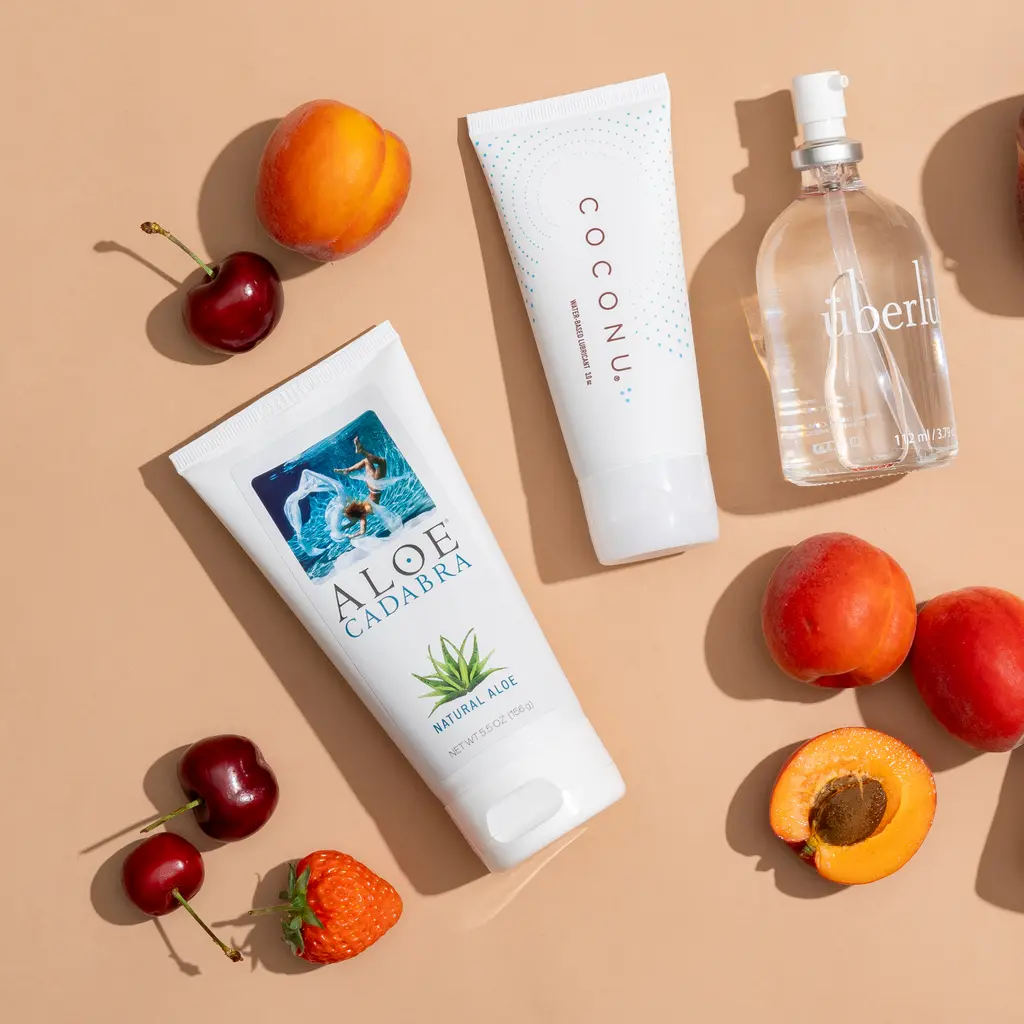
    Personal lubricants can improve comfort during sexual activity, reduce friction, and support vaginal dryness caused by hormonal changes, medications, or menopause. However, not all lubricants are compatible with every condom material, making it important to choose the right product.

    If you’re looking for personal lubricants in Kenya, understanding the differences between water-based, silicone-based, and oil-based lubricants will help you make a safer and more informed choice.

    At Our Mall Pharmacy, pharmacists frequently answer questions such as:

    • Which lubricant is safest with condoms?
    • Is silicone better than water-based lubricant?
    • Can I use petroleum jelly as a lubricant?
    • Which lubricant lasts longer?
    • What should I choose if I have sensitive skin?

    This guide explains the different lubricant types, their advantages and limitations, condom compatibility, and how to select the right option.

    Explore our Sexual Health products:

    sexual-health


    What Are Personal Lubricants?

    Personal lubricants are specially formulated products designed to reduce friction and improve comfort during intimate activity or medical procedures. They can also help relieve vaginal dryness when recommended by a healthcare professional.

    People may use lubricants for:

    • Increased comfort
    • Vaginal dryness
    • Menopause-related dryness
    • Postpartum dryness
    • Enhanced intimacy

    Only products designed for intimate use should be used.


    Why Are Personal Lubricants Important?

    Personal lubricants reduce friction, helping improve comfort and lowering the chance of irritation caused by dryness during intimate activity. Choosing the correct lubricant also helps protect condoms from damage.

    Pharmacists often recommend lubricants for people experiencing:

    • Hormonal changes
    • Breastfeeding-related dryness
    • Menopause
    • Certain medication side effects
    • Natural vaginal dryness

    Water-Based vs Silicone-Based Lubricants

    Water-based and silicone-based lubricants are both commonly recommended. Water-based products are versatile and easy to clean, while silicone-based lubricants usually last longer and are more water-resistant.

    Feature Water-Based Silicone-Based
    Compatible with latex condoms Yes Yes
    Easy to wash off Yes Less easily
    Long-lasting Moderate Excellent
    Suitable for sensitive skin Often Often
    Water resistant No Yes

    Are Oil-Based Lubricants Safe with Condoms?

    Oil-based lubricants should not be used with latex condoms because they can weaken the latex and increase the likelihood of condom failure. Always check the product instructions for compatibility.

    Examples of oil-based products include:

    • Petroleum jelly
    • Baby oil
    • Coconut oil
    • Mineral oil
    • Body lotions

    These products are not recommended with latex condoms.


    Types of Personal Lubricants Available in Kenya

    Personal lubricants in Kenya are available in several formulations, each designed for different preferences and situations.

    Water-Based Lubricants

    Advantages:

    • Compatible with most condoms
    • Easy to clean
    • Suitable for regular use

    Silicone-Based Lubricants

    Advantages:

    • Longer-lasting
    • Suitable for prolonged intimacy
    • Performs well in water

    Hybrid Lubricants

    These combine water-based and silicone ingredients to balance comfort and durability.


    Personal Lubricant Comparison Table

    Lubricant Type Main Benefit Condom Compatible Typical Use
    Water-Based Easy to clean Yes Everyday use
    Silicone-Based Long-lasting Yes Extended activity
    Hybrid Balanced performance Usually (check label) Versatile use
    Oil-Based Long-lasting No with latex condoms Use only as directed

    Always read the manufacturer’s instructions before use.


    How to Choose the Right Personal Lubricant

    The best personal lubricant depends on individual needs, skin sensitivity, and whether condoms will be used. Water-based lubricants are often recommended as a suitable first choice for most people.

    Consider:

    • Condom compatibility
    • Skin sensitivity
    • Duration of use
    • Ease of cleaning
    • Personal preference

    Can Lubricants Help with Vaginal Dryness?

    Yes. Personal lubricants may help improve comfort for people experiencing temporary or persistent vaginal dryness. Persistent symptoms should be discussed with a healthcare professional to identify any underlying cause.

    Common reasons for vaginal dryness include:

    • Menopause
    • Breastfeeding
    • Hormonal changes
    • Certain medicines
    • Stress

    Real Pharmacy Experience: Common Questions in Kenya

    Pharmacists frequently help customers choose suitable lubricants by explaining the differences between formulations and advising on condom compatibility.

    Common questions include:

    • “Which lubricant is safest with condoms?”
    • “Can I use petroleum jelly?”
    • “Is silicone better than water-based?”
    • “Which lubricant lasts longest?”
    • “Can lubricants cause irritation?”

    In Nairobi areas such as Rongai, Ngong, Karen, Lang’ata, Kilimani, and Westlands, customers often seek confidential advice before purchasing sexual wellness products.


    Common Mistakes to Avoid

    Many problems arise from using products that are not designed as personal lubricants or from choosing incompatible products with condoms.

    Avoid:

    • Using petroleum jelly with latex condoms
    • Using expired lubricants
    • Ignoring product instructions
    • Choosing products that cause irritation
    • Using household oils instead of approved lubricants

    Frequently Asked Questions (FAQs)

    What are the best personal lubricants in Kenya?

    The best personal lubricants in Kenya depend on your needs. Water-based lubricants are suitable for many people, while silicone-based lubricants provide longer-lasting lubrication.


    Are water-based lubricants safe with condoms?

    Yes. Most water-based lubricants are compatible with latex condoms, making them a commonly recommended option.


    Can I use petroleum jelly as a lubricant?

    Petroleum jelly should not be used with latex condoms because it can damage the latex and increase the risk of condom failure.


    Is silicone lubricant better than water-based?

    Silicone lubricants generally last longer, while water-based lubricants are easier to wash off and are suitable for many everyday situations.


    Can lubricants help with vaginal dryness?

    Yes. Personal lubricants can improve comfort associated with vaginal dryness. Persistent dryness should be discussed with a healthcare professional.


    Where can I buy personal lubricants in Kenya?

    Personal lubricants are available from licensed pharmacies, including Our Mall Pharmacy, where pharmacists can provide confidential guidance on selecting suitable products.


    Related Resources


    Contact Our Mall Pharmacy

    Call Us: +254 722 390 003

    Mon-Sat 9AM-8PM, Sun 10:30AM-6PM

    WhatsApp: Chat with a Pharmacist (Instant responses)

    Email: ourmallpharmacy@gmail.com (We reply within 2 hours)

    Visit Us:
    Our Mall, Off Magadi Rd, Avocado Lane, Ground Floor (Shop No. 22)

    Mon-Sat 9AM-8PM, Sun 10:30AM-6PM


    Final Takeaway

    Choosing personal lubricants in Kenya involves more than selecting the first product on the shelf. Understanding the differences between water-based, silicone-based, hybrid, and oil-based lubricants helps you choose a product that is comfortable, appropriate for your needs, and compatible with condoms. Using only products designed for intimate use and following the manufacturer’s instructions can help improve both comfort and safety.

    At Our Mall Pharmacy, our pharmacists are available to provide confidential guidance on personal lubricants, sexual wellness products, and condom-compatible options to help you make an informed choice.
  • Pregnancy Test Kits in Kenya: How Early to Test

    Pregnancy Test Kits in Kenya: How Early to Test

    A missed period can bring many questions, and a pregnancy test kit provides a quick way to check for pregnancy from the privacy of your home. However, many people are unsure about when to test, which type of test is most reliable, and what the results actually mean.

    If you are searching for pregnancy test kits in Kenya, understanding how these tests work, when they can detect pregnancy, and how to use them correctly can help you get a more accurate result.

    Pregnancy tests work by detecting human chorionic gonadotropin (hCG), a hormone produced after a fertilised egg attaches to the uterus. The amount of hCG increases as pregnancy progresses, which is why testing too early may sometimes produce a negative result even when pregnancy has started.

    At Our Mall Pharmacy, pharmacists commonly answer questions such as:

    • How early can I take a pregnancy test?
    • Are digital pregnancy tests more accurate?
    • Can I test before my missed period?
    • Why is my test negative but my period is late?
    • Which pregnancy test kit should I buy?

    This guide explains how pregnancy test kits work, the different types available in Kenya, the best time to test, accuracy factors, and when to seek medical advice.

    Explore our Sexual Health products:

    sexual-health


    What Are Pregnancy Test Kits?

    Pregnancy test kits are diagnostic devices designed to detect the hormone hCG in urine, which is produced during pregnancy. They provide a quick result when used correctly according to the instructions.

    Most home pregnancy tests use a urine sample to detect hCG levels.

    Common types include:

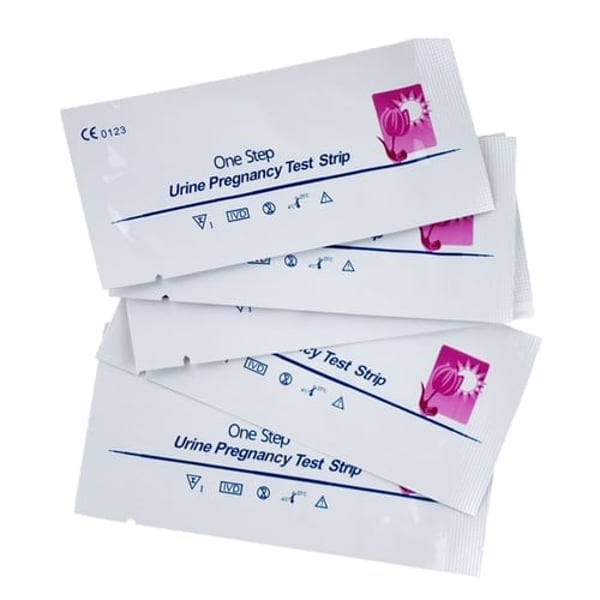
    • Test strips
    • Midstream tests
    • Digital pregnancy tests

    They are available from licensed pharmacies and healthcare retailers.


    How Do Pregnancy Test Kits Work?

    Pregnancy test kits detect hCG in urine after implantation has occurred. When hCG reaches a detectable level, the test reacts and displays a positive result.

    The process involves:

    1. Fertilisation occurs.
    2. The fertilised egg implants in the uterus.
    3. The body begins producing hCG.
    4. hCG levels rise.
    5. The pregnancy test detects the hormone.

    Because hCG levels increase over time, the accuracy of testing improves when done at the right stage.


    How Early Can You Use Pregnancy Test Kits in Kenya?

    Some pregnancy test kits can detect hCG approximately 10 days after ovulation, but testing after a missed period generally provides more reliable results.

    Testing too early may lead to:

    • False negative results
    • Confusion
    • Need for repeat testing

    For the most accurate home testing:

    • Follow the instructions on the package.
    • Use the test at the recommended time.
    • Consider repeating the test if your period remains delayed.

    When Is the Best Time to Take a Pregnancy Test?

    The best time to take a pregnancy test is usually after a missed period because hCG levels are more likely to be detectable. Testing with the first urine of the day may also improve accuracy.

    Helpful tips:

    • Test after your expected period date.
    • Avoid drinking excessive fluids before testing.
    • Check the expiry date.
    • Read results within the recommended timeframe.

    Types of Pregnancy Test Kits Available in Kenya

    Pregnancy test kits in Kenya are available in different formats, including strips, midstream tests, and digital tests. Each type works by detecting hCG but differs in design and user experience.

    Pregnancy Test Strips

    Advantages:

    • Affordable
    • Easy to store
    • Widely available

    Considerations:

    • Require collecting urine in a container.
    • Need careful reading of results.

    Midstream Pregnancy Tests

    Advantages:

    • Easier to use directly during urination.
    • More convenient.

    Considerations:

    • Usually cost more than strips.

    Digital Pregnancy Tests

    Advantages:

    • Display results in words or symbols.
    • Easier interpretation for some users.

    Considerations:

    • Often more expensive.

    Pregnancy Test Kit Comparison Table

    Different pregnancy test kits offer similar basic detection but differ in convenience, price, and result display.

    Test Type Main Feature Advantage Consideration
    Strip Test Dip test format Affordable Requires careful handling
    Midstream Test Direct urine application Convenient Higher cost
    Digital Test Digital display Easy interpretation More expensive

    How Accurate Are Pregnancy Test Kits?

    Pregnancy test kits are highly accurate when used correctly after the appropriate testing time. Testing too early or incorrect use can affect results.

    Factors that influence accuracy include:

    • Testing too soon
    • Expired test kits
    • Incorrect timing
    • Diluted urine
    • Not following instructions

    A positive result should generally be followed by appropriate healthcare guidance.


    What Does a Positive Pregnancy Test Mean?

    A positive pregnancy test usually indicates that hCG has been detected and pregnancy may be present. Confirmatory healthcare advice may be recommended depending on individual circumstances.

    After a positive result, consider:

    • Speaking with a healthcare provider.
    • Beginning appropriate pregnancy care.
    • Discussing next steps.

    What Does a Negative Pregnancy Test Mean?

    A negative pregnancy test means hCG was not detected at the time of testing, but testing too early may produce a false negative result.

    Consider repeating the test if:

    • Your period does not arrive.
    • Pregnancy symptoms continue.
    • The first test was taken early.

    Real Pharmacy Experience: Pregnancy Test Questions in Kenya

    Pharmacists frequently help customers choose pregnancy test kits while providing confidential guidance about timing, correct use, and understanding results.

    Common questions include:

    • “Can I test before my missed period?”
    • “Which pregnancy test is the most accurate?”
    • “Why is my test negative but my period is late?”
    • “Can medication affect the result?”
    • “When should I repeat the test?”

    In Nairobi areas such as Rongai, Ngong, Karen, Lang’ata, Kilimani, and Westlands, pharmacies commonly support customers seeking private and reliable reproductive health products.


    Common Mistakes When Using Pregnancy Test Kits

    Incorrect timing and poor handling are common reasons for unclear pregnancy test results. Following instructions carefully improves reliability.

    Avoid:

    • Using expired tests.
    • Testing too early.
    • Checking results too late.
    • Drinking too much water before testing.
    • Ignoring package instructions.

    Pregnancy Test Safety Information

    Pregnancy test kits are non-invasive diagnostic tools and are generally safe to use. They provide information about possible pregnancy but do not replace professional medical care.

    Seek medical advice if:

    • Results are unclear.
    • You experience concerning symptoms.
    • You need pregnancy confirmation.
    • You need guidance about pregnancy options.

    Frequently Asked Questions (FAQs)

    What are the best pregnancy test kits in Kenya?

    The best pregnancy test kit depends on personal preference, including affordability, convenience, and ease of reading results. All approved tests work by detecting hCG when used correctly.


    How early can pregnancy test kits detect pregnancy?

    Some pregnancy test kits can detect hCG around 10 days after ovulation, but testing after a missed period usually gives more reliable results.


    Can I take a pregnancy test before my period?

    Yes, some early detection tests may work before a missed period, but the chance of a false negative result is higher when testing early.


    Are digital pregnancy tests better?

    Digital tests may be easier to read because they display results clearly, but accuracy depends on correct timing and use.


    Why is my pregnancy test negative but my period is late?

    A late period with a negative test may occur because testing was done too early, cycles vary, or other factors affect menstruation. Repeat testing or seek medical advice if needed.


    Where can I buy pregnancy test kits in Kenya?

    Pregnancy test kits are available from licensed pharmacies such as Our Mall Pharmacy, where customers can access genuine products and confidential guidance.


    Related Resources

    Explore reproductive health and wellness products:


    Contact Our Mall Pharmacy

    Call Us: +254 722 390 003

    Mon-Sat 9AM-8PM, Sun 10:30AM-6PM

    WhatsApp: Chat with a Pharmacist (Instant responses)

    Email: ourmallpharmacy@gmail.com

    (We reply within 2 hours)

    Visit Us:
    Our Mall, Off Magadi Rd, Avocado Lane, Ground Floor (Shop No. 22)

    Mon-Sat 9AM-8PM, Sun 10:30AM-6PM


    Final Takeaway

    Choosing pregnancy test kits in Kenya involves more than buying the first available option. Understanding when to test, how different kits work, and how to interpret results helps you make informed decisions. Testing at the right time and following instructions carefully improves accuracy.

    At Our Mall Pharmacy, our pharmacists provide confidential support, helping customers access genuine pregnancy tests and reproductive health products with professional guidance.

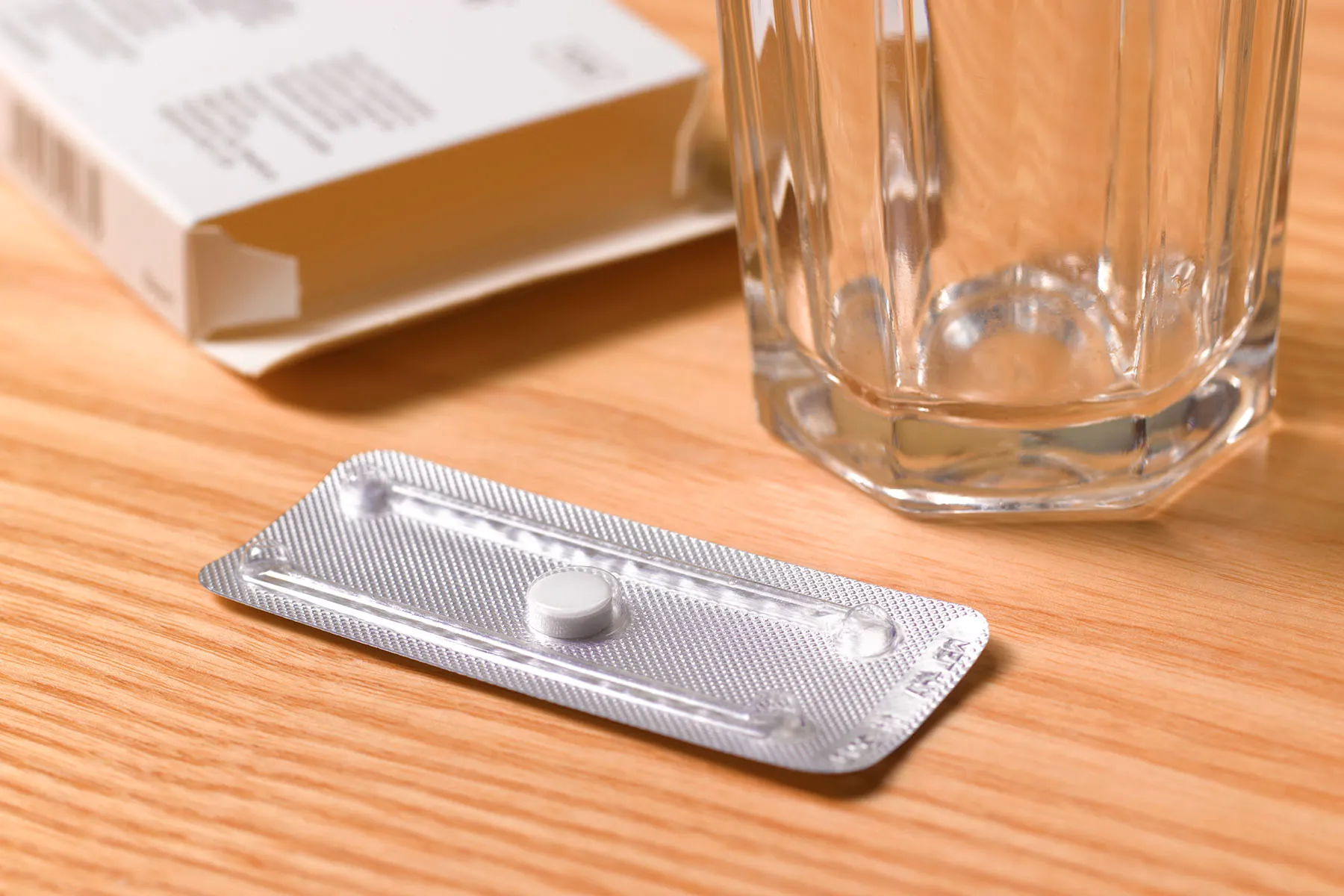
  • Emergency Contraception in Kenya: The 72-Hour Rule

    Emergency Contraception in Kenya: The 72-Hour Rule

    Emergency contraception is an important option for preventing pregnancy after unprotected sex or when a contraceptive method fails. Many people have questions about timing, effectiveness, safety, and which option is suitable.

    If you are searching for information about emergency contraception in Kenya, understanding how the 72-hour window works can help you make informed decisions quickly.

    This is time-sensitive. The sooner it is used after unprotected sex, the better it can work. However, it is not intended to replace regular contraception and should be used as an emergency option.

    At Our Mall Pharmacy, pharmacists commonly answer questions such as:

    • How does emergency contraception work?
    • How many hours after sex can I take it?
    • Is emergency contraception safe?
    • How often can I use it?
    • What happens after taking emergency contraception?
    • When should I seek medical advice?

    This guide explains the available emergency contraception options in Kenya, timing, safety, common concerns, and when to speak with a healthcare professional.

    Explore our Sexual Health products:

    sexual-health


    What Is Emergency Contraception?

    This is a method used after unprotected sex or contraceptive failure to reduce the chance of pregnancy. It works mainly by delaying or preventing ovulation, depending on the type used.

    Emergency contraception may be considered after:

    • Unprotected sexual intercourse
    • A broken or slipped condom
    • Missed regular contraceptive pills
    • Incorrect use of a contraceptive method

    It does not terminate an existing pregnancy and does not protect against sexually transmitted infections (STIs).


    How Does the 72-Hour Window Work?

    The 72-hour window means it works best when taken within three days after unprotected sex. Taking it as soon as possible increases the chance of preventing pregnancy.

    The effectiveness of its generally decreases as time passes.

    A simple timeline:

    Time After Unprotected Sex General Guidance
    Within 24 hours Most effective period
    24–72 hours Still effective for suitable options
    After 72 hours Other options may need consideration

    If you are unsure which option is appropriate, consult a pharmacist or healthcare provider promptly.


    What Types Are Available in Kenya?

    These options available in Kenya include oral pills and, in some situations, copper intrauterine devices (IUDs) provided by trained healthcare professionals.

    Common options include:

    Emergency Contraceptive Pills

    These are commonly available through pharmacies and healthcare facilities.

    They contain hormones that work mainly by delaying ovulation.


    Copper IUD

    A copper IUD can be used as it when inserted by a trained healthcare professional within the recommended timeframe.

    It can also provide ongoing contraception after insertion.


    Medication Table

    Different options work differently. Understanding the type, timing, and availability helps users make informed choices.

    Option Category Main Function Timing Availability
    Levonorgestrel Emergency Pill Emergency contraceptive Delays ovulation Best within 72 hours Pharmacies and health facilities
    Ulipristal Acetate Emergency contraceptive Delays ovulation Effective within recommended timeframe Availability varies
    Copper IUD Long-term contraceptive device Prevents fertilisation Inserted by trained provider Health facilities

    Always follow the instructions provided with the product or by a healthcare professional.


    Is Emergency Contraception Safe?

    This is considered safe for most people when used correctly. It may cause temporary effects such as changes in menstrual timing, nausea, or mild discomfort.

    Possible short-term effects may include:

    • Nausea
    • Headache
    • Fatigue
    • Breast tenderness
    • Changes in the next menstrual period

    These effects usually resolve without treatment.


    Does Emergency Contraception Protect Against STIs?

    No. It prevents pregnancy but does not protect against sexually transmitted infections. Condoms remain important for reducing STI transmission risk.

    If there is concern about possible STI exposure, seek appropriate medical advice and testing.


    How Often Can Emergency Contraception Be Used?

    This is designed for occasional use after contraceptive emergencies, not as a regular family planning method. People who need frequent may benefit from discussing regular contraceptive options with a healthcare professional.

    Regular options may include:

    • Condoms
    • Oral contraceptive pills
    • Injectable contraception
    • Implants
    • Intrauterine devices

    Real Pharmacy Experience: Emergency Contraception Questions in Kenya

    Pharmacists frequently support customers who need urgent, confidential information about timing, correct use, and choosing appropriate contraception options.

    Common questions include:

    • “Is it too late to take emergency contraception?”
    • “Will it affect my future fertility?”
    • “What happens if I vomit after taking it?”
    • “When should my period come?”
    • “Can I use it more than once?”

    In Nairobi areas such as Rongai, Ngong, Karen, Lang’ata, Kilimani, and Westlands, pharmacies often provide confidential counselling alongside access to reproductive health products.


    Common Mistakes About Emergency Contraception

    Many misconceptions about them can cause unnecessary worry or incorrect use. Understanding the facts helps people make safer decisions.

    Myth: Emergency contraception causes infertility

    It does not cause permanent infertility.


    Myth: It works after an established pregnancy

    It does not end an existing pregnancy.


    Myth: Taking it immediately is unnecessary

    Earlier use generally provides better effectiveness.


    Myth: It replaces regular contraception

    This is a backup option, not a routine method.


    What Should You Do After Taking Emergency Contraception?

    After taking them, monitor your menstrual cycle and seek medical advice if your period is significantly delayed or you have concerns.

    Helpful steps include:

    • Continue using protection during future sexual activity.
    • Consider a regular contraceptive method if needed.
    • Seek advice if your period is unusually late.
    • Consult a healthcare professional if you experience concerning symptoms.

    Frequently Asked Questions (FAQs)

    What is emergency contraception in Kenya?

    Emergency contraception in Kenya refers to methods used after unprotected sex or contraceptive failure to reduce the chance of pregnancy.


    How long does it work after sex?

    It works best when taken as soon as possible, with many oral options recommended within a 72-hour period depending on the product.


    Can it prevent pregnancy after 72 hours?

    Some emergency contraception options may work beyond 72 hours, while others are less effective over time. Consult a healthcare professional for guidance based on timing.


    Does it affect fertility?

    Emergency contraception does not cause permanent fertility problems. It provides temporary pregnancy prevention after a contraceptive emergency.


    Can I use them regularly?

    Emergency contraception is intended for occasional use. If you need frequent protection, discuss regular contraceptive options with a healthcare professional.


    Does it protect against infections?

    No. Emergency contraception does not prevent sexually transmitted infections. Condoms are recommended for STI protection.


    Where can I get them in Kenya?

    Emergency contraception is available from licensed pharmacies and healthcare facilities where pharmacists can provide guidance on correct use.


    Related Resources

    Explore sexual health and wellness support:


    Contact Our Mall Pharmacy

    Call Us: +254 722 390 003

    Mon-Sat 9AM-8PM, Sun 10:30AM-6PM

    WhatsApp: Chat with a Pharmacist (Instant responses)

    Email: ourmallpharmacy@gmail.com

    (We reply within 2 hours)

    Visit Us:
    Our Mall, Off Magadi Rd, Avocado Lane, Ground Floor (Shop No. 22)

    Mon-Sat 9AM-8PM, Sun 10:30AM-6PM


    Final Takeaway

    In Kenya is a time-sensitive option that works best when used as soon as possible after unprotected sex or contraceptive failure. Understanding the 72-hour window, available options, and correct usage helps people make informed reproductive health decisions.

    At Our Mall Pharmacy, our pharmacists provide confidential guidance on emergency contraception, sexual health products, and family planning options while helping customers access genuine healthcare products safely.

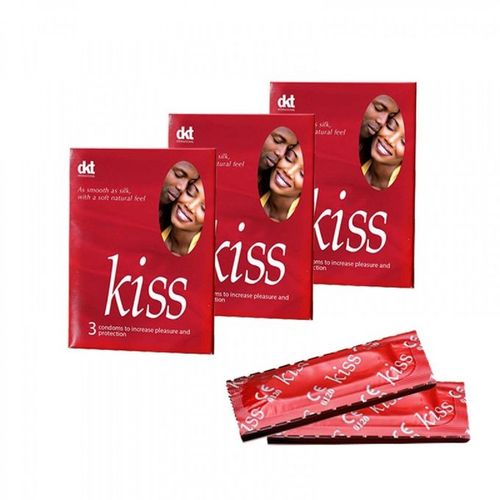
  • Condoms in Kenya: Sizes, Materials and Fit Guide

    Condoms in Kenya: Sizes, Materials and Fit Guide

    Condoms remain one of the most widely used barrier methods for preventing pregnancy and reducing the risk of sexually transmitted infections (STIs). However, many people focus only on the brand or price and overlook one of the most important factors: choosing the right fit and material.

    If you are searching for the best condoms in Kenya, understanding sizes, materials, lubrication, and correct usage can help you make a more informed choice.

    At Our Mall Pharmacy, customers commonly ask pharmacists:

    • Which condom size should I use?
    • Are thicker condoms safer?
    • What is the difference between latex and non-latex condoms?
    • Why do condoms sometimes slip or break?
    • Where can I buy genuine condoms in Kenya?

    This expert guide explains condom sizing, materials, common types available in Kenya, safety considerations, and how to choose a suitable option.

    Explore our Sexual Health products:

    sexual-health


    What Are Condoms?

    Condoms are barrier contraceptive products designed to reduce the chance of pregnancy and lower the risk of transmitting sexually transmitted infections when used correctly. They work by preventing contact with semen and genital fluids.

    Condoms are available in different:

    • Sizes
    • Materials
    • Textures
    • Thicknesses
    • Lubrication types

    Choosing the right product depends on comfort, fit, personal preference, and safety needs.


    Why Does Condom Fit Matter?

    A properly fitting condom improves comfort and reduces the likelihood of problems such as slipping or tearing. A condom that is too tight or too loose may affect effectiveness during use.

    Common fit-related concerns include:

    • Feeling too tight
    • Excess movement
    • Difficulty putting it on
    • Discomfort during use

    Many people choose condoms based only on brand recognition, but fit is an important factor in getting reliable protection.


    How Are Condom Sizes Measured?

    Condom sizes are usually described using nominal width, which refers to the width of the condom when laid flat. This measurement helps manufacturers indicate differences in fit between products.

    Nominal width is usually measured in millimetres (mm).

    Common categories include:

    Size Category Approximate Nominal Width Suitable For
    Smaller fit Below standard width People needing a snugger fit
    Standard fit Common market range Most users
    Larger fit Wider nominal width People needing more room

    Packaging usually provides size information, making it easier to compare products.


    What Are the Different Condom Materials?

    The most common condom materials are latex, polyisoprene, and polyurethane. The material affects comfort, texture, and suitability for people with latex sensitivity.

    Latex Condom

    Latex is the most widely used condom material.

    Advantages:

    • Widely available
    • Effective barrier protection
    • Flexible and affordable

    Considerations:

    • Some people may have latex sensitivity.

    Polyisoprene Condom

    Polyisoprene is a synthetic latex-free material.

    Advantages:

    • Suitable for people avoiding natural latex
    • Soft and flexible

    Polyurethane Condom

    Polyurethane is another non-latex option.

    Advantages:

    • Suitable for latex-sensitive users
    • Can be thinner than some latex options

    Latex vs Polyisoprene vs Polyurethane Comparison

    Different condom materials offer different benefits. The best choice depends on comfort, allergies, availability, and personal preference.

    Feature Latex Polyisoprene Polyurethane
    Material type Natural rubber Synthetic material Synthetic plastic
    Latex-free No Yes Yes
    Flexibility High High Moderate
    Common availability Very common Available Available in selected products
    Suitable for latex sensitivity No Yes Yes

    What Condom Types Are Available in Kenya?

    Condoms in Kenya are available in multiple varieties designed for different preferences, including standard, textured, ultra-thin, and lubricated options.

    Common categories include:

    Standard Condom

    Designed for everyday protection.

    Textured Condom

    Include features such as ribs or dots intended to change sensation.

    Ultra-Thin Condom

    Designed for increased sensitivity while maintaining barrier protection.

    Extra-Lubricated Condom

    May improve comfort by reducing friction.


    How to Choose the Right Condom

    Choosing the right condom involves considering fit, material, lubrication, and personal comfort rather than selecting only based on price or popularity.

    Consider:

    1. Check the Size

    Look at the nominal width listed on packaging.

    2. Consider Material

    Choose latex unless you need a latex-free option.

    3. Check Lubrication

    Lubricated condoms may improve comfort.

    4. Buy From Trusted Pharmacies

    Genuine products are more likely to meet quality standards.


    Real Pharmacy Experience: Condom Questions in Kenya

    Pharmacists frequently help customers choose sexual health products by explaining differences in size, materials, and correct storage rather than recommending based only on brand names.

    Common customer questions include:

    • “Which condom is best?”
    • “What size should I buy?”
    • “Are expensive condoms safer?”
    • “Can condoms expire?”
    • “Can I use any lubricant with condoms?”

    In Nairobi areas such as Rongai, Ngong, Karen, Kilimani, Lang’ata, and Westlands, pharmacies commonly provide confidential advice and access to genuine sexual health products.


    How to Store Condom Correctly

    Proper storage helps maintain condom quality and reduces the risk of damage before use. Condoms should be kept away from excessive heat, friction, and direct sunlight.

    Avoid storing condoms:

    • In hot vehicles
    • In direct sunlight
    • For long periods in wallets
    • Near sharp objects

    Check:

    • Expiry date
    • Packaging condition
    • Product instructions

    Common Condom Mistakes to Avoid

    Most condom problems are linked to incorrect use, poor storage, or choosing an unsuitable product rather than the condom itself.

    Common mistakes include:

    • Using expired condoms
    • Opening packages with sharp objects
    • Using incompatible lubricants
    • Reusing condoms
    • Storing them in unsuitable conditions
    • Wearing the wrong size

    Frequently Asked Questions (FAQs)

    What are the best condoms in Kenya?

    The best condoms in Kenya depend on individual preferences, including size, material, comfort, and lubrication. A correctly fitted condom from a trusted source provides reliable protection when used properly.


    How do I know my condom size?

    Its size is usually determined using the nominal width shown on the packaging. Standard sizes fit many users, while smaller or larger options are available for different needs.


    Are latex condoms better than non-latex condoms?

    Latex condoms are widely used and effective, while non-latex options such as polyisoprene and polyurethane provide alternatives for people with latex sensitivity.


    Can condoms expire?

    Yes. They have expiry dates and should not be used after expiration because material quality may reduce over time.


    Where can I buy it in Kenya?

    Condoms are available from licensed pharmacies, including Our Mall Pharmacy, where customers can access genuine sexual health products and confidential guidance.


    Do thicker condoms prevent pregnancy better?

    Condom effectiveness depends mainly on correct use, proper fit, and following instructions rather than thickness alone.


    Can I use any lubricant with it?

    Water-based or condom-compatible lubricants are generally recommended. Some oil-based products may weaken certain condom materials.


    Related Resources

    Explore sexual health and wellness products:


    Contact Our Mall Pharmacy

    Call Us: +254 722 390 003

    Mon-Sat 9AM-8PM, Sun 10:30AM-6PM

    WhatsApp: Chat with a Pharmacist (Instant responses)

    Email: ourmallpharmacy@gmail.com

    (We reply within 2 hours)

    Visit Us:
    Our Mall, Off Magadi Rd, Avocado Lane, Ground Floor (Shop No. 22)

    Mon-Sat 9AM-8PM, Sun 10:30AM-6PM


    Final Takeaway

    Choosing it in Kenya is not only about selecting a brand. Understanding size, material, lubrication, and proper storage helps users make informed decisions and improve comfort and reliability. Buying genuine products from licensed pharmacies also helps ensure quality and safety.

    At Our Mall Pharmacy, our pharmacists provide confidential guidance on sexual health products, helping customers choose suitable options based on their needs while maintaining privacy and professionalism.

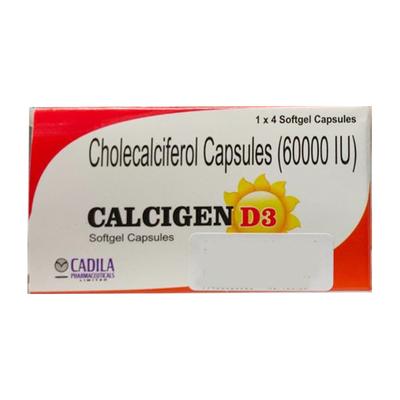
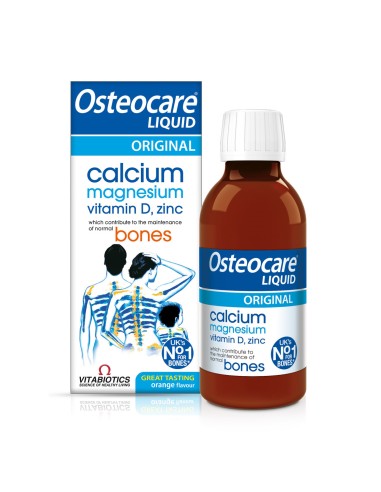
  • Vitamin D Supplements in Kenya: Best 2026 Guide to Deficiency, Benefits and Dosage | Our Mall Pharmacy Kenya

    Vitamin D Supplements in Kenya: Best 2026 Guide to Deficiency, Benefits and Dosage | Our Mall Pharmacy Kenya

    Kenya is located near the equator, and many people assume that living in a sunny country automatically guarantees enough vitamin D. However, sunlight exposure alone does not always mean the body produces sufficient vitamin D supplements in Kenya.

    Modern lifestyles have changed how much time many Kenyans spend outdoors. Office work, indoor schooling, long commuting hours, sunscreen use, clothing choices, skin pigmentation, and spending most of the day inside buildings can all influence vitamin D production

    At Our Mall Pharmacy, customers in Nairobi, Rongai, Ngong, Karen, Lang’ata, Kilimani, and Westlands often ask:

    • “Do I need vitamin D supplements if Kenya is sunny?”
    • “What are the signs of low vitamin D?”
    • “Which vitamin D supplement is best?”
    • “How much vitamin D should I take?”

    This guide explains why vitamin D deficiency can still occur in Kenya, who may benefit from supplementation, how vitamin D works, and what pharmacists recommend before starting supplements.

    What Is Vitamin D and Why Does the Body Need It?

    Vitamin D is an essential nutrient that helps the body absorb calcium, maintain healthy bones, and support normal muscle and immune function. The body can produce vitamin D through sunlight exposure, but some people may still have insufficient levels.

    Vitamin D plays important roles in:

    • Bone strength
    • Calcium absorption
    • Muscle function
    • Immune system support
    • Normal growth and development

    Low vitamin D levels may contribute to:

    • Bone discomfort
    • Muscle weakness
    • Tiredness
    • Increased risk of bone problems

    Vitamin D is available through:

    • Sunlight exposure
    • Foods containing vitamin D
    • Supplements

    Customers looking for nutritional support can explore the Our Mall Pharmacy supplements category and vitamins and supplements section.

    Why Can Vitamin D Be Low in Kenya Despite Sunshine?

    Vitamin D deficiency can occur in Kenya because sunlight exposure depends on factors such as time spent outdoors, skin exposure, lifestyle, and individual health factors. Living near the equator does not guarantee adequate vitamin D levels for everyone.

    Several factors may reduce vitamin D production:

    1. Indoor Lifestyles

    Many Nairobi residents spend most of their day:

    • Inside offices
    • In classrooms
    • In shopping centres
    • Working remotely indoors

    A person may see sunlight through windows but receive limited vitamin D production because glass blocks much of the UVB radiation needed by the skin.

    2. Skin Pigmentation

    Melanin, the natural pigment in skin, provides protection from sunlight but can also reduce the efficiency of vitamin D production.

    People with darker skin may require longer sunlight exposure compared with people with lighter skin to produce similar vitamin D levels.

    3. Clothing and Sun Protection

    Covering most of the skin or consistently avoiding sunlight may reduce vitamin D production.

    4. Urban Lifestyle in Nairobi

    Many people living in Nairobi areas such as:

    • Kilimani
    • Westlands
    • Karen
    • Lang’ata

    follow indoor routines due to work, school, traffic, and busy schedules.

    Who May Need Vitamin D Supplements in Kenya?

    Vitamin D supplements may be recommended for people with confirmed deficiency, limited sun exposure, increased nutritional needs, or certain health risks. A pharmacist or healthcare professional can help determine whether supplementation is appropriate.

    People who may need vitamin D assessment include:

    Pregnant Women

    Pregnancy increases nutritional needs, and healthcare providers may recommend supplements where appropriate.

    For pregnancy-related products, visit the Mother and Baby healthcare section.

    Older Adults

    Older adults may produce less vitamin D through the skin compared with younger people.

    People Who Spend Most Time Indoors

    Examples include:

    • Office workers
    • Students
    • Remote workers
    • Night shift workers

    People With Limited Dietary Intake

    Some diets may provide limited vitamin D sources.

    People With Bone Health Concerns

    Healthcare providers may assess vitamin D status alongside calcium and other nutritional factors.

    What Are the Signs of Vitamin D Deficiency?

    Vitamin D deficiency symptoms can be difficult to identify because they may overlap with many other health conditions. Testing and professional advice help confirm whether low vitamin D is the cause.

    Possible signs include:

    • Frequent tiredness
    • Muscle weakness
    • Bone discomfort
    • Reduced physical strength
    • General fatigue

    However, fatigue can also result from:

    • Poor sleep
    • Stress
    • Iron deficiency
    • Infections
    • Other nutritional problems

    Patients experiencing persistent symptoms should seek medical advice rather than assuming vitamin D is the cause.

    Best Types of Vitamin D Supplements in Kenya

    The two main forms of vitamin D supplements in Kenya are vitamin D2 (ergocalciferol) and vitamin D3 (cholecalciferol). Vitamin D3 is commonly preferred because it is generally considered effective at raising vitamin D levels.

    Vitamin D Supplement Comparison Table

    Type Scientific Name Common Use Notes
    Vitamin D3 Cholecalciferol Supports vitamin D levels Commonly used supplement form
    Vitamin D2 Ergocalciferol Vitamin D support Alternative option
    Vitamin D + Calcium Combination supplement Bone health support Used when both nutrients are needed
    Multivitamin with Vitamin D Multiple nutrients General wellness Check ingredient amounts

    Vitamin D supplements in Kenya Guide Table

    The table below explains common vitamin D supplement categories. Actual dosage depends on age, health status, laboratory results, and professional advice.

    Supplement Type Category Common Purpose Typical Form Availability
    Vitamin D3 tablets Vitamin supplement Maintain vitamin D levels Tablets/capsules Pharmacy
    Vitamin D3 drops Liquid supplement Children or people needing drops Liquid Pharmacy
    Vitamin D + Calcium Bone support Calcium and vitamin D intake Tablets Pharmacy
    Multivitamins Nutritional supplement General nutrient support Tablets/capsules Pharmacy

    How Should Vitamin D supplements in Kenya Be Taken?

    Vitamin D supplements in Kenya should be taken according to the recommended dosage because excessive intake can cause health problems. Taking them with food containing healthy fats may improve absorption.

    Helpful tips include:

    • Follow the product instructions.
    • Do not exceed recommended doses.
    • Take consistently if advised.
    • Inform your pharmacist about other supplements.
    • Consider testing if deficiency is suspected.

    Can You Get Enough Vitamin D From Sunlight Alone?

    Some people can maintain adequate vitamin D levels through sunlight exposure, but others may need supplementation due to lifestyle, skin type, health conditions, or limited outdoor exposure.

    Factors affecting sunlight vitamin D production include:

    Factor Effect
    Time outdoors More exposure may increase production
    Skin pigmentation Can affect production efficiency
    Clothing coverage Less exposed skin may reduce production
    Location and season Can influence sunlight availability
    Age Production may decrease with age

    Vitamin D and Calcium: Why They Work Together

    Vitamin D helps the body absorb calcium, making both nutrients important for maintaining healthy bones. However, supplementation should be based on individual nutritional needs.

    Calcium is important for:

    • Bone structure
    • Muscle function
    • Normal body processes

    Vitamin D helps regulate calcium absorption from food.

    Customers can explore related healthcare products through the all products section.

    Real Pharmacy Insights: Vitamin D Questions in Nairobi

    Pharmacists in Nairobi frequently receive vitamin D questions from adults experiencing tiredness, people working indoors, parents concerned about children’s nutrition, and older adults focusing on bone health.

    Common questions include:

    • “Do I still need vitamin D because Kenya is sunny?”
    • “Which vitamin D supplement is best?”
    • “Can vitamin D improve energy?”
    • “Should I combine vitamin D with calcium?”

    Many customers assume fatigue automatically means vitamin D deficiency. Pharmacists often recommend assessing other possible causes before starting supplements.

    In Rongai and Ngong, changing work patterns and indoor routines can affect sun exposure. Coastal areas such as Mombasa may have more sunlight exposure opportunities, but lifestyle factors still determine individual vitamin D status.

    Safety Considerations When Using vitamin D supplements in Kenya

    vitamin D supplements in Kenya are generally safe when used correctly, but excessive intake can lead to health problems. Professional guidance is important, especially for high-dose supplements.

    Safety tips:

    • Avoid taking multiple vitamin D products together without checking amounts.
    • Follow recommended doses.
    • Keep supplements away from children.
    • Inform healthcare providers about all supplements you use.

    For chronic health support, visit the Chronic Care section.

    Common Mistakes People Make With vitamin D supplements in Kenya

    Many people startvitamin D supplements in Kenya without checking their actual needs. Understanding dosage, product quality, and individual health factors helps prevent unnecessary use.

    Common mistakes include:

    • Taking high doses without advice.
    • Assuming every tired feeling is vitamin D deficiency.
    • Combining multiple vitamin products.
    • Ignoring dietary sources.
    • Stopping prescribed treatment.

    Where to Buy Vitamin D Supplements in Kenya

    vitamin D supplements in Kenya are available through pharmacies and healthcare retailers across Kenya. Buying from a trusted pharmacy helps ensure product quality and professional guidance.

    At Our Mall Pharmacy, customers can access healthcare support through:

    Frequently Asked Questions About Vitamin D Supplements in Kenya

    Do I need vitamin D supplements if I live in Kenya?

    Not everyone needs supplements, but some people may have low vitamin D levels despite living in a sunny country due to lifestyle, limited exposure, or individual factors.

    What is the best vitamin D supplement in Kenya?

    Vitamin D3 is a commonly used form because it is effective at supporting vitamin D levels. The best choice depends on individual needs and healthcare advice.

    Can vitamin D supplements in Kenya improve tiredness?

    vitamin D supplements in Kenya may help tiredness related to deficiency, but fatigue can have many causes and should be properly assessed.

    How much vitamin D should I take daily?

    The correct amount depends on age, health status, and vitamin D levels. Follow product instructions or professional recommendations.

    Can children take vitamin D supplements in Kenya?

    Children may need vitamin D support in certain situations, but dosage should be appropriate for their age and guided by healthcare advice.

    Can vitamin D be taken with calcium?

    Yes, vitamin D and calcium are often combined because vitamin D helps calcium absorption, but supplementation should match individual needs.

    How long does vitamin D take to work?

    The time needed to improve vitamin D levels varies depending on the starting level, supplement dose, and individual response.

    Conclusion

    Vitamin D supplements in Kenya are becoming increasingly important because modern lifestyles mean many people spend less time outdoors despite living in a sunny environment.

    While sunlight remains an important vitamin D source, factors such as indoor work, skin pigmentation, age, and lifestyle habits can affect vitamin D production.

    Choosing the right supplement, understanding dosage, and seeking pharmacist guidance can help you make safer decisions. Whether you live in Nairobi, Rongai, Ngong, Karen, Kilimani, Westlands, or elsewhere in Kenya, professional advice ensures supplements are used appropriately.

    Contact Our Mall Pharmacy

    Call Us: +254 722 390 003

    Mon-Sat 9AM-8PM, Sun 10:30AM-6PM

    WhatsApp: Chat with a Pharmacist (Instant responses)

    Email: ourmallpharmacy@gmail.com

    (We reply within 2 hours)

    Visit Us:

    Our Mall, Off Magadi Rd, Avocado Lane, Ground Floor (Shop No. 22)

    Mon-Sat 9AM-8PM, Sun 10:30AM-6PM

  • Joint Supplements in Kenya: Best 2026 Guide to Glucosamine, Collagen and Omega-3 for Knee Pain | Our Mall Pharmacy Kenya

    Joint Supplements in Kenya: Best 2026 Guide to Glucosamine, Collagen and Omega-3 for Knee Pain | Our Mall Pharmacy Kenya

    Joint discomfort is a common health concern affecting adults across Kenya. Many people experience knee pain, stiffness, and reduced mobility due to ageing, physical activity, previous injuries, weight-related pressure on joints, or conditions such as osteoarthritis.

    In Nairobi, Rongai, Ngong, Karen, Lang’ata, Kilimani, and Westlands, pharmacists frequently receive questions from customers looking for joint supplements in Kenya that may support joint health.

    Common questions include:

    • “Which supplement is best for knee pain?”
    • “Does glucosamine really work?”
    • “Is collagen better than fish oil?”
    • “Can supplements rebuild damaged cartilage?”

    The answer depends on the cause of joint discomfort, individual health needs, and realistic expectations. Supplements may support joint health for some people, but they are not a replacement for medical assessment, physiotherapy, healthy movement, or prescribed treatment when needed.

    This guide explains the differences between glucosamine, collagen, and omega-3 supplements, what evidence suggests, how they are used, and what pharmacists recommend before choosing a product.

    What Are Joint Supplements?

    Joint supplements are nutritional products containing ingredients that may support cartilage, inflammation balance, and overall joint function. Common ingredients include glucosamine, collagen peptides, omega-3 fatty acids, vitamins, and minerals.

    Joint supplements are commonly marketed for:

    • Knee discomfort
    • Joint stiffness
    • Sports recovery
    • Age-related joint changes
    • General mobility support

    Unlike medicines that directly treat specific diseases, supplements usually aim to provide nutritional support.

    Patients looking for wellness products can explore the Our Mall Pharmacy supplements category or view all available products.

    Why Are Jjoint supplements in Kenya is Popular

    Joint supplements in Kenya are becoming increasingly popular in Kenya because more people are seeking preventive healthcare solutions for maintaining mobility, managing active lifestyles, and supporting healthy ageing.

    Several factors contribute to increased interest:

    Ageing Population

    As people get older, natural changes in cartilage and joint tissues may contribute to stiffness.

    Older adults often ask pharmacists about:

    • Knee flexibility
    • Walking comfort
    • Morning stiffness
    • Joint support products

    Active Lifestyles

    Fitness enthusiasts, runners, and people involved in physical work may experience occasional joint strain.

    Common groups include:

    • Gym users
    • Athletes
    • Construction workers
    • Farmers
    • People with physically demanding jobs

    Changing Health Awareness

    More Kenyans are researching supplements before symptoms become severe.

    Many customers now ask pharmacists for advice rather than purchasing products without guidance.

    Glucosamine, Collagen and Omega-3: Which Joint Supplement Works Best?

    Glucosamine, collagen, and omega-3 supplements work differently. Glucosamine is commonly associated with cartilage support, collagen provides building blocks for connective tissues, and omega-3 fatty acids may support healthy inflammation responses.

    Joint Supplement Comparison Table

    Supplement Main Purpose Commonly Used For Evidence Overview
    Glucosamine Cartilage support Knee osteoarthritis symptoms Some studies show benefits for certain users
    Collagen peptides Connective tissue support Joint comfort and mobility May support joint function
    Omega-3 Inflammation balance General joint wellness Supports healthy inflammatory response
    Vitamin D Bone health Vitamin D deficiency support Important for bone and muscle function
    Calcium Bone strength Bone health support Important when intake is insufficient

    Glucosamine Supplements in Kenya: Uses and Benefits

    Glucosamine is a popular joint supplement used by people seeking cartilage and mobility support, especially those experiencing age-related knee discomfort. Results vary between individuals and it may not work equally for everyone.

    Glucosamine is naturally found in cartilage and is commonly available as:

    • Glucosamine sulphate
    • Glucosamine hydrochloride

    People commonly use glucosamine for:

    • Knee stiffness
    • Joint comfort
    • Mobility support
    • Osteoarthritis-related symptoms

    However, customers should understand that glucosamine does not instantly repair damaged cartilage.

    Collagen Supplements for Joint Health

    Collagen supplements provide collagen peptides that may support connective tissues, including joints, skin, and tendons. They are often used by people looking for nutritional support for mobility and healthy ageing.

    Collagen is a structural protein found in:

    • Cartilage
    • Skin
    • Tendons
    • Ligaments

    Collagen supplements are commonly available as:

    • Powders
    • Capsules
    • Sachets
    • Combination formulas

    Some products combine collagen with:

    • Vitamin C
    • Hyaluronic acid
    • Minerals

    Vitamin C is often included because it contributes to normal collagen formation.

    Customers interested in wellness products can also explore the vitamins and supplements section.

    Omega-3 Supplements and Joint Support

    Omega-3 supplements contain essential fatty acids that support overall health and may help maintain a balanced inflammatory response. They are commonly sourced from fish oil or algae-based products.

    Omega-3 contains:

    • EPA (eicosapentaenoic acid)
    • DHA (docosahexaenoic acid)

    Common sources include:

    • Fish oil capsules
    • Cod liver oil
    • Algae supplements

    Omega-3 supplements are often chosen by people interested in:

    • Heart health
    • General wellness
    • Joint comfort

    What Do Pharmacists Recommend Before Buying Joint supplements in Kenya?

    Pharmacists recommend understanding the cause of joint pain before choosing a supplement. Persistent pain, swelling, injury-related pain, or reduced movement may require medical assessment rather than self-treatment.

    Before buying joint supplements in Kenya, consider:

    1. Identify the Cause

    Joint discomfort may result from:

    • Arthritis
    • Injury
    • Overuse
    • Infection
    • Vitamin deficiencies
    • Other medical conditions

    2. Check Your Current Medicines

    Some supplements may interact with medicines.

    Tell your pharmacist if you use:

    • Blood thinners
    • Diabetes medication
    • Blood pressure medicines
    • Anti-inflammatory medicines

    3. Choose Quality Products

    Look for:

    • Clear ingredient labels
    • Trusted manufacturers
    • Proper storage information
    • Correct dosage instructions

    Joint Supplement Guide Table

    The following table shows common joint supplement ingredients and typical uses. Always follow product instructions and seek professional advice when necessary.

    Ingredient Category Common Use Typical Form Availability
    Glucosamine sulphate Joint supplement Cartilage support Capsules/tablets Pharmacy
    Collagen peptides Protein supplement Joint and connective tissue support Powder/capsules Pharmacy
    Omega-3 fish oil Essential fatty acid General wellness support Soft gels Pharmacy
    Vitamin D Vitamin supplement Bone and muscle support Tablets/capsules Pharmacy
    Calcium Mineral supplement Bone health support Tablets Pharmacy

    How to Take Joint supplements in Kenya Correctly

    joint supplements in Kenya should be taken consistently according to product instructions because benefits, where they occur, may require regular use over time. Taking more than recommended does not guarantee better results.

    Helpful tips include:

    • Follow label instructions.
    • Take supplements consistently.
    • Maintain healthy movement.
    • Eat a balanced diet.
    • Stay hydrated.
    • Discuss long-term use with a healthcare professional.

    Common Mistakes People Make When Buying Joint supplements in Kenya

    Many people expect joint supplements in Kenya to provide immediate pain relief, but supplements generally work differently from medicines. Understanding realistic expectations helps customers make better choices.

    Common mistakes include:

    • Buying based only on advertisements.
    • Combining many supplements unnecessarily.
    • Ignoring ongoing pain.
    • Using supplements instead of prescribed treatment.
    • Taking high doses without advice.

    Joint Health in Nairobi: Real Pharmacy Insights

    Pharmacists in Nairobi commonly receive joint supplement questions from older adults, active individuals, and customers experiencing knee discomfort. Many customers want affordable options that fit their daily routines.

    Common pharmacy conversations include:

    • “Which supplement helps knee pain?”
    • “Should I take glucosamine or collagen?”
    • “Can supplements help after exercise?”
    • “How long should I use this product?”

    In Nairobi, busy lifestyles, commuting, and reduced physical activity can contribute to joint concerns.

    In areas such as Rongai and Ngong, many customers combine supplements with walking and lifestyle changes to support mobility.

    When Should You See a Doctor Instead of Taking Supplements?

    joint supplements in Kenya are not suitable for every type of joint problem. Medical advice is important when pain is severe, sudden, persistent, or associated with other warning signs.

    Seek medical attention if you experience:

    • Severe swelling
    • Joint deformity
    • Sudden injury
    • Fever with joint pain
    • Inability to move the joint normally
    • Persistent worsening pain

    Joint Health Support Products Available at Our Mall Pharmacy

    Customers can explore healthcare products through:

    Frequently Asked Questions About Joint Supplements in Kenya

    What are the best joint supplements in Kenya?

    The best joint supplement depends on the cause of joint discomfort and individual needs. Glucosamine, collagen, and omega-3 are among the commonly used options.

    Does glucosamine stop knee pain?

    Glucosamine may help some people manage joint discomfort, especially related to osteoarthritis, but results vary and it is not a guaranteed pain treatment.

    Is collagen better than glucosamine?

    Neither is universally better. Collagen and glucosamine work differently, and the best choice depends on your health goals and response.

    How much do joint supplements cost in Kenya?

    Prices vary depending on the ingredient, brand, dosage, and pack size. A pharmacist can help identify suitable options based on your budget and needs.

    Can young people take joint supplements in Kenya?

    Some active adults usejoint supplements in Kenya for support, but young people with persistent joint pain should first identify the cause.

    Can omega-3 supplements help joint health?

    Omega-3 supplements may support general wellness and healthy inflammatory balance, but they should not replace medical treatment when needed.

    How long do joint supplements in Kenya take to work?

    The response varies between individuals. Some people notice changes after consistent use, while others may experience limited benefits.

    Conclusion

    Joint supplements in Kenya, including glucosamine, collagen, and omega-3, are popular options for people looking to support mobility, joint comfort, and healthy ageing.

    However, choosing the right supplement requires realistic expectations and professional guidance. Glucosamine may support cartilage health, collagen provides connective tissue support, and omega-3 contributes to overall wellness.

    Whether you live in Nairobi, Rongai, Ngong, Karen, Kilimani, Westlands, or surrounding areas, speaking with a pharmacist can help you choose a suitable supplement based on your needs.

    Contact Our Mall Pharmacy

    Call Us: +254 722 390 003

    Mon-Sat 9AM-8PM, Sun 10:30AM-6PM

    WhatsApp: Chat with a Pharmacist (Instant responses)

    Email: ourmallpharmacy@gmail.com

    (We reply within 2 hours)

    Visit Us:

    Our Mall, Off Magadi Rd, Avocado Lane, Ground Floor (Shop No. 22)

    Mon-Sat 9AM-8PM, Sun 10:30AM-6PM

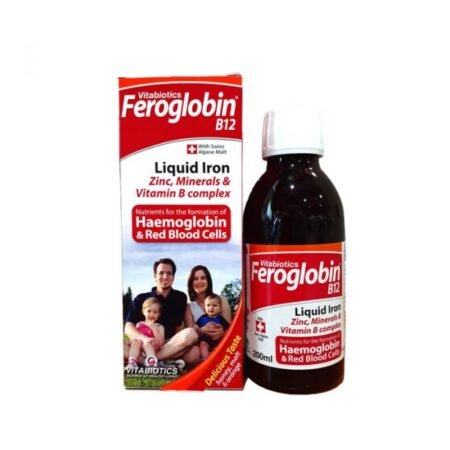
  • Iron Supplements in Kenya: Best Types, Uses, Dosage and Safety Guide (2026)

    Iron Supplements in Kenya: Best Types, Uses, Dosage and Safety Guide (2026)

    Iron deficiency is one of the most common nutritional concerns affecting women, children, pregnant mothers, and people experiencing ongoing fatigue in Kenya. Low iron levels can reduce the body’s ability to produce enough healthy red blood cells, leading to iron deficiency anaemia.

    Many patients visit pharmacies in Nairobi, Rongai, Ngong, Karen, Lang’ata, Kilimani, and Westlands asking whether they need iron tablets, which type absorbs best, and how to avoid common side effects such as constipation.

    However, choosing the right iron supplement is not only about buying the strongest tablet. The best option depends on your iron levels, dietary intake, medical history, pregnancy status, and advice from a qualified healthcare professional.

    This expert guide explains the best iron supplements in Kenya, the differences between iron forms, when they are commonly used, how to take them correctly, and what pharmacists recommend for safer supplementation.

    What Are Iron Supplements and Why Are They Important?

    Iron supplements are medicines or nutritional products designed to increase iron levels when dietary intake is not enough. They help the body produce haemoglobin, the protein responsible for carrying oxygen in the blood.

    Iron is an essential mineral needed for:

    • Red blood cell production
    • Oxygen transport
    • Energy levels
    • Normal immune function
    • Healthy pregnancy development
    • Brain development in children

    When iron levels are low, the body may struggle to deliver enough oxygen to tissues, resulting in symptoms such as:

    • Persistent tiredness
    • Weakness
    • Shortness of breath during activity
    • Dizziness
    • Pale skin
    • Poor concentration

    Patients can explore general wellness products through the Our Mall Pharmacy supplements category and vitamins and supplements section.

    Why Are Iron Supplements Commonly Used in Kenya?

    Iron supplements are commonly used in Kenya to manage iron deficiency caused by factors such as heavy menstrual bleeding, pregnancy-related increased iron needs, poor dietary intake, and certain medical conditions.

    Common situations where healthcare providers may recommend iron supplementation include:

    1. Heavy Periods

    Women experiencing heavy menstrual bleeding may lose more iron than they replace through food.

    Common signs include:

    • Long menstrual periods
    • Frequent changing of sanitary products
    • Feeling unusually tired during or after periods
    • Weakness

    Many women in Nairobi pharmacies ask about iron supplements after experiencing fatigue linked to heavy monthly bleeding.

    2. Pregnancy

    Pregnancy increases the body’s demand for iron because the mother needs to support increased blood volume and the baby’s growth. Pregnant women should only use iron supplements according to guidance from healthcare providers.

    During pregnancy, insufficient iron may increase the risk of iron deficiency anaemia.

    Pregnant mothers should discuss supplementation with:

    • Doctors
    • Antenatal clinics
    • Qualified pharmacists

    For pregnancy and baby-related healthcare products, visit the Mother and Baby healthcare section.

    3. Fatigue and Low Energy

    Fatigue can sometimes be linked to iron deficiency, but tiredness can have many causes. Testing and professional advice help identify whether iron supplementation is appropriate.

    Not every case of tiredness requires iron tablets.

    Fatigue may also result from:

    • Poor sleep
    • Stress
    • Infections
    • Vitamin deficiencies
    • Thyroid conditions
    • Lifestyle factors

    Which Iron Supplement Forms Absorb Best in Kenya?

    Different iron supplements have different absorption rates, tolerability, and side effects. Ferrous salts are commonly used because they are effective and affordable, while iron bisglycinate is often preferred by some patients because it may be gentler on the stomach.

    The most common forms include:

    Iron Form Absorption Advantages Common Side Effects
    Ferrous Sulphate Good Affordable and widely available Constipation, nausea
    Ferrous Fumarate Good Higher elemental iron content Stomach discomfort
    Ferrous Gluconate Moderate Often easier to tolerate Possible digestive effects
    Iron Bisglycinate Good Gentle on stomach for some users Usually fewer digestive complaints

    The best choice depends on:

    • Severity of deficiency
    • Tolerance
    • Pregnancy requirements
    • Medical advice
    • Cost considerations

    Ferrous Salts vs Iron Bisglycinate: Which Is Better?

    Ferrous salts remain popular because they are effective and affordable, while iron bisglycinate may be suitable for people who experience digestive discomfort from traditional iron tablets. The right choice depends on individual needs and pharmacist or doctor recommendations.

    Comparison Table

    Feature Ferrous Salts Iron Bisglycinate
    Common types Sulphate, fumarate, gluconate Chelated iron
    Cost Usually lower Often higher
    Effectiveness Proven for iron deficiency Effective option
    Stomach tolerance May cause more constipation Often gentler
    Availability in Kenya Widely available Available in selected products

    Patients looking for supplements can also explore the all products section or speak with a pharmacist before choosing a product.

    How Should You Take Iron Supplements Correctly?

    Iron supplements work best when taken according to dosage instructions and timing recommendations. Taking iron with vitamin C may improve absorption, while certain foods and medicines can reduce absorption.

    Tips for Better Iron Absorption

    Take With Vitamin C

    Vitamin C can help the body absorb iron.

    Examples:

    • Orange juice
    • Citrus fruits
    • Vitamin C supplements

    Avoid Taking Iron Together With:

    • Tea
    • Coffee
    • Calcium supplements
    • Some dairy products

    These may reduce absorption.

    Follow Recommended Dosage

    Do not increase your dose because you feel tired.

    Too much iron can cause:

    • Stomach problems
    • Toxicity risks
    • Unnecessary side effects

    Iron Supplement Medication Guide

    The table below provides examples of commonly used iron supplement categories. Actual dosage depends on age, health condition, pregnancy status, and healthcare advice.

    Product Category Main Ingredient Common Use Typical Guidance Availability
    Iron tablets Ferrous sulphate/fumarate Iron deficiency As prescribed or pharmacist advised Pharmacy
    Prenatal iron supplements Iron + vitamins Pregnancy support According to antenatal guidance Pharmacy
    Iron syrups Liquid iron preparations Children or adults needing liquid form Based on age and weight Pharmacy
    Multivitamins with iron Vitamins + iron Nutritional support Follow product instructions Pharmacy

    How Can You Reduce Constipation From iron supplements in Kenya

    Constipation is one of the most common complaints with iron tablets, especially traditional ferrous salts. Increasing fluids, fibre intake, and discussing alternative formulations with a pharmacist can help.

    Practical tips include:

    • Drink enough water
    • Eat fibre-rich foods
    • Stay physically active
    • Avoid taking more than recommended
    • Ask about gentler iron formulations

    Common fibre sources include:

    • Vegetables
    • Fruits
    • Whole grains
    • Beans

    Real Pharmacy Insights: Iron Supplement Requests in Nairobi

    Pharmacists in Nairobi commonly receive questions about iron tablets from pregnant women, women experiencing heavy periods, and patients experiencing unexplained tiredness. Many customers first seek supplements before confirming whether iron deficiency is the actual cause.

    Common pharmacy conversations include:

    • “Which iron tablet is best during pregnancy?”
    • “Why do iron tablets make me constipated?”
    • “Can iron increase my energy?”
    • “How long should I take iron supplements in Kenya?”

    In Nairobi, increased awareness about wellness and preventive healthcare has encouraged more patients to seek professional advice before choosing supplements.

    Cold mornings and busy lifestyles in areas such as Rongai and Ngong can also increase complaints of fatigue, although fatigue is not always caused by low iron.

    Can You Take iron supplements in Kenya Without a Blood Test?

    Some people may take iron supplements in Kenya based on healthcare advice, but unnecessary iron supplementation can be inappropriate. Blood tests help confirm iron deficiency and determine the correct treatment approach.

    Healthcare providers may recommend tests such as:

    • Full blood count (FBC)
    • Haemoglobin level
    • Ferritin test

    Testing is especially important for:

    • Men with unexplained fatigue
    • Children
    • Pregnant women
    • People with ongoing symptoms

    Safety Tips When Using Iron Supplements

    Iron supplements should be taken responsibly because excessive iron intake can cause health problems. Always follow instructions from healthcare professionals and keep supplements away from children.

    Important safety measures:

    • Do not share supplements.
    • Keep away from children.
    • Follow recommended doses.
    • Inform your pharmacist about other medicines.
    • Seek medical advice if symptoms continue.

    For chronic health support, visit the chronic care section.

    Frequently Asked Questions About Iron Supplements in Kenya

    What are the best iron supplements in Kenya?

    The best iron supplement depends on your iron levels, health condition, and tolerance. Ferrous sulphate, ferrous fumarate, and iron bisglycinate are commonly used options.

    How much do iron supplements cost in Kenya?

    The cost varies depending on the brand, formulation, dosage, and pack size. A pharmacist can help identify suitable options based on your needs and budget.

    Can iron supplements help with tiredness?

    iron supplements in Kenya may improve tiredness caused by iron deficiency, but fatigue can have many causes. Professional assessment is recommended before starting treatment.

    Can pregnant women take iron supplements in Kenya?

    Yes, iron supplementation is commonly recommended during pregnancy when appropriate, but pregnant women should follow guidance from their healthcare provider.

    Why do iron tablets cause constipation?

    Iron can slow digestion in some people, causing constipation. Adjusting the formulation, improving fibre intake, and drinking enough water may help.

    Can I take iron supplements with tea?

    Tea can reduce iron absorption because compounds in tea may interfere with iron uptake. It is better to separate tea consumption from iron supplements in Kenya.

    How long does it take iron supplements in Kenya to work?

    Improvement depends on the severity of deficiency and individual response. Healthcare providers usually monitor progress through symptoms and blood tests where needed.

    Conclusion

    Iron supplements in Kenya are widely used for managing iron deficiency linked to heavy periods, pregnancy, nutritional gaps, and certain medical conditions. However, choosing the correct iron type and dosage is important for effectiveness and safety.

    Ferrous salts remain common because they are affordable and effective, while iron bisglycinate may be preferred by some patients who experience digestive discomfort. Taking iron correctly, combining it with vitamin C where appropriate, and seeking pharmacist guidance can improve results.

    Whether you are in Nairobi, Rongai, Ngong, Karen, Kilimani, Westlands, or surrounding areas, professional advice helps ensure you choose the right supplement for your health needs.

    Contact Our Mall Pharmacy

    Call Us: +254 722 390 003

    Mon-Sat 9AM-8PM, Sun 10:30AM-6PM

    WhatsApp: Chat with a Pharmacist (Instant responses)

    Email: ourmallpharmacy@gmail.com

    (We reply within 2 hours)

    Visit Us:

    Our Mall, Off Magadi Rd, Avocado Lane, Ground Floor (Shop No. 22)

    Mon-Sat 9AM-8PM, Sun 10:30AM-6PM

  • Best Treatment for Fungal Skin Infections in Kenya 2026:Guide to Ringworm, Athlete’s Foot and Jock Itch | Our Mall Pharmacy

    Best Treatment for Fungal Skin Infections in Kenya 2026:Guide to Ringworm, Athlete’s Foot and Jock Itch | Our Mall Pharmacy

    Fungal skin infections are among the most common skin conditions seen in pharmacies across Kenya. The country’s warm temperatures, humid coastal regions, frequent sweating, and active lifestyles create conditions where fungi can easily grow on the skin.

    If you’re searching for information about fungal skin infections in Kenya, understanding the type of infection is essential because ringworm, athlete’s foot, and jock itch affect different parts of the body and may require different treatment approaches. Although these infections are usually manageable, delaying treatment can allow them to spread or recur.

    At Our Mall Pharmacy, pharmacists regularly assist customers with questions such as:

    • Is this ringworm or eczema?
    • Why does my athlete’s foot keep coming back?
    • Which antifungal cream works best?
    • How long does treatment take?
    • When should I see a doctor?

    This guide explains the most common fungal skin infections, how to recognise their symptoms, available treatments, prevention strategies, and when professional medical assessment is recommended.

    Explore our First Aid & Skin Care products:

    first-aid


    What Are Fungal Skin Infections?

    Fungal skin infections are infections caused by microscopic fungi that grow on the outer layers of the skin, particularly in warm, moist areas of the body. Most respond well to appropriate antifungal treatment when diagnosed early.

    Common fungal skin infections include:

    • Ringworm (Tinea corporis)
    • Athlete’s foot (Tinea pedis)
    • Jock itch (Tinea cruris)

    These infections are contagious and may spread through:

    • Skin-to-skin contact
    • Shared towels
    • Shared clothing
    • Gym equipment
    • Damp floors
    • Contaminated footwear

    Why Are Fungal Infections Common in Kenya?

    Kenya’s warm climate, sweating, humidity, and frequent use of enclosed footwear create conditions that allow fungi to thrive. Keeping the skin clean and dry helps reduce the risk of infection.

    Risk factors include:

    • Hot weather
    • Heavy sweating
    • Tight clothing
    • Shared changing rooms
    • Poorly ventilated shoes
    • Diabetes
    • Reduced immunity

    Along Kenya’s coastal regions such as Mombasa, higher humidity can increase the likelihood of fungal infections. In Nairobi and surrounding areas including Rongai, Ngong, Karen, Kilimani, Lang’ata, and Westlands, pharmacists commonly see more cases during warmer months and among people who exercise regularly.


    What Is Ringworm?

    Ringworm is a fungal skin infection that causes a circular, itchy rash with a raised edge and clearer skin in the centre. Despite its name, it is not caused by a worm.

    Common symptoms include:

    • Circular rash
    • Itching
    • Scaly skin
    • Raised border
    • Gradually enlarging patches

    Ringworm may affect:

    • Arms
    • Legs
    • Face
    • Neck
    • Trunk

    Early treatment helps prevent the infection from spreading to other areas or other people.


    What Is Athlete’s Foot?

    Athlete’s foot is a fungal infection that usually affects the skin between the toes, causing itching, peeling, cracking, and redness. It commonly develops in warm, moist environments.

    Typical symptoms include:

    • Itching between the toes
    • Peeling skin
    • Burning sensation
    • Cracked skin
    • Unpleasant odour

    People who frequently wear closed shoes or participate in sports may have a higher risk of developing athlete’s foot.


    What Is Jock Itch?

    Jock itch is a fungal infection that affects the groin and inner thighs, causing an itchy, red rash that often spreads outward with a defined border.

    It is more common among:

    • Athletes
    • People who sweat heavily
    • Individuals wearing tight clothing
    • People living in hot climates

    Keeping the affected area dry is an important part of treatment.


    Ringworm vs Eczema: How Can You Tell the Difference?

    Ringworm usually has a well-defined circular border and is caused by a fungal infection, while eczema is an inflammatory skin condition that is not contagious. Because they can appear similar, professional assessment may sometimes be needed.

    Feature Ringworm Eczema
    Cause Fungal infection Inflammatory skin condition
    Shape Circular Often irregular
    Border Raised and well defined Less distinct
    Contagious Yes No
    Typical treatment Antifungal medication Moisturisers and other eczema treatments

    Using steroid creams alone on fungal infections may worsen the condition by masking symptoms without treating the underlying fungus.


    How Are Fungal Skin Infections Treated?

    Most mild fungal skin infections improve with topical antifungal medicines when used correctly and for the full recommended treatment period. More severe or widespread infections may require medical assessment and prescription treatment.

    Treatment may include:

    • Antifungal creams
    • Antifungal sprays
    • Antifungal powders
    • Oral antifungal medicines (when prescribed)

    Pharmacists can help recommend suitable over-the-counter antifungal products for uncomplicated cases and advise when medical review is necessary.


    Real Pharmacy Experience: Common Questions From Kenyan Customers

    Pharmacists frequently see customers who stop antifungal treatment too early because the rash looks better after a few days. Completing the recommended course is important to reduce the risk of recurrence.

    Common questions include:

    • “Can I stop using the cream once the itching disappears?”
    • “Why has my ringworm come back?”
    • “Can I use steroid cream instead?”
    • “Can fungal infections spread to family members?”
    • “How do I disinfect my shoes?”

    Many recurrent infections are linked to incomplete treatment or reinfection from contaminated clothing, towels, or footwear.


    How to Treat Fungal Skin Infections at Home

    Most mild fungal skin infections improve with appropriate antifungal treatment, good hygiene, and keeping the affected area clean and dry. Complete the full course of treatment even if symptoms improve early to reduce the risk of recurrence.

    Step 1: Wash the Area Daily

    Use clean water and a mild soap.

    Gently dry the skin, paying particular attention to skin folds and areas between the toes.


    Step 2: Apply the Antifungal Medicine Correctly

    Apply the medicine as directed on the product label or by your pharmacist.

    Continue treatment for the recommended duration, even if the rash appears to have cleared.


    Step 3: Keep the Area Dry

    Fungi thrive in warm, moist environments.

    Wear breathable clothing and change damp clothing promptly after exercise or heavy sweating.


    Step 4: Avoid Sharing Personal Items

    Do not share:

    • Towels
    • Socks
    • Shoes
    • Clothing
    • Sports equipment that comes into direct skin contact

    This helps reduce transmission to others.


    Step 5: Wash Clothing Regularly

    Wash towels, socks, underwear, and sportswear frequently, especially while undergoing treatment.

    Allow shoes to dry completely before wearing them again.


    Common Medicines Used for Fungal Skin Infections

    Several topical antifungal medicines are available in Kenya for uncomplicated fungal skin infections. The choice depends on the type, location, and severity of the infection.

    Medication Category Common Uses Typical Availability
    Clotrimazole Antifungal Ringworm, athlete’s foot, jock itch Over the counter
    Terbinafine Antifungal Athlete’s foot, ringworm Over the counter
    Miconazole Antifungal Skin fungal infections Over the counter
    Ketoconazole Antifungal Certain fungal skin infections Over the counter or prescription depending on formulation

    Always follow the product instructions and seek medical advice if symptoms worsen or fail to improve.


    Medication Safety Table

    Medication Category Typical Use Frequency Availability
    Clotrimazole Antifungal Ringworm, athlete’s foot As directed Over the counter
    Terbinafine Antifungal Athlete’s foot, jock itch As directed Over the counter
    Miconazole Antifungal Fungal skin infections As directed Over the counter
    Oral Antifungals Prescription medicine Extensive or severe infections Doctor directed Prescription only

    The Pharmacy and Poisons Board (Kenya) recommends purchasing medicines from licensed pharmacies to help ensure product quality and authenticity.


    Common Mistakes That Delay Healing

    Many fungal skin infections recur because treatment is stopped too soon or preventive measures are overlooked. Addressing the environment as well as the infection improves the chances of complete recovery.

    1. Stopping Treatment Too Early

    The rash may improve before the fungus has been fully eliminated.


    2. Using Steroid Cream Alone

    Steroid creams can reduce redness while allowing the fungal infection to continue spreading underneath.


    3. Wearing Damp Shoes

    Moist footwear encourages fungal growth, especially with athlete’s foot.


    4. Reusing Unwashed Towels

    Contaminated towels can contribute to reinfection and transmission.


    5. Ignoring Family Transmission

    Some fungal infections spread easily within households through shared personal items.


    Preventing Fungal Skin Infections in Kenya

    Simple hygiene practices and moisture control significantly reduce the risk of fungal skin infections, particularly in Kenya’s warm climate.

    Helpful prevention measures include:

    • Dry skin thoroughly after bathing.
    • Change socks daily.
    • Wear breathable footwear.
    • Avoid walking barefoot in public showers or changing rooms.
    • Wear loose-fitting clothing where appropriate.
    • Wash gym clothing after each use.
    • Do not share towels or personal grooming items.

    Along Kenya’s coast, where humidity is higher, extra attention to keeping the skin dry can further reduce fungal growth.


    Real Pharmacy Experience: Common Cases Seen in Kenya

    Pharmacists regularly assist customers with recurrent fungal infections that often result from incomplete treatment or reinfection rather than medicine failure.

    Common situations include:

    • Athletes with persistent athlete’s foot.
    • School-going children with ringworm.
    • Office workers developing fungal infections due to prolonged use of closed shoes.
    • Adults experiencing recurrent jock itch during hot weather.
    • Customers accidentally treating fungal infections with steroid creams instead of antifungal medicines.

    These experiences highlight the importance of using the correct treatment and completing the recommended course.


    Frequently Asked Questions (FAQs)

    What are the most common fungal skin infections in Kenya?

    Ringworm, athlete’s foot, and jock itch are among the most common fungal skin infections treated in Kenyan pharmacies.


    How can I tell if I have ringworm?

    Ringworm often appears as a circular, itchy rash with a raised edge and clearer skin in the centre. A healthcare professional can confirm the diagnosis if the appearance is unclear.


    How long does antifungal treatment take?

    Many mild fungal skin infections improve within a few weeks when treated correctly, but treatment should continue for the full recommended duration even after symptoms improve.


    Can fungal skin infections spread?

    Yes. Fungal infections can spread through direct skin contact or by sharing towels, clothing, shoes, and other personal items.


    Can I use steroid cream for ringworm?

    Steroid cream alone is generally not recommended for fungal infections because it may mask symptoms while allowing the infection to persist or worsen.


    Why does my athlete’s foot keep coming back?

    Recurrence may occur if treatment is stopped too early, shoes remain damp, or contaminated footwear and towels are not cleaned properly.


    When should I see a doctor?

    Seek medical assessment if the infection is widespread, repeatedly returns, affects the scalp or nails, or does not improve with appropriate treatment.


    Where can I buy antifungal medicines in Kenya?

    Purchase antifungal medicines from licensed pharmacies where pharmacists can help you choose an appropriate product and explain its correct use.


    Related Resources

    Learn more and explore available healthcare products:


    Contact Our Mall Pharmacy

    Call Us: +254 722 390 003

    Mon-Sat 9AM–8PM, Sun 10:30AM–6PM

    WhatsApp: Chat with a Pharmacist (Instant responses)

    Email: ourmallpharmacy@gmail.com

    (We reply within 2 hours)

    Visit Us:
    Our Mall, Off Magadi Rd, Avocado Lane, Ground Floor (Shop No. 22)

    Mon-Sat 9AM–8PM, Sun 10:30AM–6PM


    Final Takeaway

    Fungal skin infections in Kenya are common because warm temperatures, sweating, and humidity create ideal conditions for fungi to grow. Ringworm, athlete’s foot, and jock itch usually respond well to appropriate antifungal treatment, but successful recovery also depends on completing the recommended course, maintaining good hygiene, and keeping affected areas dry. Recognising the difference between fungal infections and conditions such as eczema is equally important to ensure the right treatment is used.

    At Our Mall Pharmacy, our pharmacists can help you identify suitable over-the-counter antifungal products, explain how to use them correctly, and advise when a fungal skin infection should be assessed by a doctor.

  • Best Retinol in Kenya 2026: Beginner’s Guide to Using Retinol Without Irritation | Our Mall Pharmacy

    Best Retinol in Kenya 2026: Beginner’s Guide to Using Retinol Without Irritation | Our Mall Pharmacy

    Retinol has become one of the most popular skincare ingredients worldwide, and demand continues to grow in Kenya as more people look for effective ways to improve acne, uneven skin tone, fine lines, and overall skin texture. However, many first-time users stop using retinol because they experience redness, dryness, or peeling after introducing it too quickly.

    If you’re searching for the best retinol in Kenya, understanding how retinol works is just as important as choosing the right product. Starting with the correct strength, using it gradually, and protecting your skin with sunscreen can help minimise irritation while allowing your skin to adjust.

    At Our Mall Pharmacy, pharmacists regularly answer questions such as:

    • Which retinol strength should beginners choose?
    • Can I use retinol every night?
    • Why is my skin peeling?
    • Can I combine retinol with vitamin C?
    • Do I need sunscreen if I only use retinol at night?

    This guide explains how retinol works, how to introduce it safely into your skincare routine, and how to reduce common side effects while achieving healthier-looking skin.

    Explore our Beauty & Skincare collection:

    beauty-skincare


    What Is Retinol?

    Retinol is a vitamin A derivative commonly used in skincare to improve skin cell turnover, helping address acne, uneven skin texture, fine lines, and pigmentation over time. Consistent use and gradual introduction are important for the best results.

    Retinol belongs to a family of ingredients called retinoids.

    It works by encouraging:

    • Faster skin renewal
    • Improved skin texture
    • Reduced clogged pores
    • Smoother-looking skin
    • More even skin tone

    Unlike instant skincare treatments, retinol requires patience. Visible improvements often develop over several weeks or months of consistent use.


    What Skin Concerns Can Retinol Help With?

    Retinol is commonly used to improve acne, post-acne marks, uneven skin tone, fine lines, and rough skin texture. Individual results vary depending on skin type, product strength, and consistency of use.

    Retinol may be included in routines targeting:

    • Mild acne
    • Blackheads
    • Uneven pigmentation
    • Fine lines
    • Sun-damaged skin
    • Rough texture

    For severe acne or significant skin conditions, a dermatologist may recommend stronger prescription retinoids.


    Why Do People Experience Retinol Irritation?

    Retinol speeds up skin cell turnover, which can temporarily lead to dryness, redness, peeling, or mild irritation while the skin adjusts. This adjustment period is often referred to as “retinization.”

    Common early side effects include:

    • Dryness
    • Tightness
    • Mild peeling
    • Temporary redness
    • Increased sensitivity

    These effects are often reduced by introducing retinol gradually and using moisturiser regularly.


    Which Retinol Strength Should Beginners Choose?

    Beginners are generally advised to start with a lower-strength retinol product and increase frequency gradually as their skin builds tolerance. The most suitable strength depends on individual skin sensitivity and skincare goals.

    Many skincare products are available in different strengths, allowing users to start slowly.

    A gradual approach often helps reduce irritation and improve long-term consistency.


    What Is Buffering?

    Buffering means applying moisturiser before or together with retinol to reduce irritation while allowing the skin to gradually adapt. Many beginners find buffering helpful during the first few weeks of retinol use.

    A common buffering approach involves:

    1. Gentle cleanser
    2. Moisturiser
    3. Retinol
    4. Additional moisturiser if needed

    Not every user needs buffering, but it can improve comfort for sensitive skin.


    How Often Should You Use Retinol?

    Most beginners should start by using retinol two to three nights per week before gradually increasing frequency if their skin tolerates it well. Daily use is not necessary when starting.

    A gradual schedule may look like:

    • Week 1–2: Twice weekly
    • Week 3–4: Three times weekly
    • Later: Increase gradually if appropriate

    If irritation becomes significant, reduce frequency and allow the skin to recover.


    Why Is Sunscreen Essential When Using Retinol?

    Daily sunscreen is essential when using retinol because retinol can increase the skin’s sensitivity to ultraviolet (UV) radiation. Broad-spectrum sunscreen helps protect the skin and supports better treatment outcomes.

    Kenya’s equatorial location means UV exposure remains high throughout the year.

    In Nairobi, Rongai, Karen, Ngong, Lang’ata, Kilimani, and Westlands, pharmacists regularly remind customers that sunscreen is an important part of every retinol routine.

    Broad-spectrum SPF 30 or higher is commonly recommended for daily use.


    Real Pharmacy Experience: Common Questions From Kenyan Customers

    Pharmacists frequently help customers who stop using retinol too soon because they mistake normal adjustment for an allergic reaction or expect overnight results.

    Common questions include:

    • “Why is my skin peeling?”
    • “Can I use retinol every night?”
    • “Should I stop if my skin feels dry?”
    • “Can I use retinol around my eyes?”
    • “How long before I see results?”

    Most customers achieve better outcomes when they start slowly, moisturise consistently, and wear sunscreen every day.

    Step-by-Step Beginner Retinol Routine

    A beginner retinol routine should focus on gradual introduction, hydration, and daily sun protection. Starting slowly allows your skin to adapt while reducing the likelihood of excessive irritation.

    Step 1: Cleanse Gently

    Wash your face with a mild, non-stripping cleanser.

    Avoid harsh scrubs that may further irritate the skin.


    Step 2: Apply Moisturiser

    If you have sensitive skin, apply moisturiser before retinol (buffering).

    For less sensitive skin, moisturiser can be applied after retinol if preferred.


    Step 3: Apply a Small Amount of Retinol

    Use only a pea-sized amount for the entire face.

    Avoid:

    • Eyelids
    • Lips
    • Corners of the nose
    • Broken or irritated skin

    Step 4: Moisturise Again (Optional)

    If your skin feels dry, a second layer of moisturiser may improve comfort.


    Step 5: Wear Sunscreen Every Morning

    Broad-spectrum sunscreen with SPF 30 or higher should be used every day.

    This step is particularly important in Kenya, where UV exposure remains high throughout the year.


    Ingredients You Should Avoid Mixing With Retinol

    Some skincare ingredients may increase irritation when used alongside retinol. Introducing products gradually and alternating certain actives can help maintain a healthy skin barrier.

    Use caution when combining retinol with:

    • Strong exfoliating acids (AHAs)
    • Salicylic acid (if used in the same routine)
    • Benzoyl peroxide (depending on product guidance)
    • Physical facial scrubs
    • Alcohol-heavy skincare products

    Many people alternate these products on different evenings instead of layering them together.

    If you’re unsure how to combine skincare ingredients, consult a pharmacist or dermatologist.


    Common Retinol Mistakes

    Many people stop using retinol because they introduce it too quickly or use more product than necessary. Consistency and patience usually produce better results than frequent application.

    1. Starting With a High Strength

    Beginners often tolerate lower strengths better.


    2. Applying Too Much

    A pea-sized amount is usually enough for the entire face.

    Using more does not make retinol work faster.


    3. Using It Every Night Immediately

    Gradually increasing frequency helps reduce dryness and irritation.


    4. Skipping Moisturiser

    Moisturiser helps maintain the skin barrier and reduces discomfort.


    5. Forgetting Sunscreen

    Without daily sun protection, retinol-treated skin is more vulnerable to UV damage.


    Retinol Comparison Table

    Retinol products vary in strength and formulation. Beginners generally benefit from lower-strength products before progressing to stronger formulations if needed.

    Feature Beginner Retinol Intermediate Retinol
    Skin tolerance Easier to adjust Requires established tolerance
    Frequency 2–3 nights weekly More frequent if tolerated
    Dryness risk Lower Higher
    Suitable for first-time users Yes Usually after adjustment

    The best strength depends on your skin type and skincare goals.


    Medication and Skincare Safety Table

    Product Role in Routine Important Advice
    Gentle Cleanser Cleans skin Avoid harsh soaps
    Retinol Improves skin renewal Use gradually
    Moisturiser Supports skin barrier Apply daily
    Broad-spectrum Sunscreen UV protection Essential every morning
    Hydrating Serum Optional support May improve comfort

    Always follow product instructions and discontinue use if severe irritation develops.


    Real Pharmacy Experience: What Customers in Kenya Ask

    Pharmacists frequently advise customers that retinol requires patience and should not be judged after only a few applications.

    Common questions include:

    “How long before retinol works?”

    Visible improvements often require several weeks or months of consistent use.


    “Can I use retinol around my eyes?”

    Only use products according to the manufacturer’s directions. Some retinol formulations are specifically designed for the eye area, while others are not.


    “Can I use vitamin C with retinol?”

    Many people use both ingredients, but often at different times of the day or on alternating routines to reduce irritation.


    “Should I stop if my skin peels?”

    Mild peeling may occur during the adjustment period. Persistent or severe irritation should be assessed by a healthcare professional.


    Frequently Asked Questions (FAQs)

    What is the best retinol in Kenya?

    The best retinol depends on your skin type, skincare goals, and previous experience with retinoids. Beginners usually benefit from starting with lower-strength formulations.


    Can beginners use retinol?

    Yes. Beginners should introduce retinol gradually, use moisturiser regularly, and wear sunscreen every morning to minimise irritation.


    Why does retinol cause peeling?

    Retinol increases skin cell turnover, which may temporarily lead to dryness or peeling while the skin adjusts.


    How often should I use retinol?

    Most beginners start with two to three nights per week and increase gradually if their skin tolerates it well.


    Can I use retinol every night?

    Some experienced users may eventually tolerate nightly use, but beginners should increase frequency slowly based on skin response.


    Do I need sunscreen while using retinol?

    Yes. Daily broad-spectrum sunscreen is essential because retinol increases the skin’s sensitivity to ultraviolet (UV) rays.


    Can I use retinol with salicylic acid?

    Some routines include both ingredients, but they are often alternated to reduce irritation. If unsure, seek advice from a pharmacist or dermatologist.


    Where can I buy retinol in Kenya?

    Retinol products are available from licensed pharmacies and reputable skincare retailers. Buying from a trusted pharmacy helps ensure you receive genuine products and appropriate guidance.


    Related Resources

    Explore more skincare and wellness products:


    Contact Our Mall Pharmacy

    Call Us: +254 722 390 003

    Mon-Sat 9AM–8PM, Sun 10:30AM–6PM

    WhatsApp: Chat with a Pharmacist (Instant responses)

    Email: ourmallpharmacy@gmail.com

    (We reply within 2 hours)

    Visit Us:
    Our Mall, Off Magadi Rd, Avocado Lane, Ground Floor (Shop No. 22)

    Mon-Sat 9AM–8PM, Sun 10:30AM–6PM


    Final Takeaway

    Starting retinol in Kenya doesn’t have to be intimidating. By choosing an appropriate strength, introducing it gradually, using a moisturiser to support your skin barrier, and applying broad-spectrum sunscreen every day, you can minimise irritation while giving your skin the opportunity to adapt. Consistency, rather than speed, is the key to achieving long-term improvements in acne, skin texture, and signs of ageing.

    At Our Mall Pharmacy, our pharmacists can help you choose genuine retinol products, explain how to build a beginner-friendly skincare routine, and guide you on combining retinol safely with other skincare ingredients.

  • Best Acne Products in Kenya: Ultimate Salicylic Acid vs Benzoyl Peroxide vs Adapalene Guide (2026)

    Best Acne Products in Kenya: Ultimate Salicylic Acid vs Benzoyl Peroxide vs Adapalene Guide (2026)

    Acne affects teenagers and adults alike, making it one of the most common skin concerns seen in pharmacies across Kenya. From occasional pimples to persistent breakouts, choosing the right treatment can be confusing because many products contain different active ingredients that work in different ways.

    If you’re searching for the best acne products in Kenya, you’ve likely come across ingredients such as salicylic acid, benzoyl peroxide, and adapalene. Each treats acne differently, and understanding these differences can help you build an effective skincare routine while avoiding unnecessary irritation.

    At Our Mall Pharmacy, pharmacists regularly help customers compare acne treatments and answer questions such as:

    • Which acne product works fastest?
    • Should I choose salicylic acid or benzoyl peroxide?
    • Is adapalene suitable for beginners?
    • Can I combine acne products?
    • When should I see a dermatologist?

    This guide explains how the three most common acne ingredients work, who they are suitable for, their benefits, possible side effects, and how to choose the right option for your skin.

    Explore our Beauty & Skincare collection:

    beauty-skincare


    What Causes Acne?

    Acne develops when hair follicles become blocked with excess oil, dead skin cells, and bacteria. Hormonal changes, genetics, stress, and skincare habits can all contribute to breakouts.

    Several factors often work together, including:

    • Excess oil (sebum) production
    • Dead skin buildup
    • Acne-causing bacteria
    • Hormonal fluctuations
    • Family history
    • Certain cosmetics
    • Friction from helmets or masks

    In Nairobi and surrounding areas such as Rongai, Ngong, Karen, Kilimani, Lang’ata, and Westlands, pharmacists often see acne flare-ups during hot weather when increased sweating and oil production may contribute to clogged pores.


    What Are the Main Types of Acne Products?

    Most acne treatments work by reducing excess oil, unclogging pores, fighting acne-causing bacteria, or improving skin cell turnover. Different ingredients target different causes of acne.

    The three most widely used active ingredients include:

    • Salicylic acid
    • Benzoyl peroxide
    • Adapalene

    Each has a different role in acne management.


    What Is Salicylic Acid?

    Salicylic acid is a beta hydroxy acid (BHA) that helps unclog pores by removing excess oil and dead skin cells. It is commonly used for blackheads, whiteheads, and mild acne.

    Benefits include:

    • Exfoliates inside pores
    • Helps reduce blackheads
    • Helps reduce whiteheads
    • Controls excess oil
    • Suitable for oily skin

    Salicylic acid is commonly found in:

    • Cleansers
    • Toners
    • Serums
    • Spot treatments

    What Is Benzoyl Peroxide?

    Benzoyl peroxide helps reduce acne by killing acne-causing bacteria and reducing inflammation. It is often recommended for inflamed pimples and moderate acne.

    Potential benefits include:

    • Reduces acne-causing bacteria
    • Helps inflamed pimples heal
    • Reduces redness
    • Helps prevent new breakouts

    It is available in different strengths, and pharmacists can help explain which concentration may be appropriate.


    What Is Adapalene?

    Adapalene is a topical retinoid that helps prevent clogged pores by increasing skin cell turnover. It is commonly used for persistent acne and helps prevent new blemishes from forming.

    Benefits include:

    • Prevents clogged pores
    • Helps reduce blackheads
    • Improves skin texture
    • Supports long-term acne control

    Results often take several weeks, making consistency important.


    Salicylic Acid vs Benzoyl Peroxide vs Adapalene

    The best acne ingredient depends on your skin type, acne severity, and treatment goals. Some people benefit from using more than one ingredient under professional guidance.

    Feature Salicylic Acid Benzoyl Peroxide Adapalene
    Best for Blackheads & oily skin Inflamed pimples Persistent acne
    Main action Unclogs pores Reduces acne bacteria Normalises skin cell turnover
    Daily use Often yes Depending on skin tolerance Usually introduced gradually
    Results Gradual Often noticeable within weeks Usually requires consistent long-term use
    May cause Dryness Dryness or bleaching of fabrics Initial irritation or dryness

    Which Acne Product Is Best for Your Skin?

    Choosing the right acne product depends on the type of acne you have, your skin sensitivity, and your overall skincare routine.

    Oily Skin

    Products containing salicylic acid may help reduce excess oil and keep pores clear.

    Inflamed Pimples

    Benzoyl peroxide may be suitable for inflammatory acne due to its antibacterial action.

    Persistent Acne

    Adapalene is commonly recommended for ongoing acne management under appropriate guidance.

    Sensitive Skin

    Introduce active ingredients gradually and use a gentle moisturiser alongside acne treatments.


    Real Pharmacy Experience: Common Questions From Kenyan Customers

    Pharmacists frequently help customers understand why one acne product may work better than another and how to build a routine that minimises irritation while improving results.

    Common questions include:

    • “Can I use salicylic acid every day?”
    • “Why is my skin peeling?”
    • “Should I use adapalene every night?”
    • “Can I combine benzoyl peroxide with moisturiser?”
    • “How long before acne products start working?”

    Many customers expect overnight results, but effective acne treatment usually requires consistent use over several weeks.

    Can You Use Salicylic Acid, Benzoyl Peroxide and Adapalene Together?

    Yes, some acne routines combine these ingredients, but they should be introduced carefully to minimise irritation. If you have sensitive skin or moderate to severe acne, seek advice from a pharmacist or dermatologist before combining active ingredients.

    A simple approach is to:

    • Start with one active ingredient.
    • Allow your skin to adjust.
    • Add another product gradually if needed.
    • Always use a moisturiser.
    • Apply sunscreen every morning.

    Using multiple strong acne treatments too quickly may lead to excessive dryness, redness, or peeling.


    How to Build an Effective Acne Routine

    A consistent skincare routine is often more effective than using multiple products inconsistently. Gentle cleansing, targeted treatment, moisturising, and daily sunscreen are the foundation of most acne care routines.

    Morning Routine

    1. Gentle cleanser
    2. Lightweight moisturiser
    3. Broad-spectrum sunscreen (SPF 30 or higher)

    Evening Routine

    1. Gentle cleanser
    2. Acne treatment (as directed)
    3. Moisturiser

    Avoid introducing several new products at the same time.


    Common Mistakes That Make Acne Worse

    Many acne flare-ups are caused or prolonged by incorrect skincare habits rather than ineffective products. Consistency and patience are key to seeing results.

    1. Overwashing the Face

    Washing more than twice daily may strip the skin and increase irritation.


    2. Picking Pimples

    Picking can increase inflammation and raise the risk of post-acne marks or scarring.


    3. Using Too Many Active Ingredients

    Layering several exfoliants or acne treatments at once can damage the skin barrier.


    4. Skipping Moisturiser

    Moisturising helps maintain the skin barrier, even for oily or acne-prone skin.


    5. Forgetting Sunscreen

    Some acne treatments make the skin more sensitive to sunlight. Daily sunscreen helps protect the skin and reduce post-inflammatory pigmentation.


    Step-by-Step Guide to Starting Acne Treatment

    Starting with a simple routine and introducing products gradually can help reduce irritation while allowing you to see how your skin responds.

    Step 1: Identify Your Acne Type

    Determine whether you mainly have blackheads, whiteheads, inflamed pimples, or persistent acne.

    Step 2: Choose One Active Ingredient

    Begin with one treatment appropriate for your skin concerns.

    Step 3: Moisturise Daily

    Choose a non-comedogenic moisturiser suitable for your skin type.

    Step 4: Wear Sunscreen Every Morning

    Broad-spectrum sunscreen is especially important when using acne treatments.

    Step 5: Be Patient

    Many acne treatments require several weeks of consistent use before noticeable improvement occurs.


    Acne Treatment Comparison Table

    Each active ingredient targets acne differently. The table below highlights the main differences to help you understand their roles.

    Active Ingredient Best For Common Product Types Typical Use
    Salicylic Acid Blackheads, oily skin Cleansers, toners, serums Helps unclog pores
    Benzoyl Peroxide Inflamed pimples Gels, creams, washes Helps reduce acne-causing bacteria
    Adapalene Persistent acne Gels, creams Helps prevent clogged pores

    Product selection should be based on individual skin needs and professional advice where appropriate.


    Medication Safety and Skincare Tips

    Acne treatments work best when used correctly. Always follow product instructions and avoid combining products without understanding how they interact.

    Product Type Important Advice
    Salicylic Acid Introduce gradually if you have sensitive skin
    Benzoyl Peroxide May bleach towels and clothing
    Adapalene Use consistently and avoid excessive application
    Moisturiser Helps reduce dryness and irritation
    Sunscreen Essential for daily UV protection

    If irritation becomes severe, stop using the product and seek advice from a healthcare professional.


    Real Pharmacy Experience: Acne Trends in Kenya

    Pharmacists frequently see customers who have tried multiple acne products without success because they switched treatments too quickly or used several active ingredients at once.

    Common situations include:

    • Teenagers buying harsh scrubs for inflamed acne.
    • Adults experiencing hormonal breakouts.
    • Customers treating acne marks instead of active acne.
    • People stopping treatment after only one or two weeks.
    • Individuals forgetting daily sunscreen while using retinoids.

    In Nairobi’s warm climate, increased sweating and pollution may also contribute to clogged pores, making gentle cleansing and consistent skincare important.


    Frequently Asked Questions (FAQs)

    What are the best acne products in Kenya?

    The best acne products depend on your skin type and the type of acne you have. Salicylic acid, benzoyl peroxide, and adapalene are among the most commonly used active ingredients for acne management.


    Which is better: salicylic acid or benzoyl peroxide?

    Salicylic acid is commonly used for blackheads and oily skin, while benzoyl peroxide is often preferred for inflamed pimples because of its antibacterial properties.


    Is adapalene stronger than salicylic acid?

    Adapalene works differently by helping prevent clogged pores over time. It is commonly used for persistent acne and may require several weeks before results become noticeable.


    Can I use salicylic acid every day?

    Many people can use salicylic acid daily, but frequency depends on skin tolerance and the product formulation. Start gradually if you have sensitive skin.


    How long do acne treatments take to work?

    Most acne treatments require several weeks of consistent use before significant improvement is seen. Patience and routine are important.


    Should I moisturise if I have oily skin?

    Yes. Using a lightweight, non-comedogenic moisturiser helps maintain the skin barrier and may reduce irritation from acne treatments.


    Do I need sunscreen while treating acne?

    Yes. Daily sunscreen is recommended because some acne treatments increase the skin’s sensitivity to sunlight and may worsen post-acne pigmentation if sun protection is neglected.


    Where can I buy acne products in Kenya?

    Acne products are available from licensed pharmacies and reputable skincare retailers. Purchasing from a trusted pharmacy helps ensure you receive genuine products and professional guidance.


    Related Resources

    Explore more skincare products and services:


    Contact Our Mall Pharmacy

    Call Us: +254 722 390 003

    Mon-Sat 9AM–8PM, Sun 10:30AM–6PM

    WhatsApp: Chat with a Pharmacist (Instant responses)

    Email: ourmallpharmacy@gmail.com

    (We reply within 2 hours)

    Visit Us:
    Our Mall, Off Magadi Rd, Avocado Lane, Ground Floor (Shop No. 22)

    Mon-Sat 9AM–8PM, Sun 10:30AM–6PM


    Final Takeaway

    Choosing the right acne products in Kenya starts with understanding what each active ingredient does. Salicylic acid helps unclog pores, benzoyl peroxide targets acne-causing bacteria, and adapalene helps prevent future breakouts by improving skin cell turnover. The best routine depends on your skin type, the severity of your acne, and using products consistently rather than expecting overnight results.

    At Our Mall Pharmacy, our pharmacists can help you choose genuine acne treatments, explain how to use them safely, and recommend a skincare routine tailored to your needs. Whether you’re dealing with occasional breakouts or persistent acne, we’re here to support your journey toward healthier skin.