Blog

  • Safe Guide: Dispose of Expired Medicines in Kenya (2026)

    Safe Guide: Dispose of Expired Medicines in Kenya (2026)

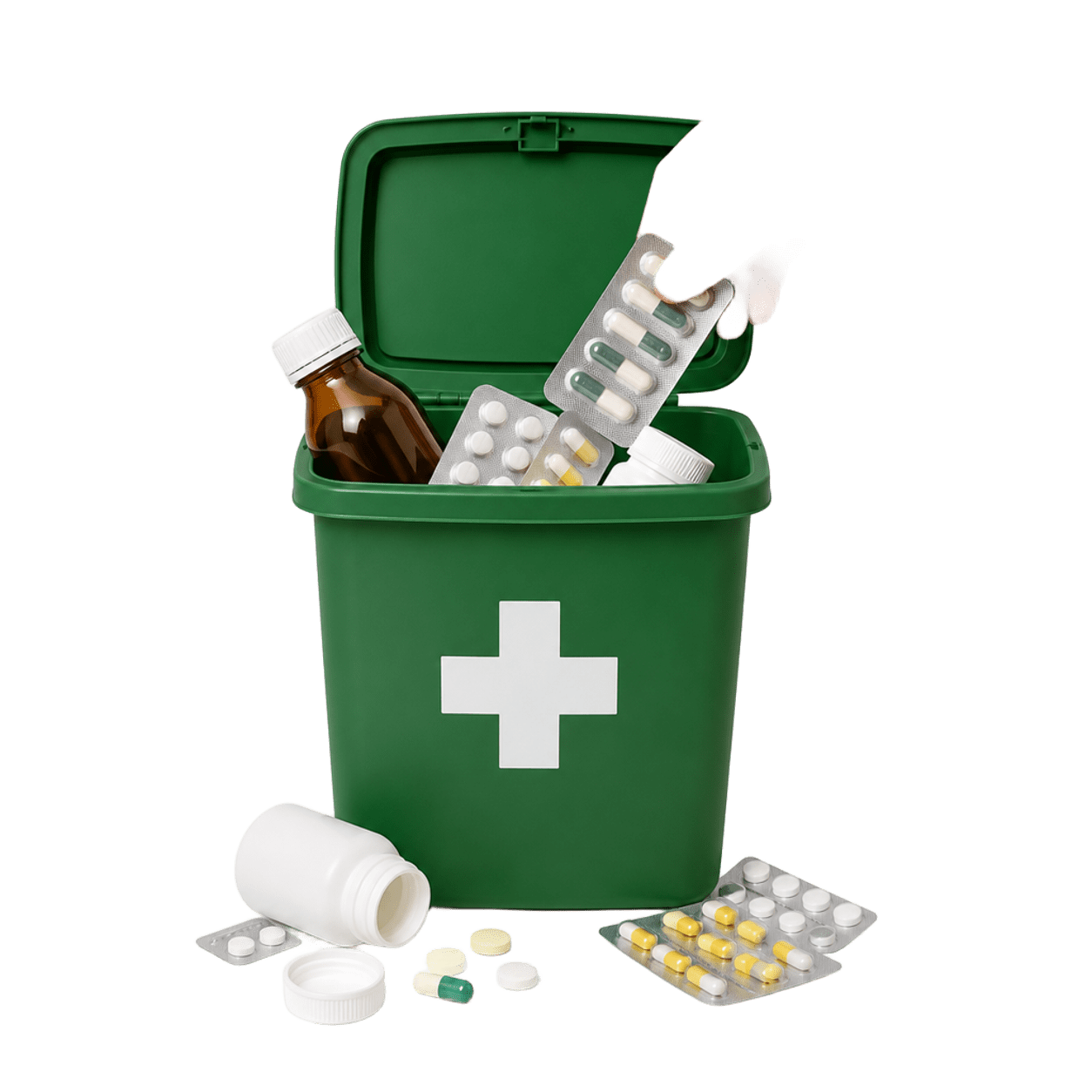
    Medicines are essential for treating illnesses, managing chronic conditions, and supporting recovery. However, many households accumulate unused, expired, or damaged medicines over time without knowing what to do with them.

    Learning how to dispose of expired medicines in Kenya helps families remove unwanted medication safely while protecting children, communities, healthcare workers, and the environment.

    Many Kenyan homes keep old medicines for emergencies, including:

    • Painkillers
    • Antibiotics
    • Cough syrups
    • Allergy medicines
    • Vitamins and supplements
    • Chronic disease medication

    Over time, these medicines may become expired, damaged by heat, or unsuitable for use.

    In Nairobi, pharmacists frequently advise patients to review their medicine cabinets because many households store old medication after recovering from illnesses. Areas such as Rongai, Ngong, Karen, Lang’ata, and Kiserian have many families who keep medicines at home for children, elderly relatives, or recurring conditions.

    Understanding how to dispose of expired medicines in Kenya is especially important because unsafe disposal may lead to:

    • Accidental consumption by children
    • Misuse of old medicines
    • Environmental contamination
    • Unsafe exposure for waste handlers

    This guide explains safe medicine disposal practices, what mistakes to avoid, how to handle used needles, and when to ask a pharmacist for assistance.

    For professional medication guidance, you can consult a pharmacist at Our Mall Pharmacy.

    Why Should You Dispose of Expired Medicines in Kenya Responsibly?

    You should dispose of expired medicines in Kenya responsibly because unsafe disposal can expose people, animals, and the environment to unnecessary risks. Proper disposal reduces accidental use, medicine misuse, and contamination.

    Many people do not realise that medicines require careful handling even after they are no longer needed.

    Expired medicines may create risks when they are:

    • Left in open areas
    • Mixed with household items
    • Given to another person
    • Flushed into water systems
    • Thrown away without protection

    A common situation seen by pharmacists is a patient discovering old medicines in a drawer and being unsure whether they can still be used. Instead of guessing, patients should seek professional guidance.

    Why Expired Medicines Should Not Stay at Home

    Keeping unnecessary medicines increases the chance of:

    Risk Example
    Accidental use A child taking old tablets
    Wrong treatment Using expired medicine for a new illness
    Confusion Mixing old and current prescriptions
    Misuse Sharing medicines with others

    Understanding how to dispose of expired medicines in Kenya is part of responsible medicine management.

    You can also review healthcare products and medication options through view all medications at Our Mall Pharmacy.

    How to Dispose of Expired Medicines in Kenya Safely and Correctly

    The safest way to dispose of expired medicines in Kenya is to separate unwanted medication, keep it secure, and follow professional disposal guidance where available. Medicines should not be flushed or left where other people can access them.

    Knowing how to dispose of expired medicines in Kenya starts with identifying which medicines need disposal.

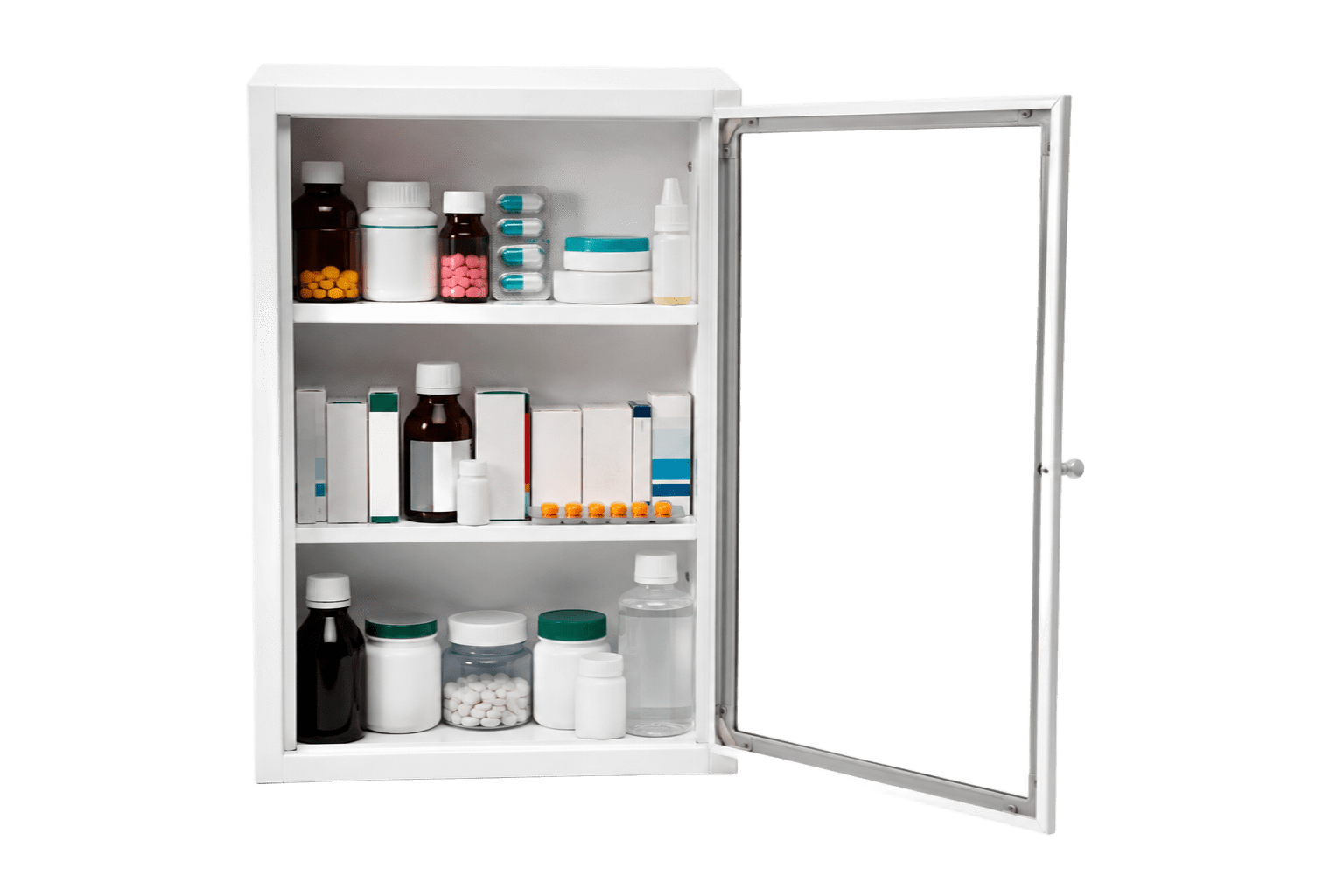
    Step 1: Check Your Medicine Cabinet

    Regularly review your medicines and separate:

    • Expired products
    • Damaged packaging
    • Medicines without labels
    • Unused prescriptions
    • Medicines stored incorrectly

    Step 2: Keep Expired Medicines Separate

    Do not mix expired medicines with active medication because this can cause confusion.

    A simple organisation system can help:

    Medicine Group Action
    Current medicines Keep for active use
    Expired medicines Prepare for disposal
    Unknown medicines Ask a pharmacist
    Damaged medicines Do not use

    Step 3: Seek Pharmacy Guidance

    A pharmacist can advise on safe disposal options and answer questions about specific products.

    Step 4: Avoid Unsafe Disposal

    Do not:

    • Share expired medicines
    • Leave loose tablets outside
    • Flush medicines unnecessarily
    • Throw needles into normal rubbish

    For prescription support and professional medicine guidance, you can upload your prescription to Our Mall Pharmacy.

    Safe Methods to Dispose of Expired Medicines in Kenya at Home

    Safe methods to dispose of expired medicines in Kenya include keeping medicines contained, preventing access by children, and following recommended healthcare disposal practices. The correct method depends on the medicine type and packaging.

    Many households ask whether expired medicines can simply be thrown away. The answer depends on how they are handled.

    Before disposal:

    1. Keep medicines in their original packaging.
    2. Remove personal information where necessary.
    3. Avoid crushing tablets unnecessarily.
    4. Keep medicines away from children and pets.
    5. Ask a pharmacist if unsure.

    Medicine Disposal Guide

    Medicine Type Safe Disposal Consideration
    Tablets Keep contained and seek proper disposal guidance
    Capsules Avoid leaving loose in rubbish
    Syrups Do not pour into drains without guidance
    Creams Avoid environmental release
    Antibiotics Do not share or reuse
    Supplements Dispose responsibly

    Learning how to dispose of expired medicines in Kenya helps prevent medicines from returning into circulation through unsafe practices.

    Can You Throw Expired Medicines in the Bin in Kenya?

    Expired medicines should not be thrown into household waste carelessly because loose medicines may be accessed by children, animals, or other people. If household disposal is necessary, medicines should be secured to reduce risks.

    A common question pharmacists receive is:

    “What should I do with old medicine at home?”

    Before placing unwanted medicines into waste:

    • Keep medicines sealed.
    • Avoid leaving tablets visible.
    • Prevent children from accessing them.
    • Do not mix medicines with food waste.

    Many patients in Nairobi store medicines in kitchen drawers or bedside cabinets. Regular reviews help identify medicines that are no longer needed.

    Why Should You Never Flush Expired Medicines?

    You should avoid flushing expired medicines because they may enter wastewater systems and affect the environment. Safe disposal methods protect water sources and reduce unnecessary contamination.

    Many people assume flushing is the easiest disposal method, but medicines can move through water systems after entering drains.

    Avoid flushing:

    • Antibiotics
    • Painkillers
    • Supplements
    • Syrups
    • Prescription medicines

    Understanding how to dispose of expired medicines in Kenya helps households make safer environmental choices.
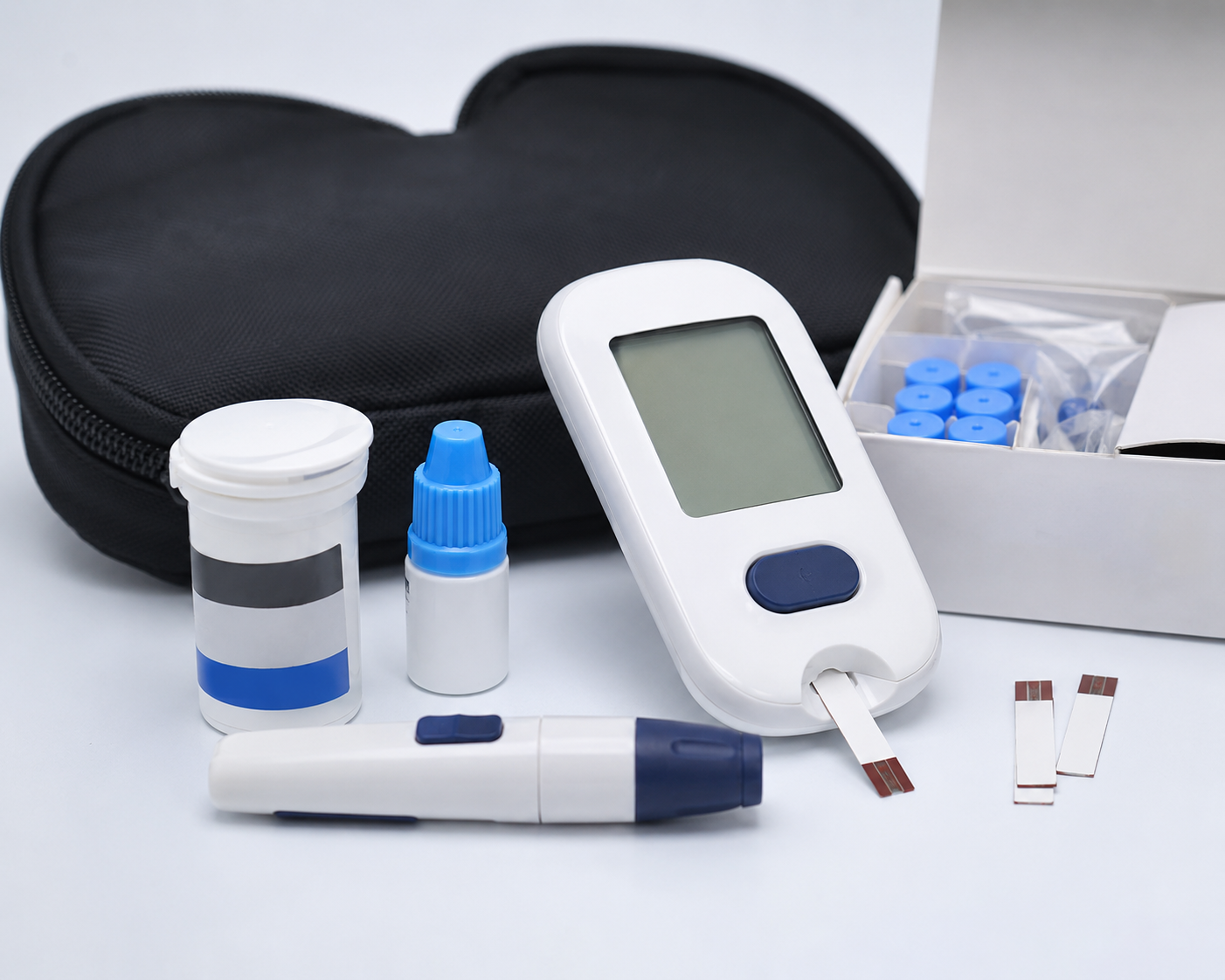
    Conclusion: Dispose of Expired Medicines in Kenya Safely

    Knowing how to dispose of expired medicines in Kenya safely helps protect families, communities, and the environment from unnecessary risks. Proper medicine disposal prevents accidental use, reduces misuse, and supports responsible healthcare practices.

    Medicines should be reviewed regularly to identify products that are expired, damaged, or no longer needed. Keeping old medicines in drawers, cabinets, or storage areas for long periods increases the chance of accidental use or confusion with current treatments.

    The key steps to dispose of expired medicines in Kenya safely include:

    • Check your medicine cabinet regularly.
    • Separate expired and unused medicines from current medication.
    • Keep unwanted medicines secure until disposal.
    • Avoid flushing medicines into water systems.
    • Do not share expired or unused medicines.
    • Handle used needles and sharps separately.
    • Ask a pharmacist when you are unsure about disposal methods.

    Whether you live in Nairobi, Rongai, Ngong, Karen, Lang’ata, or other parts of Kenya, safe medicine disposal is an important part of protecting public health.

    Pharmacists can help patients understand how to dispose of expired medicines in Kenya by providing guidance on medicine safety, storage, and responsible handling.

    For trusted medication advice and healthcare support, consult a pharmacist at Our Mall Pharmacy.

    Contact Our Mall Pharmacy

    For professional medication guidance, prescription support, and reliable healthcare products, contact Our Mall Pharmacy today.

    Call Us: +254 722 390 003

    Opening Hours:
    Mon-Sat 9AM-8PM
    Sun 10:30AM-6PM

    WhatsApp: Chat with a Pharmacist (Instant responses)

    Email: ourmallpharmacy@gmail.com
    (We reply within 2 hours)

    Visit Us:
    Our Mall, Off Magadi Rd, Avocado Lane, Ground Floor (Shop No. 22)

    Opening Hours:
    Mon-Sat 9AM-8PM
    Sun 10:30AM-6PM

  • Essential Guide: Medicine Interactions in Kenya (2026 Tips)

    Essential Guide: Medicine Interactions in Kenya (2026 Tips)

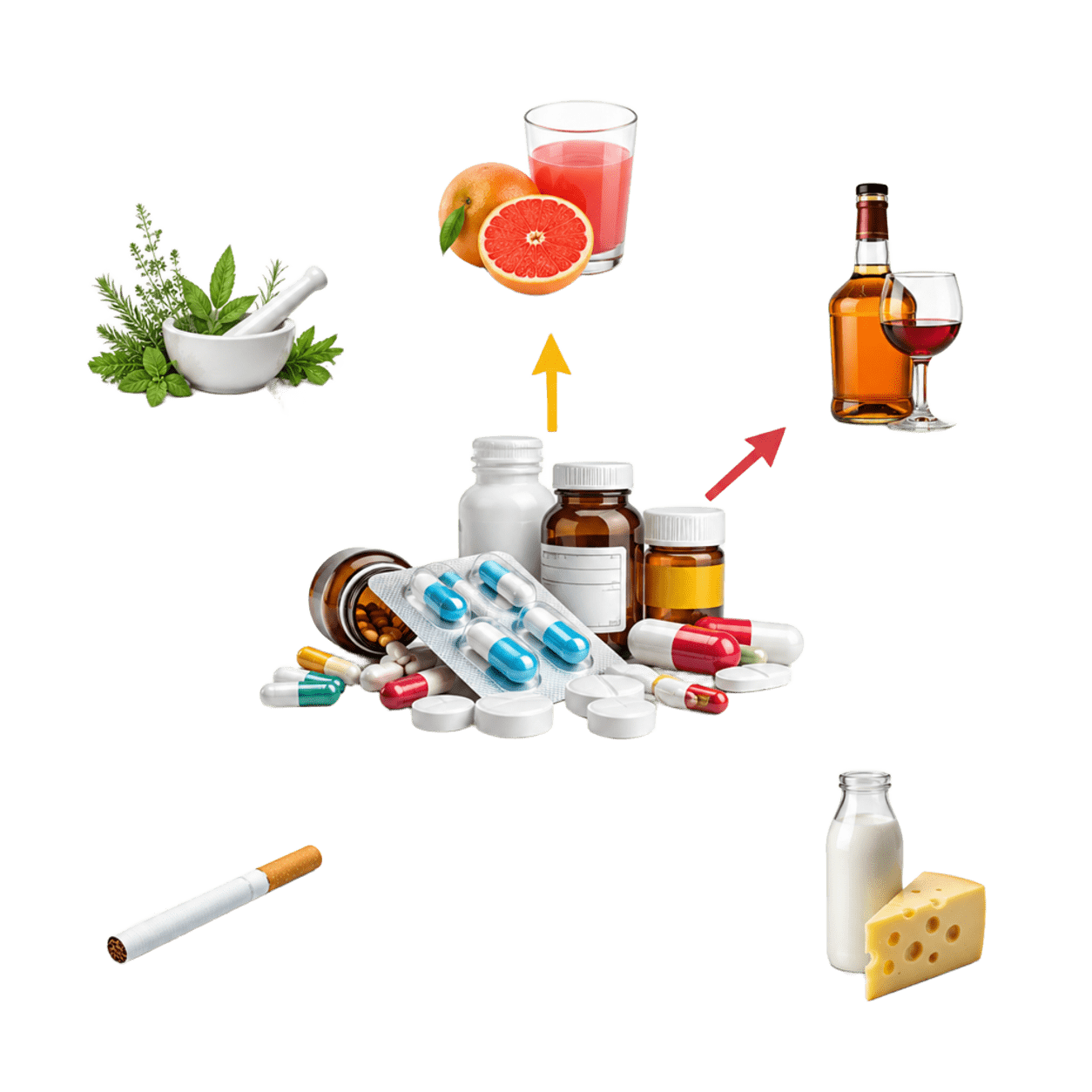
    Taking medicine safely involves more than choosing the right treatment. Patients also need to understand how different medicines, supplements, foods, and herbal products may affect each other.

    Understanding medicine interactions in Kenya helps patients avoid preventable medication problems and ensures pharmacists can provide accurate guidance based on a complete health picture.

    Many people in Kenya use several healthcare products at the same time. A patient may take blood pressure medication, purchase painkillers for headaches, use allergy medicine during dusty seasons, or take vitamins and herbal remedies for wellness.

    The challenge is that some combinations may:

    • Increase side effects
    • Reduce how well a medicine works
    • Change how the body absorbs treatment
    • Affect existing health conditions

    In Nairobi, pharmacists commonly assist patients with concerns related to:

    • Pain relief medicines
    • Flu and cough treatments
    • Allergy medicines caused by dust exposure
    • Chronic disease medication
    • Supplements

    Residents in Rongai, Ngong, and Kiserian may experience increased respiratory medicine use during temperature changes, while coastal regions with higher humidity may have different healthcare needs, including skin and fungal treatments.

    This guide explains medicine interactions in Kenya, what information you should share with your pharmacist, common medicine combinations to discuss, and practical steps for safer medicine use.

    For professional medication guidance, you can consult a pharmacist at Our Mall Pharmacy.

    What Are Medicine Interactions in Kenya and Why Should Patients Know About Them?

    Medicine interactions in Kenya happen when one medicine, supplement, food, or herbal product affects another medicine’s performance. These interactions may increase side effects, reduce effectiveness, or change how treatment works in the body.

    Understanding medicine interactions in Kenya is important because many patients combine different healthcare products without realising that they may influence each other.

    A medicine interaction does not always mean a combination is unsafe. Some combinations are carefully planned by doctors and pharmacists to improve treatment.

    However, problems may occur when patients:

    • Buy medicines from different sources
    • Do not mention supplements
    • Use leftover prescriptions
    • Combine herbal products with medication
    • Take multiple medicines without guidance

    For example:

    A Nairobi resident may take prescribed blood pressure medication, buy an over-the-counter painkiller for back pain, and use a herbal supplement recommended by a friend. Without pharmacist review, possible interactions may be overlooked.

    Why Should You Tell Your Pharmacist About Medicine Interactions in Kenya?

    You should tell your pharmacist about all medicines, supplements, and herbal products you use because this information helps identify possible medicine interactions in Kenya and supports safer treatment decisions.

    Pharmacists need complete information before recommending medication because even common products can affect each other.

    Before buying medicine, tell your pharmacist about:

    • Prescription medicines
    • Over-the-counter medicines
    • Vitamins
    • Herbal remedies
    • Traditional medicines
    • Protein supplements
    • Allergy treatments

    Many patients say:

    “I only take vitamins.”

    However, supplements are still important information when checking medicine interactions in Kenya.

    Information Your Pharmacist Needs

    Information Why It Matters
    Current medicines Helps identify possible combinations
    Medical conditions Some medicines require extra care
    Allergies Prevents unsafe recommendations
    Supplements Some affect medicine absorption
    Previous reactions Helps avoid repeated problems

    Pharmacists commonly ask these questions because they help create a safer medication plan.

    You can also explore vitamins and supplements available at Our Mall Pharmacy while discussing suitable combinations with a healthcare professional.

    Common Medicine Interactions in Kenya: Medicines Patients Should Discuss First

    Common medicine interactions in Kenya involve painkillers, antibiotics, blood pressure medicines, allergy medicines, supplements, and herbal products. Discussing these combinations with a pharmacist helps reduce avoidable medication risks.

    Some medicine categories require extra attention because they are frequently used by patients.

    Painkiller Interactions

    Painkillers are among the most commonly purchased medicines in Kenya.

    Common examples include:

    • Paracetamol
    • Ibuprofen
    • Diclofenac

    Patients should tell pharmacists if they:

    • Use blood-thinning medicines
    • Have stomach problems
    • Have kidney concerns
    • Take other pain medicines

    Many patients in Nairobi purchase painkillers for headaches, body aches, and minor injuries. However, combining different pain medicines without advice may create unnecessary risks.

    Antibiotic Interactions

    Antibiotics require careful use because incorrect combinations may affect treatment.

    Before taking antibiotics, patients should tell pharmacists about:

    • Other medicines they are using
    • Previous antibiotic reactions
    • Allergies
    • Supplements

    Common mistakes include:

    • Taking leftover antibiotics
    • Sharing antibiotics with family members
    • Stopping treatment without advice

    Responsible antibiotic use supports safer healthcare practices.

    For cold and flu support, patients can explore cold and flu healthcare products.

    Blood Pressure Medicine Interactions

    Patients managing hypertension often take medication regularly. Because these treatments may continue for years, checking medicine interactions in Kenya is especially important.

    Patients should mention:

    • Blood pressure medicines
    • Diabetes medicines
    • Supplements
    • Painkillers
    • Herbal products

    A pharmacist can help review whether new medicines are suitable alongside existing treatment.

    For long-term medication support, visit chronic care products and services at Our Mall Pharmacy.

    Medicine Interactions in Kenya Between Painkillers, Supplements and Herbal Products

    Medicine interactions in Kenya often occur when patients combine prescription medicines with supplements or herbal remedies without informing a pharmacist. Always declare every product you use, even if it appears natural or harmless.

    Many Kenyans use herbal products alongside modern medicine. While some products may be suitable, others may affect how medicines are absorbed or processed.

    Common products patients should mention include:

    • Herbal teas
    • Traditional remedies
    • Weight management supplements
    • Immune boosters
    • Vitamin products

    Common Combination Concerns

    Combination Possible Issue Recommended Action
    Multiple painkillers Increased side effects Ask pharmacist first
    Medicines + herbal products Unknown effects possible Declare all products
    Antibiotics + supplements May affect absorption Follow advice
    Chronic medicines + new drugs Requires review Consult pharmacist

    Conclusion: Medicine Interactions in Kenya and Safe Medication Use

    Understanding medicine interactions in Kenya helps patients make safer healthcare decisions by ensuring pharmacists have the right information before recommending treatment. Declaring all medicines, supplements, and herbal products reduces avoidable risks and supports effective medication use.

    Medicines are an important part of managing health conditions, but they work best when used correctly. Many medication problems happen because patients do not realise that different products can interact with each other.

    The most important steps for preventing medicine interactions in Kenya include:

    • Tell your pharmacist about every medicine you take.
    • Mention vitamins, supplements, and herbal remedies.
    • Avoid combining medicines without professional advice.
    • Read medicine labels carefully.
    • Do not use leftover prescriptions.
    • Ask questions before starting a new treatment.
    • Follow dosage instructions correctly.

    Whether you live in Nairobi, Rongai, Ngong, Karen, or other parts of Kenya, professional pharmacist guidance can help you understand possible medicine combinations and choose safer treatment options.

    Pharmacists play an important role in identifying medicine interactions in Kenya because they review patient information, explain correct medicine use, and provide practical safety advice.

    For trusted medication support, consult a pharmacist at Our Mall Pharmacy before combining new medicines, supplements, or herbal products.

    Contact Our Mall Pharmacy

    For professional medication advice, prescription support, and reliable healthcare products, contact Our Mall Pharmacy today.

    Call Us: +254 722 390 003

    Opening Hours:
    Mon-Sat 9AM-8PM
    Sun 10:30AM-6PM

    WhatsApp: Chat with a Pharmacist (Instant responses)

    Email: ourmallpharmacy@gmail.com
    (We reply within 2 hours)

    Visit Us:
    Our Mall, Off Magadi Rd, Avocado Lane, Ground Floor (Shop No. 22)

    Opening Hours:
    Mon-Sat 9AM-8PM
    Sun 10:30AM-6PM

  • Understanding an HbA1c Test Kit in Kenya

    Understanding an HbA1c Test Kit in Kenya

    Diabetes monitoring has become an important part of healthcare for many Kenyans. Unlike a normal blood sugar test that shows your glucose level at a specific moment, an HbA1c test provides information about your average blood sugar control over approximately the last 2–3 months.

    An HbA1c test kit in Kenya allows some patients to monitor their long-term glucose levels more conveniently, especially those who may find frequent laboratory visits challenging. These kits are increasingly discussed among people living with diabetes, caregivers, and patients interested in better understanding their health.

    At Our Mall Pharmacy, pharmacists commonly answer questions from patients in Nairobi and surrounding areas such as Rongai, Ngong, Karen, Lang’ata, Kilimani, and Westlands:

    • Is an HbA1c test kit accurate?
    • How much does an HbA1c test kit cost in Kenya?
    • Can I use an HbA1c test kit at home?
    • Is HbA1c better than daily glucose testing?
    • Where can I buy diabetes monitoring supplies?

    Patients looking for diabetes monitoring solutions can also explore related healthcare products through our chronic care category and browse available medical devices designed for home health support.

    What Is an HbA1c Test Kit in Kenya and How Does It Work?

    An HbA1c test kit in Kenya is a testing device used to measure glycated haemoglobin (HbA1c), which reflects average blood sugar levels over approximately 2–3 months. It helps patients and healthcare professionals understand long-term glucose control rather than only a single blood sugar reading.

    HbA1c stands for glycated haemoglobin. It measures how much glucose has attached to haemoglobin inside red blood cells.

    Because red blood cells circulate for several weeks, HbA1c provides a broader view of blood sugar patterns.

    An HbA1c test may help with:

    • Monitoring diabetes management
    • Tracking whether lifestyle changes are effective
    • Supporting discussions with healthcare professionals
    • Understanding long-term blood sugar trends

    For patients managing chronic conditions, combining monitoring tools with professional guidance is important. You can also explore diabetes-related healthcare options through the Our Mall Pharmacy health articles section.

    How Does an HbA1c Test Kit in Kenya Compare With a Glucose Meter?

    An HbA1c test kit in Kenya measures average blood glucose control over several months, while a glucose meter measures current blood sugar levels at the time of testing. Both tools provide valuable information but are used for different monitoring purposes.

    Feature HbA1c Test Kit Glucose Meter
    Measures Average blood sugar control Current blood glucose level
    Testing period Around 2–3 months Immediate reading
    Testing frequency Usually less frequent Often daily
    Main purpose Long-term diabetes monitoring Daily glucose decisions
    Sample type Small blood sample Finger-prick blood sample

    Many diabetes patients use glucose meters for daily monitoring and HbA1c testing for reviewing longer-term progress with their healthcare provider.

    Why Consider Buying an HbA1c Test Kit in Kenya?

    An HbA1c test kit in Kenya may be worth buying for people who need convenient monitoring of long-term blood sugar trends. However, it should complement professional healthcare advice and should not replace medical consultations when treatment decisions are needed.

    Some reasons patients consider home HbA1c testing include:

    1. Convenience for Busy Patients

    Many Nairobi residents have demanding work schedules and may prefer monitoring options that reduce unnecessary travel.

    For example, a patient working in Westlands or Kilimani may find it easier to track health information at home before discussing results with a healthcare professional.

    2. Better Understanding of Diabetes Control

    HbA1c results can help patients understand whether their diabetes management plan is working over time.

    3. Support for Chronic Care Management

    People living with diabetes often need ongoing monitoring. Combining healthy lifestyle choices, prescribed medication, and regular health reviews supports better disease management.

    Patients can also explore related diabetes support products through the Our Mall Pharmacy shop.

    Who Should Use an HbA1c Test Kit in Kenya?

    An HbA1c test kit in Kenya may be useful for adults managing diabetes, caregivers supporting diabetic patients, and people who need convenient access to long-term glucose monitoring information. It is important to discuss results with a healthcare professional when making treatment decisions.

    Potential users include:

    • Adults diagnosed with diabetes
    • Patients monitoring lifestyle improvements
    • Caregivers supporting family members
    • People requiring regular diabetes reviews
    • Patients who want additional information between clinic visits

    However, some situations require professional assessment rather than relying only on home testing.

    These include:

    • Unexpected results
    • Symptoms of uncontrolled diabetes
    • Changes in medication
    • Pregnancy-related diabetes monitoring
    • Newly diagnosed diabetes

    Real Pharmacy Experience: HbA1c Testing Trends in Nairobi

    Pharmacists in Nairobi often see increasing interest in convenient diabetes monitoring solutions.

    Common patient conversations include:

    “I want to know whether my sugar levels have improved.”

    “Can I avoid going to the laboratory every time?”

    “Which diabetes monitoring device is suitable for home use?”

    Patients from areas such as Rongai, Ngong, Karen, and Lang’ata often look for practical healthcare solutions that fit their daily routines.

    Pharmacists usually advise patients to consider:

    • The reliability of the testing device
    • Proper testing technique
    • Understanding results correctly
    • Following prescribed treatment plans

    A testing device is helpful, but it works best when combined with professional healthcare support.

    HbA1c Test Kit in Kenya Cost: How Much Should You Expect to Pay?

    The price of an HbA1c test kit in Kenya depends on the brand, testing method, number of tests included, and availability. Patients should compare cost together with accuracy, reliability, and ease of use before purchasing.

    Estimated HbA1c Testing Costs in Kenya

    Option Estimated Cost Range Suitable For
    Laboratory HbA1c Test KSh 1,000–3,000 Patients needing professional testing
    Home HbA1c Test Kit Varies by brand and pack size Patients seeking convenience
    Glucose Meter Testing Device + strips cost varies Daily monitoring

    Prices may change depending on supplier availability and healthcare providers.

    Before purchasing healthcare devices, patients can contact Our Mall Pharmacy through our contact and support page for availability guidance.

    Conclusion: Is an HbA1c Test Kit in Kenya Worth Buying?

    An HbA1c test kit in Kenya can be a valuable tool for patients who want convenient information about their long-term blood sugar control. However, the best results come from combining home monitoring with professional pharmacist guidance, regular medical reviews, and healthy diabetes management habits.

    Choosing whether to buy an HbA1c test kit depends on your personal healthcare needs, budget, and monitoring goals. For some patients, the convenience of checking long-term glucose trends at home can provide reassurance and encourage better diabetes management.

    Before purchasing an HbA1c test kit in Kenya, consider:

    • Accuracy and reliability: Choose trusted testing devices and follow instructions carefully.
    • Professional guidance: Discuss your results with a pharmacist or healthcare professional when needed.
    • Testing purpose: Understand that HbA1c complements, but does not replace, daily glucose monitoring when required.
    • Long-term care: Diabetes management involves medication adherence, diet, exercise, and regular health check-ups.

    Patients looking for diabetes monitoring solutions can explore related products through the chronic care products category and browse available healthcare equipment through medical devices.

    At Our Mall Pharmacy, we help patients make informed healthcare decisions by providing reliable medical supplies, pharmacist support, and guidance on choosing suitable monitoring products.

    You can also explore more health information through our health articles section or visit our shop page for available healthcare products.

    Contact Our Mall Pharmacy

    Call Us: +254 722 390 003
    Mon-Sat 9AM-8PM, Sun 10:30AM-6PM

    WhatsApp: Chat with a Pharmacist (Instant responses)

    Email: ourmallpharmacy@gmail.com
    (We reply within 2 hours)

    Visit Us:
    Our Mall, Off Magadi Rd, Avocado Lane, Ground Floor (Shop No. 22)

    Opening Hours:
    Mon-Sat 9AM-8PM
    Sun 10:30AM-6PM

    Our pharmacists can help you choose the right HbA1c test kit in Kenya, understand available diabetes monitoring options, and find suitable healthcare products based on your needs. For prescription support, you can also use our upload prescription service for pharmacist review.

  • How to Store Medicine in Kenya: 2026 Guide for Heat & Humidity Safety

    How to Store Medicine in Kenya: 2026 Guide for Heat & Humidity Safety

    Medicine storage is a critical part of safe healthcare. While many people focus on buying the correct treatment, fewer consider what happens after bringing medicine home. Heat, humidity, sunlight, and poor storage conditions can affect medicine quality and reduce how well some treatments work.

    Understanding how to store medicine in Kenya helps families protect their medication, avoid unnecessary wastage, and maintain the effectiveness of treatments.

    Kenya’s diverse climate makes medicine storage especially important. In Nairobi, Rongai, Ngong, Karen, Kilimani, Westlands, and Lang’ata, households may experience warm afternoons, cooler mornings, dust exposure, and changing indoor temperatures. In coastal regions such as Mombasa, increased humidity creates additional challenges for medicines that are sensitive to moisture.

    Many patients ask pharmacists questions such as:

    • “Where is the safest place to keep my medicine at home?”
    • “Can heat damage my tablets?”
    • “Should I put every medicine in the refrigerator?”
    • “How can I protect medicine during travel?”

    This expert guide explains how to store medicine in Kenya correctly, including safe storage temperatures, humidity protection, common mistakes, and pharmacist-recommended practices.

    For professional medication advice, you can consult a pharmacist at Our Mall Pharmacy.

    Why Is It Important to Know How to Store Medicine in Kenya?

    Knowing how to store medicine in Kenya is important because correct storage protects medicine quality, maintains effectiveness, and reduces the risk of using damaged medication. Heat, moisture, and sunlight can affect some medicines if they are stored incorrectly.

    Medicines are manufactured with specific stability requirements. When stored outside recommended conditions, some products may experience physical or chemical changes.

    Poor storage can result in:

    • Reduced effectiveness
    • Damaged packaging
    • Changes in appearance
    • Shortened shelf life
    • Medicine wastage

    Many households unknowingly expose medicines to harmful conditions by keeping them near:

    • Cooking areas
    • Bathroom shelves
    • Windows
    • Vehicles
    • Areas with high humidity

    Following proper medicine storage guidelines in Kenya helps families protect their healthcare investment and ensures medication remains suitable for use.

    You can also view all medications available at Our Mall Pharmacy for trusted healthcare products supported by professional guidance.

    How to Store Medicine in Kenya Safely at Home

    The safest way to store medicine in Kenya is to keep medication in a cool, dry place away from sunlight, moisture, and heat sources. Most medicines should remain below 25°C unless the label provides different storage instructions.

    The first step in how to store medicine in Kenya is choosing the right location inside your home.

    A good medicine storage area should be:

    • Dry
    • Clean
    • Away from direct sunlight
    • Protected from temperature changes
    • Out of reach of children

    Best Places to Store Medicine at Home

    Storage Location Why It Works
    Bedroom cupboard Usually cooler and less humid
    Dedicated medicine cabinet Keeps medicines organised
    Closed storage box Protects from dust and moisture
    High shelf Prevents accidental access by children

    Places You Should Avoid

    Location Storage Problem
    Bathroom cabinet High humidity from steam
    Kitchen shelf Heat from cooking
    Car interior Extreme temperature changes
    Window ledge Direct sunlight exposure
    Open surfaces Dust and contamination

    A common mistake seen by pharmacists is keeping medicine in convenient places rather than safe places. For example, many Nairobi residents store medicines in bathroom cabinets because they are easy to access, but humidity can damage certain products over time.

    How to Store Medicine in Kenya During Hot Weather

    To store medicine safely during hot weather, keep it away from direct heat, sunlight, and enclosed spaces such as parked vehicles. A cool indoor cabinet is usually safer than areas exposed to daily temperature changes.

    Learning how to store medicine in Kenya requires understanding how local weather conditions affect medication.

    Kenya experiences different temperature patterns depending on location.

    Nairobi and Surrounding Areas

    Residents in:

    • Nairobi
    • Rongai
    • Ngong
    • Kiserian
    • Karen

    may experience:

    • Warm afternoons
    • Temperature changes between morning and evening
    • Dust exposure
    • Poor ventilation in some homes

    These conditions can affect medicines stored incorrectly.

    For example:

    A patient buys medicine in Nairobi and leaves it inside a parked car while running errands. The high temperature inside the vehicle may affect certain medicines, especially heat-sensitive products.

    Pharmacists commonly advise patients to carry medicines with them instead of leaving them in hot cars.

    How to Store Medicine in Kenya During Humidity and Coastal Conditions

    The best way to store medicine in Kenya during humid conditions is to keep medicines sealed, dry, and protected from moisture. Humidity can affect tablets, capsules, powders, and other moisture-sensitive healthcare products.

    Humidity is an important part of how to store medicine in Kenya, especially when comparing inland and coastal environments.

    While Nairobi often experiences dust and temperature changes, coastal areas such as Mombasa experience higher humidity levels.

    Moisture exposure can cause:

    Medicine Type Possible Humidity Effect
    Tablets Softening or breaking
    Capsules Sticking together
    Powders Clumping
    Effervescent tablets Reduced quality
    Creams Texture changes

    To protect medicine from humidity:

    • Keep containers tightly closed
    • Store medicines in original packaging
    • Avoid bathrooms
    • Avoid placing medicines near sinks
    • Do not leave tablets exposed

    For additional wellness support, patients can explore supplements and wellness products at Our Mall Pharmacy.

    What Temperature Should Medicine Be Stored At in Kenya?

    Most medicines should be stored below 25°C unless the manufacturer provides different instructions. Always check the medicine label because some products require special storage conditions.

    The correct medication storage temperature is one of the most important parts of how to store medicine in Kenya.

    Different medicines have different storage requirements.

    Medicine Storage Type Recommended Practice
    Room temperature medicines Keep in a cool, dry place
    Refrigerated medicines Follow product instructions
    Heat-sensitive medicines Avoid sunlight and hot areas
    Moisture-sensitive medicines Keep sealed tightly

    Patients should not assume that colder storage is always better. Incorrect refrigeration can also damage some medicines.

    Conclusion: How to Store Medicine in Kenya Safely

    Knowing how to store medicine in Kenya helps families maintain medicine quality, prevent unnecessary wastage, and ensure treatments remain effective when needed. Proper storage means protecting medicines from heat, humidity, sunlight, and incorrect handling.

    Medicine storage is an important part of responsible healthcare. Whether you live in Nairobi, Rongai, Ngong, Karen, or other parts of Kenya, simple storage practices can make a significant difference.

    The key rules for how to store medicine in Kenya include:

    • Keep medicines in a cool, dry place.
    • Avoid bathrooms and areas with high humidity.
    • Protect medicines from direct sunlight.
    • Keep medicines in their original packaging.
    • Follow storage instructions on labels.
    • Refrigerate only medicines that require refrigeration.
    • Check medicines regularly for damage or expiry.
    • Ask a pharmacist when you are unsure about storage conditions.

    Kenya’s changing temperatures and humidity levels make proper medicine storage especially important. By following pharmacist-recommended practices, households can protect their medication and support safer treatment outcomes.

    For professional guidance on medication use, storage, and availability, consult a pharmacist at Our Mall Pharmacy.

    Contact Our Mall Pharmacy

    For trusted medication support, professional pharmacist guidance, and healthcare products, contact Our Mall Pharmacy today.

    Call Us: +254 722 390 003

    Opening Hours:
    Mon-Sat 9AM-8PM
    Sun 10:30AM-6PM

    WhatsApp: Chat with a Pharmacist (Instant responses)

    Email: ourmallpharmacy@gmail.com
    (We reply within 2 hours)

    Visit Us:
    Our Mall, Off Magadi Rd, Avocado Lane, Ground Floor (Shop No. 22)

    Opening Hours:
    Mon-Sat 9AM-8PM
    Sun 10:30AM-6PM

  • Best Infrared Thermometer in Kenya (2026 Guide): Infrared vs Digital Thermometer Comparison

    Checking body temperature is one of the simplest ways to monitor health at home. Whether caring for a child with fever, monitoring an elderly family member, or managing common illnesses, having a reliable thermometer helps families make informed decisions.

    Many Kenyan households are now choosing an infrared thermometer in Kenya because it provides quick, contact-free temperature checks. However, some people still prefer traditional digital thermometers because they are familiar and can provide accurate readings when used correctly.

    The main question many customers ask is:

    Which thermometer gives the most accurate reading — infrared or digital?

    The answer depends on how the thermometer is used, the location of measurement, the quality of the device, and the person being monitored.

    At Our Mall Pharmacy, customers from Nairobi, Rongai, Ngong, Karen, Lang’ata, Kilimani, and Westlands commonly ask about the best fever monitoring devices for homes, babies, and elderly care.

    This expert guide explains the differences between infrared and digital thermometers, their accuracy, prices in Kenya, and when each option may be suitable.

    For trusted healthcare equipment and pharmacist guidance, visit Our Mall Pharmacy.

    What Is an Infrared Thermometer in Kenya and How Does It Work?

    An infrared thermometer in Kenya is a non-contact temperature measuring device that detects infrared energy from the body surface, usually the forehead or ear, and converts it into a temperature reading within seconds.

    Unlike traditional thermometers that require physical contact, infrared models use infrared sensors to estimate body temperature.

    They are commonly used in:

    • Homes
    • Pharmacies
    • Clinics
    • Schools
    • Workplaces
    • Childcare settings

    How Infrared Thermometers Work

    An infrared thermometer measures heat energy released from the body. Most home models are designed to measure temperature from areas such as:

    • Forehead
    • Ear canal

    The device then displays a temperature reading digitally.

    Key Benefits of Infrared Thermometers

    Feature Benefit
    Contact-free measurement Reduces physical contact
    Fast results Gives readings within seconds
    Easy operation Suitable for home users
    Useful for children Helpful when children are sleeping
    Digital display Easy to read

    Many parents prefer an infrared thermometer in Kenya because children may resist traditional thermometer methods, especially during fever episodes.

    Families looking for additional child healthcare solutions can explore mother and baby healthcare products available through Our Mall Pharmacy.

    Why Are Thermometers Important for Kenyan Families?

    Thermometers help families identify fever early and monitor temperature changes during illnesses. A temperature reading can guide decisions about home care, pharmacist advice, or when medical attention may be needed.

    Fever is one of the most common symptoms that causes families to seek healthcare advice.

    Common situations where people use thermometers include:

    • Flu and cold symptoms
    • Childhood fever
    • Infections
    • Recovery monitoring
    • General health checks

    In Nairobi, pharmacists often see increased demand for fever monitoring devices during periods when flu and respiratory illnesses increase.

    Environmental factors may contribute:

    Nairobi Context

    Nairobi’s cooler mornings and changing weather conditions can contribute to increased cases of:

    • Flu symptoms
    • Cough
    • Respiratory infections

    Rongai and Ngong Context

    Residents in areas around Nairobi often prefer convenient home monitoring tools because temperature changes may contribute to seasonal illness concerns.

    Coastal Areas Like Mombasa

    In humid coastal environments, families may also monitor fever symptoms related to infections and other health conditions.

    For related health information, customers can read more through our health advice articles.

    How Much Does an Infrared Thermometer in Kenya Cost in 2026?

    The price of an infrared thermometer in Kenya depends on brand quality, features, accuracy, warranty support, and whether it is designed for home or professional use. Basic models are affordable, while advanced devices cost more.

    The average price range varies depending on the type of thermometer.

    Infrared Thermometer Price Comparison in Kenya

    Thermometer Type Estimated Price Range Best Use
    Basic infrared thermometer KSh 1,500 – KSh 3,000 Home temperature checks
    Advanced infrared thermometer KSh 3,000 – KSh 6,000 Frequent family use
    Professional medical infrared thermometer KSh 6,000+ Clinics and healthcare facilities

    Factors Affecting Price

    The cost of an infrared thermometer in Kenya may change depending on:

    • Brand reputation
    • Measurement speed
    • Memory storage
    • Display quality
    • Accuracy features
    • Battery life
    • Warranty support

    A cheaper thermometer may be suitable for occasional home use, but families who monitor temperature regularly may prefer a more reliable device.

    You can explore available healthcare equipment through our medical devices collection or browse other health products through our online pharmacy shop.

    Infrared Thermometer in Kenya vs Digital Thermometer: Which Gives More Accurate Results?

    An infrared thermometer in Kenya provides faster and more convenient readings, while digital thermometers can provide accurate results when used correctly. The better choice depends on the user’s needs, age, and situation.

    Both thermometer types have advantages and limitations.

    Infrared vs Digital Thermometer Comparison Table

    Feature Infrared Thermometer Digital Thermometer
    Measurement speed Seconds Usually slower
    Contact required Usually no contact Requires contact
    Ease of use Very easy Simple but requires placement
    Best for children Very convenient May be challenging
    Accuracy factors Affected by distance and positioning Affected by placement method
    Hygiene Easier to share Requires cleaning

    Advantages of an Infrared Thermometer

    1. Quick Temperature Checks

    An infrared thermometer in Kenya provides results within seconds, making it useful when checking multiple people.

    2. Contact-Free Use

    This reduces the need for touching the skin, which can be helpful when monitoring several family members.

    3. Child-Friendly Design

    Parents often choose infrared models because they can check temperature without disturbing a sleeping child.

    Advantages of Digital Thermometers

    Digital thermometers remain popular because:

    • They are affordable
    • They are widely available
    • They can provide reliable readings when used correctly
    • They are simple for everyday use

    The right choice depends on whether convenience or traditional measurement preference is more important.

    Conclusion: Choosing the Right Thermometer for Your Family

    Choosing between an infrared thermometer in Kenya and a digital thermometer depends on your needs, budget, and how quickly you need temperature readings. infrared thermometer in Kenya offer speed and convenience, while digital thermometers remain a reliable option when used correctly.

    For most Kenyan families, an infrared thermometer can be a practical choice for quick fever checks, especially for children, elderly family members, and situations where frequent monitoring is needed. However, accurate results depend on proper use, correct distance, device quality, and following manufacturer instructions.

    When selecting a thermometer:

    • Choose a reliable device from a trusted healthcare supplier.
    • Follow the correct measurement method for accurate results.
    • Consider the age and needs of the person being monitored.
    • Do not rely on temperature readings alone; consider symptoms and overall health.
    • Seek professional advice when fever is persistent or concerning.

    Whether you are in Nairobi, Rongai, Ngong, Karen, Lang’ata, or other parts of Kenya, having a dependable temperature monitoring device can support better health decisions at home.

    For trusted healthcare products, medical devices, and expert pharmacy guidance, visit Our Mall Pharmacy or explore our medical devices collection to find suitable health monitoring solutions.

    Contact Our Mall Pharmacy

    For professional guidance on infrared thermometers in Kenya, fever monitoring devices, and other healthcare products, speak with our pharmacy team for reliable support and advice.

    Call Us: +254 722 390 003
    Mon-Sat 9AM-8PM, Sun 10:30AM-6PM

    WhatsApp: Chat with a Pharmacist (Instant responses)

    Email: ourmallpharmacy@gmail.com
    (We reply within 2 hours)

    Visit Us:
    Our Mall, Off Magadi Rd, Avocado Lane, Ground Floor (Shop No. 22)

    Mon-Sat 9AM-8PM, Sun 10:30AM-6PM

  • Pulse Oximeter Readings in Kenya: Nairobi vs Mombasa Altitude Comparison (2026 Guide)

    Pulse Oximeter Readings in Kenya: Nairobi vs Mombasa Altitude Comparison (2026 Guide)

    Understanding pulse oximeter readings is important for anyone monitoring oxygen levels at home, especially in Kenya where altitude varies significantly between cities. A person living in Nairobi may see a different SpO2 reading compared with someone living in Mombasa because altitude affects oxygen availability in the air.

    Many Kenyan families use pulse oximeters to monitor health conditions, support elderly care, or track recovery from respiratory illnesses. However, interpreting the numbers correctly requires understanding factors such as elevation, device accuracy, health history, and symptoms.

    At Our Mall Pharmacy, customers from Nairobi, Rongai, Ngong, Karen, Lang’ata, Kilimani, and Westlands often ask whether a lower oxygen reading automatically means a health emergency. The answer depends on the individual, the altitude they live at, and whether they have symptoms.

    This guide explains how pulse oximeter readings change with altitude, compares Nairobi and Mombasa, and provides practical information on when to seek professional advice.

    For trusted healthcare products and pharmacist guidance, visit Our Mall Pharmacy for reliable support.

    What Are Pulse Oximeter Readings and Why Do They Matter?

    Pulse oximeter readings show the percentage of oxygen carried in the blood (SpO2) and the person’s pulse rate. These readings help users monitor oxygen levels but should always be interpreted alongside symptoms and professional medical advice.

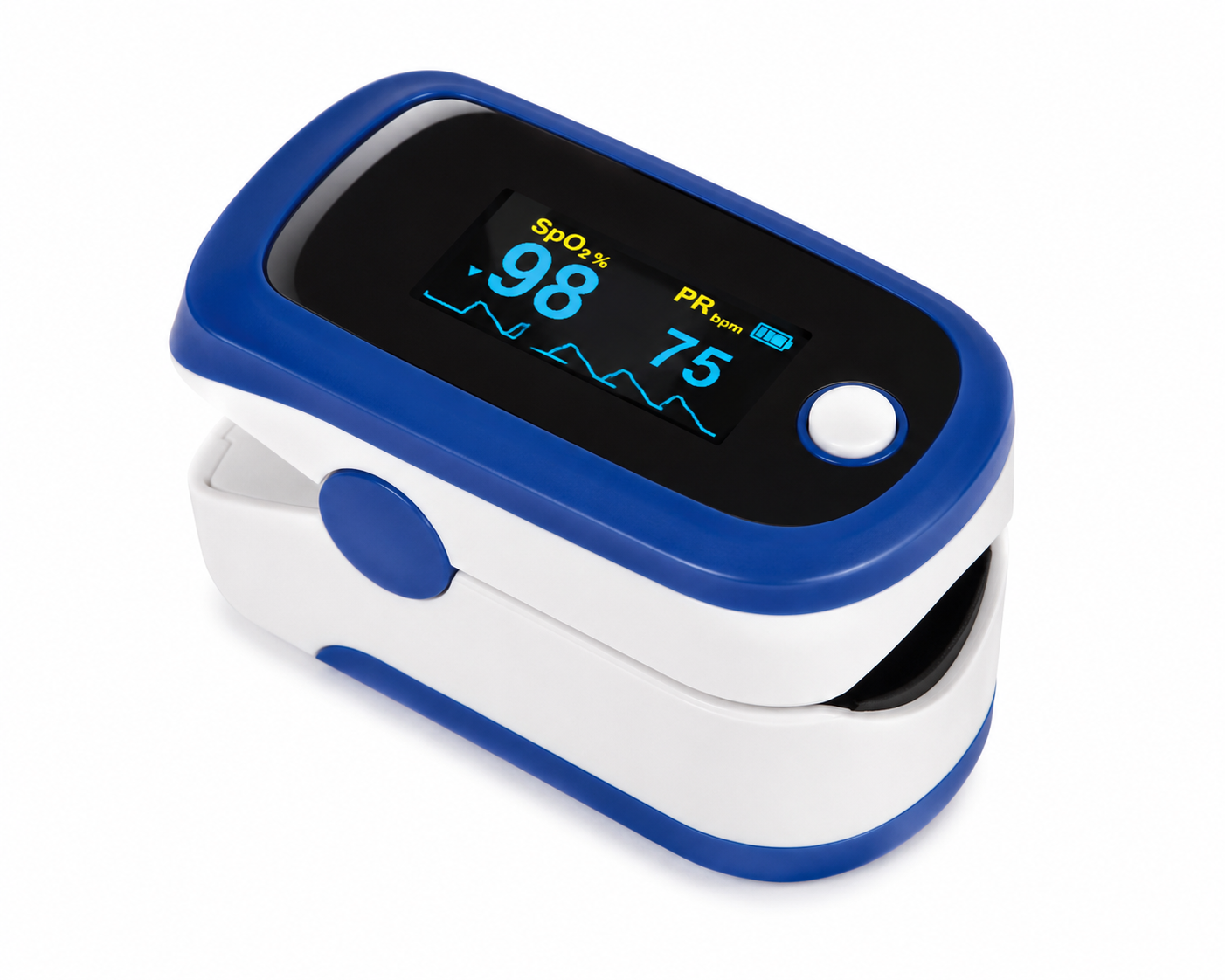
    A pulse oximeter is a small medical device that clips onto a fingertip to estimate oxygen saturation. It uses light sensors to measure how much oxygen is attached to haemoglobin in the blood.

    The two main measurements displayed are:

    Measurement Meaning
    SpO2 (%) Blood oxygen saturation level
    Pulse Rate (BPM) Number of heartbeats per minute

    Why Oxygen Levels Matter

    Oxygen is essential for the body’s organs and tissues. When oxygen levels drop significantly, a person may experience symptoms such as:

    • Shortness of breath
    • Chest discomfort
    • Extreme tiredness
    • Confusion
    • Difficulty performing normal activities

    However, a single reading should not always cause alarm. Factors such as altitude, movement, cold hands, and incorrect device placement can affect results.

    People looking for reliable monitoring equipment can explore our medical devices collection for healthcare tools suitable for home use.

    How Altitude Affects Pulse Oximeter Readings in Kenya

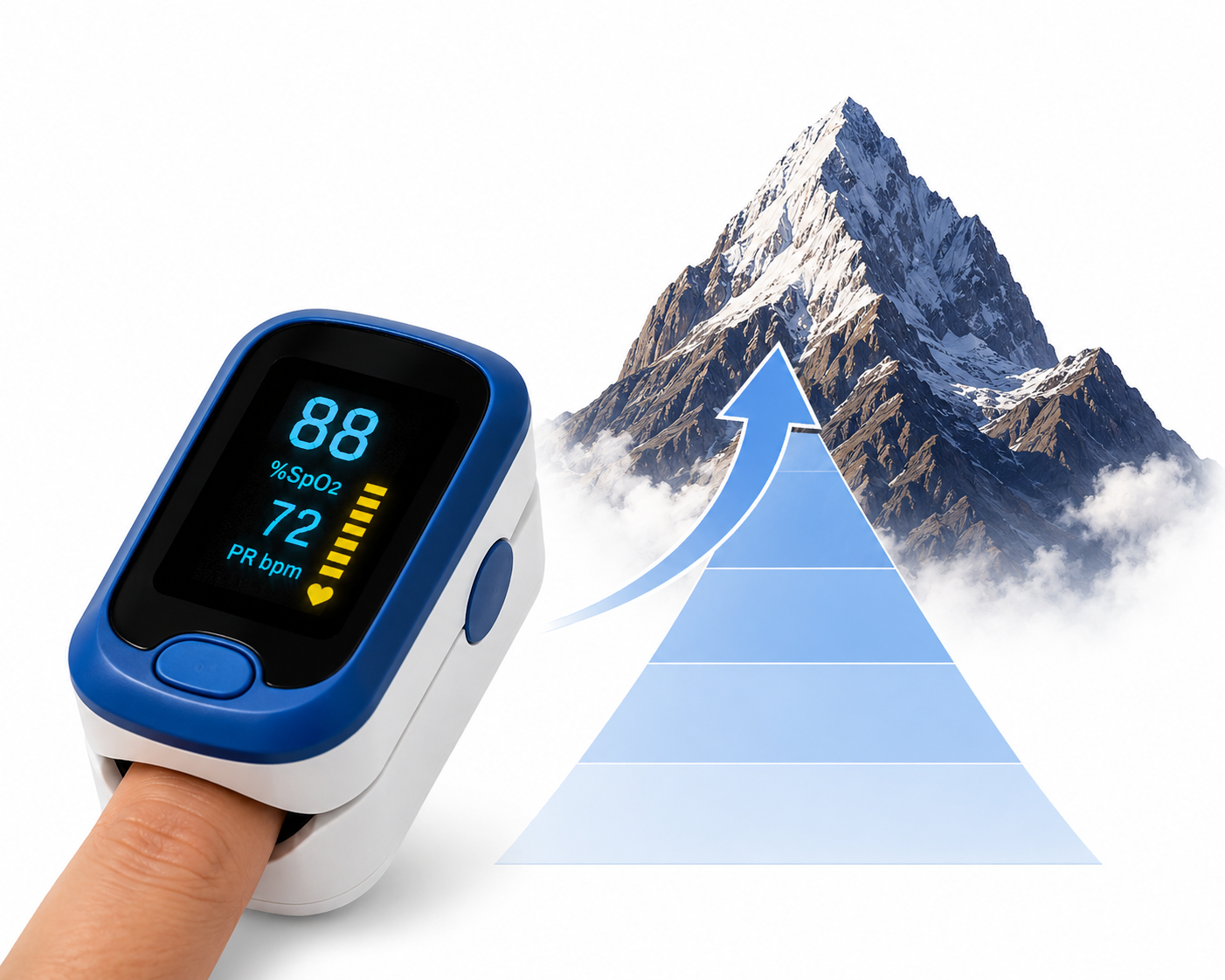
    Altitude affects pulse oximeter readings because higher locations have lower atmospheric oxygen pressure. This means people living in elevated areas like Nairobi may naturally record slightly different SpO2 levels compared with people living near sea level.

    Altitude refers to the height of a location above sea level. As altitude increases, the air contains less oxygen pressure, meaning the body may receive slightly less oxygen with each breath.

    Kenya has different altitude zones, making location an important factor when interpreting oxygen measurements.

    Nairobi vs Mombasa Altitude Comparison

    Location Approximate Altitude Oxygen Environment
    Nairobi About 1,795 metres above sea level Lower oxygen pressure compared with sea level
    Mombasa Near sea level Higher oxygen pressure
    Rongai Highland area near Nairobi Similar altitude effects
    Ngong Elevated area Similar highland conditions

    Why Nairobi Pulse Oximeter Readings May Differ From Mombasa

    Nairobi pulse oximeter readings may appear slightly lower than Mombasa readings because Nairobi is located at a higher altitude. The difference is related to atmospheric pressure, not necessarily a sign of illness.

    Nairobi residents live at a much higher elevation than coastal cities. Because of this, the body naturally adapts to the environment.

    Many healthy people living in Nairobi may have oxygen readings that differ slightly from someone visiting from Mombasa or another coastal region.

    Common reasons include:

    • Lower oxygen pressure at higher altitude
    • The body adapting to elevation
    • Individual fitness levels
    • Existing health conditions
    • Age and overall health status

    Pharmacists commonly advise patients not to compare their numbers directly with another person living in a different environment.

    For example:

    A healthy Nairobi resident may have a different normal reading compared with a healthy person living in Mombasa. The important factor is whether the reading matches the person’s usual level and whether symptoms are present.

    Normal Pulse Oximeter Readings at Different Altitudes

    Normal pulse oximeter readings depend on altitude, health condition, and individual factors. Many healthy adults have readings within expected ranges, but people living at higher elevations may naturally have slightly different results.

    A general guide:

    SpO2 Reading General Interpretation
    95%–100% Common healthy range for many people
    90%–94% Monitor closely and consider professional advice, especially with symptoms
    Below 90% Requires urgent medical attention

    These values are general guidance and not a replacement for medical assessment.

    Normal Pulse Oximeter Readings for Nairobi Residents

    People living in Nairobi may experience slightly different baseline readings because of the city’s elevation.

    Residents should consider:

    • Their usual oxygen level
    • Presence of breathing symptoms
    • Medical history
    • Advice from healthcare providers

    A sudden change from a person’s normal level may be more important than a single number.

    Understanding Pulse Oximeter Readings at Higher Altitudes

    Pulse oximeter readings at higher altitudes should be interpreted based on the person’s location, health condition, and symptoms. A lower reading at altitude does not always indicate a medical emergency.

    People visiting Nairobi from coastal regions may notice a small change in their readings while their body adjusts.

    Similarly, someone from Nairobi visiting Mombasa may observe slightly different numbers because of the change in elevation.

    Common situations where altitude affects readings include:

    • Travelling between Nairobi and coastal Kenya
    • Moving to a higher-altitude town
    • First-time altitude exposure
    • Outdoor activities at elevation

    Conclusion: Understanding Pulse Oximeter Readings in Kenya

    Understanding pulse oximeter readings helps Kenyans make better decisions about oxygen monitoring, especially when comparing high-altitude areas like Nairobi with coastal regions such as Mombasa. A reading should always be considered alongside symptoms, health history, and professional medical guidance.

    Altitude can influence oxygen measurements because Nairobi’s higher elevation means oxygen pressure is lower compared with sea-level locations like Mombasa. This does not automatically mean that a lower reading is dangerous, as many healthy people adapt to living at higher altitudes.

    When checking your oxygen level at home:

    • Use a reliable pulse oximeter correctly.
    • Take readings while resting and with warm hands.
    • Avoid making decisions based on a single unexpected reading.
    • Consider changes from your normal level and any symptoms you may have.
    • Seek professional advice if readings remain concerning or are accompanied by breathing difficulties.

    For families in Nairobi, Rongai, Ngong, Karen, and surrounding areas, having a quality oxygen monitoring device can provide useful health information when used responsibly. Whether you need guidance on choosing a device or understanding your results, it is always best to consult a pharmacist for trusted advice.

    Explore healthcare solutions and monitoring devices through Our Mall Pharmacy and access professional support for your health needs. You can also browse our medical devices collection for available health monitoring products.

    Contact Our Mall Pharmacy

    Call Us: +254 722 390 003
    Mon-Sat 9AM-8PM, Sun 10:30AM-6PM

    WhatsApp: Chat with a Pharmacist (Instant responses)

    Email: ourmallpharmacy@gmail.com
    (We reply within 2 hours)

    Visit Us:
    Our Mall, Off Magadi Rd, Avocado Lane, Ground Floor (Shop No. 22)

    Mon-Sat 9AM-8PM, Sun 10:30AM-6PM

  • Best Pulse Oximeters in Kenya (2026 Guide): Prices, Accuracy & When to Worry | Our Mall Pharmacy Kenya

    Best Pulse Oximeters in Kenya (2026 Guide): Prices, Accuracy & When to Worry | Our Mall Pharmacy Kenya

    A pulse oximeter is one of the most useful home health monitoring devices for checking oxygen levels quickly. As more Kenyan families look for reliable ways to monitor respiratory health, the demand for pulse oximeters in Kenya has increased among patients, caregivers, and people managing chronic conditions.

    These small fingertip devices measure oxygen saturation (SpO2) and pulse rate within seconds. They are commonly used alongside professional medical advice for conditions involving breathing difficulties, lung health concerns, or recovery monitoring.

    In Nairobi and surrounding areas such as Rongai, Ngong, Karen, Lang’ata, Kilimani, and Westlands, pharmacists frequently receive questions about choosing the right oxygen monitor, understanding readings, and knowing when a number may require medical attention.

    This 2026 guide explains:

    • How pulse oximeters work
    • Pulse oximeter prices in Kenya
    • Accuracy factors
    • Normal oxygen levels
    • When to worry about SpO2 readings
    • How to choose a reliable device

    For trusted healthcare products and professional guidance, customers can visit Our Mall Pharmacy for support from qualified pharmacy professionals.

    What Are Pulse Oximeters in Kenya and How Do They Work?

    Pulse oximeters in Kenya are portable medical devices that measure blood oxygen saturation (SpO2) and pulse rate by using light sensors placed on the fingertip. They provide quick readings that help users monitor oxygen levels at home when used correctly.

    A pulse oximeter is also called an oxygen monitor, SpO2 monitor, or blood oxygen level monitor. The device works by passing light through the fingertip to estimate how much oxygen is carried by red blood cells.

    The two main measurements displayed are:

    Measurement Meaning
    SpO2 (%) Percentage of oxygen-saturated haemoglobin in blood
    Pulse rate (BPM) Number of heartbeats per minute

    What Does SpO2 Mean?

    SpO2 refers to peripheral oxygen saturation. It shows the percentage of haemoglobin carrying oxygen in the bloodstream.

    For many healthy adults:

    SpO2 Reading General Meaning
    95%–100% Usually considered a normal range
    90%–94% May require monitoring and professional advice depending on symptoms
    Below 90% Requires urgent medical attention

    However, oxygen readings should always be interpreted together with symptoms and medical history.

    A pulse oximeter does not diagnose illnesses. Instead, it provides information that may help patients and healthcare professionals make informed decisions.

    Why Are Pulse Oximeters Important for Kenyan Families?

    Pulse oximeters help families monitor oxygen levels at home and notice possible changes early, especially for people with respiratory conditions, elderly patients, or individuals advised to track SpO2 levels by healthcare providers.

    Many customers searching for pulse oximeters in Kenya are looking for a convenient way to monitor health without visiting a clinic for every check.

    Common reasons people use oxygen monitors include:

    1. Respiratory Illness Monitoring

    Respiratory conditions such as flu, cough, asthma, and chest infections are common reasons patients ask about oxygen monitoring devices.

    In Nairobi, environmental factors can contribute to breathing discomfort:

    • Dust exposure may worsen allergies and sinus symptoms.
    • Cold mornings may increase flu and cough complaints.
    • Traffic pollution may affect people sensitive to air quality.

    Pharmacists often see customers seeking advice on cough medicines, allergy treatments, and health monitoring devices during periods when respiratory symptoms increase.

    Customers experiencing cold and flu symptoms can also explore suitable products through our cold and flu medicines category.

    2. Chronic Disease Management

    Some patients living with long-term health conditions may use pulse oximeters as part of their monitoring routine.

    Common examples include:

    • Chronic respiratory conditions
    • Certain heart-related conditions
    • Long-term lung conditions

    Patients managing ongoing health needs may also benefit from exploring our chronic care products for supportive healthcare solutions.

    3. Elderly Care and Family Monitoring

    Caregivers often purchase oxygen monitors for older family members because they are:

    • Easy to use
    • Portable
    • Suitable for quick home checks

    Families in areas such as Rongai, Ngong, and Karen commonly look for practical healthcare tools that allow them to monitor loved ones conveniently.

    How Much Do Pulse Oximeters in Kenya Cost in 2026?

    The price of pulse oximeters in Kenya usually ranges from affordable home-use models to advanced professional devices. Cost depends on brand quality, accuracy features, durability, and intended use.

    The average pulse oximeter price in Kenya varies depending on the type of device selected.

    Pulse Oximeter Price Comparison in Kenya

    Type Estimated Price Range Best For
    Basic fingertip pulse oximeter KSh 1,000 – KSh 2,500 Occasional home monitoring
    Mid-range digital pulse oximeter KSh 2,500 – KSh 5,000 Regular household use
    Professional-grade pulse oximeter KSh 5,000+ Clinics and frequent monitoring

    Prices may change depending on:

    • Manufacturer
    • Availability
    • Warranty support
    • Display features
    • Battery performance
    • Accuracy standards

    When buying pulse oximeters in Kenya, choosing the cheapest option may not always provide the best value. A reliable device from a trusted healthcare supplier can provide more consistent results.

    You can explore available healthcare equipment through our medical devices collection or browse more products through our online pharmacy shop.

    Best Pulse Oximeters in Kenya: Features to Compare Before Buying

    The best pulse oximeters in Kenya should provide reliable readings, have an easy-to-read display, and be simple enough for home users to operate correctly. The ideal choice depends on the user’s health needs and monitoring frequency.

    Before purchasing a pulse oximeter, consider these important features:

    Feature Why It Matters
    Accurate SpO2 measurement Helps provide dependable oxygen readings
    Clear digital display Useful for elderly users
    Comfortable fingertip design Makes regular checks easier
    Long battery life Reduces interruptions
    Trusted manufacturer Improves confidence in results

    Common Types of pulse oximeters in Kenya Available

    1. Fingertip Pulse Oximeters

    Fingertip models are the most popular option for home use.

    Advantages:

    • Affordable
    • Portable
    • Simple operation
    • Quick readings

    Limitations:

    • Accuracy depends on correct usage
    • Poor-quality devices may produce inconsistent results

    2. Professional pulse oximeters in Kenya

    Professional devices are commonly used by healthcare providers and facilities requiring frequent monitoring.

    Advantages:

    • Designed for regular use
    • Often include advanced features
    • Built for healthcare environments

    Limitations:

    • Higher purchase cost
    • May be unnecessary for occasional household checks

    What Makes a Pulse Oximeter Reading Unreliable?

    Pulse oximeter readings can become inaccurate due to factors such as cold fingers, poor device placement, movement, nail products, or low-quality devices. Correct use improves reading reliability.

    Common causes of unreliable readings include:

    • Cold hands reducing circulation
    • Moving during measurement
    • Incorrect finger placement
    • Low battery power
    • Artificial nails or dark nail polish
    • Poor-quality devices

    For better results:

    1. Sit calmly before checking.
    2. Warm your hands if they are cold.
    3. Place the device correctly on your finger.
    4. Wait for a stable reading.
    5. Record results if monitoring regularly.

    Contact Our Mall Pharmacy

    For professional guidance on pulse oximeters in Kenya, medical devices, and other healthcare products, speak with our pharmacy team for reliable support and advice.

    Call Us: +254 722 390 003
    Opening Hours: Mon-Sat 9AM-8PM, Sun 10:30AM-6PM

    WhatsApp: Chat with a Pharmacist (Instant responses)

    Email: ourmallpharmacy@gmail.com
    (We reply within 2 hours)

    Visit Us:
    Our Mall, Off Magadi Rd, Avocado Lane, Ground Floor (Shop No. 22)

    Opening Hours: Mon-Sat 9AM-8PM, Sun 10:30AM-6PM

  • Lancets in Kenya: Gauge Sizes, Pain Levels and Prices Compared (2026 Guide)

    Lancets in Kenya: Gauge Sizes, Pain Levels and Prices Compared (2026 Guide)

    Understanding Lancets in Kenya for Better Blood Glucose Testing

    Managing diabetes or monitoring blood glucose levels at home requires reliable testing supplies. Among the most important tools are lancets, small sterile devices used with blood glucose meters to obtain a tiny blood sample from the fingertip.

    Many patients searching for lancets in Kenya are not only looking for affordable options but also want answers to common concerns:

    • Which lancet gauge is the least painful?
    • Are thinner lancets better?
    • How much do lancets cost in Kenya?
    • Which lancets work with my glucose meter?
    • Where can I buy safe, single-use lancets?

    At Our Mall Pharmacy, pharmacists commonly guide patients on choosing the correct lancet based on their testing frequency, skin sensitivity, age, and blood sample requirements.

    In Nairobi and surrounding areas such as Rongai, Ngong, Karen, Lang’ata, Kilimani, and Westlands, home blood glucose monitoring has become increasingly common among people living with diabetes, caregivers, and patients monitoring lifestyle-related health risks.

    What Are Lancets in Kenya and How Do They Work?

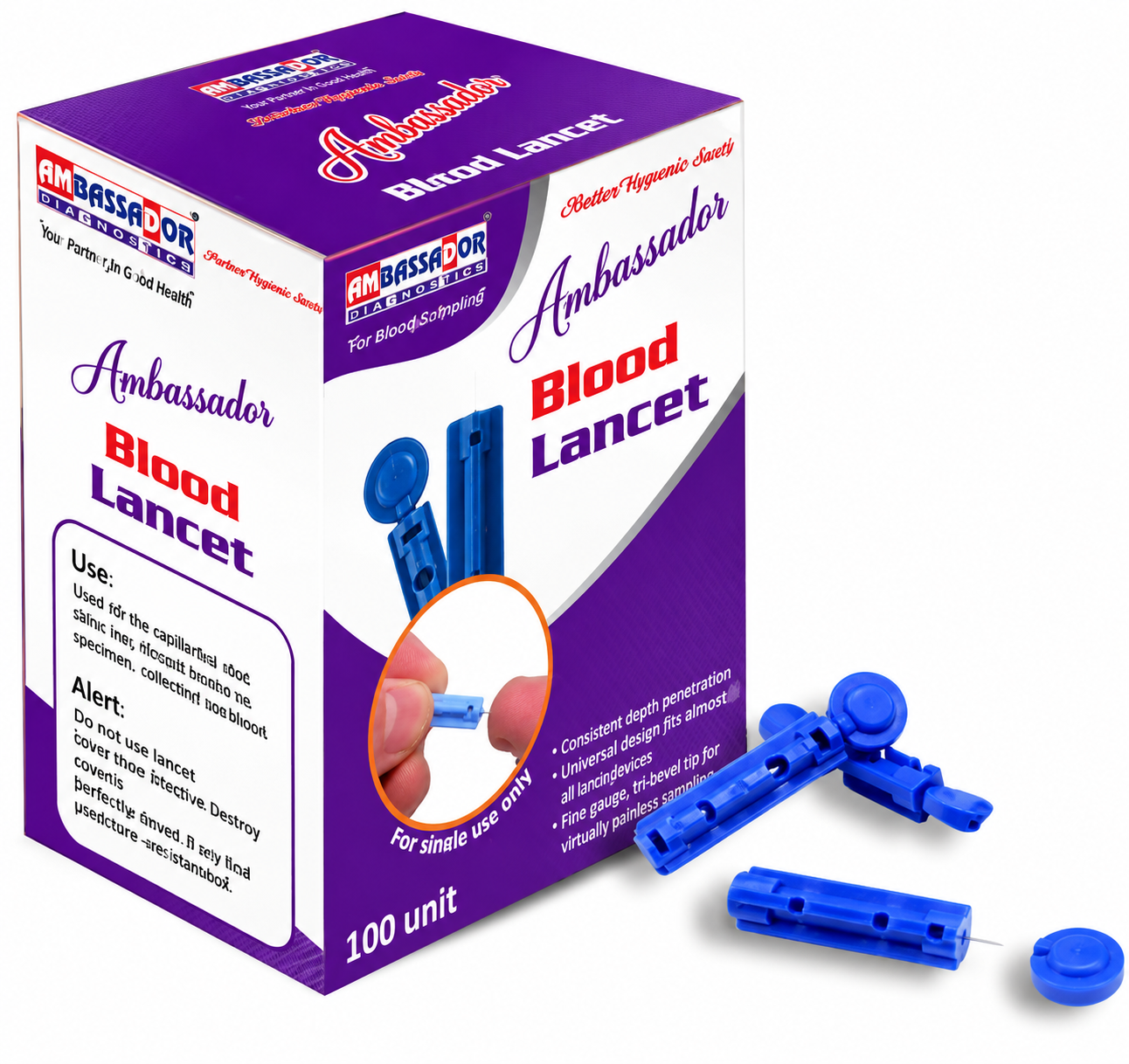
    Lancets in Kenya are small sterile medical devices designed to prick the fingertip and collect a small blood sample for glucose testing. They are used together with blood glucose meters to help patients monitor blood sugar levels safely at home.

    Lancets are usually inserted into a lancing device, which controls the depth and speed of the puncture. After the fingertip is cleaned, the device creates a small opening that produces a drop of blood placed on a glucose test strip.

    A typical blood glucose testing process involves:

    1. Washing and drying hands.
    2. Loading a new sterile lancet into the lancing device.
    3. Adjusting the puncture depth if necessary.
    4. Performing the finger prick.
    5. Applying the blood sample to the test strip.
    6. Recording the glucose reading.

    Unlike reusable medical tools, modern lancets are designed for single use. Reusing lancets can reduce sharpness, increase discomfort, and may affect hygiene.

    Why Patients in Kenya Use Lancets for Blood Sugar Monitoring

    Blood glucose monitoring helps patients and healthcare professionals understand how the body responds to:

    • Diabetes medication
    • Insulin therapy
    • Diet changes
    • Physical activity
    • Illness or infections
    • Stress and lifestyle changes

    Common users of lancets include:

    • People with Type 1 diabetes
    • People with Type 2 diabetes
    • Pregnant women with gestational diabetes
    • Elderly patients requiring regular monitoring
    • Caregivers checking glucose levels for family members

    According to pharmacist observations, many patients visiting pharmacies in Nairobi ask for lancets alongside glucose meters, test strips, and diabetes supplements.

    Some common questions pharmacists receive include:

    • “Which lancet hurts less?”
    • “Can I use any lancet with my glucose meter?”
    • “How often should I change my lancet?”
    • “Why do my fingers become sore after testing?”

    How Much Do Lancets in Kenya Cost in 2026?

    The cost of lancets in Kenya generally depends on the brand, gauge size, pack quantity, and compatibility with the lancing device. Most standard single-use lancets are affordable medical supplies available through pharmacies and healthcare retailers.

    Prices may vary depending on availability and supplier changes. Patients should compare both price and quality because cheaper options may not always provide the most comfortable testing experience.

    Average Lancet Prices in Kenya

    Lancet Type Pack Size Estimated Price Range in Kenya Best For
    Standard 28G Lancets 100 pieces KSh 300–800 Regular users needing stronger blood flow
    30G Lancets 100 pieces KSh 400–1,000 General diabetes monitoring
    31G Lancets 100 pieces KSh 500–1,200 Users wanting more comfort
    33G Thin Lancets 100 pieces KSh 600–1,500 Sensitive skin and frequent testing

    Prices may change depending on brand, supplier, and availability.

    Patients can explore diabetes care supplies and related products through the Our Mall Pharmacy healthcare categories, including medical devices and chronic care products.

    Best Lancets in Kenya: Comparing 28G, 30G, 31G and 33G Sizes

    The best lancets in Kenya depend on your skin sensitivity, testing frequency, and required blood sample size. Thinner gauges such as 31G and 33G are often preferred for comfort, while thicker gauges like 28G may provide easier blood collection for some users.

    Lancet size is measured using gauge (G). The gauge number works differently from many measurements: a higher gauge number usually means a thinner needle.

    For example:

    • 28G = thicker lancet
    • 33G = thinner lancet

    Lancet Gauge Comparison Table

    Gauge Size Needle Thickness Pain Level Suitable Users
    28G Thicker Moderate Patients needing easier blood flow
    30G Medium Low to moderate Most adult users
    31G Thin Lower discomfort Frequent testers
    33G Very thin Usually least noticeable Sensitive skin users

    33G Lancets in Kenya: Are They Less Painful?

    33G lancets in Kenya are among the thinnest commonly available options and are designed to reduce discomfort during frequent blood glucose testing. They are often preferred by patients who test multiple times daily or have sensitive fingertips.

    The main advantage of thinner lancets is reduced skin trauma. However, some users may find that very thin lancets require slightly deeper settings on the lancing device depending on skin thickness.

    A pharmacist may recommend trying different gauges based on:

    • Finger sensitivity
    • Frequency of testing
    • Blood sample requirements
    • Age of the user

    28G Lancets in Kenya: Are Thicker Lancets Better?

    28G lancets in Kenya can be useful for patients who need a slightly larger blood sample or have difficulty obtaining enough blood from thinner lancets. They may cause more noticeable discomfort compared with thinner gauges.

    Thicker lancets are sometimes chosen by:

    • Older adults
    • Patients with thicker skin
    • Users who struggle to obtain enough blood

    However, comfort preferences differ from person to person.

    What Factors Affect Lancet Pain Levels?

    Lancet pain depends on more than needle size alone. The gauge, puncture depth, testing technique, fingertip condition, and whether a fresh lancet is used all influence comfort during blood glucose testing.

    Common factors affecting discomfort include:

    1. Lancet Thickness

    A thinner lancet generally creates a smaller puncture.

    2. Lancing Device Settings

    A deeper setting may produce more discomfort than necessary.

    3. Reusing Lancets

    Repeated use can make the tip less effective and increase discomfort.

    4. Finger Location

    The sides of fingertips often have fewer nerve endings compared with the centre.

    5. Hand Condition

    Dry skin or frequent hand washing may affect comfort.

    Conclusion: Choosing the Right Lancets in Kenya for Comfortable Blood Glucose Monitoring

    Choosing the right lancets in Kenya depends on your testing needs, skin sensitivity, glucose monitoring routine, and preferred comfort level. Thinner gauges such as 31G and 33G are often selected by frequent testers, while 28G and 30G options may suit users who need easier blood collection.

    Lancets may be small, but they play an important role in effective diabetes self-management. Using the correct gauge, changing lancets regularly, and following safe testing practices can make daily blood glucose monitoring more comfortable and hygienic.

    Before purchasing lancets, consider:

    • Gauge size: Higher gauge numbers usually mean thinner lancets and may provide a more comfortable experience.
    • Compatibility: Ensure the lancets work with your lancing device or blood glucose monitoring system.
    • Quality and sterility: Choose sealed, single-use lancets from reliable healthcare suppliers.
    • Personal comfort: The best lancet is the one that provides a sufficient blood sample with minimal discomfort.

    At Our Mall Pharmacy, we understand that patients have different needs. Common questions from diabetes patients in Nairobi include finding less painful options, choosing affordable packs, and understanding which supplies are suitable for regular home monitoring.

    Whether you live in Nairobi, Rongai, Ngong, Karen, Lang’ata, Kilimani, or Westlands, getting professional guidance can help you select suitable diabetes care products with confidence.

    You can also explore related healthcare products through our shop page and find additional wellness resources through our health articles section.

    Contact Our Mall Pharmacy

    Call Us: +254 722 390 003
    Mon-Sat: 9AM-8PM, Sun: 10:30AM-6PM

    WhatsApp: Chat with a Pharmacist (Instant responses)

    Email: ourmallpharmacy@gmail.com
    (We reply within 2 hours)

    Visit Us:
    Our Mall, Off Magadi Rd, Avocado Lane, Ground Floor (Shop No. 22)

    Opening Hours:
    Mon-Sat 9AM-8PM
    Sun 10:30AM-6PM

    Our pharmacists are available to help you choose suitable lancets in Kenya, blood glucose monitoring supplies, and other healthcare products based on your needs. You can also contact our team for guidance on diabetes care products, availability, and safe usage recommendations.

  • Diabetic Foot Care Kenya: A Complete Guide to Socks, Creams and Daily Protection

    Diabetic Foot Care Kenya: A Complete Guide to Socks, Creams and Daily Protection

    People living with diabetes need to pay special attention to their feet because changes in blood circulation, nerve sensitivity, and skin health can increase the risk of foot problems.

    A good foot care routine involves more than treating problems when they appear. It includes daily inspection, proper hygiene, comfortable footwear, and choosing suitable Diabetic Foot Care Kenya products that support healthy skin and protection.

    In Nairobi and surrounding areas such as Rongai, Ngong, Karen, Kilimani, Westlands, and Lang’ata, pharmacists regularly advise diabetes patients on choosing foot care products, managing dry skin, and recognising early warning signs.

    Common questions patients ask include:

    • Which socks are best for diabetic feet?
    • What cream is safe for dry diabetic feet?
    • How often should I check my feet?
    • Can diabetic foot problems be prevented?
    • Where can I buy reliable diabetic foot care products in Kenya?

    This guide explains Diabetic Foot Care Kenya, including diabetic socks, moisturising creams, daily checks, common mistakes, and practical advice for better foot health.

    Patients managing diabetes can also explore our chronic care products for additional support with long-term health management.

    What Is Diabetic Foot Care Kenya and Why Is It Important?

    Diabetic Foot Care Kenya focuses on protecting the feet of people living with diabetes through daily checks, proper hygiene, suitable footwear, and supportive foot care products. These practices help reduce the risk of foot complications and encourage early detection of changes.

    Diabetes can affect foot health in several ways, including:

    • Reduced sensation due to nerve changes
    • Dry skin that may crack more easily
    • Slower healing of minor injuries
    • Increased sensitivity to pressure and friction

    Because some foot problems may develop without obvious pain, regular checking is an important part of diabetes self-care.

    A complete diabetic foot care routine includes:

    Foot Care Practice Why It Matters
    Daily foot checks Helps identify problems early
    Moisturising dry skin Supports healthy skin condition
    Comfortable socks Reduces friction and pressure
    Proper footwear Protects feet from injury
    Professional advice Helps manage concerns safely

    Patients who need monitoring tools and supportive healthcare equipment can also view medical devices for diabetes care available through Our Mall Pharmacy.

    Which Diabetic Foot Care Kenya Products Should Patients Use Daily?

    Diabetic Foot Care Kenya products include diabetic socks, moisturising creams, gentle foot care solutions, and tools that support daily inspection. The right products depend on individual needs and professional healthcare advice.

    The most commonly recommended foot care products include:

    1. Diabetic socks
    2. Moisturising creams
    3. Urea-based foot creams
    4. Gentle foot cleansers
    5. Comfortable footwear
    6. Foot inspection tools
    7. Protective foot accessories

    The goal of these products is not to replace medical treatment but to support daily prevention and comfort.

    Diabetic Foot Care Kenya Socks: Why Seamless Socks Matter

    Diabetic socks are designed to improve comfort by reducing pressure points and friction that may irritate sensitive feet. Seamless or low-seam designs may help reduce rubbing during daily activities.

    Features patients often look for include:

    • Soft materials
    • Comfortable fit
    • Reduced tightness around the leg
    • Moisture management

    Regular socks may sometimes create pressure areas, especially if they are too tight or have thick seams.

    Best Diabetic Foot Care Kenya Socks for Daily Protection

    When choosing diabetic socks, consider:

    Feature Benefit
    Seamless design Reduces rubbing
    Breathable fabric Helps manage moisture
    Comfortable fit Supports daily wear
    Non-restrictive top band Reduces pressure

    Patients should choose socks that fit properly and avoid those that feel too tight.

    Best Diabetic Foot Care Kenya Products: 7 Essential Items

    The best Diabetic Foot Care Kenya products help protect sensitive skin, maintain moisture balance, reduce friction, and support healthy daily foot routines for people managing diabetes.

    Top 7 Diabetic Foot Care Kenya Essentials

    1. Diabetic Socks

    Diabetic socks can help improve comfort by reducing friction and pressure during walking.

    2. Moisturising Foot Creams

    Dry skin can increase the risk of cracking. Suitable moisturisers help maintain skin softness.

    3. Urea-Based Foot Creams

    Urea creams are commonly used for managing very dry skin by helping improve moisture retention.

    4. Gentle Foot Wash Products

    Harsh soaps may dry the skin, so gentle cleansing products are preferred.

    5. Comfortable Footwear

    Well-fitting shoes help reduce pressure points and protect feet from injury.

    6. Foot Inspection Tools

    Mirrors or other tools can help patients check areas that are difficult to see.

    7. Foot Care Accessories

    Additional products may support comfort and daily foot protection.

    Patients looking for diabetes-related supplies can shop healthcare products from Our Mall Pharmacy.

    Conclusion: Choosing the Right Diabetic Foot Care Kenya Products

    Choosing suitable Diabetic Foot Care Kenya products helps people living with diabetes protect their feet, maintain healthy skin, and build safer daily care routines. Products such as diabetic socks, moisturising creams, and foot care accessories work best when combined with regular foot checks and professional healthcare advice.

    Diabetic foot care is about prevention, early detection, and consistent habits. Simple actions such as checking your feet daily, keeping skin moisturised, wearing comfortable footwear, and seeking help when you notice changes can support better foot health.

    In Nairobi and surrounding areas such as Rongai, Ngong, Karen, Kilimani, Westlands, and Lang’ata, pharmacists regularly help patients choose appropriate foot care products and understand how to use them correctly as part of diabetes management.

    At Our Mall Pharmacy, we provide reliable healthcare products and professional guidance for patients managing diabetes and other chronic conditions. Our team can help you choose suitable chronic care products, explore available healthcare products, and get advice from qualified pharmacy professionals through contacting our pharmacists.

    For more health education resources, patients can also read our health articles or visit our pharmacy for personalised support.

    Contact Our Mall Pharmacy

    Call Us: +254 722 390 003

    Mon-Sat: 9AM-8PM
    Sun: 10:30AM-6PM

    WhatsApp: Chat with a Pharmacist (Instant responses)

    Email: ourmallpharmacy@gmail.com
    (We reply within 2 hours)

    Visit Us:
    Our Mall, Off Magadi Rd, Avocado Lane, Ground Floor (Shop No. 22)

    Opening Hours:
    Mon-Sat 9AM-8PM
    Sun 10:30AM-6PM

  • Insulin Pen Needles Kenya: Complete Guide to Sizes, Safety and Choosing the Right Needle

    Insulin Pen Needles Kenya: Complete Guide to Sizes, Safety and Choosing the Right Needle

    For people using insulin therapy, choosing the right needle is an important part of safe and comfortable diabetes management. Although insulin pens make injections easier, the needle attached to the pen plays a major role in how effectively insulin is delivered.

    The demand for insulin pen needles Kenya patients use has increased as more people manage diabetes at home and require convenient injection supplies.

    In Nairobi and nearby areas such as Rongai, Ngong, Karen, Kilimani, Westlands, and Lang’ata, pharmacists commonly help patients choose suitable insulin pen needles based on comfort, needle length, availability, and correct injection practices.

    Common questions patients ask include:

    • Which insulin pen needle size is best?
    • Are shorter needles safer?
    • Can I reuse insulin pen needles?
    • How often should I change my needle?
    • What causes lumps at injection sites?

    This guide explains insulin pen needles Kenya options, needle sizes, reuse risks, injection site care, and how to choose the right needle for safe insulin administration.

    Patients managing diabetes can also explore chronic care products and other supportive healthcare solutions available through Our Mall Pharmacy.

    What Are Insulin Pen Needles Kenya Patients Use and Why Are They Important?

    Insulin pen needles Kenya patients use are small disposable needles attached to insulin pens to deliver insulin into the fatty layer under the skin. Choosing the correct needle size helps improve comfort, injection technique, and safe insulin delivery.

    Insulin pen needles are designed to work with insulin pens and allow patients to administer their medication conveniently.

    A typical pen needle has:

    • A protective cap
    • A needle tip
    • A connector that attaches to the insulin pen
    • A protective cover for safe handling

    The main purpose of the needle is to ensure insulin reaches the correct tissue layer.

    A suitable needle can help patients:

    • Inject insulin comfortably
    • Maintain consistent injection routines
    • Reduce injection anxiety
    • Improve medication handling

    Patients who require diabetes monitoring equipment can also view medical devices for diabetes care available from Our Mall Pharmacy.

    How Do You Choose the Right Insulin Pen Needles Kenya?

    Choosing the right insulin pen needles Kenya patients need depends on needle length, comfort, injection technique, body factors, and healthcare guidance. The correct needle should support safe insulin delivery without causing unnecessary discomfort.

    Before choosing a needle, patients should consider:

    • Needle length
    • Needle thickness (gauge)
    • Comfort during injections
    • Availability
    • Compatibility with insulin pens

    A pharmacist or healthcare professional can help patients select suitable options based on their individual needs.

    Insulin Pen Needles Kenya Sizes Explained

    Insulin pen needles are available in different lengths. Common sizes include:

    Needle Length General Use Key Benefit
    4mm Commonly used by many adults Short and comfortable
    5mm Alternative option Balance of comfort and reach
    6mm Used in some patients Slightly longer option
    8mm Longer needle option May be recommended in specific cases

    The best needle length depends on the patient’s injection technique and healthcare advice.

    4mm Insulin Pen Needles Kenya: Are They Suitable?

    4mm insulin pen needles Kenya patients use are among the shorter needle options and are often preferred because they can provide comfortable injections when used correctly.

    Benefits may include:

    • Less injection discomfort
    • Easier handling
    • Reduced fear of needles for some patients

    However, patients should still follow proper injection techniques and professional guidance.

    6mm and 8mm Insulin Pen Needles Kenya Options

    Longer insulin pen needles Kenya options, such as 6mm and 8mm needles, may be suitable for some patients depending on individual circumstances and healthcare recommendations.

    Patients using longer needles should pay attention to:

    • Injection angle
    • Technique
    • Site selection

    Using the wrong technique may affect how insulin enters the body.

    What Is the Best Insulin Pen Needles Kenya Size for Diabetes Patients?

    The best insulin pen needles Kenya patients use depends on individual needs, comfort, injection technique, and healthcare advice. There is no single needle size that is perfect for every person using insulin.

    Factors that may influence needle selection include:

    • Patient comfort
    • Age
    • Injection experience
    • Healthcare provider recommendations

    Many patients prefer shorter needles because they can feel easier to use, but the final choice should be based on safe insulin administration.

    Can You Reuse Insulin Pen Needles Kenya?

    Insulin pen needles Kenya users should generally avoid reusing needles because repeated use can damage the needle tip, increase discomfort, and affect safe injection practices. Disposable needles are designed for single use.

    Some patients reuse needles because they want to reduce costs or avoid frequent purchases. However, repeated use may create problems.

    Common concerns include:

    • Reduced sharpness of the needle
    • More painful injections
    • Increased risk of injection site problems
    • Poor injection experience

    Patients looking for diabetes supplies can shop diabetes care products for suitable healthcare products.

    Risks of Reusing Insulin Pen Needles Kenya Patients Should Know

    Reusing insulin pen needles Kenya patients rely on may increase the chance of needle damage, discomfort, and injection site complications. Using a fresh needle helps maintain safer injection practices.

    Possible issues include:

    Risk Explanation
    Blunt needle tip Can make injections more uncomfortable
    Needle damage May affect smooth injection
    Injection site problems Repeated use may irritate skin
    Poor hygiene Creates avoidable risks

    How Reused Insulin Pen Needles Kenya Can Affect Injection Sites

    Repeated needle use combined with injecting repeatedly in the same area may contribute to injection site problems such as lipohypertrophy.

    Lipohypertrophy refers to thickened areas of fatty tissue under the skin that may affect how insulin is absorbed.

    To reduce injection site problems:

    • Rotate injection areas
    • Follow correct technique
    • Use needles appropriately

    Patients with concerns about injection sites can consult a pharmacist for guidance.

    Conclusion: Choosing Safe Insulin Pen Needles Kenya Patients Can Trust

    Choosing the right insulin pen needles Kenya patients use is an important part of safe and comfortable insulin management. The correct needle size, proper injection technique, and avoiding unnecessary reuse can help support better injection practices and reduce common problems such as injection site discomfort.

    Patients should consider factors such as needle length, comfort, compatibility with their insulin pen, and professional advice when selecting insulin pen needles. While cost is an important consideration, choosing safe and reliable supplies can help improve the overall insulin treatment experience.

    In Nairobi and surrounding areas including Rongai, Ngong, Karen, Kilimani, Westlands, and Lang’ata, pharmacists regularly assist patients with questions about needle sizes, injection techniques, diabetes supplies, and managing long-term care needs.

    At Our Mall Pharmacy, we help patients access reliable diabetes care products and professional support. Our pharmacy team can guide you on choosing suitable insulin pen needles, understanding safe usage practices, and finding compatible healthcare supplies.

    Explore our chronic care products, browse available medical devices, or contact our pharmacists for personalised assistance.

    Contact Our Mall Pharmacy

    Call Us: +254 722 390 003

    Mon-Sat: 9AM-8PM
    Sun: 10:30AM-6PM

    WhatsApp: Chat with a Pharmacist (Instant responses)

    Email: ourmallpharmacy@gmail.com
    (We reply within 2 hours)

    Visit Us:
    Our Mall, Off Magadi Rd, Avocado Lane, Ground Floor (Shop No. 22)

    Opening Hours:
    Mon-Sat 9AM-8PM
    Sun 10:30AM-6PM