Blog

  • What is the Best Medicine for Stomach Pain in Kenya? (Expert Guide 2026) | Our Mall Pharmacy Kenya

    What is the Best Medicine for Stomach Pain in Kenya? (Expert Guide 2026) | Our Mall Pharmacy Kenya

    Best Medicine for Stomach Pain is one of the most common complaints seen in pharmacies across Kenya, especially in Nairobi. It can range from mild indigestion after meals to more serious conditions like ulcers or gastritis. Many patients often self-medicate without understanding the root cause, which can sometimes worsen the condition.

    At Our Mall Pharmacy, we regularly help patients identify the right treatment based on symptoms rather than guesswork. Stomach pain is not a single disease—it is a symptom with multiple possible causes. This 2026 expert guide explains the best medicines for stomach pain in Kenya, including ulcer treatment, gas relief, and indigestion management.


    What is the best medicine for stomach pain in Kenya?

    The best medicine for stomach pain in Kenya depends on the cause, such as antacids for indigestion, antispasmodics for cramps, and proton pump inhibitors for ulcers or gastritis.

    There is no single universal medicine because stomach pain can result from gas, infection, ulcers, or dietary issues.

    Common treatment options:

    • Antacids (for acid and indigestion)
    • Proton Pump Inhibitors (for ulcers)
    • Antispasmodics (for cramps)
    • Simethicone (for gas relief)

     Digestive health support:


    What causes stomach pain in Kenya?

    Stomach pain in Kenya is commonly caused by indigestion, gas buildup, ulcers, infections, and dietary habits such as irregular meals or spicy food intake.

    In Nairobi, lifestyle factors like stress, fast food consumption, and irregular eating patterns contribute significantly.

    Common causes:

    • Gastritis (acid irritation)
    • Peptic ulcers (H. pylori infection)
    • Gas and bloating
    • Food poisoning
    • Irregular eating habits

    Best Medicine for Stomach Pain in Kenya

    Antacids are the best first-line medicines for indigestion in Kenya because they neutralize stomach acid quickly and provide fast relief from burning sensations.

    They are commonly used after heavy meals or spicy food consumption.

    Common antacids:

    • Magnesium hydroxide combinations
    • Aluminium hydroxide gels
    • Calcium carbonate tablets

    Medication Table: Antacids

    Parameter Details
    Drug Type Antacid
    Use Indigestion, heartburn
    Action Neutralizes stomach acid
    Onset Fast (minutes)
    Availability Over the counter

    Shop digestive medicines: 


    Best medicine for ulcers in Kenya

    Proton Pump Inhibitors (PPIs) like Omeprazole are the most effective medicines for treating stomach ulcers in Kenya because they reduce acid production and allow healing of the stomach lining.

    Ulcer treatment usually requires consistent use and sometimes antibiotics if H. pylori infection is present.

    Common ulcer medicines:

    • Omeprazole
    • Esomeprazole
    • Pantoprazole

    Pharmacy insight:

    Many Nairobi patients mistake ulcer pain for simple indigestion, delaying proper treatment.


    Best Medicine for Stomach Pain and bloating

    Simethicone-based medicines are the best for gas and bloating in Kenya because they break down gas bubbles and reduce abdominal discomfort quickly.

    This is very common in Nairobi due to diet changes and fast food consumption.

    Symptoms:

    • Abdominal fullness
    • Excess gas
    • Stomach pressure

    Are stomach pain medicines safe?

    Yes, most stomach pain medicines are safe when used correctly, but long-term use without diagnosis can mask serious conditions like ulcers or infections.

    At Our Mall Pharmacy, we always recommend identifying the cause before choosing treatment.

    Safety tips:

    • Avoid self-medicating for long-term pain
    • Do not mix multiple antacids unnecessarily
    • Seek help if pain persists more than 3 days

     Contact pharmacist:


    Medication comparison table

    Condition Best Medicine Action
    Indigestion Antacids Neutralizes acid
    Ulcers Omeprazole (PPI) Reduces acid production
    Gas Simethicone Breaks gas bubbles
    Stomach cramps Antispasmodics Relaxes muscles

    Real pharmacy experience in Nairobi

    At Our Mall Pharmacy, we observe:

    • Many patients self-treat stomach ulcers as indigestion
    • Fast food consumption increases gas and bloating cases
    • Stress-related gastritis is common in CBD workers
    • Irregular meal patterns worsen stomach pain symptoms
    • Antacids are the most frequently purchased digestive medicine

    When should you see a doctor?

    You should seek medical attention if stomach pain is severe, persistent, or accompanied by vomiting, weight loss, or blood in stool.

    Warning signs:

    • Persistent pain > 1 week
    • Black or bloody stools
    • Severe burning pain
    • Unexplained weight loss

    FAQ: Best Medicine for Stomach Pain in Kenya

    1. What is the best medicine for stomach pain in Kenya?

    It depends on the cause—antacids, PPIs, or antispasmodics are commonly used.

    2. Can ulcers be treated with over-the-counter medicine?

    Yes, but confirmed ulcers often require prescribed treatment and sometimes antibiotics.

    3. What is the fastest relief for stomach pain?

    Antacids provide the fastest relief for acid-related pain.

    4. Can gas cause stomach pain?

    Yes, gas buildup is a very common cause of abdominal discomfort.

    5. Is stomach pain always serious?

    No, but persistent or severe pain should be checked by a healthcare professional.


    Final Thoughts

    Stomach pain in Kenya is common but often misunderstood. The key is identifying the cause before choosing treatment. Whether it is indigestion, ulcers, or gas, the right medicine can provide fast and effective relief.

    At Our Mall Pharmacy, we prioritize safe, accurate, and pharmacist-guided treatment to ensure patients in Nairobi and across Kenya receive the right care.


    Contact Our Mall Pharmacy

     Call Us: +254 722 390 003
     Mon-Sat 9AM-8PM, Sun 10:30AM-6PM
     WhatsApp: Chat with a Pharmacist (Instant responses)
    Email: ourmallpharmacy@gmail.com
     Visit Us: Our Mall, Off Magadi Rd, Avocado Lane, Ground Floor (Shop No. 22)

  • Best Cough Syrups in Kenya (Dry vs Wet Cough Guide 2026) | Our Mall Pharmacy Kenya

    Best Cough Syrups in Kenya (Dry vs Wet Cough Guide 2026) | Our Mall Pharmacy Kenya

    cough syrups is one of the most common reasons people visit pharmacies in Kenya, especially in Nairobi where dust, cold mornings, and seasonal flu contribute to frequent respiratory symptoms. From dry throat irritation in CBD office workers to chesty coughs during rainy seasons in Rongai and Ngong, choosing the right cough syrup is essential for fast relief.

    At Our Mall Pharmacy, we regularly guide patients on selecting the correct cough medicine based on cough type (dry vs wet), age, and underlying condition. Many people use the wrong syrup, which delays recovery. This 2026 expert guide explains the best cough syrups in Kenya, their ingredients, uses, pricing, and safe usage.


    What is the best cough syrup in Kenya in 2026?

    The best cough syrup in Kenya depends on the type of cough—dry cough syrups suppress irritation, while wet cough syrups help clear mucus from the chest.

    There is no single “best” syrup for all cases. The correct choice depends on symptoms.

    Quick guide:

    • Dry cough → cough suppressants
    • Wet cough → expectorants

     Shop cough medicines:


    What is the difference between dry and wet cough?

    A dry cough does not produce mucus and is caused by throat irritation, while a wet cough produces mucus and is usually linked to chest infections or flu.

    Understanding this difference is critical for choosing the right treatment.

    Key differences:

    Feature Dry Cough Wet Cough
    Mucus None Present
    Cause Irritation, dust, allergies Infection, flu
    Treatment Suppress cough Remove mucus

    Best cough syrups for dry cough in Kenya

    Dry cough syrups in Kenya contain cough suppressants that reduce the urge to cough and soothe throat irritation.

    Common options:

    • Dextromethorphan-based syrups
    • Antihistamine-based syrups (for allergy cough)
    • Combination syrups for night relief

    When to use:

    • Persistent dry cough
    • Allergy-related cough (common in Nairobi dust exposure)
    • Night-time cough disturbing sleep

     View options:


    Best cough syrups for wet cough in Kenya

    Wet cough syrups contain expectorants that help loosen and remove mucus from the chest, improving breathing and recovery.

    Common ingredients:

    • Guaifenesin (loosens mucus)
    • Bromhexine (breaks down mucus)
    • Ambroxol (improves mucus clearance)

    When to use:

    • Chest congestion
    • Productive cough
    • Flu-related mucus buildup

    Which cough syrup works fastest?

    Fast-acting cough syrups are usually combination formulas that address multiple symptoms such as cough, congestion, and throat irritation at once.

    In Nairobi pharmacies, combination syrups are very popular because patients prefer quick relief.

    Fast relief combination includes:

    • Cough suppressant
    • Antihistamine
    • Decongestant

    Are cough syrups safe in Kenya?

    Cough syrups are generally safe when used correctly, but misuse—especially in children or overdose—can lead to side effects such as drowsiness or dizziness.

    At Our Mall Pharmacy, we emphasize correct dosing and avoiding self-medication without guidance.

    Safety tips:

    • Follow dosage instructions strictly
    • Avoid mixing multiple syrups
    • Use age-appropriate formulations
    • Consult a pharmacist for children

     Contact pharmacist:


    Medication Table: Common Cough Syrup Ingredients

    Drug/Ingredient Category Use Frequency Availability
    Dextromethorphan Suppressant Dry cough 2–3 times daily OTC
    Guaifenesin Expectorant Wet cough 2–3 times daily OTC
    Bromhexine Mucolytic Chest congestion 2–3 times daily OTC
    Antihistamines Anti-allergy Dry/allergy cough Once daily OTC

    How much do cough syrups cost in Nairobi?

    Cough syrups in Nairobi typically cost between KES 100 and KES 400 depending on the brand, ingredients, and formulation.

    Price guide:

    Type Price Range (KES)
    Basic cough syrup 100 – 200
    Combination syrup 150 – 300
    Premium brands 250 – 400

     Shop online:


    What causes cough in Nairobi?

    Cough in Nairobi is commonly caused by dust, air pollution, flu infections, cold weather, and allergies.

    Local triggers:

    • Dust exposure (CBD, Westlands)
    • Cold mornings (Ngong, Karen)
    • Rainy season infections
    • Air pollution and smoke

    Pharmacy insight:

    We see more cough cases during:

    • Rainy seasons (April–July)
    • Dusty dry seasons
    • Cold early mornings

    When should you see a doctor?

    You should see a doctor if your cough lasts more than 7 days, produces blood, or is accompanied by high fever or chest pain.

    Warning signs:

    • Persistent cough > 1 week
    • Difficulty breathing
    • Chest pain
    • Blood in mucus

    Real pharmacy experience in Nairobi

    At Our Mall Pharmacy, we observe:

    • Most patients initially choose the wrong cough syrup
    • Dry cough is common in dusty areas like CBD
    • Wet cough increases during flu season
    • Many parents request pediatric syrups without proper diagnosis
    • Combination syrups are the most preferred option.

    FAQ: Best Cough Syrups in Kenya

    1. What is the best cough syrup in Kenya?

    The best cough syrup depends on your cough type—dry cough needs suppressants, while wet cough needs expectorants.

    2. How do I know if my cough is dry or wet?

    Dry cough has no mucus, while wet cough produces phlegm or chest congestion.

    3. Can I use cough syrup daily?

    Only for a short period and according to dosage instructions.

    4. Are cough syrups safe for children?

    Yes, but only pediatric formulations and proper dosing should be used.

    5. What is the fastest cough relief?

    Combination syrups provide the fastest symptom relief.

    6. How long does cough last?

    Most coughs resolve within 3–7 days depending on cause.

    7. Can dust cause cough in Nairobi?

    Yes, dust is one of the leading causes of dry cough in Nairobi.


    Final Thoughts

    Choosing the right cough syrup in Kenya depends on understanding your symptoms. Treating a dry cough with a wet cough medicine (or vice versa) can delay recovery.

    At Our Mall Pharmacy, we help patients select the most effective and safe cough treatment based on real symptoms and Nairobi environmental factors.


    Contact Our Mall Pharmacy

     Call Us: +254 722 390 003
     Mon-Sat 9AM-8PM, Sun 10:30AM-6PM
     WhatsApp: Chat with a Pharmacist (Instant responses)
     Email: ourmallpharmacy@gmail.com
     Visit Us: Our Mall, Off Magadi Rd, Avocado Lane, Ground Floor (Shop No. 22)
  • Top 7 Allergy Medicines in Nairobi (2026 Guide) | Our Mall Pharmacy Kenya

    Top 7 Allergy Medicines in Nairobi (2026 Guide) | Our Mall Pharmacy Kenya

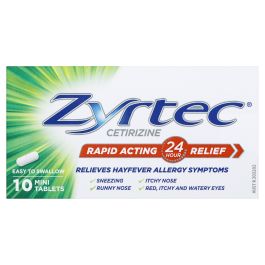
    allergy medicine are extremely common in Nairobi due to constant exposure to dust, pollen, air pollution, and seasonal weather changes. Many patients visiting pharmacies in areas like Westlands, CBD, Kilimani, and Rongai often report symptoms such as sneezing, blocked nose, itchy eyes, and sinus pressure.

  • Best Antibiotics Prices in Kenya 2026 Guide | Our Mall Pharmacy Kenya

    Best Antibiotics Prices in Kenya 2026 Guide | Our Mall Pharmacy Kenya

    Antibiotics remain one of the most commonly purchased medications in Kenya, especially in Nairobi and surrounding areas like Rongai, Ngong, Karen, and Westlands. Antibiotics prices in Kenya vary widely depending on brand, dosage, pharmacy location, and whether the medicine is generic or branded. Understanding Antibiotics Prices in Kenya is important for households trying to manage healthcare costs while still accessing effective treatment. In most urban and peri-urban areas, demand continues to rise, making Antibiotics Prices in Kenya a frequent concern for patients seeking affordable options.

    In 2026, most Kenyan households are more price-conscious due to rising healthcare costs, making it important to understand Antibiotics Prices in Kenya, safe usage, and where to buy affordable medication. Differences in Antibiotics Prices in Kenya are also influenced by import costs, regulatory factors, and availability of generics versus branded options. At Our Mall Pharmacy, pharmacists regularly see patients asking about Antibiotics Prices in Kenya when comparing treatment options and trying to balance cost with effectiveness.

    This guide breaks down Antibiotics Prices in Kenya, with a strong focus on Nairobi and common prescriptions like amoxicillin, azithromycin, and augmentin, helping patients better understand Antibiotics Prices in Kenya before making informed choices about their medication.


    What are antibiotics and how do they work in Kenya?

    Antibiotics are medicines used to treat bacterial infections by killing bacteria or stopping their growth. In Kenya, they are commonly used for infections such as respiratory tract infections, urinary tract infections, and skin infections. They are only effective against bacteria, not viruses like flu or common colds. Understanding Antibiotics Prices in Kenya is important because patients often compare costs before choosing treatment options, especially in urban areas where demand is high.

    In Nairobi pharmacies, antibiotics are often dispensed based on prescription or pharmacist evaluation, especially for recurring infections seen due to pollution, dust, and urban lifestyle conditions. Variations in Antibiotics Prices in Kenya also influence where patients choose to buy their medication, with some preferring community pharmacies over hospital outlets. Many people checking Antibiotics Prices in Kenya are also looking for generic alternatives to reduce cost without affecting effectiveness. Pharmacists frequently explain that Antibiotics Prices in Kenya differ based on brand, dosage strength, and manufacturer. However, even when evaluating Antibiotics Prices in Kenya, proper diagnosis remains essential before treatment begins.

    Common antibiotic categories available in Kenya include:

    Penicillins (e.g., Amoxicillin)
    Macrolides (e.g., Azithromycin)
    Cephalosporins (e.g., Cefixime)
    Fluoroquinolones (e.g., Ciprofloxacin)

    Most patients visiting pharmacies in Kilimani, Lang’ata, and Ngong prefer broad-spectrum antibiotics due to convenience, although pharmacists often advise targeted treatment. Even so, discussions around Antibiotics Prices in Kenya continue to influence purchasing behavior across different neighborhoods.

    Learn more about medications in Kenya:
    All Products
    Categories


    What is the antibiotics price in Kenya in 2026?

    The cost of antibiotics in Kenya in 2026 ranges from KSh 50 to over KSh 2,500 depending on the type, brand, dosage strength, and whether it is generic or branded. Generic antibiotics are significantly cheaper and widely used in Nairobi pharmacies.

    In most pharmacies around Nairobi, the average pricing structure is:

    • Basic antibiotics (generic): KSh 50 – KSh 300
    • Mid-range antibiotics: KSh 300 – KSh 1,000
    • Strong or branded antibiotics: KSh 1,000 – KSh 2,500+

    Pharmacists in areas like Westlands and Karen report that patients often switch to generics to reduce cost while maintaining effectiveness.

    Related pharmacy categories:
    Pain Relief
    Cold & Flu
    Chronic Care
    Supplements


    What is the price of common antibiotics in Nairobi?

    The price of common antibiotics in Nairobi in 2026 depends on the drug type, but most frequently used antibiotics like amoxicillin cost between KSh 80 and KSh 300 for generic versions, while branded versions can cost up to KSh 600 or more.

    Below is a realistic breakdown of commonly used antibiotics in Nairobi pharmacies:

    Antibiotic Price Table (Kenya 2026)

    Antibiotic Category Average Price (KSh) Use Case Availability
    Amoxicillin 500mg Penicillin 80 – 300 Throat, chest infections OTC / Prescription
    Azithromycin 500mg Macrolide 300 – 900 Respiratory infections Prescription
    Ciprofloxacin 500mg Fluoroquinolone 150 – 600 UTIs, stomach infections Prescription
    Augmentin 625mg Penicillin combo 500 – 1,500 Severe infections Prescription
    Cefixime 200mg Cephalosporin 400 – 1,200 Typhoid, infections Prescription

    In Nairobi areas like Ngong and Rongai, prices may be slightly lower due to competition among local pharmacies, while high-end pharmacies in Kilimani or Westlands may charge more.

    Browse related medicines:
    Shop


    What is the cost of amoxicillin in Nairobi?

    The cost of amoxicillin in Nairobi is typically between KSh 80 and KSh 300 for generic brands, while branded versions may cost up to KSh 500–600 depending on pharmacy location and packaging size.

    Amoxicillin is one of the most commonly prescribed antibiotics in Kenya due to its effectiveness and affordability. In Nairobi pharmacies, it is frequently used for:

    • Throat infections
    • Chest infections
    • Dental infections
    • Ear infections

    Pharmacists in Lang’ata and Karen often note that amoxicillin is the first-line antibiotic for mild infections unless resistance or allergies are suspected.

    You can consult or upload prescription here:
    Upload Prescription
    Contact Us
    Health Articles


    Why do antibiotic prices vary in Kenya?

    Antibiotic prices in Kenya vary due to brand differences, import costs, pharmacy location, and whether the medicine is generic or branded. Urban pharmacies in Nairobi often have higher pricing due to operational costs.

    Key factors affecting price:

    • Brand vs Generic: Branded drugs cost more than generics
    • Location: Westlands and Kilimani are generally more expensive than Rongai or Ngong
    • Supplier/import costs: Imported antibiotics cost more
    • Dosage strength: Higher strength increases price
    • Packaging size: Larger packs cost more but reduce unit price

    In real pharmacy settings, patients often choose generics after pharmacist consultation to reduce cost while maintaining treatment effectiveness.


    How should antibiotics be used safely in Kenya?

    Antibiotics should only be used under pharmacist or doctor guidance in Kenya to avoid resistance, incomplete treatment, and side effects. Correct dosage and full completion of the prescription are essential for effectiveness.

    In Nairobi, pharmacists frequently warn against:

    • Self-medicating with antibiotics
    • Stopping treatment early
    • Sharing antibiotics with family members
    • Using leftover antibiotics from previous illness

    Common safe-use guidelines:

    • Always complete the full dose course
    • Take at the same time daily
    • Avoid alcohol during treatment depending on the drug
    • Report side effects immediately

    Pharmacy observations in Nairobi show increasing antibiotic resistance cases due to misuse.


    Where can you buy cheap antibiotics in Nairobi?

    Cheap antibiotics in Nairobi are available in licensed pharmacies, especially in Rongai, Ngong, and Eastlands, where generic medications are more commonly stocked at lower prices.

    Best options include:

    • Licensed community pharmacies
    • Hospital pharmacies
    • Online pharmacy platforms like Our Mall Pharmacy
    • Approved clinic dispensaries

    Patients in Nairobi often prefer pharmacies that offer:

    • Generic substitution options
    • Prescription upload services
    • Pharmacist consultation before purchase

    Medication Table: Common Antibiotics in Kenya

    Parameter Example
    Drug Name Amoxicillin
    Category Antibiotic (Penicillin)
    Dosage 500mg
    Usage Infections (throat, chest, dental)
    Frequency Every 8 hours
    Availability Prescription / OTC in some cases

    FAQs: Antibiotic Prices in Kenya (2026)

    1. What is the cheapest antibiotic in Kenya?

    Generic amoxicillin is usually the cheapest antibiotic in Kenya, starting from around KSh 80 depending on the pharmacy and location.

    2. Can I buy antibiotics without prescription in Nairobi?

    Some antibiotics are available over the counter, but most strong antibiotics require a prescription or pharmacist approval for safe use.

    3. Why is amoxicillin so common in Kenya?

    Amoxicillin is widely used because it is affordable, effective, and suitable for many common bacterial infections.

    4. How much does Augmentin cost in Nairobi?

    Augmentin typically costs between KSh 500 and KSh 1,500 depending on dosage and pharmacy location.

    5. Are antibiotics cheaper in Rongai or Westlands?

    Yes, antibiotics are often cheaper in Rongai and Ngong compared to Westlands or Kilimani due to lower operational costs.

    6. What happens if I misuse antibiotics?

    Misuse can lead to antibiotic resistance, making future infections harder to treat and requiring stronger medications.

    7. Can pharmacists recommend antibiotics in Kenya?

    Yes, licensed pharmacists can recommend antibiotics based on symptoms and guidelines, but severe cases require a doctor’s prescription.


    Final Safety Reminder

    Antibiotics are powerful medicines and should always be used responsibly. Always consult a qualified pharmacist before starting treatment to ensure safety and effectiveness. Misuse or overuse can lead to antibiotic resistance, treatment failure, and unnecessary complications, especially when patients focus only on cost without proper guidance. This is why understanding Antibiotics Prices in Kenya is important but should never override medical safety considerations. Many patients compare Antibiotics Prices in Kenya before purchasing, but it is equally important to ensure the correct dosage and type are prescribed.

    In Nairobi and surrounding areas, variations in Antibiotics Prices in Kenya can influence buying decisions, but affordability should not replace professional advice. Pharmacies regularly educate patients that Antibiotics Prices in Kenya differ based on brand and formulation, yet effectiveness and safety remain the priority. At Our Mall Pharmacy, we emphasize that while Antibiotics Prices in Kenya matter to households managing budgets, proper usage and adherence to prescriptions are more important for recovery outcomes. Ultimately, even when evaluating Antibiotics Prices in Kenya, responsible use guided by a pharmacist ensures better health results and reduces long-term risks.


    Contact Our Mall Pharmacy

    Call Us: +254 722 390 003
    Mon-Sat 9AM-8PM, Sun 10:30AM-6PM
    WhatsApp: Chat with a Pharmacist (Instant responses)
    Email: ourmallpharmacy@gmail.com
    We reply within 2 hours

    Visit Us:
    Our Mall, Off Magadi Rd, Avocado Lane, Ground Floor (Shop No. 22)
    Mon-Sat 9AM-8PM, Sun 10:30AM-6PM

  • What is the Best Antibiotic in Kenya? (Expert Answer 2026) | Our Mall Pharmacy Kenya

    What is the Best Antibiotic in Kenya? (Expert Answer 2026) | Our Mall Pharmacy Kenya

    antibiotics in Kenya are among the most commonly misunderstood medicines in Kenya. In Nairobi especially, many patients request antibiotics for flu, cough, sore throat, or body pain without proper diagnosis. However, antibiotics are not painkillers and not flu medicines—they are prescription drugs meant to treat bacterial infections only.


  • Best Flu Medicines in Kenya (2026 Doctor-Recommended List) | Our Mall Pharmacy Kenya

    Best Flu Medicines in Kenya (2026 Doctor-Recommended List) | Our Mall Pharmacy Kenya

    flu medicines in Kenya, cough, and cold infections are among the most common reasons people visit pharmacies in Kenya, especially in Nairobi. Seasonal changes, cold mornings in areas like Ngong and Karen, dust exposure in Westlands and CBD traffic zones, and rainy-season infections all contribute to frequent flu outbreaks.

  • Paracetamol vs Ibuprofen in Kenya: Which is Better? (2026 Expert Guide) | Our Mall Pharmacy Kenya

    Paracetamol vs Ibuprofen in Kenya: Which is Better? (2026 Expert Guide) | Our Mall Pharmacy Kenya

    paracetamol vs ibuprofen Kenya and fever are among the most common reasons people in Kenya visit pharmacies. In Nairobi especially, conditions like flu from weather changes, stress headaches from traffic, menstrual pain, and muscle strain from daily activity make painkillers essential household medicines.

  • Cost of Painkillers in Nairobi (2026 Price Guide) | Our Mall Pharmacy Kenya

    Cost of Painkillers in Nairobi (2026 Price Guide) | Our Mall Pharmacy Kenya

    painkiller prices Nairobi are among the most frequently purchased medicines in Nairobi pharmacies. Whether it is a headache from CBD traffic stress, flu-related body aches during rainy seasons, or menstrual cramps affecting daily work in Westlands or Kilimani, most households rely on over-the-counter pain relief.

  • Top 10 Best Painkillers in Kenya (2026 Guide): Uses, Dosage, Safety & Prices in Nairobi | Our Mall Pharmacy Kenya

    Top 10 Best Painkillers in Kenya (2026 Guide): Uses, Dosage, Safety & Prices in Nairobi | Our Mall Pharmacy Kenya

    Pain management is one of the most common healthcare needs in Kenya, especially in urban areas like Nairobi, Westlands, Kilimani, Karen, Rongai, and Ngong. At Our Mall Pharmacy, we see daily cases of headaches, flu-related body pain, menstrual cramps, back pain from office work, and sports injuries.

    This 2026 expert guide provides a pharmacist-led breakdown of the best painkillers in Kenya, their safe use, dosage guidance, side effects, Nairobi-specific health insights, and real pharmacy experience.

    Painkillers are medicines that help relieve pain caused by headaches, muscle injuries, arthritis, toothaches, menstrual cramps, and other conditions. In Kenya, common painkillers include paracetamol, ibuprofen, diclofenac, naproxen, and prescription medicines for severe pain. The best option depends on the cause of the pain and should always be used according to a healthcare professional’s advice.

    What are the best painkillers in Kenya in 2026?

    The best painkillers in Kenya include Paracetamol, Ibuprofen, and Diclofenac, depending on the severity and type of pain. Paracetamol is the safest first-line option, while NSAIDs are used for inflammatory pain conditions.

    In Nairobi pharmacies, Paracetamol remains the most frequently purchased medicine due to affordability, safety, and availability. However, Ibuprofen and Diclofenac are widely used for stronger pain cases involving inflammation.

    Common painkillers used in Kenya:

    • Paracetamol (first-line, safest)
    • Ibuprofen (anti-inflammatory)
    • Diclofenac (strong pain & inflammation relief)
    • Naproxen (longer-lasting pain relief)
    • Aspirin (less commonly used due to bleeding risk)

     Shop medicines

    How does Paracetamol work and why is it widely used in Kenya?

    Paracetamol works by blocking pain signals in the brain and reducing fever, making it the safest and most widely used painkiller in Kenya for mild to moderate pain.

    It is especially preferred in Nairobi because it has minimal stomach irritation compared to NSAIDs, making it suitable for most patients including children and the elderly.

    Key benefits:

    • Reduces fever effectively
    • Treats headaches and mild body pain
    • Safe when used correctly
    • Widely available over the counter

    Medication Table: Paracetamol

    Parameter Details
    Drug Name Paracetamol
    Category Painkiller / Antipyretic
    Dosage 500mg – 1000mg
    Frequency Every 6–8 hours
    Uses Headache, fever, flu, body pain
    Availability Over the counter

     Available here

    When should you use Ibuprofen instead of Paracetamol?

    Ibuprofen should be used when pain involves inflammation such as muscle injury, menstrual cramps, or dental pain, where Paracetamol alone may not be effective.

    In Nairobi’s active population—especially gym users in Kilimani and Westlands—Ibuprofen is commonly used for muscle recovery and sports injuries.

    Best uses:

    • Menstrual cramps
    • Muscle strain
    • Toothache
    • Minor injuries

    Important safety notes:

    • Take after food to reduce stomach irritation
    • Avoid in ulcer patients
    • Do not use long-term without guidance

     Pain relief category: 


    Is Diclofenac safe for strong pain relief?

    Diclofenac is a strong anti-inflammatory painkiller used for moderate to severe pain such as back pain, arthritis, and dental inflammation, but it must be used carefully due to side effects.

    At Our Mall Pharmacy, we commonly see Diclofenac used in chronic pain cases among adults in Karen, Rongai, and Lang’ata.

    Common uses:

    • Chronic back pain (office workers in Nairobi CBD)
    • Arthritis in elderly patients
    • Severe dental pain
    • Sports injuries

    Risks:

    • Stomach irritation
    • Blood pressure increase
    • Not suitable for long-term unsupervised use

     Chronic care support


    What is the difference between Paracetamol and NSAIDs?

    Paracetamol reduces pain and fever, while NSAIDs (Ibuprofen, Diclofenac) also reduce inflammation, making them more effective for injury-related pain.

    This is one of the most important distinctions taught by pharmacists in Kenya because misuse is very common in self-medication cases.

    Comparison Table

    Feature Paracetamol NSAIDs
    Pain relief Yes Yes
    Reduces inflammation No Yes
    Stomach irritation Low Moderate–High
    Best for Fever, headache Injury, muscle pain
    Safety level High Moderate

     Learn more


    Which painkillers are best for flu and headaches in Nairobi?

    Paracetamol is the first-line treatment for flu-related headaches and fever commonly experienced in Nairobi due to weather changes, dust exposure, and seasonal infections.

    In areas like Rongai and Ngong, cold mornings significantly increase flu cases, especially during rainy seasons.

    Pharmacy recommendation:

    • Paracetamol for fever and headache
    • Antihistamines for allergy symptoms
    • Flu medication for congestion

     Cold & flu support


    What are the side effects of painkillers?

    Side effects depend on the medication used, but common risks include liver damage (Paracetamol overdose), stomach irritation (NSAIDs), and kidney strain with prolonged use.

    At Our Mall Pharmacy, we emphasize safe use because most complications arise from incorrect dosing rather than proper prescription use.

    Side effects overview:

    • Paracetamol: liver toxicity if overdosed
    • Ibuprofen: stomach pain, nausea
    • Diclofenac: blood pressure increase
    • Aspirin: bleeding risk

    Safety tips:

    • Never exceed recommended dose
    • Avoid mixing NSAIDs
    • Seek help if pain lasts more than 3 days

     Contact pharmacist 


    How much do painkillers cost in Nairobi in 2026?

    Painkillers in Nairobi remain affordable in 2026, with Paracetamol being the cheapest and NSAIDs varying depending on brand and strength.

    Prices may vary slightly across Nairobi areas such as Westlands, Kilimani, and CBD due to brand availability and pharmacy class.

    Price Table (2026 Nairobi Estimate)

    Medicine Price Range (KES) Availability
    Paracetamol 20 – 100 Very High
    Ibuprofen 50 – 250 High
    Diclofenac 80 – 300 High
    Naproxen 100 – 400 Moderate

     Shop here


    How should you choose the Best Painkillers in Kenya?

    Choosing the right painkiller depends on the type of pain, severity, and medical history, and should ideally be guided by a pharmacist to avoid complications.

    In Nairobi pharmacy practice, many patients self-medicate incorrectly, which increases risk of side effects.

    Step-by-step guide:

    1. Identify pain type (headache, muscle, injury)
    2. Start with Paracetamol
    3. Use NSAIDs for inflammation
    4. Avoid mixing painkillers
    5. Seek help if pain persists beyond 72 hours

     Upload prescription


    Real pharmacy insights from Nairobi

    At Our Mall Pharmacy, we regularly observe:

    • Office workers in Westlands suffer from chronic neck and back pain
    • Students overuse Paracetamol during exam stress
    • Cold & flu cases rise during rainy seasons (April–July)
    • Many patients self-medicate without proper guidance

    These real-world patterns help pharmacists provide better, safer recommendations.


    FAQ: Painkillers in Kenya (2026 Guide)

    1. What is the strongest painkiller in Kenya?

    Diclofenac is among the strongest commonly available painkillers, but it should be used under pharmacist supervision.

    2. Can I take antibiotics with painkillers?

    Yes, but only when prescribed, as antibiotics treat infections while painkillers treat symptoms.

    3. Is it safe to take painkillers daily?

    No, long-term daily use can cause liver, kidney, or stomach complications.

    4. What is the safest painkiller during pregnancy?

    Paracetamol is generally the safest option when used correctly under medical advice.

    5. Why do painkillers stop working?

    This may happen due to incorrect dosage, tolerance, or worsening condition requiring different treatment.

    6. Can painkillers cure flu?

    No, they only relieve symptoms like fever and headache but do not treat viral infections.

    7. Where can I buy safe painkillers in Nairobi?

    Licensed pharmacies like Our Mall Pharmacy provide safe, verified medicines with pharmacist guidance.


    Final Thoughts

    Painkillers are essential medicines in Kenya, especially in fast-paced urban environments like Nairobi. However, safe use is critical to avoid complications. Understanding the differences between Paracetamol and NSAIDs helps patients make better health decisions.

    At Our Mall Pharmacy, we prioritize safety, affordability, and professional guidance to ensure every patient receives the right medication for their condition.


    Contact Our Mall Pharmacy

     Call Us: +254 722 390 003
     Mon-Sat 9AM-8PM, Sun 10:30AM-6PM
     WhatsApp: Chat with a Pharmacist (Instant responses)
     Email: ourmallpharmacy@gmail.com
     Visit Us:
    Our Mall, Off Magadi Rd, Avocado Lane, Ground Floor (Shop No. 22)