Blog

  • ORS vs Anti-Diarrheal Drugs in Kenya: What Works Best? | Our Mall Pharmacy Kenya

    ORS vs Anti-Diarrheal Drugs in Kenya: What Works Best? | Our Mall Pharmacy Kenya

    ORS vs Anti-Diarrheal is one of the most common digestive problems in Kenya, especially in Nairobi where food contamination, street food consumption, and seasonal infections frequently cause sudden stomach upset. When it happens, many people are unsure whether to use ORS (Oral Rehydration Solution) or anti-diarrheal drugs.

    At Our Mall Pharmacy, we always emphasize that correct treatment choice depends on the cause and severity of diarrhea. This 2026 expert guide explains the difference between ORS and anti-diarrheal drugs, when to use each, and what works best for safe recovery.


    What works best: ORS or anti-diarrheal drugs in Kenya?

    ORS works best for all cases of diarrhea because it prevents dehydration, while anti-diarrheal drugs are only suitable for specific adult cases to reduce stool frequency.

    ORS is the first-line and most important treatment recommended by WHO.

     Shop digestive care: 


    What is ORS and how does it work?

    ORS (Oral Rehydration Solution) is a mixture of salts and glucose that replaces lost fluids and electrolytes caused by diarrhea.

    It does not stop diarrhea but prevents dangerous dehydration.

    Benefits of ORS:

    • Replaces lost fluids
    • Restores electrolytes
    • Prevents dehydration
    • Safe for children and adults
    • WHO recommended

    What are ORS vs Anti-Diarrheal and how do they work?

    Anti-diarrheal drugs like loperamide work by slowing bowel movement, reducing stool frequency, and providing temporary symptom relief.

    They do not treat the cause of infection.

    Benefits:

    • Reduces frequency of stool
    • Provides quick symptom control
    • Useful for adult non-infectious diarrhea
    • Short-term relief only

    ORS vs Anti-Diarrheal drugs comparison

    ORS is essential for all diarrhea cases, while anti-diarrheal drugs are optional and should be used cautiously depending on the cause.

    Comparison table:

    Feature ORS Anti-diarrheal Drugs
    Main role Prevent dehydration Reduce stool frequency
    Treats cause? No No
    Safety Very safe Not for all cases
    Use in children Yes Not recommended
    First choice Yes No

    When should you use ORS vs Anti-Diarrhealin Kenya?

    ORS should be used immediately in all cases of diarrhea to prevent dehydration, especially in children, elderly, and severe cases.

    Common cases:

    • Watery diarrhea
    • Food poisoning
    • Viral infections
    • Dehydration symptoms

     Shop ORS & essentials:


    When should you use anti-diarrheal drugs?

    Anti-diarrheal drugs should only be used in adults with non-bloody, mild diarrhea and no signs of infection, and always for short-term relief.

    Not recommended for:

    • Children
    • Bloody diarrhea
    • Fever-related diarrhea
    • Suspected bacterial infections

    Real pharmacy experience in Nairobi

    At Our Mall Pharmacy, we observe:

    • Many patients wrongly use anti-diarrheal drugs first
    • Dehydration is the most common complication
    • Children are most vulnerable to fluid loss
    • Street food is a major trigger for diarrhea cases
    • ORS is often underused despite being the most important treatment

    Safe diarrhea management steps

    Safe treatment involves immediate rehydration, symptom monitoring, and avoiding unnecessary medication misuse.

    Steps:

    • Start ORS immediately
    • Drink clean fluids frequently
    • Eat light foods (bananas, rice, soup)
    • Avoid fatty and spicy foods
    • Seek medical help if symptoms worsen

     Consult pharmacist: 


    Medication table: ORS vs Anti-Diarrheal treatment options

    Treatment Type Use Safety
    ORS Rehydration All cases Very safe
    Loperamide Anti-diarrheal Adult cases only Use with caution
    Zinc Supplement Children recovery Safe
    Antibiotics Prescription Bacterial infections Doctor supervision

    FAQ: ORS vs Anti-Diarrheal drugs

    1. Which is better for diarrhea in Kenya?

    ORS is always the first and most important treatment.

    2. Can I take anti-diarrheal drugs without ORS?

    No, ORS is essential to prevent dehydration.

    3. Are anti-diarrheal drugs safe for children?

    No, they are generally not recommended for children.

    4. How fast does ORS work?

    It starts replacing fluids immediately but does not stop diarrhea.

    5. Can both be used together?

    Yes, in some adult cases under pharmacist guidance.


    Final Thoughts

    ORS and anti-diarrheal drugs serve different roles in diarrhea treatment. In Kenya, especially Nairobi, dehydration is the biggest risk, making ORS the most important first step in treatment.

    At Our Mall Pharmacy, we guide patients to safe, effective, and evidence-based treatment choices to ensure fast recovery and prevent complications.


    Contact Our Mall Pharmacy

     Call Us: +254 722 390 003
     Mon-Sat 9AM-8PM, Sun 10:30AM-6PM
     WhatsApp: Chat with a Pharmacist (Instant responses)
     Email: ourmallpharmacy@gmail.com
    Visit Us: Our Mall, Off Magadi Rd, Avocado Lane, Ground Floor (Shop No. 22)

  • Best Medicine for Diarrhea in Kenya (2026 Guide) | Our Mall Pharmacy Kenya

    Best Medicine for Diarrhea in Kenya (2026 Guide) | Our Mall Pharmacy Kenya

    Diarrhea is a common health issue in Kenya, especially in Nairobi where food contamination, water quality issues, and seasonal infections can trigger sudden stomach upset. It can affect both children and adults and may lead to dehydration if not treated properly.

    At Our Mall Pharmacy, we often advise that diarrhea treatment is not only about medication but also about rapid rehydration and electrolyte replacement. This 2026 expert guide explains the best diarrhea treatments in Kenya, safe home care, and when to seek medical attention.


    What is the best medicine for diarrhea in Kenya?

    The best treatment for diarrhea in Kenya is Oral Rehydration Solution (ORS) combined with proper hydration, while medications like loperamide may be used in selected adult cases.

    The priority is always preventing dehydration before using other drugs.

     Shop digestive health products:


    What causes diarrhea in Kenya?

    Diarrhea in Kenya is commonly caused by contaminated food, unsafe water, viral infections, bacterial infections, and poor hygiene practices.

    In Nairobi, cases often increase during rainy seasons due to water contamination risks.

    Common causes:

    • Contaminated food or water
    • Viral stomach infections
    • Bacterial infections (e.g., E. coli)
    • Food poisoning
    • Poor hygiene practices

    Best diarrhea treatments in Kenya (2026 list)

    The most effective diarrhea treatments in Kenya focus on hydration, electrolyte replacement, and symptom control depending on severity.

    List:

    • ORS (Oral Rehydration Solution) – first-line treatment
    • Zinc supplements (especially for children)
    • Loperamide (for adults only, short-term use)
    • Probiotics (to restore gut health)
    • Antibiotics (only for confirmed bacterial infections)

     Shop ORS & essentials: 


    Why is ORS the most important treatment?

    ORS is the most important diarrhea treatment in Kenya because it replaces lost fluids and electrolytes, preventing dangerous dehydration.

    It does not stop diarrhea but keeps the body stable while recovery happens.

    Benefits:

    • Prevents dehydration
    • Restores electrolytes
    • Safe for children and adults
    • Recommended by WHO

    When are antibiotics needed for diarrhea?

    Antibiotics are only needed for diarrhea caused by confirmed bacterial infections and should not be used for viral or mild cases.

    Overuse can worsen gut health or cause resistance.

     Consult pharmacist: 


    Medication table: Diarrhea treatment options

    Treatment Type Use Function
    ORS Rehydration All cases Replaces fluids
    Zinc Supplement Children Reduces duration
    Loperamide Anti-diarrheal Adults Reduces stool frequency
    Antibiotics Prescription Bacterial infection Treats infection
    Probiotics Gut support Recovery phase Restores gut flora

    Real pharmacy experience in Nairobi

    At Our Mall Pharmacy, we observe:

    • Many diarrhea cases are linked to street food consumption
    • Children are most affected during school seasons
    • Rainy seasons increase waterborne infections
    • Many patients delay ORS use and self-medicate incorrectly
    • Dehydration is the biggest risk, not the infection itself
    • first-aid;

    How to manage diarrhea at home

    Mild diarrhea can be managed at home using ORS, hydration, and dietary adjustments while monitoring symptoms closely.

    Home care steps:

    • Take ORS frequently
    • Drink clean water and fluids
    • Eat light foods (rice, bananas, soup)
    • Avoid oily or spicy foods
    • Rest adequately

    FAQ: Diarrhea Treatment in Kenya

    1. What is the best diarrhea medicine in Kenya?

    ORS is the most important treatment for all cases of diarrhea.

    2. Can diarrhea stop on its own?

    Yes, mild cases often resolve in 1–3 days with proper hydration.

    3. When should I use antibiotics?

    Only when prescribed for bacterial infections.

    4. Is diarrhea dangerous?

    Yes, if it causes dehydration, especially in children and elderly.

    5. What should I eat during diarrhea?

    Light foods like bananas, rice, toast, and soups are recommended.


    Final Thoughts

    Diarrhea is common in Kenya but can become serious if dehydration is not prevented. ORS remains the most important first-line treatment, while other medications depend on the cause and severity.

    At Our Mall Pharmacy, we focus on safe, evidence-based guidance to help patients recover quickly and avoid complications.


    Contact Our Mall Pharmacy

     Call Us: +254 722 390 003
     Mon-Sat 9AM-8PM, Sun 10:30AM-6PM
     WhatsApp: Chat with a Pharmacist (Instant responses)
     Email: ourmallpharmacy@gmail.com
     Visit Us: Our Mall, Off Magadi Rd, Avocado Lane, Ground Floor (Shop No. 22)

  • Best Baby Medicine in Kenya (2026 Parent Guide)

    Best Baby Medicine in Kenya (2026 Parent Guide)

    Baby health is one of the most important concerns for parents in Kenya. Infants frequently experience fever, cough, colic, diarrhea, and mild infections, especially during weather changes or seasonal outbreaks. In Nairobi and other urban areas, pharmacies often serve as the first point of care before hospital visits, as parents look for quick and safe relief options. Baby medicine in Kenya is therefore commonly discussed among caregivers who want to understand what is safe, effective, and appropriate for infants at different stages of growth. Baby medicine in Kenya also plays a key role in ensuring early treatment of common childhood illnesses before they become severe.

    Baby medicine in Kenya is widely used in households because parents prefer to keep essential treatments at home for emergencies such as sudden fever at night or digestive discomfort. In many cases, baby medicine in Kenya is recommended by pharmacists who guide caregivers on correct dosage and safe usage to avoid complications. Baby medicine in Kenya also helps reduce panic during minor health issues by providing immediate relief options while waiting for professional consultation when needed.

    This guide explains essential baby medicines in Kenya, their safe use, and what every parent should keep at home for emergencies.


    What are the most important baby medicine in Kenya?

    The most important baby medicines in Kenya are those used to manage fever, pain, colic, dehydration, cough, and mild allergic reactions. These include safe pediatric formulations such as paracetamol, oral rehydration salts, antihistamines, and vitamin supplements recommended by pharmacists.

    In Nairobi, pharmacists frequently advise parents to keep basic medicines at home due to the high frequency of infant fever and respiratory infections.

    Common essential categories include:

    • Fever and pain relief medicines
    • Infant cough and cold relief products
    • Anti-colic drops for digestive discomfort
    • Oral rehydration solutions for dehydration
    • Vitamin supplements for immunity support

    Most infant medicine in Nairobi is dispensed with strict dosage instructions to ensure safety.

    You can explore baby care products in the Our Mall Pharmacy shop or browse general health guidance in the health information section.


    What is the safest fever medicine for babies?

    The safest fever medicine for babies is paracetamol in infant formulation, which is widely used in Kenya for reducing fever and mild pain when given in the correct dosage based on age and weight.

    Pharmacists across Kenya recommend paracetamol as the first-line treatment for infant fever due to its safety profile when properly used.

    Common uses include:

    • Fever due to infections
    • Pain relief during teething
    • Post-vaccination fever management

    Pediatric drugs in Kenya are carefully formulated to avoid overdose risks in infants.

    You can view fever relief options in the pain relief medicines category or request guidance via the prescription services page.


    What medicine helps baby colic?

    Baby colic in Kenya is commonly managed using simethicone-based drops or gripe water, which help relieve gas buildup, bloating, and abdominal discomfort in infants.

    In Nairobi pharmacies, colic is a frequent concern among newborns, especially during feeding transitions.

    Common relief options include:

    • Simethicone drops for gas relief
    • Gripe water for digestive comfort
    • Feeding adjustments and burping techniques

    Infant medicine in Nairobi for colic is widely available and often recommended after assessment.

    You can find digestive care products in the digestive health category.


    What medicines are used for baby cough and cold?

    Baby cough and cold medicines in Kenya are generally mild formulations such as saline drops and age-appropriate syrups designed to relieve congestion and soothe irritation safely.

    Pharmacists strongly caution against strong cough suppressants for infants without medical supervision.

    Common options include:

    • Saline nasal drops for congestion
    • Mild infant cough syrups (age-specific)
    • Humidified air and hydration support

    Pediatric drugs in Kenya for respiratory symptoms are mainly supportive.

    You can explore treatment options in the cold and flu category or speak to a pharmacist via the contact page.


    What medicines help baby diarrhea and dehydration?

    The primary treatment for baby diarrhea and dehydration in Kenya is oral rehydration salts (ORS), which restore lost fluids and electrolytes safely and effectively.

    In Nairobi, pharmacists consistently recommend ORS as the first-line treatment for infant diarrhea.

    Common treatments include:

    • Oral rehydration salts (ORS)
    • Zinc supplements for recovery support
    • Continued breastfeeding or feeding

    ORS is a key part of infant medicine in Nairobi due to frequent gastrointestinal infections.

    You can find rehydration products in the first aid category.


    What allergy medicines are safe for babies?

    Safe baby allergy medicines in Kenya include infant-approved antihistamines prescribed by a pharmacist or doctor, used for allergic reactions such as rashes or environmental allergies.

    These medicines are used cautiously due to dosing sensitivity.

    Common options include:

    • Pediatric antihistamine syrups (age-dependent)
    • Calamine lotion for skin irritation
    • Moisturizers for mild allergic reactions

    Pediatric drugs in Kenya for allergies are recommended only when necessary.

    You can explore skincare support in the beauty category.


    What vitamins should babies take?

    Baby vitamins in Kenya are commonly used to support growth, immunity, and development, especially in infants with dietary gaps or increased nutritional needs.

    Pharmacists in Nairobi recommend supplements only when necessary.

    Common supplements include:

    • Vitamin D for bone development
    • Multivitamin drops for general nutrition
    • Iron supplements in specific medical cases

    These are part of preventive infant medicine in Nairobi.

    You can explore supplements in the supplements category.


    What should every parent keep at home for baby care?

    Every parent in Kenya should keep essential baby medicines at home to manage common conditions such as fever, colic, diarrhea, and mild allergies before seeking medical care.

    A basic home kit ensures quick response during emergencies.

    Essential items include:

    • Infant paracetamol
    • Oral rehydration salts (ORS)
    • Colic relief drops
    • Saline nasal drops
    • Mild rash cream
    • Digital thermometer

    These pediatric drugs in Kenya are widely recommended by pharmacists.

    You can purchase essentials through the online pharmacy shop.


    Medication Table: Common Baby Medicines in Kenya

    Medicine Name Category Use Dosage Form Availability
    Paracetamol Pain & fever relief Fever, pain Syrup Over the counter
    ORS Rehydration Dehydration Sachet Over the counter
    Simethicone Anti-colic Gas relief Drops Over the counter
    Saline drops Nasal care Congestion Drops Over the counter
    Zinc syrup Recovery support Diarrhea recovery Syrup Over the counter

    FAQs: Baby Medicine in Kenya

    What is the safest baby medicine in Kenya for fever?

    Paracetamol in infant form is the safest and most commonly used fever medicine for babies when used correctly.


    Can I give cough syrup to a baby?

    Only age-appropriate pediatric cough syrups should be used under pharmacist or doctor guidance.


    What helps baby colic fast?

    Simethicone drops and gripe water are commonly used to relieve colic symptoms in infants.


    Is ORS safe for babies?

    Yes, ORS is safe and essential for treating dehydration caused by diarrhea in infants.


    Do babies need vitamins daily?

    Not all babies require daily vitamins; supplementation depends on dietary intake and medical advice.


    When should I take my baby to a doctor?

    Seek medical help if fever persists, dehydration occurs, or symptoms worsen despite basic treatment.


    Related Pharmacy Resources


    Medical Disclaimer

    This article is for educational purposes only and does not replace professional medical advice, diagnosis, or treatment. Always consult a licensed pharmacist or healthcare provider before giving any medication to a child.


    Contact Our Mall Pharmacy

    Call: +254 722 390 003
    WhatsApp: Chat with a pharmacist for instant support
    Email: ourmallpharmacy@gmail.com
    Location: Our Mall, Off Magadi Road, Avocado Lane, Ground Floor (Shop 22)
    Hours: Mon–Sat 9AM–8PM | Sun 10:30AM–6PM
  • Best Skin Allergy Treatment in Nairobi (2026 Guide)

    Best Skin Allergy Treatment in Nairobi (2026 Guide)

    Skin allergy treatment in Nairobi is a common concern in pharmacies across the city, especially as more people experience recurring itching, rashes, redness, swelling, or dry inflamed skin patches. Skin allergy treatment in Nairobi is often needed when these symptoms are triggered by everyday exposures such as dust, polluted air, skincare products, harsh soaps, food sensitivities, or insect bites. In busy urban environments like Nairobi, cases of skin allergies tend to rise significantly during dry and dusty seasons, making skin allergy treatment in Nairobi a frequent request among patients seeking quick relief and clear diagnosis.

    Skin allergy treatment in Nairobi also becomes necessary because many people initially mistake allergic reactions for fungal infections or heat-related rashes, leading to delayed or incorrect self-treatment. Skin allergy treatment in Nairobi is therefore important for proper identification of the underlying cause, followed by the right combination of antihistamines, soothing creams, or moisturizers depending on severity. Pharmacists in Nairobi often report that skin allergy treatment in Nairobi is most effective when patients avoid triggers early and begin treatment promptly. This guide provides a detailed, pharmacist-informed breakdown of causes, symptoms, treatment options, medicines, prevention strategies, and real-world insights from common pharmacy cases in Kenya.


    What causes skin allergies in Nairobi?

    Skin allergies in Nairobi are mainly caused by environmental triggers such as dust, pollution, harsh soaps, cosmetics, insect bites, and certain foods. These factors overstimulate the immune system, leading to inflammation, itching, and rashes.

    In Nairobi areas like Westlands, Kilimani, Rongai, and Ngong Road, pharmacists frequently observe higher allergy cases during dry seasons and periods of heavy dust exposure. Many patients initially misidentify symptoms, delaying effective treatment and often worsening their condition before seeking help. Skin allergy treatment in Nairobi is commonly required in these areas because environmental triggers are more intense due to ongoing construction, traffic pollution, and seasonal weather changes. In many cases, skin allergy treatment in Nairobi is first attempted using over-the-counter options before patients visit a pharmacist for further evaluation. Skin allergy treatment in Nairobi is therefore an important step in managing both mild and moderate allergic reactions effectively.

    Common causes include:

    • Dust exposure from roads and construction sites, which is one of the leading skin allergy causes in urban Nairobi settings.
    • Reaction to skincare or cosmetic products, often requiring allergy creams Kenya recommendations from pharmacists.
    • Harsh detergents and soaps that irritate sensitive skin and may require rash treatment Kenya solutions.
    • Food allergies such as eggs, nuts, and seafood, which are common skin allergy causes among sensitive individuals.
    • Insect bites that trigger localized swelling and itching, requiring timely rash treatment Kenya care.
    • Excess heat and sweating that worsen irritation and often lead to repeated need for skin allergy treatment in Nairobi.

    You can explore supportive skincare options in the Beauty Care Category or learn more about general health support through the Health Information Page.


    What are the symptoms of skin allergies?

    Skin allergy symptoms in Nairobi typically include itching, redness, swelling, rashes, dry patches, or raised bumps (hives). In more severe cases, blistering or widespread inflammation may occur depending on exposure.

    Pharmacists often note that many patients confuse early skin allergies with fungal infections or heat rash, especially during hot weather periods.

    Common symptoms include:

    • Persistent itching, often worse at night
    • Red or inflamed skin patches
    • Small raised bumps or hives
    • Dry, flaky, or peeling skin
    • Mild swelling in affected areas
    • Burning or stinging sensations

    If symptoms persist, professional advice is available through the Contact Our Pharmacist Page or prescription support via the Prescription Services Page.


    What is the best skin allergy treatment in Nairobi?

    The best skin allergy treatment in Nairobi depends on severity but commonly includes antihistamines for internal relief and topical creams such as corticosteroids or soothing lotions for external symptom control.

    Pharmacists typically recommend starting with mild treatments before progressing to stronger options depending on response.

    Treatment options include:

    • Oral antihistamines to reduce itching and allergic response
    • Hydrocortisone creams for inflammation and redness
    • Calamine lotion for soothing irritated skin
    • Moisturizing creams to restore the skin barrier

    You can browse available treatments in the Pain Relief & Treatment Category or shop directly through the Online Pharmacy Store.


    Which creams work best for skin allergies?

    The most effective skin allergy creams in Kenya include hydrocortisone for mild inflammation, calamine lotion for soothing irritation, and moisturizing creams that help repair and protect the skin barrier.

    Pharmacists recommend using the mildest effective option to avoid complications such as skin thinning from prolonged steroid use.

    Common creams include:

    • Hydrocortisone cream for inflammation
    • Calamine lotion for itching relief
    • Aloe-based soothing gels for sensitive skin
    • Barrier repair moisturizers for long-term protection

    You can find skincare-related products in the Beauty Products Section and supporting oral care options in the Oral Care Category.


    What oral medications are used for skin allergies?

    Oral medications for skin allergies in Nairobi mainly include antihistamines such as cetirizine, loratadine, and chlorpheniramine, which help reduce allergic reactions from within the body.

    These medicines are widely used because they provide fast relief for widespread itching and skin reactions.

    Common options include:

    • Cetirizine for non-drowsy daily relief
    • Loratadine for long-lasting symptom control
    • Chlorpheniramine for nighttime relief

    You can view available medicines in the Cold & Flu Medicines Category or purchase directly from the Online Shop.


    What home remedies help prevent skin allergies?

    Preventing skin allergies in Nairobi involves avoiding known triggers, using gentle skincare products, maintaining proper hygiene, and keeping the skin moisturized to strengthen its protective barrier.

    Prevention is especially important in dusty urban environments where exposure is frequent.

    Helpful prevention tips:

    • Use fragrance-free soaps and detergents
    • Shower after exposure to dust or sweat
    • Apply moisturizers daily
    • Avoid scratching affected areas
    • Wear breathable cotton clothing

    Supportive wellness products can be found in the Supplements Category and first aid essentials in the First Aid Category.


    When should you see a pharmacist or doctor?

    You should seek professional help in Nairobi if a skin allergy persists, worsens, spreads rapidly, or shows signs of infection such as pus, severe swelling, or pain.

    Pharmacists are often the first point of contact in Kenya and can help determine whether over-the-counter treatment is sufficient or if medical referral is required.

    Seek help when:

    • Rash spreads quickly
    • Severe itching affects sleep
    • No improvement after treatment
    • Signs of infection appear
    • Allergies keep recurring

    You can get assistance through the Contact Page or request prescription evaluation via the Prescription Services Page.


    How much does skin allergy treatment cost in Nairobi?

    Skin allergy treatment in Nairobi is generally affordable, with antihistamines costing a few hundred shillings and topical creams varying depending on brand and strength.

    Typical ranges include:

    • Antihistamines: affordable daily medication options
    • Hydrocortisone creams: low to moderate cost
    • Calamine lotion: budget-friendly treatment
    • Specialized dermatology creams: higher-end pricing

    You can check current pricing and availability in the Online Pharmacy Shop.


    Medication Table: Skin Allergy Treatments in Kenya

    Medicine Name Category Dosage Use Frequency Availability
    Cetirizine Antihistamine 10mg Itching and allergies Once daily Over the counter
    Loratadine Antihistamine 10mg Skin allergy relief Once daily Over the counter
    Hydrocortisone Steroid cream 1% Inflammation 1–2 times daily Over the counter
    Calamine Lotion Soothing agent External use Itching relief As needed Over the counter

    Comparison: Oral vs Topical Treatment

    Type Best For Speed of Relief Considerations
    Oral antihistamines Widespread allergic reactions Fast May cause drowsiness in some cases
    Topical creams Localized skin reactions Moderate Overuse may thin skin

    FAQs: Skin Allergy Treatment in Nairobi

    What is the fastest skin allergy treatment in Nairobi?

    Oral antihistamines such as cetirizine provide fast relief from itching and allergic reactions within a few hours.


    Can skin allergies heal without medication?

    Mild cases may resolve if triggers are removed, but medication helps speed recovery and reduce discomfort.


    Are skin allergy creams safe in Kenya?

    Yes, most over-the-counter creams are safe when used correctly, but prolonged steroid use should be guided by a pharmacist.


    What foods trigger skin allergies?

    Common triggers include eggs, nuts, seafood, and dairy products depending on individual sensitivity.


    Can antibiotics treat skin allergies?

    No, antibiotics are only used for bacterial infections, not allergic reactions.


    How can I prevent skin allergies in Nairobi?

    Avoid triggers, maintain skin hygiene, use gentle skincare products, and keep skin moisturized regularly.


    Related Pharmacy Resources


    Medical Disclaimer

    This article is for educational purposes only and does not replace professional medical advice, diagnosis, or treatment. Always consult a licensed pharmacist or healthcare provider before starting, stopping, or combining any medication.


    Contact Our Mall Pharmacy

    Call: +254 722 390 003
    WhatsApp: Chat with a Pharmacist for instant support
    Email: ourmallpharmacy@gmail.com
    Location: Our Mall, Off Magadi Road, Avocado Lane, Ground Floor (Shop 22)
    Hours: Mon–Sat 9AM–8PM | Sun 10:30AM–6PM
  • What is the Best Medicine for Fever in Kenya? | Our Mall Pharmacy Kenya

    What is the Best Medicine for Fever in Kenya? | Our Mall Pharmacy Kenya

    fever medicine is one of the most common symptoms seen in Kenyan households and pharmacies, especially in Nairobi where viral infections, flu, and sudden weather changes are frequent. A fever is not a disease on its own but a sign that the body is fighting an infection.

    At Our Mall Pharmacy, we often advise patients to first understand the cause of fever before choosing medication. This 2026 expert guide explains the best fever medicines in Kenya, safe home management, and when to seek medical attention.


    What is the best medicine for fever in Kenya?

    The best medicine for fever in Kenya is Paracetamol because it safely reduces body temperature and relieves pain associated with fever in both adults and children.

    In some cases, other medications may be used depending on the cause of the fever.

    Shop fever & pain relief:


    What causes fever in Kenya?

    Fever in Kenya is commonly caused by viral infections like flu, bacterial infections, malaria, and body inflammation due to illness.

    In Nairobi, we often see increased cases during cold seasons and rainy periods.

    Common causes:

    • Flu and viral infections
    • Malaria (in some regions)
    • Bacterial infections
    • Cold weather changes
    • Post-vaccination reactions

    Best medicines for fever in Kenya (2026 list)

    The most commonly used and safe fever medicines in Kenya include paracetamol-based products and anti-inflammatory medications used under guidance.

    List:

    • Paracetamol (first-line treatment)
    • Ibuprofen (for inflammation-related fever)
    • Diclofenac (only under medical guidance)
    • Combination flu medications (for viral fever symptoms)

    Why is Paracetamol the most recommended fever medicine?

    Paracetamol is the most recommended fever medicine in Kenya because it is safe, effective, widely available, and suitable for both adults and children when used correctly.

    Key benefits:

    • Reduces fever quickly
    • Relieves body aches
    • Safe for most patients
    • Available over the counter

     Shop paracetamol: 


    How to manage fever at home in Kenya

    Mild fever can be managed at home using medication, hydration, and rest, but persistent or high fever requires medical attention.

    Home care tips:

    • Take paracetamol as directed
    • Drink plenty of fluids
    • Rest adequately
    • Use light clothing
    • Monitor temperature regularly

    Medication table: Fever treatment options

    Medicine Category Use Frequency
    Paracetamol Antipyretic Fever & pain Every 6–8 hours
    Ibuprofen NSAID Fever & inflammation Every 8 hours
    Diclofenac NSAID Severe inflammation As directed

    Real pharmacy experience in Nairobi

    At Our Mall Pharmacy, we observe:

    • Most fever cases are linked to viral flu infections
    • Many patients self-medicate before proper diagnosis
    • Children fever cases increase during seasonal changes
    • Malaria-related fever still occurs in some cases outside Nairobi
    • Paracetamol remains the most requested medicine

    When should you see a doctor?

    You should seek medical attention if fever lasts more than 3 days, is very high, or is accompanied by severe symptoms.

    Warning signs:

    • Fever above 39°C
    • Persistent vomiting
    • Severe headache
    • Difficulty breathing
    • Confusion or weakness

    FAQ: Fever medicine in Kenya

    1. What is the best medicine for fever in Kenya?

    Paracetamol is the safest and most commonly used fever medicine.

    2. Can I treat fever at home?

    Yes, mild fever can be managed with medication, rest, and hydration.

    3. Is ibuprofen better than paracetamol?

    Ibuprofen is useful for inflammation, but paracetamol is safer for general fever.

    4. How long does fever last?

    Most viral fevers last 2–5 days depending on the cause.

    5. When is fever dangerous?

    When it is very high, persistent, or accompanied by severe symptoms.


    Final Thoughts

    Fever is a common symptom in Kenya and is usually manageable with proper care and the right medication. Paracetamol remains the safest first-line treatment, but identifying the underlying cause is important for effective recovery.

    At Our Mall Pharmacy, we provide trusted guidance to help patients in Nairobi and across Kenya manage fever safely and effectively.


    Contact Our Mall Pharmacy

     Call Us: +254 722 390 003
     Mon-Sat 9AM-8PM, Sun 10:30AM-6PM
     WhatsApp: Chat with a Pharmacist (Instant responses)
    Email: ourmallpharmacy@gmail.com
     Visit Us: Our Mall, Off Magadi Rd, Avocado Lane, Ground Floor (Shop No. 22)

  • Best Antihistamines in Kenya (2026 Allergy Guide) | Our Mall Pharmacy Kenya

    Best Antihistamines in Kenya (2026 Allergy Guide) | Our Mall Pharmacy Kenya

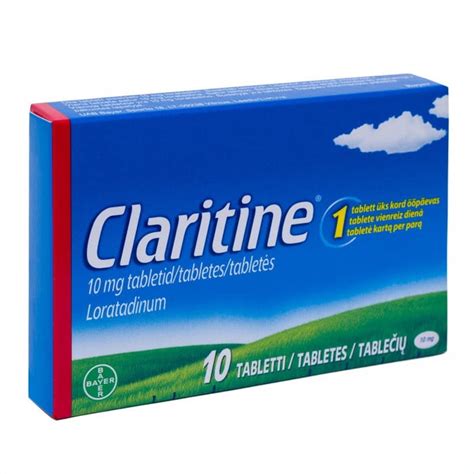
    Antihistamines in Kenya are increasingly common in Kenya, especially in Nairobi where dust, pollution, and weather changes trigger frequent symptoms like sneezing, runny nose, itchy eyes, and skin reactions. Many patients walk into pharmacies asking for “allergy medicine,” but not all antihistamines work the same way.

    At Our Mall Pharmacy, we help patients choose the right antihistamine based on symptom severity, lifestyle, and whether they need non-drowsy daytime relief or stronger night-time medication. This 2026 expert guide covers the best antihistamines in Kenya, how they work, pricing insights, and safe usage.


    What are the best antihistamines in Kenya in 2026?

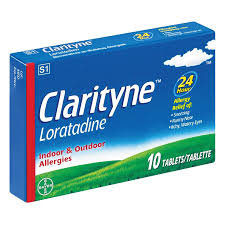
    The best antihistamines in Kenya include Loratadine, Cetirizine, and Chlorpheniramine, which effectively relieve allergy symptoms such as sneezing, itching, and runny nose.

    The choice depends on whether you want non-drowsy or sedating relief.

     Shop allergy medicines:


    What are antihistamines and how do they work?

    Antihistamines are medicines that block histamine, a chemical released during allergic reactions, thereby reducing symptoms like sneezing, itching, and swelling.

    They are commonly used for:

    • Allergic rhinitis (dust allergies)
    • Skin allergies
    • Sinus issues
    • Insect bites

    Top antihistamines in Kenya (2026 list)

    The most commonly used antihistamines in Kenya are effective, affordable, and widely available in pharmacies across Nairobi.

    List:

    1. Loratadine (non-drowsy)
    2. Cetirizine (mild drowsiness)
    3. Chlorpheniramine (sedating)
    4. Fexofenadine (non-drowsy premium option)
    5. Desloratadine (long-lasting relief)

    Which antihistamine is best for non-drowsy use?

    Loratadine and Fexofenadine are the best non-drowsy antihistamines in Kenya, making them ideal for daytime use, work, or driving.

    These are preferred by professionals in Nairobi who need to stay alert.


    Which antihistamine is best for strong allergy relief?

    Cetirizine and Chlorpheniramine provide stronger symptom relief but may cause drowsiness, especially in higher doses.

    They are often recommended for:

    • Severe allergies
    • Night-time use
    • Persistent symptoms

    Are antihistamines safe?

    Yes, antihistamines are generally safe when used correctly, but some may cause side effects such as drowsiness, dry mouth, or dizziness.

    At Our Mall Pharmacy, we guide patients on choosing the safest option based on daily routine.

     Contact pharmacist:


    Medication table: Common antihistamines

    Drug Name Category Use Frequency Availability
    Loratadine Non-drowsy Allergies Once daily OTC
    Cetirizine Mild sedating Allergies Once daily OTC
    Chlorpheniramine Sedating Strong allergies 2–3 times daily OTC
    Fexofenadine Non-drowsy Severe allergies Once daily OTC

    What causes allergies in Nairobi?

    Allergies in Nairobi are mainly caused by dust, pollution, weather changes, and environmental allergens such as pollen and smoke.

    Common triggers:

    • Dust (very common in CBD and roadsides)
    • Cold mornings (Ngong, Karen)
    • Pollution and smoke
    • Pollen and seasonal changes

    Real pharmacy experience in Nairobi

    At Our Mall Pharmacy, we observe:

    • Dust allergies are the most common complaint
    • Many patients prefer non-drowsy antihistamines
    • Night-time allergy symptoms are very common
    • Parents frequently request child-friendly allergy syrups
    • Seasonal changes increase allergy cases

    How to choose the right antihistamine

    The best antihistamine depends on your symptoms, lifestyle, and whether you need daytime alertness or stronger night relief.

    Quick guide:

    • Daytime use → Loratadine / Fexofenadine
    • Night use → Cetirizine / Chlorpheniramine
    • Severe allergies → Cetirizine or prescription options
    • Mild allergies → Loratadine

    FAQ: Antihistamines in Kenya

    1. What is the best antihistamine in Kenya?

    Loratadine and Cetirizine are the most commonly used and effective options.

    2. Which antihistamine does not cause drowsiness?

    Loratadine and Fexofenadine are non-drowsy options.

    3. Can I take antihistamines daily?

    Yes, many are safe for daily use when taken as directed.

    4. Are antihistamines safe for children?

    Yes, but pediatric formulations should be used.

    5. What causes allergies in Nairobi?

    Dust, pollution, and weather changes are the main triggers.


    Final Thoughts

    Antihistamines are essential for managing allergies in Kenya, especially in Nairobi where environmental triggers are common. Choosing the right type—non-drowsy or sedating—makes a big difference in effectiveness and daily comfort.

    At Our Mall Pharmacy, we help patients select safe, effective allergy treatments tailored to their needs and lifestyle.


    Contact Our Mall Pharmacy

     Call Us: +254 722 390 003
     Mon-Sat 9AM-8PM, Sun 10:30AM-6PM
     WhatsApp: Chat with a Pharmacist (Instant responses)
     Email: ourmallpharmacy@gmail.com
     Visit Us: Our Mall, Off Magadi Rd, Avocado Lane, Ground Floor (Shop No. 22)

  • Omeprazole vs Antacids in Kenya: Which Works Better? | Our Mall Pharmacy Kenya

    Omeprazole vs Antacids in Kenya: Which Works Better? | Our Mall Pharmacy Kenya

    Omeprazole vs Antacids Acid-related stomach problems such as heartburn, indigestion, and ulcers are very common in Kenya, especially in Nairobi where diet habits, stress, and irregular meals contribute to frequent digestive discomfort. Many patients often ask whether omeprazole or antacids work better for relief.

    At Our Mall Pharmacy, we help patients choose the right medicine based on symptoms, severity, and underlying causes. This 2026 expert guide explains the difference between omeprazole and antacids, how they work, and which one is more effective for specific conditions.


    What is better in Kenya:Omeprazole vs Antacids?

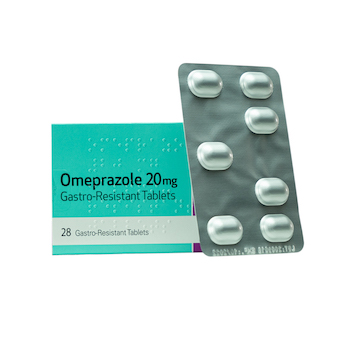
    Omeprazole is better for long-term treatment of acid reflux and ulcers, while antacids are better for fast, short-term relief of heartburn and indigestion.

    Both medicines work differently, so the “better” option depends on your symptoms and treatment goals.

     Digestive health support: 


    How does omeprazole work?

    Omeprazole works by reducing the amount of acid produced in the stomach, allowing ulcers and acid-related damage to heal over time.

    It is commonly used for long-term conditions such as ulcers and chronic acid reflux.

    Key benefits:

    • Reduces stomach acid production
    • Helps heal stomach lining
    • Prevents ulcer recurrence
    • Works best with consistent daily use

    How do antacids work?

    Antacids work by neutralizing stomach acid quickly, providing fast but short-term relief from heartburn, indigestion, and mild acid discomfort.

    They do not treat the underlying cause but relieve symptoms almost immediately.

    Key benefits:

    • Fast relief (minutes)
    • Reduces burning sensation
    • Useful after meals
    • OTC availability in Kenya

     Shop digestive medicines: 


    Omeprazole vs antacids comparison

    Omeprazole is a long-term acid reducer, while antacids are fast-acting symptom relievers used for immediate comfort.

    Comparison table:

    Feature Omeprazole Antacids
    Action speed Slow (hours–days) Fast (minutes)
    Use Long-term treatment Quick relief
    Condition Ulcers, GERD Heartburn, indigestion
    Duration Long-lasting Short-term
    Availability OTC / prescription OTC

    When should you use omeprazole in Kenya?

    Omeprazole should be used when dealing with chronic acid reflux, stomach ulcers, or persistent heartburn that does not improve with simple antacids.

    Common cases in Nairobi:

    • Frequent acid reflux
    • Diagnosed stomach ulcers
    • Persistent burning pain
    • Long-term acid issues

    When should you use antacids in Kenya?

    Antacids are best used for occasional heartburn, indigestion after meals, or mild acid discomfort.

    Common cases:

    • After heavy meals
    • Spicy food discomfort
    • Occasional heartburn
    • Mild stomach acidity

    Real pharmacy experience in Nairobi

    At Our Mall Pharmacy, we observe:

    • Many patients use antacids for long-term ulcers (incorrect use)
    • Stress-related acid reflux is common among office workers
    • Fast food increases indigestion cases in Nairobi
    • Patients often delay ulcer treatment by self-medicating with antacids only
    • Omeprazole is frequently recommended for recurring symptoms

    Are Omeprazole vs Antacids safe?

    Yes, both are safe when used correctly, but misuse—especially long-term unsupervised use—can lead to complications or mask serious conditions.

    Safety tips:

    • Do not rely on antacids for chronic symptoms
    • Take omeprazole as directed by a pharmacist or doctor
    • Avoid long-term self-medication
    • Seek medical advice if symptoms persist

     Contact pharmacist:


    Medication table: Key drugs

    Medicine Category Use Action
    Omeprazole PPI Ulcers, reflux Reduces acid production
    Antacids Acid neutralizer Heartburn, indigestion Neutralizes acid

    FAQ: Omeprazole vs Antacids

    1. Which works faster in Kenya?

    Antacids work faster because they neutralize acid immediately.

    2. Can I use both together?

    Yes, in some cases under pharmacist guidance, but not always necessary.

    3. Is omeprazole stronger than antacids?

    Yes, it is stronger for long-term acid control.

    4. Can antacids treat ulcers?

    No, they only relieve symptoms, not the cause.

    5. How long does omeprazole take to work?

    It may take a few days for full effect.


    Final Thoughts

    Omeprazole and antacids serve different purposes in managing stomach acid problems. In Kenya, especially Nairobi, many patients misuse antacids for conditions that require proper treatment like ulcers.

    At Our Mall Pharmacy, we help patients choose the right treatment based on symptoms, ensuring safe and effective digestive health care.


    Contact Our Mall Pharmacy

     Call Us: +254 722 390 003
     Mon-Sat 9AM-8PM, Sun 10:30AM-6PM
     WhatsApp: Chat with a Pharmacist (Instant responses)
     Email: ourmallpharmacy@gmail.com
     Visit Us: Our Mall, Off Magadi Rd, Avocado Lane, Ground Floor (Shop No. 22)

  • Best Medicine for Ulcers in Kenya (2026 Expert Guide) | Our Mall Pharmacy Kenya

    Best Medicine for Ulcers in Kenya (2026 Expert Guide) | Our Mall Pharmacy Kenya

    Ulcer Medicine in Kenya is a common health problem especially in urban areas like Nairobi where stress, irregular meals, and H. pylori infections contribute significantly to cases. Many patients initially mistake ulcer symptoms for simple indigestion, which delays proper treatment.

    At Our Mall Pharmacy, we regularly guide patients on safe and effective ulcer management based on symptoms, medical history, and proper medication use. This 2026 expert guide explains the best ulcer medicines in Kenya, how they work, pricing insights, and safe usage tips.


    What is the best Ulcer Medicine in Kenya?

    The best medicine for ulcers in Kenya is a Proton Pump Inhibitor (PPI) like Omeprazole, often combined with antibiotics if H. pylori infection is present.

    Treatment depends on whether the ulcer is caused by acid irritation or bacterial infection.

     Digestive health support: 


    What causes stomach Ulcers in Kenya?

    Stomach ulcers in Kenya are mainly caused by H. pylori bacterial infection, excessive stomach acid, long-term use of painkillers, and lifestyle factors such as stress and irregular eating habits.

    In Nairobi, we often see higher cases among adults with high-stress jobs and irregular meal schedules.

    Common causes:

    • H. pylori infection
    • Excess stomach acid
    • Frequent use of NSAIDs (painkillers)
    • Stress and poor diet habits
    • Smoking and alcohol use

    Best ulcer medicines in Kenya (2026 list)

    The most effective ulcer medicines in Kenya include acid-reducing drugs, antibiotics, and protective stomach lining medications.

    Common medications:

    • Omeprazole (PPI)
    • Esomeprazole
    • Pantoprazole
    • Amoxicillin (for H. pylori treatment)
    • Clarithromycin (combination therapy)
    • Antacids for symptom relief

     Shop digestive medicines:


    How Omeprazole works for ulcers

    Omeprazole works by reducing stomach acid production, allowing the ulcer in the stomach lining to heal and preventing further irritation.

    It is usually taken once daily before meals for best effectiveness.

    Key benefits:

    • Reduces stomach acid
    • Promotes ulcer healing
    • Relieves burning pain
    • Prevents recurrence when used correctly

    Ulcer Medicine in Kenya safe?

    Yes, ulcer medicines are safe when used correctly, but long-term unsupervised use can mask serious conditions or cause side effects.

    At Our Mall Pharmacy, we emphasize proper diagnosis before long-term treatment.

    Contact pharmacist: 


    Medication table: Ulcer treatment options

    Medicine Category Use Function
    Omeprazole PPI Ulcer treatment Reduces acid
    Esomeprazole PPI Severe ulcers Strong acid suppression
    Amoxicillin Antibiotic H. pylori Kills bacteria
    Clarithromycin Antibiotic H. pylori Combination therapy
    Antacids Acid neutralizer Symptom relief Fast relief

    Real pharmacy experience in Nairobi

    At Our Mall Pharmacy, we observe:

    • Many patients confuse ulcers with normal indigestion
    • Painkiller overuse is a major cause of stomach irritation
    • Stress-related ulcers are common in CBD workers
    • H. pylori infections are frequently diagnosed after persistent symptoms
    • Patients often self-medicate before proper diagnosis

    How long does Ulcer Medicine in Kenya take?

    Ulcer treatment usually takes 2 to 8 weeks depending on severity, cause, and whether bacterial infection is involved.

    Recovery timeline:

    • Mild ulcers → 2–4 weeks
    • H. pylori ulcers → 7–14 days antibiotics + acid suppression
    • Severe cases → 4–8 weeks

    FAQ: Ulcer medicine in Kenya

    1. What is the best medicine for ulcers in Kenya?

    Omeprazole is the most commonly used first-line treatment, often combined with antibiotics if needed.

    2. Can ulcers be cured permanently?

    Yes, especially if H. pylori infection is treated and lifestyle changes are made.

    3. What foods should ulcer patients avoid?

    Spicy foods, alcohol, caffeine, and acidic foods may worsen symptoms.

    4. Are ulcers serious?

    Yes, if untreated they can lead to complications like bleeding or severe pain.

    5. Can I buy ulcer medicine without prescription?

    Some antacids and PPIs are available over the counter, but proper diagnosis is recommended.


    Final Thoughts

    Ulcers are treatable when properly diagnosed and managed with the right medication. In Kenya, especially Nairobi, early treatment is important to prevent complications and improve quality of life.

    At Our Mall Pharmacy, we provide professional guidance to ensure patients receive safe, effective, and appropriate ulcer treatment based on real medical needs.


    Contact Our Mall Pharmacy

     Call Us: +254 722 390 003
     Mon-Sat 9AM-8PM, Sun 10:30AM-6PM
     WhatsApp: Chat with a Pharmacist (Instant responses)
    Email: ourmallpharmacy@gmail.com
     Visit Us: Our Mall, Off Magadi Rd, Avocado Lane, Ground Floor (Shop No. 22)

  • Cost of Multivitamins in Nairobi (2026 Price Guide) | Our Mall Pharmacy Kenya

    Cost of Multivitamins in Nairobi (2026 Price Guide) | Our Mall Pharmacy Kenya

    Multivitamin Prices in Nairobi are widely used  for immunity, energy, and general health support. However, one of the most common questions customers ask at pharmacies is: “How much do multivitamins cost in Kenya?”

  • Top 10 Multivitamins in Kenya (2026 Buyer’s Guide) | Our Mall Pharmacy Kenya

    Top 10 Multivitamins in Kenya (2026 Buyer’s Guide) | Our Mall Pharmacy Kenya

    multivitamins in Kenya are among the most commonly used supplements in Kenya today. In Nairobi especially, many people rely on them to support immunity, energy, and overall wellness due to busy lifestyles, irregular diets, and increased stress levels.

    At Our Mall Pharmacy, we frequently guide patients on selecting the right multivitamin based on age, health needs, and diet. This ensures safe and effective use rather than random self-selection. This 2026 guide explains the best multivitamins in Kenya, their benefits, and how to choose the right one.


    What are the best multivitamins in Kenya in 2026?

    The best multivitamins in Kenya are those that contain essential nutrients such as Vitamin A, B-complex, C, D, zinc, and iron, which support immunity, energy production, and general health.

    Different individuals require different formulations depending on lifestyle, age, and nutritional gaps.

     Shop supplements:


    Why do people take multivitamins in Kenya?

    People take multivitamins in Kenya to supplement nutritional deficiencies caused by poor diet, stress, busy schedules, and illness recovery needs.

    In Nairobi, this is especially common among working professionals and students.

    Common reasons include:

    • Low immunity
    • Fatigue and low energy
    • Poor dietary intake
    • Recovery after illness
    • Stressful urban lifestyle

    Top 10 multivitamins in Kenya (2026 list)

    The most commonly used multivitamins in Kenya include trusted pharmacy brands that support immunity, energy, and general wellness.

    List:

    1. Centrum Multivitamins
    2. Vitabiotics Wellman
    3. Vitabiotics Wellwoman
    4. Pharmaton Capsules
    5. Supradyn Energy Tablets
    6. Nature’s Bounty Multivitamins
    7. Seven Seas Multivitamins
    8. Zinc + Vitamin C supplements
    9. Feroglobin (iron support)
    10. Immunace Extra Care

    View supplements: 


    What is the best multivitamin for immunity?

    The best multivitamins for immunity contain Vitamin C, Vitamin D, and Zinc, which strengthen the body’s defense system and reduce the risk of infections.

    These are especially important during flu seasons in Nairobi.


    What is the best multivitamin for energy?

    Multivitamins containing B-complex vitamins and iron are best for energy because they support metabolism and reduce fatigue.

    They are widely used by professionals and students in Kenya.


    Are multivitamins safe?

    Yes, multivitamins are safe when used correctly, but excessive use or combining multiple supplements may cause imbalance or side effects.

     Contact pharmacist: 


    Medication table: Key nutrients

    Nutrient Function Benefit
    Vitamin C Immunity support Fights infections
    Vitamin D Bone & immune health Improves immunity
    B-complex Energy production Reduces fatigue
    Zinc Healing & immunity Supports recovery
    Iron Blood health Prevents anemia

    Real pharmacy experience in Nairobi

    At Our Mall Pharmacy, we observe:

    • Increased multivitamin demand during flu seasons
    • Office workers often report fatigue and low energy
    • Students use supplements during exam periods
    • Pregnant women frequently request prenatal vitamins
    • Immunity boosters are highly popular during rainy seasons

    How to choose the right multivitamin

    The right multivitamin depends on your health needs, diet, and lifestyle—not brand popularity or marketing claims.

    Simple guide:

    • Immunity → Vitamin C + Zinc
    • Energy → B-complex + Iron
    • Women → Iron + folic acid
    • Men → Zinc + B vitamins
    • Seniors → Vitamin D + calcium

    FAQ: Multivitamins in Kenya

    1. Do multivitamins really work?

    Yes, they help fill nutritional gaps but do not replace a balanced diet.

    2. Can I take multivitamins daily?

    Yes, most are designed for daily use when taken as directed.

    3. What is best for immunity?

    Vitamin C, Vitamin D, and Zinc combinations are best.

    4. Are multivitamins safe long-term?

    Yes, if taken in recommended doses.


    Final Thoughts

    Multivitamins are an important part of modern health support in Kenya, especially for people with busy lifestyles and inconsistent diets. However, choosing the right supplement is key to getting real benefits.

    At Our Mall Pharmacy, we help patients in Nairobi and across Kenya choose safe and effective supplements tailored to their needs.


    Contact Our Mall Pharmacy

     Call Us: +254 722 390 003
     Mon-Sat 9AM-8PM, Sun 10:30AM-6PM
     WhatsApp: Chat with a Pharmacist (Instant responses)
     Email: ourmallpharmacy@gmail.com
     Visit Us: Our Mall, Off Magadi Rd, Avocado Lane, Ground Floor (Shop No. 22)